
Q
What's the base price of Ferrari 296?
 FunnyJokeMay 23, 2025, 10:48 AM
The Ferrari 296 has different models, and their base prices also vary. Among them, the price of the 2022 Ferrari 296 GTB V6 is RM 1,228,000, and the price of the 2022 Ferrari 296 GTS V6 is RM 1,448,000. The Ferrari 296 belongs to the supercar category, with extremely powerful performance. It uses a Petrol Hybrid (HEV, MHEV) fuel type, combining the advantages of a fuel engine and an electric motor. Its official 0-100km/h acceleration takes only 2.9 seconds, and the top speed can reach 330km/h. In addition, the vehicle's configurations like suspension and braking are also outstanding. The front suspension is a double-wishbone independent, and both the front and rear brakes are ventilated disc brakes, paired with an electronic parking brake, ensuring excellent handling and safety.
Special Disclaimer: This content is published by users and does not represent the views or position of PCauto.
Related Q&A
Q
Does Ferrari 296 have a manual or automatic transmission?
The Ferrari 296 is equipped with a wet dual-clutch transmission (DCT), an automatic transmission technology. This transmission enables rapid and smooth gear shifts, providing the vehicle with enhanced acceleration performance and comfortable driving experience. The dual-clutch transmission features two clutches: one handles odd-numbered gears (1st, 3rd, 5th, etc.), while the other manages even-numbered gears (2nd, 4th, 6th, etc.). Through the coordinated operation of these two clutches, its shift times are significantly reduced while maintaining continuous power output during gear changes, which not only improves the vehicle's acceleration times but also reduces fuel consumption to some extent. Additionally, certain DCT transmissions offer manual shift modes, allowing drivers who prefer to control shift timing to enjoy the engagement of manual driving. The Ferrari 296 combines the advantages of both automatic and manual transmissions.
 DiverDepthMysteryMay 23, 2025
Q
What are the differences between Ferrari F8 and 296?
There are several differences between the Ferrari F8 and the 296. In terms of powertrain, the F8 is equipped with a 3.9T V8 twin-turbo engine delivering a maximum power output of 530 kW, while the 296 features a plug-in hybrid system combining a new 120° V6 engine with an electric motor, achieving a combined system output of 610.294 kW. Regarding exhaust sound, the 296 GTB has been specially tuned to produce a more pronounced note compared to the F8.
In exterior, the F8 measures 4611 mm in length, 1979 mm in width, and 1206 mm in height with a 2650 mm wheelbase, whereas the 296 GTB is 4565 mm long, 1958 mm wide, and 1187 mm tall with a 2600 mm wheelbase. Both models shows distinct styles and details.
For the interior, the 296 incorporates certain design elements from the SF90, including the touch-sensitive ignition switch, giving it a more technologically advanced feel similar to the F8.
In price, the F8 is priced at RM 3.057 million, while the 296 GTB is priced at RM 1,228,000 and the 296 GTS at RM 1,448,000.
In summary, each model has its own advantages: the F8 embodies the allure of traditional combustion power, while the 296 showcases Ferrari's pioneering advancements in hybrid technology.
 RubyRedGlowMay 23, 2025
Q
Is Ferrari 296 electric?
The Ferrari 296 is a plug-in hybrid vehicle, not a pure electric vehicle. Its fuel type is Petrol Hybrid (HEV, MHEV), and it is equipped with an internal combustion engine and an electric motor. Taking the 2022 model as an example, the engine delivers a maximum horsepower of 663 PS, while the electric motor produces 166 PS, resulting in a combined system output of 830 PS. The official all-electric range is 25 km. It utilizes a ternary lithium-ion battery with a capacity of 7.45 kWh and an energy consumption rate of 14 kWh/100 km. This hybrid configuration allows the Ferrari 296 to accommodate short-distance travel in pure electric mode, reducing emissions and fuel consumption, while the coordinated operation of the engine and electric motor provides supercar-level performance when needed. The vehicle achieves a top speed of 330 km/h, with an official 0-100 km/h acceleration time of just 2.9 seconds.
 QuirkyStyleMay 23, 2025
Q
What's the design of Ferrari 296?
The Ferrari 296 draws inspiration from multiple aspects. Its design DNA pays homage to the legendary 1963 250 LM, a Le Mans prototype racer, with the 296 GTS specifically engineered to be similar to the 296 GTB's aerodynamic profile and downforce characteristics when the roof is closed. Moreover, it also draw inspiration from the 250 LM. The overall styling retains elements from the simplicity and functional features of 1960s sports cars, featuring sculpted body lines, a "no B-pillar" design, unique fender and intake combinations, and a truncated tail. The cockpit design of the 296 GTB follows the SF90 Stradale's approach, adopting a fully digital interface that enhances its sporty and luxurious feel. This blend of historical and modern elements not only pays homage to Ferrari's heritage but also aligns the 296 with contemporary automotive advancements, delivering a unique and exhilarating driving experience.
 MusicianNoteMay 23, 2025
Q
How fast is Ferrari 296?
Ferrari 296 can achieve an impressive top speed. Both the 2022 Ferrari 296 GTB V6 and 296 GTS V6 have a maximum speed of 330 km/h. This remarkable speed is accomplished through a powerful combination of components. They are equipped with a petrol-hybrid system where the engine and electric motor work together. The engine is a turbocharged V6 with substantial horsepower, while the electric motor provides additional power. The advanced transmission and drivetrain also play crucial roles in enabling the vehicle to reach such high speeds. Additionally, the aerodynamic design of the Ferrari 296 helps reduce drag coefficient and enhances stability at high velocities. Moreover, the 296 GTB and GTS can accelerate from 0 to 100 km/h in just 2.9 seconds, delivering rapid bursts of speed. In pure electric mode, they can also reach a top speed of 135 km/h with a pure electric range of 25 km.
 HealerHeartComfortMay 23, 2025
Q
Is the 296 a supercar?
Yes, the 296 is indeed a supercar. In terms of performance, the 296 GTB is equipped with a new 120° V6 turbocharged engine producing 663 horsepower, combined with an electric motor delivering up to 166 horsepower, resulting in a total powertrain output of 830 horsepower. It achieves a top speed of 330 km/h and accelerates from 0-100 km/h in just 2.9 seconds according to official figures, demonstrating robust power delivery and quick acceleration.
In design, the 296 incorporates typical aerodynamic features of supercars, such as the signature "tea-tray" front spoiler that generates significant downforce. Its compact body shape and short 2,600mm wheelbase enhance agility and handling. These design elements not only ensure a striking appearance but also optimize performance.
Furthermore, the 296's price positions it firmly within the supercar segment, with the 296 GTB priced at RM1,228,000 and the 296 GTS at RM1,448,000. Considering all these factors together, the 296 undoubtedly qualifies as a true supercar.
 HelperHandMay 23, 2025
Q
What are the differences between Ferrari 296 and Turbo S?
The Ferrari 296 is available in models such as the GTB and GTS, which differ from the Turbo S in multiple aspects. In terms of powertrain, the Ferrari 296 utilizes a petrol hybrid system (HEV/MHEV). For instance, the 296 GTB is equipped with a 3.0L V6 twin-turbocharged gasoline engine paired with a rear electric motor, delivering a combined system output of 830 horsepower. Its official 0-100 km/h acceleration time is 2.9 seconds. If the Turbo S refers to the Porsche 911 Turbo S, it is powered by a 4L twin-turbocharged V8 engine, with specific performance figures differing from the 296.
Regarding exterior design, the 296 GTB features distinctive elements such as its signature "tea-tray" front spoiler and innovative rear style. Different brands and models exhibit their own unique design languages, with variations in lines, proportions, and overall aesthetics.
Inside the cabin, the Ferrari 296 blends Italian flair with cutting-edge digital technology, while the Turbo S interior reflects Porsche's characteristic design philosophy. The two differ in material choices, layout, and human-machine interface design.
For price, the 296 GTB is priced at RM1,228,000 and the 296 GTS at RM1,448,000, whereas the price of Turbo S varies depending on specific model configurations and other factors.
 CheeryMoodMay 23, 2025
Q
What are the differences between 296 and SF90?
Both the 296 and SF90 are exceptional sports cars under the Ferrari brand, but they differ in multiple aspects. In terms of price, the 296 starts at RM 1,228,000 (296 GTB) and RM 1,448,000 (296 GTS), while the SF90 has a higher manufacturer's suggested retail price. Regarding body dimensions, the 296 GTB measures 4565mm in length, 1958mm in width, and 1187mm in height, with a wheelbase of 2600mm. The SF90, on the other hand, measures 4704mm in length, 1973mm in width, and 1191mm in height, with a wheelbase of 2649mm, making it larger.
Their drivetrain configurations also differ: the 296 GTB is rear-wheel drive, with both the engine and electric motor positioned on the rear axle, whereas the SF90 is an all-wheel-drive vehicle, featuring two motors on the front axle that independently power the front wheels.
In terms of powertrain, the 296 is equipped with a 2.9L twin-turbocharged V6 engine paired with a rear-axle electric motor, adopting a plug-in hybrid system with a maximum output of 830 horsepower. The SF90, meanwhile, features a 4.0L turbocharged engine delivering 780 PS and 800 N·m of torque, and its overall system performance also varies.
These differences allow consumers to make a choice based on their individual needs and preferences.
 KindheartedMay 23, 2025
Q
Is Ferrari 296 an entry-level model?
The Ferrari 296 is not an entry-level model. In terms of price, its selling price ranges from RM 1,228,000 to RM 1,448,000, far exceeding the price range of ordinary entry-level vehicles. In terms of performance, it belongs to the supercar category, featuring a powerful powertrain with a maximum engine output of 663PS, an electric motor delivering 166PS, and a combined system output of 830PS. The official 0-100km/h acceleration time is just 2.9 seconds, with a top speed of 330km/h—performance unattainable by entry-level vehicles. Additionally, it incorporates advanced high-end configurations such as a gasoline-electric hybrid system, all-wheel drive, double-wishbone independent suspension, and ventilated disc brakes. These features collectively demonstrate that the Ferrari 296 is a premium model designed for consumers seeking exceptional performance and driving dynamics, not an entry-level product.
 DancerMoveMay 23, 2025
Q
Is 296 faster than SF90?
It's hard to simply say whether the 296 is faster than the SF90. The 296 GTB has a top speed of 330 km/h and an official 0-100 km/h acceleration time of 2.9 seconds, while the SF90 has a top speed of 340 km/h and an official 0-100 km/h acceleration time of 2.5 seconds. So considering the their performance, the SF90 is faster.
However, speed can be affected by many factors, including the driving environment, the driver's skills, and the vehicle's specific setup. The SF90 has a more powerful overall power system with its 3.9T 781 horsepower V8 engine and advanced hybrid system. The 296, on the other hand, uses a 2.9T V6 engine with hybrid assistance. Different engine characteristics and power delivery methods may lead to different speed experiences in actual driving.
Both vehicles are high-performance supercars from Ferrari, each with its own charm and characteristics, and their speed performance needs to be evaluated comprehensively in various aspects.
 CuteySmileMay 23, 2025
Popular Cars
Model Year
Car Compare
Car Photo
Related Models
 Cars
CarsLatest Q&A
Q
Is AMT similar to automatic?
There are significant differences between AMT transmissions and automatic transmissions (AT) in terms of core structure and driving experience. AMT is essentially an electronically automated version of a manual transmission, simulating manual clutch operation and gear shifting through a computerized control system while retaining the gear set structure of manual transmissions. As a result, it offers higher transmission efficiency, with fuel consumption approximately 8%-12% lower than AT, making it particularly suitable for highway or long-distance driving. However, it may exhibit jerking similar to manual transmissions during low-speed gear shifts, especially noticeable in congested traffic conditions.
AT transmissions rely on torque converters for power transfer, delivering smooth and seamless gear shifts that appeal to comfort-oriented users. However, their complex structure (incorporating planetary gear sets, hydraulic systems, etc.) results in higher maintenance costs. A single service may cost between 800 to 1,500 ringgit, whereas AMT only requires gear oil replacement at approximately 400 ringgit.
From a market perspective, AMT is predominantly used in budget vehicles or commercial models priced below 80,000 ringgit, while AT is typically featured in mid-to-high-end vehicles. Consumers should select based on actual needs: AMT suits those prioritizing fuel efficiency and low maintenance costs, while AT better serves those valuing comfort. Notably, recent advancements in AMT electronic control technology have significantly mitigated jerking issues, though test drives should still emphasize low-speed performance evaluation.
 AriaMar 26, 2026
Q
Which is better, DCT or AT?
DCT (Dual-Clutch Transmission) and AT (Automatic Transmission) each have their own advantages and disadvantages, and the choice should be based on personal driving needs. AT transmissions transfer power through a torque converter, offering excellent shift smoothness, making them suitable for urban commuting or novice drivers. However, they tend to have higher fuel consumption, and vehicles equipped with them are usually more expensive. DCT transmissions utilize a dual-clutch structure, featuring fast shift speeds and high power transmission efficiency, which provides a more direct driving experience—particularly suitable for users seeking a sporty feel. However, they may exhibit jerking at low speeds and have relatively high maintenance costs. If durability and comfort are priorities, AT is the more reliable choice; if power responsiveness and driving pleasure are preferred, wet DCT (such as Volkswagen DSG) performs better, though dry DCT models should be avoided in prolonged stop-and-go traffic conditions. Additionally, CVT transmissions excel in smoothness and fuel efficiency, making them ideal for daily commuting, but they lack driving excitement. It is recommended to test-drive before purchasing, as tuning varies significantly across brands, and real-world experience is more important than theoretical specifications.
 FlutteringMar 26, 2026
Q
Is Amt good or bad?
AMT gearboxes have a significant cost advantage in the local market, typically being around 5,000 Ringgit cheaper than models equipped with conventional automatic transmissions. Their fuel efficiency is comparable to manual transmissions, resulting in long-term fuel savings. Featuring a straightforward design, they achieve transmission efficiency exceeding 90% with relatively low maintenance costs, making them ideal for practicality-oriented consumers. However, their shifting logic contains inherent limitations: gear changes between 1st and 2nd cause 0.3-0.5 second power interruptions, while unintended upshifts on inclines may reduce engine speed by 15%-20%, compromising driving smoothness. For urban commuters or budget-conscious buyers, AMT offers excellent value, though those prioritizing premium driving dynamics should consider alternative transmission types. Some domestic models like the Perodua Axia employ enhanced AMT systems, where optimized shift programming has reduced gearshift shock by approximately 30%.
 RainbowsMar 26, 2026
Q
Which gives better mileage, CVT or AMT?
From the perspective of fuel economy, CVT transmissions generally perform better under urban driving conditions. Their continuously variable design allows the engine to consistently operate within the optimal speed range, significantly reducing fuel consumption during frequent starts and stops. Test data shows that their fuel consumption in urban driving conditions is 10% to 15% lower than that of comparable models. AMT transmissions, on the other hand, inherit the high transmission efficiency of manual transmissions, delivering fuel efficiency close to manual transmissions during high-speed cruising. This makes them particularly suitable for long-distance driving in large-displacement vehicles. However, due to power interruption during gear shifts, their overall fuel consumption may be 5% to 8% higher than CVTs.
The difference in fuel-saving characteristics between the two transmissions stems from their technical principles: CVTs achieve continuous variability through steel belts and pulleys, eliminating the fixed gear ratio limitations of traditional transmissions; AMTs simulate manual gear changes via electronic control systems while maintaining the mechanical efficiency of gear transmission. Notably, actual fuel consumption is also influenced by driving habits. Smooth acceleration and anticipatory deceleration can maximize the transmissions' fuel-saving potential. If the vehicle budget permits and urban commuting is the primary use, CVTs offer a more economical choice. For frequent highway driving with an emphasis on cost-effectiveness, AMTs are equally worth considering.
 RubyBlazeMar 26, 2026
Q
Which is cheaper, AMT or CVT?
In terms of gearbox cost, AMT is usually more economical than CVT. Essentially, AMT is a manual transmission equipped with an electronic control unit, featuring a simple structure and low maintenance costs. The unit price ranges from approximately 5,000 to 8,000 ringgit, making it suitable for budget-conscious consumers or those who prioritize long-term operating costs. CVT incurs higher manufacturing costs due to its precision steel belt transmission system and continuous variable transmission technology, with a unit price of about 7,000 to 10,000 ringgit. However, it delivers a smoother driving experience and superior fuel efficiency. The primary differences between the two lie in technical complexity: AMT retains the gear-shifting mechanism, resulting in noticeable shift shock; CVT achieves linear power output through stepless speed variation but requires periodic belt inspection and incurs higher maintenance expenses. For those prioritizing initial cost and basic transportation needs, AMT offers better value; if comfort and long-term fuel economy are priorities, CVT represents a more worthwhile investment. Note that actual prices may vary based on vehicle model, brand, and local supply chain factors.
 ShadowProwlMar 26, 2026
Related News
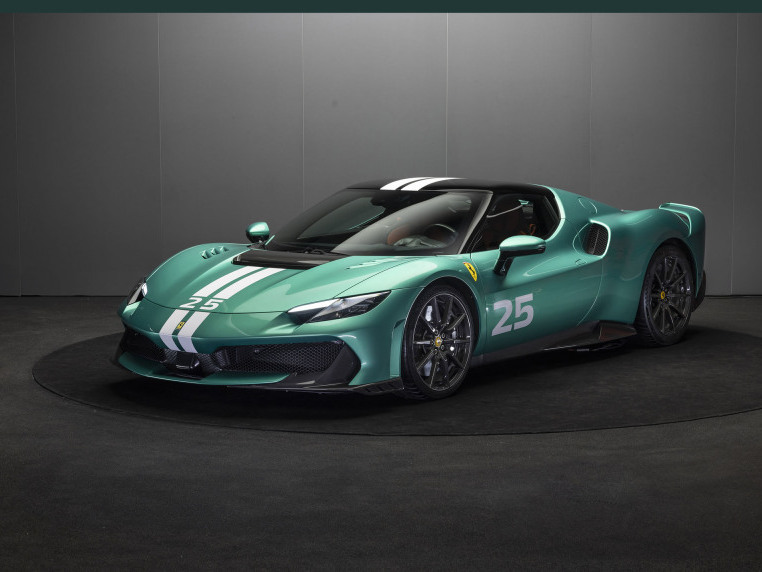
Ferrari Unveils 296 Speciale Plug-in Hybrid Supercar, Accelerating from 0-100 km/h in Just 2.8s
JohnApr 30, 2025
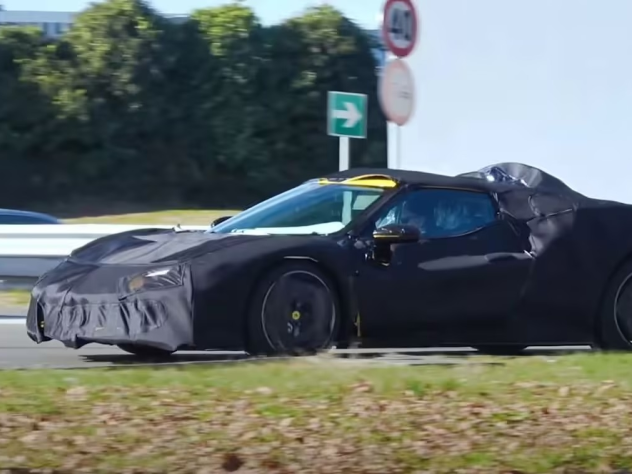
Meet Ferrari's New Track Beast: 296 VS Debuts on April 29
RobertApr 3, 2025

Ferrari unveils the chassis and core components of its first all-electric model, Elettrica
LienOct 10, 2025

Ferrari 849 Testarossa officially released, succeeding the SF90 Stradale with more powerful performance
RobertSep 12, 2025
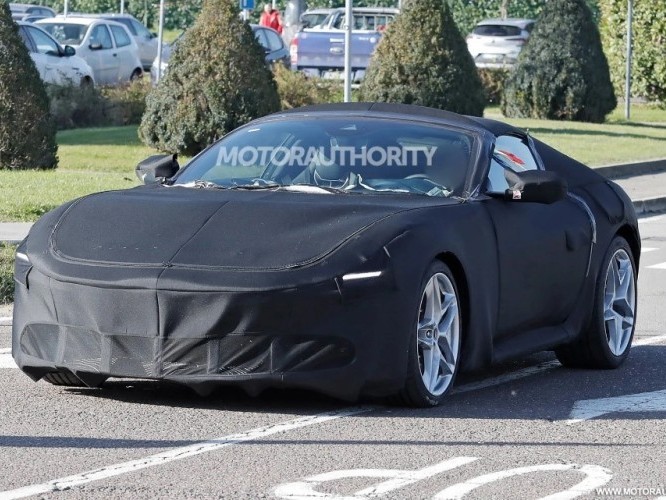
Spy shots of the Ferrari Roma successor revealed! May be released by the end of 2025, Hybrid system could be the highlight
WilliamNov 19, 2024
View More
Pros
Cons