
Q
What is the difference between 2025 and 2024 Crown?
 WhisperrNov 25, 2025, 04:41 PM
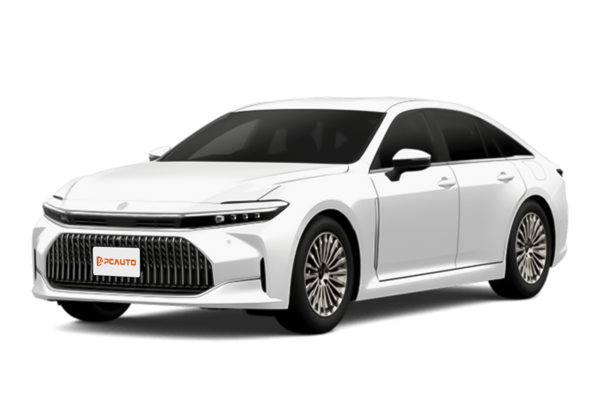
The key upgrades for the 2025 Crown compared to the 2024 model focus on tech features and powertrain refinements. Externally, it gets slimmer LED matrix headlights and two new paint color options. Inside, the instrument cluster is upgraded to a 12.3-inch all-digital display, while the infotainment screen grows to 14 inches with bidirectional voice assistant support. Wireless Apple CarPlay and Android Auto now come standard. Under the hood, the 2.5L hybrid system carries over but with retuned ECU software, cutting combined fuel consumption by around 8%. Some higher trims add rear-wheel steering for improved handling agility. Safety tech moves up to the latest TSS 3.0, gaining intersection collision warning and emergency steering assist. Notably, the 2025 model drops the CD player but adds smartphone digital key functionality. Looking at the Crown's evolution, the model has gradually shifted from a traditional luxury sedan to a crossover-inspired design in recent years—better suited for diverse road conditions. The continuous refinement of its hybrid system also aligns with current eco-friendly trends. For those seeking better driving dynamics, keep an eye on the improved suspension response in Sport mode; these subtle tweaks often translate to a more enjoyable time behind the wheel.
Special Disclaimer: This content is published by users and does not represent the views or position of PCauto.
Related Q&A
Q
How much horsepower does the 2024 Crown have?
The 2024 Toyota Crown offers different horsepower outputs based on powertrain configurations. The hybrid version pairs a 2.5-liter four-cylinder engine with an electric motor, delivering a combined 236 horsepower, while the more powerful 2.4-liter turbocharged hybrid system cranks out a maximum 340 horsepower. Both setups prioritize a balance of efficiency and eco-friendliness. As Toyota's flagship model, the Crown features advanced hybrid technology that not only boosts fuel economy but also enhances the driving experience, making it suitable for daily commutes and long road trips. What's more, the hybrid battery pack is specifically positioned to avoid eating into cabin space while ensuring smooth acceleration. For buyers who care about performance, the turbocharged variant delivers stronger acceleration, while the standard hybrid caters better to those chasing efficiency. Toyota's ongoing innovations in hybrid tech have allowed the Crown to stand out in balancing performance and green credentials, making it a solid competitor in its class.
 VirtualRealityDreamerNov 26, 2025
Q
How does the 2024 Crown compare to the Avalon?
The 2024 Toyota Crown gets significant upgrades in design, powertrain, and tech features compared to the Avalon. The Crown goes for a more cutting-edge crossover vibe, offering standard hybrid and plug-in hybrid options, while the Avalon, as a traditional sedan, focuses more on comfort and space. The Crown comes standard with a 12.3-inch infotainment screen and Toyota's latest TSS 3.0 safety suite, giving it a stronger tech feel. The Avalon, on the other hand, sticks with a more classic layout, better suited for drivers who prefer that traditional ride experience. Under the hood, the Crown's hybrid system delivers better fuel efficiency, making it ideal for city commuting, while the Avalon's 3.5L V6 cranks out more robust power. Both cars have comfort-focused suspension setups, but the Crown sits higher off the ground for better rough-road capability. For shoppers looking to switch rides, the Crown is the way to go if you want sleek design and advanced tech. If you're more about that classic sedan feel and big-displacement power, the Avalon still has its appeal. It's worth noting that with the shift toward electrification, hybrid and plug-in hybrid models are only going to get more advantages in daily running costs and eco-friendliness.
 MusicalHarmonyMakerNov 26, 2025
Q
How much does a 2024 Toyota Crown cost?
The 2024 Toyota Crown is expected to be priced locally between RM250,000 and RM350,000, with specific prices varying by trim level. The entry-level hybrid variant will likely start around RM250,000, while the range-topping sports model or four-wheel drive high-spec version could approach RM350,000. Built on Toyota's latest TNGA-K platform, this car offers two powertrain options: a 2.5-liter hybrid system and a 2.4-liter turbocharged engine, both paired with the Direct Shift-8AT transmission for a good balance of fuel efficiency and performance. As Toyota's flagship sedan, the Crown comes standard with premium features like a 12.3-inch touchscreen, TSS 3.0 safety suite, and panoramic sunroof. Its dimensions fall between the Camry and Lexus ES, with a 2,850mm wheelbase providing ample rear legroom. Notably, it adopts a crossover design with slightly higher ground clearance than traditional sedans and offers an optional E-Four Advanced electronic all-wheel drive system, making it ideal for buyers seeking refined driving dynamics with added versatility. When purchasing, keep an eye out for official promotions—some dealers may offer complimentary maintenance packages or low-interest financing deals.
 CreativeGeniusInnovatorNov 26, 2025
Q
How fast is the Toyota Crown 2024 0 to 60?
The 2024 Toyota Crown clocks in at around 5.7 seconds for the 0-60 mph (approximately 96 km/h) sprint, a performance largely thanks to its hybrid system's robust power delivery. The high-end trim, in particular, packs a 2.4-liter turbocharged hybrid engine that cranks out a combined 340 horsepower, striking a nice balance between performance and fuel efficiency. As Toyota's premium offering, the Crown stands out in its class of hybrid sedans when it comes to acceleration, making it a solid pick for buyers who want both power and eco-friendliness. Beyond straight-line speed, this car comes loaded with advanced driver-assistance features and a plush interior—think a 12.3-inch touchscreen and a fully digital gauge cluster—that up the tech and comfort ante. It's worth mentioning that the hybrid system's instant torque makes for quick getaways, while the electronic all-wheel-drive system sharpens grip, especially keeping things steady on wet roads. If you're craving more thrills, check out its Sport mode tuning, which dials up the driving experience for a more aggressive feel.
 CuriousMindInvestigatorNov 26, 2025
Q
How much is the 2024 Crown XLE?
The official price of the 2024 Toyota Crown XLE currently ranges from approximately RM250,000 to RM300,000, with the exact figure potentially varying based on optional configurations, dealer discounts, or promotional activities. This model is equipped with a 2.5-liter hybrid system that delivers a combined 234 horsepower, paired with an electronic all-wheel-drive system. It achieves a fuel consumption of around 5.6L/100km, balancing performance and fuel efficiency nicely. Standard features include a 12.3-inch infotainment screen, Toyota Safety Sense 3.0, a panoramic sunroof, and leather seats, among other premium touches. Notably, as Toyota's flagship sedan, the 2024 Crown rides on the new TNGA-K platform, which enhances body rigidity while lowering the center of gravity, resulting in noticeably improved handling stability compared to its predecessor. When considering competitors in the same class, you might compare it to hybrid versions of the Honda Accord or Nissan Teana, but the Crown XLE holds an edge in terms of sound insulation and rear passenger space. It's advisable to visit an authorized dealership for a test drive before purchasing to experience the suspension tuning and the hybrid system's smoothness firsthand, and keep an eye out for possible special offers during year-end auto shows.
 BraveExplorerAdventurerNov 25, 2025
Q
Is the Toyota Crown 2024 electric or gas?
The 2024 Toyota Crown currently offers a variety of powertrain options, including traditional gasoline versions and hybrid versions, but there's no pure electric variant available yet. The gasoline models come with either a 2.5-liter four-cylinder engine or a 3.5-liter V6, while the hybrid pairs a 2.5-liter engine with an electric motor, balancing fuel efficiency and performance. Design-wise, this car blends elements of a sporty coupe and a luxury sedan, packing advanced driver assistance systems and tech features like a full digital instrument cluster and a large infotainment screen. Even though there's no pure EV option right now, Toyota is ramping up its electrification efforts globally, so we might see more new energy models down the line. For eco-conscious buyers, the hybrid is a solid pick—it delivers better overall fuel economy than traditional gas-powered cars, and you don't have to stress about charging infrastructure. The Crown lineup has always been known for comfort and reliability, and the 2024 model carries on that tradition while stepping up interior quality and sound insulation. If you're set on a pure electric vehicle, keep an eye on Toyota's bZ series or check out EVs from other brands—there are already plenty of choices in the local market.
 GoldenSunbeamCatcherNov 25, 2025
Q
Where is the 2024 Toyota Crown made?
The 2024 Toyota Crown is primarily built at Toyota's Motomachi Plant in Japan, a facility renowned for crafting premium models and prioritizing craftsmanship. This car rides on Toyota's latest TNGA-K platform, striking a balance between handling stability and ride comfort. Under the hood, you've got two choices: a 2.5-liter hybrid and a 2.4-liter turbocharged hybrid. The latter comes with the DIRECT4 electronic all-wheel-drive system, which smartly distributes torque to enhance cornering performance. It's worth noting that as Toyota's flagship model, the Crown's hybrid system has been specially tuned to deliver more immediate power response while keeping fuel consumption low. Local buyers might notice it leans more into sporty styling than traditional Toyotas, with things like the sloping roofline and 21-inch wheels, yet the interior remains spacious, with rear legroom that's top-notch for its class. On the after-sales front, Toyota offers an 8-year/200,000-kilometer warranty for the hybrid battery and a 5-year/100,000-kilometer warranty for the powertrain, so you can drive with peace of mind. Even though it's positioned as a premium offering, maintenance costs aren't drastically different from regular Toyotas, with routine service recommended every 10,000 kilometers or 6 months.
 SapphireTideSurferNov 25, 2025
Q
How much does a 2024 Toyota Crown Platinum cost?
The 2024 Toyota Crown Platinum, as the flagship model, is expected to be priced between RM 350,000 and RM 400,000, depending on optional configurations and dealer promotions. It's powered by a 2.4-liter turbocharged hybrid system with a combined output of 340 horsepower, paired with an electronic all-wheel-drive system, delivering impressive performance and fuel efficiency. Inside, you'll find premium leather seats, a 12.3-inch digital instrument cluster, and a head-up display, packing plenty of tech appeal. On the safety front, it comes standard with Toyota Safety Sense 3.0, which includes pre-collision warning and full-speed adaptive cruise control. Positioned between luxury and sportiness, the Crown Platinum prioritizes comfort more than its German rivals in the same price bracket, while offering better value for money compared to Lexus models. Recent fluctuations in the Japanese yen exchange rate might affect the final selling price, so it's advisable to compare packages from different dealers before making a purchase—some dealerships may even offer perks like free maintenance or low-interest financing.
EmeraldGazeSeekerNov 25, 2025Q
What is the difference between 2024 and 2025 Toyota Crown?
The main differences between the 2024 and 2025 Toyota Crown lie in exterior details, equipment upgrades, and powertrain refinements. The 2025 model likely gets sharper lines and updated LED lighting up front, while interior materials and tech get a boost too—think a bigger infotainment screen or the latest multimedia system. Under the hood, the 2025 Crown probably sees improved hybrid efficiency for better fuel economy, and some markets might even get new powertrain options. For fans of the model, the 2025 updates are more about tweaking details and enhancing the user experience rather than a full redesign. So if you're watching your budget, the 2024 version still holds up as a solid pick. With its long history, the Toyota Crown has always been known for comfort and reliability, and the new model keeps that tradition alive—perfect for buyers who value quality and practicality.
MoonlitPathFinderNov 25, 2025Q
How much is a 2024 Toyota Crown worth?
The 2024 Toyota Crown is expected to be priced locally between RM250,000 and RM350,000, depending on the trim level and optional features. For instance, the base model comes with a 2.5-liter hybrid system, while higher-end variants might feature a more powerful 3.5-liter V6 engine or an electronic all-wheel-drive system. Positioned as a luxury sports sedan, it rides on Toyota's latest TNGA-K platform, balancing a low center of gravity with comfort. It also comes standard with the TSS 3.0 safety suite, including pre-collision warning and lane-keeping assist. Notably, as Toyota's flagship model, the hybrid version stands out for fuel efficiency, with a combined consumption as low as around 5 liters per 100 kilometers – ideal for consumers who value technology and energy efficiency. Additionally, the new vehicle typically comes with a 5-year warranty, and the hybrid battery gets an extra 8-year coverage, offering relatively comprehensive after-sales service. If considering the used car market, prioritize factory-certified vehicles to ensure quality. Also, keep in mind that the 2024 model, being newly launched, will have a higher depreciation rate, so it's advisable to compare prices across different channels.
 BlueSkiesDreamerNov 25, 2025
Popular Cars
Model Year
Car Compare
Car Photo
Related Models
 Cars
CarsLatest Q&A
Q
Is AMT similar to automatic?
There are significant differences between AMT transmissions and automatic transmissions (AT) in terms of core structure and driving experience. AMT is essentially an electronically automated version of a manual transmission, simulating manual clutch operation and gear shifting through a computerized control system while retaining the gear set structure of manual transmissions. As a result, it offers higher transmission efficiency, with fuel consumption approximately 8%-12% lower than AT, making it particularly suitable for highway or long-distance driving. However, it may exhibit jerking similar to manual transmissions during low-speed gear shifts, especially noticeable in congested traffic conditions.
AT transmissions rely on torque converters for power transfer, delivering smooth and seamless gear shifts that appeal to comfort-oriented users. However, their complex structure (incorporating planetary gear sets, hydraulic systems, etc.) results in higher maintenance costs. A single service may cost between 800 to 1,500 ringgit, whereas AMT only requires gear oil replacement at approximately 400 ringgit.
From a market perspective, AMT is predominantly used in budget vehicles or commercial models priced below 80,000 ringgit, while AT is typically featured in mid-to-high-end vehicles. Consumers should select based on actual needs: AMT suits those prioritizing fuel efficiency and low maintenance costs, while AT better serves those valuing comfort. Notably, recent advancements in AMT electronic control technology have significantly mitigated jerking issues, though test drives should still emphasize low-speed performance evaluation.
 AriaMar 26, 2026
Q
Which is better, DCT or AT?
DCT (Dual-Clutch Transmission) and AT (Automatic Transmission) each have their own advantages and disadvantages, and the choice should be based on personal driving needs. AT transmissions transfer power through a torque converter, offering excellent shift smoothness, making them suitable for urban commuting or novice drivers. However, they tend to have higher fuel consumption, and vehicles equipped with them are usually more expensive. DCT transmissions utilize a dual-clutch structure, featuring fast shift speeds and high power transmission efficiency, which provides a more direct driving experience—particularly suitable for users seeking a sporty feel. However, they may exhibit jerking at low speeds and have relatively high maintenance costs. If durability and comfort are priorities, AT is the more reliable choice; if power responsiveness and driving pleasure are preferred, wet DCT (such as Volkswagen DSG) performs better, though dry DCT models should be avoided in prolonged stop-and-go traffic conditions. Additionally, CVT transmissions excel in smoothness and fuel efficiency, making them ideal for daily commuting, but they lack driving excitement. It is recommended to test-drive before purchasing, as tuning varies significantly across brands, and real-world experience is more important than theoretical specifications.
FlutteringMar 26, 2026Q
Is Amt good or bad?
AMT gearboxes have a significant cost advantage in the local market, typically being around 5,000 Ringgit cheaper than models equipped with conventional automatic transmissions. Their fuel efficiency is comparable to manual transmissions, resulting in long-term fuel savings. Featuring a straightforward design, they achieve transmission efficiency exceeding 90% with relatively low maintenance costs, making them ideal for practicality-oriented consumers. However, their shifting logic contains inherent limitations: gear changes between 1st and 2nd cause 0.3-0.5 second power interruptions, while unintended upshifts on inclines may reduce engine speed by 15%-20%, compromising driving smoothness. For urban commuters or budget-conscious buyers, AMT offers excellent value, though those prioritizing premium driving dynamics should consider alternative transmission types. Some domestic models like the Perodua Axia employ enhanced AMT systems, where optimized shift programming has reduced gearshift shock by approximately 30%.
 RainbowsMar 26, 2026
Q
Which gives better mileage, CVT or AMT?
From the perspective of fuel economy, CVT transmissions generally perform better under urban driving conditions. Their continuously variable design allows the engine to consistently operate within the optimal speed range, significantly reducing fuel consumption during frequent starts and stops. Test data shows that their fuel consumption in urban driving conditions is 10% to 15% lower than that of comparable models. AMT transmissions, on the other hand, inherit the high transmission efficiency of manual transmissions, delivering fuel efficiency close to manual transmissions during high-speed cruising. This makes them particularly suitable for long-distance driving in large-displacement vehicles. However, due to power interruption during gear shifts, their overall fuel consumption may be 5% to 8% higher than CVTs.
The difference in fuel-saving characteristics between the two transmissions stems from their technical principles: CVTs achieve continuous variability through steel belts and pulleys, eliminating the fixed gear ratio limitations of traditional transmissions; AMTs simulate manual gear changes via electronic control systems while maintaining the mechanical efficiency of gear transmission. Notably, actual fuel consumption is also influenced by driving habits. Smooth acceleration and anticipatory deceleration can maximize the transmissions' fuel-saving potential. If the vehicle budget permits and urban commuting is the primary use, CVTs offer a more economical choice. For frequent highway driving with an emphasis on cost-effectiveness, AMTs are equally worth considering.
 RubyBlazeMar 26, 2026
Q
Which is cheaper, AMT or CVT?
In terms of gearbox cost, AMT is usually more economical than CVT. Essentially, AMT is a manual transmission equipped with an electronic control unit, featuring a simple structure and low maintenance costs. The unit price ranges from approximately 5,000 to 8,000 ringgit, making it suitable for budget-conscious consumers or those who prioritize long-term operating costs. CVT incurs higher manufacturing costs due to its precision steel belt transmission system and continuous variable transmission technology, with a unit price of about 7,000 to 10,000 ringgit. However, it delivers a smoother driving experience and superior fuel efficiency. The primary differences between the two lie in technical complexity: AMT retains the gear-shifting mechanism, resulting in noticeable shift shock; CVT achieves linear power output through stepless speed variation but requires periodic belt inspection and incurs higher maintenance expenses. For those prioritizing initial cost and basic transportation needs, AMT offers better value; if comfort and long-term fuel economy are priorities, CVT represents a more worthwhile investment. Note that actual prices may vary based on vehicle model, brand, and local supply chain factors.
 ShadowProwlMar 26, 2026
Related News

Toyota Crown's evolution history from jzs175 to TNGA-L
LienMar 6, 2026

Recon Crown Easy to Maintain? The Truth About the Most Worrying Part Supply and Repair
JamesFeb 23, 2026

This is the real Crown: Why is the Crown Sedan the only choice for bosses?
AshleyFeb 17, 2026

Toyota Crown Latest Market Trend: Have Second-hand and Recon Prices Dropped Below RM 250k?
WilliamFeb 11, 2026

High Pricing of Toyota Crown Sport Hampers Sales in Japan
AshleyAug 14, 2025
View More
Pros
Cons