
High Pricing of Toyota Crown Sport Hampers Sales in Japan
 AshleyAug 14, 2025, 12:08 PM
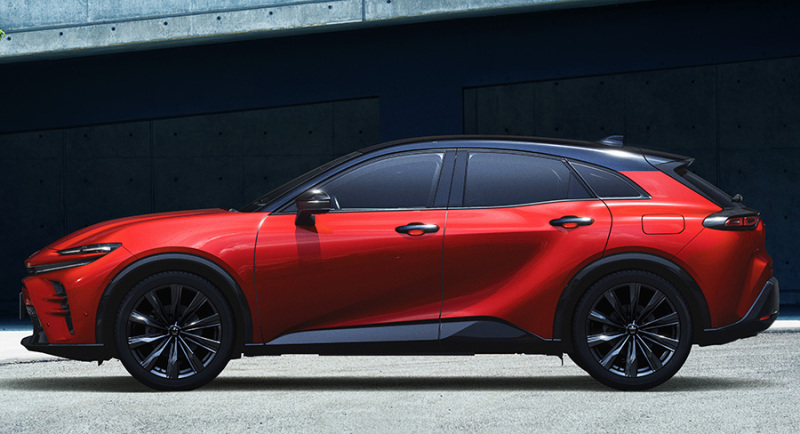
[PCauto] Since its launch in 2023, the Toyota Crown Sport has experienced significant market fluctuations. As a new member of the Toyota Crown family, the model has faced multiple challenges both in Japan and globally.
Sharp Sales Drop Since Its Debut
Once exceeding 3,000 units in the early 2023, monthly sales by the second half of 2024, had fallen by more than 40% year-on-year, with current sales averaging only around 700 units per month. In July 2025, Toyota introduced the entry-level “Sport G” variant, priced at 5.2 million yen (approximately 156,000 MYR) — a 700,000 yen reduction compared to the original version. This move aims to ease pricing pressure, though its impact remains to be seen.
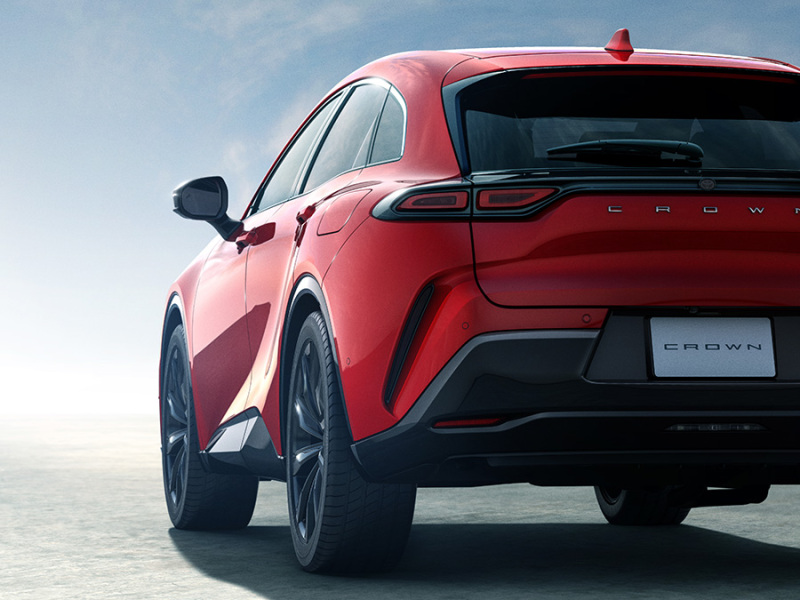
Price Above Competitors and Consumer Expectations
In the Japanese market, the hybrid “SPORT Z” starts at 5.9 million yen (approx. 169,000 MYR), while the plug-in hybrid “SPORT RS” goes up to 7.65 million yen (approx. 219,000 MYR), significantly higher than segment rivals such as the BMW X3 M40i.
Consumer expectations, however, place the ideal price at around 4 million yen (approx. 115,000 MYR), meaning the actual pricing exceeds expectations by roughly 50%.
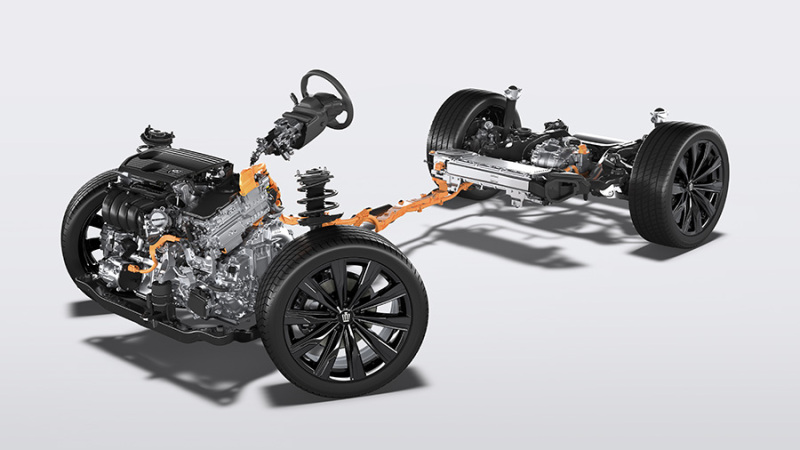
Although the model is equipped with advanced technologies such as a hybrid powertrain, E-Four electronic all-wheel drive, and DRS rear-wheel steering, its brand premium remains weaker compared with German competitors like the Mercedes-Benz GLC Coupe and BMW X4.
On the global stage, the Toyota Crown Sport lacks the luxury branding of Lexus in the North American and European markets, placing it at a disadvantage against German BBA brands.
For example, compared with the BMW X3 (8.08 million yen, approx. 232,000 MYR) and the Mercedes-Benz GLC (8.19 million yen, approx. 235,000 MYR), the price gap is only about 5%, making consumers more inclined to choose luxury brands like Mercedes-Benz or BMW.
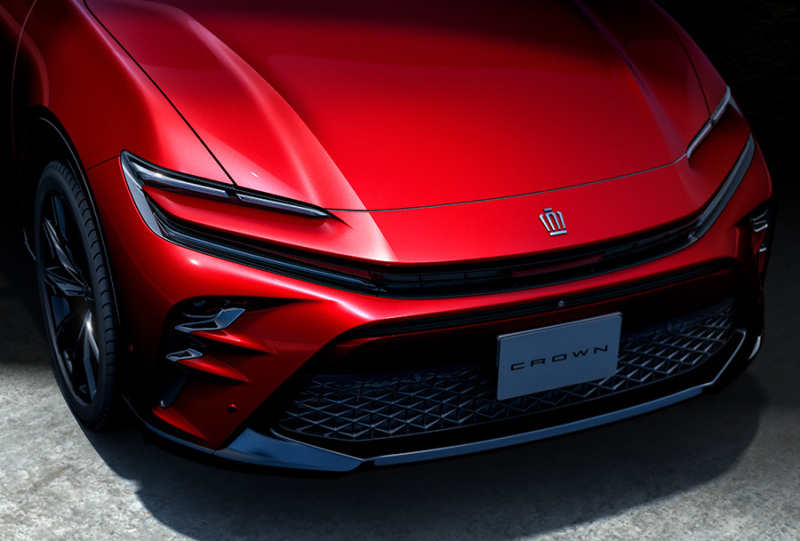
Toyota Crown Sport and Internal Product Overlap
Internal competition and product line conflicts have further weakened the Toyota Crown Sport’s market performance. The Crown family includes models such as the Crossover, Sedan, and Estate, creating product redundancy and diluting target users.
For example, monthly sales of the Crown Crossover remain at 2,000–3,000 units, while Sport sales saw a sharp decline in 2024. The design positioning has also deviated from expectations — the Sport is marketed as sporty to attract younger buyers, yet its actual customer base is dominated by traditional Crown owners over 50.
Younger consumers see the Crown Sport as overpriced — 37% higher than the Toyota RAV4 Hybrid (4.33 million yen, approx. 124,000 MYR) and even more expensive than the Lexus NX 450h+ (7.495 million yen, 215,000 MYR). Older customers, on the other hand, criticize its radical and impractical design, resulting in a blurred market position.
At the same time, price overlap with in-house premium models such as the Lexus RX has intensified internal competition, pushing consumers toward other brands.
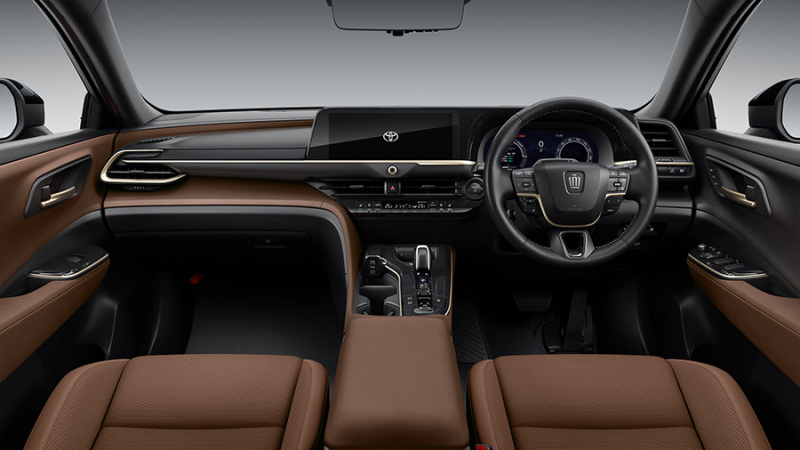
Long Delivery Cycle Drives Customer Attrition
In April 2024, Toyota suspended new orders for the Crown Sport due to parts shortages, extending delivery times to between six months and one year. As a result, some customers turned to rival models to avoid the prolonged wait.
With a domestic monthly production capacity of only 700 units, supply chain bottlenecks have severely limited Toyota’s ability to respond quickly, and the problem has become even more pronounced after exports to the Chinese market. This has further accelerated the Crown Sport’s declining sales trend in 2024.
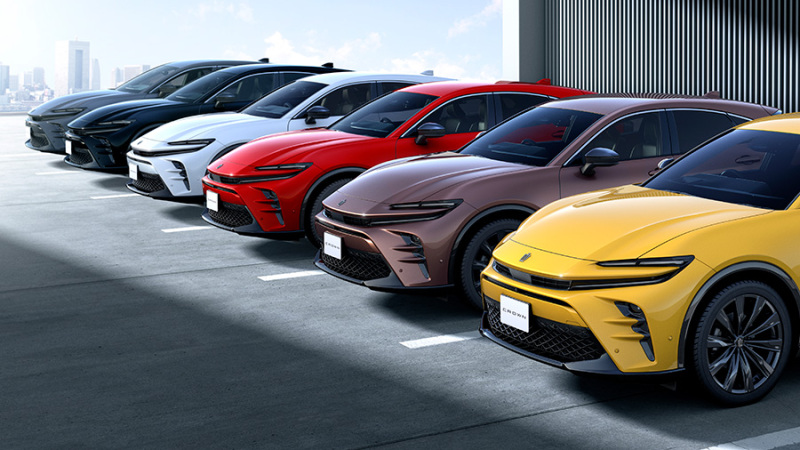
A Puzzling Move to Expand the Crown Lineup
Toyota already has a broad product portfolio in the mainstream market and its premium segment is covered by Lexus. Since the Crown moved away from its traditional sedan era, the lineup has expanded to four models: the Sedan, the Crossover (a fastback crossover), the Sport (a mid-sized SUV), and the Estate (a large SUV).
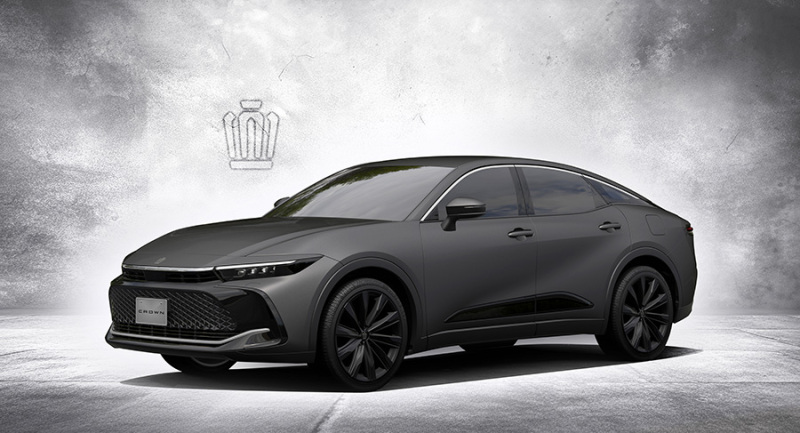
Perhaps Toyota believes there is still a significant market gap between Toyota and Lexus for the Crown series to survive. However, reality tells a different story. The Crown Sport and other Crown models have not only disrupted Toyota’s and Lexus’s pricing structures, but also taken up production capacity. More importantly, they have blurred the brand image of the Crown Sedan. Originally, Toyota was meant to have just one “Crown.” Now there are four. So, which one is truly the Crown in people’s minds?
If any infringement occurs, please contact us for deletion







Popular Cars
Model Year
Car Compare
Car Photo