
Recon Crown Easy to Maintain? The Truth About the Most Worrying Part Supply and Repair
 JamesFeb 23, 2026, 12:00 PM
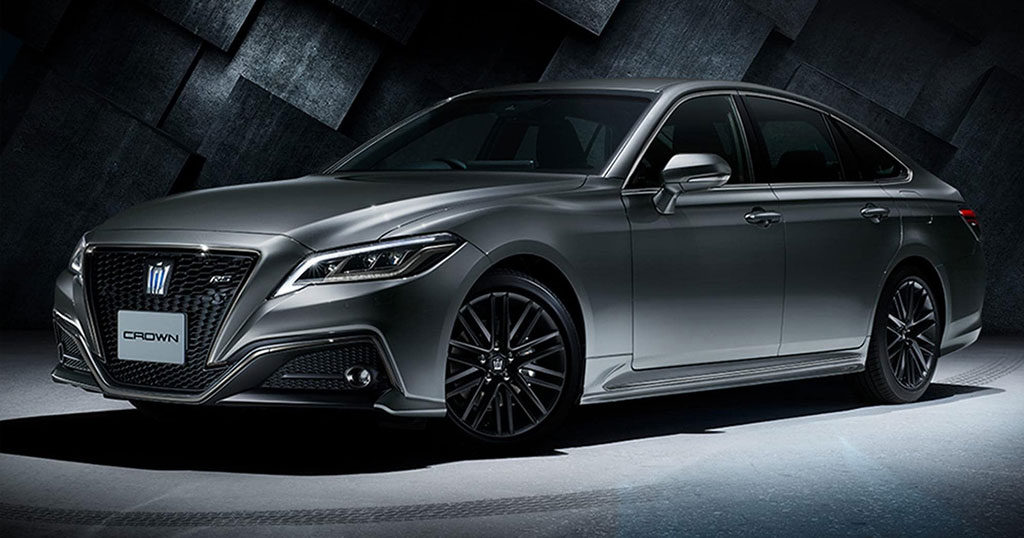
【PCauto】Over the past couple of years, whether you're browsing online used-car portals or visiting physical reconditioned (recon) dealers, one trend has become increasingly hard to miss: the Toyota Crown is appearing with growing frequency.
This spans from earlier iterations like the Crown Athlete and Royal to more recent variants such as the Crown Sedan, Crown Crossover, and Crown Sport. Despite never being officially imported by UMW Toyota Motor, this model has been quietly carving out a niche for itself in Malaysia's mid-to-high-end used car market as a reconditioned import.
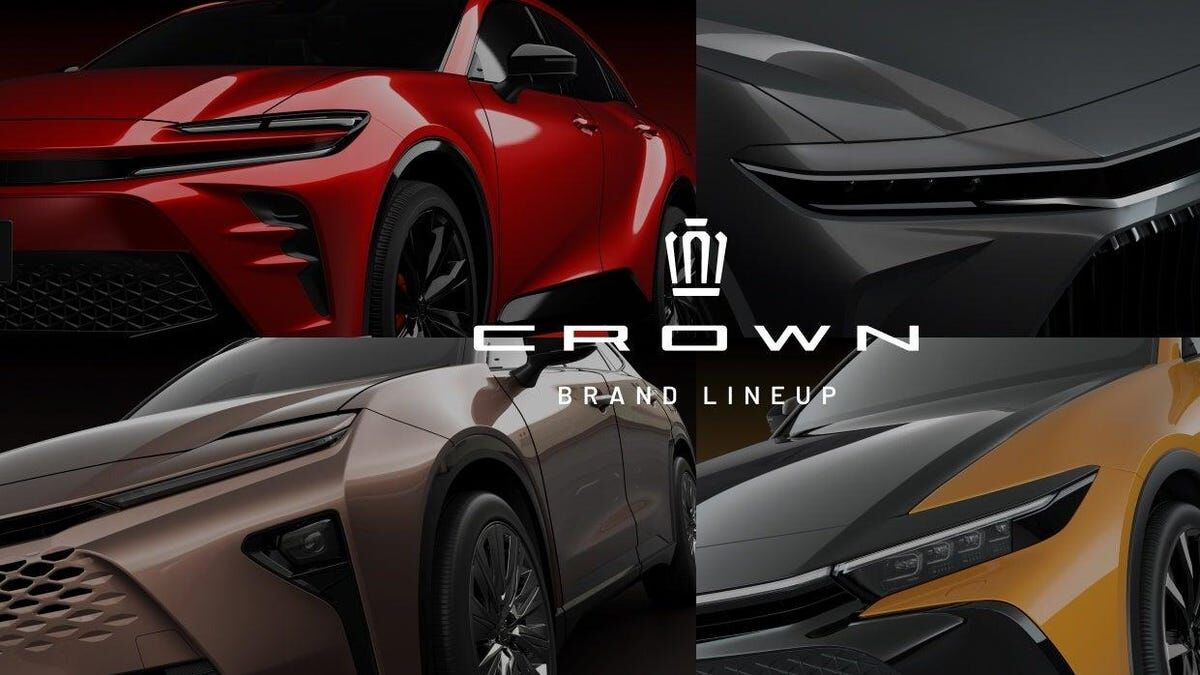
Its pricing is particularly noteworthy. With prices ranging from around RM220,000 to over RM400,000, it sits at a curious midpoint: significantly pricier than a Toyota Camry or Honda Accord, yet distinctly more affordable than German luxury C-segment rivals like the BMW 3 Series or Mercedes-Benz C-Class. It even undercuts many entry-level D-segment offerings.
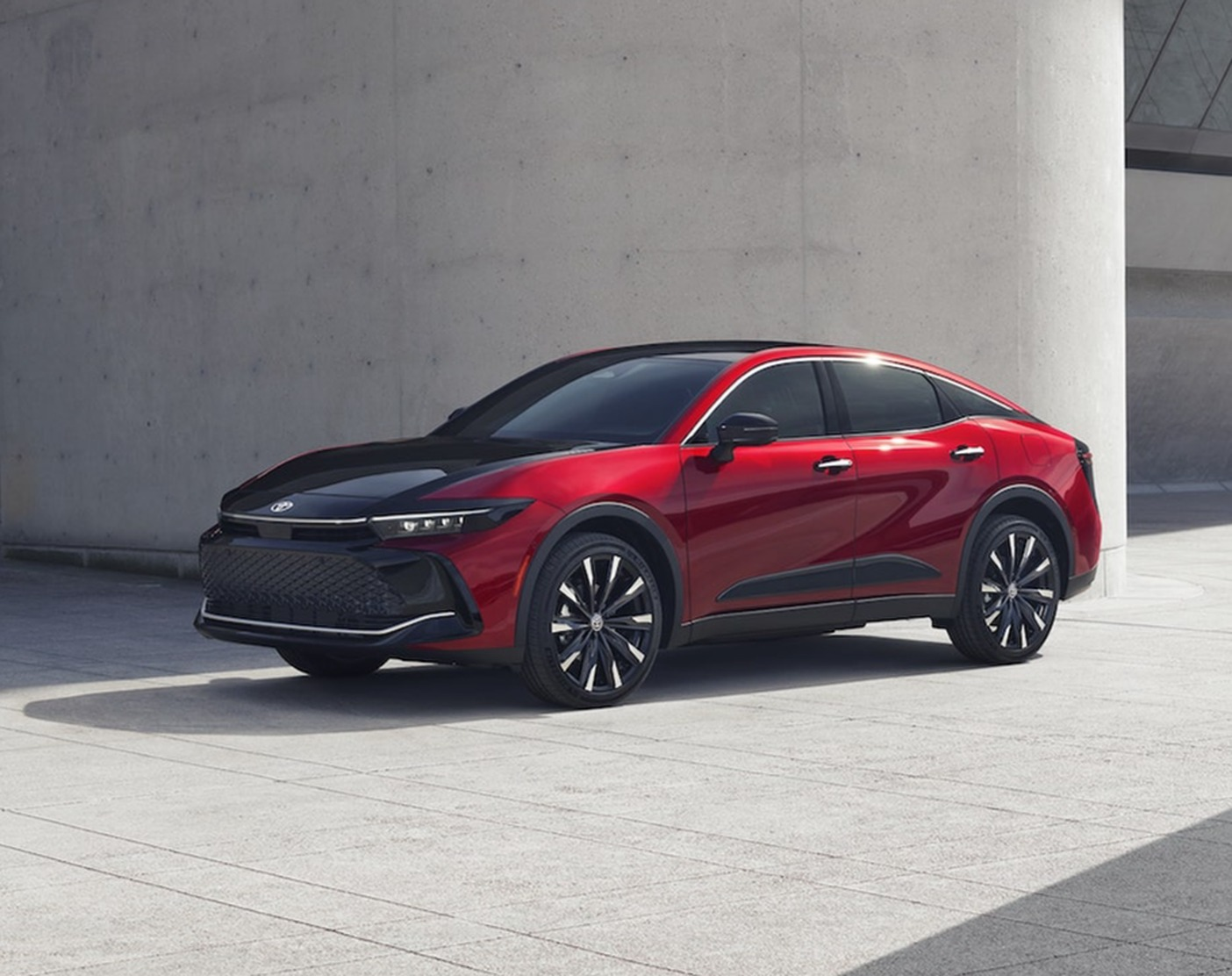
More importantly, its design, presence, and market positioning consistently convey an aura that feels a half-step above mainstream Japanese models. This is also the core reason why many people are interested in it.
A crucial point must be stressed upfront: virtually all Crowns in Malaysia are reconditioned or parallel imports, with none being officially introduced by the authorised distributor. This directly raises the most critical question for all potential owners: Is this seemingly high-end Japanese car really easy to maintain in Malaysia?
Where do these Recon Crowns come from?
These vehicles originate exclusively from the Japanese used-car market or auctions like USS, JU, and TAA. Dealers typically highlight low mileage, high specifications, and authentic Japanese Domestic Market (JDM) provenance as key selling points, appealing to buyers seeking something distinctive.
However, these attractions come with three inescapable realities:
· No official warranty
· No official spare parts inventory
· No official technician training system
In other words, after purchasing this car, all subsequent maintenance issues rely on the dealer's capabilities and local independent repair shops to resolve. The official company will not provide any support. This is a common pain point for Recon vehicles, but it is particularly amplified for the Crown due to the vehicle's unique characteristics.
Crown Maintenance Difficulty is High
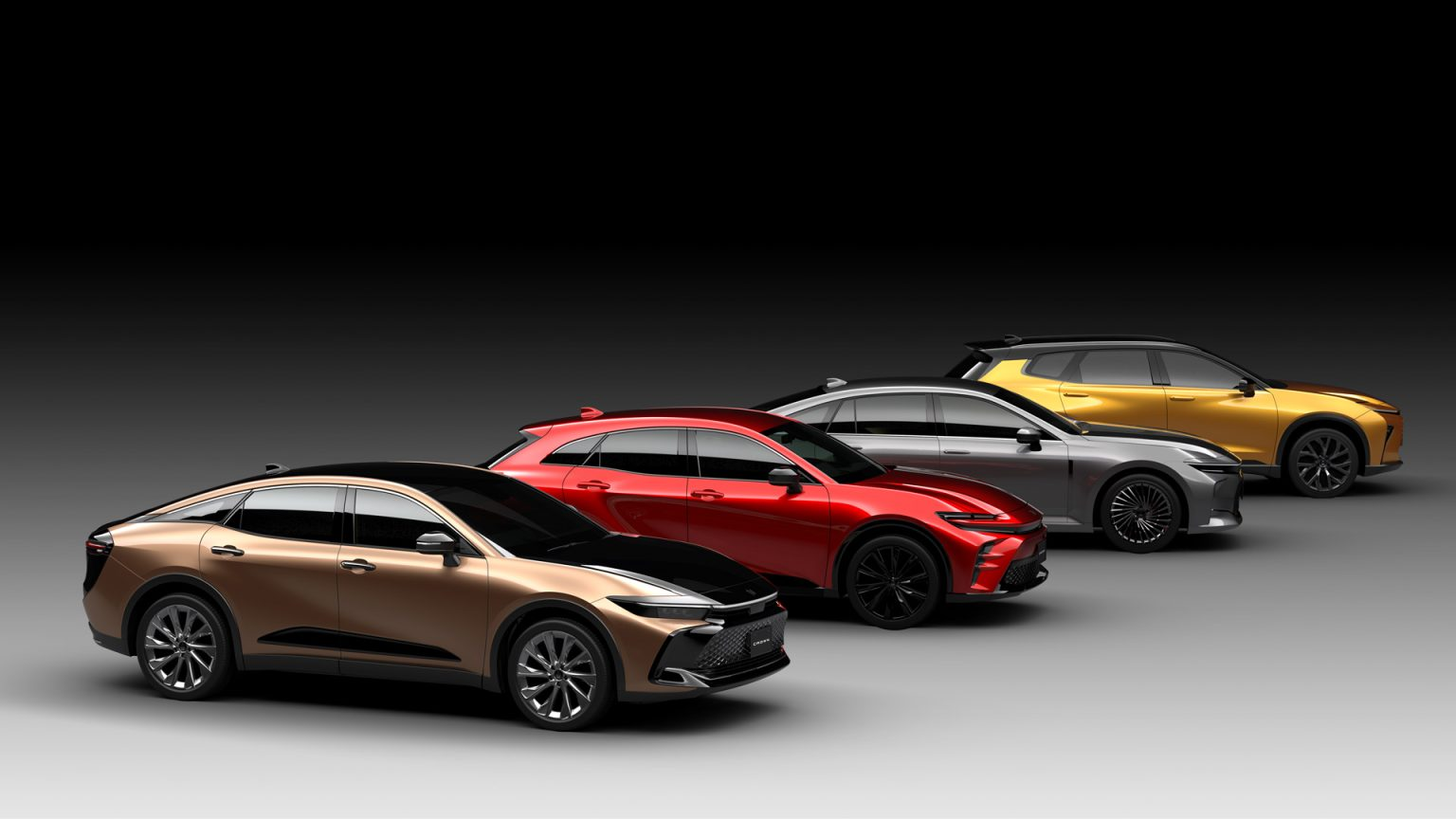
A common misconception is to view the Crown as merely an upscale sedan. In reality, its model range is remarkably complex.
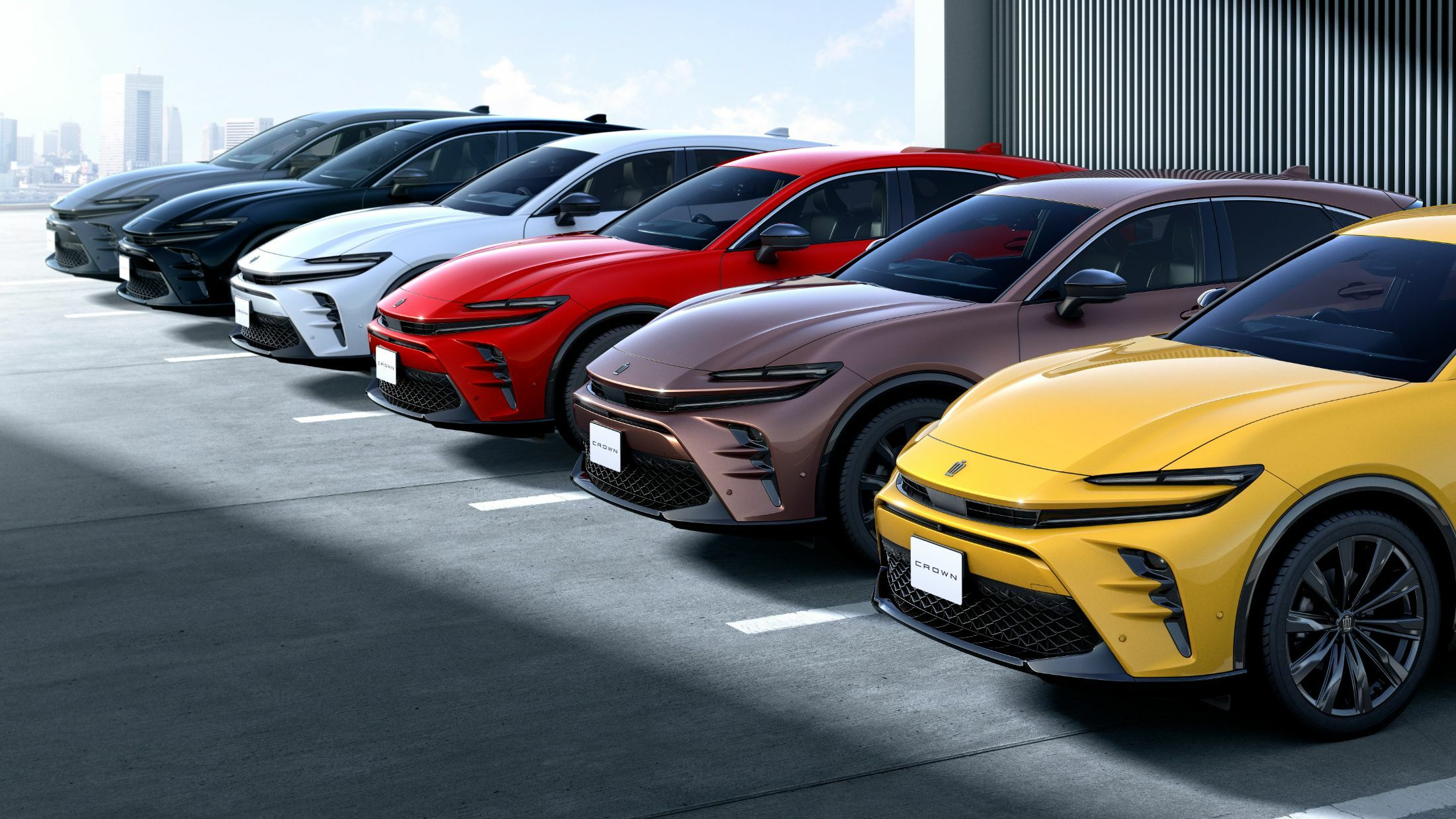
Models available locally include the rear-wheel-drive Crown Sedan (on Toyota's TNGA-L platform), the front-wheel-drive-based Crown Crossover (TNGA-K), plus the more versatile Crown Sport and Estate. Powertrain options further diversify the range, spanning conventional hybrid, turbo-hybrid, and a 2.5-litre naturally aspirated hybrid system.
Adding to the complexity is the surprisingly low parts commonality across different Crown variants—a significant consideration despite their shared nameplate. For example, the rear-wheel-drive chassis parts of the Crown Sedan are almost incompatible with the transverse front-wheel-drive parts of the Crown Crossover. This is crucial for later maintenance and is an issue many owners only realize after purchasing the car.
Why are there still people willing to buy a Recon Crown?
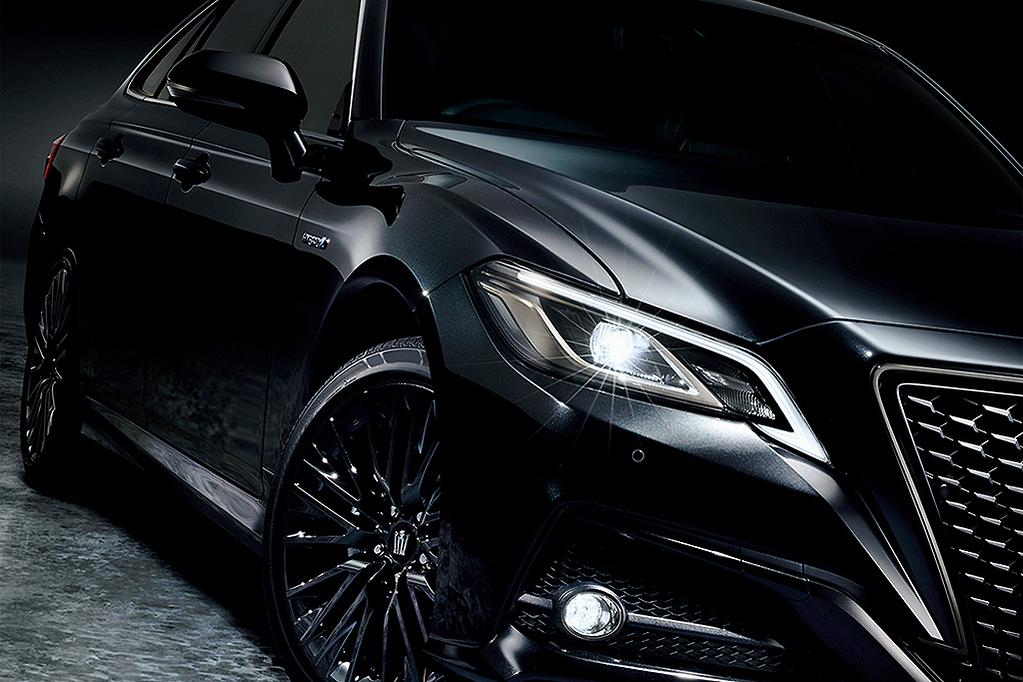
The answer is actually very simple: product strength and offbeat cost-effectiveness. Take the Crown Sedan as an example, with its TNGA-L longitudinal rear-wheel-drive or e-AWD layout and mature hybrid system, its driving quality is significantly superior to that of the Camry or even the entry-level version of the Lexus ES. In the RM250k–RM300k range, there are almost no Japanese competitors that can match it head-on.
From a cost-effective perspective, with the same budget, buying a German luxury car might only get you an older model with average configurations. Opting for an official Japanese model could only get you the top configurations of a Camry or Harrier, but the Crown offers you a more advanced platform, more comprehensive safety and comfort features, and a subtle sense of “status.”
Ultimately, many Crown buyers make a calculated decision: they rationally acknowledge the risks but are emotionally drawn to its distinctive character and compelling product merits, accepting the inherent uncertainties as part of the deal.
Crown does not need to worry about regular maintenance issues
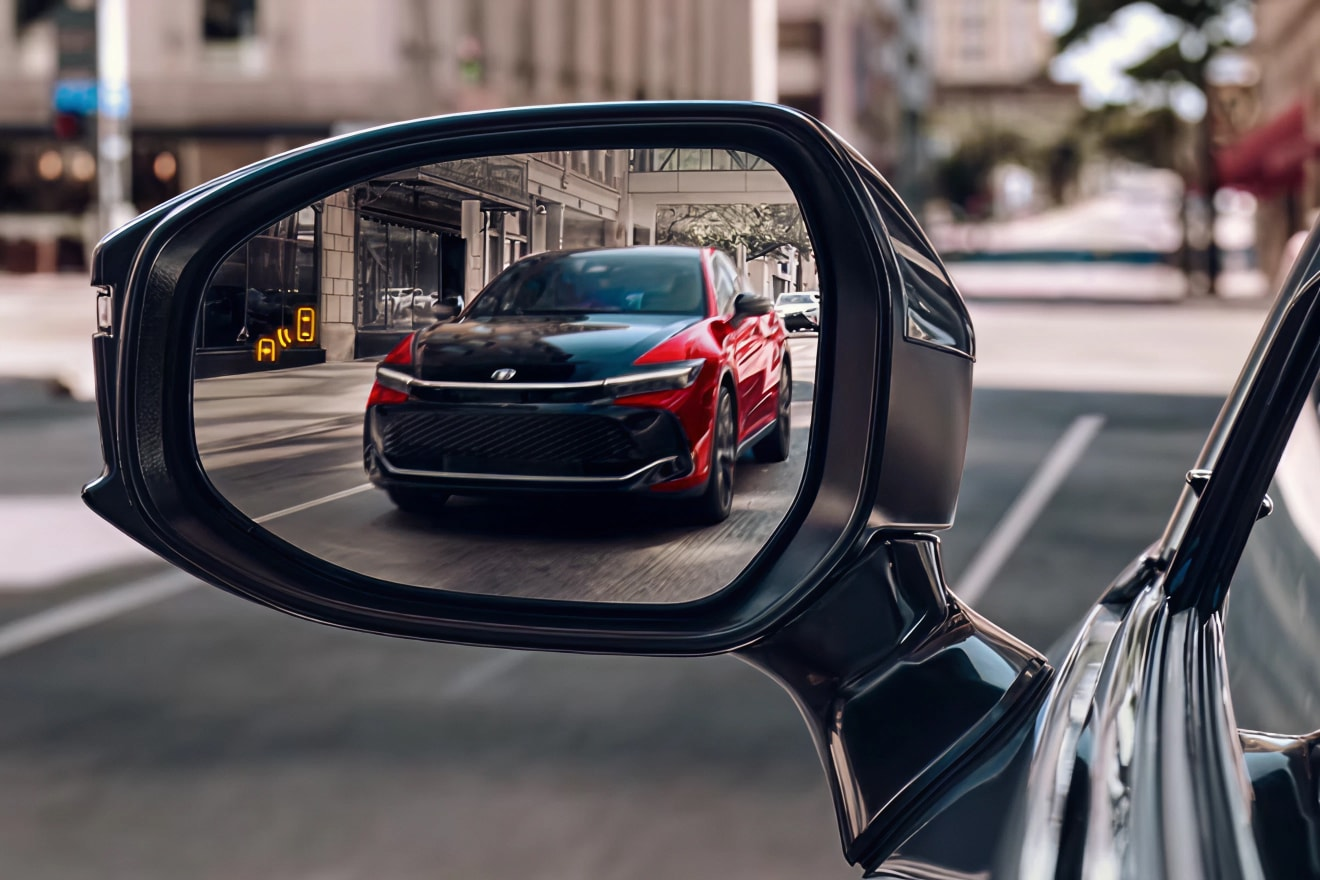
Having outlined its appeal, we must now address the core concern: parts supply. First, the good news: there’s no need to worry much about regular maintenance parts.
Engine oil, oil filter, air filter, spark plugs, and certain specifications of brake pads—most of these consumables can be replaced with alternatives or generic parts. Moreover, the maintenance experience for Toyota's hybrid system is already very mature in Malaysia, so day-to-day maintenance costs are manageable and not drastically higher than those for a mainstream Toyota model.
The real trouble with Crown lies in specialized parts
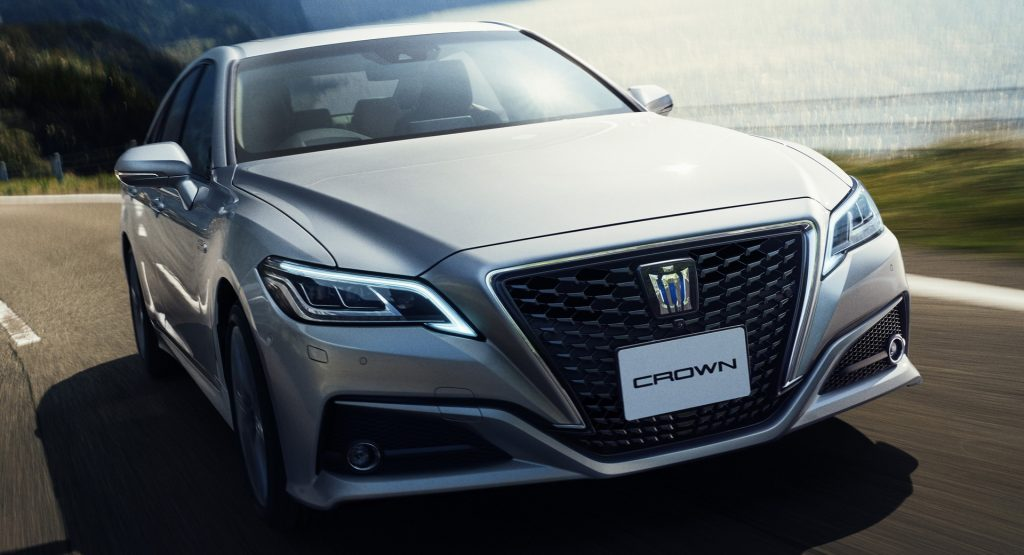
The real trouble with Crown lies in its specialized parts and body parts. First, body panels such as headlamp, tail lamp, bumper, fender, door, and bonnet. These parts have very limited local stock and usually have to be ordered from Japan. Lead times can range from at least one month to three months or more, significantly impacting ownership convenience. If a minor accident occurs, it's not a question of affording the repair, but enduring the wait.
Many car owners encountering this situation can only drive a backup car or endure the inconvenience of having no car to use for an extended period.
Next are electronic and sensor components, such as ADAS-related sensors, radar, and camera modules, as well as some ECUs. These components are not cheap and may not have aftermarket alternatives available. The supply of used parts is equally scarce. Resolution, therefore, hinges heavily on the dealer's procurement capabilities. In a worst-case scenario, you could face extended waits or even an inability to source the correct part altogether.
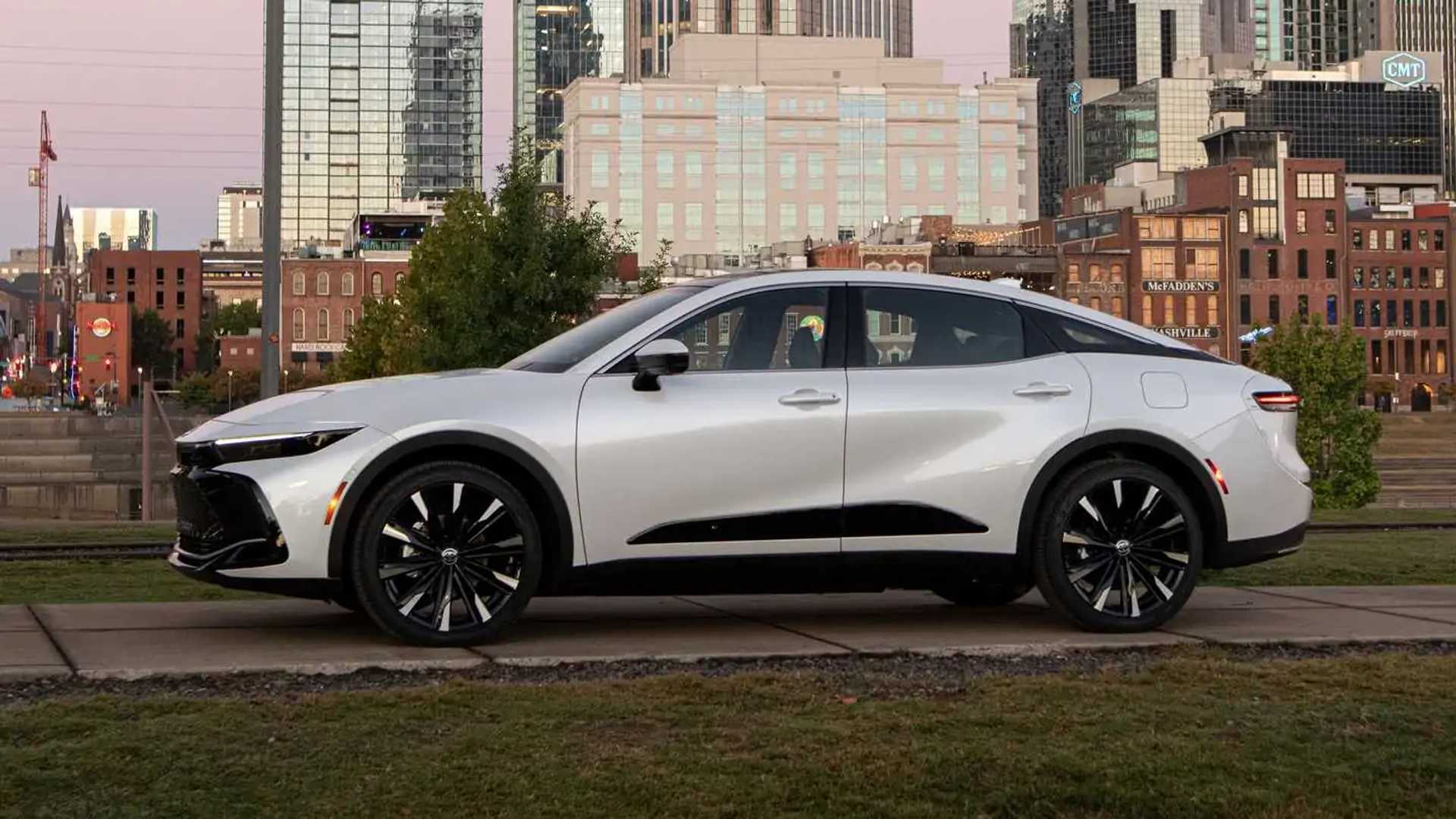
In Malaysia, regular Toyota mechanics can handle Crown's routine maintenance, but for hybrid system failures, you still need to go to a specialized hybrid repair shop.
But there are actually not many technicians who truly understand Crown, especially its longitudinal rear-wheel-drive platform and electronic systems. Choosing the wrong repair shop may turn small problems into big ones, which could instead increase maintenance costs.
However, objectively speaking, while Crown's repair costs are higher than Camry or Corolla, they haven't reached the out-of-control levels of German luxury cars. The real headache is just waiting for parts.
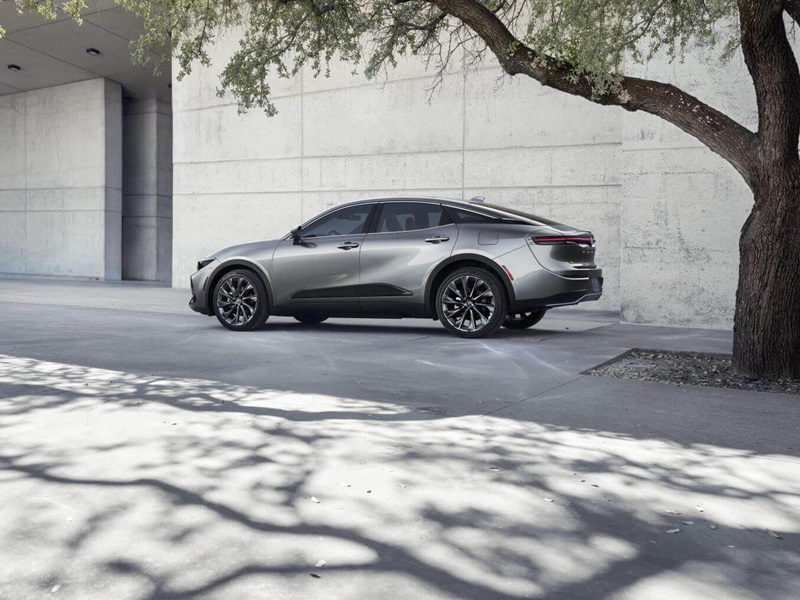
Who is the Recon Toyota Crown suitable for?
It is decidedly not a “buy-and-forget-for-a-decade” Toyota. Instead, think of it as a niche Japanese luxury car that demands a certain mindset from its owner.
If you possess reasonable automotive knowledge, can accept the inherent compromises of a recon car, have access to a backup vehicle or can tolerate lengthy repair downtimes, and have identified a trustworthy dealer and workshop, then the Crown presents an uniquely appealing proposition. It can provide unique product strength and quality at its price point.
Conversely, if this would be your sole vehicle, you have low tolerance for extended unplanned outages, you place high value on manufacturer warranties, and you expect hassle-free ownership akin to a Toyota Vios, then a recon Crown should not feature on your shortlist at all.
If any infringement occurs, please contact us for deletion






Popular Cars
Model Year
Car Compare
Car Photo