
Jaecoo J7 PHEV Is It Really Fuel-Efficient? From Pure Fuel to PHEV, an Analysis of J7's Technical Specifications
 LienMar 05, 2026, 04:45 PM
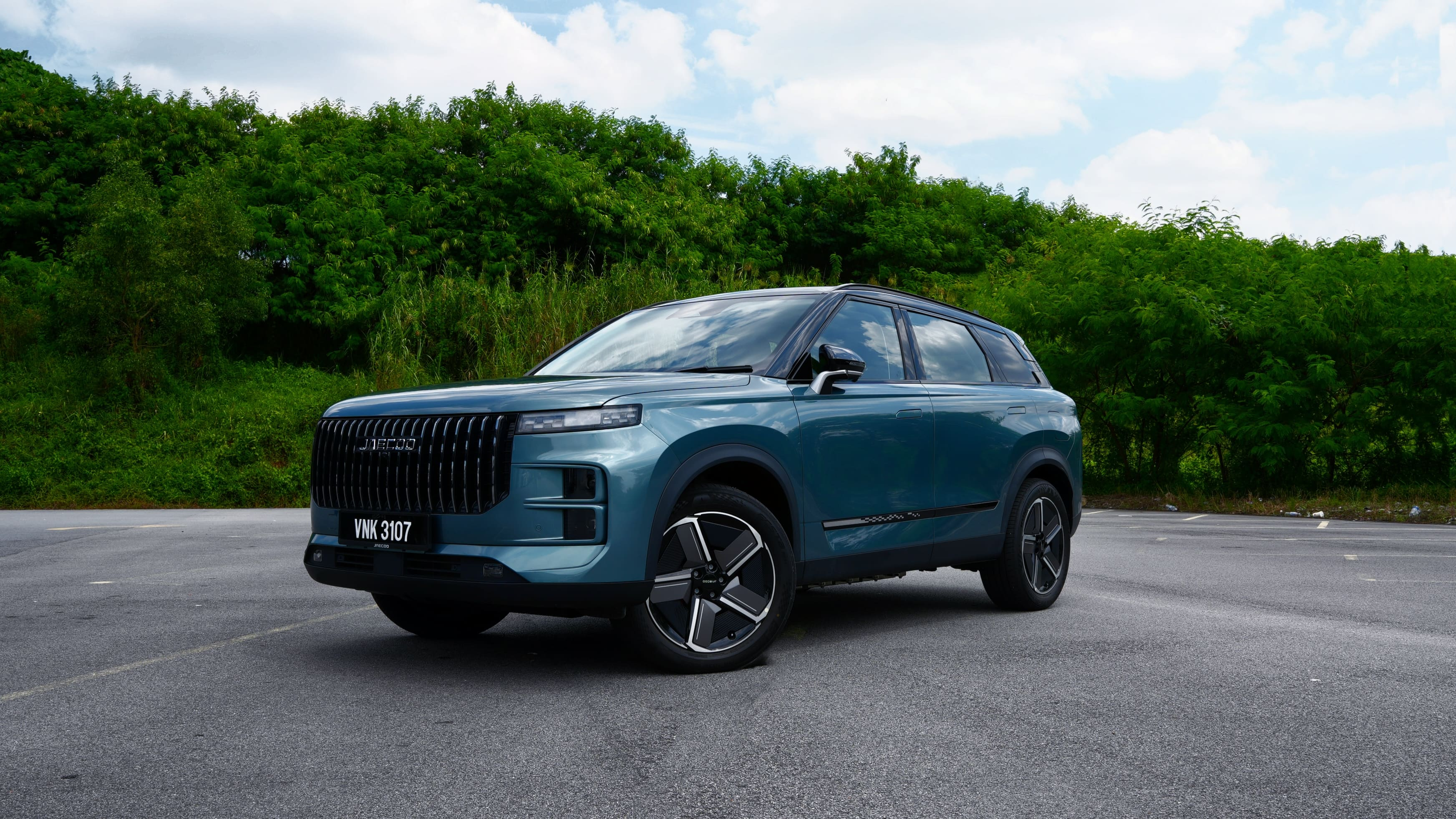
[PCauto] In the C-Segment SUV market, Jaecoo J7 fuel version has established its foothold with the exceptional value of 1.6T (2WD priced at RM138,800, AWD priced at RM148,800).
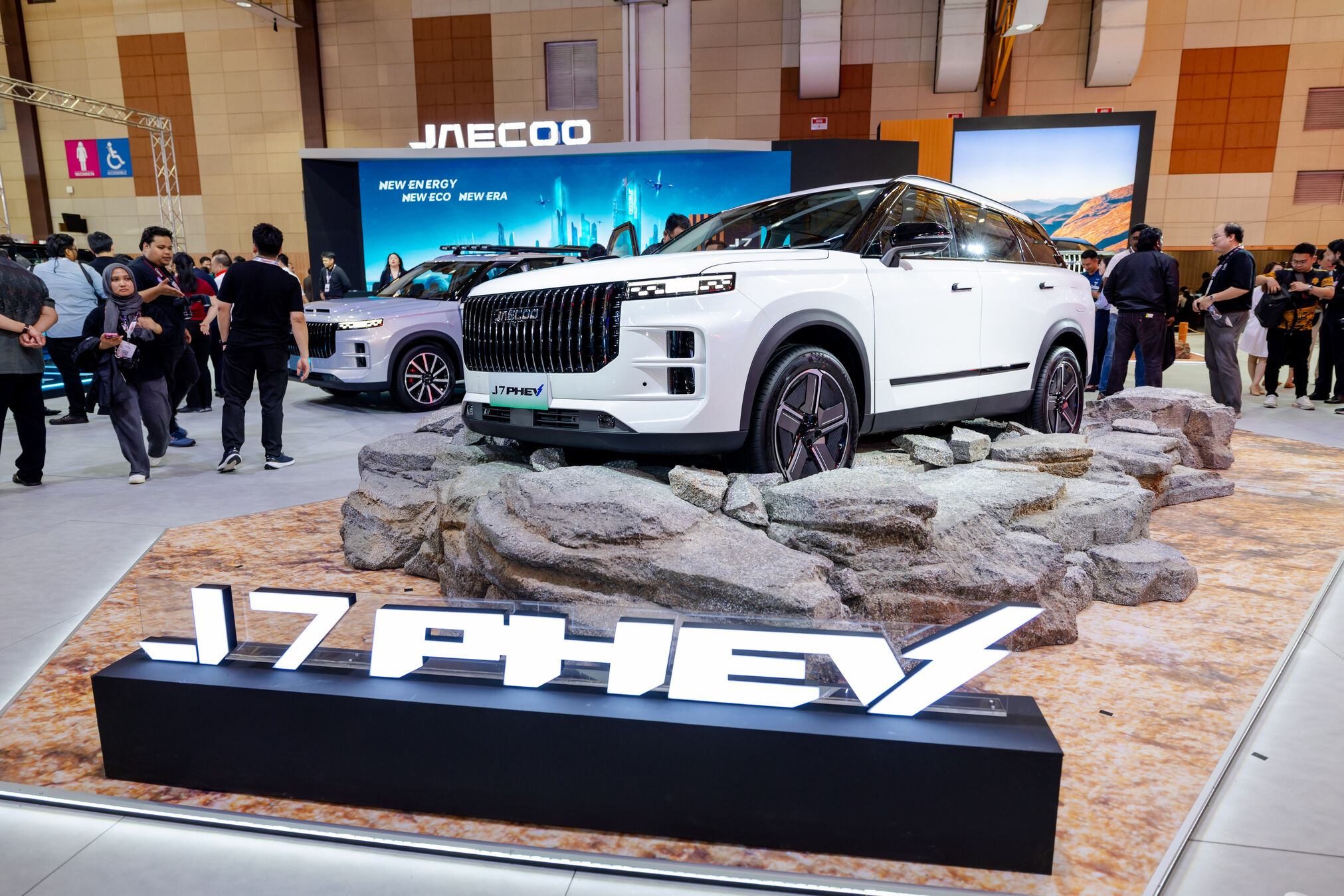
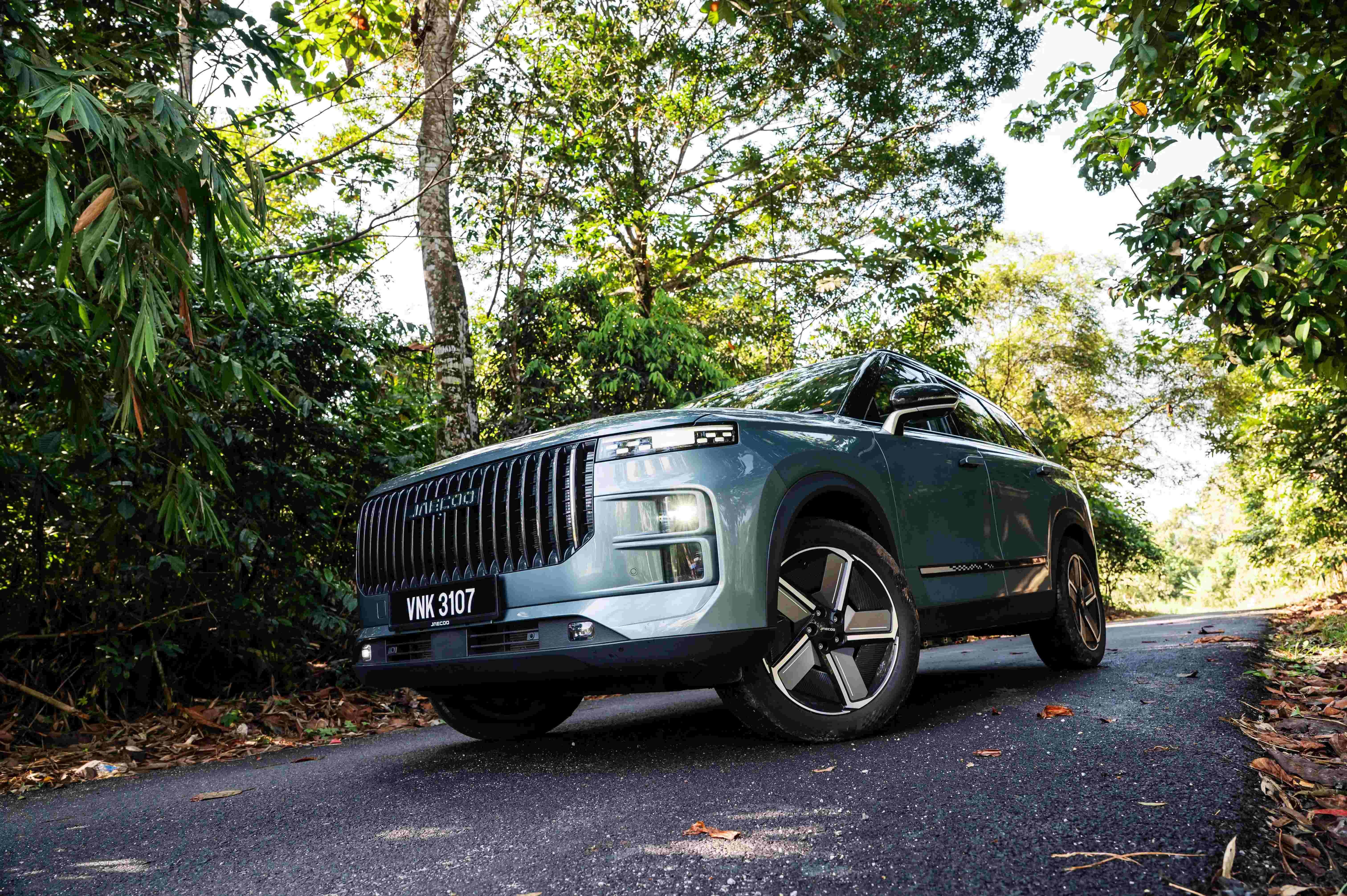
Soon, Jaecoo followed with the launch of J7 PHEV , priced at RM158,800. Although it is RM10,000 higher than the fuel top AWD version, it still holds considerable value compared to competitors like the Honda CR-V.
This plug-in hybrid model is powered by the fifth-generation ACTECO hybrid-specific power system, achieving dual upgrades in performance and fuel efficiency. However, many buyers still have questions: how does this system actually work? Does spending those extra tens of thousands of ringgits bring tangible benefits?
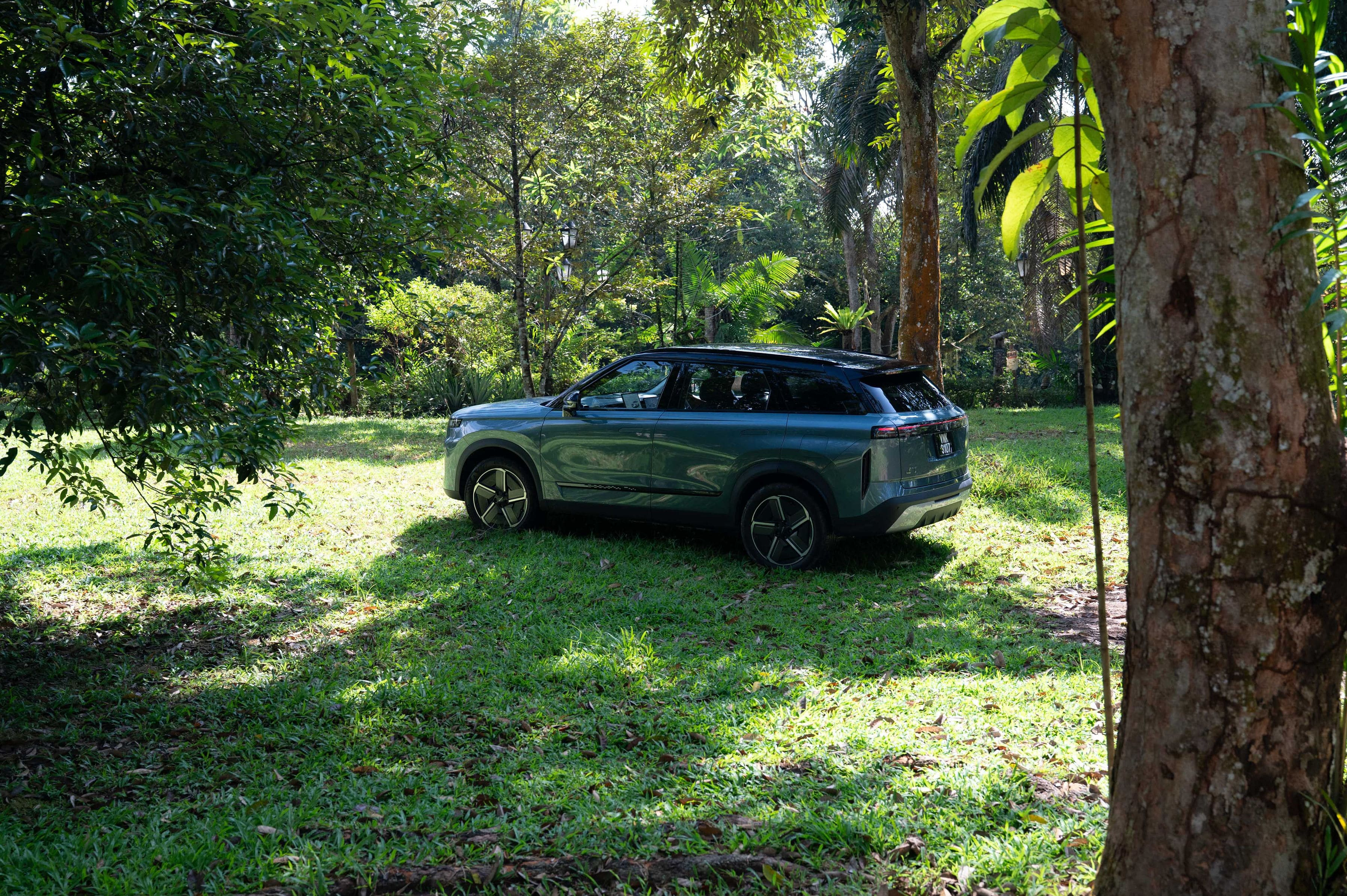
Power Architecture: 1.5TGDI + 1DHT130, More Linear Power
The core power source of Jaecoo J7 PHEV comes from the hybrid-specific ACTECO 1.5TGDI engine supported by Chery Kunpeng C-DM technology.
Compared to the fuel version with its 1.6T turbocharged engine, this engine achieves a maximum thermal efficiency of 44.5%, with a wider high-efficiency range. The maximum power is 105 kW @ 5,200 rpm, and the maximum torque is 215 Nm @ 2,500 rpm. It can still deliver sufficient power at low RPMs, resulting in naturally lower fuel consumption.
The matched 1DHT130 Super Electric Hybrid DHT gearbox adopts a single motor layout, replacing the 7-speed dual-clutch unit. The system seamlessly switches between electric / series / parallel modes:
· 0–40 km/h: Electric mode. The engine is turned off, and the 150 kW / 310 Nm motor drives the wheels independently, providing a quiet and smooth driving experience.
· 40–70 km/h: Series mode. The engine generates electricity to charge the battery, while the motor continues to drive the wheels, avoiding inefficient fuel consumption.
· 70–80 km/h: Parallel mode. The engine and motor jointly output power, delivering combined performance.
· Above 80 km/h: The engine directly drives the wheels, while the motor runs idle, ensuring efficient fuel consumption at high speeds.
System comprehensive output: 347 PS / 525 Nm, 0–100 km/h acceleration in 8.5 seconds.
It accelerates faster than the fuel version's 2WD (9.2 seconds) and AWD (9.9 seconds), with smoother linear power delivery and no shift shock issues. Whether starting in the city or overtaking at high speeds, the vehicle performs more effortlessly.
Battery and Charging: 106 km pure electric range + 40 kW DC fast charging
J7 PHEV is equipped with a 18.3 kWh LFP (Lithium Iron Phosphate) battery pack, featuring IP68 waterproof and dustproof capabilities, triple-layer battery armor protection, positioned in the center of the chassis to lower the center of gravity while having limited impact on space. The LFP material offers a long cycle life, making it very suitable for high-frequency urban commutes.
· Pure electric range: Under NEDC standard 106 km, sufficient for urban commuting 2–3 days with zero fuel consumption, short-distance users might achieve one charge per week.
· Charging methods:
o 40 kW DC fast charging: 30% → 80% in about 20 minutes, easily meets daily energy needs.
o 6.6 kW AC charging: 0–100% in 3 hours 20 minutes, cost-saving for overnight charging.
o 3.3 kW home slow charging: Fully charged in 8 hours, ideal for daily family use.
Unlike traditional PHEVs limited to slow charging, the J7 PHEV's 40 kW DC fast charging is far more practical—cutting charge times significantly.
Space and practicality: A Slight Trade-Off
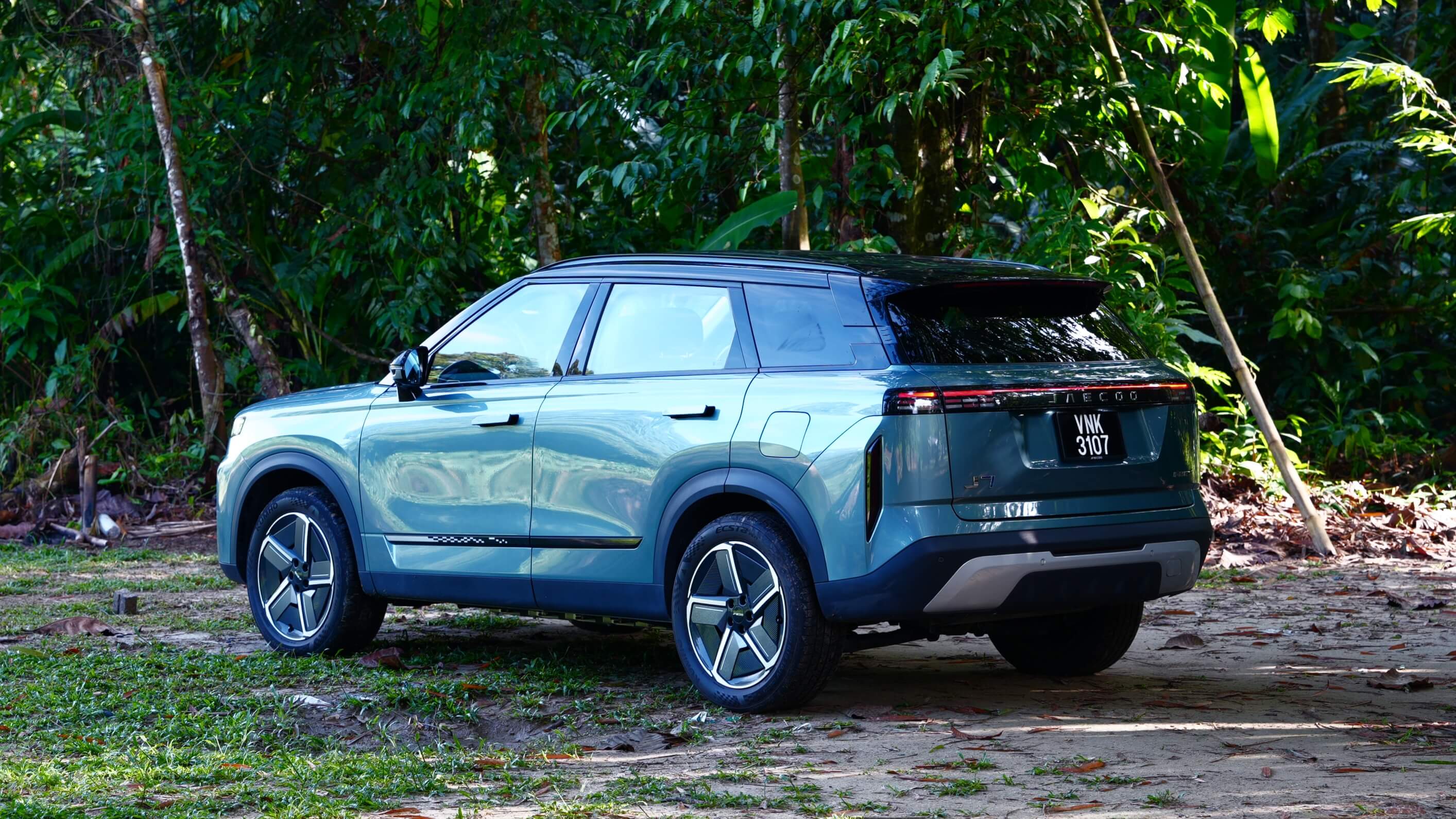
After the battery pack is added, compared to the gasoline version of J7, the trunk floor is slightly raised, with a volume slightly less than the gasoline version’s 424L, but still enough for daily use or short trips, fitting 2–3 28-inch suitcases without issues.
Meanwhile, the ground clearance of J7 PHEV's chassis is slightly reduced, but with front MacPherson + rear multi-link independent suspension tuning, it remains suitable for urban roads and light unpaved terrains.
There is one more detail, the fuel version of J7 is equipped with a spare tire, while the J7 PHEV is replaced with a professional tire repair solution and air pump kit.
Other configurations remain unaffected, the front row retains 64-color dynamic ambient lights and panoramic sunroof, and the rear row keeps reading lights and privacy glass, ensuring driving and riding comfort.

Although the space shrank slightly, J7 PHEV introduces a special ability: outdoor power supply. With the 18.3 kWh LFP battery pack, it can output 3.3kW of electricity outward. Besides cool camping scenarios, it has practical applications such as providing power for electric tools that do not require high wattage.
Fuel Efficiency: Zero fuel consumption in pure electric mode, low fuel consumption in depleted battery mode
J7 PHEV has a comprehensive fuel consumption of 4.77 L/100 km, with a comprehensive range 1,300 km (fuel tank capacity 51L), easily meeting the needs of long-distance travel:
· Pure electric mode: Energy consumption around 18.5 kWh/100 km, city commuting electricity costs are far cheaper than fuel costs.
· Depleted battery mode: The engine serves as a range extender with fuel consumption of 5.5–6 L/100 km, which is 15–20% lower than the fuel version.
Long-term usage costs are quite advantageous: driving 50 km daily, 20,000 km annually, pure electric driving can save RM12,000–15,000 in fuel costs, and occasional depleted battery usage can save RM8,000–10,000. The RM10,000 price difference for purchasing the vehicle can be recovered in 1–2 years.
Summary: Who is suitable for Jaecoo J7 PHEV?
Suitable users:
· City commute: Daily 30–100 km, ideally with home charging conditions, fully utilizing the 106 km pure electric range for zero fuel consumption travel.
· Occasional long-distance trips: Combined range of 1,300 km, low fuel consumption in power-depleted state, more convenient than the fuel version.
Not suitable users:
· Extreme off-road or frequent unpaved roads: The AWD fuel version's full-time four-wheel drive and off-road mode are still stronger; J7 PHEV is only 2WD.
Price RM158,800, J7 PHEV creates advantages in the C-Segment SUV plug-in hybrid market with high configuration, strong performance, and low fuel consumption.
Enhanced ADAS system, Sony 8-speaker audio system, 50W air-cooled wireless charging and other features, with improved power and energy efficiency, making it stand out in terms of cost-effectiveness. Leaving aside these features, simply for saving fuel and a smoother power experience, spending an extra RM10,000 is still worth it.
If any infringement occurs, please contact us for deletion









Popular Cars
Model Year
Car Compare
Car Photo