
5 Questions You Must Know Before Purchasing Jaecoo J7
 AshleyMar 18, 2026, 11:23 AM

[PCauto] In the current SUV market, few brands can attract such high attention with a single model upon their market entry, like Jaecoo.
Undeniably, the Jaecoo J7 leaves a very strong first impression. Whether it's the rugged lines reminiscent of Land Rover, the hidden door handles, or the 14.8-inch gigantic central control screen equipped with the Qualcomm Snapdragon 8155 chipset in the cabin, all precisely target modern consumers' pursuit of sophistication and technological appeal.
However, as a new model under a new brand, can its mechanical quality, software stability, and after-sales service be as satisfying as its appearance?
1.6T Powertrain Driving Experience in Urban Commutes
For most potential buyers, the Jaecoo J7 fuel version, equipped with a 1.6-liter four-cylinder turbocharged engine, shows impressive specifications: a maximum horsepower of 194 PS and a peak torque of 290 Nm, even surpassing some European competitors of the same displacement on paper.
But impressive numbers don't always translate to refined driving dynamics.
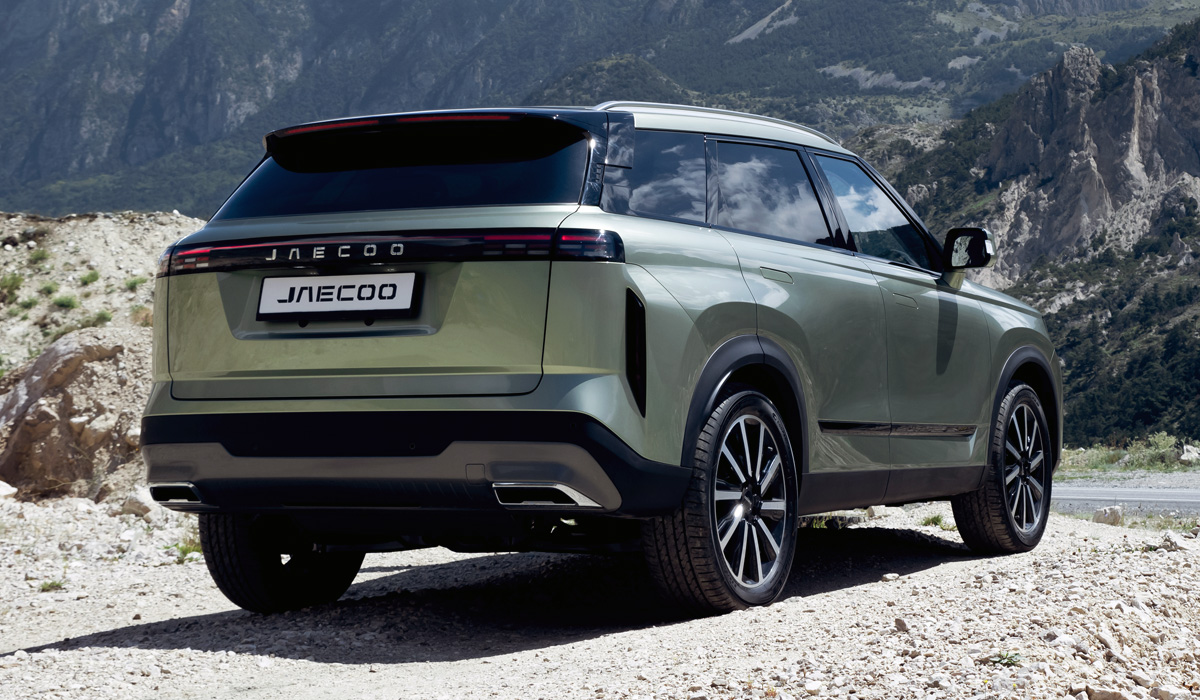
Firstly, the dual-clutch transmission issue
The first thing to note is how this engine gets along with its 7-speed wet dual-clutch transmission. During smooth highway cruising, this powertrain combination performs effortlessly, with decisive and crisp acceleration for overtaking.
However, in stop-and-go city traffic, it gets a bit edgy.
When the dual-clutch transmission frequently shifts between lower gears, occasional slight delays or minor jerks may occur. This mechanical interface may take some getting used to for drivers seeking ultra-smooth driving.
Secondly, the fuel consumption issue
According to the current real-world testing and feedback from car owners, the Jaecoo J7 fuel version's fuel consumption under heavy city congestion typically ranges from 10 L to 12 L per 100 kilometers. Considering the wind resistance caused by its boxy front-end design and its nearly 1.7-ton weight, this figure is within a reasonable range but certainly cannot be described as "fuel-efficient."
If you opt for the PHEV version, while its system's combined output jumps to 347 PS / 525 Nm and its power response becomes extremely lively, you still need to pay attention to the differences in "depleted battery state."
When the battery is fully drained, and only the 1.5T hybrid engine is left to drive the wheels and recharge on its own, the engine noise becomes more noticeable, and the fuel economy advantage starts to fade.
Therefore, during a test drive, make sure to test the vehicle in stop-and-go urban road sections to carefully evaluate whether the shifts between the first, second, and third gears meet your expectations, instead of merely experiencing the thrill of acceleration on open roads.
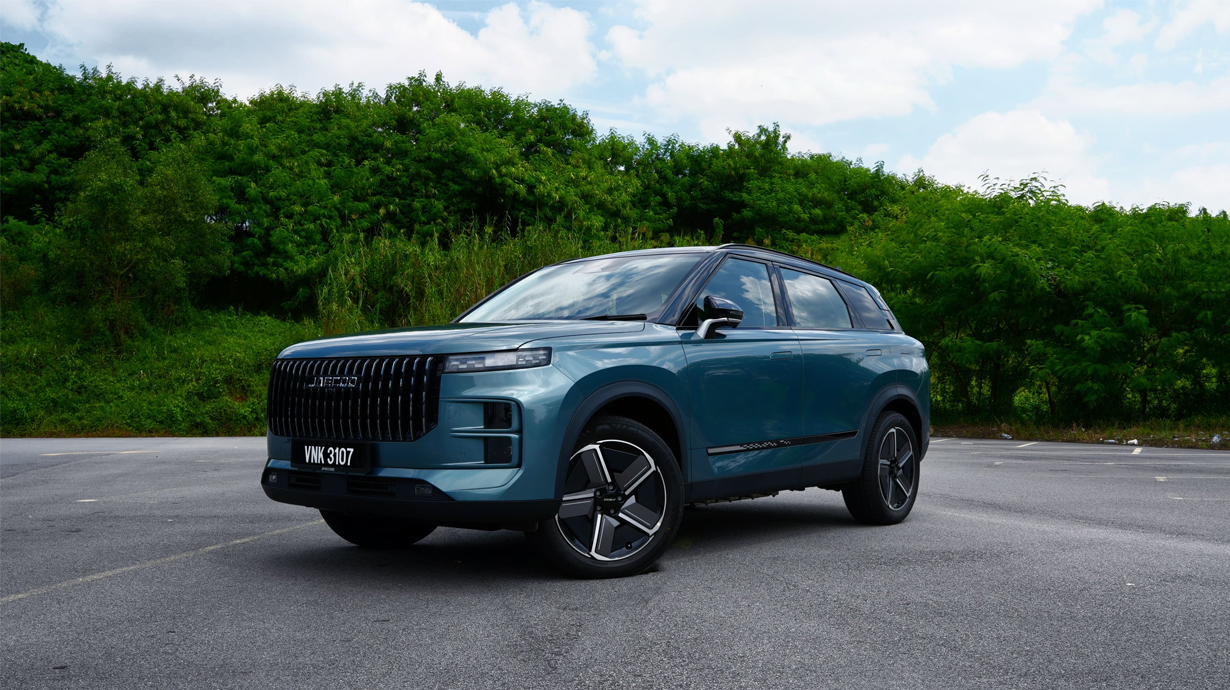
Chassis Comfort Issues
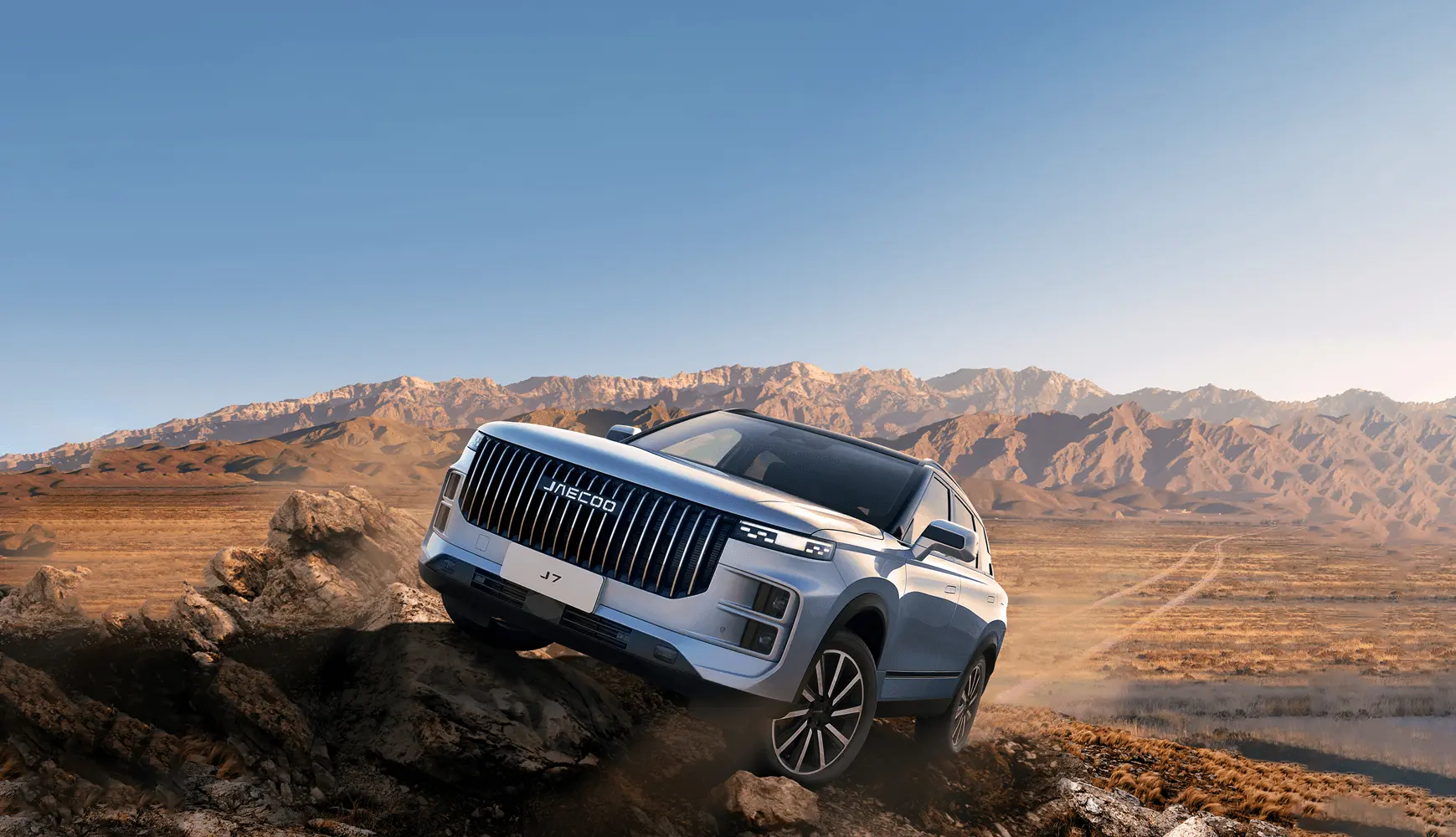
Jaecoo J7 adopts a front MacPherson and rear Multi-link suspension structure, which is considered standard configuration within its class.
However, in order to align with its "light off-road" brand positioning, the engineers evidently attempted to strike a balance in suspension tuning, aiming to retain a certain road feel while also supporting this high-center-of-gravity SUV's body roll in corners.
But in actual city driving, this balance often results in some unexpected stiffness.
When the vehicle is driving on well-paved highways, its chassis demonstrates fairly good stability, exhibiting a sense of composure akin to European cars.
However, once entering urban roads with obvious patchwork repairs or passing over higher speed bumps, the rear passengers might get a little less comfortable.
The damping rebound speed of the suspension is relatively fast, and it does not completely filter out small bumps, resulting in additional bounciness inside the cabin (especially in the rear seats).
Moreover, NVH (Noise, Vibration, and Harshness) performance is another area that requires attention.
Although the Jaecoo J7 uses double-layer soundproof glass in the front row, due to its boxy and rugged design, the physical wind-facing surface area near the A-pillar is quite large. As a result, wind noise suppression starts to deteriorate when the speed exceeds 110 km/h. At the same time, road noise becomes more noticeable on rough surfaces.

Problems with the Use of Intelligent Cockpit
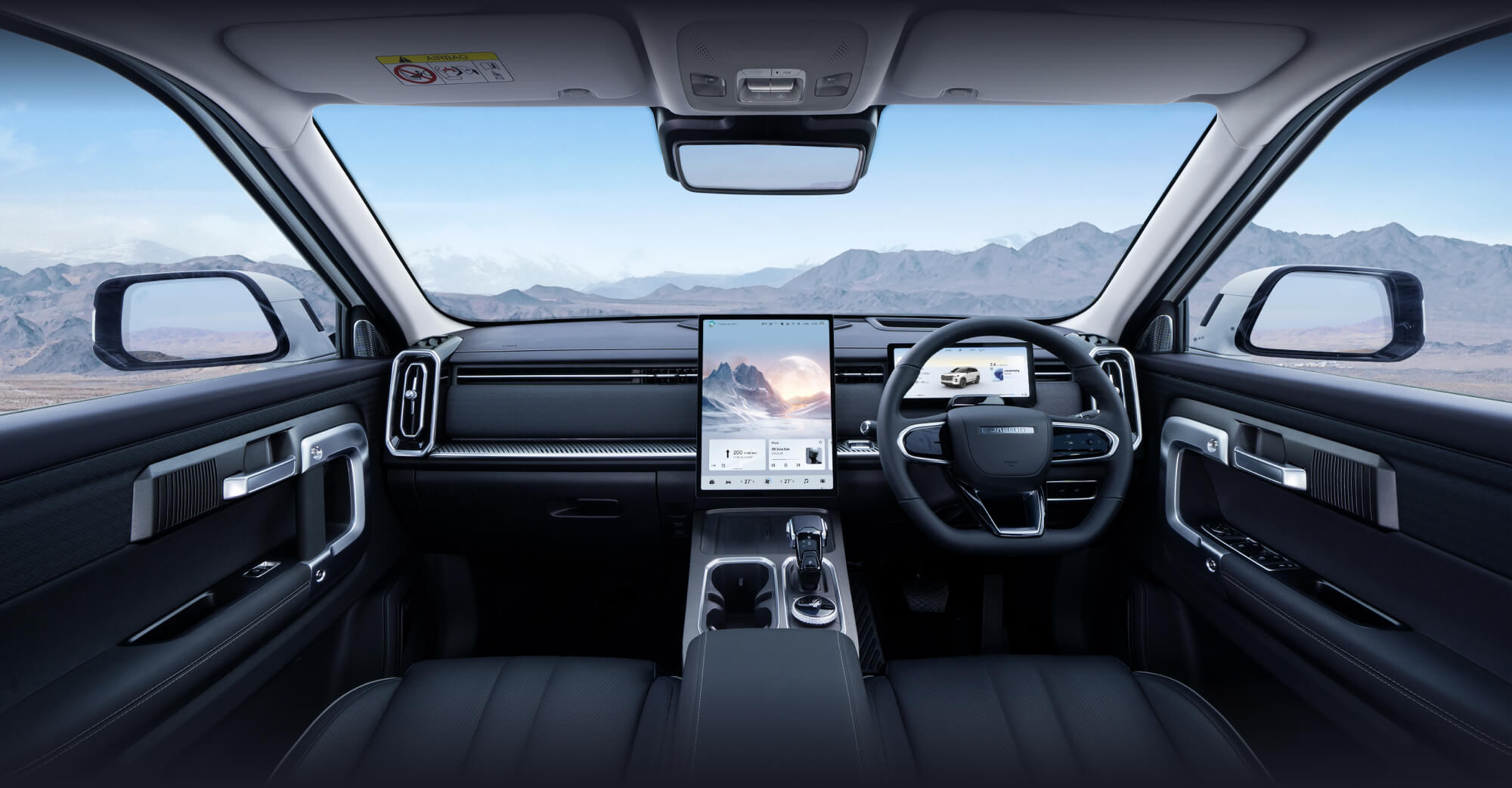
Stepping into the cockpit of the Jaecoo J7, the 14.8-inch floating central control screen is undoubtedly the visual centerpiece.
The built-in Qualcomm Snapdragon 8155 chip ensures silky smooth system operation, with almost no lag whether zooming in on the map or switching between applications. However, from a professional automotive media perspective, leading configuration parameters do not directly equate to excellent interactive experiences.
The All-Touchscreen Reality
In pursuit of a minimalist interior design, the Jaecoo J7 has stripped almost all physical buttons. This means that tasks such as adjusting the air conditioner temperature, controlling airflow, and even adjusting the angle of the rearview mirrors must be done via multi-level menus on the central control screen.
This may not pose an issue when stationary, but performing such blind operations while driving at high speed undoubtedly increases safety risks due to the attention diversion it causes.
Actual Performance of ADAS (Advanced Driver Assistance Systems)
For the Jaecoo J7, it comes standard with an extremely rich suite of active safety features, but its software algorithms still have room for improvement in terms of localization. According to user feedback, its Lane Keeping Assistance (LKA) and Lane Departure Warning perform relatively decisively when recognizing road markings, but the steering force during intervention can sometimes feel too abrupt.
Additionally, the alert sounds for over-speed warnings or forward collision warnings may be overly frequent in complex urban road conditions. This "over-protection" strategy may evolve into a psychological burden during long-distance driving.
Wireless Charging Heating Issue
Furthermore, although it supports wireless Apple CarPlay and Android Auto, during long periods of high-load navigation, the 50W wireless charging pad located underneath the central console, despite having cooling vents, still leads to noticeable heating of the phone. This may occasionally cause instability in the wireless connection.
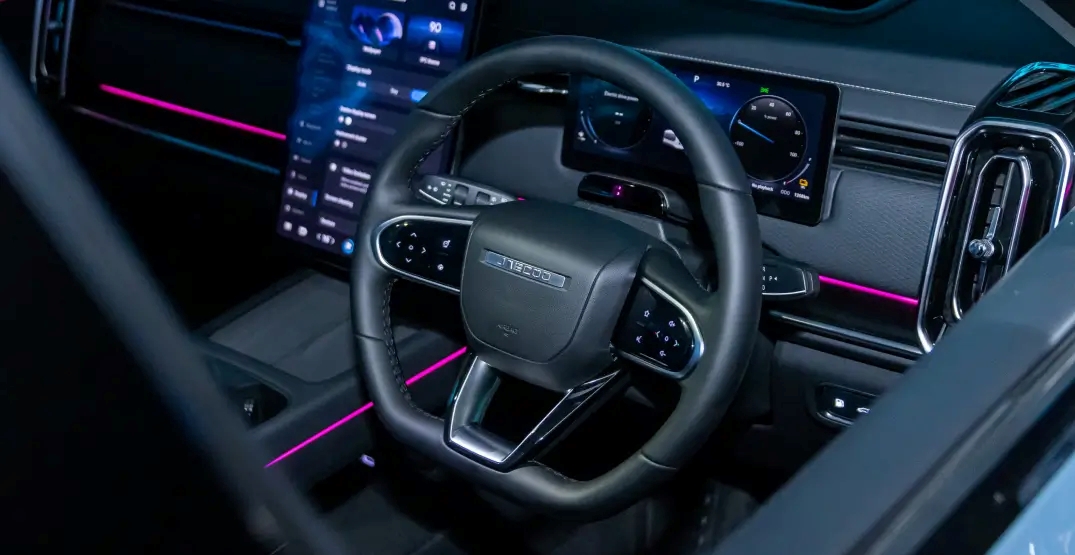
Hidden Usage Costs of a New Brand
As a brand still finding its footing, choosing the Jaecoo J7 comes with a fair share of uncertainty.
Aside from the numbers on the purchase contract, future after-sales service convenience, spare parts supply cycle, and second-hand vehicle depreciation rate are all hidden costs that cannot be ignored.
First, the maintenance issue
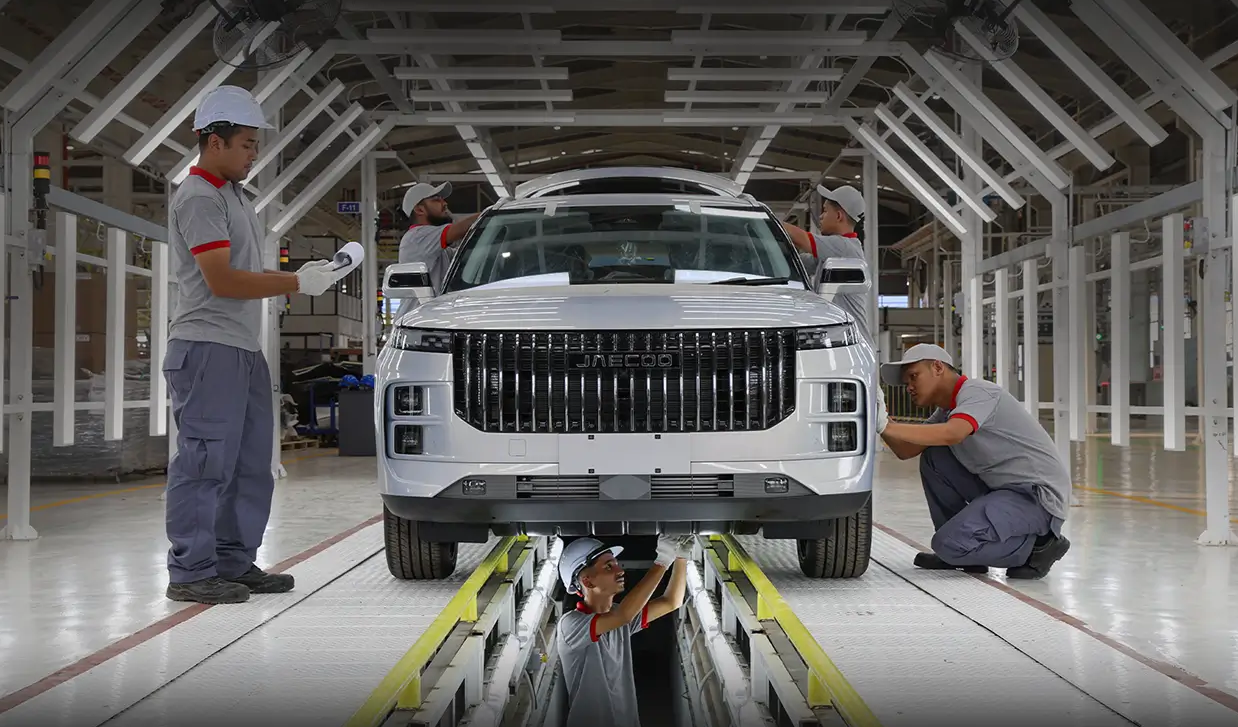
Although Omoda Jaecoo Malaysia is actively expanding its network and is expected to increase locations to 65 by the end of 2026, compared to long-established local manufacturers, its service saturation is still in the ramp-up phase.
This means that if you live outside major city centers, routine maintenance or unexpected accident repairs may require longer travel distances.
Furthermore, the adequacy of non-wear-and-tear spare parts inventory will directly determine whether your beloved car stays in the repair shop for a week or a month after an accident.
Next is the Residual Value
In the current used car market, brand premium and circulation speed are still dominated by Japanese and traditional brands.
Jaecoo J7, as a product emphasizing technology and new experiences, is likely to face more significant depreciation pressure compared to competitors after 3 to 5 years.
Although the manufacturer provides an extremely tempting 10-year or 1-million-kilometer engine warranty (subject to specific terms), this somewhat alleviates the concerns of the first owner. However, for buyers planning to replace their car after a few years, this cost needs to be mentally accounted for when purchasing.
Before making a purchase decision, it might be a good idea to visit a nearby Jaecoo service center to observe its actual work station activity and parts inventory area.
At the same time, thoroughly inquire about the “restrictive conditions” in the warranty terms to ensure your vehicle usage habits align with the manufacturer’s warranty requirements.
If any infringement occurs, please contact us for deletion










Popular Cars
Model Year
Car Compare
Car Photo