
After 16 months of rapid growth, BYD's production experiences its first decline
 Kevin WongAug 06, 2025, 05:48 PM
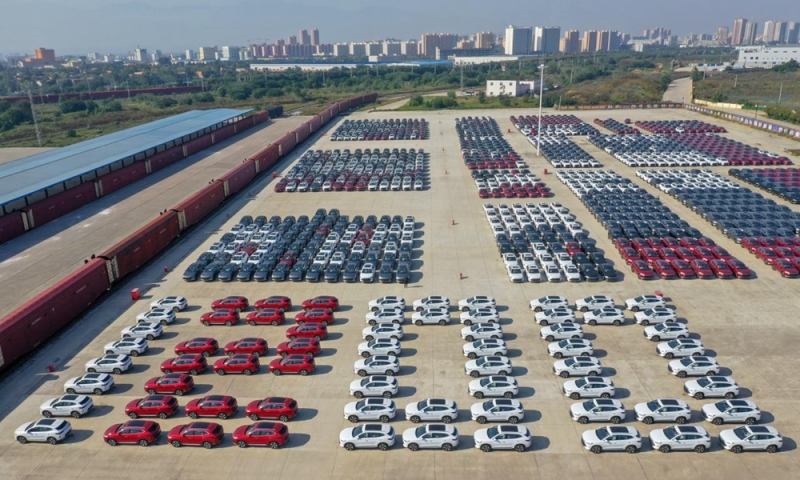
【PCauto】Global EV giant BYD recorded its first production decline since February 2024 in July 2025. According to a filing with the Hong Kong Stock Exchange, global output fell 0.9% year-on-year to 317,892 units (including BEVs and PHEVs), ending a 16-month growth streak.
Sales Growth Slows Sharply Despite Marginal Increase
While BYD’s sales in July still edged up 0.6% to 344,296 units, the growth rate slowed significantly compared to the 12% year-on-year increase recorded in June.
The data also revealed a clear divergence between different vehicle segments. Pure electric vehicle (BEV) production continued to grow, but plug-in hybrid (PHEV) output plunged 24.6%, with sales down 22.6%.
This shift stands in sharp contrast to the situation in 2024, when PHEVs accounted for 58% of BYD’s total sales.
BYD Has Begun Scaling Back Production
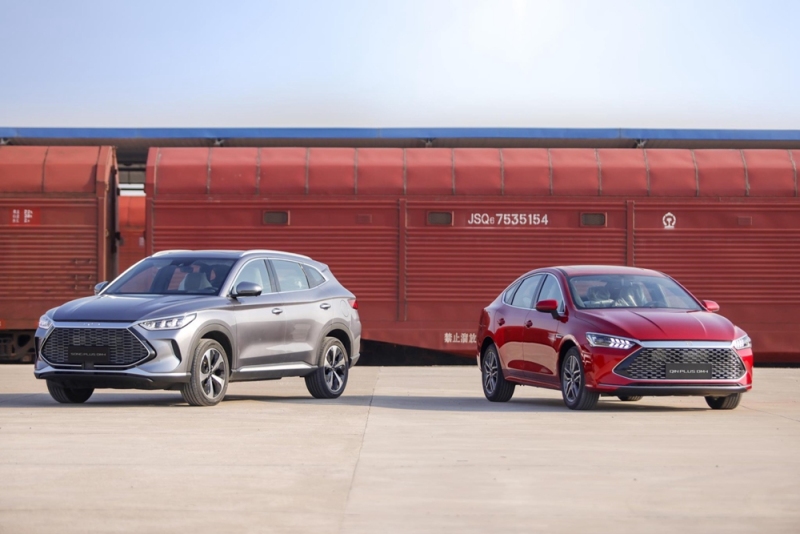
In May, BYD slashed prices by up to 30% on entry-level models such as the Dolphin and Qin Plus. While the move helped maintain market share, it failed to significantly boost sales.
In response to softer-than-expected demand, BYD has begun scaling back operations by reducing production shifts and delaying new production lines.
Notably, the company’s inventory value reached RMB 154.4 billion in Q1 2025, with inventory turnover days rising to 80—well above the industry’s healthy benchmark.
BYD’s Slowdown Reflects a Broader Industry Trend
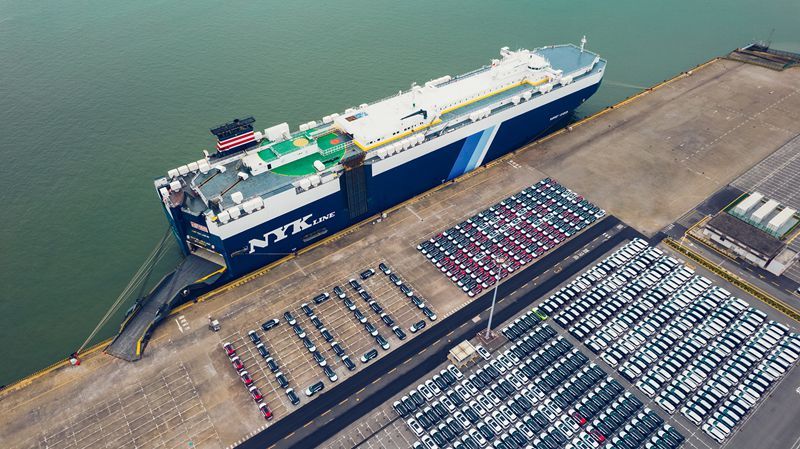
In July, Li Auto’s deliveries fell 11% year-on-year, while Nio saw a 5.8% decline. By contrast, Xpeng and Xiaomi posted growth, supported by new product cycles.
Notably, China’s EV market penetration rate saw its first month-on-month decline, slipping from 42% in June to 39% in July. This may reflect a market response to reduced government subsidies for electric vehicles.
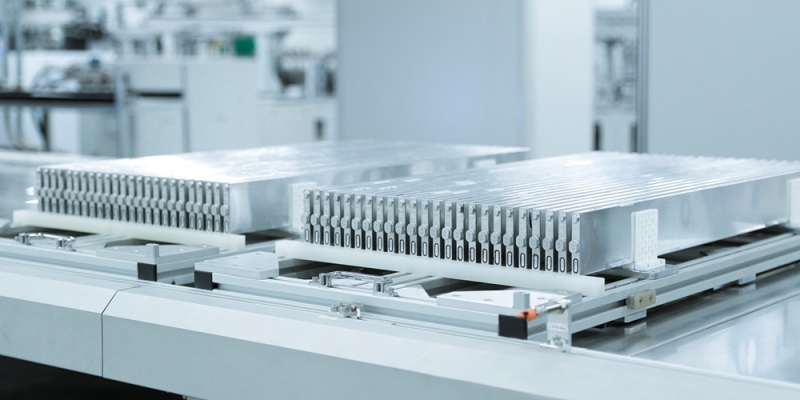
Despite market volatility, BYD continues to ramp up investment in R&D. In 2024, its R&D spending reached RMB 54.2 billion, with key technologies like the fifth-generation DM hybrid system and Blade Battery gradually coming to market.
In July, the newly launched advanced intelligent driving model— “God’s Eye”—received over 80,000 orders, underscoring BYD’s progress in smart driving technology. Clearly, this technology-and-cost-driven strategy remains BYD’s core competitive edge as the EV industry undergoes consolidation.
BYD to Shift Strategic Focus Toward Quality Over Scale
During its Q2 earnings call, BYD’s management revealed plans to shift its strategic focus from “scale first” to “quality first.” The company aims to reduce inventory over the next three quarters, indicating that its production cuts are likely to continue for some time.
Looking ahead, China’s auto market is entering a traditional peak sales season. New high-end models such as the Sealion EV and Denza Z9 are set to launch, offering BYD a chance to rebound in the fourth quarter. However, in the long run, the key challenge for BYD will be striking a balance between maintaining domestic market share and accelerating international expansion—a crucial factor in determining its future position as a global industry leader.
If any infringement occurs, please contact us for deletion










Popular Cars
Model Year
Car Compare
Car Photo