
Honda N-ONE e: Officially launched in the Japanese market, with a range of 295 kilometers
 AshleySep 12, 2025, 05:15 PM
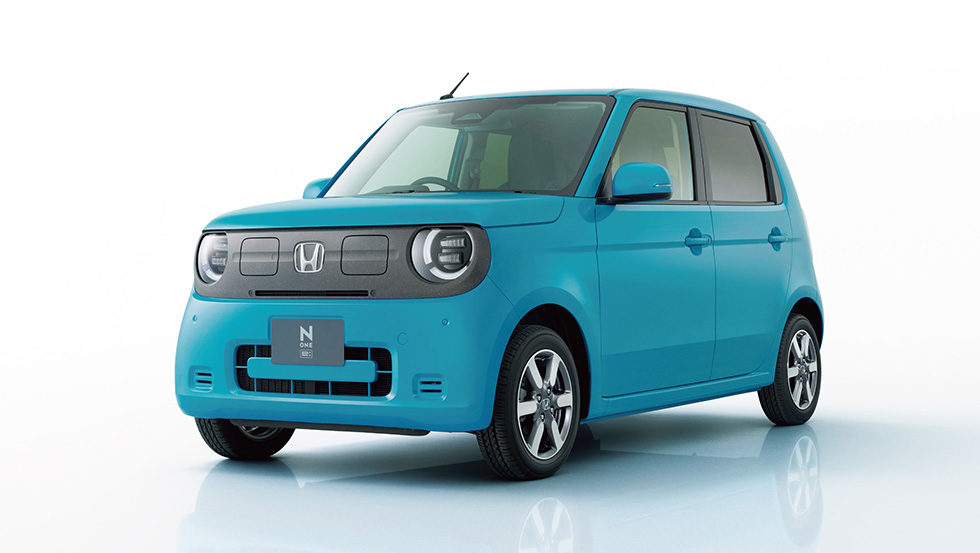
[PCauto] As an important part of Honda's electrification strategy, the all-new N-ONE e: has officially launched in the Japanese market. This electric vehicle, built on the popular K-Car N-ONE, not only retains its classic design elements but also achieves significant improvements in practicality and technology.
The base version of the N-ONE e: is priced at 2,699,400 yen (approximately 78,000 MYR);
The high-end version e: L is priced at 3,198,800 yen (approximately 92,000 MYR).
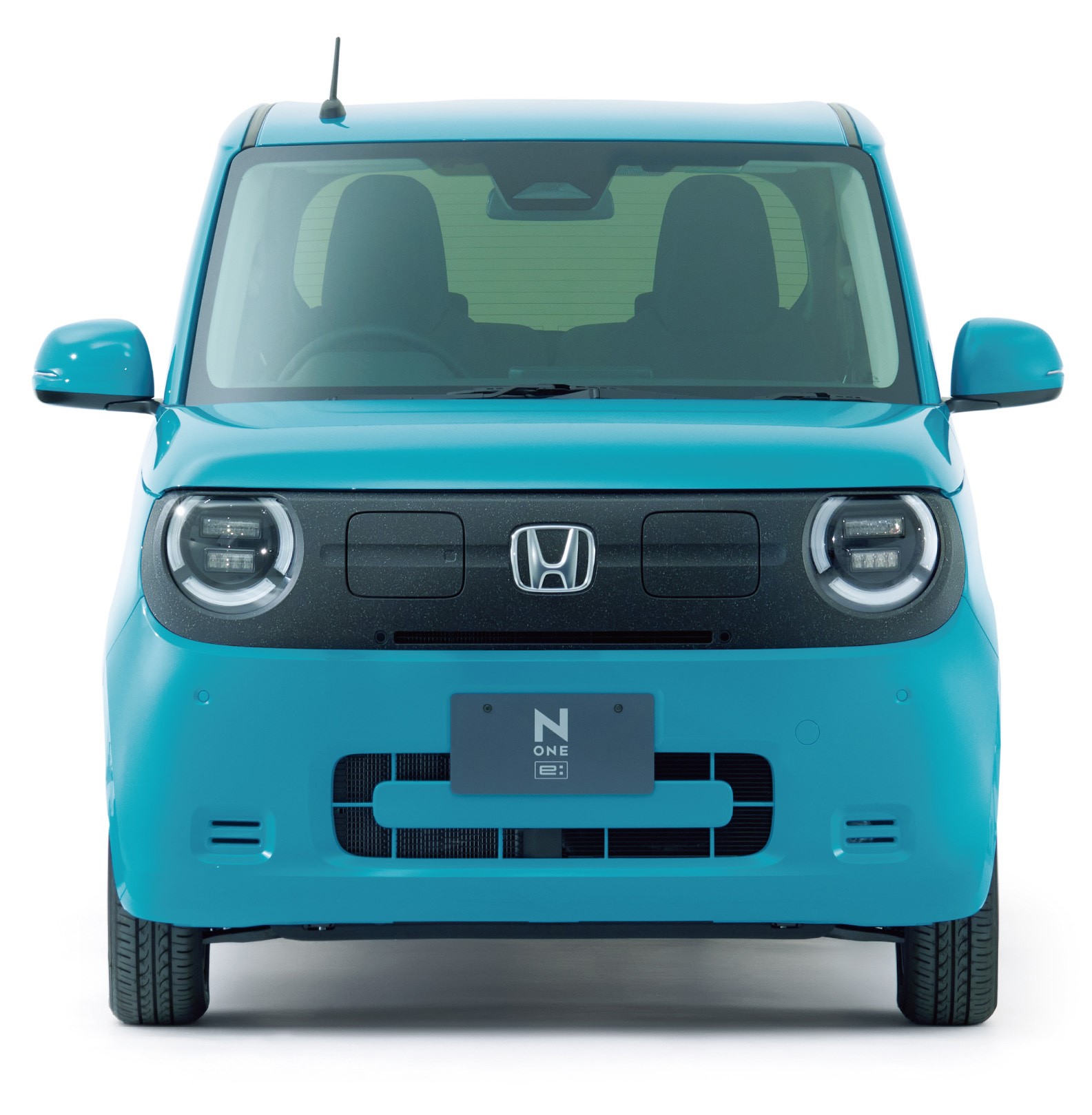
As a unique category of vehicles in Japan, K-Cars have long been favored by urban users for their compact size (length not exceeding 3.4 meters, width not exceeding 1.48 meters) and favorable policies.
While inheriting these advantages, the N-ONE e: further reduces usage costs through electrification.
According to Japanese government policies, buyers of this model can enjoy a subsidy of up to 500,000 yen (approximately 15,000 MYR), further lowering the actual cost of purchase.
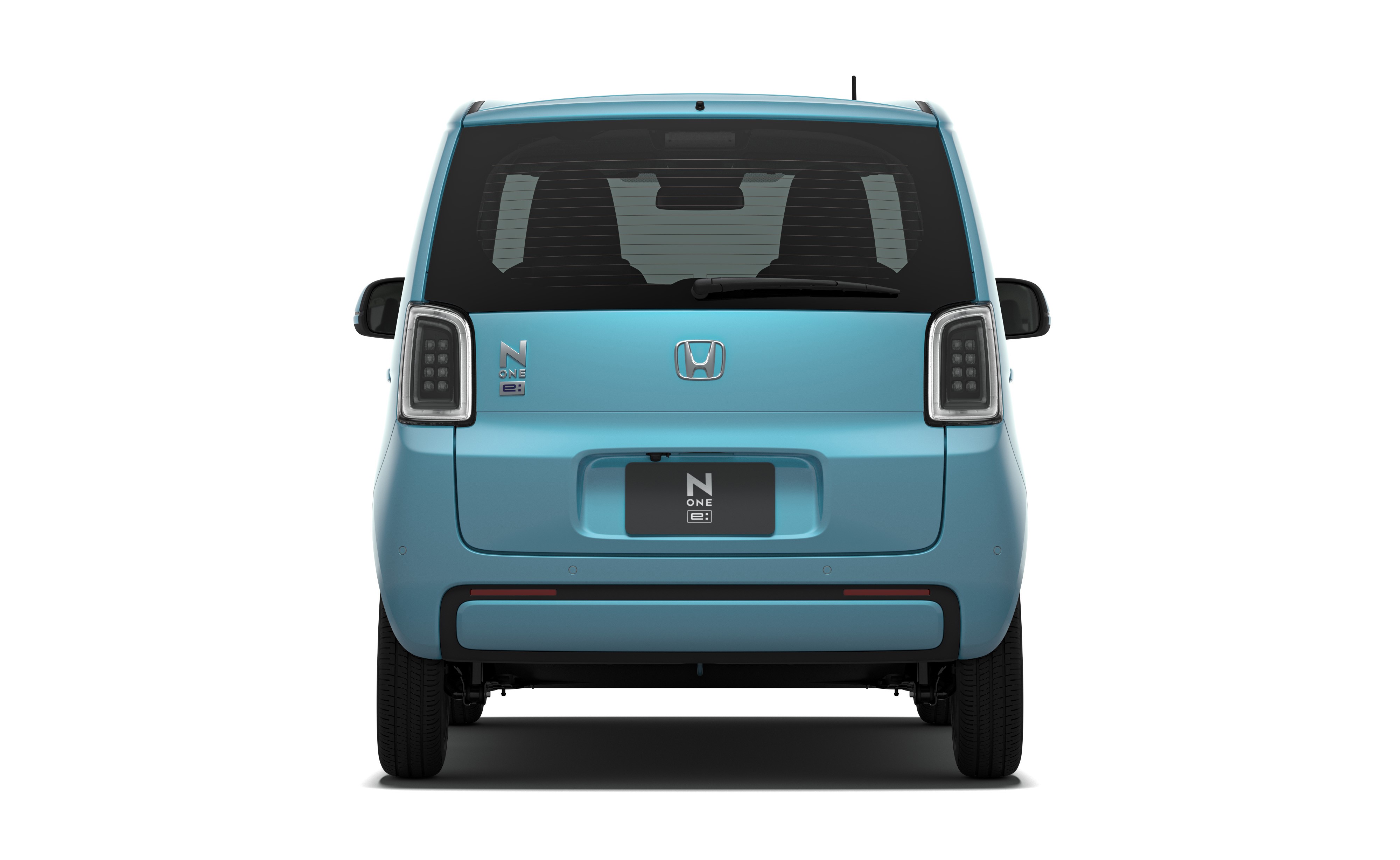
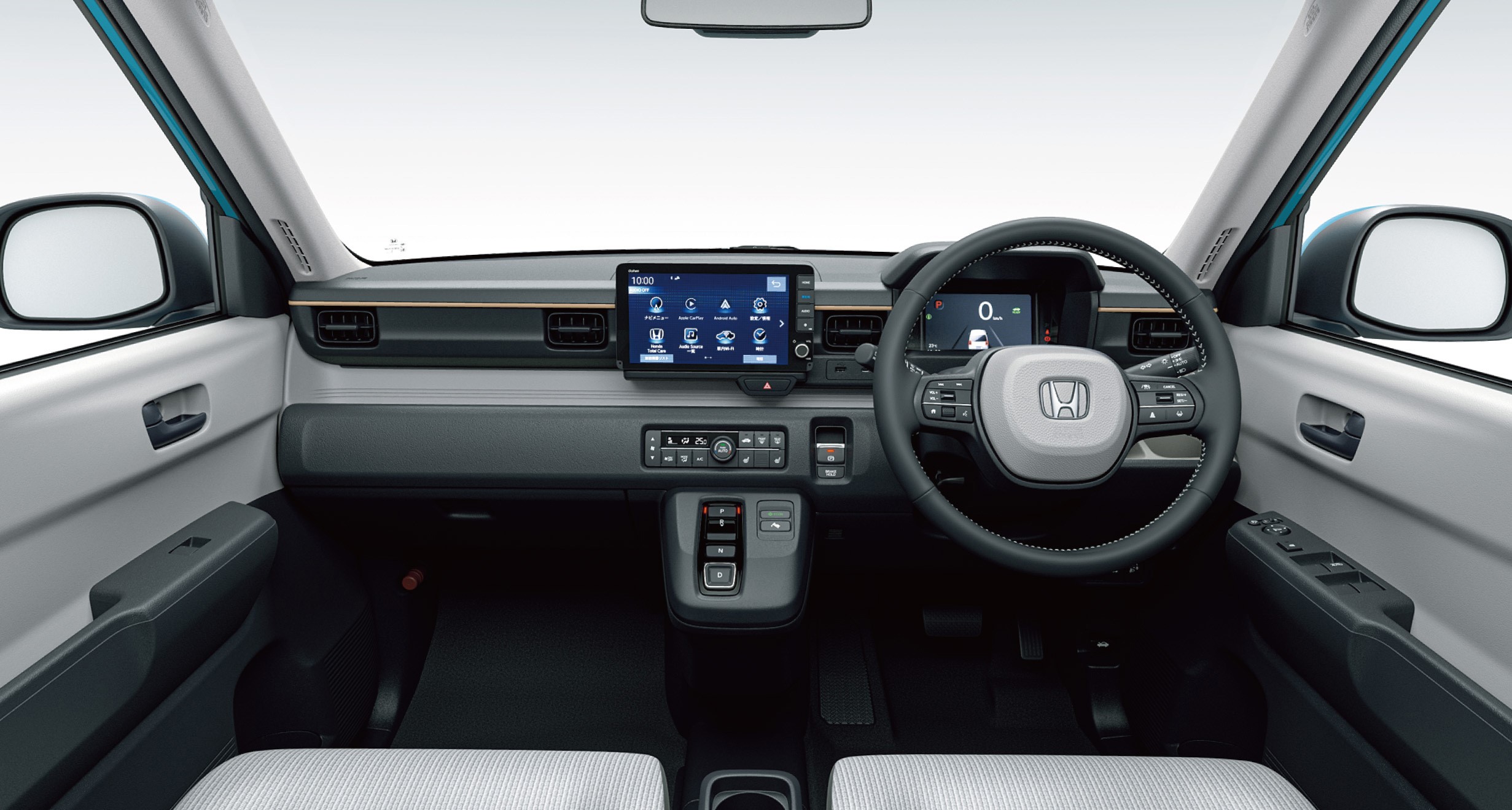
N-ONE e: Interior Design Continues Honda's Pragmatic Philosophy
The base model e: G features a simple dashboard layout and comes standard with a Bluetooth audio system, but does not include a central control screen.
The high-end model e: L adds a 9-inch Honda CONNECT touchscreen, a leather-wrapped steering wheel, and 14-inch alloy wheels.
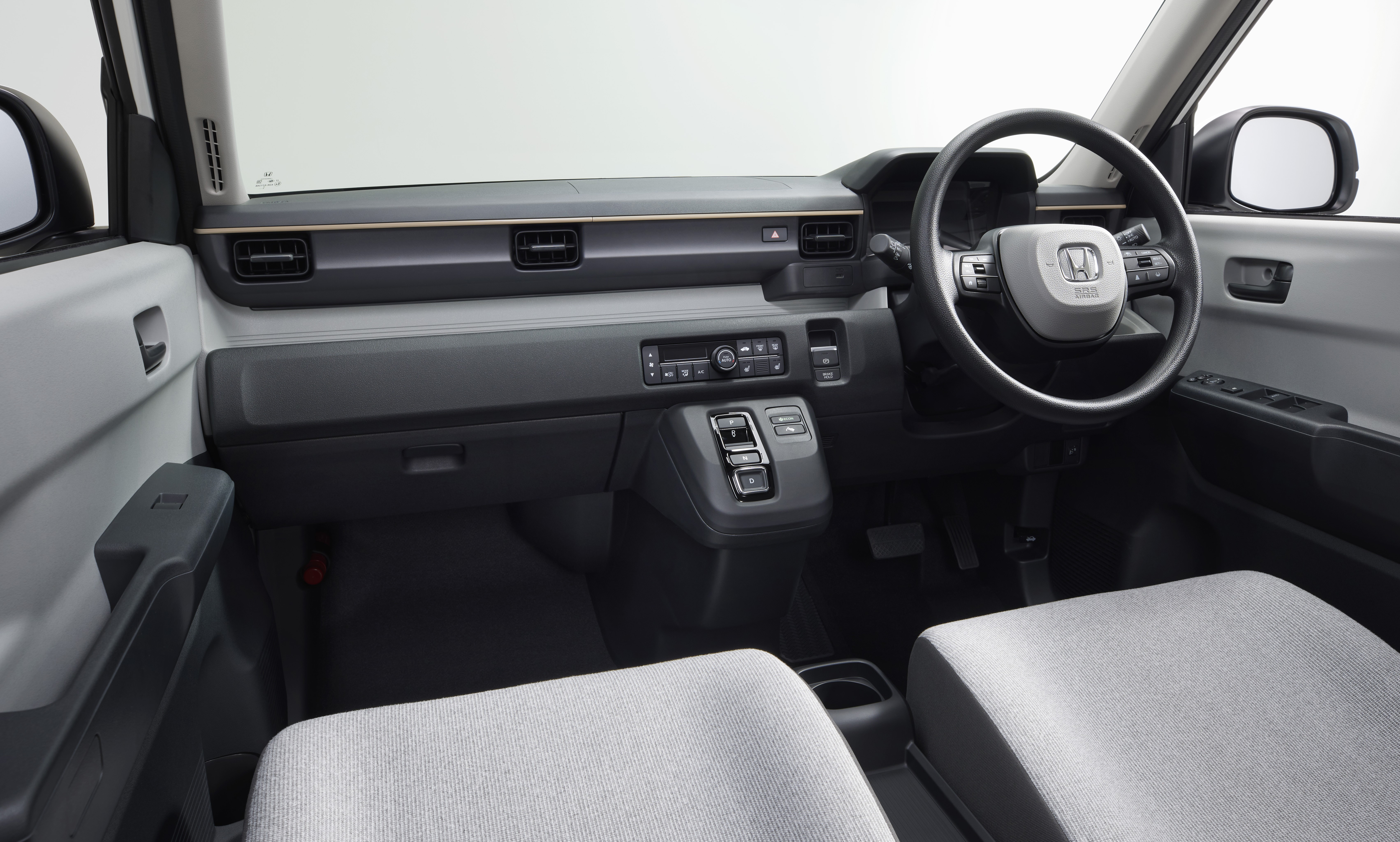
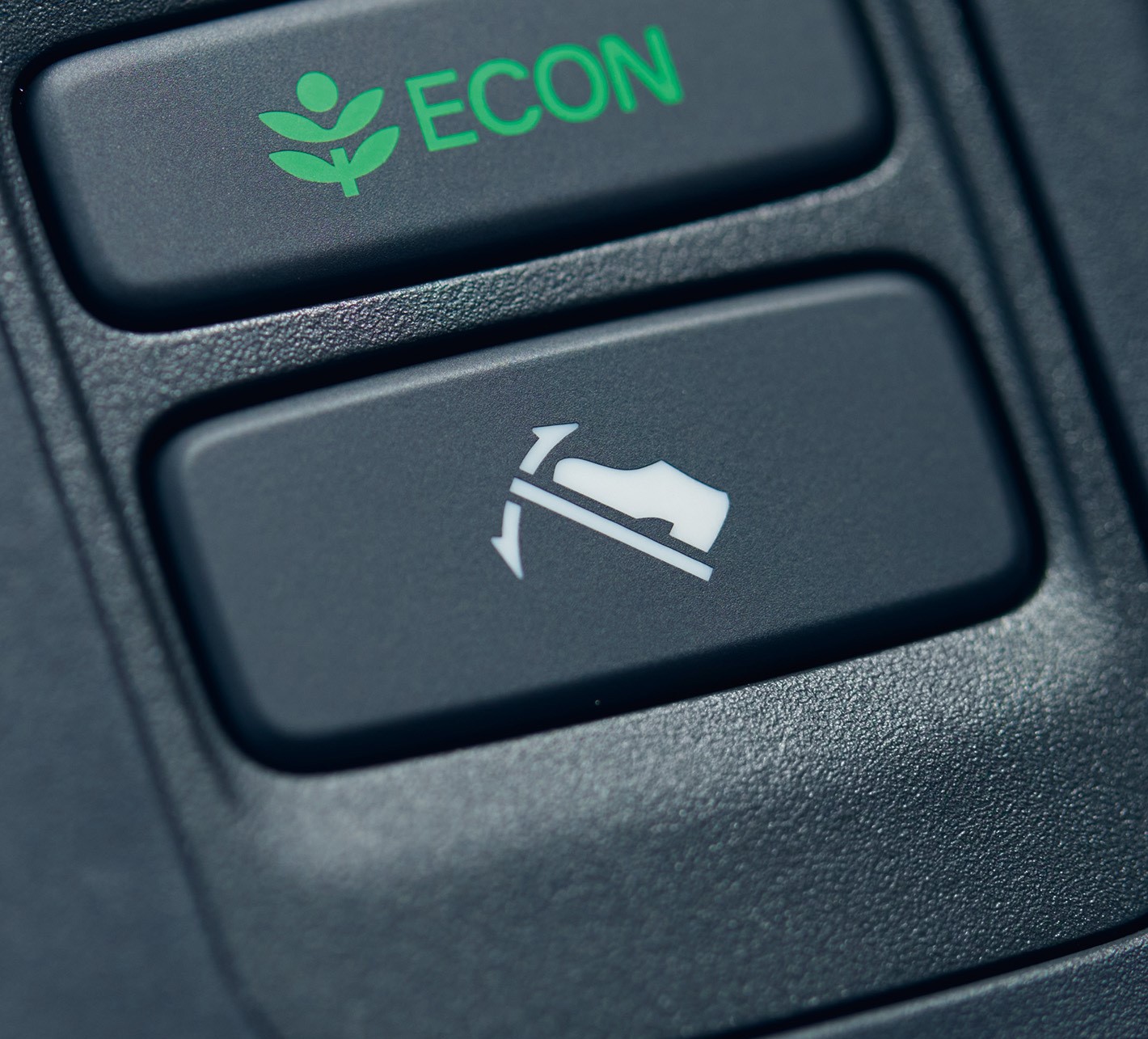
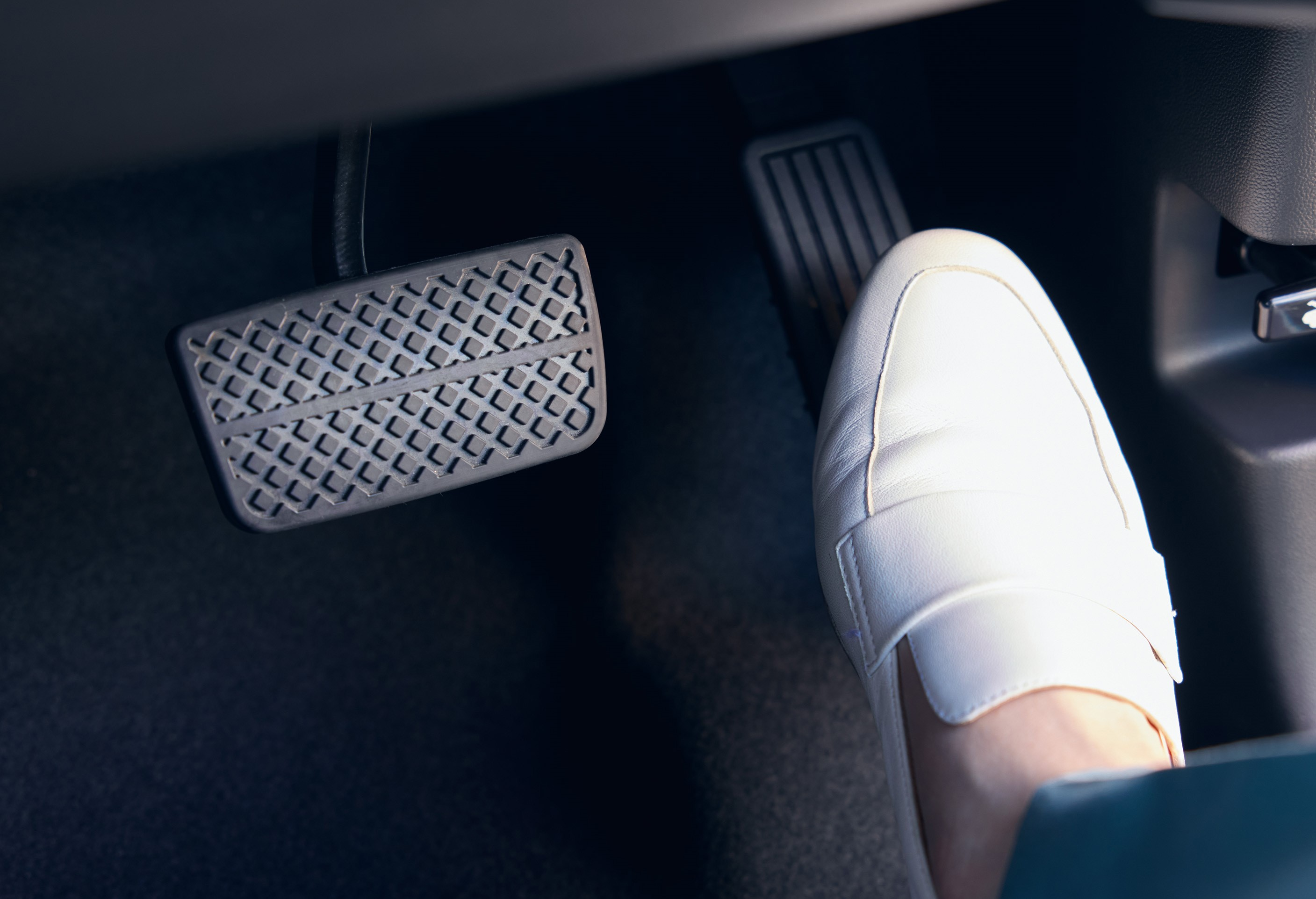
Notably, Honda has introduced the single-pedal driving mode to the kei car category for the first time, enabling acceleration, deceleration, and complete stops via the accelerator pedal, aiming to enhance city driving convenience.
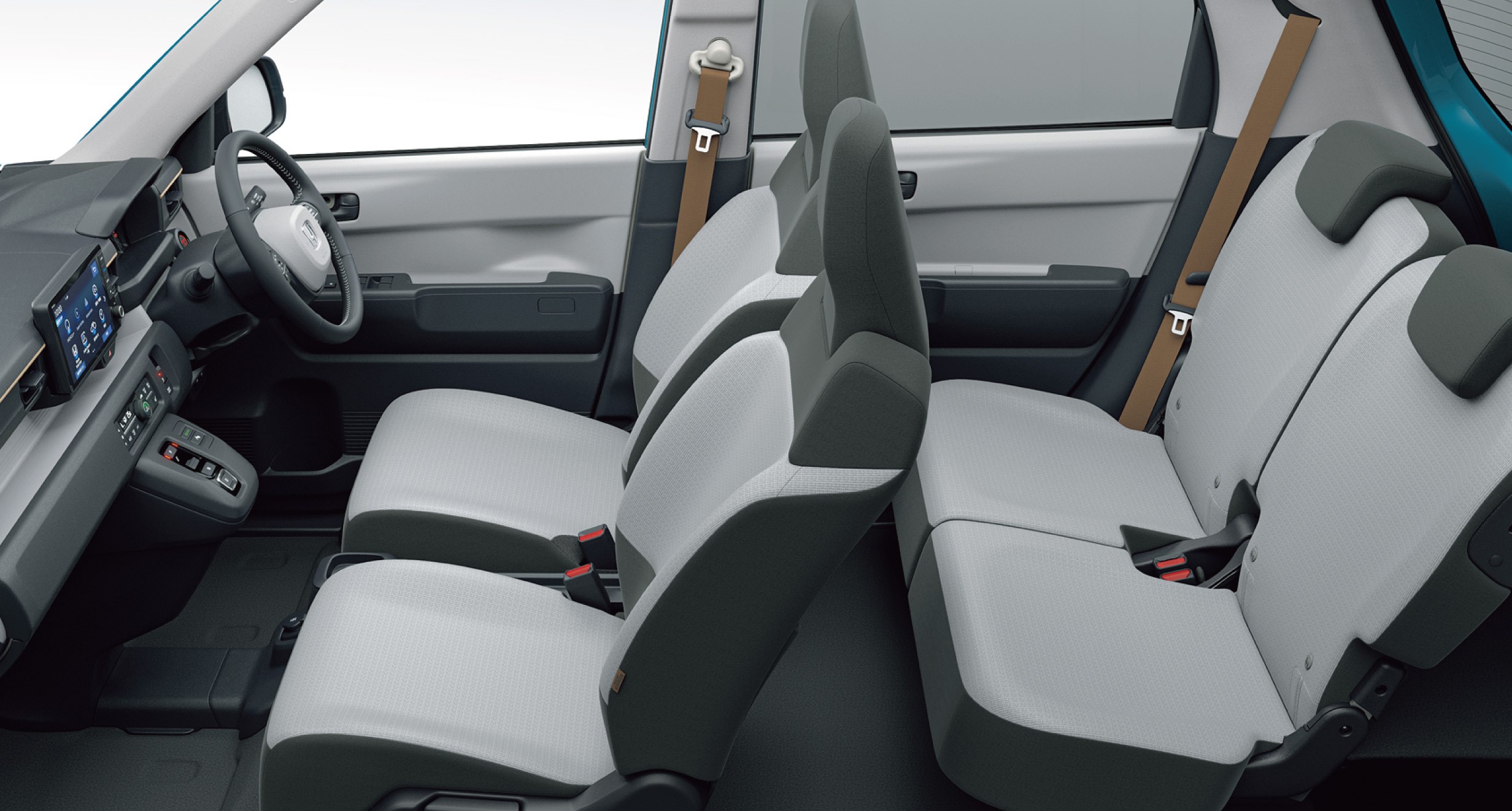
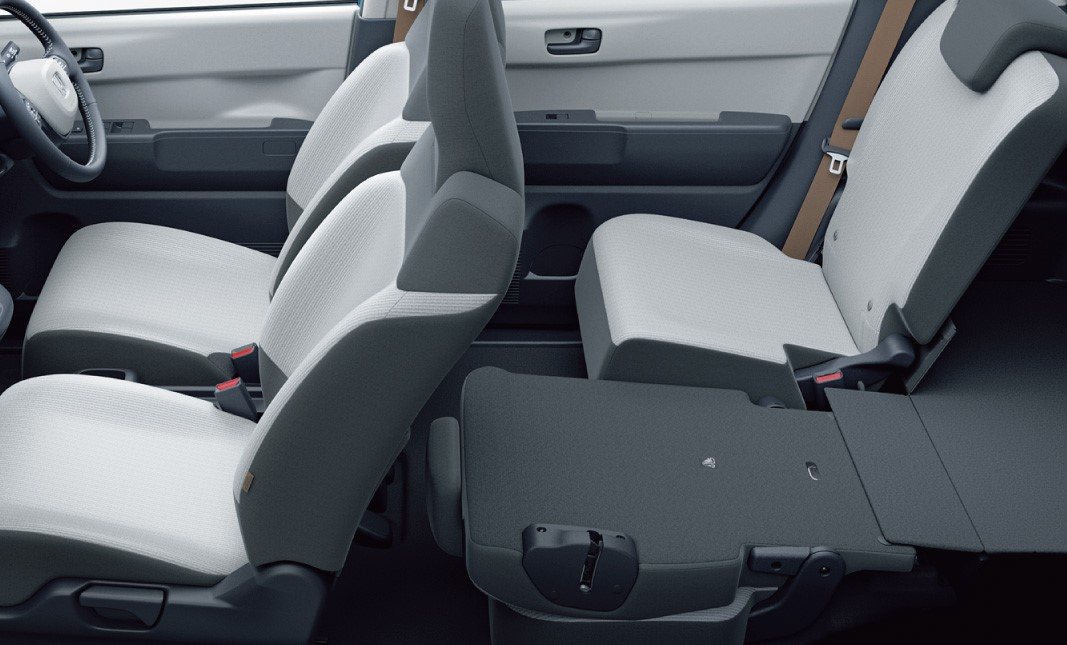
To cater to the unique demands of the Japanese market, the N-ONE e: demonstrates excellent space utilization. The battery pack is laid flat beneath the chassis, maintaining the same 1.55-meter height as the gasoline version, ensuring accessibility to most multi-story parking facilities.
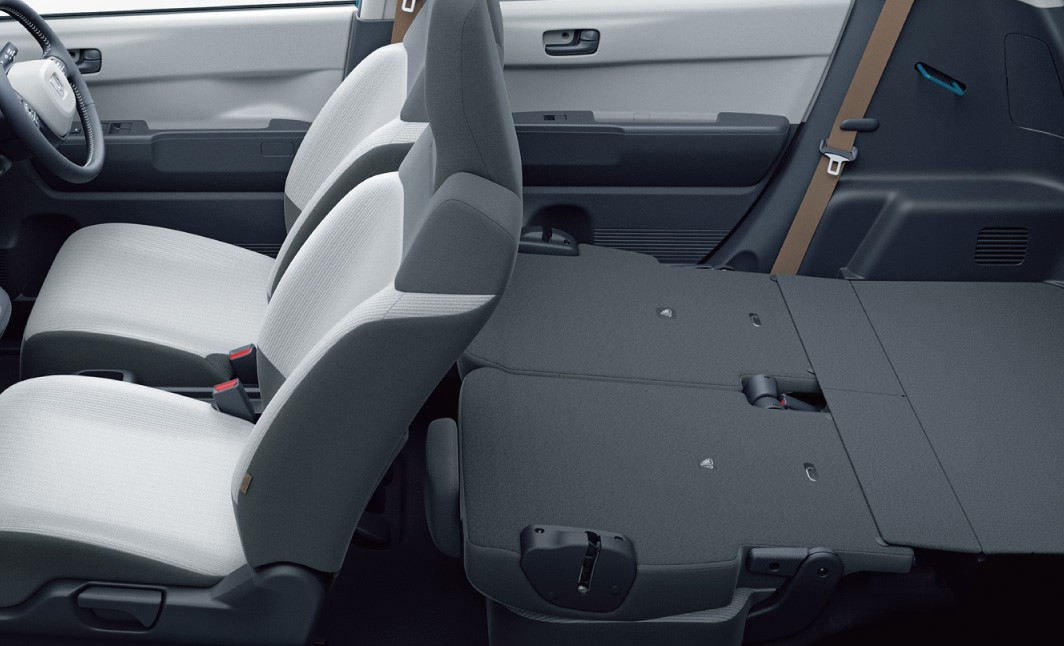
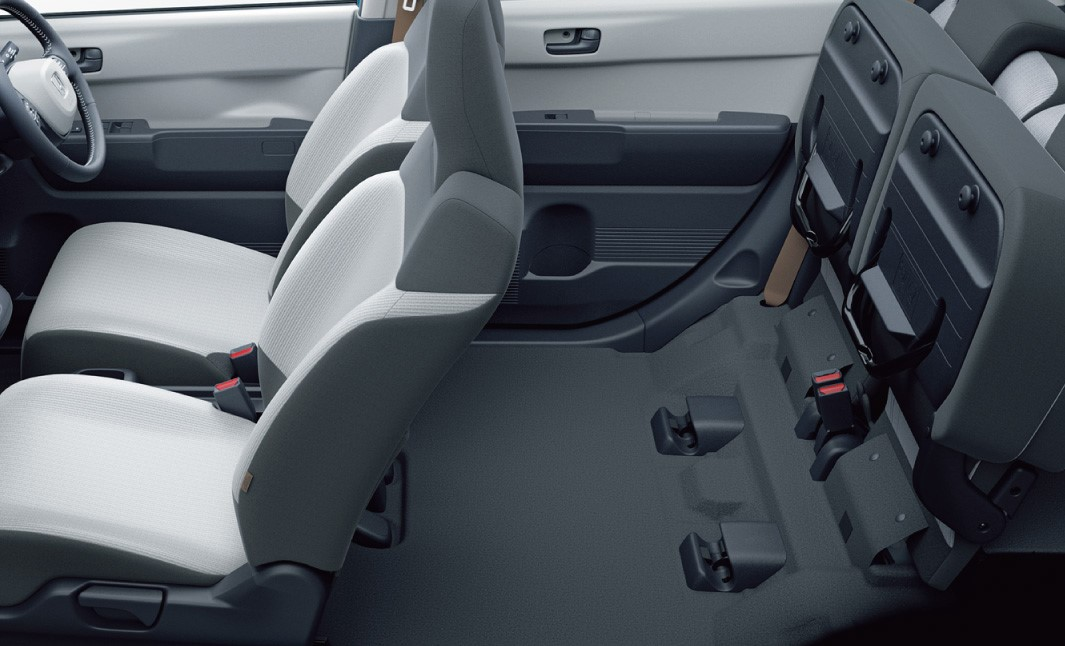
The rear seats support a 50:50 split-folding configuration, creating a completely flat cargo space, significantly boosting practicality.
In terms of safety features, the entire lineup comes standard with the Honda SENSING driver assistance system, which includes 11 functions such as Collision Mitigation Braking, Adaptive Cruise Control, and Lane Keeping.
The newly added Traffic Jam Assist function further reduces the driver's operational burden in congested traffic conditions.
Additionally, the vehicle is equipped with a Sudden Acceleration Prevention System, effectively lowering the risk of operational errors.
The N-ONE e:'s range has a clear advantage in its class
In terms of the powertrain, the N-ONE e: is equipped with an electric motor delivering a maximum power of 63 horsepower, with a WLTC standard range of 295 kilometers.
This data shows a significant advantage compared to competing models in the same class, such as the Mitsubishi eK X EV and Nissan Sakura, which have a range of 180 kilometers.
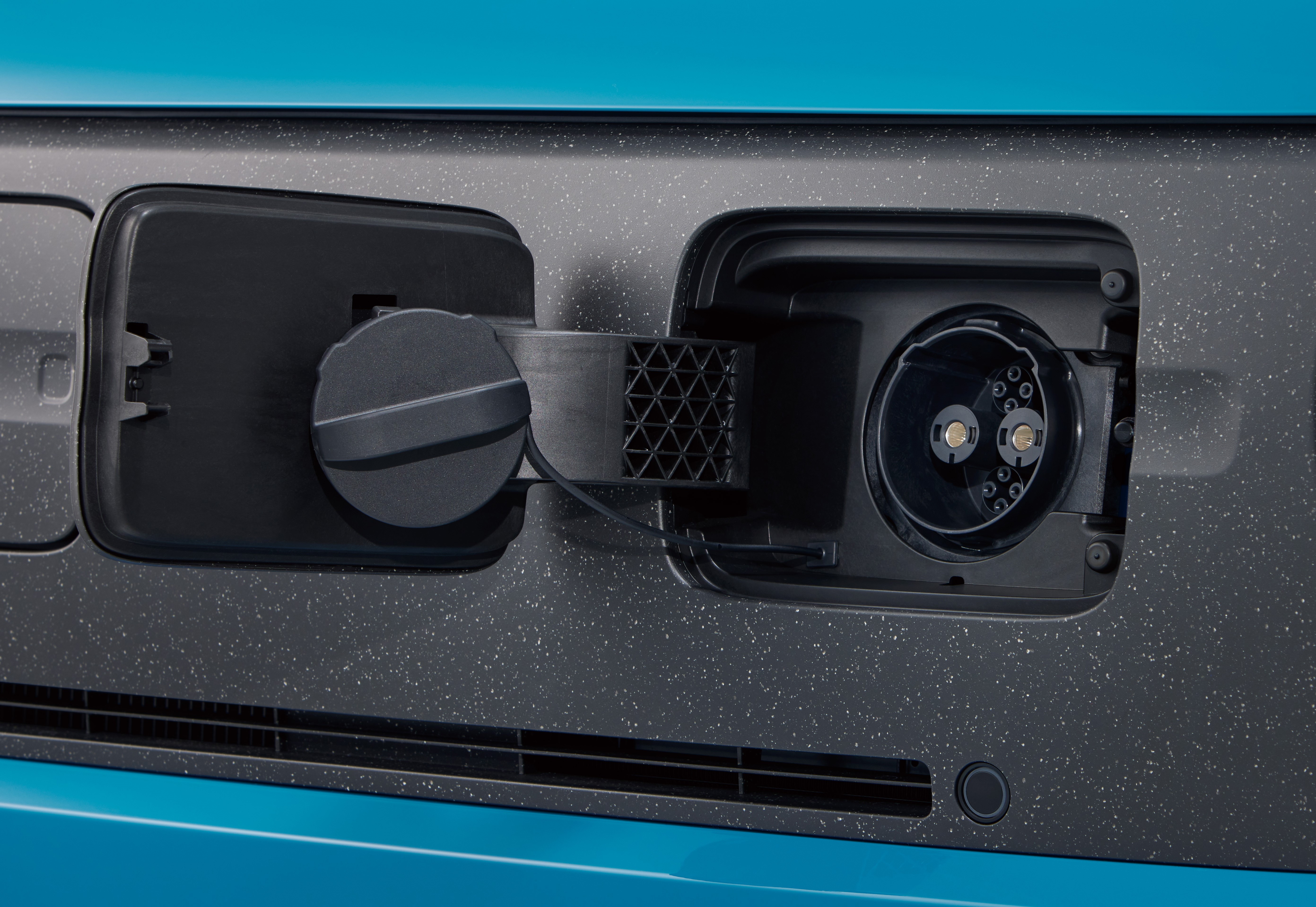
In terms of charging performance, the N-ONE e: uses a 50kW DC fast charger to replenish 80% of its battery in 30 minutes, while home AC charging takes about 4.5 hours to fully charge. The vehicle comes standard with a CHAdeMO charging port and offers an optional second charging port to enhance compatibility.
As a key feature of this model, the V2L (Vehicle-to-Load) external power supply function provides up to 1500 watts of power output through the optional Honda Power Supply Connector. This means users can power electrical devices during outdoor activities or use the vehicle as a backup power source in case of emergencies.
With the intelligent charging management system, users can also monitor the charging status, set charging times to avoid peak electricity rates, and optimize costs via a mobile app.
What are the differences between the N-ONE e: and Wuling Bingo?
When comparing the N-ONE e: with the Wuling Bingo, the two models demonstrate distinctly different market positioning and product attributes.
Starting with pricing, Wuling Bingo is priced in the Thai market between 419,000-479,000 THB, with an estimated starting price of no more than 100,000 MYR in the Malaysian market. The price is not much different from that of the N-ONE e:, although the N-ONE e: might be slightly more expensive.
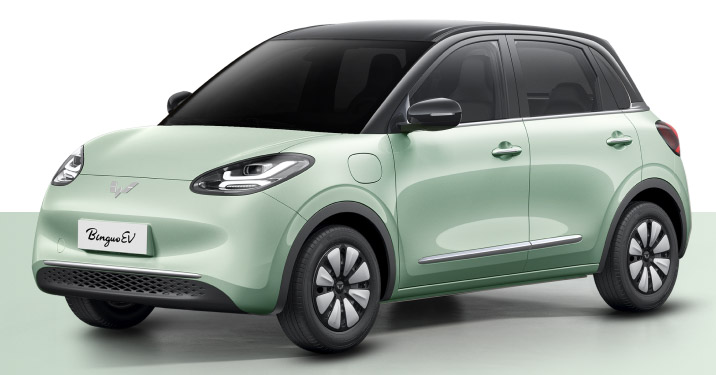
Wuling Bingo, as a five-door pure electric vehicle model, has a body size of 3950mm×1708mm×1580mm and a wheelbase of 2560mm, which is significantly larger than the N-ONE e: (vehicle length ≤ 3400mm) that complies with Japan's kei car specifications.
This size difference is directly reflected in the interior space. Bingo can offer a maximum storage space of 790 liters, while the N-ONE e: focuses more on optimizing space within its limited dimensions.
In terms of the power system, the N-ONE e: is equipped with an electric motor delivering a maximum output of 63 PS and offers a driving range of 295 kilometers under the WLTC standard.
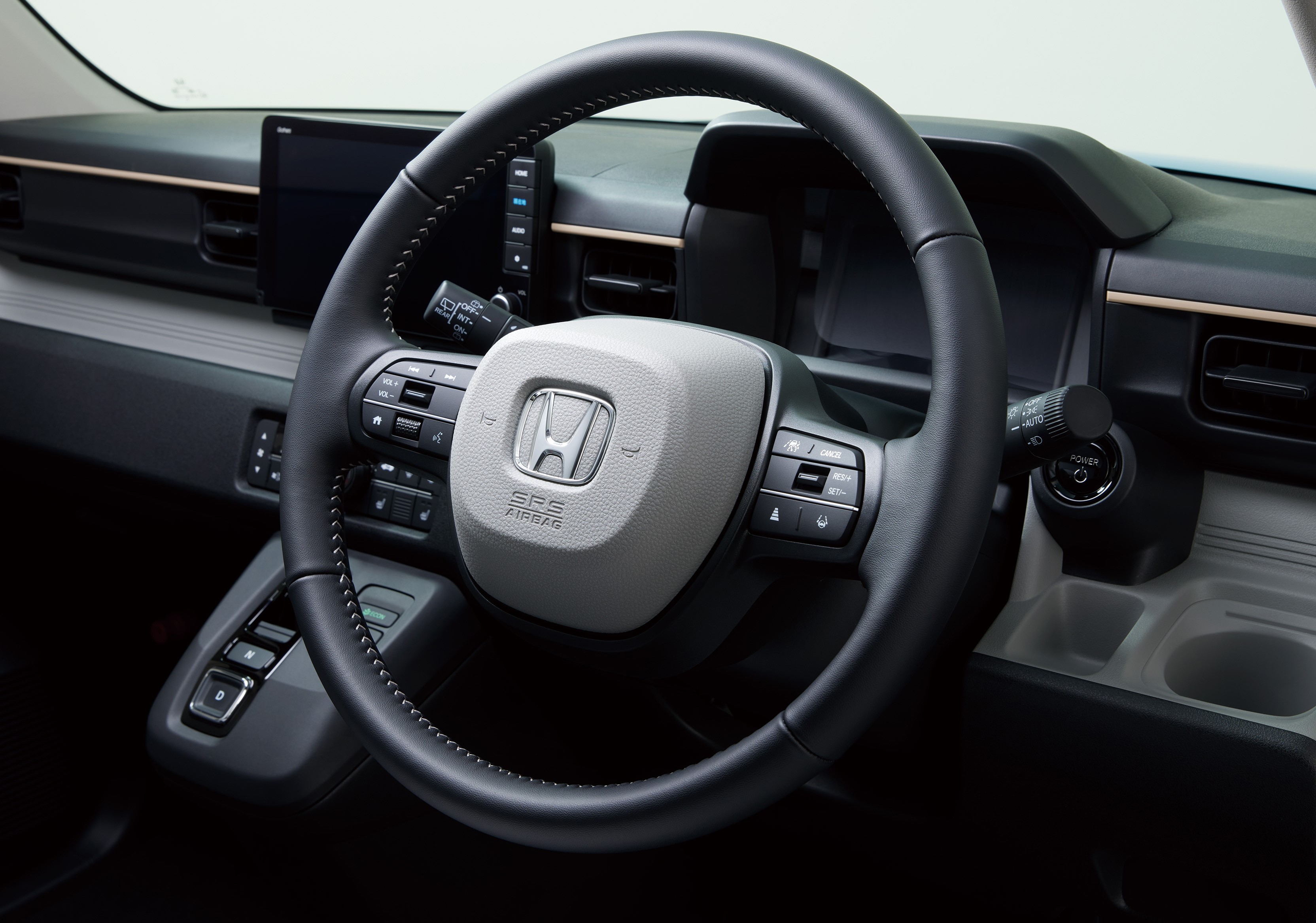
Wuling Bingo, on the other hand, provides 68 PS of power, with the long-range version equipped with a 37.9kWh lithium iron phosphate battery, achieving a CLTC range of 410 kilometers (336 kilometers under the WLTP standard). Bingo's range advantage also stems from its larger body size, allowing for a bigger battery.
Honda N-ONE e: is a refined car
Although it may appear that the N-ONE e:'s cost-performance ratio is not as high as Wuling Bingo's, the N-ONE e: continues the flexibility of Japanese kei cars and incorporates practical design. It is a very refined car. Or in other words, the N-ONE e: will never compete in the same market as Wuling Bingo, at least not for now.
If any infringement occurs, please contact us for deletion








Popular Cars
Model Year
Car Compare
Car Photo