
Musk: No longer selling FSD, only monthly subscription available in the future
 AshleyJan 14, 2026, 05:18 PM
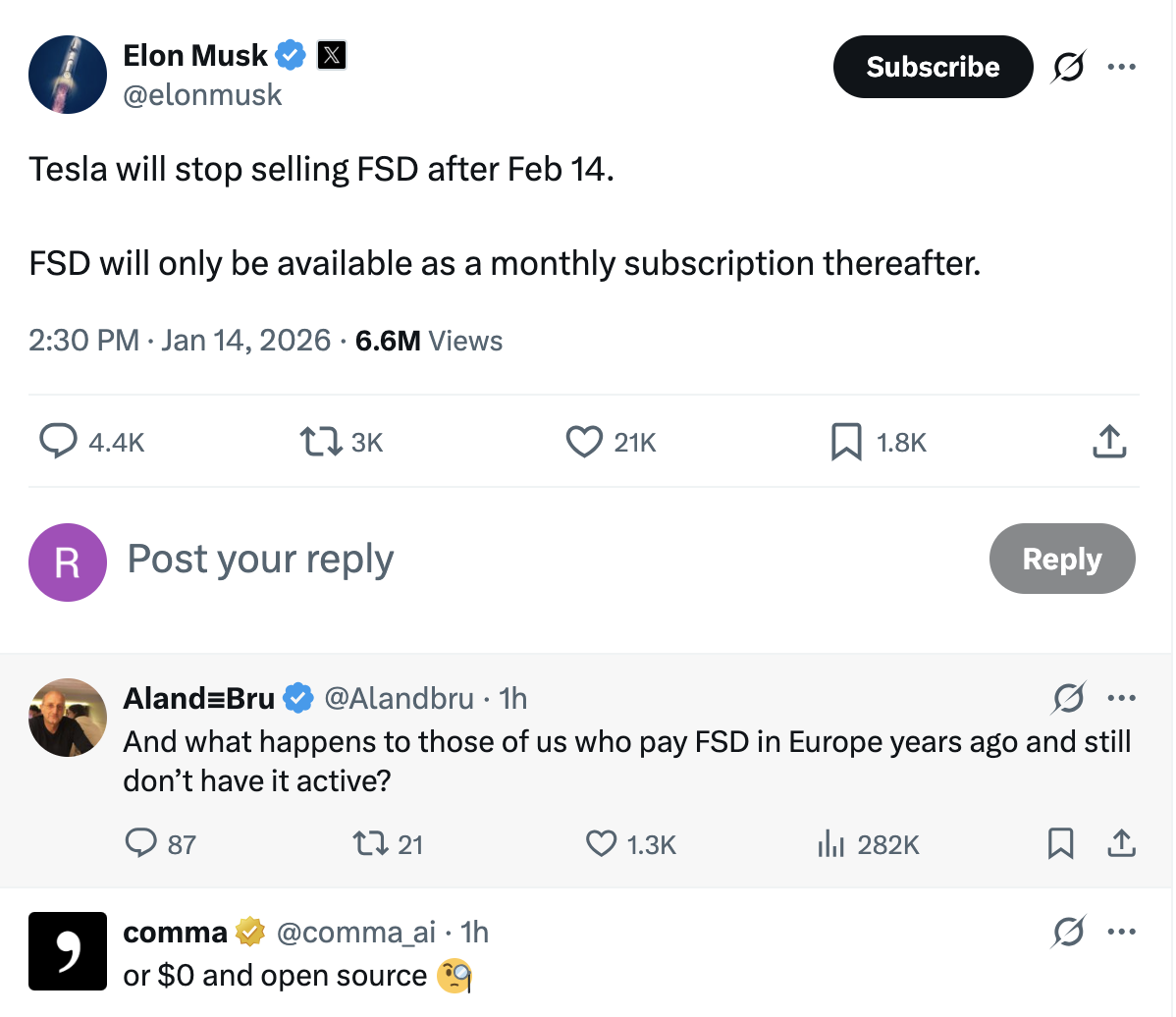
【PCauto】Elon Musk abruptly announced on X that, after 14 February, FSD will no longer be sold as a one-time purchase and will only be available via monthly subscription.
The change to the FSD service was announced without advance notice – no media briefing was held, and Tesla’s official website had not been updated at the time of announcement.
Why is Tesla confident enough to be the first to drop the one time purchase option?
Tesla’s confidence in fully phasing out the one-time FSD purchase option stems primarily from its strong brand premium and loyal customer base.
Survey data indicates that 43% of Tesla owners are willing to pay for advanced driver-assistance features – a proportion far exceeding that of other brands.
With a global user base of 17 million owners, Tesla can generate more predictable recurring revenue through the subscription model.
Equally important is that Tesla’s software revenue has become a key pillar of its valuation.
According to 2025 financial reports, FSD-related revenue accounted for 18% of Tesla’s automotive gross profit and grew at over 25% annually. This successful transition in its business model provides Tesla with the confidence to lead in this direction.
By contrast, most Chinese automakers remain heavily dependent on hardware margins, with software-related revenue typically accounting for less than 5% of total income.
US$8,000 Buyout vs US$99 Monthly Subscription
For most U.S. Tesla owners, the current FSD buyout price is US$8,000, versus a monthly subscription of US$99. The buyout cost equates to about 7.5 years of subscription payments.
This implies that the buyout option is more economical only if you plan to own the Tesla for over 7.5 years; otherwise, the subscription model is financially preferable.
It is worth noting that FSD retains only about 60% of its value in the used-Tesla market – a significant hidden cost of the buyout option. The subscription model avoids this issue entirely, allowing users the flexibility to choose whether to continue their subscription when changing vehicles.
However, that choice will soon be irrelevant. From 14 February onward, only the monthly subscription will be offered.
The Underlying Reason: The Robotaxi Era Precludes Buyouts
Musk’s latest move appears to be a strategic preparation for the future.
Initially, FSD resembled a high-priced software add-on that could be purchased outright. Now, it has shifted fully to a software-as-a-service (SaaS) model.
Whether referring to the unveiled Cybercab or Tesla’s oft-cited Robotaxi concept, the core is Transportation-as-a-Service (TaaS) – charging based on usage, mileage, or service tier, alongside continuous software updates and recurring fees.
In this evolving landscape, a one-time buyout for FSD becomes untenable.
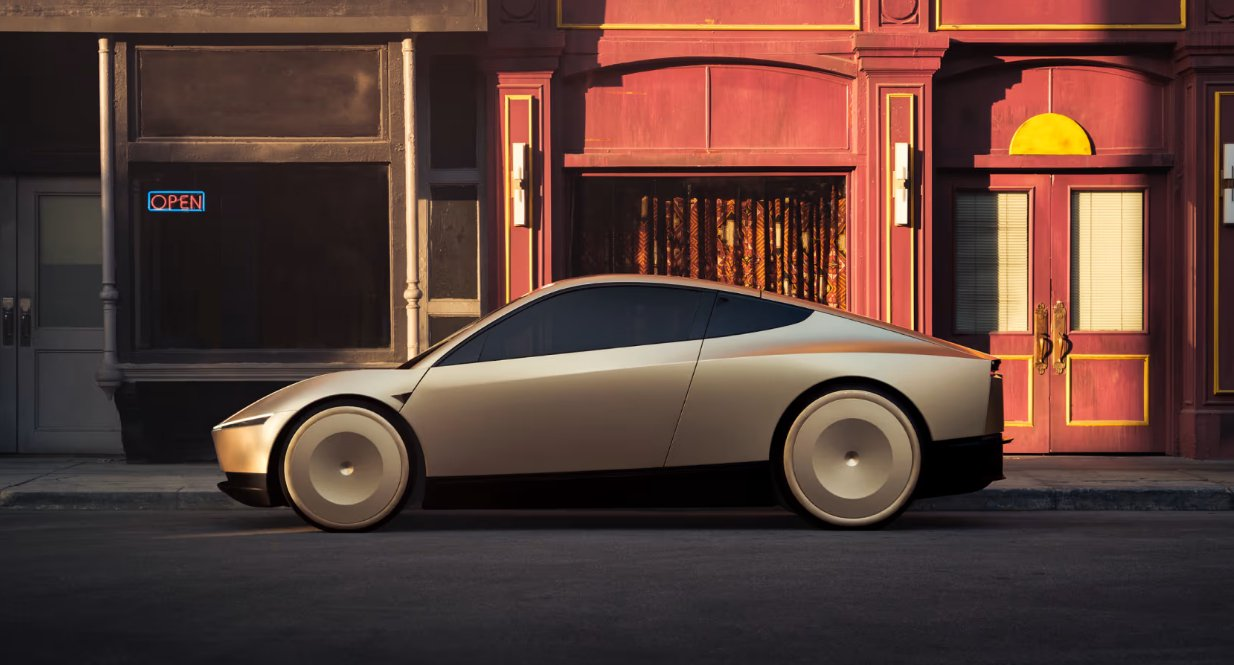
Most Chinese Automakers Bundle Advanced Driving Features
Unlike Tesla, most Chinese automakers bundle advanced driving features into the vehicle’s upfront price. Even when hardware such as LiDAR is included, its cost is integrated into the car’s purchase price, settled in a single payment.
Currently, 76% of intelligent electric vehicles sold in China come with L2+ advanced driving assistance as standard – a rate unmatched globally.
This fierce market competition makes any attempt to charge separately for advanced driving features highly challenging.
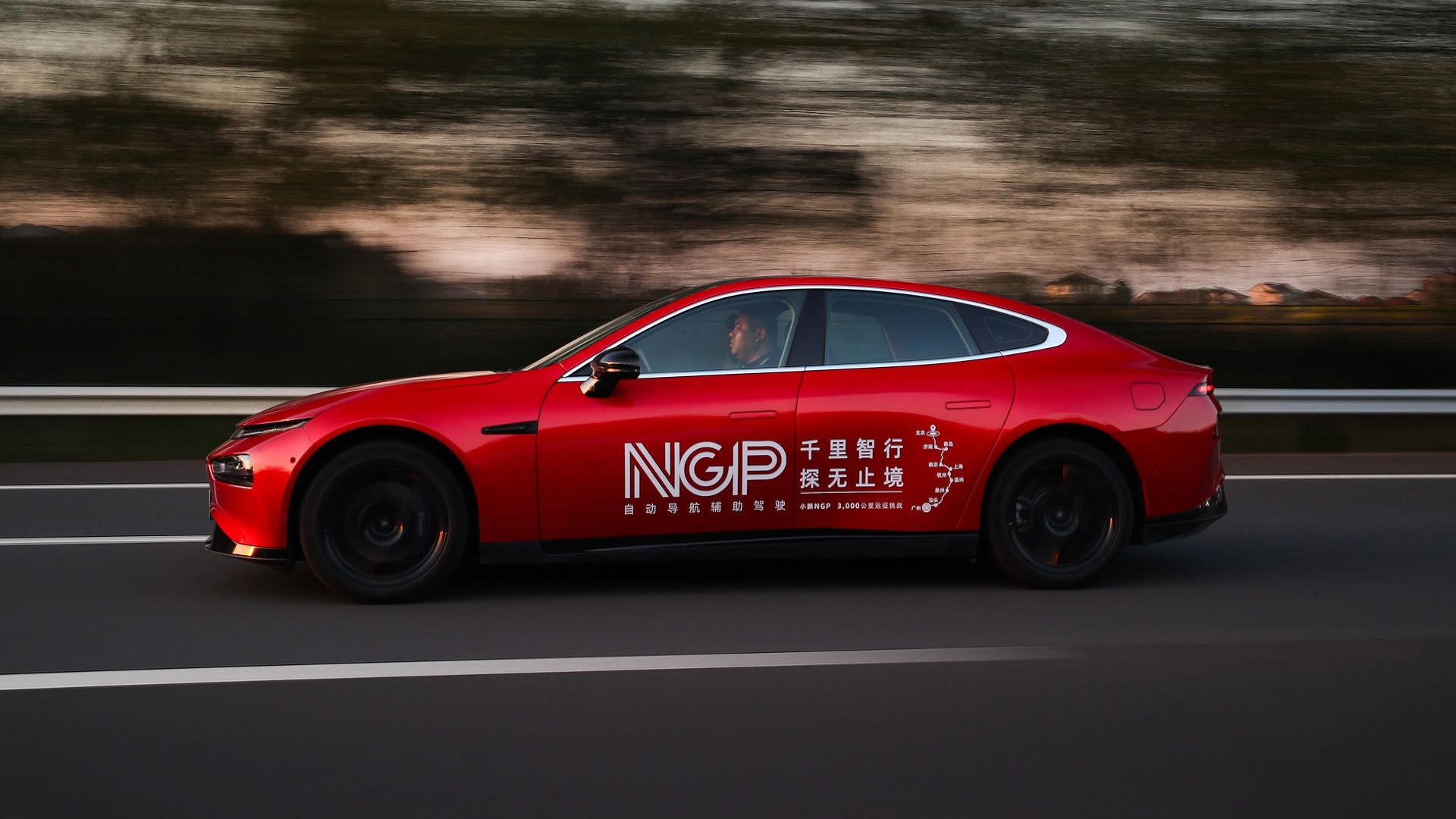
While Tesla’s FSD may be more advanced, its real-world performance in many markets remains largely unproven due to limited availability. Against such bundled offerings, even if Chinese systems achieve 80% of FSD’s performance, they represent a compelling value proposition.
If any infringement occurs, please contact us for deletion




Popular Cars
Model Year
Car Compare
Car Photo