
Jaecoo J7 2026: Full Specs, OTR Pricing, PHEV Details & Competitor Comparison
 RobertFeb 26, 2026, 02:09 PM
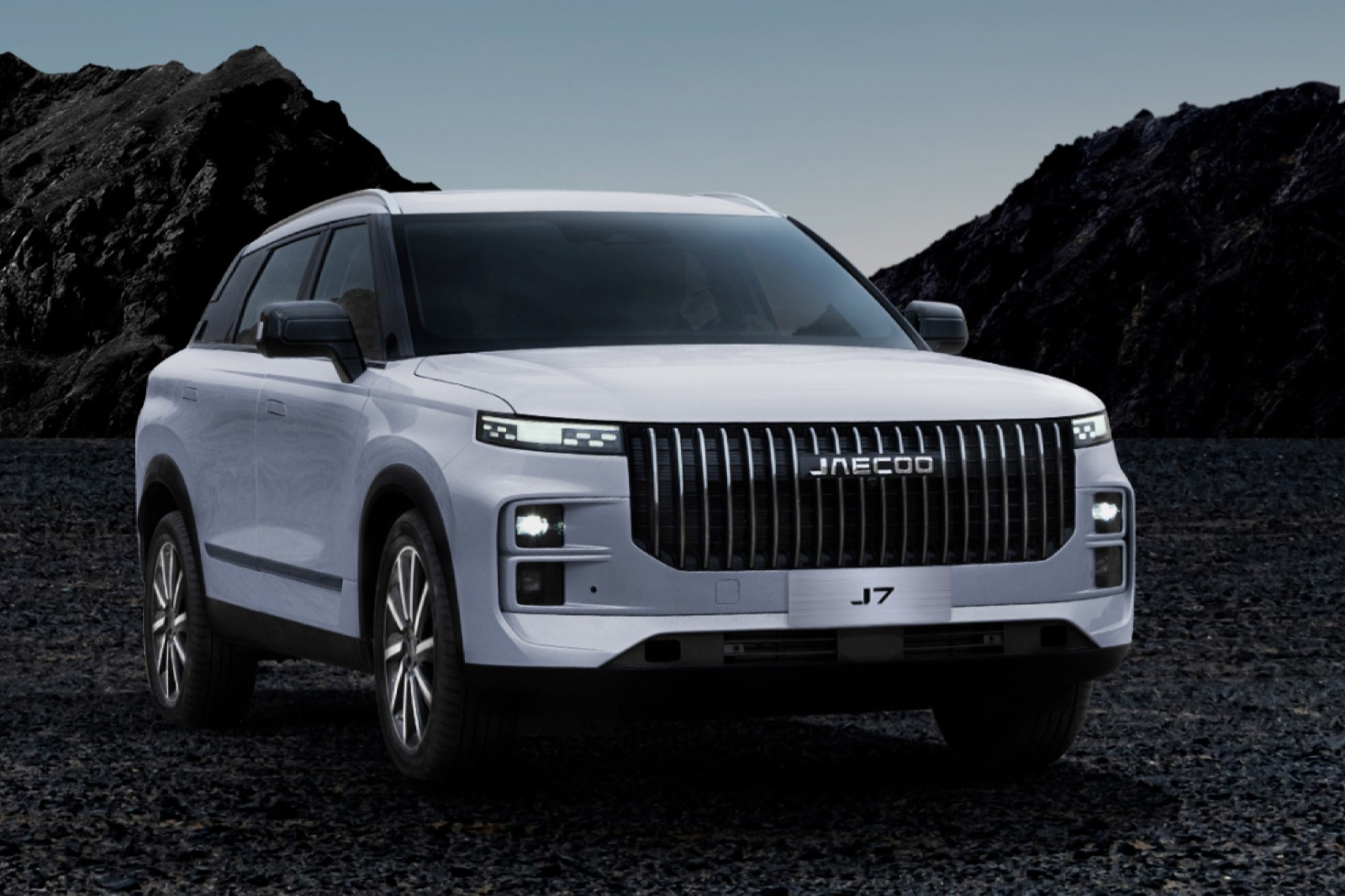
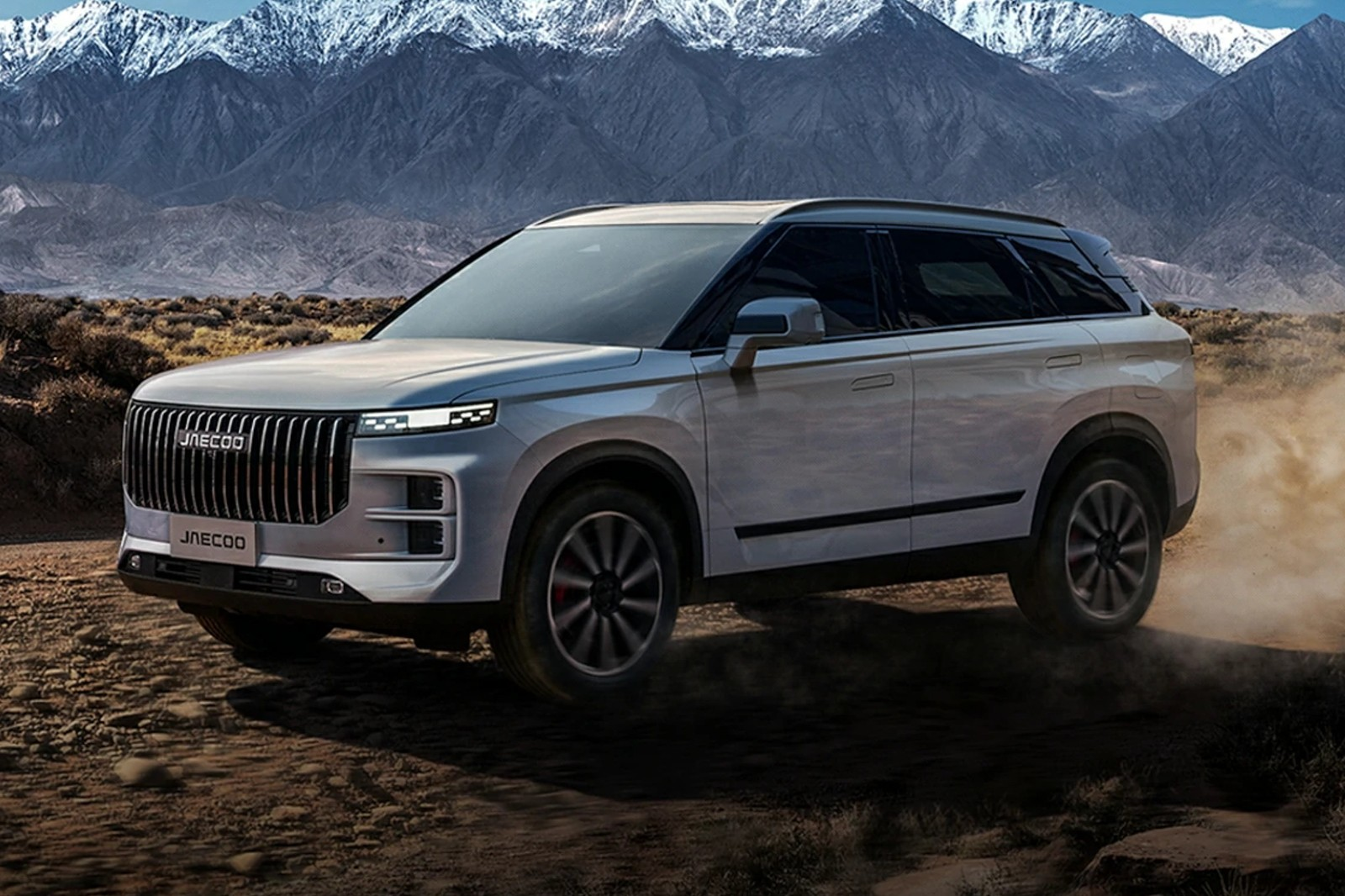
[PCauto]For buyers looking for a practical, well-equipped mid-size SUV,offering both petrol-only (ICE) and plug-in hybrid (PHEV) variants,the Jaecoo J7 has quickly attracted attention. Positioned as a premium offshoot under Chery, the J7 competes with models such as the Haval H6 HEV and Jetour Dashing. A detailed look at its specifications, pricing, and usability clarifies why it stands out.
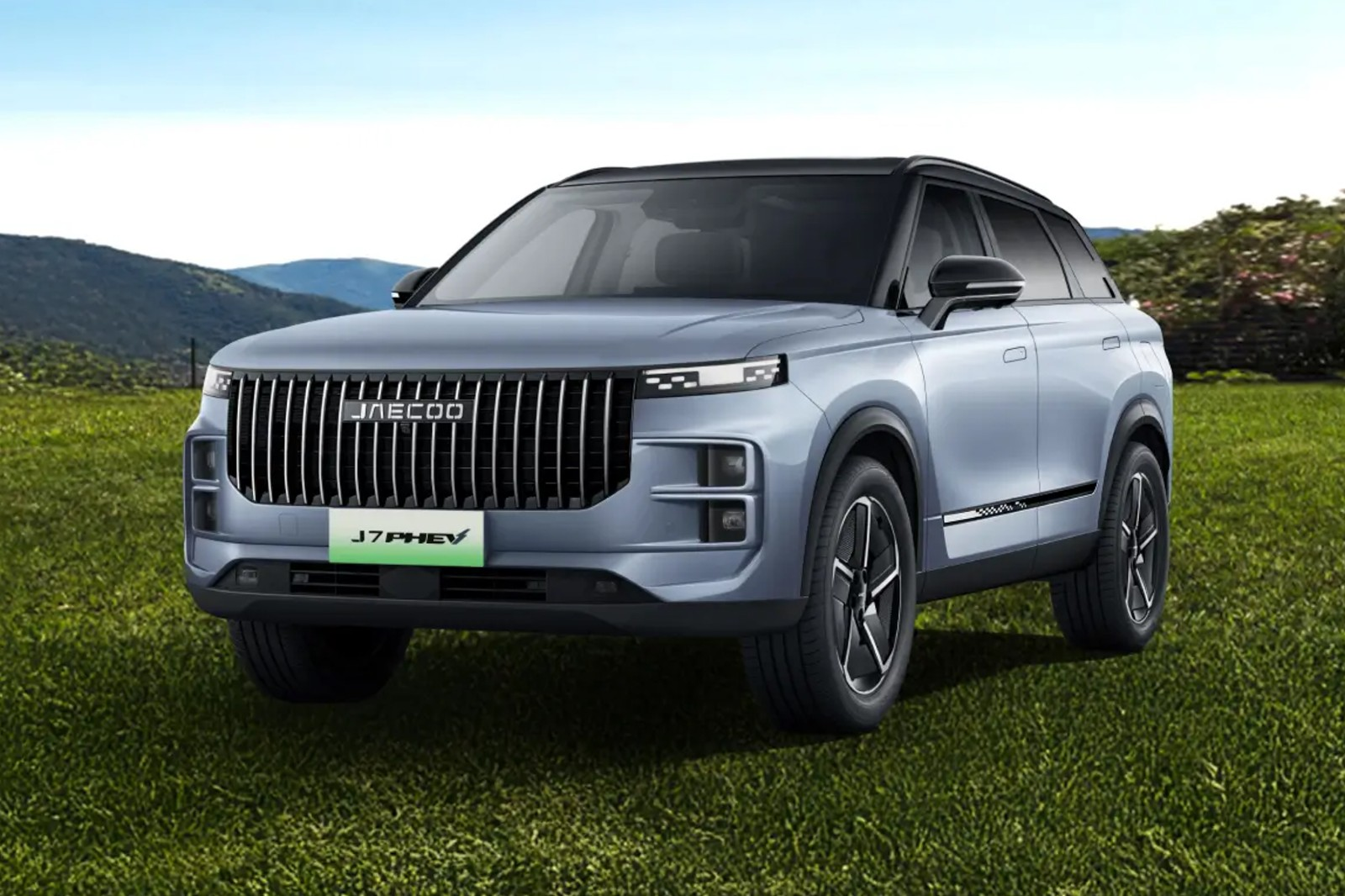
Vehicle Overview
The Jaecoo J7 targets buyers seeking a balance between urban commuting and light off-road capability.
Available in ICE (Internal Combustion Engine) variants and PHEV plug-in hybrids, both locally assembled under CKD operations, it combines competitive pricing with convenient after-sales support. Notably, the ICE AWD variant provides traction for suburban roads, hilly terrain, and light off-road conditions.
The J7 appeals to families and young professionals who value high equipment levels, practicality, and technology, without paying a luxury premium.
Standard equipment highlights include:
· ADAS suite: adaptive cruise control, automatic emergency braking, blind-spot monitoring.
· 10.25-inch fully digital instrument cluster, with wireless Android Auto and Apple CarPlay.
· Acoustic windshield and heat-insulating glass, improving cabin comfort.
Pricing and Ownership Costs
Official On-the-Road (OTR) Pricing (without insurance)
| Variant | OTR Price | Notes |
| ICE 2WD | 138,800 | Entry-level petrol variant |
| ICE AWD | 148,800 | Adds AWD and extra driving modes |
| PHEV 2WD | 158,800 | Includes hybrid system for lower running costs |
Estimated Monthly Repayment and Maintenance
Assuming a 10% down payment over nine years at ~2.6% interest:
· ICE 2WD (138,800): ~1,350 per month
· PHEV 2WD (158,800): ~1,530 per month
Warranty and maintenance:
· 7-year/150,000km full vehicle warranty for all variants
· PHEV-specific 8-year/160,000km warranty for battery, motor, and electronics
· Annual maintenance: ICE ~700; PHEV ~600, thanks to reduced engine usage
PHEV Variant: Powertrain, Features and Range
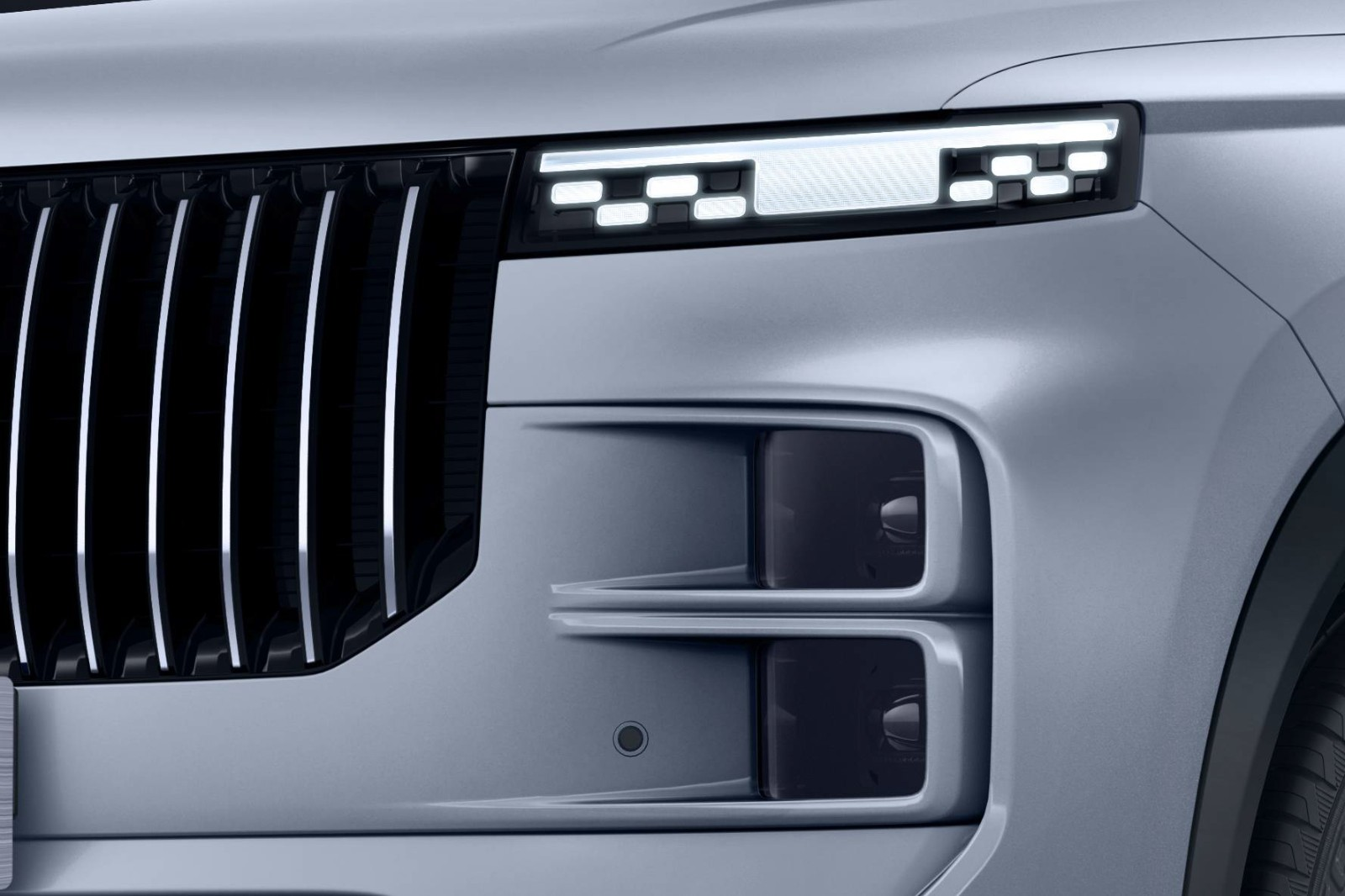
The J7 PHEV adds efficiency and refinement to the ICE variant. Minor visual differentiators make the PHEV easy to identify.
Powertrain and Features
· Engine: 1.5 litre TGDI hybrid engine + hybrid DHT transmission + electric motor.
· Output: Engine 105 kW / 215 Nm, motor 150 kW / 310 Nm, 0–100 km/h in 8.5s.
· Driving modes: Normal, Sport, Eco; EV (pure electric) and HEV (hybrid) modes. Engine intervention logic varies by speed.
· Practical features: V2L output, heads-up display, built-in dashcam, sensor-activated tailgate.
Range and Charging
· Electric-only: 106 km (NEDC)
· Combined range: Up to 1,300 km; real-world 1,100–1,244 km
· Charging: DC fast charge 30–80% in 20 mins; AC 6.6 kW full charge ~3h 20min; AC 3.3 kW overnight ~8h
Fuel Consumption and Running Costs
ICE Variants
· Official consumption: 2WD 7.0 L/100km, AWD 7.7 L/100km
· Real-world city/highway: 8.0–8.5 / 6.5–7.0 L/100km
· Annual cost (20,000 km, RON95 at 2.54/L): 2WD ~3,556, AWD ~3,976
· Including maintenance: 2WD ~4,256, AWD ~4,676
PHEV Variant
· Fuel consumption: EV mode zero fuel; combined 4.77 L/100km
· Running cost: Daily 100 km commutes largely on EV mode; annual electricity ~600; total ~3,000–3,300
· Savings over ICE can offset PHEV premium in 2–3 years
Battery Specification and Longevity
· Type: LFP, 18.3 kWh, IP68-rated
· Lifespan: 8–10 years, 2,000+ cycles; 8-year/160,000 km warranty covers replacements under 70% health
· Tips: Keep charge at 30–50% when parked long-term, prefer slow charging, avoid prolonged high heat exposure
Interior and Cabin Space
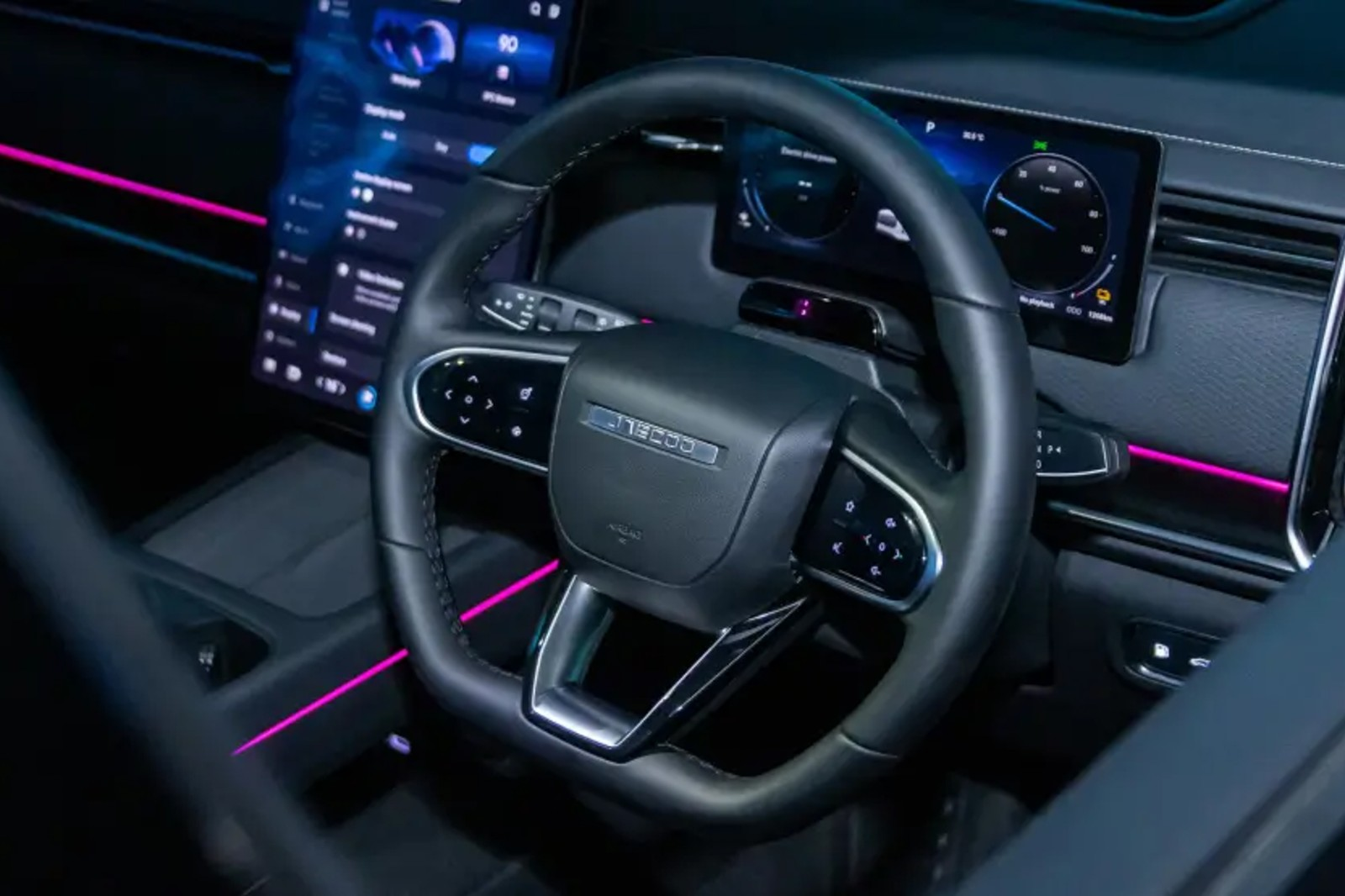
· Layout: Wraparound cockpit, dual-layer dashboard, horizontal air vents
· Screen size: ICE 2WD – 13.2-inch, ICE AWD – 14.8-inch, PHEV – 14.8-inch
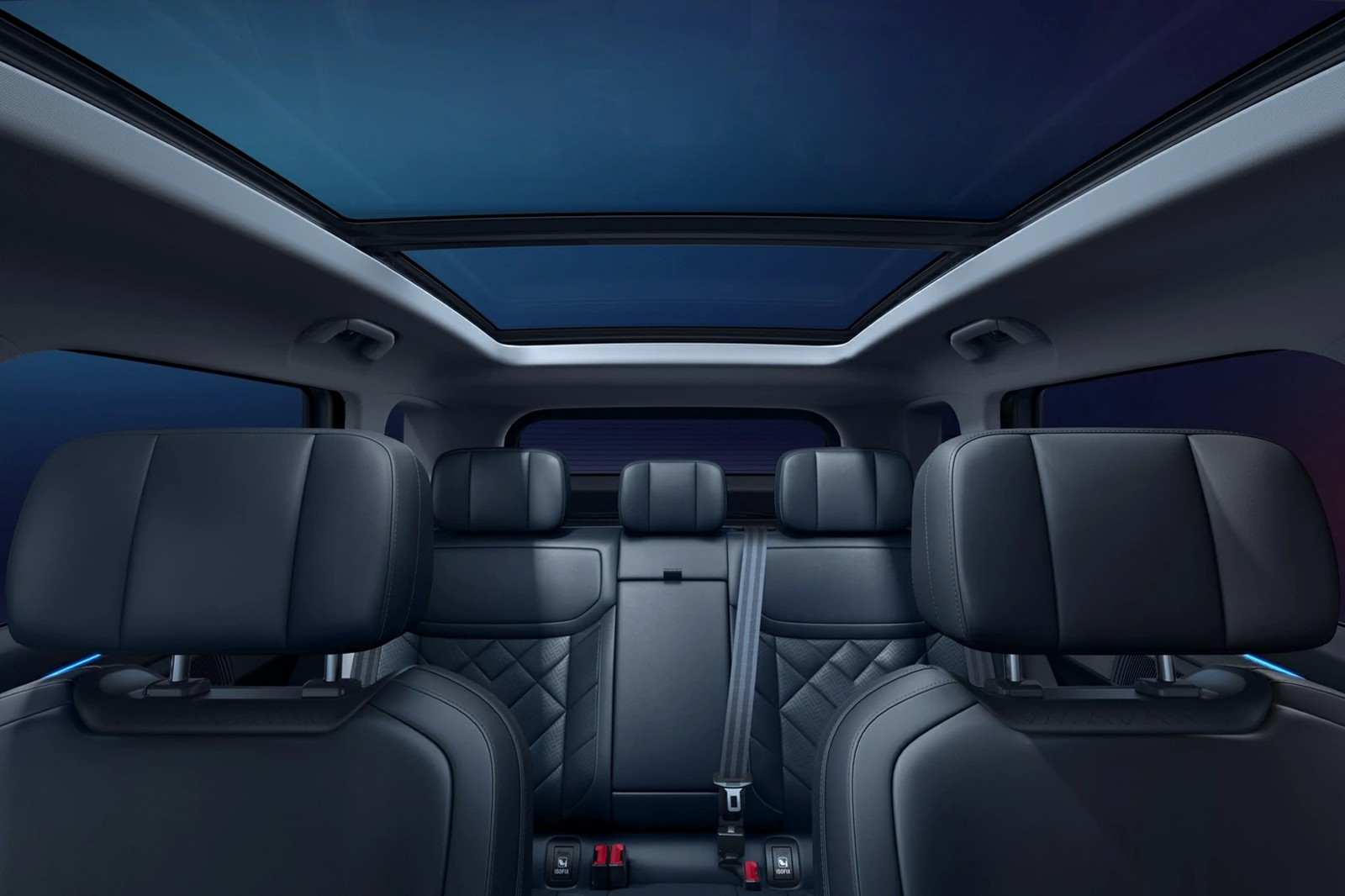
· Materials: Leatherette seats, ventilated front seats on PHEV, ambient lighting, panoramic sunroof, dual-zone AC
· Space: 5 seats, generous rear legroom; foldable rear seats for cargo flexibility
Tyres and Pressure
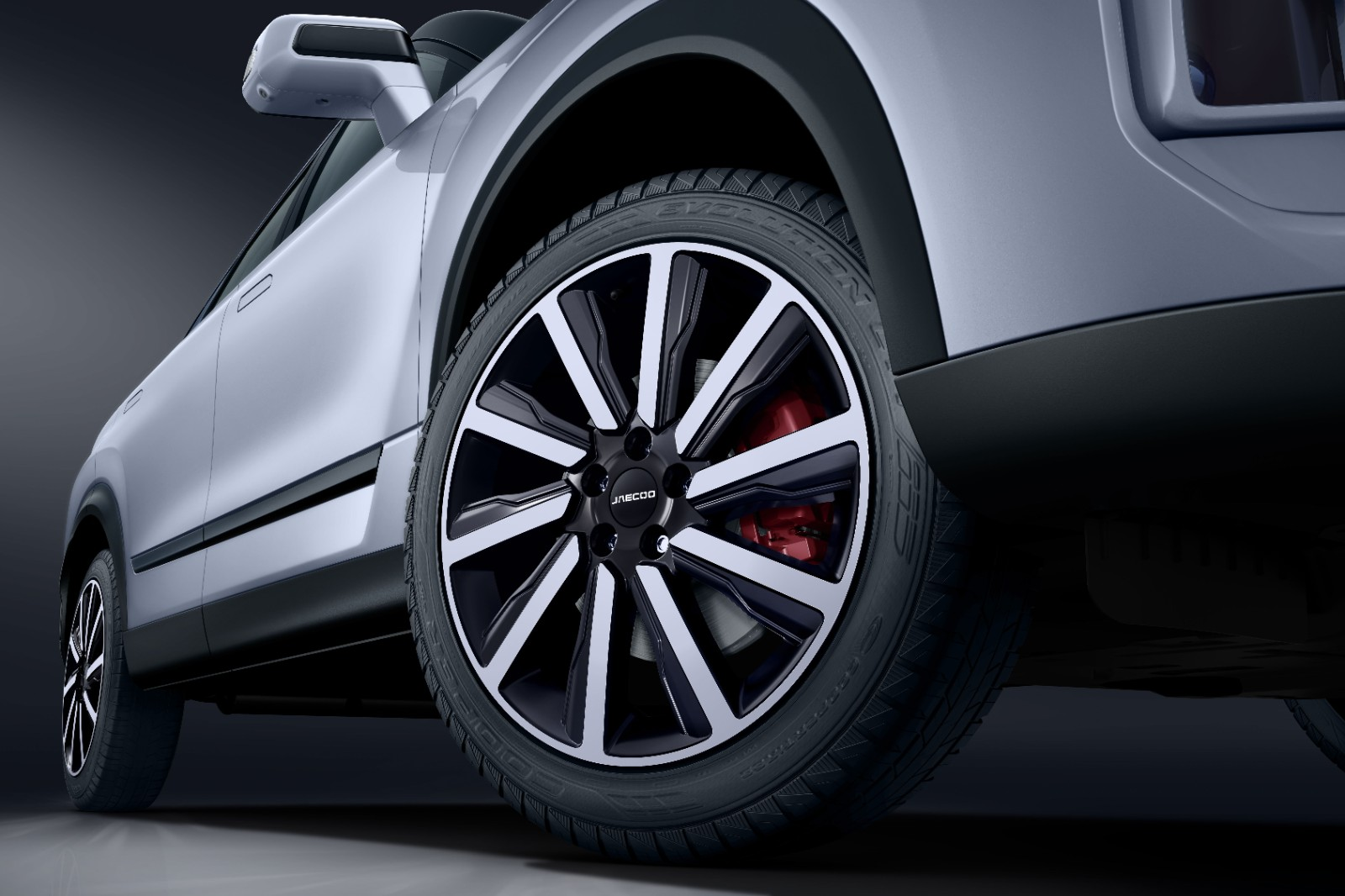
· ICE 2WD/AWD: 235/50 R19
· PHEV: Same size with aerodynamic rims
· Pressure: Front 2.2–2.4 bar, rear 2.2–2.4 bar; increase 0.2 bar if fully loaded
Competitor Comparison
Jetour Dashing vs Jaecoo J7
| Aspect | Jaecoo J7 | Jetour Dashing 1.5T |
| Price | 138,800–158,800 | 116,800 |
| Power | ICE 1.6 litre TGDI / PHEV 105 kW+150 kW | 1.5T petrol 190+ hp |
| Fuel consumption | ICE 7.0–7.7, PHEV 4.77 | ~7.5+ |
| Strengths | PHEV low running cost, generous kit list, AWD off-road modes | Lower price, sporty design |
| Weaknesses | Higher price, PHEV no AWD | No hybrid, higher running cost |
| Suitable for | Families with charging access, light off-road | Budget-conscious, younger buyers |
Haval H6 HEV vs Jaecoo J7 PHEV
| Aspect | Jaecoo J7 PHEV | Haval H6 HEV |
| Price | 158,800 | 139,800 |
| Power | 1.5 litre TGDI PHEV | 148 hp HEV |
| Range / fuel | 106 km EV / 1,300 km combined | 800+ km, no EV |
| Battery | 18.3 kWh LFP, 8y/160k km | Small HEV, 8y/1M km |
| Strengths | Plug-in EV, stronger acceleration, richer features | Mature HEV, lower budget |
| Weaknesses | Higher price, no AWD PHEV | Cannot EV commute, simpler features |
| Suitable for | Families with charging access, EV commuting | Users without charging, value reliability |
Purchase Recommendation
· Budget-conscious: ICE 2WD
· Light off-road: ICE AWD
· High-mileage, charging available: PHEV 2WD
· Competitor dilemma: Jetour Dashing for lower budget, Haval H6 HEV if no charging, Jaecoo J7 PHEV for EV benefits
If any infringement occurs, please contact us for deletion










Popular Cars
Model Year
Car Compare
Car Photo