
Jaecoo J7 Fuel Version vs PHEV Comparison: Is the RM 10,000 Price Difference Just for Fuel Savings?
 AshleyFeb 21, 2026, 01:04 PM
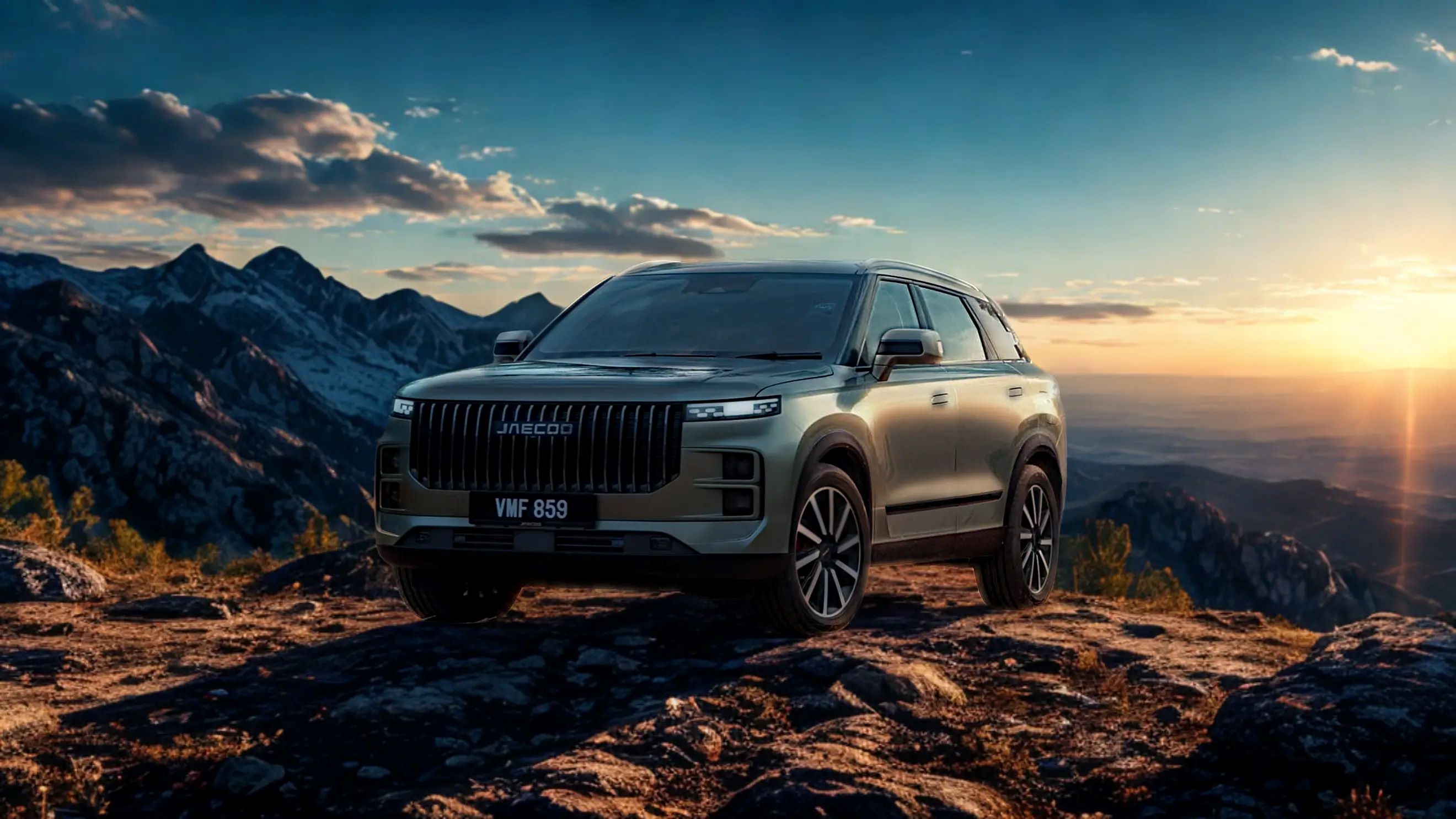
[PCauto] The Jaecoo J7 currently presents an interesting pricing scenario, with a surprisingly narrow gap between its fuel and Plug-in Hybrid Electric Vehicle (PHEV) variants.
At its official MSRP, the difference between the two variants is approximately RM10,000. However, during recent promotional periods, the transaction price for the J7 PHEV Premium has approached that of the top-tier AWD fuel variant. Some dealer quotes have even narrowed this gap to around RM5,000.
Focusing solely on price, however, can lead to underestimating the PHEV's value. The proposition isn't about paying a large premium for an EV badge, but about acquiring a fundamentally different powertrain for a relatively modest extra outlay.
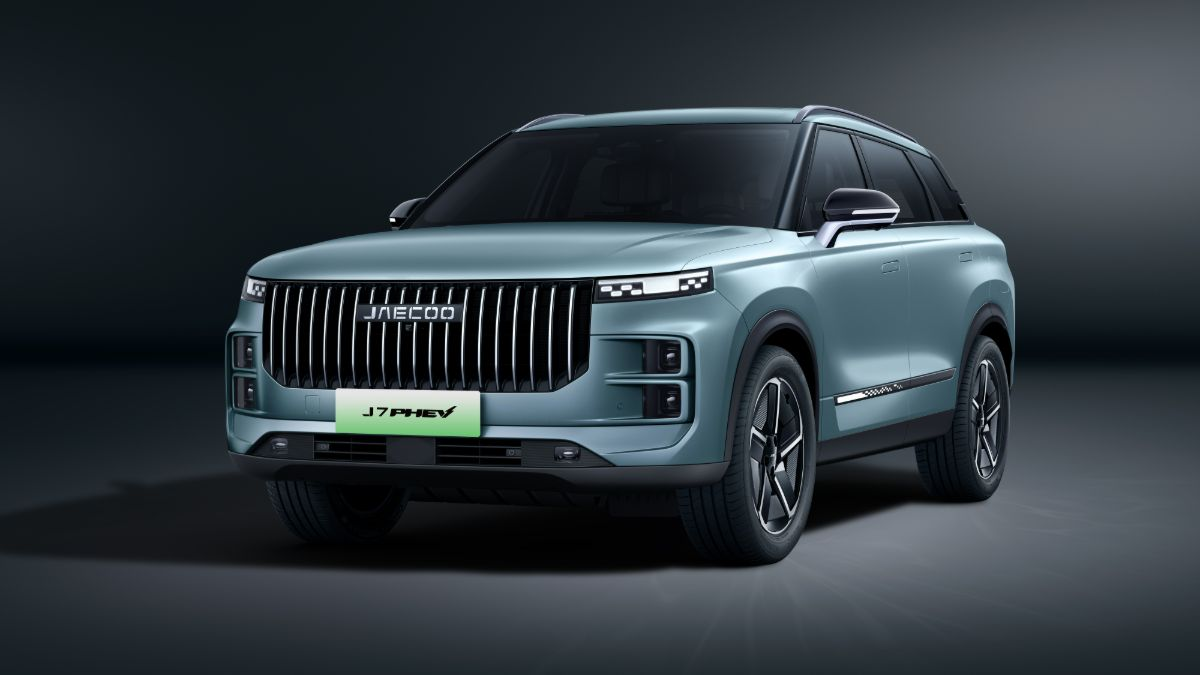
The fuel-powered J7 is equipped with a 1.6-litre TGDI engine mated to a 7-speed wet dual-clutch transmission, producing 194 hp and 290 Nm. While not class-leading in aggression, its output is ample for a mid-size SUV. The driving experience leans traditional, characterised by predictable responses and mechanical familiarity.
Its key practical advantage is the availability of an all-wheel-drive (AWD) variant, which remains highly relevant for those regularly navigating monsoon seasons, rough roads, or light off-road terrain.
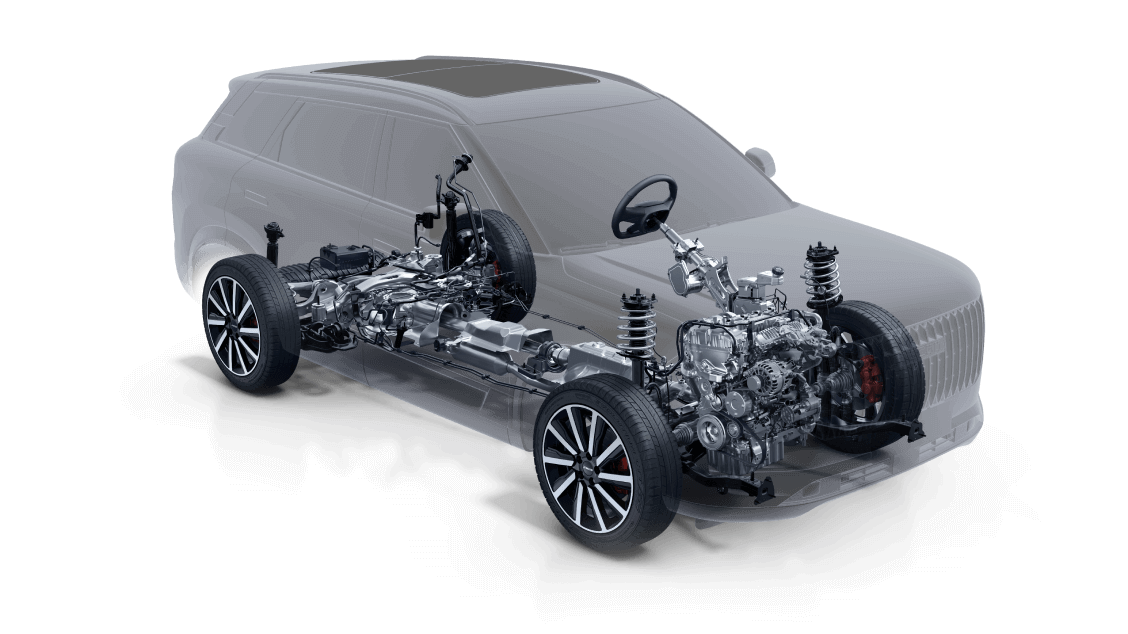
The PHEV represents a completely different approach. It combines a 1.5-litre TGDI dedicated hybrid engine with an electric motor and a 3-speed Dedicated Hybrid Transmission (DHT), yielding a combined system output of 347 hp and a substantial 525 Nm. These figures place it in a markedly higher performance bracket.
However, the more transformative difference isn't merely the roughly one-second advantage in the 0-100 km/h sprint. In the city, the PHEV operates primarily in pure electric mode at speeds up to 70 km/h. From launch, low-speed crawling in traffic, to frequent stops at lights, the experience is notably quieter and smoother—a level of refinement unattainable by the fuel version, regardless of tuning.
The divergence becomes even more pronounced in terms of efficiency. The fuel-powered J7 returns a combined fuel consumption of around 7 to 8 L/100km. This can easily rise to 8–10 L/100km in urban traffic, while on the highway it may drop to 6–7 L/100km, which is a typical and acceptable figure for a conventional SUV of this size.
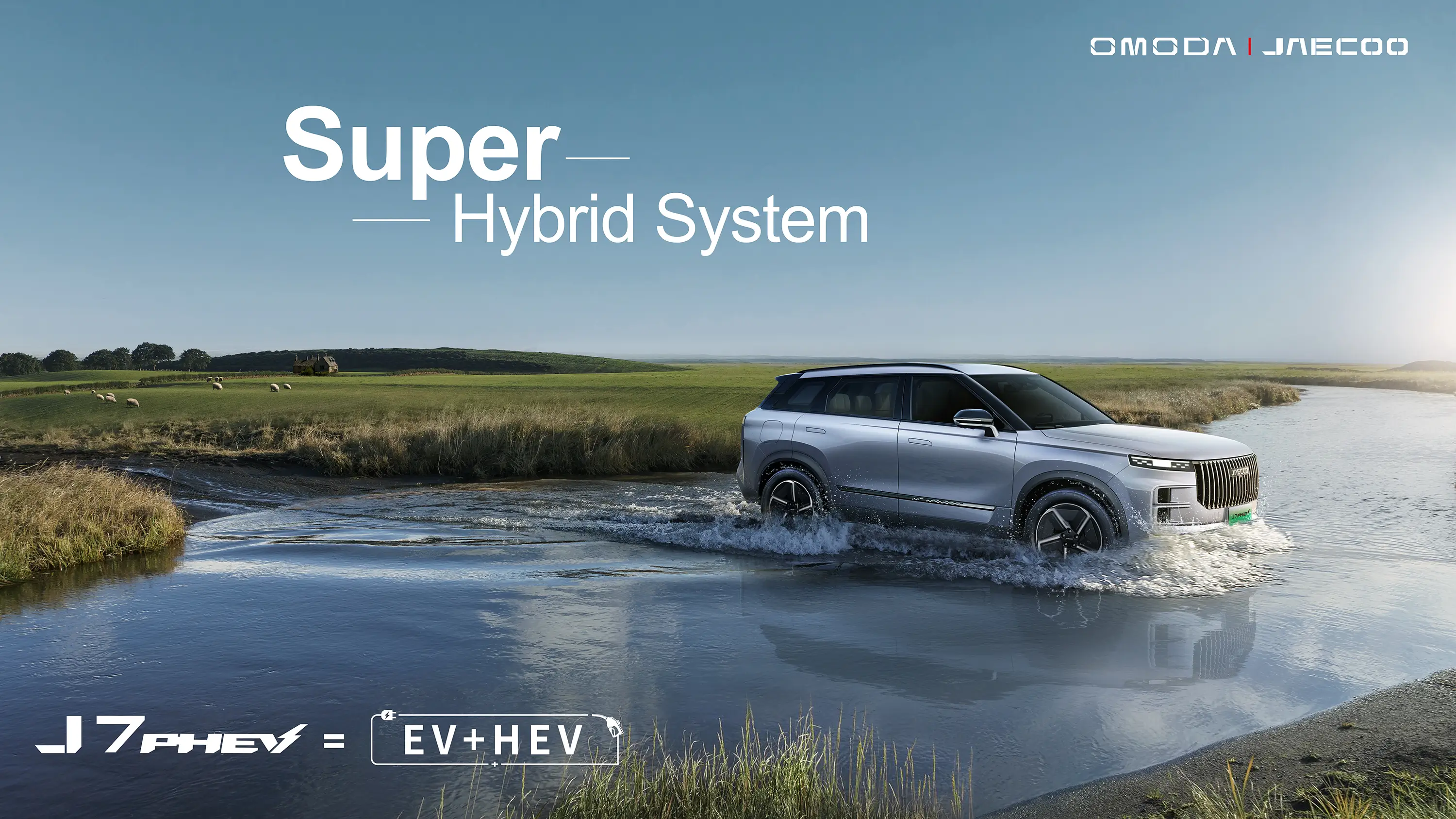
The PHEV operates on an entirely different efficiency principle. Given the ability to charge regularly, daily commuting can be achieved with near-zero fuel consumption. Its pure electric range, under WLTP conditions, is close to 90km, which is sufficient to meet the daily or even two-day travel needs of most urban users. Even in long-distance or highway scenarios, the actual fuel consumption in hybrid mode typically falls between 3–4L/100km.
Translated into running costs, this efficiency gap is substantial. Based on an annual mileage of 20,000 km and assuming a fuel price of RM2.05 per litre, the annual fuel cost for the fuel variant amounts to approximately RM3,000. For the PHEV, following a typical usage pattern of electric daily commuting and petrol for longer trips, annual fuel expenses can be contained within the RM500–RM1,000 range.
This implies that, even at the official RM10,000 price differential, the extra investment in the PHEV can be recouped through fuel savings in a matter of years, and a smaller price difference during promotional periods would only further shorten this payback period.
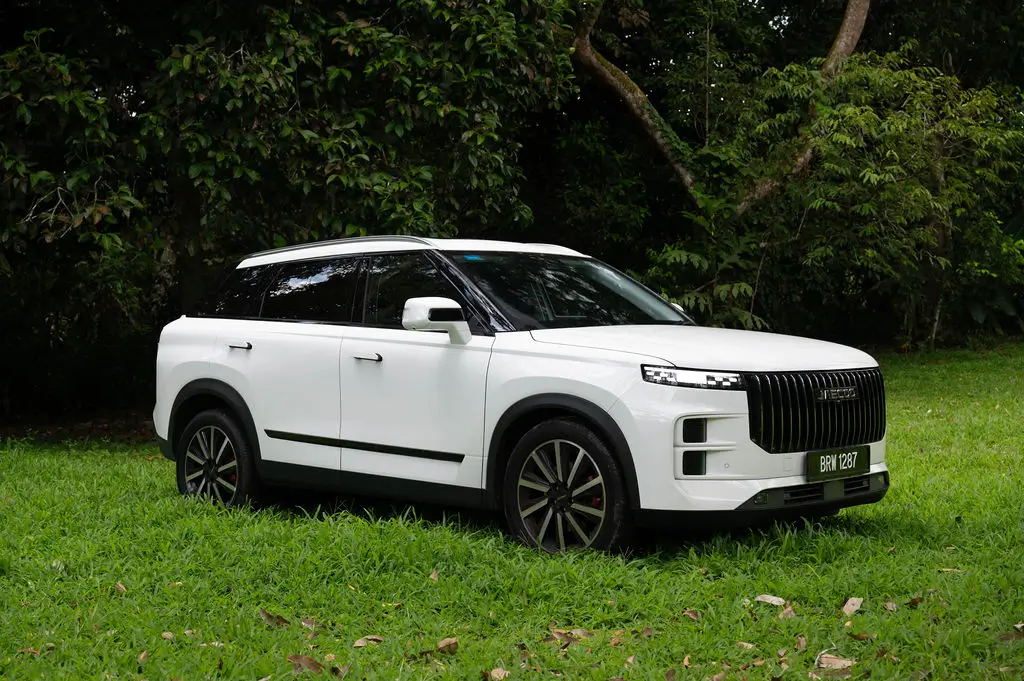
In terms of core equipment and features, both variants are generously and almost equally appointed. Whether it's the 8 airbags, ADAS 2.5, 540° panoramic imaging, dual large screens, CarPlay, ambient lighting, or dual-zone air conditioning, the fuel version and the PHEV are almost completely aligned.
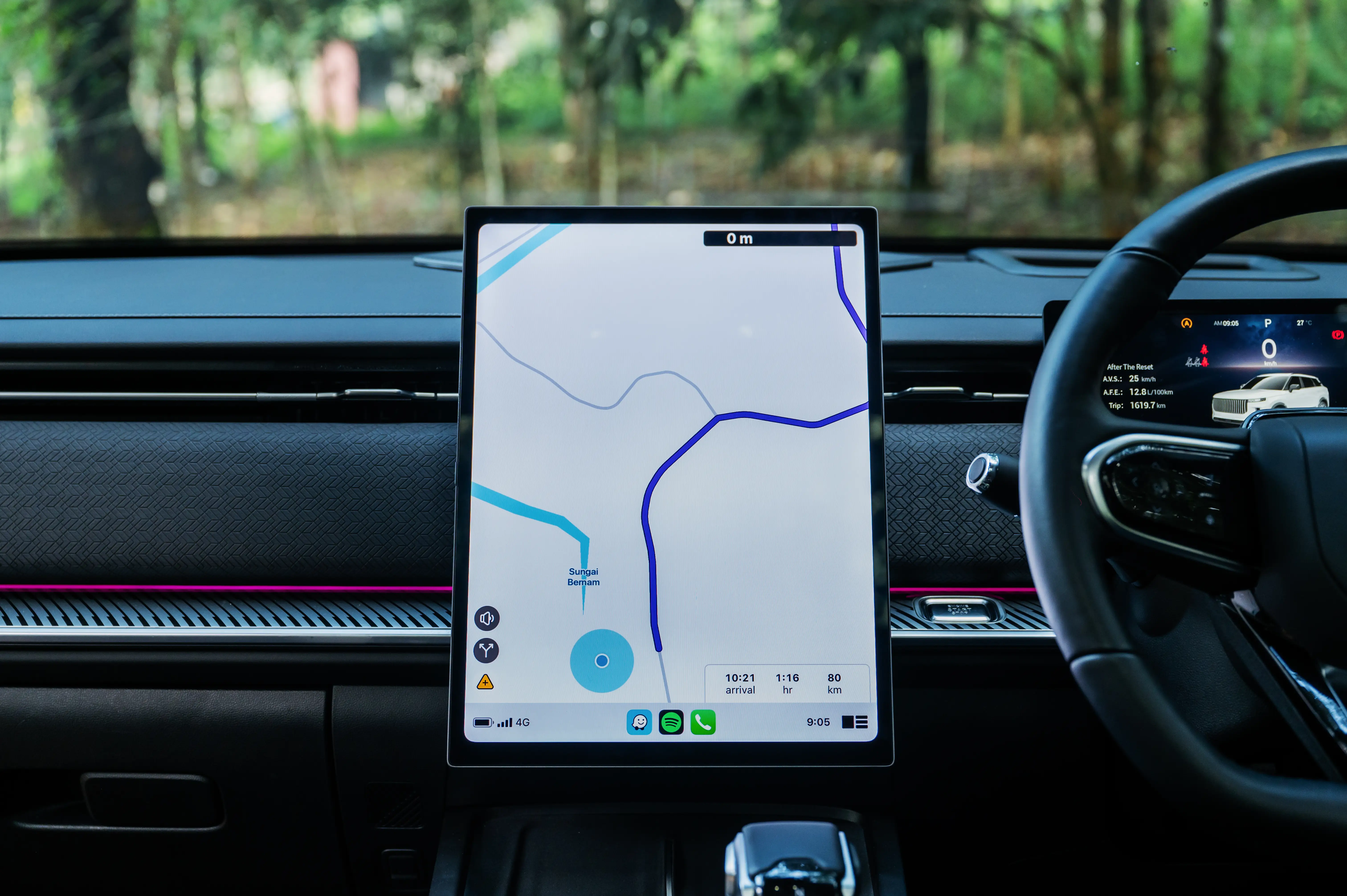
The meaningful distinctions lie more in their usage characteristics and packaging. The PHEV employs an electronic gear selector, contributing to a more streamlined cabin; the boot space expands to 500 litres due to the removal of the spare tyre, and it gains a CCS2 DC fast-charging port, enabling more flexible energy replenishment. The fuel version, on the other hand, retains the traditional gear lever, complete driving mode options, and a more SUV-oriented mechanical structure.
From a long-term ownership perspective, the PHEV isn't necessarily the riskier proposition. It offers a 10-year battery warranty for peace of mind. Furthermore, as one of the few affordable PHEV SUVs in Malaysia with DC fast charging, this specification could enhance its future appeal and rarity in the used car market.
Conversely, the fuel variant's strengths are rooted more in its mechanical simplicity and available all-wheel-drive capability, rather than long-term running cost savings.
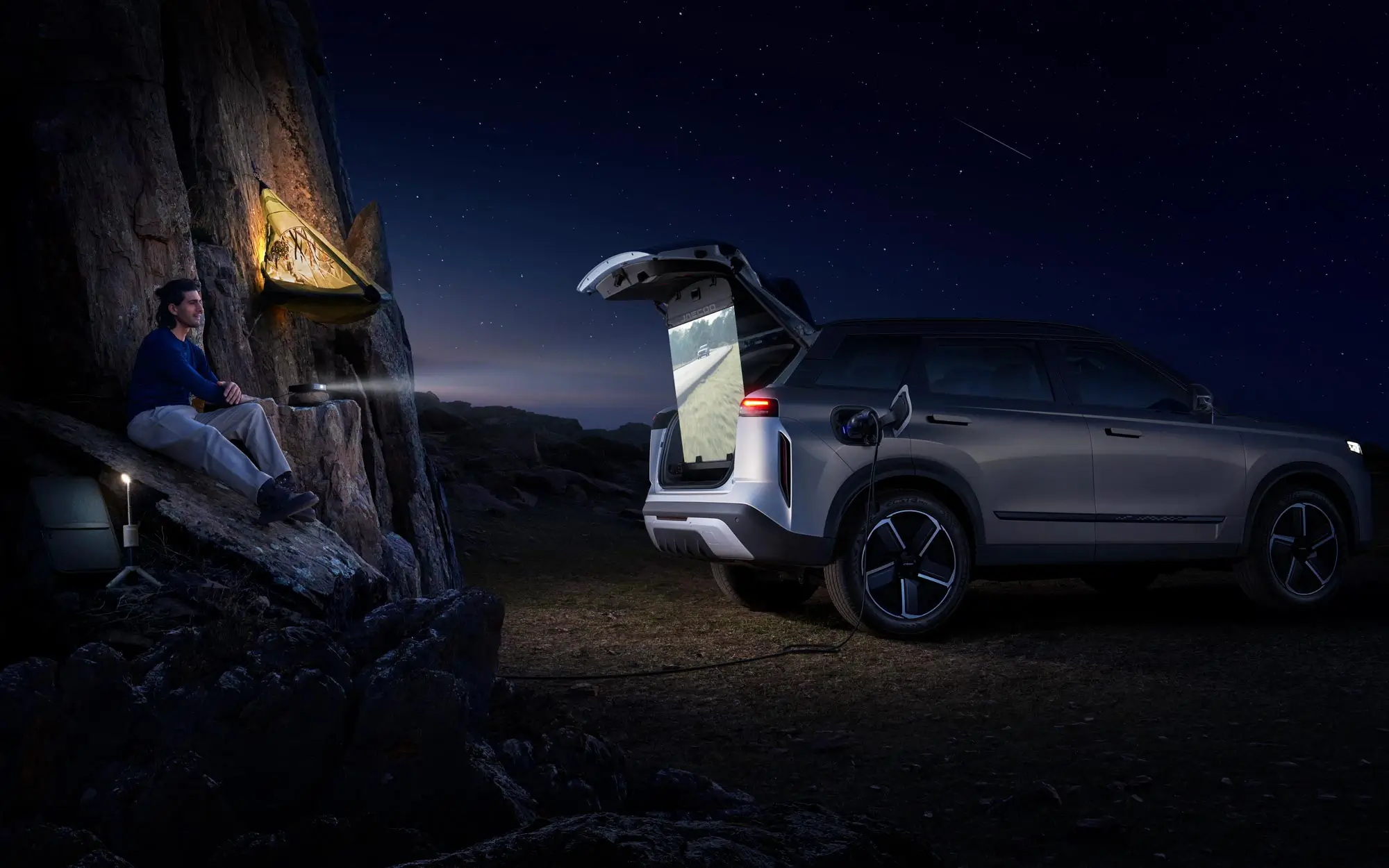
Therefore, the choice between the two Jaecoo J7 variants boils down to a clear set of priorities. If you have a definite need for AWD, regularly encounter demanding road conditions, or lack easy charging access and prefer to maintain existing driving habits, then the fuel variant remains the pragmatic and safer choice.
If, however, your usage is predominantly urban with a daily commute under 80 km, and you have access to convenient charging, then—especially with a price difference of RM10,000 or less—the PHEV variant delivers compelling advantages in performance and long-term cost efficiency.
If any infringement occurs, please contact us for deletion









Popular Cars
Model Year
Car Compare
Car Photo