
1.5L Naturally Aspirated vs 1.0L Turbocharged: Is Traz's 4-cylinder engine really smoother than Ativa?
 JohnFeb 21, 2026, 08:00 AM
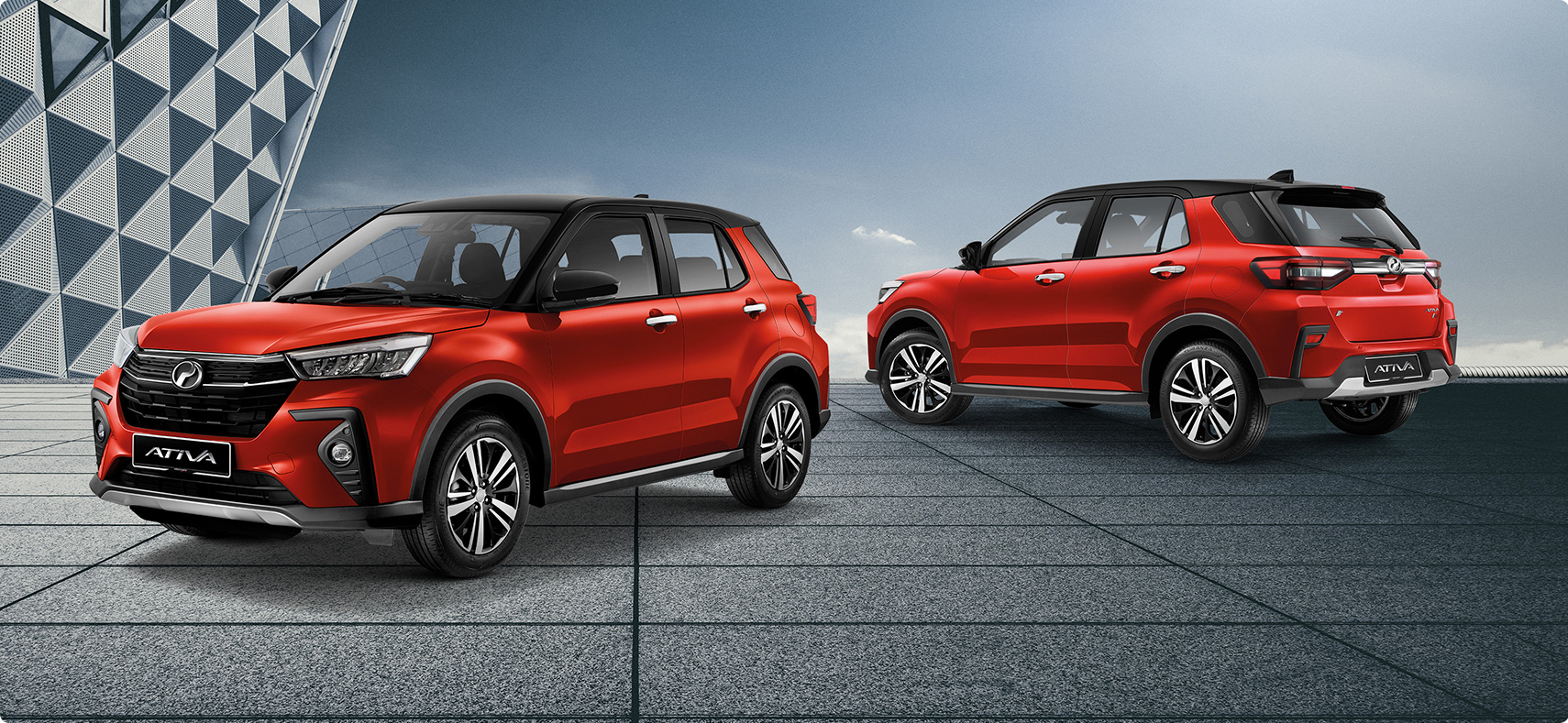
[PCauto] The Malaysian car market is known for its pragmatism. When making a purchase, consumers often grapple with finding the right balance between proven reliability and newer technologies.
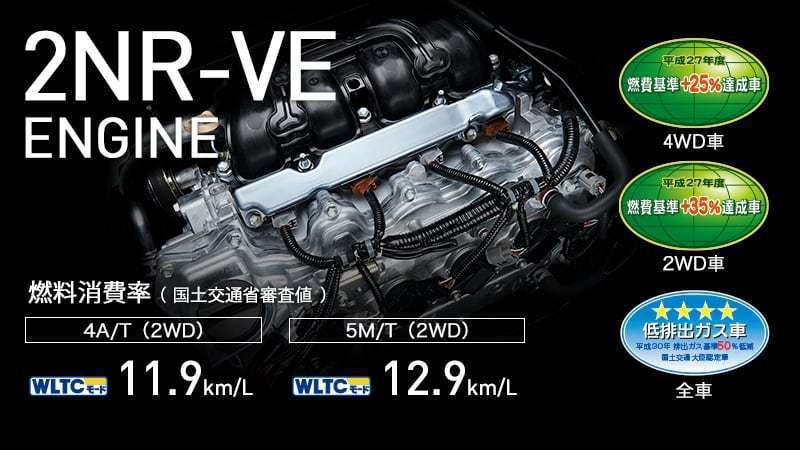
Especially in the compact SUV and crossover segment, the 1.0L turbocharged engine (1KR-VET) of the Perodua Ativa and the 1.5L naturally aspirated engine (2NR-VE) of the Toyota Vios/Veloz/Yaris Cross have become popular subjects of comparison.
On one side, there's the light and efficient three-cylinder turbo, and on the other side, the smooth and durable four-cylinder naturally aspirated engine. So, which one should you choose?
Three-Cylinder Turbo: The Torque Advantage
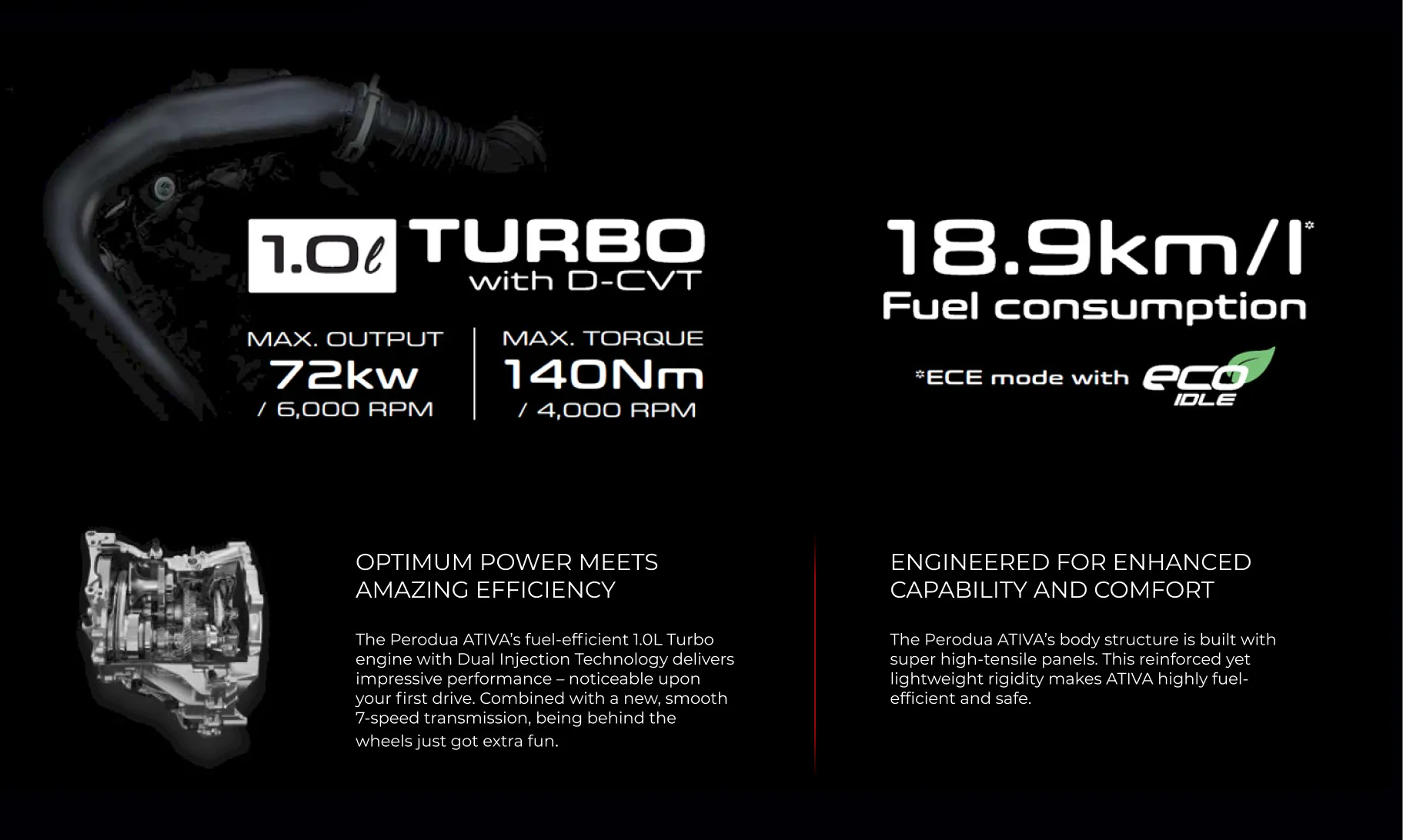
From the data perspective, the 1.0L three-cylinder turbo engine of the Perodua Ativa delivers a maximum power output of 98 PS (approximately 97 hp), slightly lower than the Toyota's 106 PS (approx. 104 hp). However, its peak torque reaches 140 Nm and spans a wide range from 2,400 to 4,000 rpm, which is earlier and more sustained compared to the 1.5L's 138 Nm at a higher 4,200 rpm.
This translates to a lighter and quicker mid-range acceleration feel for the Ativa in city driving. Particularly during launches from traffic lights or when overtaking, turbo boost provides a more immediate power response.
However, the physical structure of the three-cylinder engine results in more noticeable vibrations at idle and low speeds compared to the four-cylinder engine. Especially during a cold start or when the air conditioning is turned on, slight vibrations can be felt in the Ativa's steering wheel and seat, whereas the Toyota's four-cylinder engine appears more stable.
Which is Smoother?
The term "smoothness" in automotive contexts typically encompasses two key aspects: refinement of engine operation (NVH - Noise, Vibration, Harshness) and the linearity of power delivery.
Toyota's 1.5L four-cylinder engine is indeed quieter and has less vibration at low speeds, making it suitable for users who value refined texture.
Its drawback becomes apparent under high load, such as climbing steep hills or high-speed overtaking. The engine needs to rev higher (downshift), leading to a coarser, more strained engine note and a sense that power is running out of breath.
In contrast, although the Ativa's 1.0T exhibits slightly more vibration at low speeds, it delivers a noticeably fuller power output once the turbo spools up (around 2,000 rpm).
The calibration of the D-CVT gearbox also effectively masks turbo lag. The light and brisk mid-range acceleration even makes you forget that this is only a 1.0L engine.
Which is More Practical?
Malaysia's driving environment is varied, featuring traffic jams in Kuala Lumpur, long highway cruises on the North-South Expressway, and occasional country roads.
- City Driving: The Ativa's 1.0T leverages its low-end torque advantage, making it more effortless in stop-and-go traffic, frequent launches, and speed changes.
- Highway Cruising: Toyota's 1.5L four-cylinder retains slightly better acceleration capability above 110 km/h, accompanied by a more solid and steady engine note.
- Maintenance Costs: The four-cylinder's simpler structure boasts an excellent reputation for long-term reliability. While the three-cylinder turbo may require more specific maintenance (e.g., synthetic oil), Perodua's service costs remain affordable.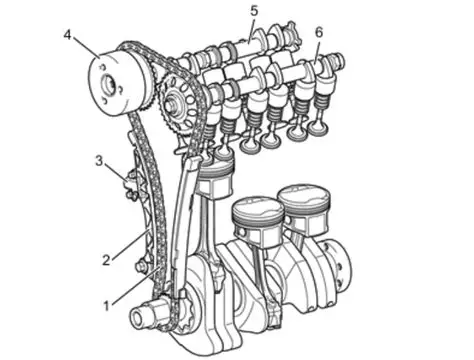
Three-Cylinder Phobia and Road Tax Advantage
Common concerns about three-cylinder engines often centre on long-term durability and refinement. Will the car develop excessive vibration like a massage chair after several years?
While this concern is not entirely unfounded, modern engine mounts and sound insulation have significantly mitigated such issues.
On the other hand, the road tax for a 1.0L engine (around RM20 per year) is significantly lower than for a 1.5L engine (RM90). Although the money saved each year is not significant, it is a psychological bonus.
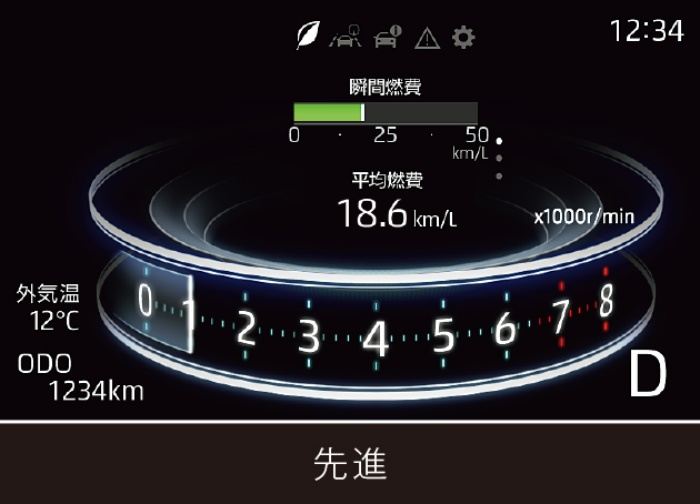
Regarding fuel consumption, aggressive driving can see the 1.0T's high-speed fuel consumption exceed that of the 1.5L. However, with gentle urban driving, the 1.0T can hold a fuel efficiency advantage.
The Verdict: No Absolute Winner, Only the Right Fit
If you prioritise extreme smoothness and quietness and plan for long-term ownership (8-10 years), the Toyota Vios/Veloz/Yaris Cross with its 1.5L four-cylinder engine remains the safe, proven choice. If you place higher value on brisk mid-range acceleration and overall cost-effectiveness, the Perodua Ativa's 1.0T turbocharged engine proves to be the more responsive and economical companion for typical urban driving conditions.
If any infringement occurs, please contact us for deletion






Popular Cars
Model Year
Car Compare
Car Photo