
Mitsubishi leverages Foxconn to revive VR, the new car might be named ASX VR-e?
 JohnJan 21, 2026, 04:14 PM
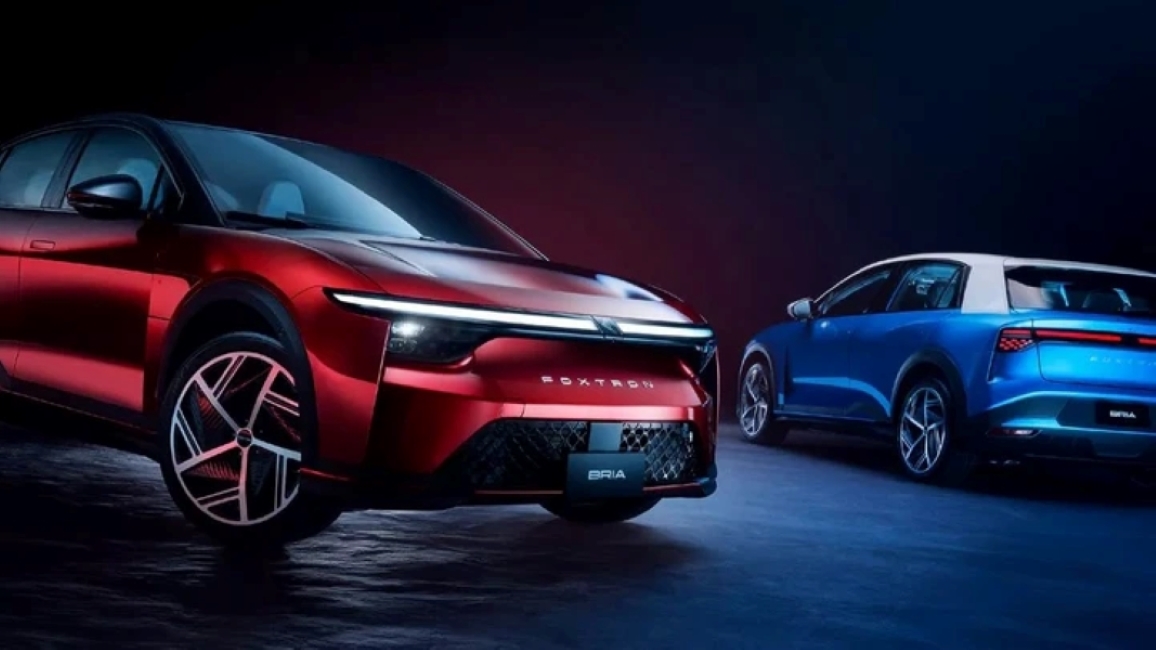
【PCauto】Mitsubishi has filed trademarks for "ASX GT-e" and "ASX VR-e" in Australia. If you thought the Galant VR-4 was making a comeback, you might be disappointed.
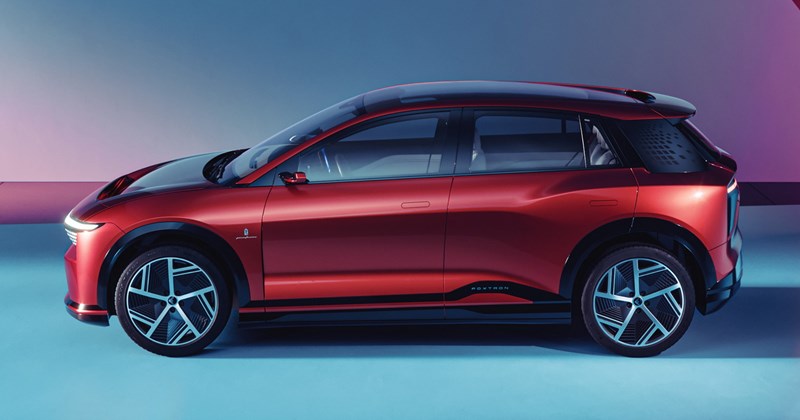
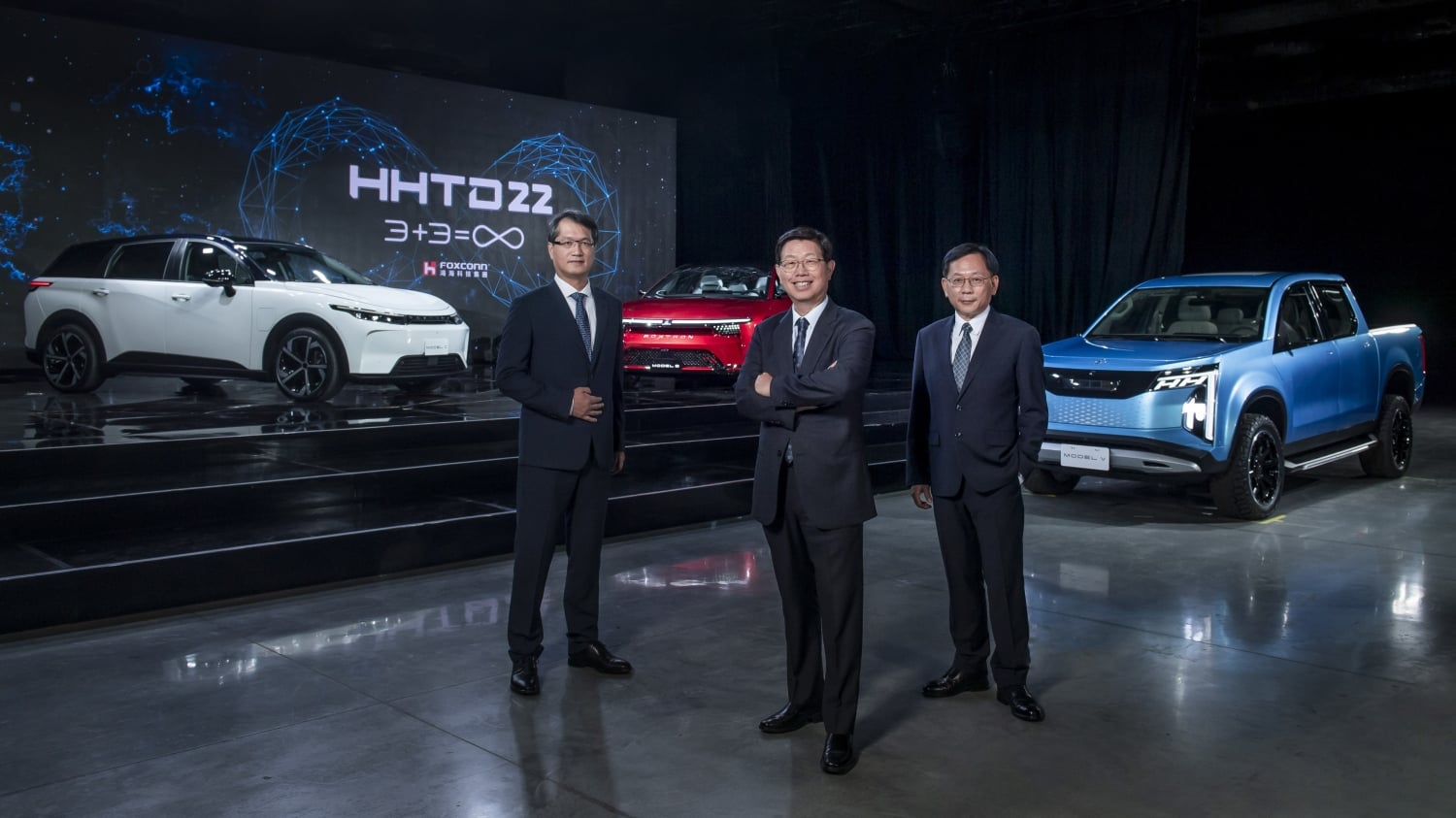
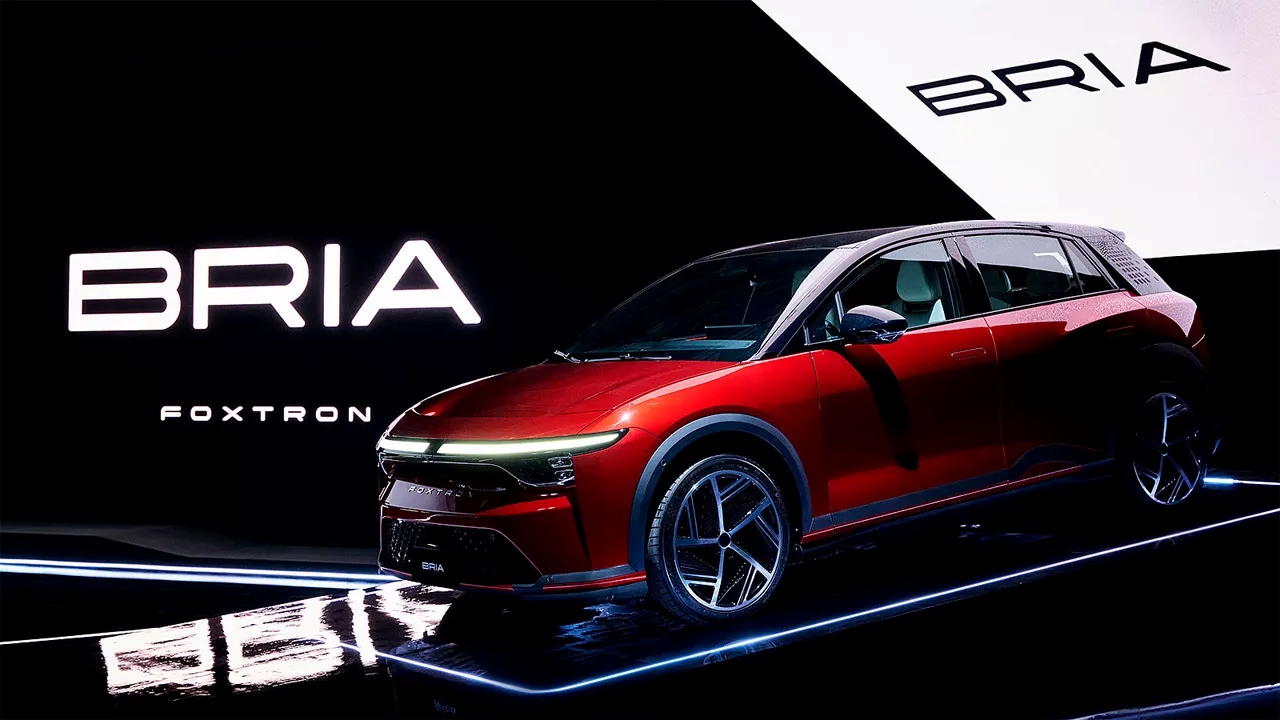
This 400+ horsepower EV is built on a platform from Foxconn's subsidiary, Foxtron, with design by Pininfarina. Mitsubishi's role is confined to branding and applying its iconic "VR" badge.
In essence, it's a hybrid creation: engineered in Taiwan, branded by Japan, and making its debut in Australia.
Why is Mitsubishi doing this?
A closer look reveals that partnering with Foxconn is less a technological choice and more a pragmatic necessity.
The impending rollout of Australia's New Vehicle Efficiency Standard (NVES) in 2025 imposes stringent limits on carbon emissions. Locally, Mitsubishi’s EV lineup is virtually non-existent. Developing a new platform in-house would entail a lead time of three to five years, coupled with high costs and substantial risk.
What does this Foxconn-made car bring to the table?
Foxtron's ready-made Bria platform thus becomes Mitsubishi's lifeline, offering a twin-motor setup delivering 298 kW (400 hp), a 57.5 kWh LFP battery, and 134 kW DC fast-charging capability. On paper, these specifications are sufficient to rival models like the MG4 XPower.
However, this comes at a cost. With a curb weight of 2.02 tonnes – roughly 40% heavier than a comparable petrol-powered vehicle –—the "performance" credentials of this 4.3-meter-long car are called into question.
A more immediate challenge is whether Foxconn's modular chassis can meet the dynamic calibration expected of a "VR"-badged vehicle. Early reports suggest that body roll and vague steering feedback noted during development have presented considerable calibration hurdles.
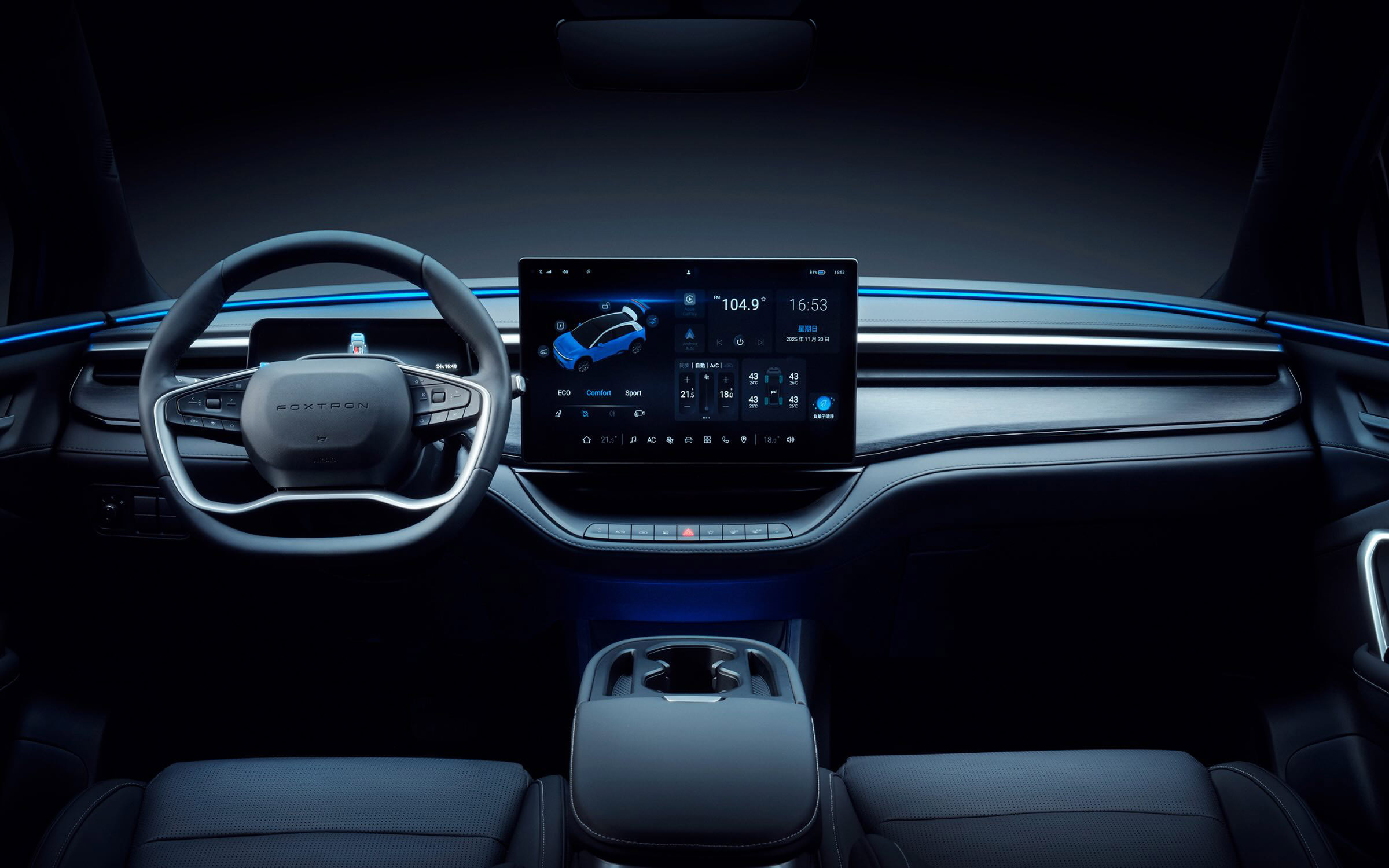
The use of the "ASX GT-e" and "ASX VR-e" names is, on the surface, a nostalgic tribute. In reality, the vehicle shares no technical lineage with Mitsubishi's performance heritage. It leverages brand equity, not engineering DNA.
Ultimately, the "VR-e" badge serves as a marketing symbol rather than a guarantee of performance pedigree.
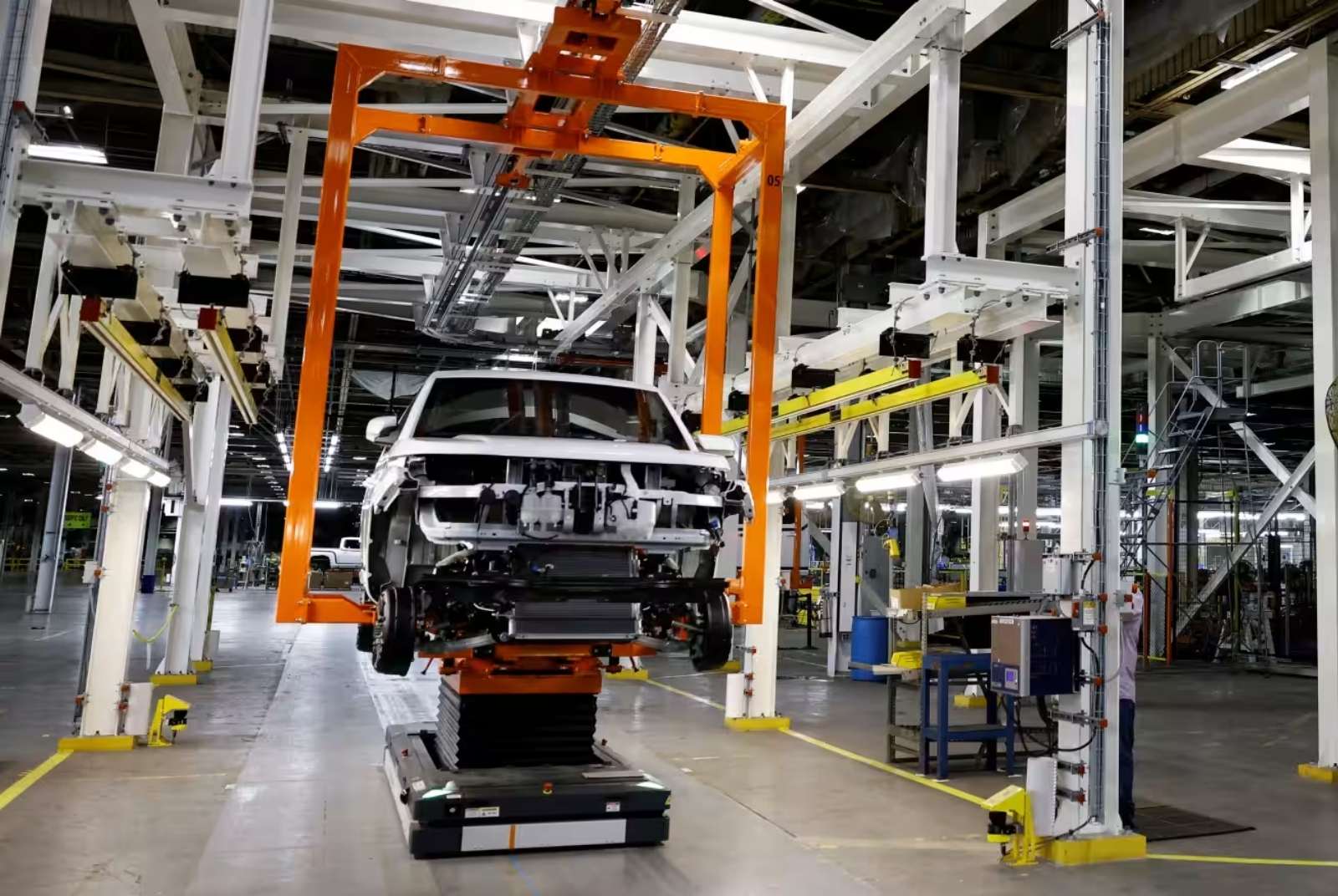
A cautious debut in right-hand drive markets
The 400-horsepower model is slated for an initial launch in Australia and New Zealand in the second half of 2026. Potential subsequent expansion could target Southeast Asia, the UK, and other right-hand-drive markets.
The question remains: how will consumers perceive this offering? Will the 400-horsepower output or the evocative "VR" narrative prove more compelling?
While the design may turn heads and the performance figures look impressive on paper, the vehicle is ultimately a product that relies on a third-party platform and design house to compensate for a deficit in in-house development.
If any infringement occurs, please contact us for deletion







Popular Cars
Model Year
Car Compare
Car Photo