
Mitsubishi Pajero 2026 returns, the new car will be produced by the Thai factory
 Kevin WongJan 28, 2026, 02:28 PM
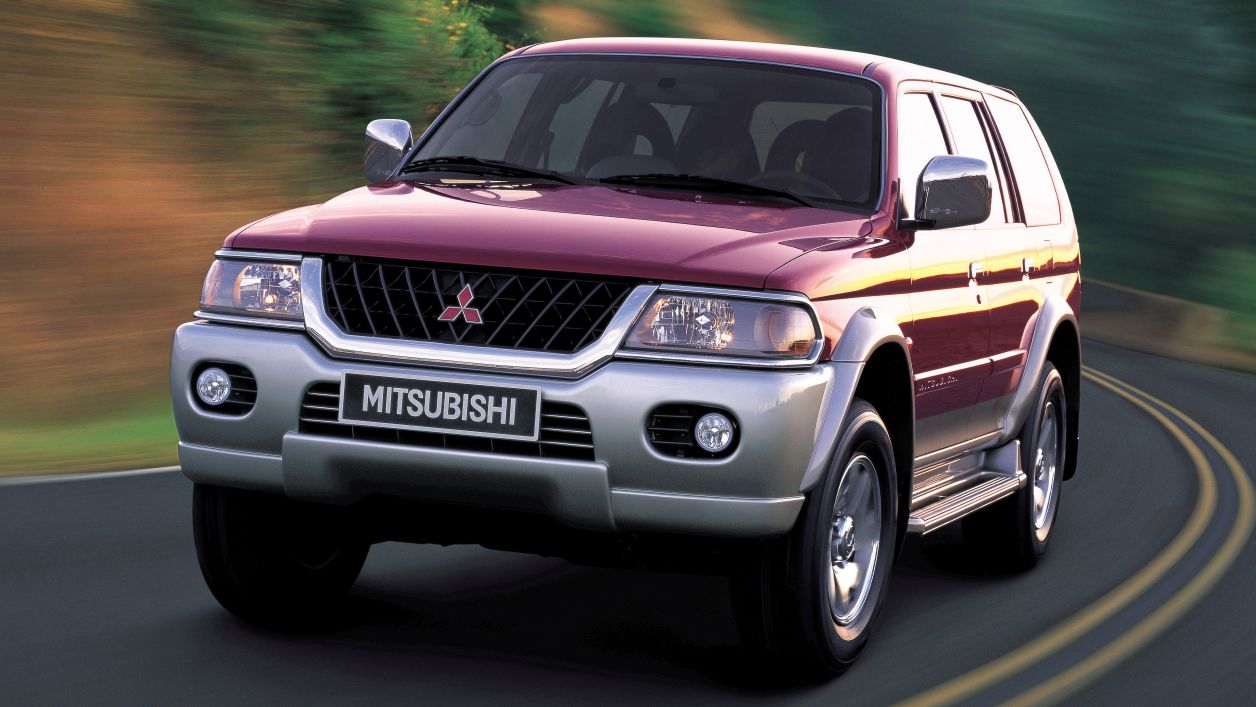
【PCauto】When the Pajero ceased global production in 2021, many car enthusiasts lamented the end of an era. Around the year 2000, it was known, along with the Toyota Land Cruiser Prado and Nissan Patrol, as one of the "Big Three" Japanese off-road SUVs. Its design, featuring a unibody structure with an integrated ladder frame, allowed it to tackle off-road terrain with ease while maintaining on-road comfort.
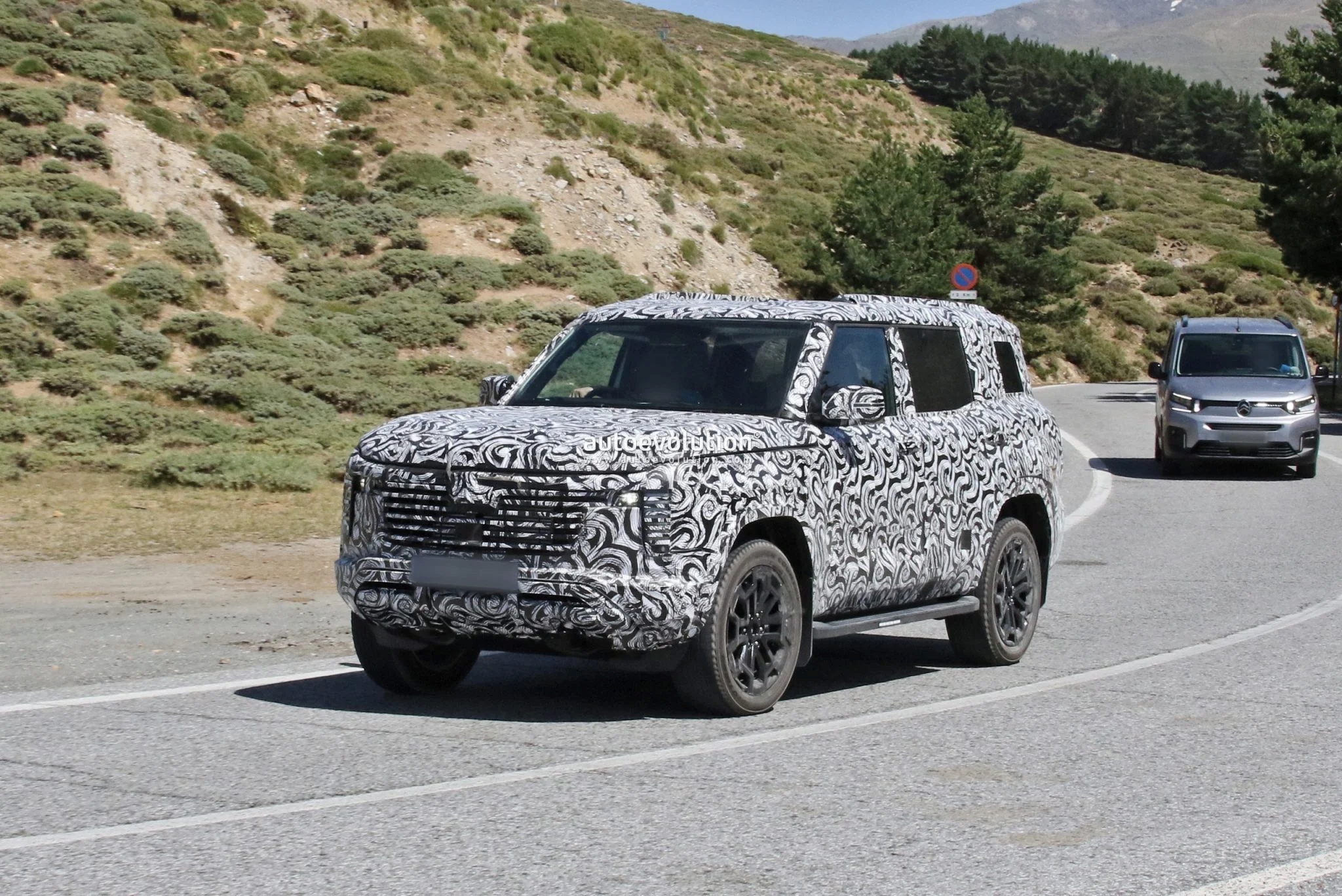
However, rumours suggest that in 2026, the Pajero will return in an entirely new form. The new Pajero will be manufactured at Mitsubishi's Thailand plant, rather than the "Pajero Manufacturing" plant in Gifu Prefecture, Japan, which produced the older model.
Thailand is not only Mitsubishi's largest overseas manufacturing hub but also boasts a well-established supply chain for the Triton pickup. This can provide the new Pajero with its ladder-frame platform and Super Select 4WD-II system while reducing production costs.
More importantly, the Thai plant’s production capacity and supply chain efficiency can better serve key markets like Southeast Asia and Australia—an advantage that Japan-based factories struggle to match.
Unlike the old Pajero’s unibody construction, the 2026 model will be based on the body-on-frame platform of the Triton pickup. In the current hardcore off-road segment, rivals like the Toyota Land Cruiser Prado 250 and Ford Everest also use body-on-frame chassis. This structure offers superior torsional resistance and durability, aligning with the positioning of a high-end hardcore SUV.
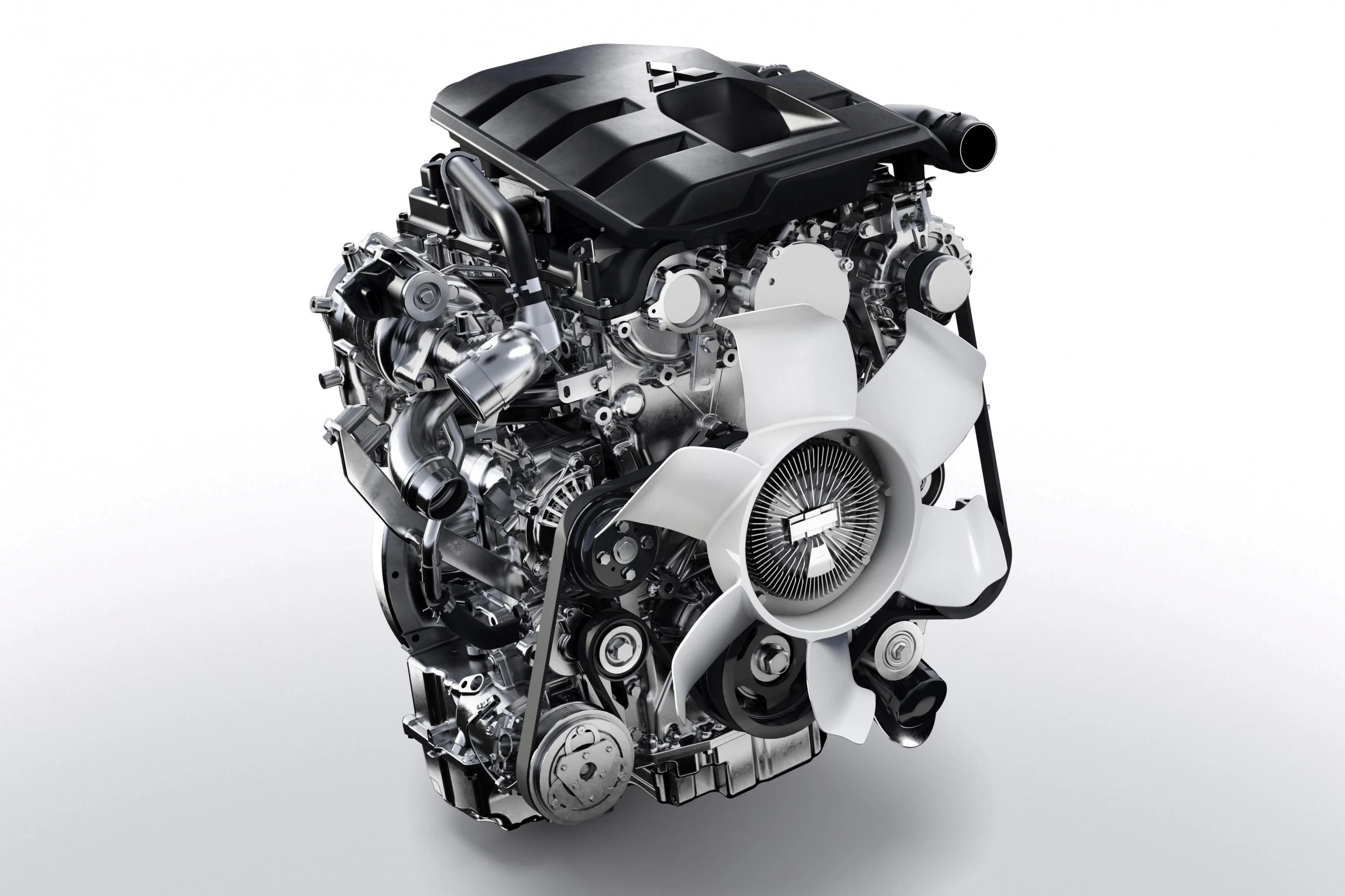
Under the bonnet, the new Pajero will feature a 2.4T twin-turbo diesel engine (4N16) paired with an 8-speed automatic transmission. Its 470 Nm of torque ensures robust towing capability.
The PHEV variant, meanwhile, is expected to combine a 2.4-litre engine with a dual-motor system, for a combined output in excess of 285 horsepower and peak torque over 450 Nm.
Notably, Mitsubishi is deliberately distancing the new model from the Pajero Sport. The Pajero Sport has faced criticism for being perceived as a mere rebadged pickup truck, while the 2026 Pajero sees a significant positioning upgrade, directly targeting the Land Cruiser Prado and Ford Everest.
Based on currently disclosed information, the new Pajero adopts a rugged, square design featuring a tall hood, upright rear section, split headlights, and the Dynamic Shield family grille. These elements preserve classic cues while presenting a more imposing stance.
The interior will receive a significant luxury upgrade, while the rear suspension will forgo the pickup’s leaf springs in favour of a setup retuned for on-road comfort. This move aims to recapture the all-rounder character of the V97-era Pajero.
This positioning upgrade is a necessary move for Mitsubishi. Facing a shrinking passenger car market share, the brand is relying on its iconic Pajero to shoulder the responsibility of enhancing its premium image.

A key point of debate surrounding the new Pajero is the impact of its PHEV system on off-road performance. Whether the addition of an electric motor and battery will alter Pajero's off-road DNA, and whether the Super Select 4WD-II can adapt to the hybrid system, are key concerns for enthusiasts.
The instant torque output of the electric motor can actually enhance low-speed off-road traction. As long as the chassis is properly tuned, the PHEV version may achieve a dual-win in off-road capability and energy efficiency.
Equally pertinent is the question of whether the Pajero’s manufacturing shift to Thailand will affect its reputation for durability. The Japanese manufacturing process of the older Pajero models was a significant backing for its reliability, while the Thai factory, though experienced with the Triton, faces higher demands for assembly precision and quality control inherent to a hardcore SUV.
The Thai plant can share the Triton’s chassis and four-wheel-drive components, and its mature supply chain could potentially enhance reliability. Furthermore, balancing these rugged credentials with modern tech features—such as L2.5 driving assistance and a large luxury screen—will be another key test upon release.

The 2026 Pajero’s return marks not the comeback of a purely Japanese-made off-road king, but that of a globalised product adapted to electrification trends.
Thai production, the Triton platform, and PHEV technology—these shifts might seem like a departure from heritage, yet they represent Mitsubishi’s pragmatic response to a competitive market. For enthusiasts, the mere return of the Pajero offers a measure of solace.
If any infringement occurs, please contact us for deletion










Popular Cars
Model Year
Car Compare
Car Photo