
Stronger than Xpander? Analysis of the 7-Seater Mitsubishi Destinator SUV
 AshleyFeb 22, 2026, 02:00 PM
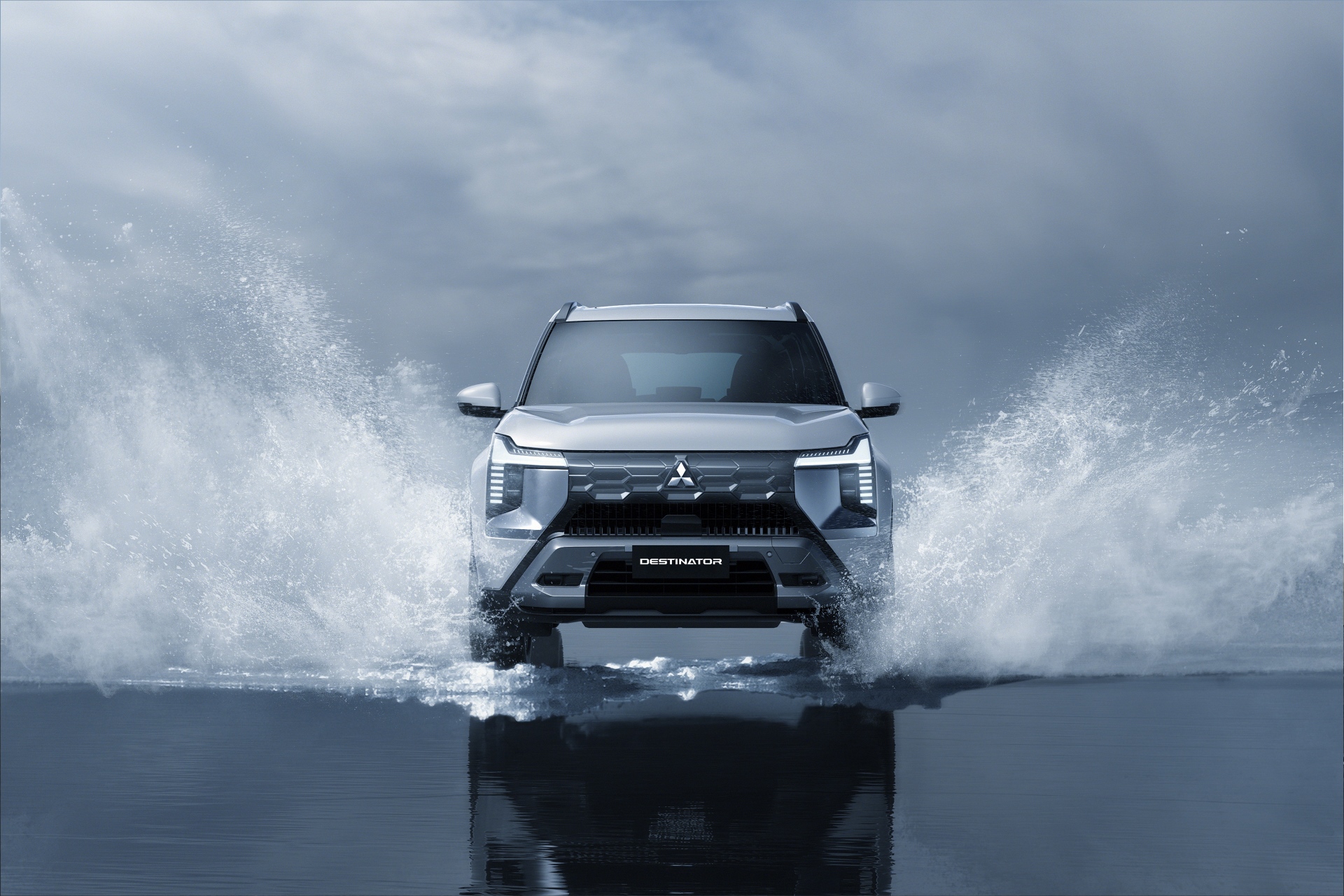
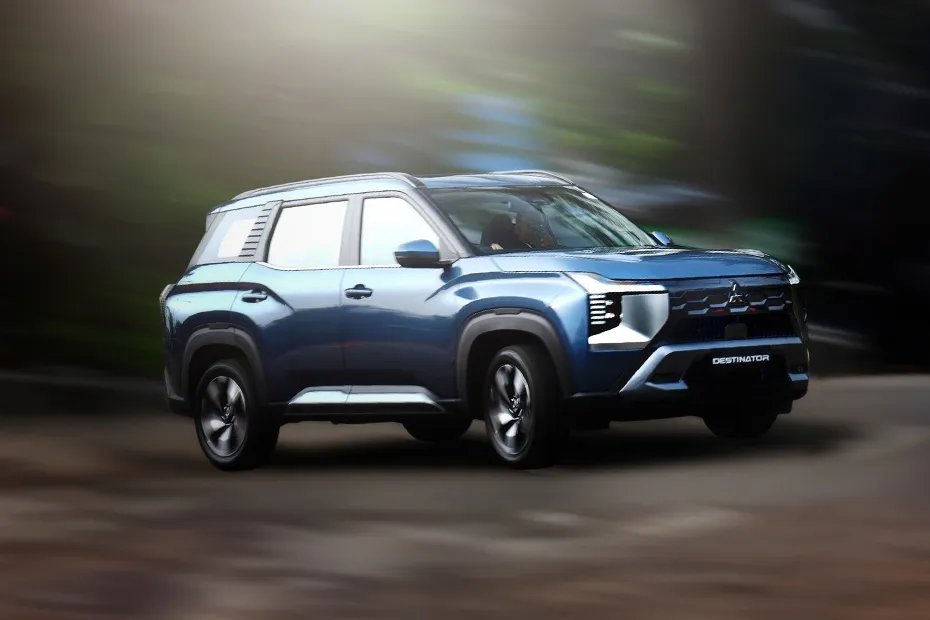
[PCauto] The Mitsubishi Destinator is an important new model recently launched in the Southeast Asian market. Positioned as an evolved and enhanced version of the Xpander, it fully sheds the latter's crossover MPV styling to adopt a more authentic and robust traditional SUV identity. In terms of power, size, and configuration, it has undergone comprehensive upgrades.
This article provides a detailed analysis of this strategic new Mitsubishi model across multiple dimensions—including its positioning, powertrain, space, and technology—alongside a direct comparison with the Xpander.
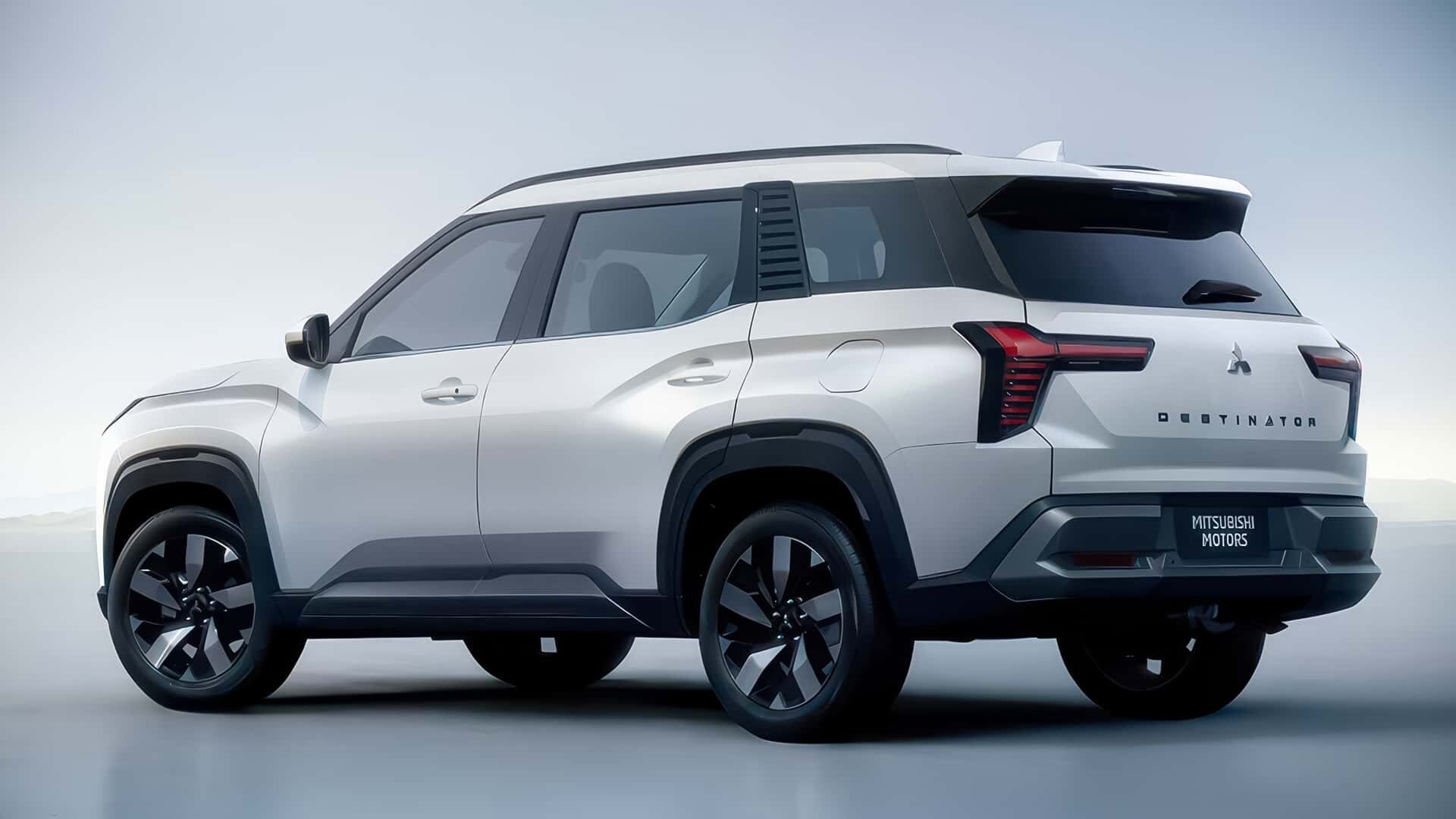
An Evolution from the Xpander: Embracing a Full SUV Stance
The Destinator is positioned as a more advanced offering than the Xpander, falling into the C/D-Segment category of mid-size, 7-seat SUVs. Unlike the Xpander's crossover MPV positioning, it places greater emphasis on the rugged attributes of an SUV.
The Destinator adopts Mitsubishi's "Silky & Solid" family design language, featuring more pronounced lines and an upright stance that emphasises the solidity and presence expected of a traditional SUV. It sheds the van-like impression of the Xpander and more closely resembles a smaller version of the Pajero.
Destinator directly targets mainstream mid-size SUVs such as the Chery Tiggo 8 Pro, Proton X90, and Honda CR-V, forming differentiated competition with its 7-seat layout and Mitsubishi's off-road DNA.
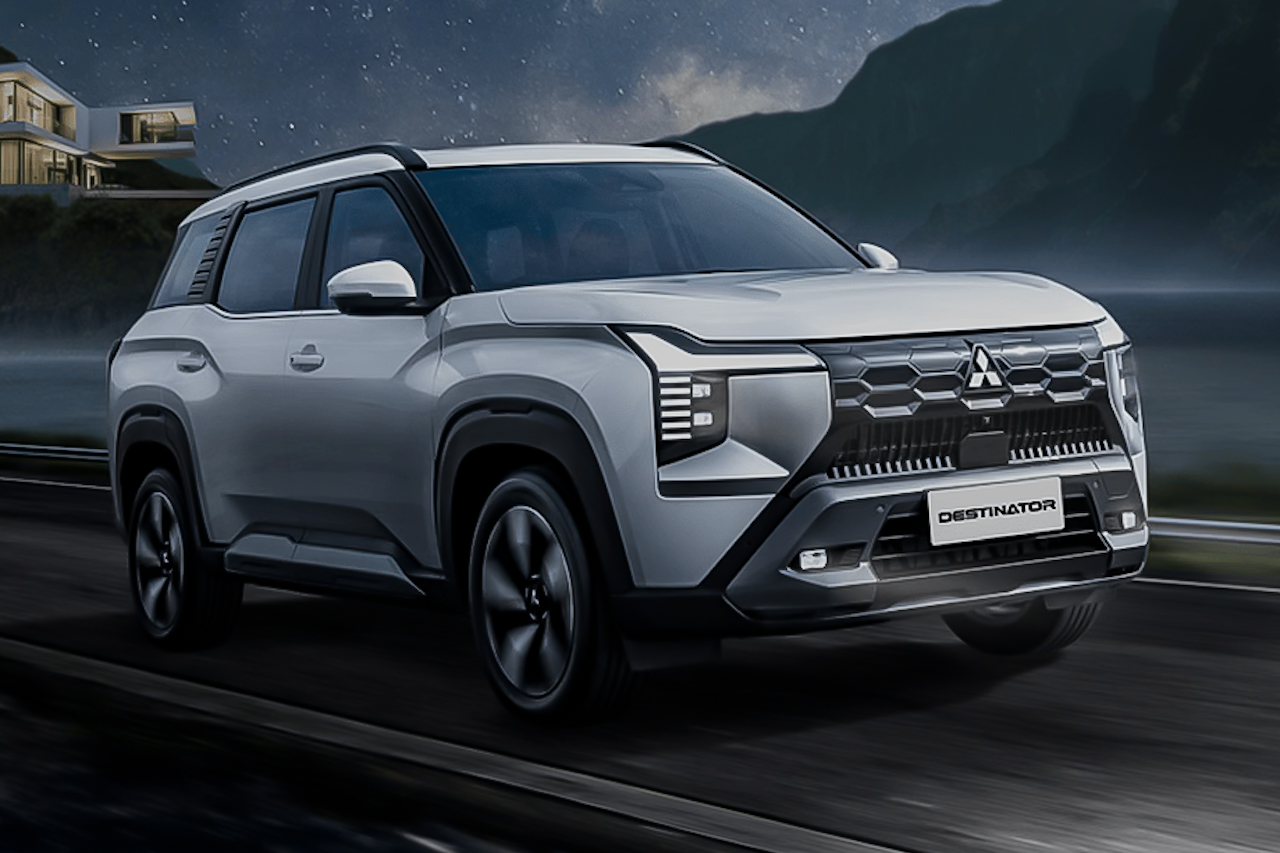
From Naturally Aspirated to Turbocharged: A Major Step Up
The powertrain upgrade represents the most significant departure from the Xpander and stands as one of the Destinator's key highlights. With the 1.5T turbocharged engine, it resolves the long-criticized issue of Xpander's weak power, meeting the usage demands of a fully loaded 7-seater.
| Mitsubishi Destinator | Mitsubishi Xpander (Reference) | |
| Engine Type | 1.5L MIVEC Turbocharged (4B40) | 1.5L MIVEC Naturally Aspirated (4A91) |
| Maximum Horsepower | 163 ps @ 5,000 rpm | 105 ps @ 6,000 rpm |
| Maximum Torque | 250 Nm @ 2,500-4,000 rpm | 141 Nm @ 4,000 rpm |
| Transmission System | High-efficiency CVT Continuously Variable Transmission | 4AT or CVT (Depending on the market) |
| Drive Type | Front-Wheel Drive (FF) | Front-Wheel Drive (FF) |
As the data shows, the Destinator's maximum horsepower sees an increase of approximately 55% over the Xpander, and the maximum torque has increased by nearly 77%. Crucially, with 250 Nm of torque available from 2,500 to 4,000 rpm, it delivers ample power for both city driving and fully laden hill climbs, effectively eliminating the "small horse pulling a big cart" dilemma.
Larger Dimensions and Enhanced 7-Seat Practicality
To align with its mid-size SUV positioning and improve the usability of its 7-seat layout, the Destinator's dimensions exceed those of the Xpander in every aspect. In particular, the increase in wheelbase significantly improves the space in the second and third rows.
- Overall length: 4,680 mm (85 mm longer than Xpander)
- Overall width: 1,840 mm (wider than the Xpander, contributing to a more substantial road presence)
- Overall height: 1,780 mm (ensures ample headroom while reinforcing its commanding SUV stance)
- Wheelbase: 2,815 mm (40 mm longer than Xpander's 2,775 mm, providing more longitudinal space and extending the legroom for the second and third-row passengers)
- Ground clearance: Around 210mm - 222mm (far exceeding the standard 180-200mm for typical city SUVs, offering excellent wading and off-road capability, well-suited for Southeast Asia's rugged roads and heavy rain scenarios)
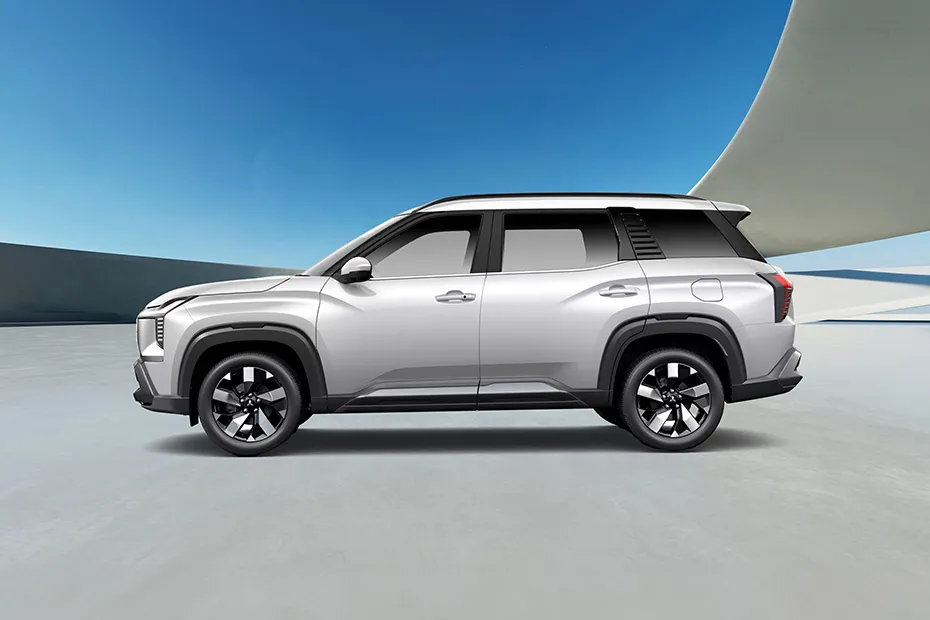
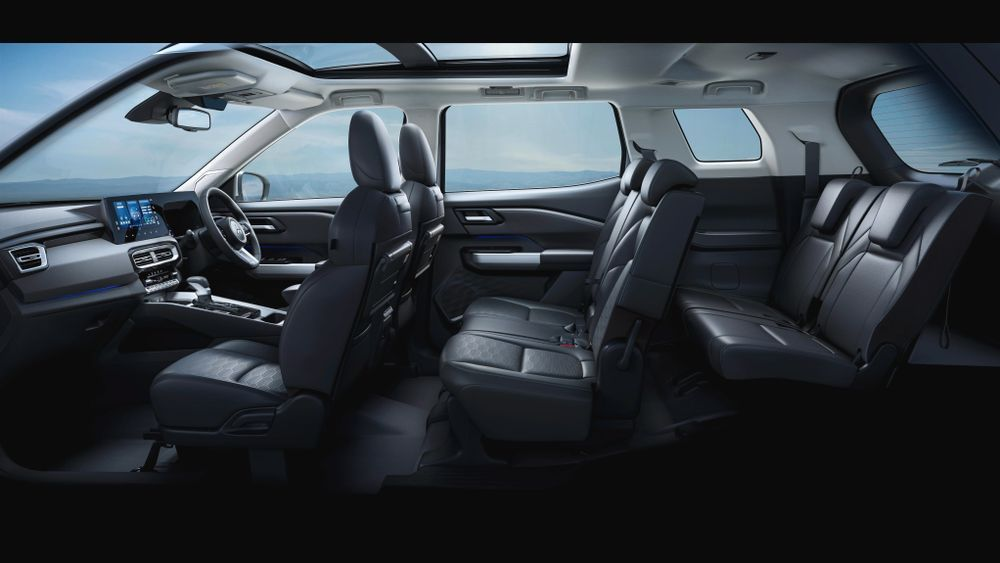
The Destinator features a standard 2-3-2 seating configuration, with multiple folding modes for versatility. It can cater to the family travel needs of seven passengers or expand the trunk storage space by folding the second and third rows, balancing both practicality and flexibility.
Rally-Inspired Technology and Enhanced Dynamics
Although currently offered only with front-wheel drive, the Destinator incorporates electronic assist technologies inspired by Mitsubishi's rally heritage. Combined with a specifically optimized chassis, its handling and off-road capability far surpass those of the Xpander.
The AYC (Active Yaw Control) system, technology derived from the legendary Lancer Evolution, enhances cornering precision by managing torque distribution between the front wheels, reducing the risk of understeer, especially on rainy or slippery roads. Driving stability is significantly improved, which is a feature not available in the Xpander.
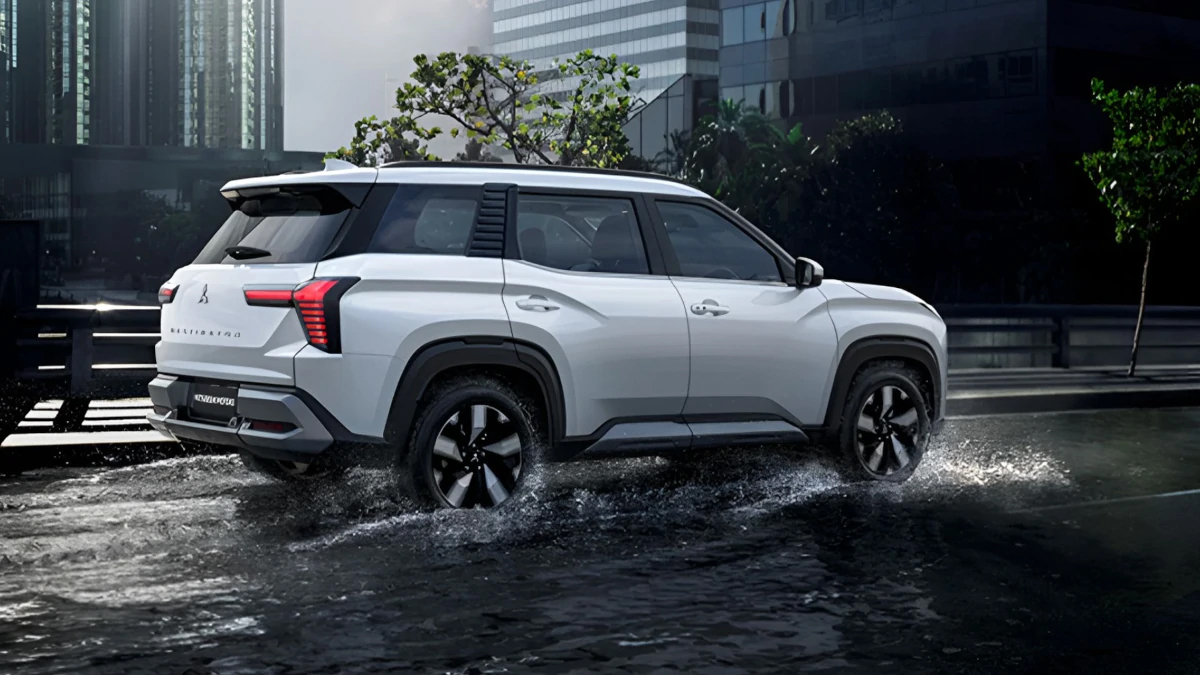
It offers five selectable drive modes—Normal, Wet, Gravel, Mud, and Tarmac (Sport)—allowing it to adapt to various surfaces and conditions. In contrast, the Xpander is limited to just Normal and Eco modes.
The chassis has been specially optimized for Southeast Asia's bumpy roads, with significantly enhanced rear suspension rigidity compared to the Xpander. This not only ensures support during driving, reducing body jolts, but also improves passability on complex roads, balancing comfort and practicality.
Interior Refinement and Technology Upgrades
The Destinator has transitioned from an economic family car to a luxury SUV, with comprehensive upgrades in interior materials and technological configurations. Especially with the Yamaha-collaborated audio system and health features, these stand out as core highlights and create a clear distinction from the Xpander.
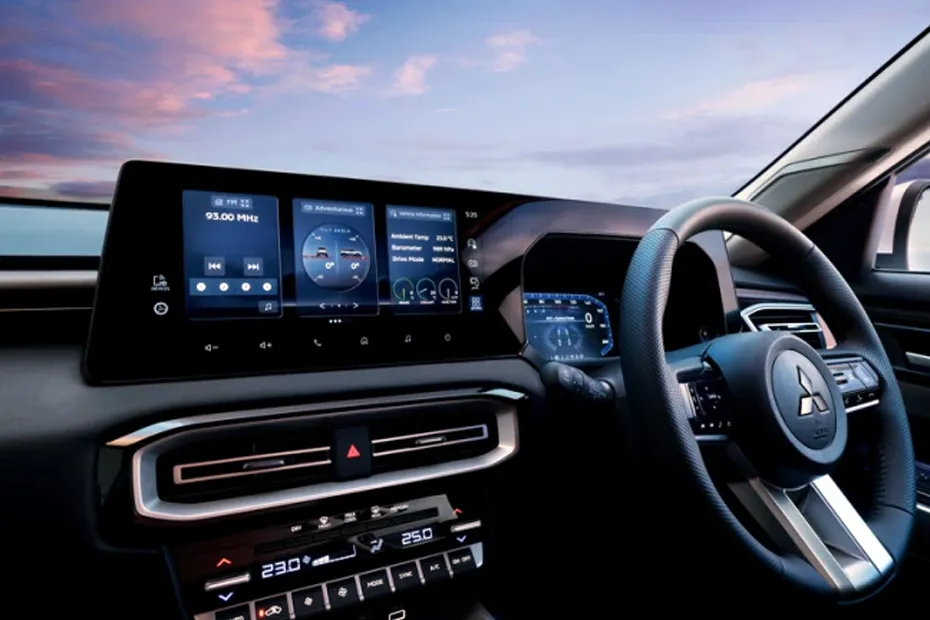
The cabin features either an 8-inch or 12.3-inch central touchscreen, paired with an 8-inch full LCD instrument cluster. Both offer clear displays and smooth operation, supporting multimedia connectivity, navigation, and other functions. By comparison, the Xpander makes do with a 4.2-inch analogue instrument cluster and a 9-inch centre screen, highlighting a significant technological gap.
The bespoke Dynamic Sound Premium audio system (8 speakers) was developed in collaboration with Yamaha and is far more than a branding exercise. It has been acoustically calibrated for the cabin space and features Speed Compensated Volume (SCV) functionality, which automatically adjusts volume and sound balance based on vehicle speed. The sound quality far exceeds the unbranded 6-speaker system of the Xpander.
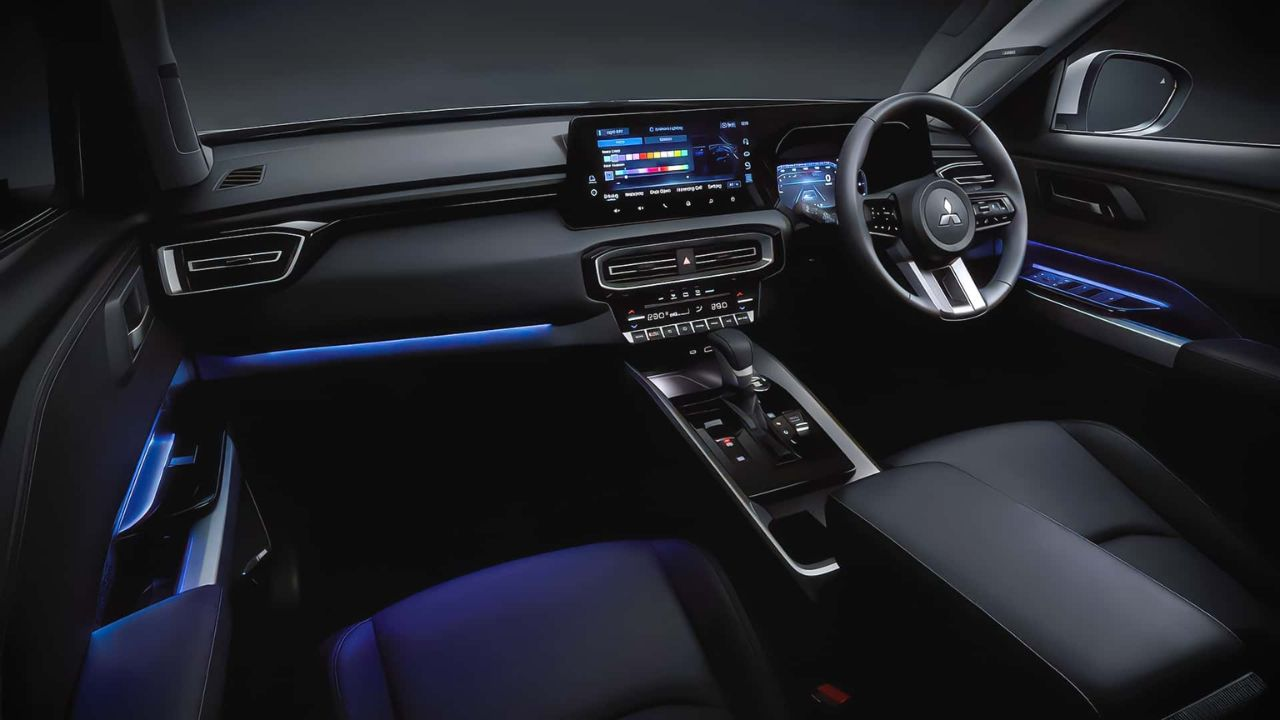
Destinator is equipped with dual-zone automatic air conditioning (with nanoe™ X air purification), 64-color ambient lighting, panoramic sunroof, electrically operated tailgate, and other features.
The nanoe™ X air purification technology (exclusive to the high-end Ultimate version) is sourced from Panasonic and effectively provides antivirus protection, odor removal, and pollen filtration, making it very suitable for family users.
The rear row not only has independent air vents but also allows independent temperature control, catering to the different comfort needs of a full load of seven passengers.
Destinator's electronic parking brake comes with an Auto Hold function and is standard across all models, making operation more convenient, whereas Xpander only offers an electronic parking brake on certain models, showing a lack of sincerity in configuration.
Comprehensive Advanced Safety Suite (ADAS)
The Destinator comes equipped with the comprehensive Mitsubishi Motors Safety Sensing (MMSS) suite. This suite of active safety features offers a significant protective upgrade over the Xpander's more basic offerings, ensuring well-rounded safety for occupants.
The active safety features include ACC full-speed adaptive cruise control (Xpander usually only has fixed-speed cruise control or semi-speed adaptive cruise), FCM forward collision warning, BSW blind-spot monitoring, RCTA rear cross-traffic alert, and AHB automatic high beam, effectively mitigating potential risks while driving and enhancing driving safety.
Passive safety is addressed by six SRS airbags and a high-rigidity RISE (Reinforced Impact Safety Evolution) body structure, designed to absorb and disperse crash energy effectively, thereby reducing occupant injury risks.
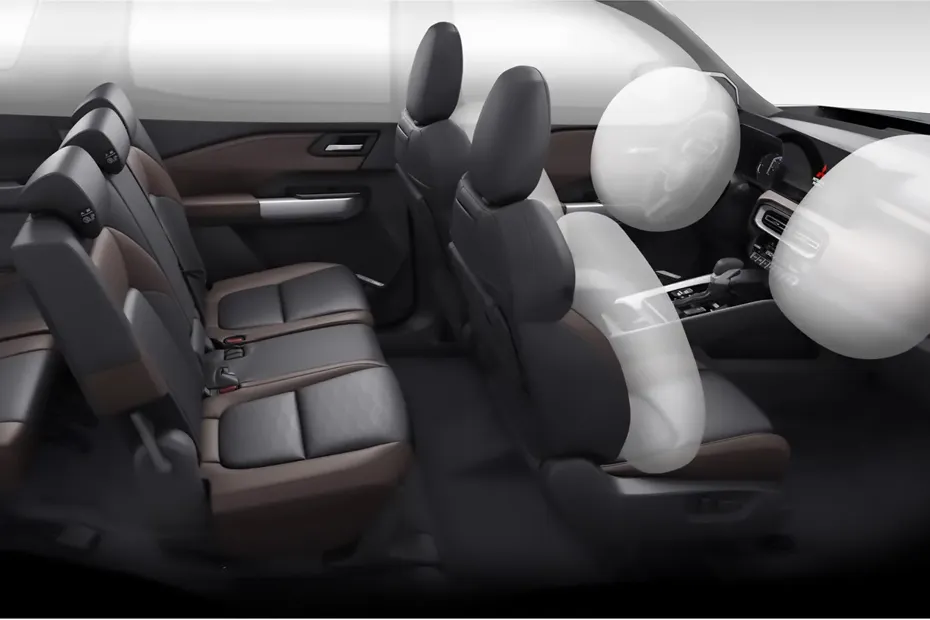
A 360° panoramic view monitor is also included, providing clear all-around visibility to aid parking manoeuvres for its 4.6-metre-long frame—a helpful feature often absent in the Xpander's entry-level positioning.
Core Comparison: Destinator vs. Xpander
To present the differences between the two models more clearly, the following is an advanced comparison table of their core parameters, intuitively reflecting the upgraded advantages of Destinator:
| Dimension | Mitsubishi Destinator (GT/Ultimate) | Mitsubishi Xpander (Reference) |
| Power Output | 163 hp / 250 Nm (1.5T) | 105 hp / 141 Nm (1.5L NA) |
| Length/Wheelbase | 4,680mm / 2,815mm | 4,595mm / 2,775mm |
| Instrument/Central Screen | 8" LCD + 12.3" Large Screen | 4.2" Analog + 9" Screen |
| Audio Brand | Yamaha Premium (8 speakers) | No brand (6 speakers) |
| Electronic Parking Brake | With Auto Hold (Standard across all models) | Available on some models |
| Driving Modes | 5 modes (including Tarmac mode) | Only Normal/Eco |
| Active Safety | Complete MMSS suite (including Full-speed ACC, etc.) | Basic safety features (including cruise control, etc.) |
| Handling Assistance | Equipped with AYC Active Yaw Control System | No related features |
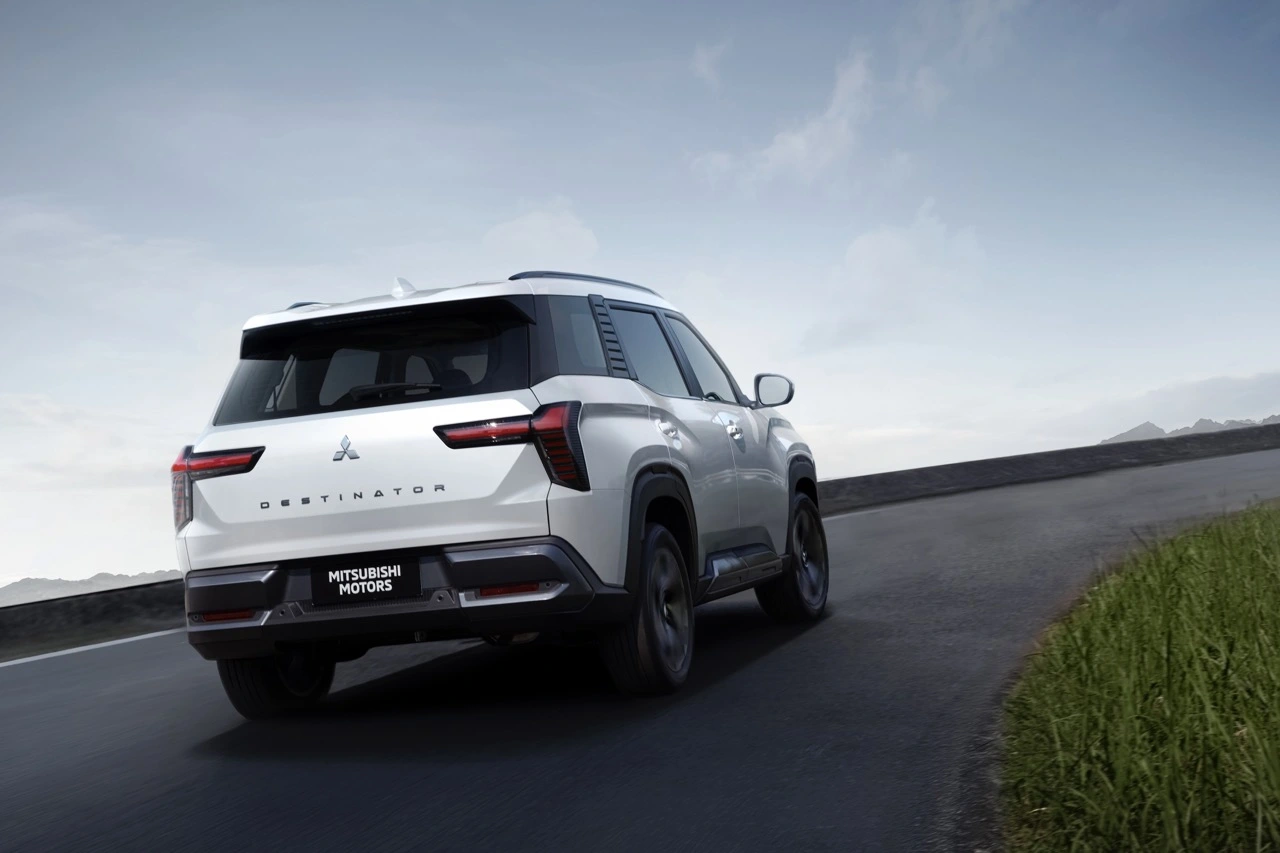
In summary, the Mitsubishi Destinator is not merely an enlarged Xpander, but a more premium, comprehensively upgraded, and authentic 7-seat mid-size SUV.
Bolstered by its 1.5T turbocharged engine, rugged SUV design, abundant technology, and capable off-road performance, it fully distances itself from the Xpander's economical roots and competes squarely in the more competitive mid-size SUV segment.
If any infringement occurs, please contact us for deletion









Popular Cars
Model Year
Car Compare
Car Photo