
Perodua QV-E priced at RM80,000, can it still compete with Proton e.MAS 5?
 Kevin WongDec 31, 2025, 03:36 PM
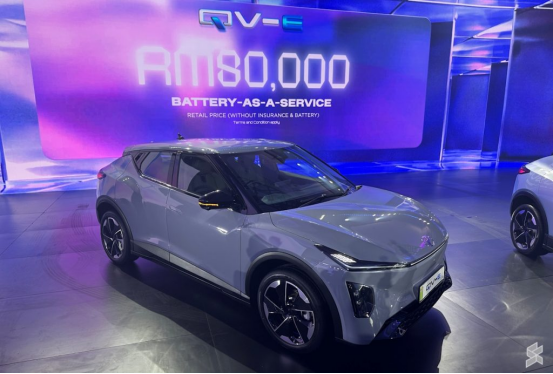 【PCauto】Perodua QV-E has an official price of RM 80,000. This price is indeed on the higher side in the current electric vehicle market. Adding to the challenge, Proton had already launched the more affordable e.MAS 5 two months prior.
In comparison, the top-spec Premium version of the e.MAS 5 is priced at only RM 72,800, while the entry-level Prime version dips to RM 59,800, and the battery is provided with the vehicle.
Against this price backdrop, does the Perodua QV-E—priced at RM 80,000 and without a battery included—still have reasons to be chosen?
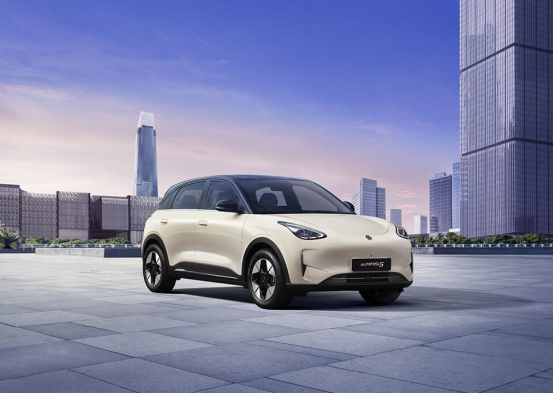
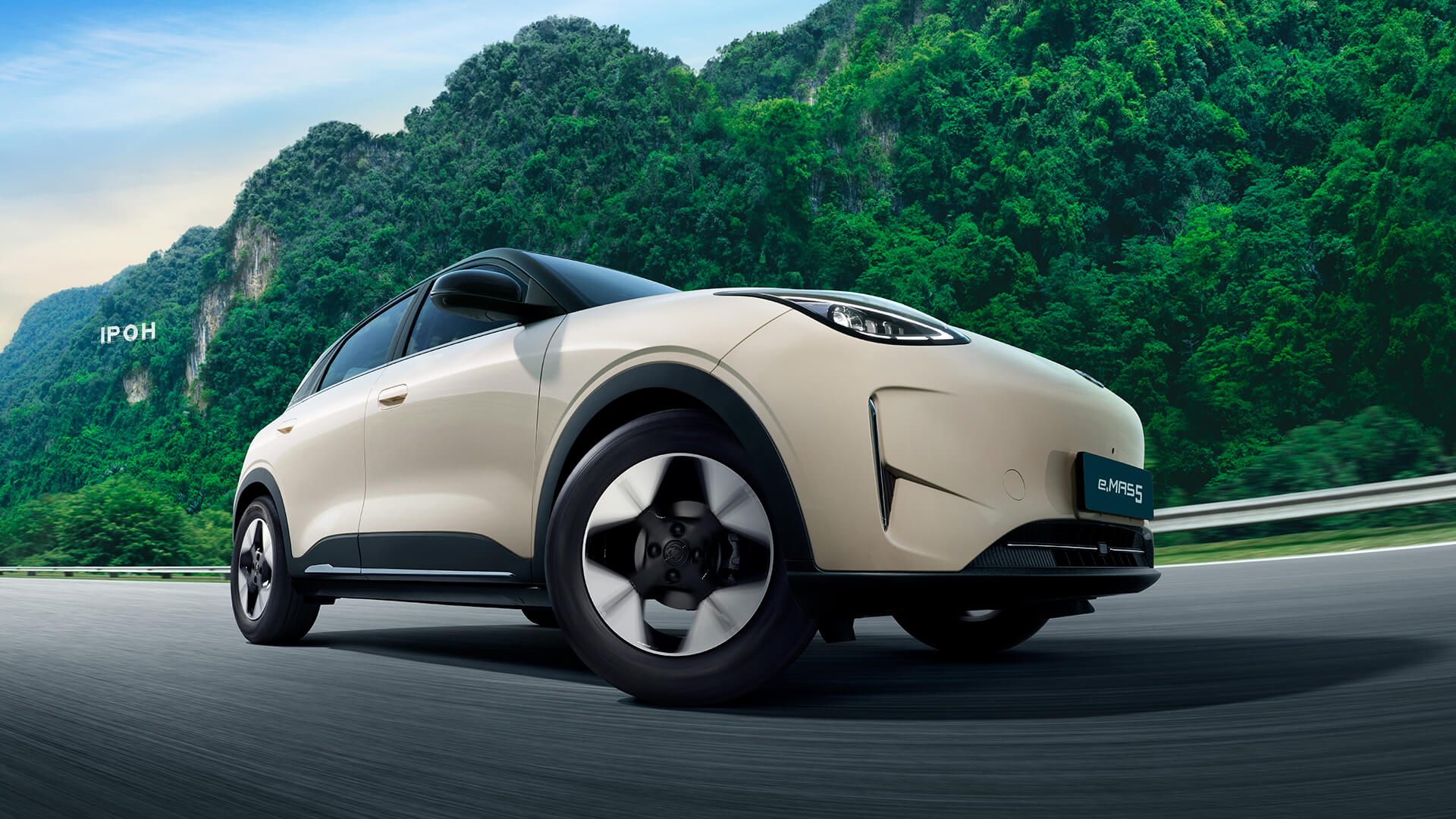
Which Looks Larger: Proton e.MAS 5 or Perodua QV-E?
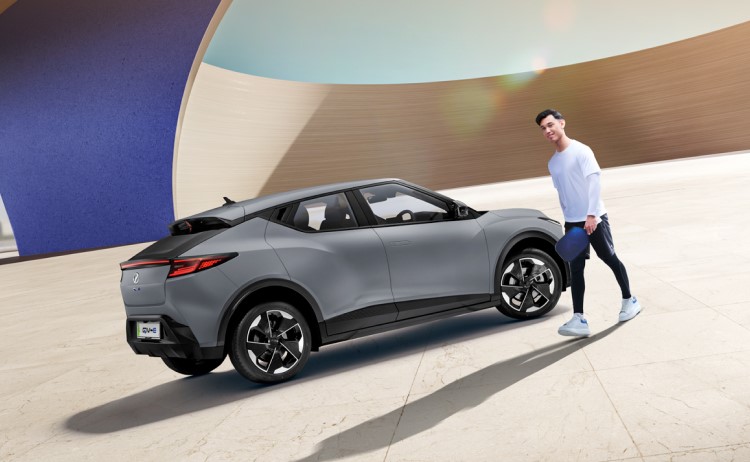
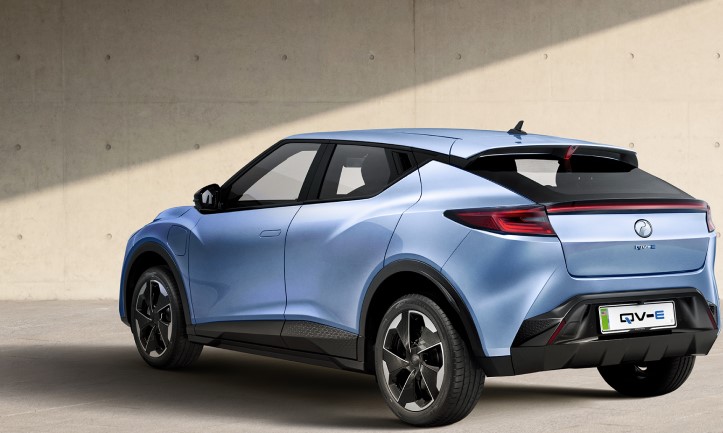
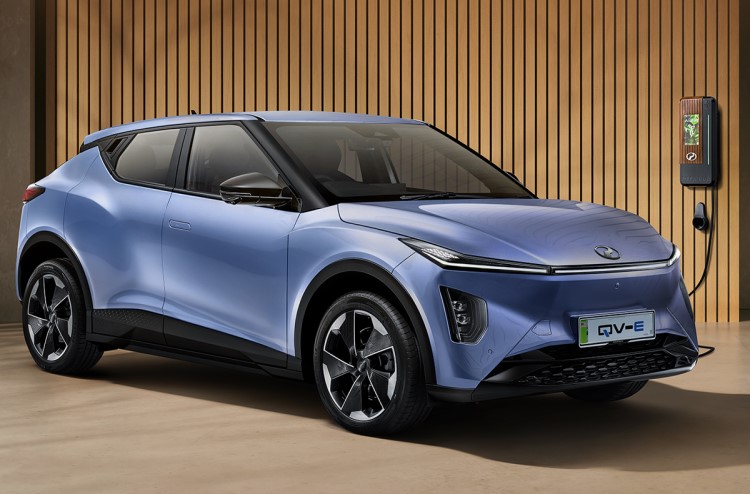
Judging by its appearance alone, the QV-E clearly breaks the mold for a typical RM 80,000 Perodua. With a height as low as 1,502mm, a coupe-like sportback proportion, combined with 18-inch large wheels, this configuration is uncommon in Perodua models.
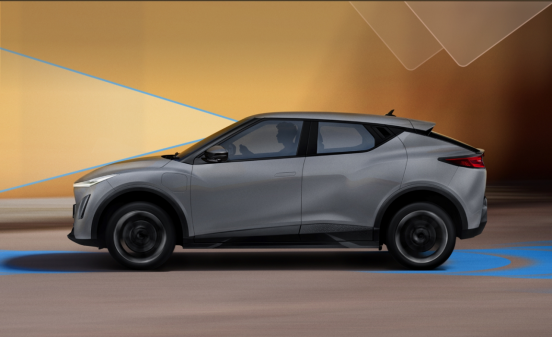
This design is driven by considerations for battery range and aerodynamics, leading Perodua to deliberately lower the QV-E's ride height, while also enhancing the performance-oriented image of the QV-E.
In comparison, Proton e.MAS 5 almost completely abandons performance orientation. With a height of 1,580 mm, a short front end, and upright body proportions, it is essentially a compact electric SUV. It is neither low-slung nor streamlined, nor can it be described as sporty. Instead, every design decision serves a single goal: maximizing interior space.
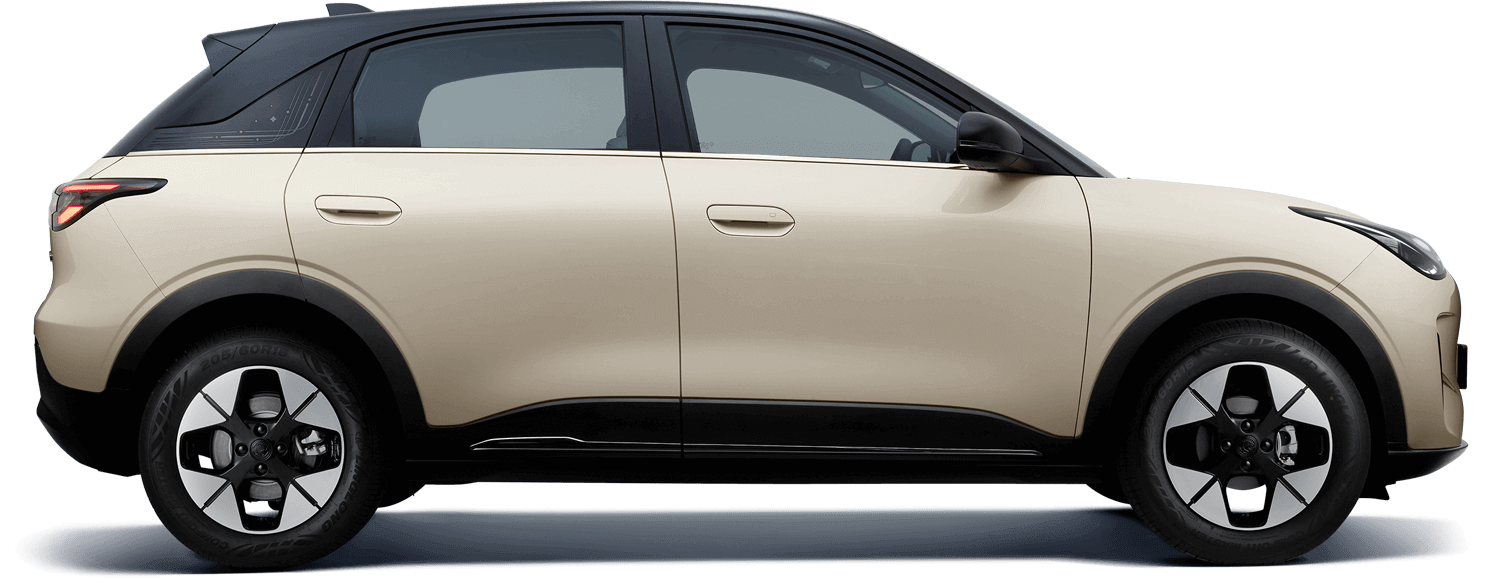
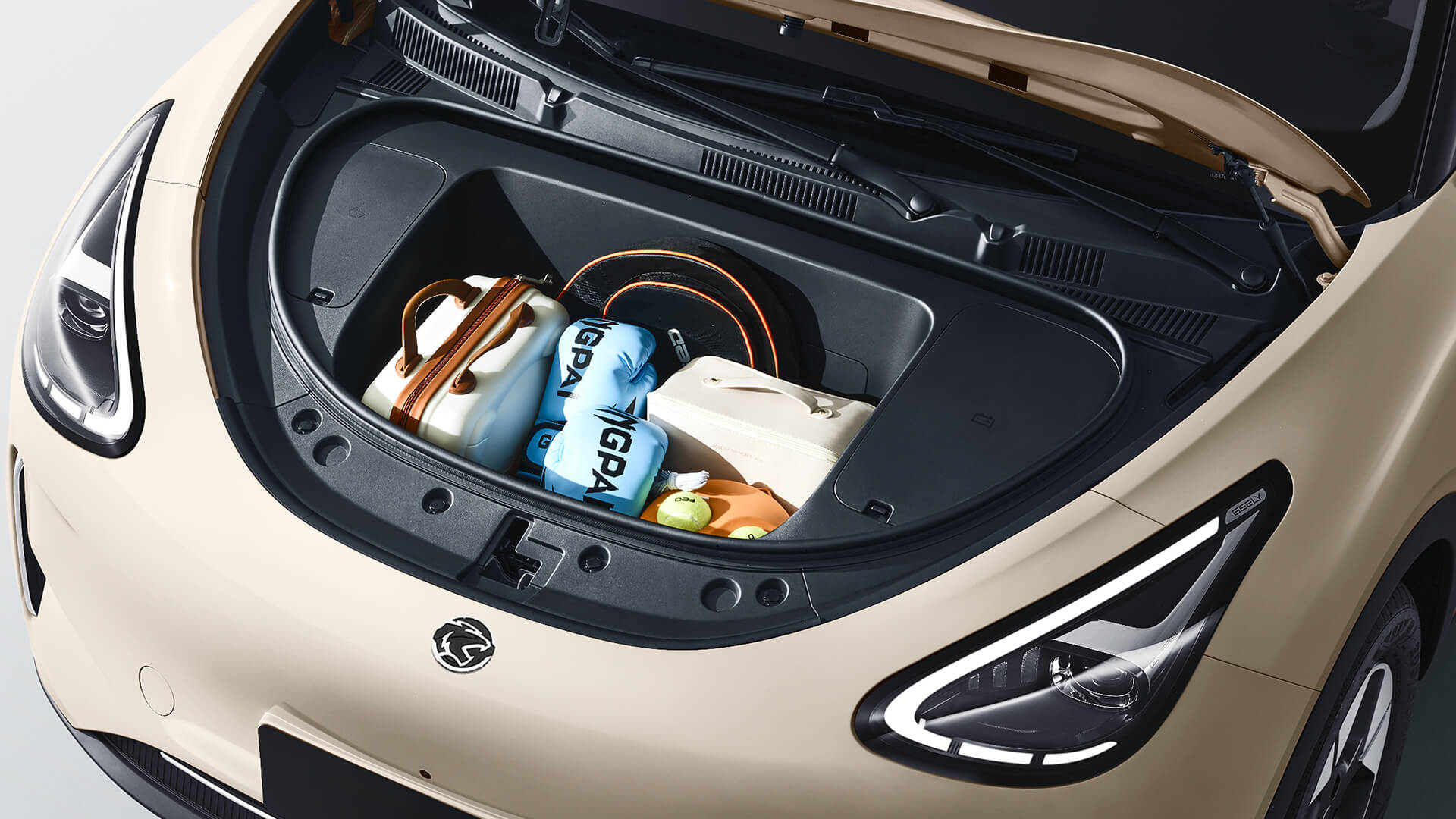
To this end, the e.MAS 5's front cabin is compacted, while the passenger cabin is raised, optimizing the use of vertical space. Additionally, the officially announced large-capacity front trunk reflects a rational "K-Car style" design philosophy, even though it is not a K-Car.
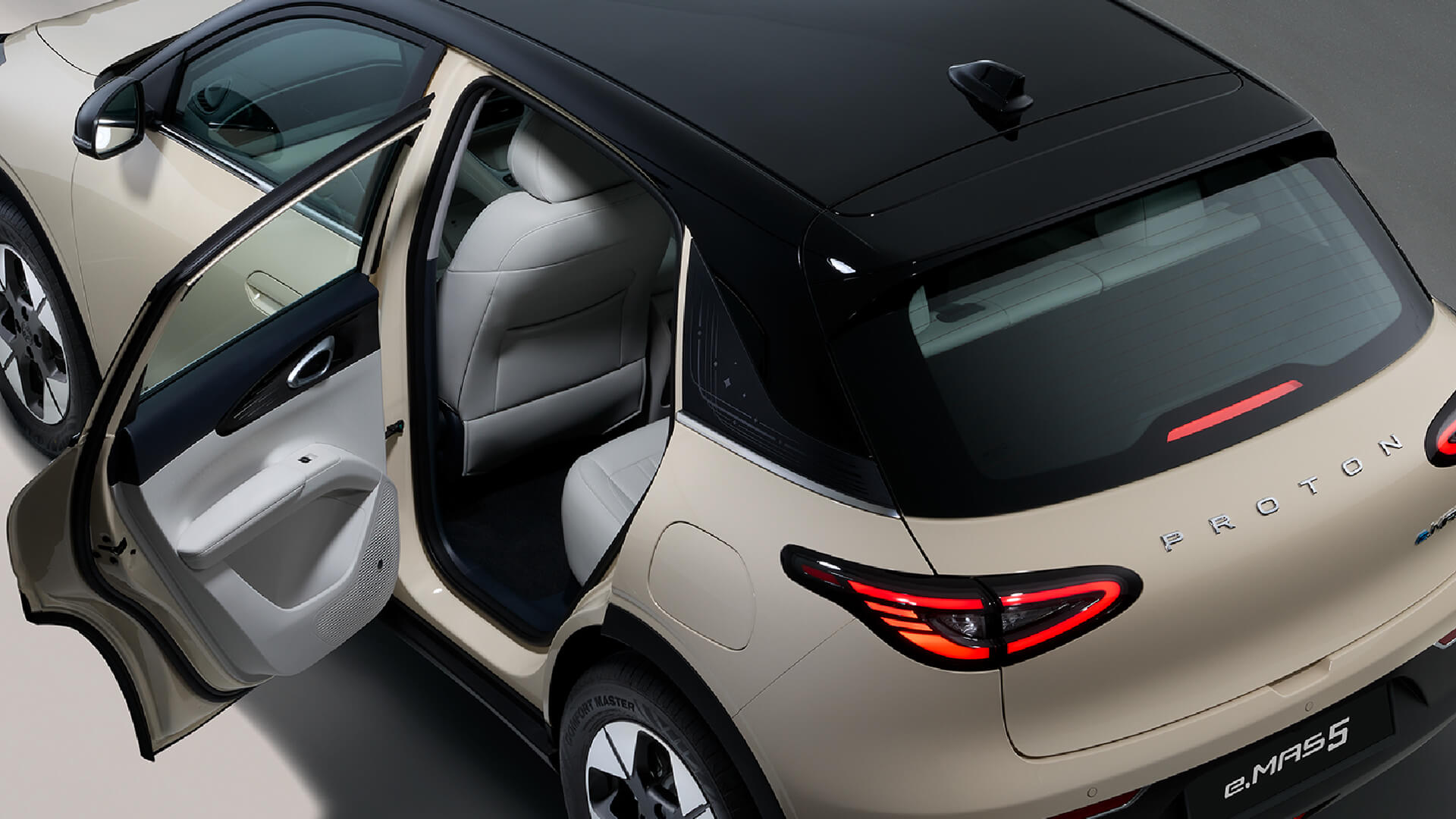
On paper, the QV-E boasts a 2,680 mm wheelbase, about 30 mm longer than the e.MAS 5's. However, this 3 cm advantage does not translate into a markedly more spacious cabin.
On the contrary, the e.MAS 5 features a 65-degree wide-opening door angle, which is more direct and practical for the elderly and children to get in and out. This convenience may not be reflected in the wheelbase figure, but it will be consistently appreciated in daily use.
Which Has the Better Interior: e.MAS 5 or QV-E?
The interior of the e.MAS 5 follows a typical smartphone design approach. It is equipped with Atlas OS and a 14.6-inch FHD central touchscreen, where the operating logic mirrors that of a smartphone: smooth swiping, an intuitive interface, and functions that are clear at a glance.
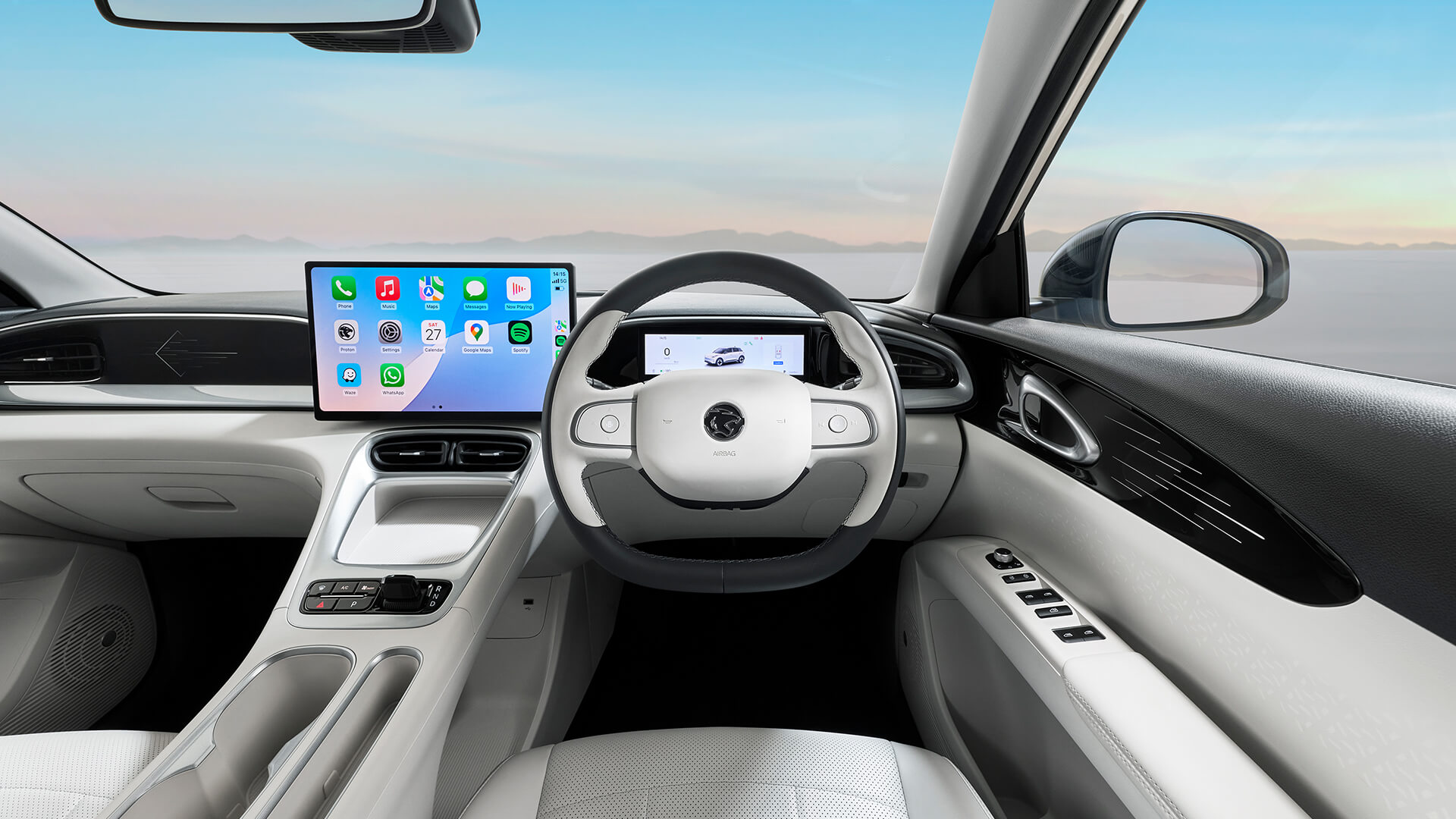
The core idea behind this design is technology, efficiency, and convenience. However, the downside is equally evident: all operations rely heavily on the screen and touch controls, and users accustomed to traditional knobs or physical buttons may find it difficult to adapt in a short period.
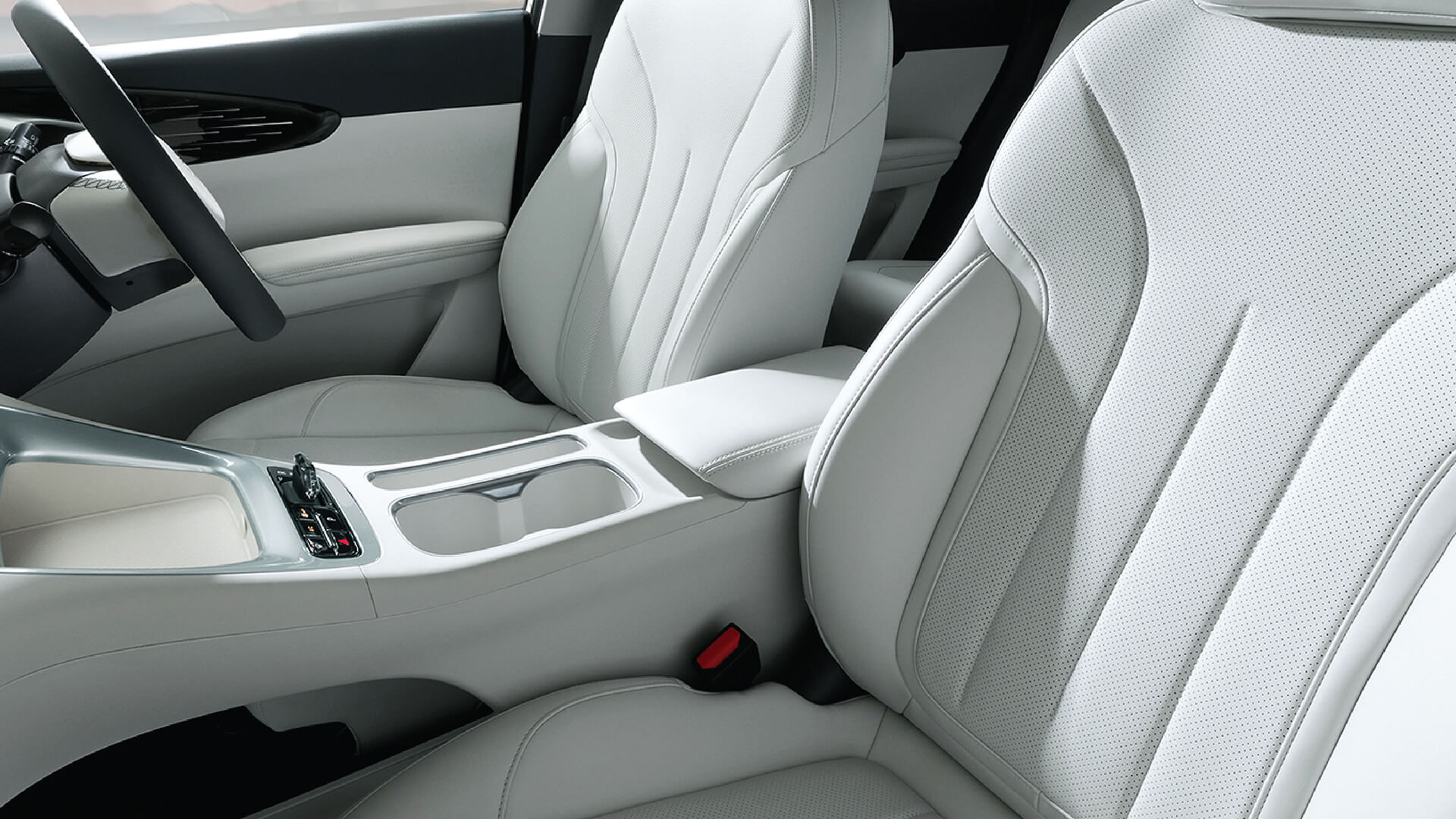
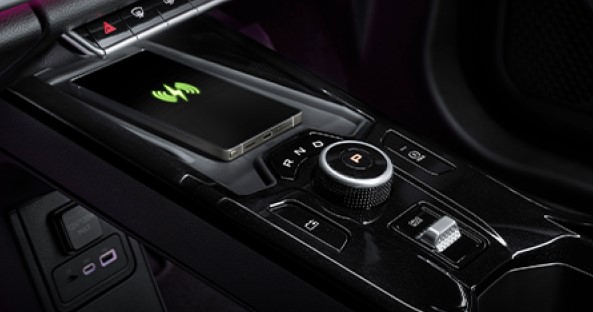
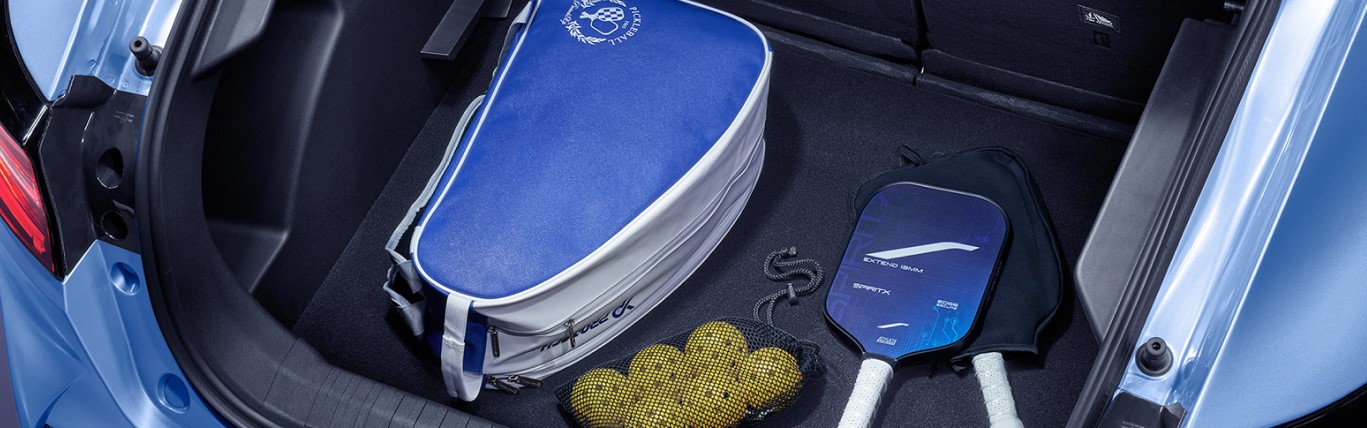
The QV-E's interior, by contrast, takes a fundamentally different approach, prioritizing practicality above all. It emphasizes convenience and user-friendly features: a hidden hook under the front passenger seat can securely hold takeout drinks, and the door panel design can accommodate a 1.5L water bottle. These small but thoughtful details stand out in daily commuting, shopping, or traveling with children, showcasing their convenience.
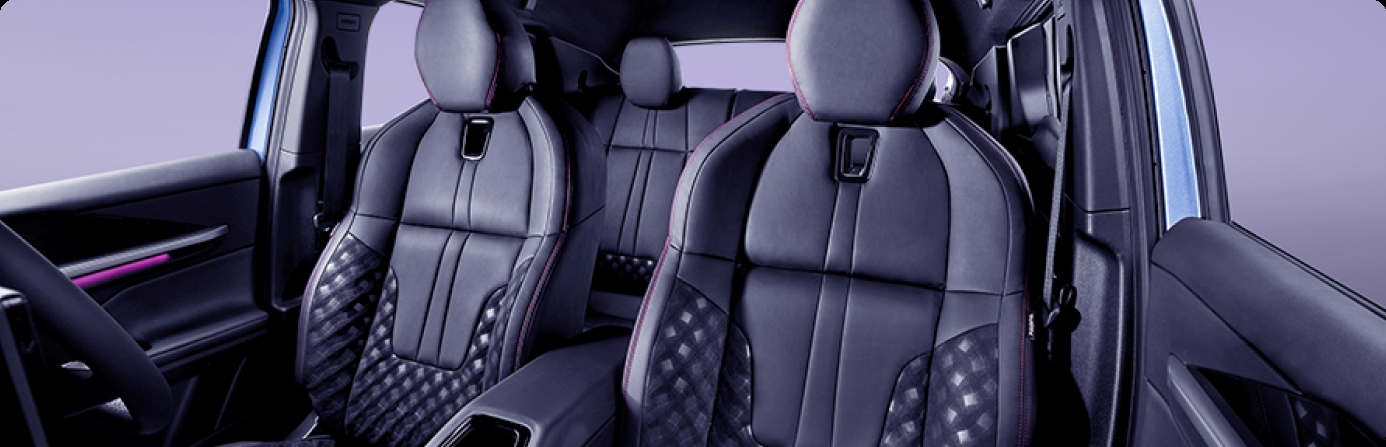
In terms of safety, the QV-E thoughtfully provides CPD (Child Detection System), which is not just a simple software reminder but uses 60GHz millimeter-wave radar to detect signs of life, capable of detecting even the faint breathing of an infant. Coupled with the P-Circle App's multi-level alerts, it minimizes the risk of children being accidentally left in the car to the greatest extent.
Which Is Better to Drive: e.MAS 5 or QV-E?
Even when compared to the e.MAS 5 Premium, the QV-E's power advantage remains substantial, which helps justify its RM 80,000 price tag:
The QV-E's motor delivers 150 kW and 285 Nm of torque.
In comparison, the e.MAS 5's motor produces 85 kW and 150 Nm (the Prime version offers 58 kW and 130 Nm)..
Despite its front-wheel-drive layout, the QV-E offers roughly 80% more power than the e.MAS 5—a substantial margin.
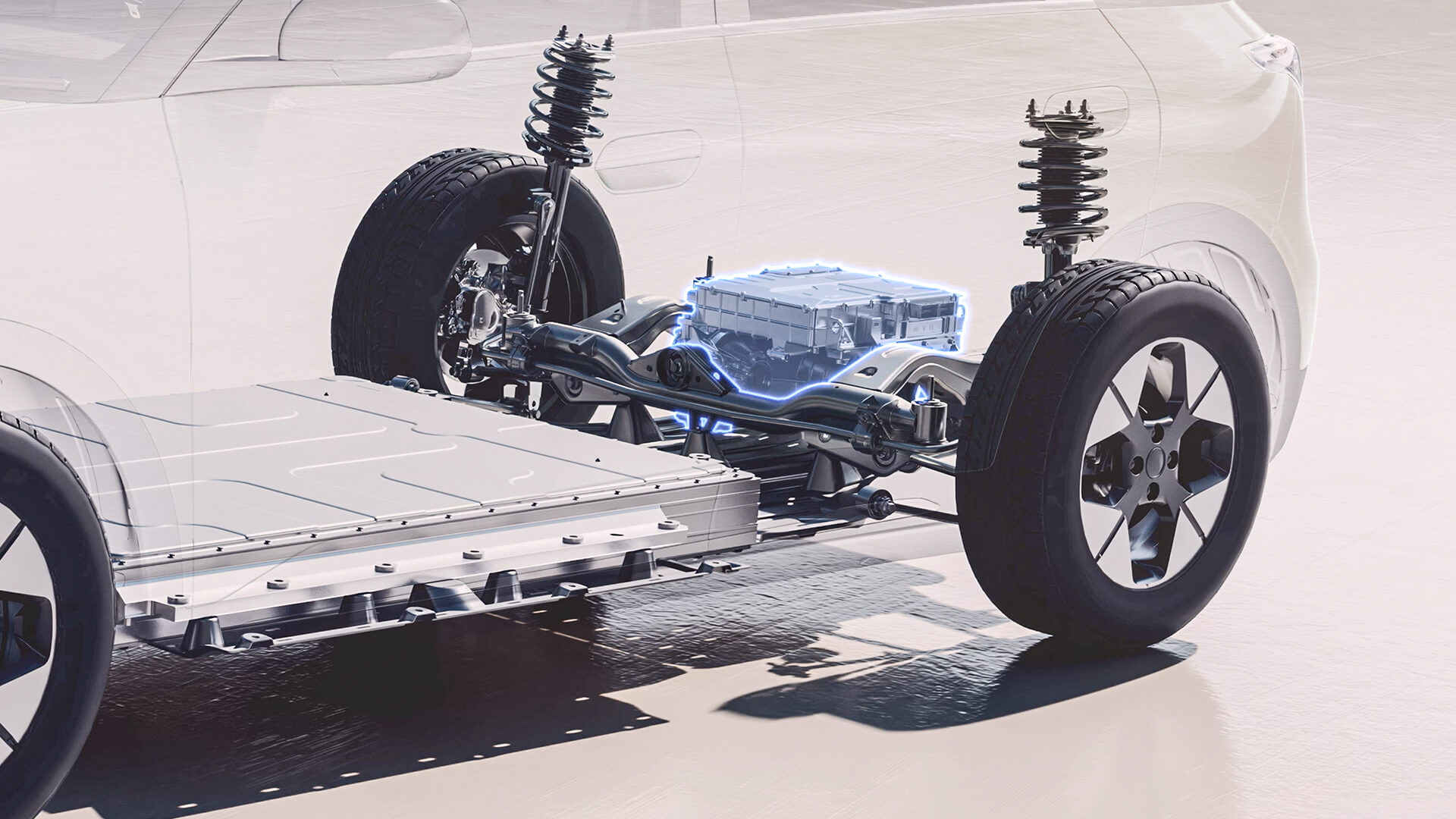
In terms of chassis design, the e.MAS 5 is equipped with a rear multi-link independent suspension and rear-wheel drive (RWD), which is very rare among the same class of electric vehicles.
Its shock absorption quality is excellent, making urban driving flexible and nimble. With a turning radius of only 4.95 meters, there is almost no sense of bounce in the rear when passing a speed bump, giving a sense of premium quality. If you value daily comfort and maneuverability in crowded areas like neighborhoods and shopping centers, the e.MAS 5's chassis is a secure choice.
The QV-E's chassis employs a front MacPherson strut and a rear torsion-beam setup. Although its physical structure is more conventional compared to independent suspension, the tuning leans towards firmness. Combined with a low center of gravity and wide tire design, it provides substantial support during high-speed or mountain road driving, making it less prone to body roll.
It sacrifices some shock absorption comfort in exchange for precise driving feedback and a greater sense of confidence.
Therefore, the bulk of the QV-E's approximate RM 10,000 price premium can be attributed to its superior powertrain. This positions it as a notably powerful option among comparable EVs, whereas the e.MAS 5 functions more as a dedicated urban commuter, prioritizing comfort and agile handling.
Is the battery rental of QV-E cost-effective?
The e.MAS 5 supports 71kW DC fast charging, which takes only 21 minutes to charge from 30% to 80%.
In contrast, the QV-E's 60kW DC fast charging requires approximately 30 minutes for the same range.
Given current battery technology, this difference is marginal. Nevertheless, for long-distance trips or urgent top-ups, the e.MAS 5's faster charging capability offers a tangible convenience advantage.
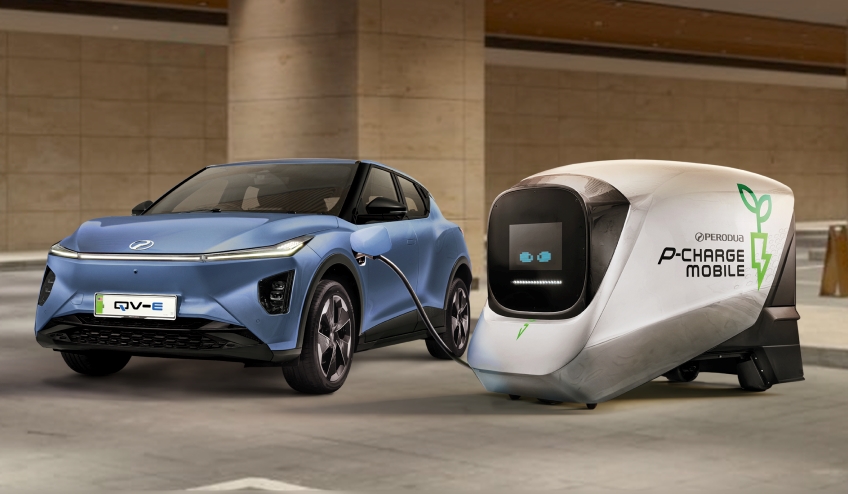
What is particularly noteworthy is that QV-E uses Perodua's BaaS (Battery-as-a-Service) rental model. By paying a monthly battery rental fee of RM 275, car owners receive lifetime battery health assurance. When the battery health drops below 70%, Perodua will replace the battery for free.
In other words, the battery risk of the QV-E is entirely outsourced, and car owners do not have to worry about the high replacement cost 5-10 years later.
In contrast, the battery of the e.MAS 5 is fully purchased with the car, which might require a future replacement cost of approximately RM 30,000.
A rough 9-year total cost of ownership (TCO) estimate illustrates the gap: the entry-level e.MAS 5 starts at RM 59,800, while the top specification reaches RM 72,800. Adding a possible one-time battery replacement cost, the total 9-year cost is approximately RM 85,000-90,000.
For the QV-E, the down payment is RM 80,000, and the accumulated 9-year battery leasing cost is approximately RM 29,700, making the total expenditure around RM 110,000.
In other words, over a 9-year ownership period, the total expenditure of the QV-E is approximately 30% higher than that of the e.MAS 5.
e.MAS 5 vs. QV-E, Which One to Buy?
The QV-E involves a remarkable investment of approximately RM 800 million in R&D costs. It represents the deep collaboration between Perodua and Magna Steyr in their attempt to establish Malaysia's own electric vehicle R&D capabilities.
From the body design, chassis tuning, to battery management and BaaS system, every aspect reflects the local team’s effort and ambition in independent development.
This is a bold gamble. Perodua hopes to show consumers that even in the EV era, Perodua can produce products that are on par with international competitors.
From a pure consumer perspective, however, the QV-E remains a tough sell. Many would rather forgo the more powerful performance and choose the e.MAS 5, considering the over RM 10,000 price difference.
This is not to say Perodua hasn't strived to optimize costs. However, the e.MAS 5, leveraging Geely's global technology and supply chain, inherently enjoys a structural cost advantage. Factors like shared vehicle platforms, economies of scale in battery procurement, and streamlined production all contribute to giving the e.MAS 5 a decisive edge in cost-performance ratio.
If any infringement occurs, please contact us for deletion




Popular Cars
Model Year
Car Compare
Car Photo