
Toyota Raize vs Perodua Ativa: Why is the Raize not available in Malaysia?
 WilliamFeb 20, 2026, 12:00 PM
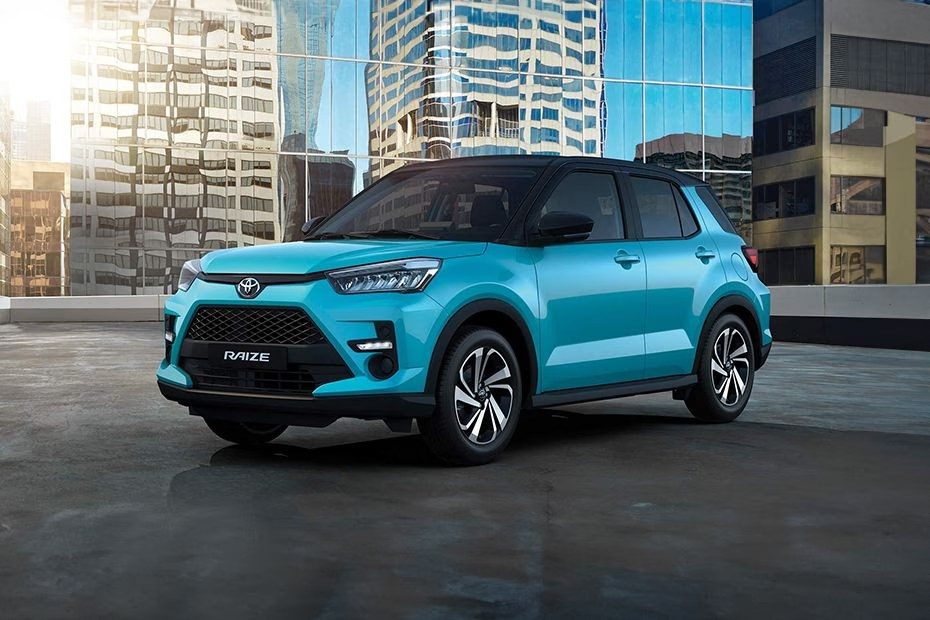 【PCauto】The Perodua Ativa's success in Malaysia isn't solely down to its price point; it was conceived as a localised solution from the outset.
To understand why the Raize wasn't introduced, it's essential to recognise that the Toyota Raize, Daihatsu Rocky, and Perodua Ativa are all derived from the Daihatsu New Global Architecture (DNGA) platform.
Daihatsu led the research and development, with core engineering completed in Japan. Toyota was tasked with launching the Raize in Japan and other global markets. Perodua, meanwhile, undertook highly localised production in Malaysia via a technology transfer agreement.
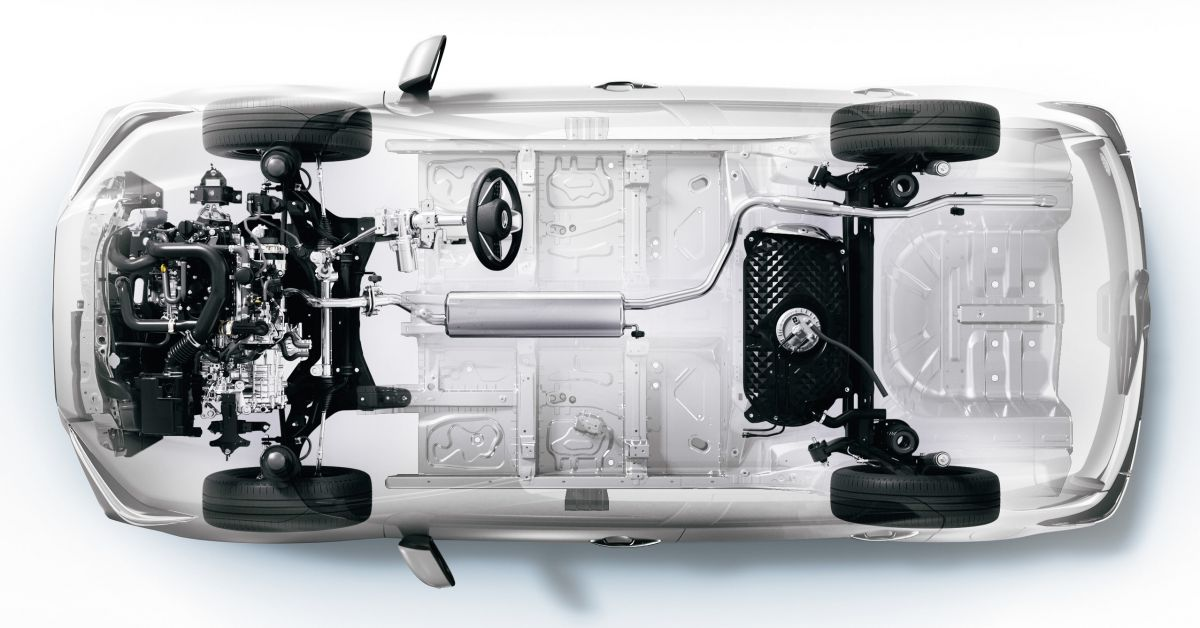
This division of labour was designed to avoid internal competition, assigning each model a distinct role in different markets.
The Raize is tailored for Japan and international markets, adhering to global standards. The Ativa, in contrast, is distinctly adapted to Malaysia's specific road conditions, driving environment, and consumer preferences.
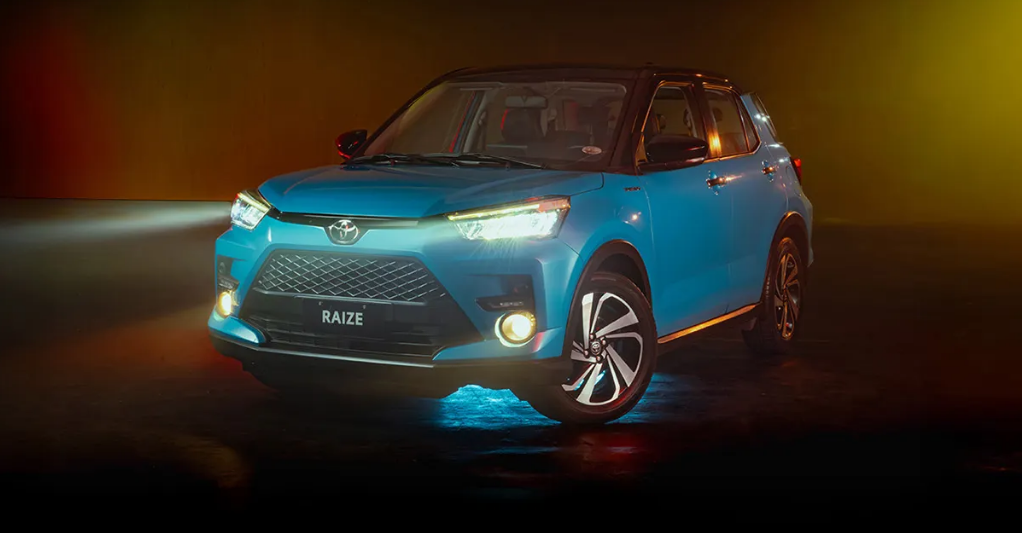
Product-wise, the Raize features a more aggressive Toyota-family exterior. Its suspension and ride height are optimised for paved roads and highway stability, and it uses 195/60 R17 tyres prioritising low rolling resistance and fuel efficiency—a typical international configuration.
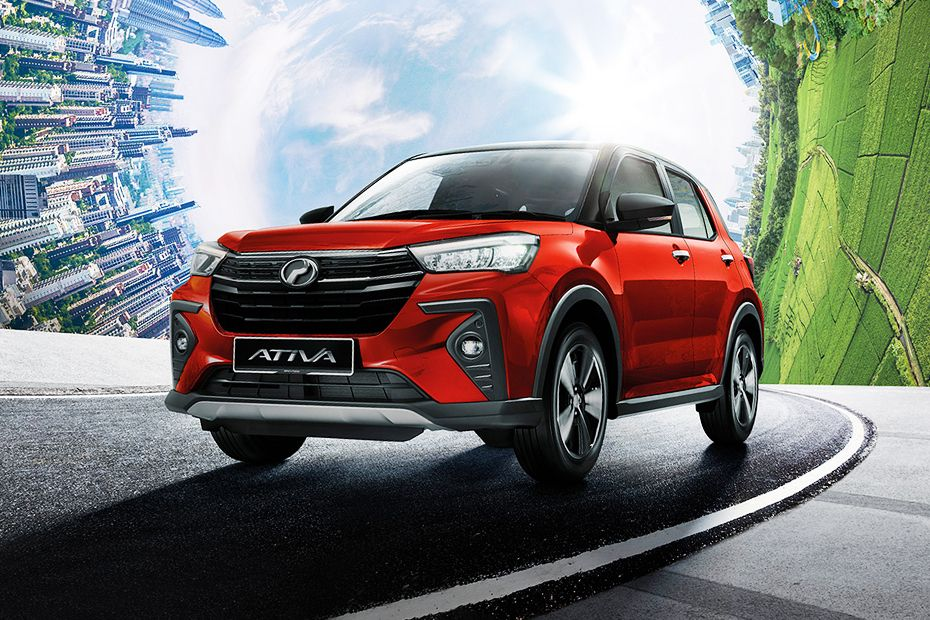
The Ativa's approach is fundamentally different. Perodua has locally re-engineered the chassis and suspension, raising the ground clearance to 200 mm—approximately 15 mm more than the Raize—to better handle speed humps, damaged road surfaces, and flash flooding.
Its tyres have been upgraded to 205/60 R17, trading a marginal amount of fuel efficiency for better grip and a more stable driving experience. Inside, from its digital air-conditioning panel to the retained physical central locking button, the cabin reflects a focus on pragmatic trade-offs for daily usability and durability.
Powertrain strategy further highlights the divergence. Overseas, the Raize offers multiple options—including 1.0-litre turbo, 1.2-litre naturally aspirated, and 1.2-litre hybrid units—to cater to varied markets.
The Ativa, conversely, offers only the 1.0-litre turbo (1KR-VET) paired with a D-CVT, standardising the package to optimise local production costs.
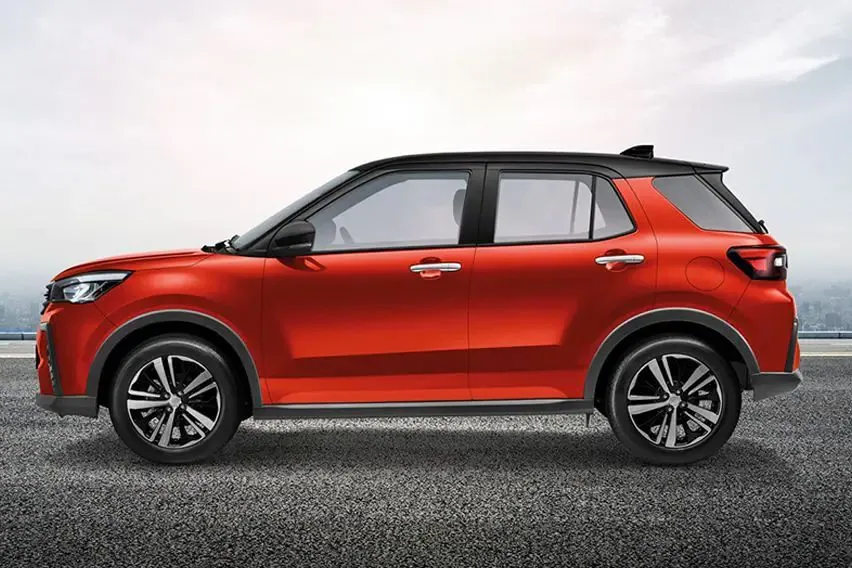
The primary barrier to the Raize's introduction in Malaysia lies in commercial and strategic logic, not product capability. The first hurdle is internal brand coordination within the Toyota group.
Toyota holds about 25% stake in Perodua, while Daihatsu is Perodua's most important technological source.
A UMW Toyota-led introduction of the Raize, whether via Completely Knocked Down (CKD) or Completely Built-Up (CBU) routes, would create direct overlap with the Ativa.
With a starting price of approximately RM62,000, the Ativa firmly occupies this segment, offering extremely high cost-effectiveness.
The Toyota badge on a Raize implies a different cost structure and brand premium, preventing it from competing directly on price. Pricing it higher would negate its intended volume-market role.
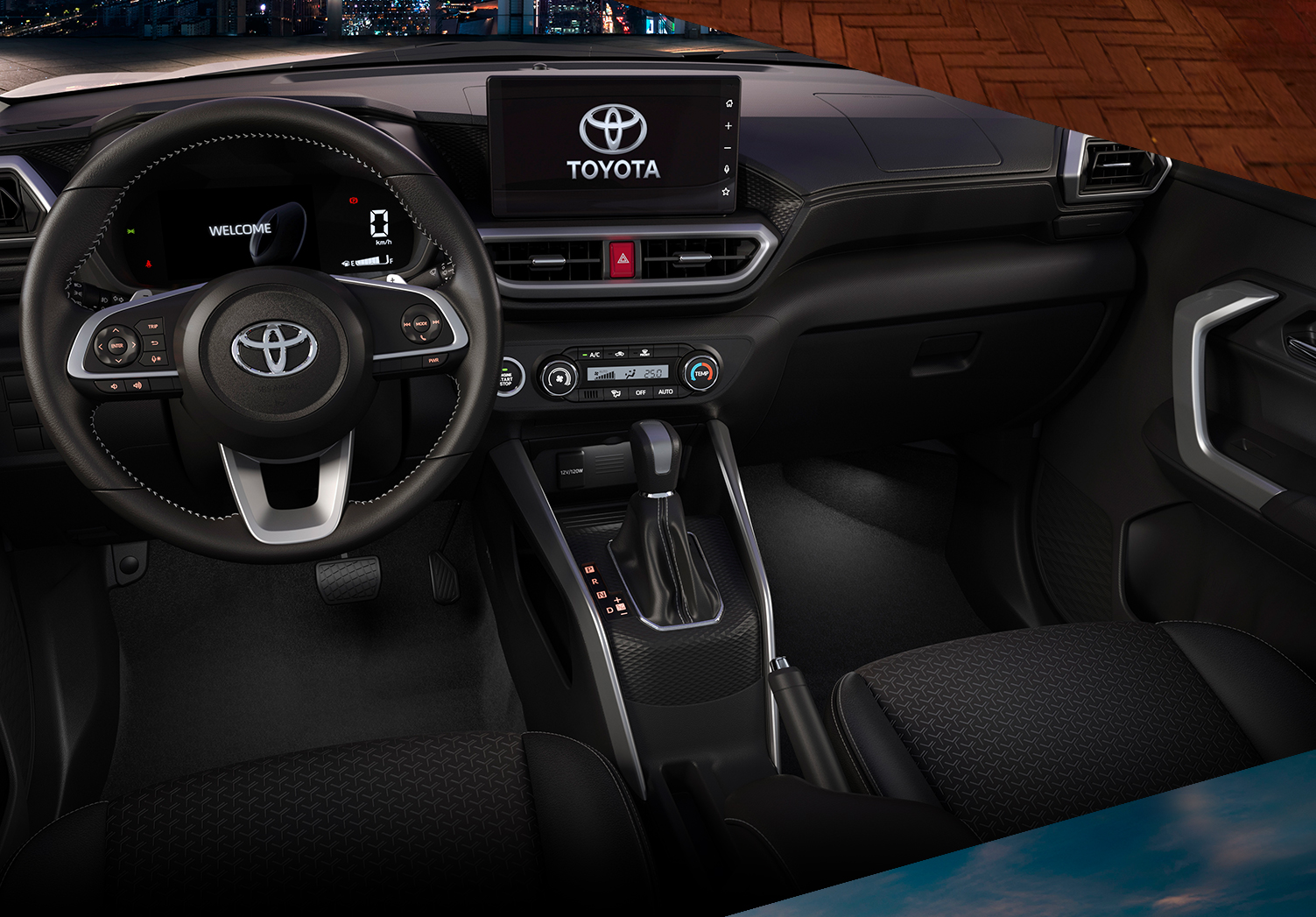
Malaysia's tax structure and localisation policies exacerbate this challenge.
The Ativa boasts a localisation rate as high as 95%, allowing it to fully benefit from tax incentives for locally manufactured goods. Were the Raize to enter as a Completely Built-Up (CBU) import, its price would easily climb to RM90,000–RM100,000. In that price bracket, buyers would likely opt for a larger, more upmarket Proton X50, or move directly to Toyota's own Corolla Cross. The Raize would be caught in a no-man's-land, with a confusing market position.
This is why UMW Toyota's strategy in Malaysia is not to fill the gap with Raize, but rather to allocate resources to higher-level models.
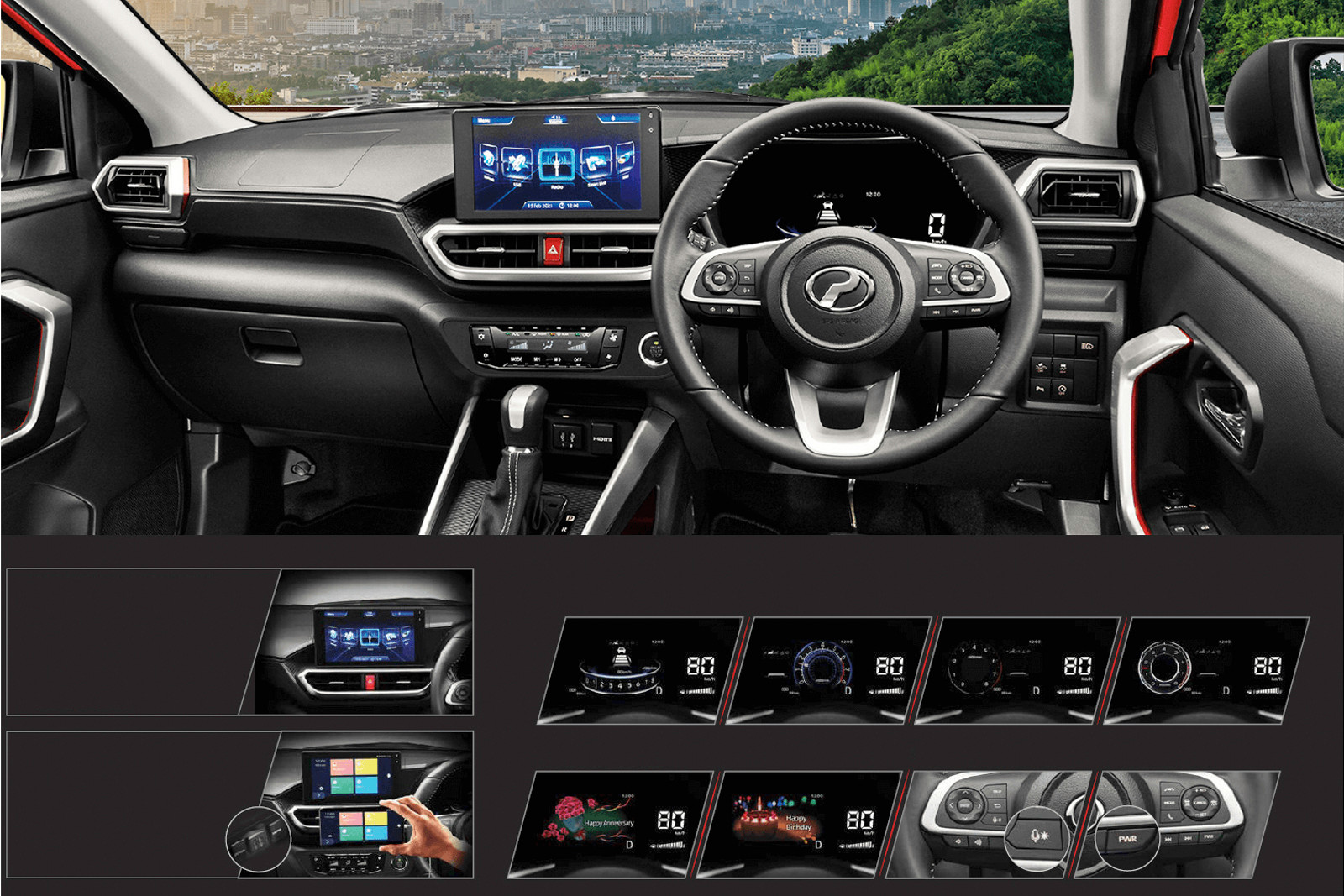
The launch of the Toyota Yaris Cross (D66B) underscores this strategic division: Perodua handles entry-level, high-volume segments, while Toyota focuses on higher-margin, brand-premium models. The space the Raize would occupy is already definitively filled by the Ativa.
Conversely, the earlier sighting of an Ativa Hybrid test project indirectly confirms this strategy. This batch of vehicles—visually nearly identical to the Daihatsu Rocky HEV but wearing Perodua badges—was used to test local market and technical feasibility via a subscription model.
This indicates that even hybridised DNGA models are destined for the Malaysian market under the Perodua brand, not Toyota's.
Regarding the 2023 Daihatsu certification scandal, its impact on this market dynamic has been limited. The hybrid versions of the Raize and Rocky were affected in Japan, but because the Ativa is locally produced and independently certified, its sales were not substantially disrupted. This further reinforces the Ativa's standalone status within the Malaysian market ecosystem.
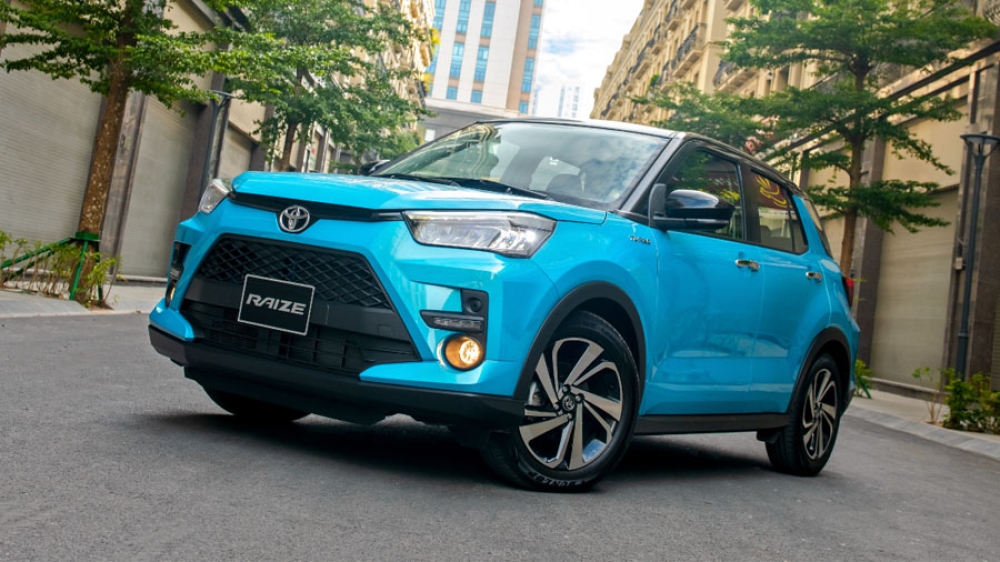
Returning to the original question—why there's no Toyota Raize in Malaysia—the answer is straightforward. The Perodua Ativa already occupies the role a Raize would play. Toyota has no incentive to disrupt a well-established and efficient market equilibrium by introducing a model with directly overlapping positioning.
If any infringement occurs, please contact us for deletion






Popular Cars
Model Year
Car Compare
Car Photo