
Mitsubishi Destinator vs Xforce: Choose 5-seater or 7-seater?
 Kevin WongFeb 16, 2026, 06:00 AM
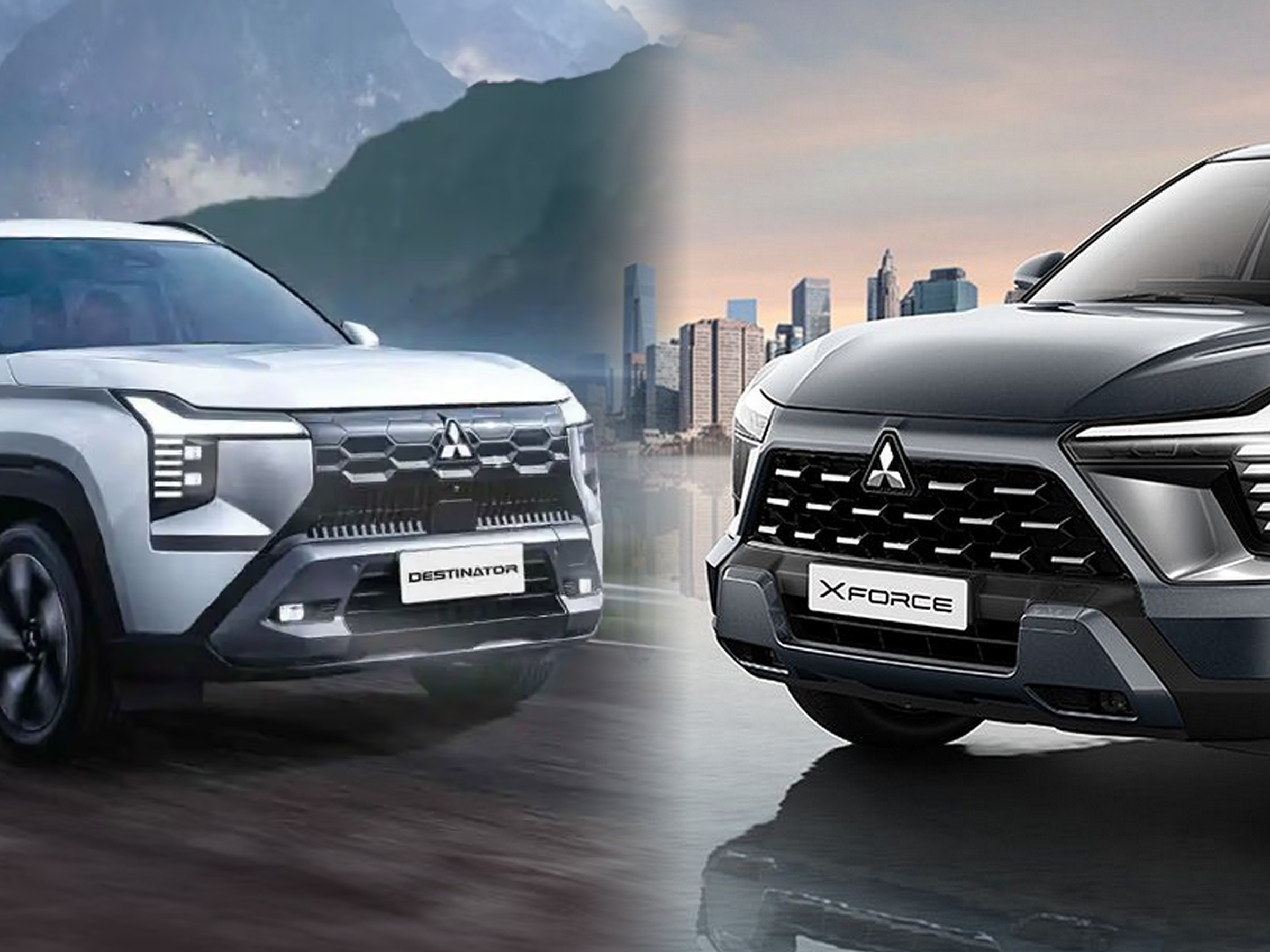
【PCauto】The Mitsubishi Xforce and the Destinator both fall under the SUV category, but they cater to completely different segments: urban lifestyles versus family outings, with almost no overlap in target audiences.
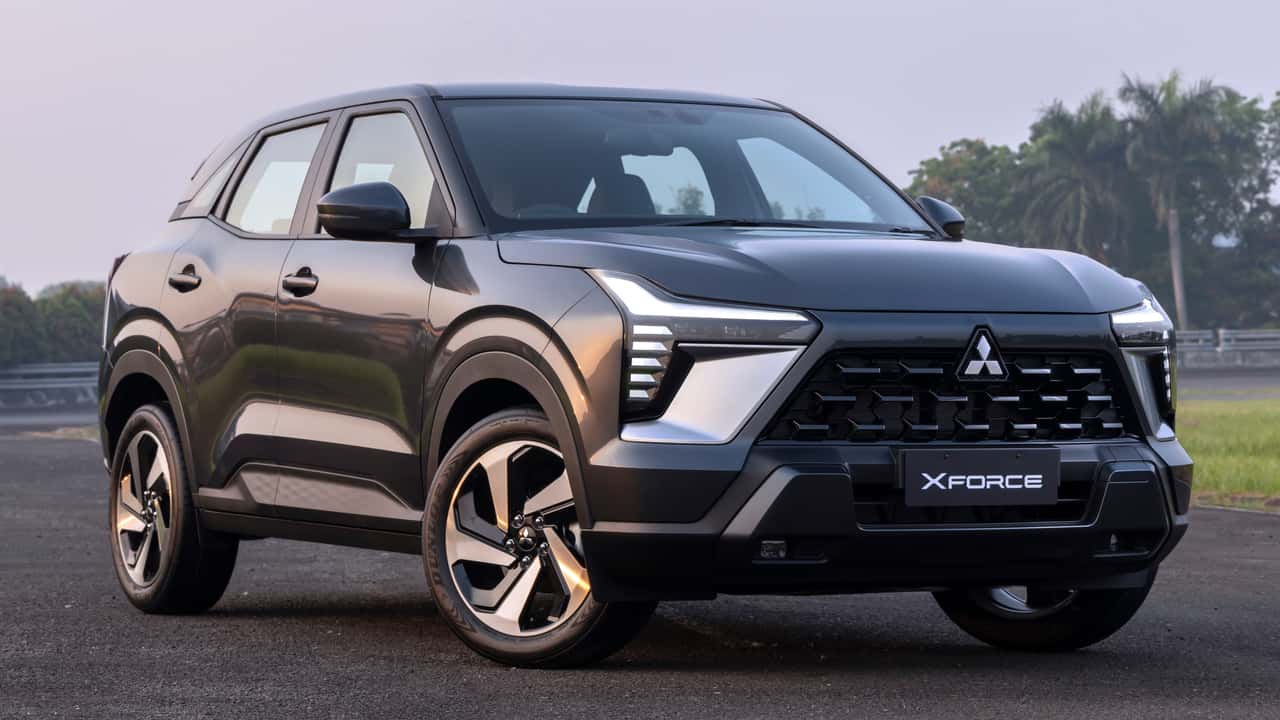
The Xforce is a typical B-segment compact SUV. The body lines emphasize sharpness, with a raised visual stance and a ground clearance of 222 mm, making it well-suited for urban roads, waterlogged streets, and areas with frequent speed bumps.
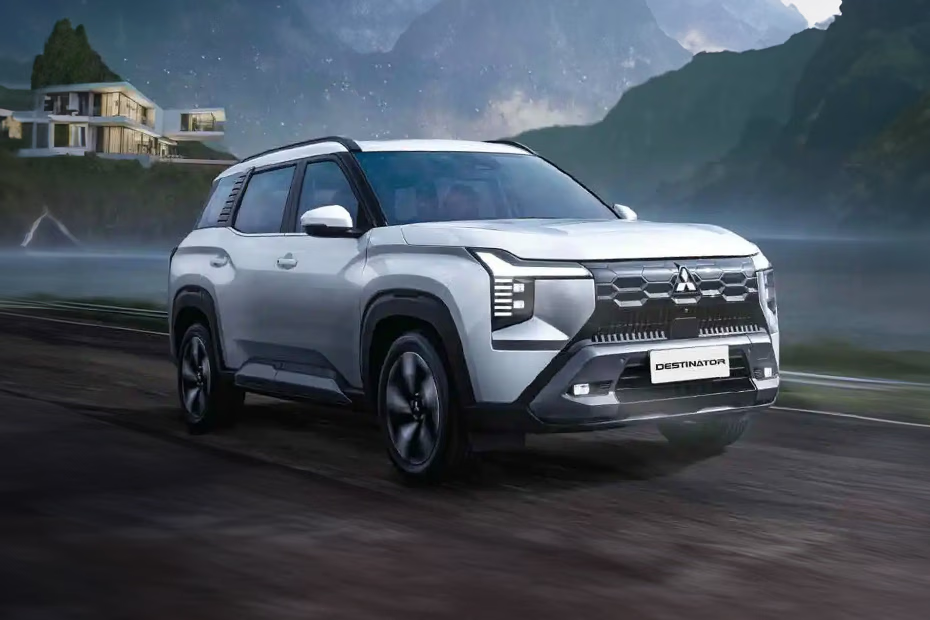
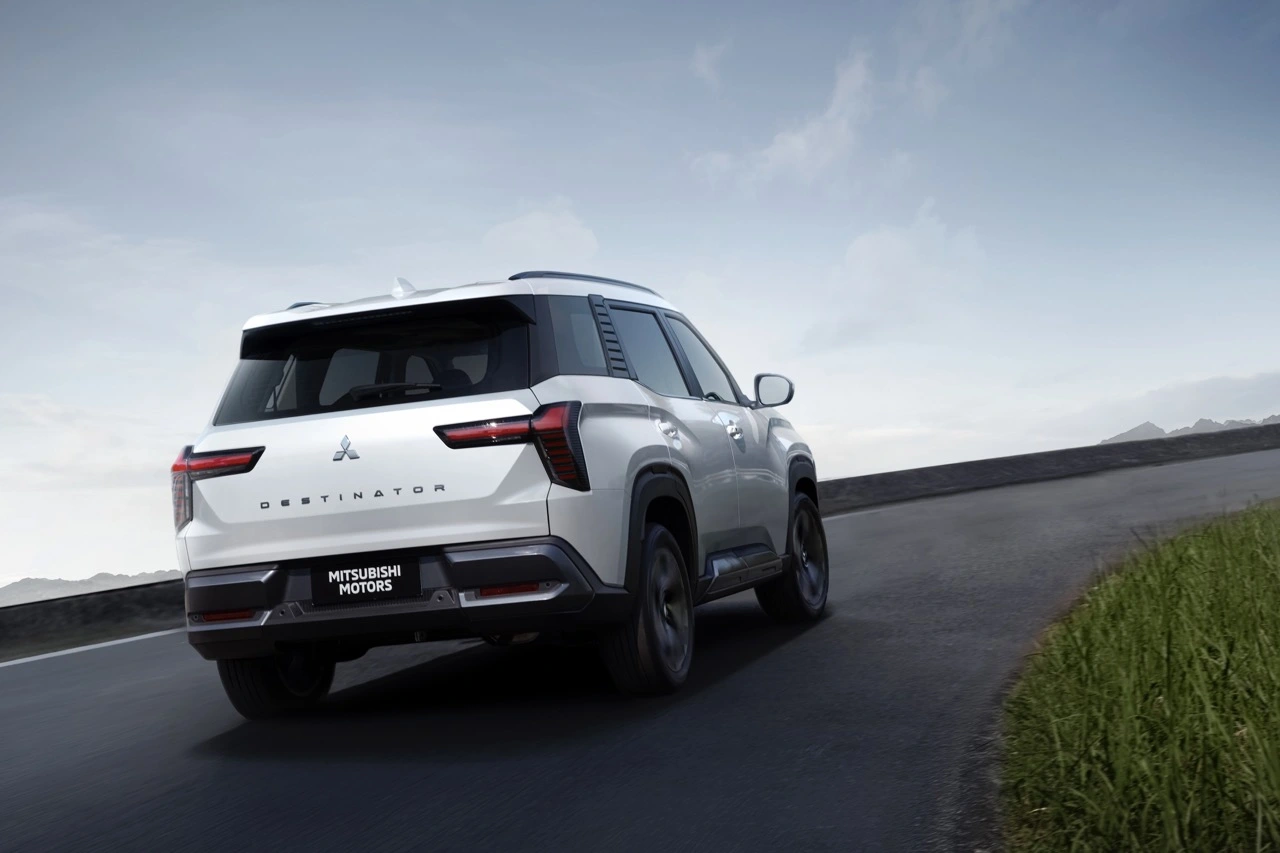
In contrast, the Destinator is significantly larger, with a length of nearly 4,680 mm and a wheelbase of 2,815 mm. Its overall proportions align more with those of a space-oriented crossover than with an urban model that prioritises stylistic boldness.
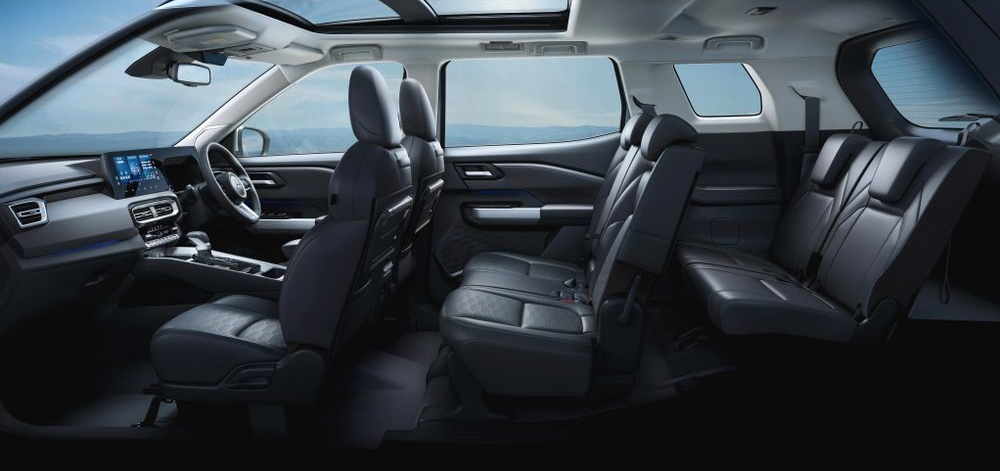
While the five -seater Xforce caters to daily needs, the seven -seater Destinator is aimed primarily at larger families.
For singles, couples, or small families with only one child, a five-seater sufficiently covers the majority of usage scenarios, and it avoids the waste of space and cost caused by the third row being idle for a long time.
As for families that need to frequently carry parents, children, or go on long trips during holidays, a seven-seater is often a practical necessity. Even if the third row is not used daily, the extended depth of the trunk after folding down still has a significant advantage.
The powertrain difference further accentuates the distinction between Destinator and Xforce. The Xforce uses a 1.5-litre MIVEC naturally aspirated engine paired with a CVT, focusing on smoothness, fuel efficiency, and long-term durability, making it more suitable for urban commuting environments.
The Destinator is expected to feature a 1.5-litre MIVEC turbocharged engine. The torque advantage brought by the turbocharger is particularly noticeable when fully laden with seven passengers or during highway cruising. This is especially true in scenarios such as climbing slopes in places like Genting Highlands or overtaking on highways, which better meet the power reserve needs of family trips.
In terms of driving mode settings, the Xforce’s Wet mode is specifically tailored for Malaysia’s frequent heavy rains and flood-prone roads. In contrast, the Destinator’s Tarmac mode is tuned more for stability and responsiveness on highways and well-paved roads.
The Xforce is expected to be priced between RM115,000 and RM125,000, placing it directly in the core segment competed for by the Proton X50 Honda HR-V, and Toyota Corolla Cross, emphasizing design, configuration, and daily convenience.
The Destinator is expected to be priced between RM130,000 and RM145,000, competing against the Proton X90, Chery Tiggo 8 Pro, and Toyota Innova Zenix entry-level models. The competition focus naturally shifts towards space, power, and family attributes.
It is worth noting that the car maintenance logic is also different. The naturally aspirated Xforce offers relatively lower maintenance costs and long-term upkeep, whereas the turbocharged Destinator requires more specific oil grades and stricter service intervals. This difference will gradually become more prominent over a five to eight-year ownership period.
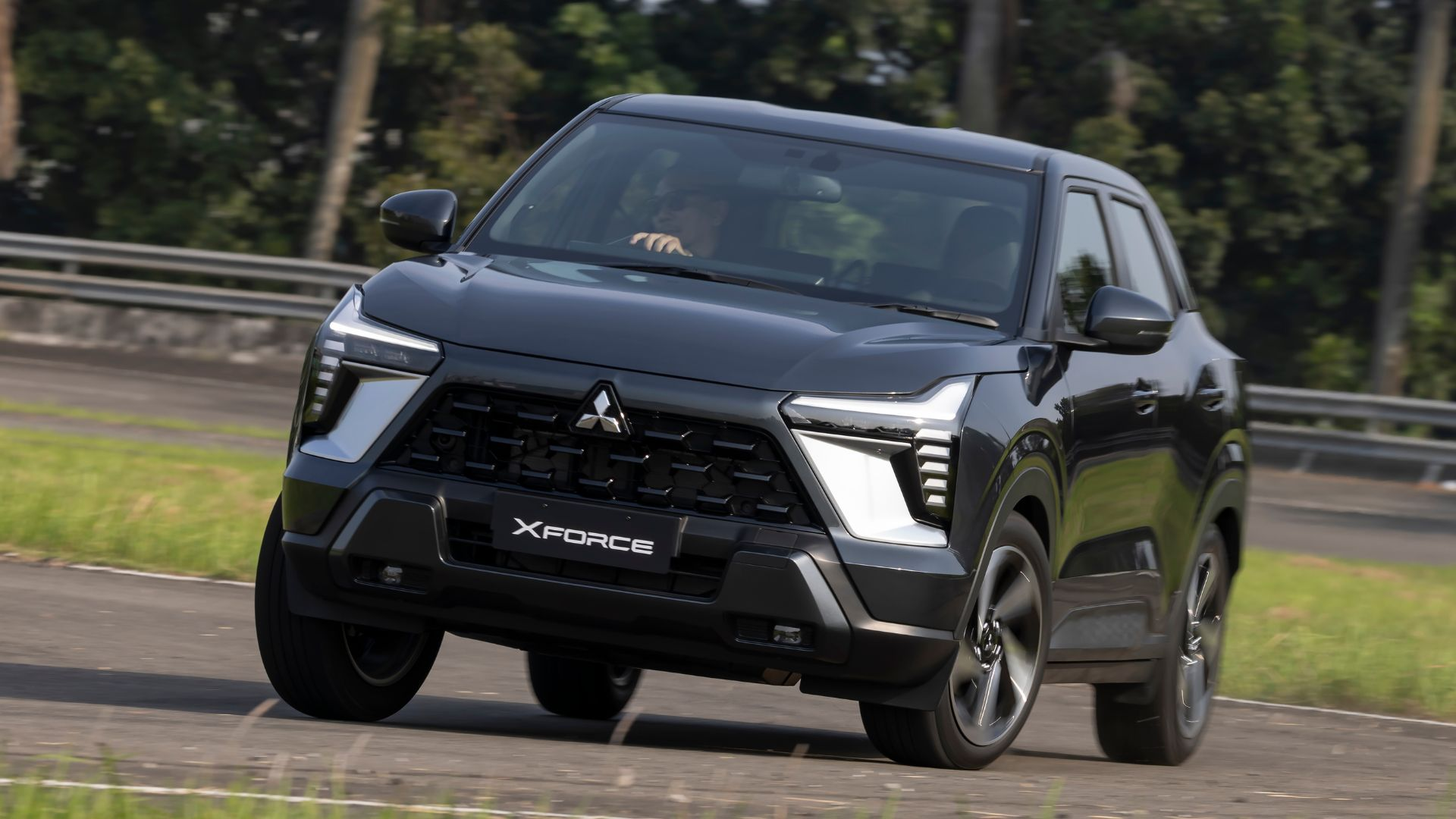
Therefore, for the urban driver prioritising flexibility and ease in urban settings, prioritizing flexibility and ease of driving without paying extra for unnecessary space, the Xforce presents itself as the more suitable choice.
Conversely, for larger families requiring more space, power, and range and clear demands for space and power, the Destinator emerges as the unequivocal contender.
If any infringement occurs, please contact us for deletion








Popular Cars
Model Year
Car Compare
Car Photo