
Proton announced the establishment of an export company, aiming to achieve an annual export volume of 60,000 cars by 2030.
 Kevin WongJul 29, 2025, 02:18 PM
[PCauto] Proton has recently announced the establishment of a wholly owned subsidiary—Proton International Corporation (PICSB)—to spearhead its overseas market expansion. This move marks a new phase in Proton’s global strategy, with the company aiming to export 60,000 vehicles annually by 2030. It also targets raising the share of exports from the current 5% to between 15% and 20%.
Proton’s International Journey Dates Back to 1986
Just one year after launching its first model--the Saga, Proton successfully entered the Bangladesh market. In 1992, it made a major breakthrough in the UK, selling 15,000 units in a single year. By the early 2000s, Proton had exported vehicles to 64 countries and regions, demonstrating strong global competitiveness.
The Proton’s export business has maintained steady growth. Between 2020 and 2025, the company exported a total of 20,169 vehicles to 19 countries. In 2024 alone, export volume reached 12,000 units—up 40% year-on-year—reflecting strong momentum and laying a solid foundation for achieving its 2030 target.
A Well-Established Export Lineup
The Saga remains the company’s export mainstay, with cumulative exports reaching 10,998 units. SUV models X50 and X70 have also performed well, with 3,986 and 3,316 units exported respectively.
Of particular note is the strong performance of the Proton’s all-electric e.MAS 7, which was launched at the end of 2024. As of May 2025, global sales had reached 3,632 units, including 233 exports to markets such as Nepal and Trinidad and Tobago.
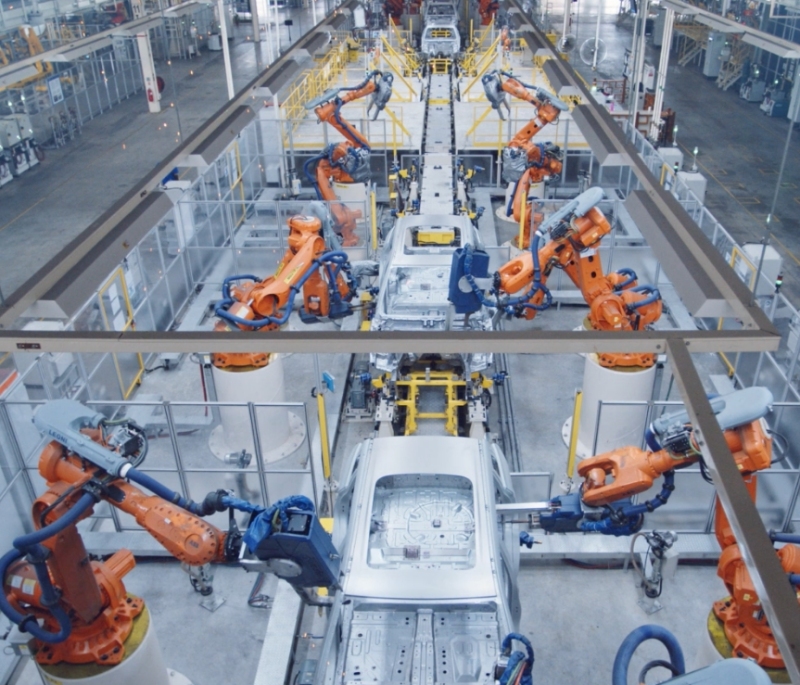
Proton Outlines Global Expansion Strategy to Meet 2030 Targets
In Southeast Asia, Proton is focusing on right-hand-drive markets such as Thailand, Indonesia, and the Philippines. The company is currently developing a robust 3S (Sales, Service, Spare parts) center network in the Philippines to enhance local service capabilities. As Proton’s traditional stronghold, Southeast Asia is expected to remain a core market going forward.
In the Middle East, Proton is advancing its presence through a strategic partnership with GB Auto in Egypt. Localized CKD (Completely Knocked Down) assembly of the Saga model is scheduled to begin in Q4 2025. This approach is aimed at reducing tariff costs and better aligning with local market needs. Meanwhile, collaboration with the AlGhanim Group has enabled Proton to successfully enter the Kuwaiti market.
Africa is emerging as a new growth frontier. Proton has selected South Africa and Kenya as pilot markets, with exports of the X50 model to both countries beginning in 2024. As these markets mature, Africa is expected to become an important driver of Proton’s future export growth.
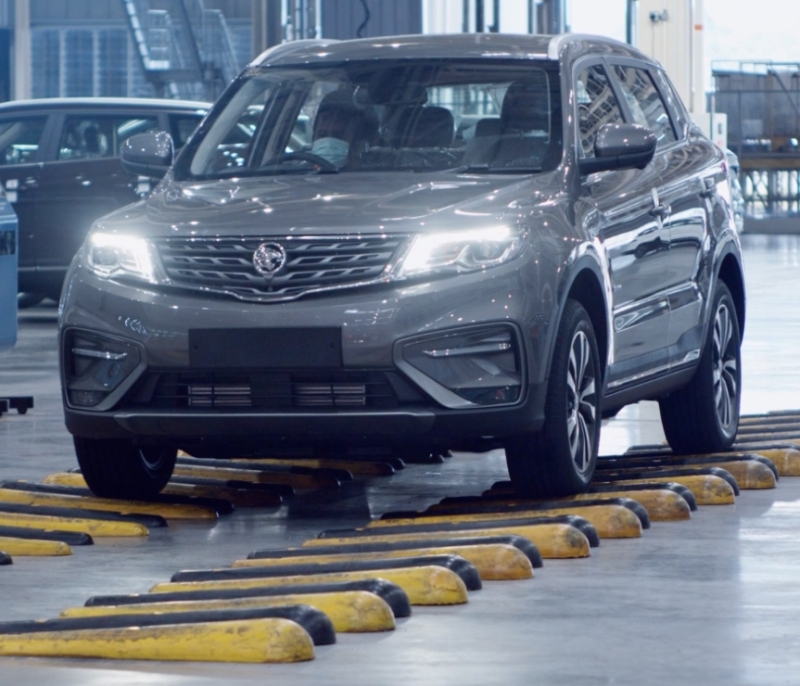
Deepening Collaboration with Geely to Boost Product Competitiveness
Proton continues to leverage its strategic partnership with Geely to strengthen its product lineup. Both the X50 and X70 SUV models are developed on Geely platforms, which has significantly shortened development cycles and reduced R&D costs. This technical synergy enables Proton to offer more competitively priced vehicles without compromising on quality or features.
In addition, Proton is developing the Automotive High-Tech Valley (AHTV) in Malaysia—a modern production hub designed to greatly enhance its manufacturing capacity and operational efficiency. According to the company, the AHTV project is progressing smoothly and remains on track for its planned launch, providing a solid foundation for Proton’s growing export business.
Challenges Remain on the Path to 2030
Despite encouraging progress, Proton still faces significant challenges in reaching its 2030 export target. In Southeast Asia, Japanese brands such as Toyota and Honda have long dominated the market, backed by strong brand loyalty and well-established customer bases. To overcome this, Proton is pursuing a differentiation strategy—boosting product competitiveness through Geely’s technology, emphasizing value-for-money offerings, and expanding its after-sales service network.
In the electric vehicle space, while the e.MAS 7 has made a promising start, Proton faces stiff competition from global giants like Tesla and BYD. To stay competitive, the company plans to ramp up R&D investment and accelerate product updates. Over the next three years, Proton aims to introduce more EV models and further develop its new energy vehicle lineup.
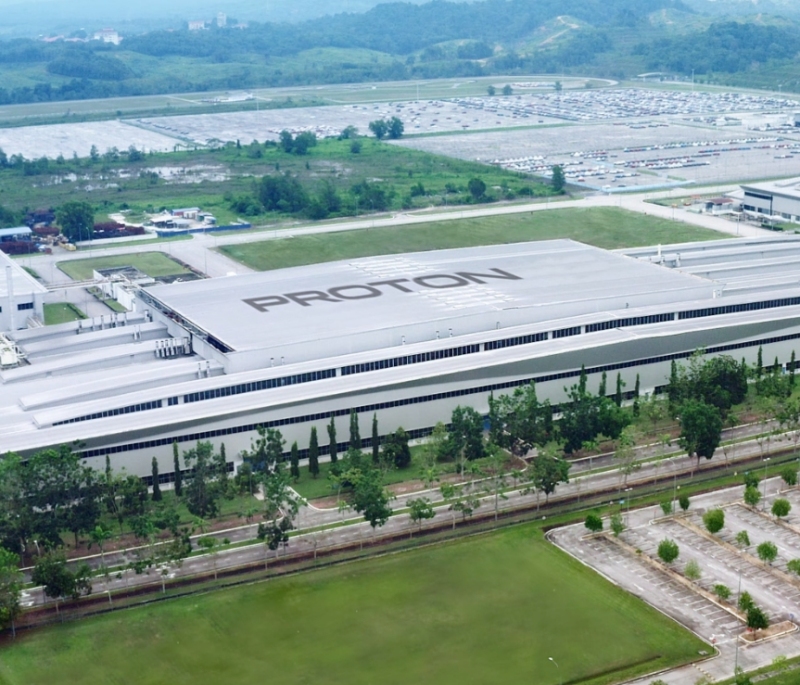
Proton has stated that the establishment of a dedicated export company marks a significant milestone in the brand’s development. Moving forward, Proton aims to drive its globalization strategy with a more flexible operating model and a more specialized team.
If any infringement occurs, please contact us for deletion









Popular Cars
Model Year
Car Compare
Car Photo