
About Jaecoo J7, 3 Things Car Owners and Prospective Owners Need to Know
 MichaelFeb 22, 2026, 01:08 PM

[PCauto] In January 2026, Chery recalled certain Jaecoo J7 and Tiggo 7 models in China over potential powertrain issues that could lead to sudden engine stalling. As soon as the news broke, many J7 owners began to worry that their vehicles might face similar problems.
Based on owner feedback from 2024 to 2026, let’s examine the situation and discuss the three issues that concern J7 owners most following this recall.

Malaysia's J7 recall is unrelated to the Chinese market
The context of this recall varies between the Chinese and Malaysian markets. In China, some Jaecoo J7 models were recalled in January 2026. Subsequently, Chery/Jaecoo Malaysia issued a swift response, clarifying that the J7s sold in Malaysia are locally assembled and subject to strict quality control, and are therefore unaffected by the Chinese recall.
The current J7 is manufactured at Chery’s newly built factory in Malaysia, which was established in 2024. Although the company states that local assembly ensures quality, some owners remain uneasy.
This unease stems mainly from past incidents that have sown doubt. Between 2024 and 2025, Chery’s Omoda 5 was recalled in Southeast Asia due to rear axle fractures, affecting thousands of units. Although the chassis design of the J7 differs from that of the Omoda 5, both vehicles belong to the same brand and partly share a supply chain, leading to inevitable concerns.
The quality of the J7’s rear axle welding and steering tie rods remains questionable. Ultimately, it comes down to a lack of confidence in Chery’s quality control.
Beyond the recall itself, owners should arguably be more concerned about three other practical issues.
First, the ADAS intelligent assistance system is overly sensitive
The Lane Keeping Assist (LKA) and Automatic Emergency Braking (AEB) systems in the J7 have been reported by many owners to be excessively sensitive. Owners report that during routine overtaking or lane changes—even with indicators activated—the LKA may abruptly intervene, overriding steering input and causing alarm.
The AEB system has also drawn criticism for instances of unnecessary intervention—sudden braking when no obstacle is present, commonly referred to as “phantom braking.” This easily causes rear-end collisions.
This is particularly hazardous on narrow roads, near construction zones, or on streets with heavy motorcycle traffic. Such erroneous interventions heighten the risk of sideswipe collisions or other accidents. This pattern suggests the issue is not isolated but likely rooted in the system’s software algorithms.

Second, after-sales service is lagging
A common complaint is the long wait for spare parts, with repair delays sometimes extending several months. Although a new parts warehouse has been added in Shah Alam, Malaysia, in May 2025, for non-consumable parts like body panels and transmission valve bodies, wait times can still reach two to three months.
This means that if the car has a malfunction or a collision, one would be left without a vehicle for an extended period, severely affecting daily commuting.
Furthermore, the 7-speed wet dual-clutch transmission (DCT) fitted to the J7 has its own set of reported issues. During low-speed driving or manoeuvres, it is prone to overheating and vibration. There have been prior incidents involving similar transmissions suffering from overheating and electrical failure. Additionally, parts for such transmissions are hard to source, take a long time to arrive, and are expensive to repair.
In addition, the after-sales service network for the J7 in Malaysia is still being gradually developed. In some regions, authorised service centres are scarce, and technician expertise can be inconsistent. When the car breaks down, having it repaired promptly and properly often depends on luck.

The third issue is that the electronic system is too unstable
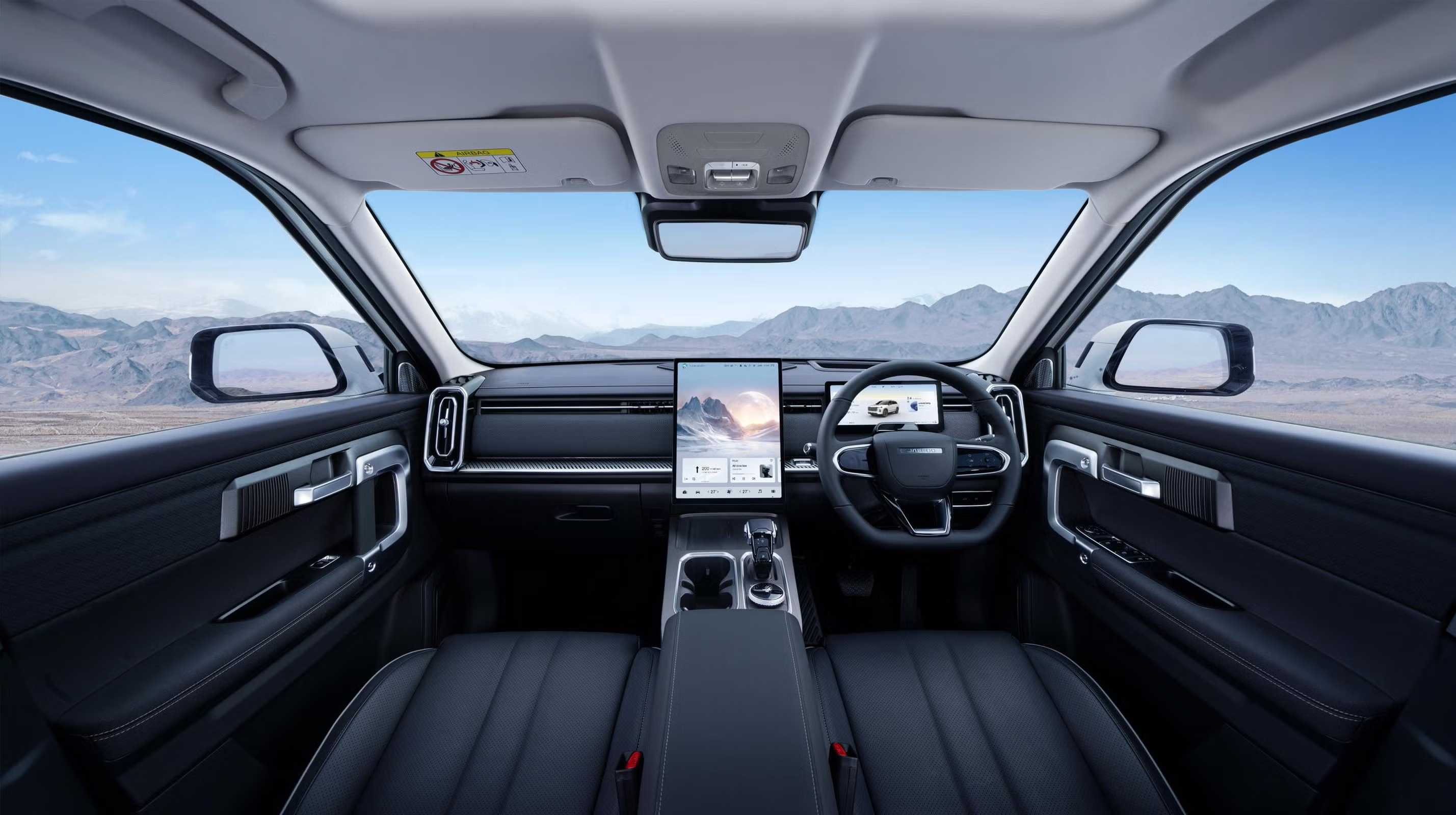
The J7 is equipped with a multitude of sensors and a 14.8-inch large screen. While it appears advanced, the electronic architecture is overly complex and prone to frequent issues.
In February 2025, a J7 caught fire in Sarawak. The investigation later revealed that the incident was caused by improper installation of an aftermarket dash camera. However, this highlights the fact that the J7 is particularly sensitive to non-original high-voltage modifications. For instance, installing a custom sound system or dash camera can easily cause short circuits or fires, and it may also disrupt the car's electronic system.
Beyond aftermarket modification risks, the vehicle itself has been prone to various electronic glitches. Frequently reported glitches include: a freezing or blank 360-degree camera; false alerts from the fatigue monitoring system (DMS); sporadic dashboard warning lights; general system lag; and failed OTA updates. These issues significantly affect the driving experience.

How to avoid these troubles?
Owners are not without recourse in addressing these concerns. Proactive steps can significantly mitigate the associated risks. First, schedule regular inspections at authorised service centres, paying particular attention to the steering column, chassis linkages, rear axle welds, and the condition of the powertrain and transmission. Additionally, minimising prolonged low-speed creeping can help reduce the risk of transmission issues.
Second, avoid installing non-original high-voltage equipment arbitrarily. If you really want to modify it, go to an authorized shop and use original parts. This can prevent safety risks and reduce warranty disputes.
Lastly, do not delay system updates. If there is an official OTA update or a notification to return to the shop for an upgrade, act promptly. This can optimize the algorithms for ADAS and the car's system, reducing misjudgments and lags, and preventing these minor annoyances.
If any infringement occurs, please contact us for deletion










Popular Cars
Model Year
Car Compare
Car Photo