
The Chief Interior Designer of Tesla resigns, Tesla's executive resignation rate is too high
 Kevin WongMar 11, 2024, 04:31 AM
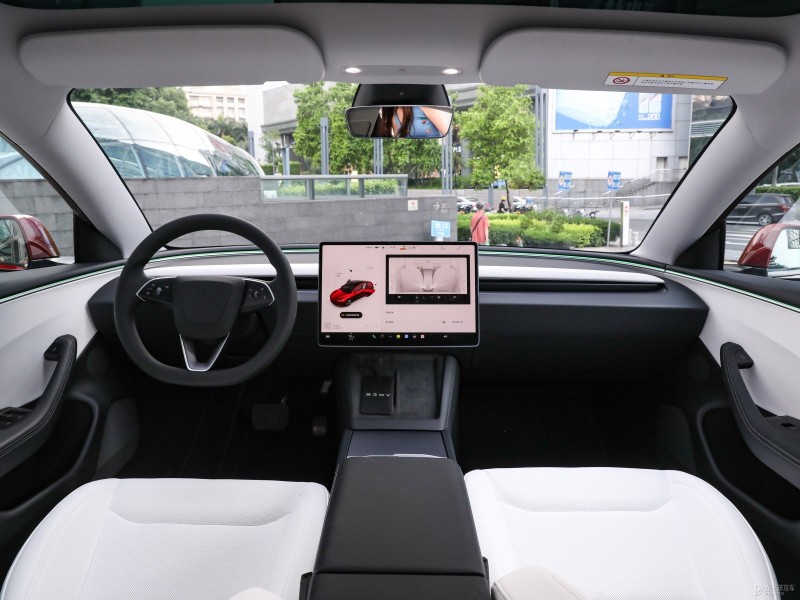
Recently, Tesla's Chief Interior Designer, Peter Blades, has resigned. Peter Blades played a leading role in the interior design of Tesla models such as the Model 3 and Model Y, and he accumulated nearly a decade of experience with the company. The Model 3 and Model Y are two flagship models that have propelled Tesla into the global market, and the interior design led by Peter Blades has become a trendsetter in the field of electric vehicle interiors.
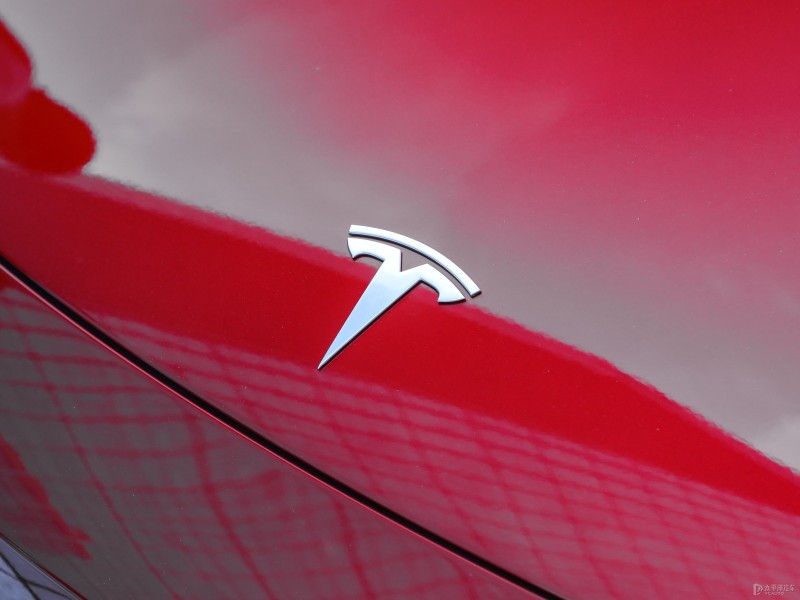
When Tesla's interior was initially revealed, many believed it was designed to meet the requirements of a low-cost, high-efficiency production line. There is no denying that the design of the interior has this factor into consideration, but it can become a trend also shows that it has done a lot of advanced design and consideration in terms of automobile intelligence and future travel.
It's worth noting that Tesla has experienced a relatively high turnover rate among its top management. Over the past year, several key executives have departed, including JB Straubel, Tesla's co-founder and former Chief Technical Officer; Zachary Kirkhorn, Tesla's Chief Financial Officer; Colin Campbell, Vice President of Tesla's Powertrain Engineering; Ganesh Venkataramanan, head of Tesla's Supercomputer project, and others.
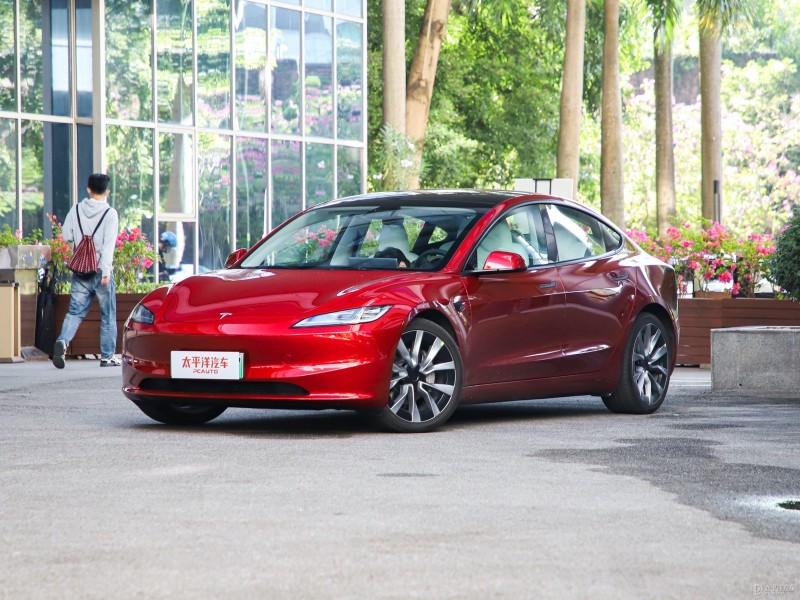
According to a survey report released by Bernstein, Tesla's executive turnover rate is relatively high, reaching 27% annually, while other Silicon Valley companies typically experience around 9% executive turnover.
After Peter Blades left Tesla, he joined the U.S. startup Skyryse as the Vice President of Design. Before his tenure at Tesla, Peter Blades had worked for companies such as Nissan and GMC, contributing to the design of various models under their respective brands.
(Author: Kevin Wong)
If any infringement occurs, please contact us for deletion










Popular Cars
Model Year
Car Compare
Car Photo