Understanding The Classification of New Energy Vehicles in One Article: BEV, PHEV, HEV and FCEV

AshleyMar 28, 2024, 02:49 PM
The Thai government places a high priority on the development of the new energy vehicle industry and has introduced a series of policies and measures to support it. The Thai government's goal is for zero-emission vehicles (ZEV) to account for at least 30% of total vehicle output by 2030, that is, 725,000 cars and 675,000 motorcycles.
The second stage of the Thai Electric Vehicle Committee's electric vehicle package (EV 3.5), which lasts for 4 years (2024-2027) is to promote the continuous growth of the electric vehicle industry and provide investment opportunities for new participants in Thai electric vehicle manufacturing. The government will provide subsidies for the purchase of electric vehicles, electric pickups, and electric motorcycles based on the type and battery capacity of the vehicles.
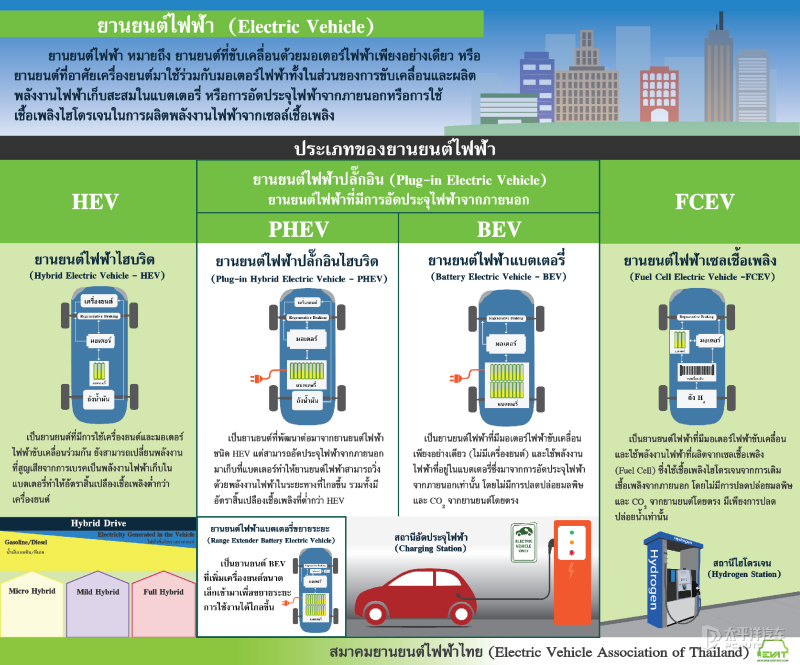
Classification of New Energy Vehicles
New energy vehicles are vehicles that use non-traditional energy for driving.
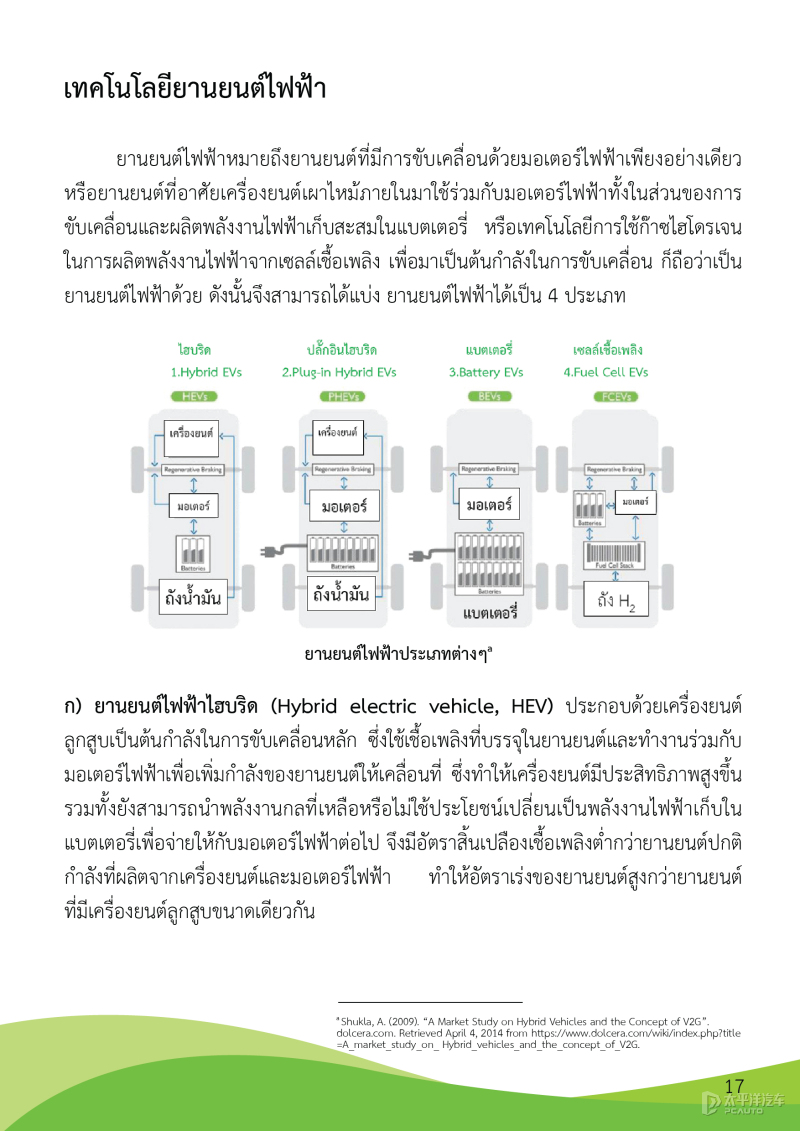
1. Battery Electric Vehicles (BEV): Driven only by electric motors, using battery-stored electricity as a power source.
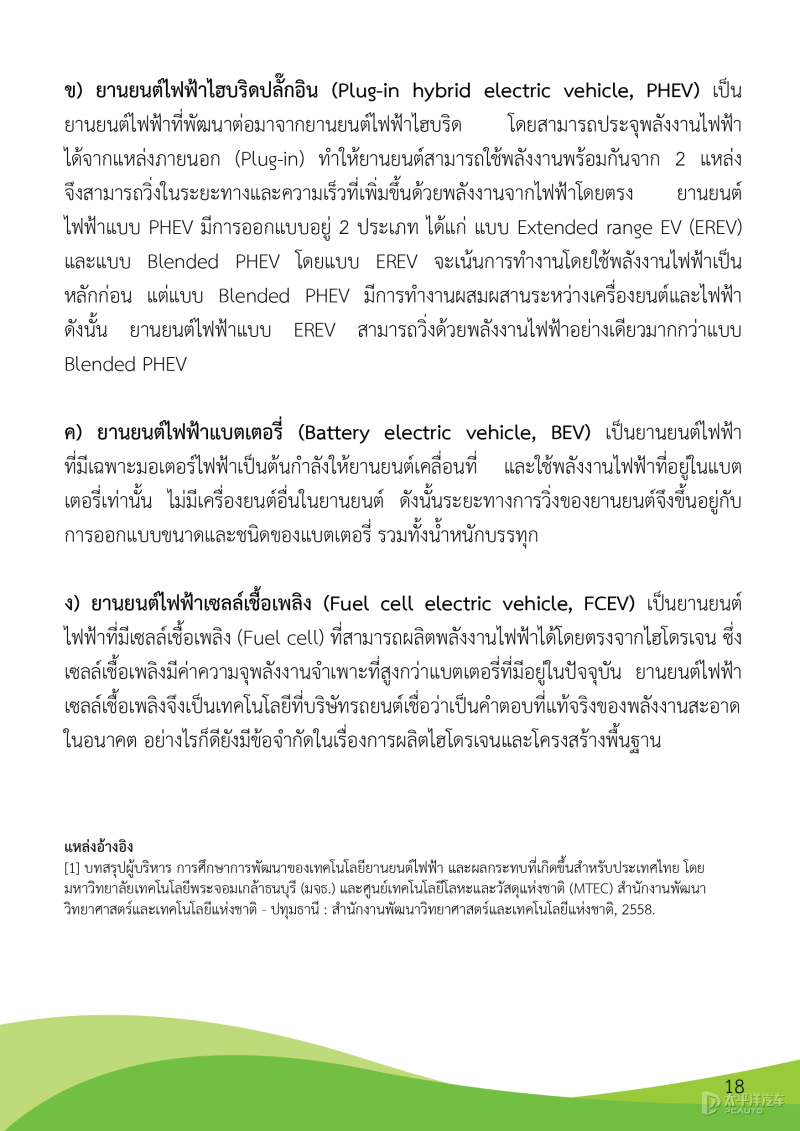
2. Plug-in Hybrid Electric Vehicles (PHEV): Driven by both electric motors and engines, can use both battery electricity and gasoline or diesel as power sources.
3. Hybrid Electric Vehicles (HEV): Driven by both electric motors and engines, but cannot be charged externally, only the engine can generate electricity to charge the battery.
4. Fuel Cell Electric Vehicles (FCEV): Vehicles driven by fuel cell power generation, where fuel cells convert hydrogen and oxygen into electricity.
If any infringement occurs, please contact us for deletion

Trending News

Perodua Traz VS Ativa, which one is more worth buying?
Traz, as a newly launched mid-sized SUV, offers more spacious room and mainstream power compared to small SUVs, but its pricing appears slightly higher than that of Ativa. Ativa, on the other hand, is Perodua's long-time best-selling small SUV with more affordable pricing and a balanced combination of power and tech features.

Perodua Myvi and Bezza may undergo major upgrades in 2026
After the update, the Bezza will no longer be just a low-cost alternative but a core model in the Perodua system with greater market competitiveness and brand premium potential. The upgrade of the Myvi is not to be unconventional but to strengthen the brand and market, ensuring that the Myvi continues to maintain its irreplaceable position in the new round of product competition.

Perodua Traz VS Toyota Yaris Cross, where does the Traz fall short?
Before the official launch of the Perodua Traz, market expectations were actually very high because it shares the same DNGA platform as the Toyota Yaris Cross. However, sharing the same platform does not equate to the same experience, and the Traz's final performance has indeed been disappointing. Perhaps it is precisely because of the delayed launch that it has almost no competitiveness in the current competitive environment.

Will the Toyota Yaris Cross come to Malaysia? If it comes, how much will it sell for?
The launch of Perodua Traz indicates that the market size of small SUVs in Malaysia has been expanding in recent years. However, the question naturally shifts back to Toyota. As a brand with the most comprehensive product line and a strong foundation in both the SUV and hybrid sectors, will Toyota choose the Yaris Cross to participate in this small SUV competition?

Why is the Toyota Sienna so popular with so many people?
In Malaysia, most family MPVs choose Toyota Alphard, Vellfire, or Kia Carnival. These models each have their advantages in luxury, space, or brand influence, but models that truly balance large space, multifunctional practicality, fuel efficiency, and reliability are rarely seen.
Popular Cars
Model Year
Car Compare
Car Photo