
Which is better, a 1.6 engine or a 2.0 engine?
 LienMar 25, 2026, 10:27 AM
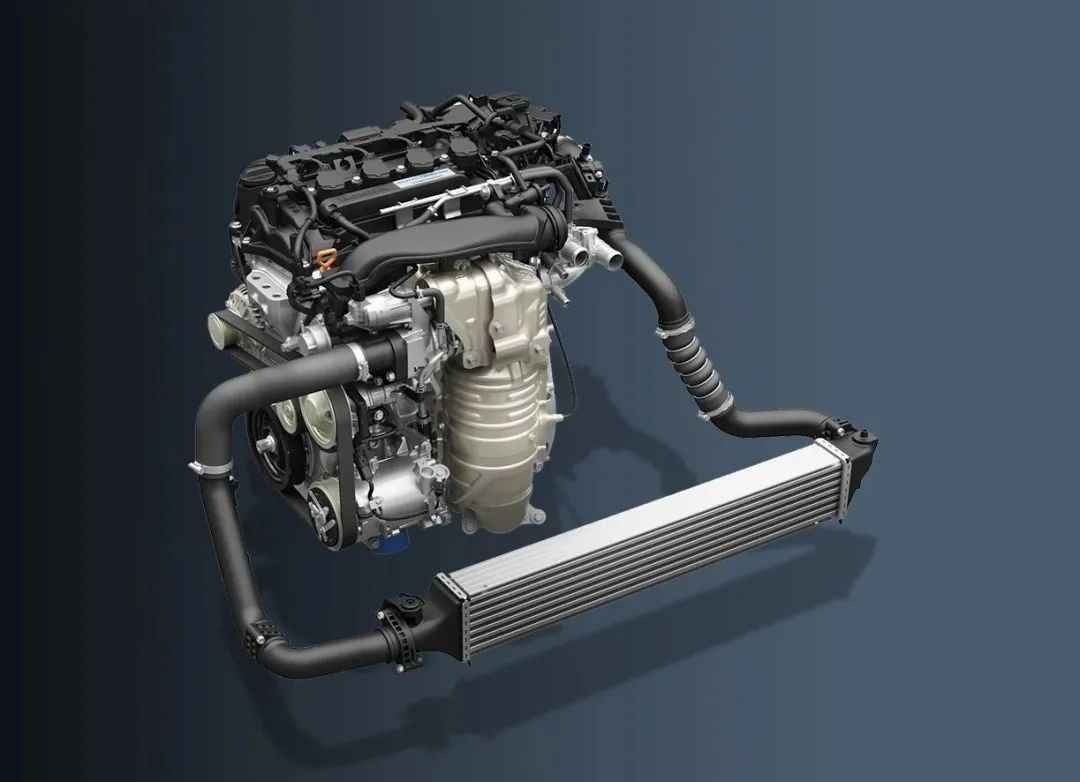
[PCauto] Leaving aside tax issues, whether a 1.6 or 2.0 engine is better is a complex question.
For most people, the intuition about car power is very simple: the bigger the number, the stronger the power.
A 2.0L engine is indeed inherently superior to a 1.6L engine in terms of its physical characteristics. The 2.0L engine has a larger cylinder volume, meaning that in each intake stroke, it can draw in more air and inject more fuel for combustion, directly translating to stronger low-rpm torque and more abundant power.
Especially when fully loaded or overtaking at high speeds, the 2.0L engine delivers a sense of effortless composure that smaller engines simply can't replicate.
However, with the advancement of modern internal combustion engine technology, this displacement-based difference is no longer absolute.
Today's 1.6L engines, bolstered by various technologies, are already capable of challenging or even surpassing the performance of 2.0L engines.
1.6 engines aren’t necessarily weaker
When discussing whether "1.6 is better than 2.0," turbocharging is a technology that cannot be overlooked.
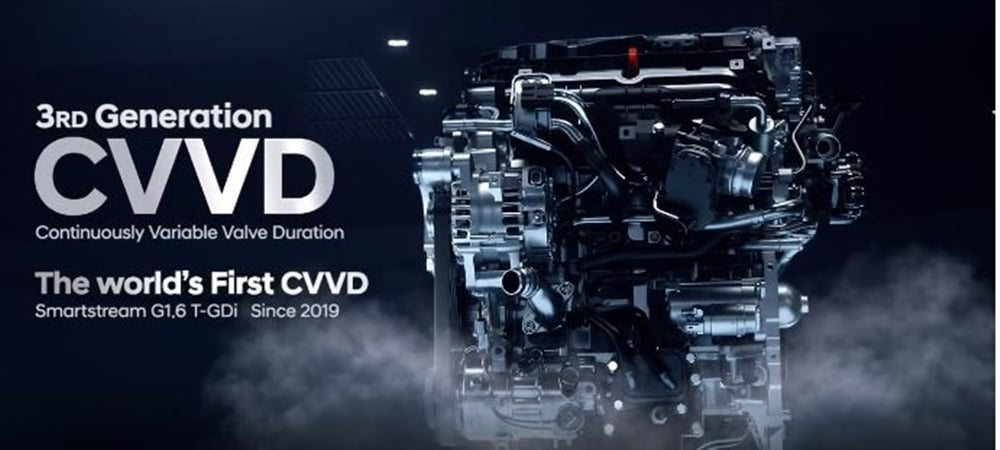
Take Hyundai/Kia's Smartstream 1.6T-GDi as an example. This engine, through CVVD (Continuously Variable Valve Duration) technology, can output about 180 PS of horsepower and 265 Nm of peak torque.
In comparison, a mainstream 2.0L naturally aspirated (NA) engine (e.g., the typical Mazda 2.0 Skyactiv-G, outputting approximately 165 PS / 213 Nm) actually falls behind in torque performance.
The 1.6T engine, utilizing turbocharged intake, allows a small displacement to achieve the explosive power of a larger displacement. Especially in city traffic with frequent stops and starts, the characteristic of the 1.6T reaching maximum torque at low rpm offers a driving experience that feels lighter and more agile than a 2.0L NA engine.
1.6 L NA is not just about being cheaper
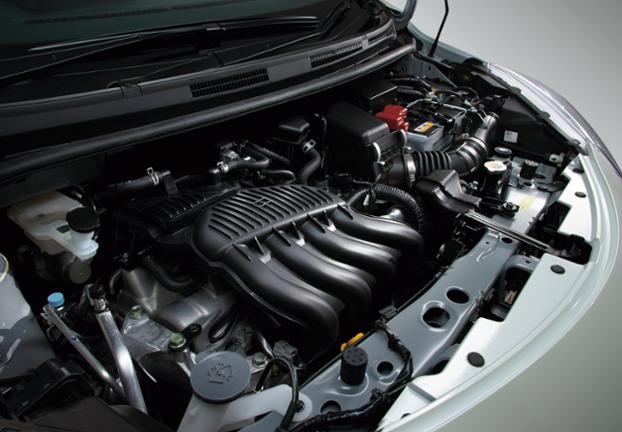
Even the naturally aspirated 1.6L engine without a turbocharger (such as Nissan HR16DE) is not completely outclassed in competition with a 2.0L engine.
Although its absolute power (about 122 PS) cannot compete with a 2.0L engine, it demonstrates a dominant advantage in extreme fuel economy and maintenance convenience.
For budget-sensitive consumers, the 1.6L NA engine has a simple structure, lower thermal management stress, and enjoys lower tax rates in many markets.
If you're looking for a practical workhorse that shields you from the elements and runs reliably year after year, the 1.6L naturally aspirated engine’s ownership cost advantage is one a 2.0L simply cannot match.
So what’s the point of a 2.0L engine?
If the 1.6T offers more power and the 1.6NA is more economical, then what justifies the existence of a 2.0L engine?
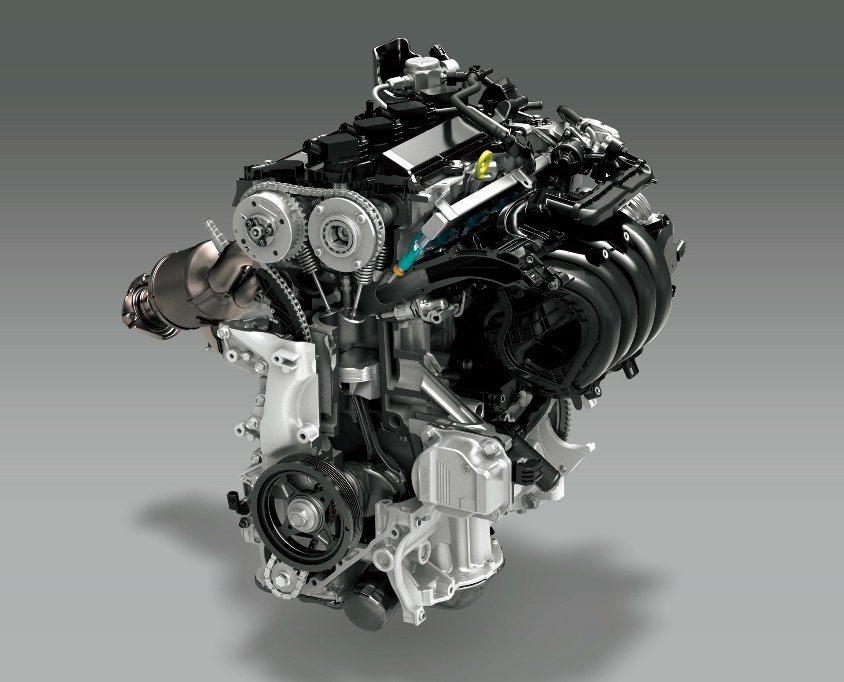
During long drives, a 2.0L engine (especially a high thermal efficiency model like the Toyota M20A-FKS) showcases its core strength of linear power delivery.
Without the abruptness of turbo engagement, the throttle response is smoother.
Additionally, larger displacement engines typically maintain steadier RPMs during highway cruising, and their NVH (noise, vibration, and harshness) performance is often superior to that of small displacement engines with high turbo boost.
This is precisely why many buyers who value driving quality firmly choose a 2.0L engine.
2.0 Turbo is the ultimate answer if your budget allows
Of course, if we compare with the 2.0 Turbo (like the Volkswagen EA888), then the advantages of the 1.6 engine are basically limited to "fuel efficiency" and "cost savings."
The 2.0T engine not only boasts over 200 PS of power reserve but also delivers robust torque in the range of 350 Nm.
This is not just an increase in numbers but a qualitative transformation in driving confidence.
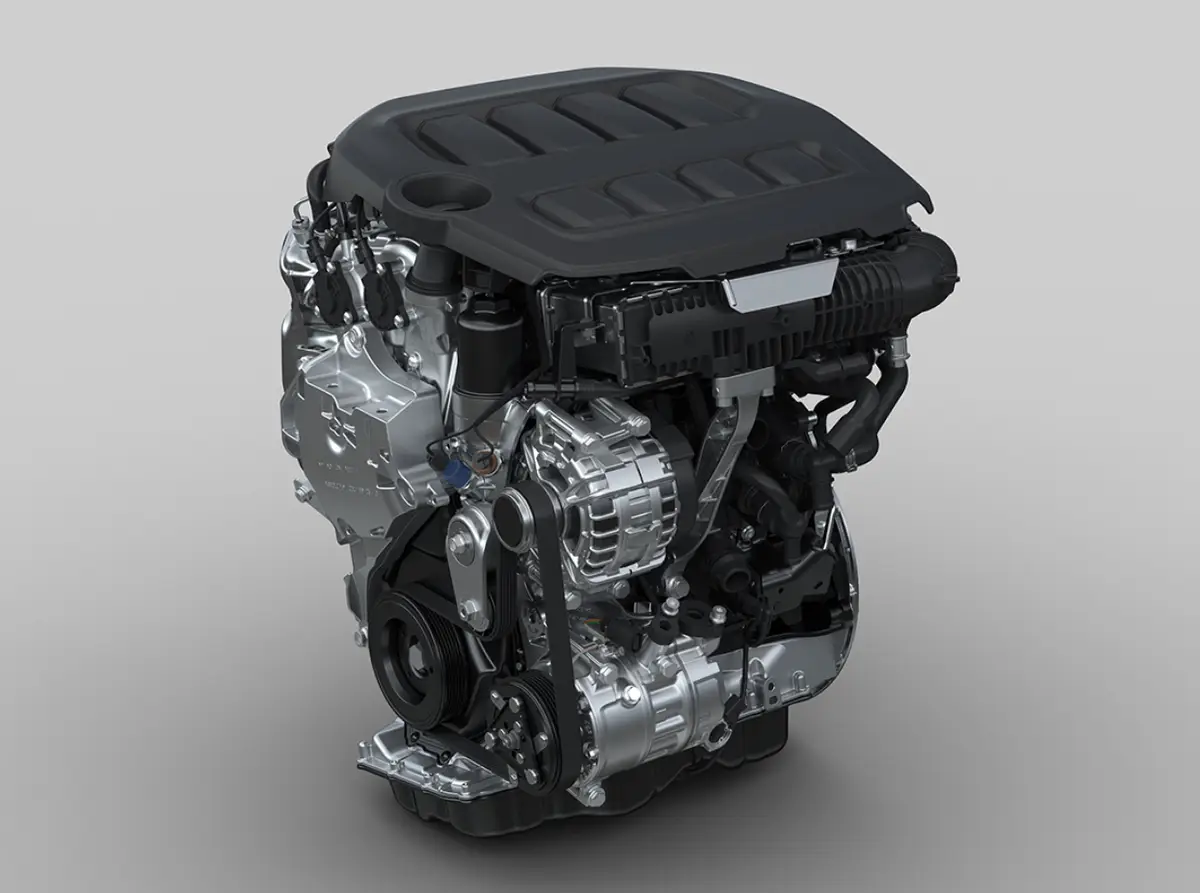
Which is better, a 1.6 or 2.0 engine?
· Choose 1.6L NA: For those seeking ultimate peace of mind, low maintenance costs, primarily for urban use like grocery shopping and school runs.
· Choose 1.6T: For those who want the thrill of acceleration and advanced technology that surpasses a 2.0L engine without paying high taxes.
· Choose 2.0L NA: For those who value smooth long-distance driving, linear power delivery, and long-term engine durability.
· Choose 2.0T: For those with a sufficient budget who demand high performance, excellent high-speed acceleration, and strong full-load capacity.
While engine displacement numbers do determine potential, technological advancements can enable a 1.6 engine to achieve impressive performance in real-world scenarios.
Data is merely a reference; we cannot make a simple judgment based purely on numbers. Only by test-driving can you find the one that suits you best.
If any infringement occurs, please contact us for deletion








Popular Cars
Model Year
Car Compare
Car Photo