
Q
How to connect Apple CarPlay wirelessly to the Mazda CX-5 infotainment system?
 MysticMoonMay 07, 2025, 02:50 PM
In Malaysia, to wirelessly connect Apple CarPlay to your Mazda CX-5, you first need to ensure that your vehicle supports wireless connectivity. Then, update your iPhone to the latest iOS version and enable both Bluetooth and Wi-Fi in your iPhone's settings. Access the infotainment system settings in your Mazda CX-5, find and select the Apple CarPlay option, and follow the on-screen prompts to complete the pairing process. Please note that the vehicle should be in park during the operation.
Special Disclaimer: This content is published by users and does not represent the views or position of PCauto.
Related Q&A
Q
Is the 2024 Mazda CX-5 petrol or diesel better?
The 2024 Mazda CX-5 is available in both gasoline and diesel variants in the Malaysian market. The optimal choice depends primarily on your driving needs. The gasoline model features 2.0L and 2.5L Skyactiv-G naturally aspirated engines, delivering smooth power output and lower maintenance costs. It excels for urban commuting and daily family use, particularly benefiting drivers who frequently make short trips. The diesel variant features a 2.2L Skyactiv-D turbocharged engine, delivering greater torque and superior fuel efficiency. It excels for long-distance driving or frequent cargo transport, though diesel vehicles typically carry higher purchase and maintenance costs. Given Malaysia's relatively low diesel prices, the diesel model may prove more economical over extended use for high-mileage drivers. Both models come standard with Mazda's i-Activsense safety suite, and their interior quality and handling performance are consistent. Note that diesel vehicles demand higher fuel quality standards; regular maintenance at authorized service centers is recommended. If you prioritize a quiet, comfortable driving experience, the gasoline model is preferable. For those focused on fuel efficiency and responsive power delivery, the diesel variant is worth considering.
 HappyThoughtsSunshineSep 19, 2025
Q
How many cc is the 2024 Mazda CX-5?
The 2024 Mazda CX-5 hits the Malaysian market with two petrol engine choices: the 2.0-litre and 2.5-litre Skyactiv-G naturally aspirated units. The 2.0L checks in at 1998cc, while the 2.5L comes in at 2488cc. Both powerplants leverage Mazda's clever Skyactiv tech, which strikes a nice balance between fuel efficiency and power delivery—ideal for both Malaysian city commutes and longer highway hauls.
Now, naturally aspirated engines are known for their linear power delivery at higher revs and generally lower maintenance costs, though they might not quite match turbocharged engines for low-end torque. But Mazda's done a solid job with the tuning here, so the CX-5 still feels plenty responsive in day-to-day driving.
For Malaysian buyers, the 2.0-litre variant makes a lot of sense if you're mostly zipping around the city. On the other hand, if you often carry extra passengers, load up the boot, or just want that little bit more grunt when you need it, the 2.5-litre is the way to go. Factor in the CX-5's reputation for sharp handling and that eye-catching Kodo design language, and it's definitely a strong contender in the mid-size SUV segment.
 NatureBeautyAllAroundSep 19, 2025
Q
How many miles can a 2024 Mazda CX-5 go on a full tank of gas?
The 2024 Mazda CX-5's range depends on its fuel tank capacity and real-world fuel efficiency. Here in Malaysia, the CX-5 typically comes with a 58-liter fuel tank. Official figures peg its combined fuel consumption at around 7.2 to 7.8 liters per 100 kilometers, so you're looking at a projected range of roughly 740 to 800 kilometers on a full tank. Of course, your actual mileage will vary based on driving habits, road conditions, and how much you're carrying.
Under the hood, the CX-5's Skyactiv-G engine and i-Stop idle-stop tech work together to keep fuel use in check. Keep a steady pace on the highway, and you might even stretch that range a bit further. For Malaysian drivers, though, our hot weather and stop-start city traffic could nudge fuel consumption up slightly. A little regular maintenance and keeping an eye on tire pressure should help you get the best out of it.
In the same segment, rivals like the Honda CR-V or Toyota RAV4 offer pretty similar range figures. At the end of the day, it really comes down to personal preference and what you need from your SUV.
 FriendshipSep 19, 2025
Q
Which 2024 Mazda CX-5 has the best gas mileage?
The 2024 Mazda CX-5 offers multiple powertrain options in the Malaysian market, with the front-wheel-drive variant featuring the 2.0-liter Skyactiv-G naturally aspirated engine delivering the best fuel economy. Official data indicates a combined fuel consumption of approximately 6.5-6.8 liters per 100 kilometers, striking a balance suitable for both daily urban commuting and long-distance driving. This engine pairs with an optimized 6-speed automatic transmission, leveraging Mazda's exclusive Skyactiv technology to achieve efficient combustion and low friction losses while preserving the brand's signature driving pleasure. For further fuel efficiency gains, maintain proper tire pressure, avoid aggressive acceleration and braking, and use the air conditioning system judiciously. It's worth noting that the hybrid variant is not currently available in Malaysia. However, the conventional gasoline-powered CX-5 still delivers competitive fuel economy among its SUV peers, particularly offering more stable consumption in congested traffic compared to some turbocharged models. For Malaysian buyers, opting for the front-wheel-drive (FWD) version not only reduces fuel costs but also lowers the initial purchase price, as FWD models are typically more affordable than their all wheel-drive (AWD) counterparts.
 HappyLobsterSep 19, 2025
Q
How many litres does a 2024 Mazda CX-5 use per 100 km?
The 2024 Mazda CX-5's fuel efficiency in the Malaysian market varies depending on model configuration and driving conditions. According to official data, its combined fuel consumption ranges approximately between 6.5 and 7.5 liters per 100 kilometers. with specific figures depending on the engine type and drivetrain configuration. For instance, the front-wheel-drive version with a 2.0-liter naturally aspirated engine tends to be more fuel-efficient, while models equipped with a 2.5-liter engine or all-wheel drive may exhibit slightly higher consumption. Driving conditions in Malaysia, such as urban congestion or highway cruising, also influence real-world fuel economy. Owners are advised to assess their vehicle's performance based on personal driving habits and road conditions. Additionally, the Mazda CX-5 incorporates Skyactiv technology, optimizing fuel efficiency and power output while maintaining an excellent driving experience. This makes it a solid choice for Malaysian consumers seeking a balance between fuel economy and performance. Routine maintenance and details like tire pressure also affect fuel consumption, and regular servicing helps keep the vehicle in optimal condition.
ForestSep 19, 2025Q
How big is the fuel tank on a 2024 Mazda CX-5?
The 2024 Mazda CX-5 comes with a 58-liter fuel tank, a design that strikes a good balance between meeting daily commuting needs and longer road trips, all while keeping fuel efficiency in mind. For Malaysian drivers, this 58-liter tank typically translates to a range of around 600 to 700 kilometers in urban settings, though your actual mileage will vary depending on driving style and traffic conditions. Hit the highway, and you can expect to stretch that range even further.
A big part of that efficiency story is Mazda's Skyactiv technology, which optimizes fuel burn to help you go that extra mile. Good news too for local owners: Malaysia's fuel quality plays nice with the CX-5's engine. We recommend sticking with RON 95 or higher octane fuel to ensure the engine performs at its peak. If you're someone who racks up the highway klicks regularly, a quick periodic check of the fuel tank and system is a smart move to keep everything running smoothly.
In the Malaysian market, the CX-5 has built a solid rep for reliability and driving enjoyment. Its 58-liter fuel tank sits comfortably in the upper-middle range for SUVs in its class, making it more than capable of handling the demands of most drivers.
 EmeraldSep 18, 2025
Q
Where is the 2024 CX-5 made?
The 2024 Mazda CX-5 is primarily built at the Hofu plant in Hiroshima, Japan – one of Mazda's core global manufacturing hubs, renowned for its top-tier craftsmanship and strict quality control. Now, for the Malaysian market, some CX-5 variants might roll out of the Rayong, Thailand facility. That factory handles supply for right-hand-drive markets across Southeast Asia, ensuring the vehicles are properly localized and delivered efficiently.
Malaysian buyers can actually check the origin using the VIN (Vehicle Identification Number): a "J" at the start means it's from Japan, while an "M" points to Thailand. Importantly, both production sites stick to Mazda's unified quality benchmarks. However, the Thai-built models might have subtle tweaks, maybe in rear-seat amenities or suspension tuning, to better suit typical Southeast Asian road conditions.
It's worth noting Mazda's been pushing a "single model, multiple production locations" strategy lately. This helps optimize costs and allows quicker responses to regional demands. For instance, the CX-5 is also assembled in places like Russia and Mexico. But for Southeast Asian specs, Japan and Thailand remain the main sources.
As always, I'd recommend chatting with your local Mazda dealer before buying. They can confirm the specific production batch and trim details of the CX-5 you're eyeing, making sure you get the exact setup that fits your needs best.
 JoyfulMelodyHeartbeatSep 18, 2025
Q
Is there a recall on Mazda CX-5 2024?
As of now, Mazda Malaysia hasn't issued any official recall notices for the 2024 CX-5. Owners can head to the "Recall Check" section on Mazda Malaysia's official website and punch in their Vehicle Identification Number (VIN) to confirm the latest status. If there are any safety-related updates down the line, Mazda typically gets in touch with owners through their registered dealerships to arrange free inspections and repairs. We recommend Malaysian CX-5 owners keep a regular eye on their vehicle's condition and stay tuned to official channels—think the Road Transport Department (JPJ) or announcements from authorized Mazda service centers. Recalls are almost always about safety first, like potential part glitches or software tweaks, and they don't reflect poorly on the overall quality of the vehicle. Proactively responding to a recall ensures your ride stays up to the highest safety standards. The CX-5 remains a popular SUV choice, and its safety tech like the i-Activsense system has always earned high marks. Owners should also consider regular preventive check-ups at authorized service centers to keep their CX-5 performing at its best.
 HappyCamelSep 18, 2025
Q
What type of oil does a 2024 Mazda CX-5 take?
For the 2024 Mazda CX-5 in Malaysia, Mazda recommends using 0W-20 fully synthetic engine oil that meets their factory specifications. This low-viscosity oil does a solid job boosting fuel efficiency and cutting down on engine wear during cold starts – perfect for daily driving in our tropical climate. If you're pushing the car hard with spirited driving or it's got some serious miles on the clock, stepping up to 5W-30 might be a good call for better high-temperature protection. But honestly, your best bet is to stick to what the owner's manual or Mazda's authorized service centers suggest first.
One thing to keep in mind: Malaysia's hot and humid conditions can really make oil break down faster. So even with fully synthetic stuff, you've gotta stay strict on oil changes – every 10,000 kilometers or 6 months, whichever comes first. When picking oil, make sure it has the latest certifications like API SP/GF-6 or ACEA C5. Those oils pack more anti-wear additives, which is crucial for protecting all the精密 (jingmì - precise) moving parts in the Skyactiv engine.
If you're mostly stuck in city traffic with a lot of stop-and-go, it's worth looking for oil with good anti-carbon buildup properties. That helps keep the engine clean inside for the long haul. And hey, do yourself a favor – buy your oil through Mazda's official after-sales channels. That way, you know you're getting the real deal, formulated for Malaysia's roads and weather. Using sketchy, unbranded oils? Yeah, that could end up voiding your warranty, and nobody wants that headache.
 MysterySep 18, 2025
Q
What is the fuel consumption per 100km of the Mazda CX-5 2024?
The 2024 Mazda CX-5's fuel economy in the Malaysian market varies depending on the powertrain and driving conditions. The 2.0-liter naturally aspirated engine variant returns a combined fuel consumption of approximately 6.5 to 7.2 liters per 100 kilometers, while the 2.5-liter version is slightly thirstier, coming in at around 7.4 to 8.1 liters per 100 kilometers. Real-world figures, however, can fluctuate based on factors like heavy city traffic, air-conditioning usage, and individual driving styles.
Mazda's Skyactiv technology plays a key role here, optimizing engine efficiency and incorporating lightweight materials to boost fuel economy without sacrificing that signature Mazda driving fun – a nice fit for Malaysia's diverse road conditions. For those looking to squeeze out a bit more from each tank, keeping your tires properly inflated, avoiding aggressive acceleration and hard braking, and making smart use of the stop-start system are all solid tips.
All in all, the CX-5 remains a popular SUV choice, striking a pretty good balance between fuel efficiency and performance. It's a practical pick for family drivers who want something that doesn't guzzle gas but still delivers when you need it.
 FastRabbitSep 18, 2025
Popular Cars
Model Year
Car Compare
Car Photo
Related Models
 Cars
CarsLatest Q&A
Q
Is AMT similar to automatic?
There are significant differences between AMT transmissions and automatic transmissions (AT) in terms of core structure and driving experience. AMT is essentially an electronically automated version of a manual transmission, simulating manual clutch operation and gear shifting through a computerized control system while retaining the gear set structure of manual transmissions. As a result, it offers higher transmission efficiency, with fuel consumption approximately 8%-12% lower than AT, making it particularly suitable for highway or long-distance driving. However, it may exhibit jerking similar to manual transmissions during low-speed gear shifts, especially noticeable in congested traffic conditions.
AT transmissions rely on torque converters for power transfer, delivering smooth and seamless gear shifts that appeal to comfort-oriented users. However, their complex structure (incorporating planetary gear sets, hydraulic systems, etc.) results in higher maintenance costs. A single service may cost between 800 to 1,500 ringgit, whereas AMT only requires gear oil replacement at approximately 400 ringgit.
From a market perspective, AMT is predominantly used in budget vehicles or commercial models priced below 80,000 ringgit, while AT is typically featured in mid-to-high-end vehicles. Consumers should select based on actual needs: AMT suits those prioritizing fuel efficiency and low maintenance costs, while AT better serves those valuing comfort. Notably, recent advancements in AMT electronic control technology have significantly mitigated jerking issues, though test drives should still emphasize low-speed performance evaluation.
 AriaMar 26, 2026
Q
Which is better, DCT or AT?
DCT (Dual-Clutch Transmission) and AT (Automatic Transmission) each have their own advantages and disadvantages, and the choice should be based on personal driving needs. AT transmissions transfer power through a torque converter, offering excellent shift smoothness, making them suitable for urban commuting or novice drivers. However, they tend to have higher fuel consumption, and vehicles equipped with them are usually more expensive. DCT transmissions utilize a dual-clutch structure, featuring fast shift speeds and high power transmission efficiency, which provides a more direct driving experience—particularly suitable for users seeking a sporty feel. However, they may exhibit jerking at low speeds and have relatively high maintenance costs. If durability and comfort are priorities, AT is the more reliable choice; if power responsiveness and driving pleasure are preferred, wet DCT (such as Volkswagen DSG) performs better, though dry DCT models should be avoided in prolonged stop-and-go traffic conditions. Additionally, CVT transmissions excel in smoothness and fuel efficiency, making them ideal for daily commuting, but they lack driving excitement. It is recommended to test-drive before purchasing, as tuning varies significantly across brands, and real-world experience is more important than theoretical specifications.
FlutteringMar 26, 2026Q
Is Amt good or bad?
AMT gearboxes have a significant cost advantage in the local market, typically being around 5,000 Ringgit cheaper than models equipped with conventional automatic transmissions. Their fuel efficiency is comparable to manual transmissions, resulting in long-term fuel savings. Featuring a straightforward design, they achieve transmission efficiency exceeding 90% with relatively low maintenance costs, making them ideal for practicality-oriented consumers. However, their shifting logic contains inherent limitations: gear changes between 1st and 2nd cause 0.3-0.5 second power interruptions, while unintended upshifts on inclines may reduce engine speed by 15%-20%, compromising driving smoothness. For urban commuters or budget-conscious buyers, AMT offers excellent value, though those prioritizing premium driving dynamics should consider alternative transmission types. Some domestic models like the Perodua Axia employ enhanced AMT systems, where optimized shift programming has reduced gearshift shock by approximately 30%.
 RainbowsMar 26, 2026
Q
Which gives better mileage, CVT or AMT?
From the perspective of fuel economy, CVT transmissions generally perform better under urban driving conditions. Their continuously variable design allows the engine to consistently operate within the optimal speed range, significantly reducing fuel consumption during frequent starts and stops. Test data shows that their fuel consumption in urban driving conditions is 10% to 15% lower than that of comparable models. AMT transmissions, on the other hand, inherit the high transmission efficiency of manual transmissions, delivering fuel efficiency close to manual transmissions during high-speed cruising. This makes them particularly suitable for long-distance driving in large-displacement vehicles. However, due to power interruption during gear shifts, their overall fuel consumption may be 5% to 8% higher than CVTs.
The difference in fuel-saving characteristics between the two transmissions stems from their technical principles: CVTs achieve continuous variability through steel belts and pulleys, eliminating the fixed gear ratio limitations of traditional transmissions; AMTs simulate manual gear changes via electronic control systems while maintaining the mechanical efficiency of gear transmission. Notably, actual fuel consumption is also influenced by driving habits. Smooth acceleration and anticipatory deceleration can maximize the transmissions' fuel-saving potential. If the vehicle budget permits and urban commuting is the primary use, CVTs offer a more economical choice. For frequent highway driving with an emphasis on cost-effectiveness, AMTs are equally worth considering.
 RubyBlazeMar 26, 2026
Q
Which is cheaper, AMT or CVT?
In terms of gearbox cost, AMT is usually more economical than CVT. Essentially, AMT is a manual transmission equipped with an electronic control unit, featuring a simple structure and low maintenance costs. The unit price ranges from approximately 5,000 to 8,000 ringgit, making it suitable for budget-conscious consumers or those who prioritize long-term operating costs. CVT incurs higher manufacturing costs due to its precision steel belt transmission system and continuous variable transmission technology, with a unit price of about 7,000 to 10,000 ringgit. However, it delivers a smoother driving experience and superior fuel efficiency. The primary differences between the two lie in technical complexity: AMT retains the gear-shifting mechanism, resulting in noticeable shift shock; CVT achieves linear power output through stepless speed variation but requires periodic belt inspection and incurs higher maintenance expenses. For those prioritizing initial cost and basic transportation needs, AMT offers better value; if comfort and long-term fuel economy are priorities, CVT represents a more worthwhile investment. Note that actual prices may vary based on vehicle model, brand, and local supply chain factors.
 ShadowProwlMar 26, 2026
Related News

The next-generation Mazda CX-5 details emerge: Brand new Skyactiv-Z engine, Independently developed hybrid system
MichaelMar 12, 2026

Mazda CX-5 cumulative sales reach 5 million, the next generation will use hybrid power
WilliamJan 30, 2026
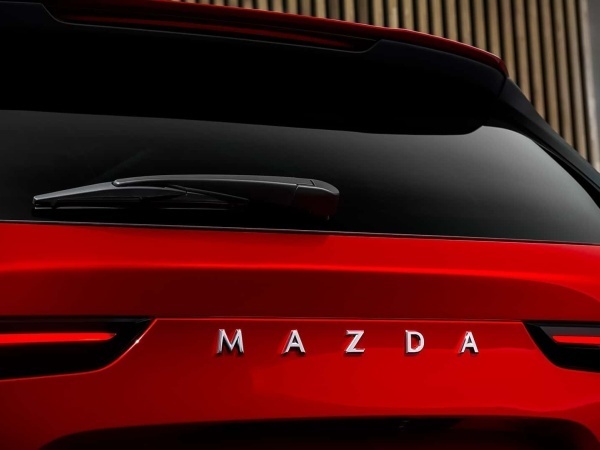
The third-generation Mazda CX-5 debuts in Europe, equipped with the largest central control screen in Mazda's history
MichaelJul 11, 2025
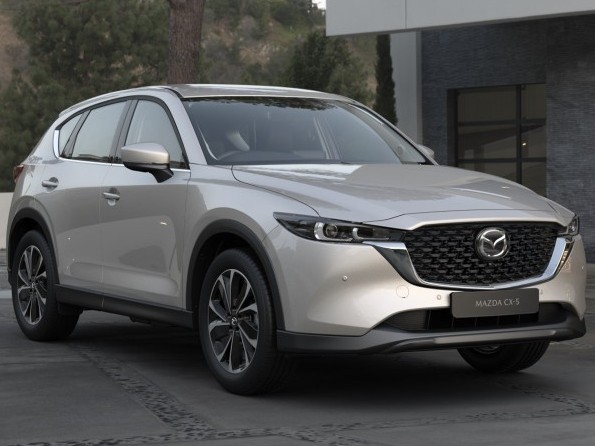
Stunning Looks, Premium Feels: Mazda CX-5's Dual Charm in Detail
AshleyApr 23, 2025
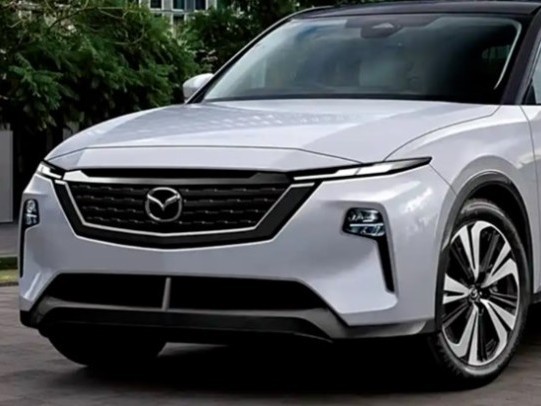
Mazda CX-5 showcased at Thailand Motor Expo 2024, new generation could be released at the Tokyo Auto Show next year
Kevin WongDec 4, 2024
View More
Pros
Cons