
Honda Prelude priced as high as $42,000, which makes me nostalgic for the old Prelude
 JamesNov 20, 2025, 10:47 AM
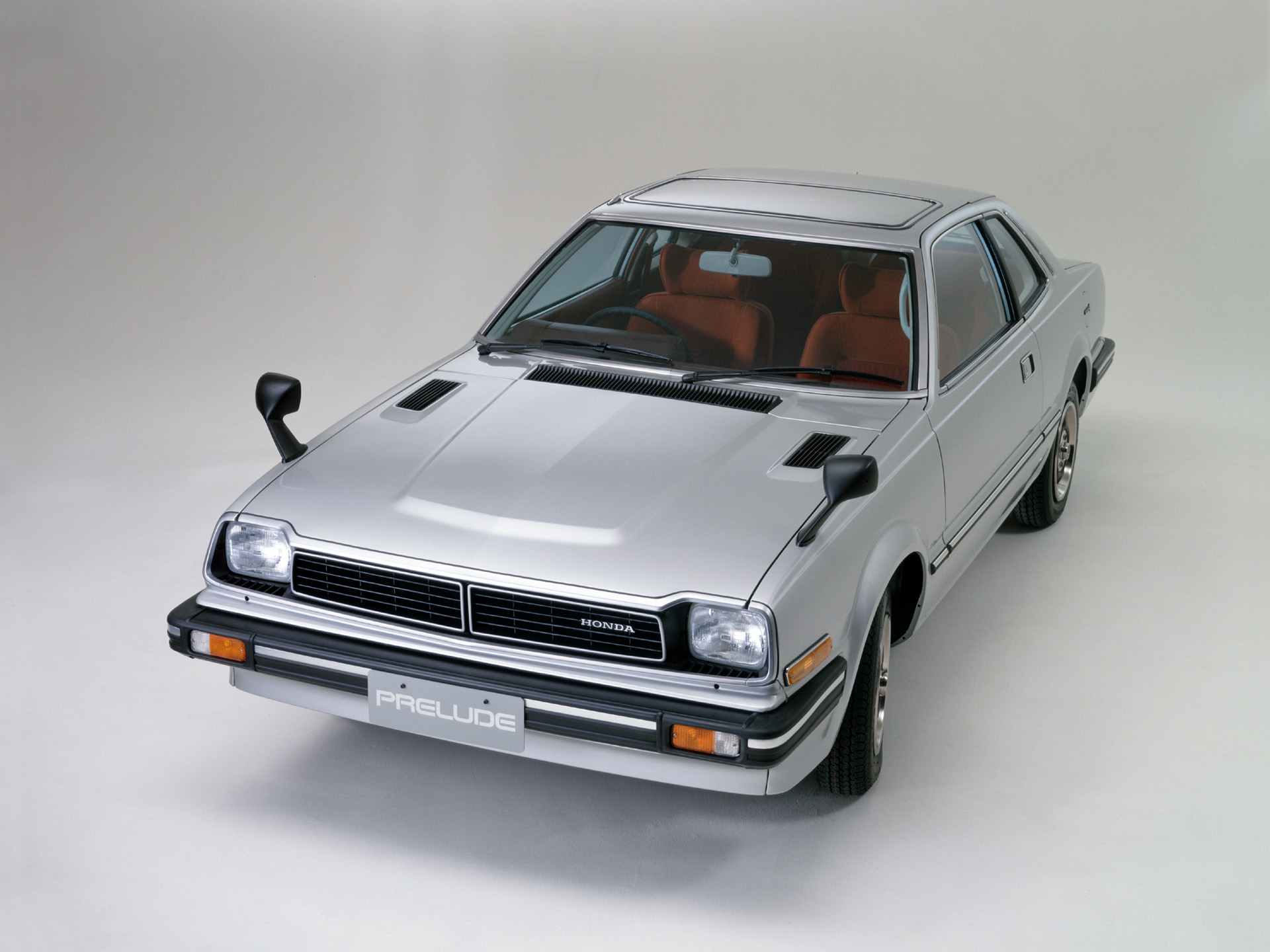
[PCauto] The 2026 Honda Prelude has been launched in North America with a price tag of $42,000 (174,174 MYR). The announcement, however, was met with skepticism regarding its price, especially when compared to its key competitors.
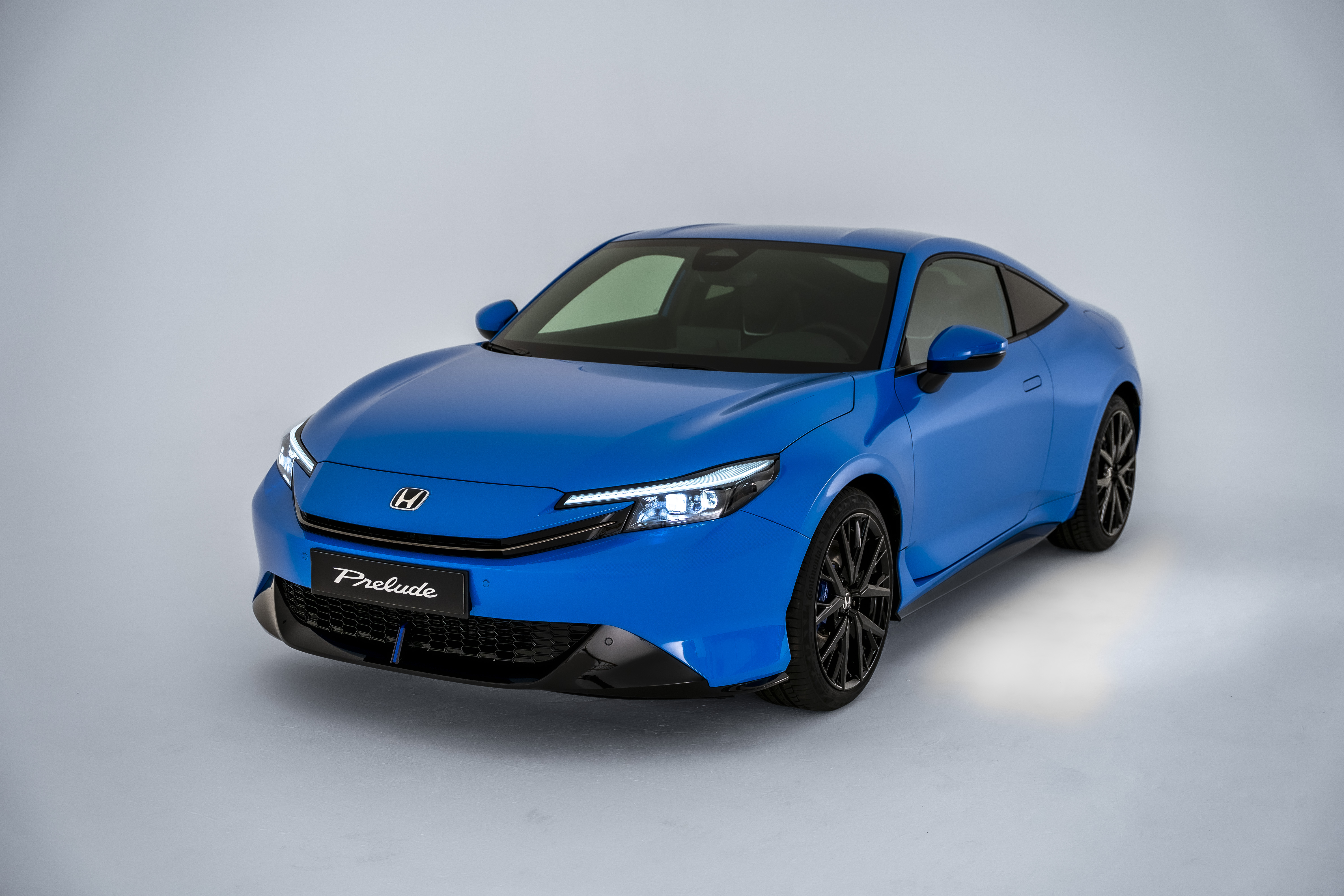
With a budget of $42,000, there are actually plenty of choices. People can opt for the Toyota GR86, which features a naturally aspirated 228 horsepower flat-four engine and rear-wheel drive, and, importantly, retains a manual transmission—a feature driving enthusiasts find hard to resist. The Ford Mustang EcoBoost's 2.3T engine delivers an impressive 315 horsepower and 475 Nm of torque. The BMW 230i offers 255 horsepower with a well-tuned rear-wheel-drive setup, making it a preferred choice for many.
In contrast to these compelling options, the new Prelude employs the 2.0L e:HEV hybrid system, which outputs a maximum of 200 horsepower and is front-wheel drive, which fails to stir much enthusiasm among driving purists.
Interestingly, Honda points out that, when adjusted for inflation, the current Prelude is actually $2,000 cheaper than the fifth generation over 20 years ago.
How Glorious Was The Prelude?
To understand the mixed reactions to the new Prelude, it's essential to look back at the model's illustrious past. From the first generation launched in 1978 to the fifth generation discontinued in 2001, these 23 years of Prelude's history stand as a testament to Honda's technical prowess.
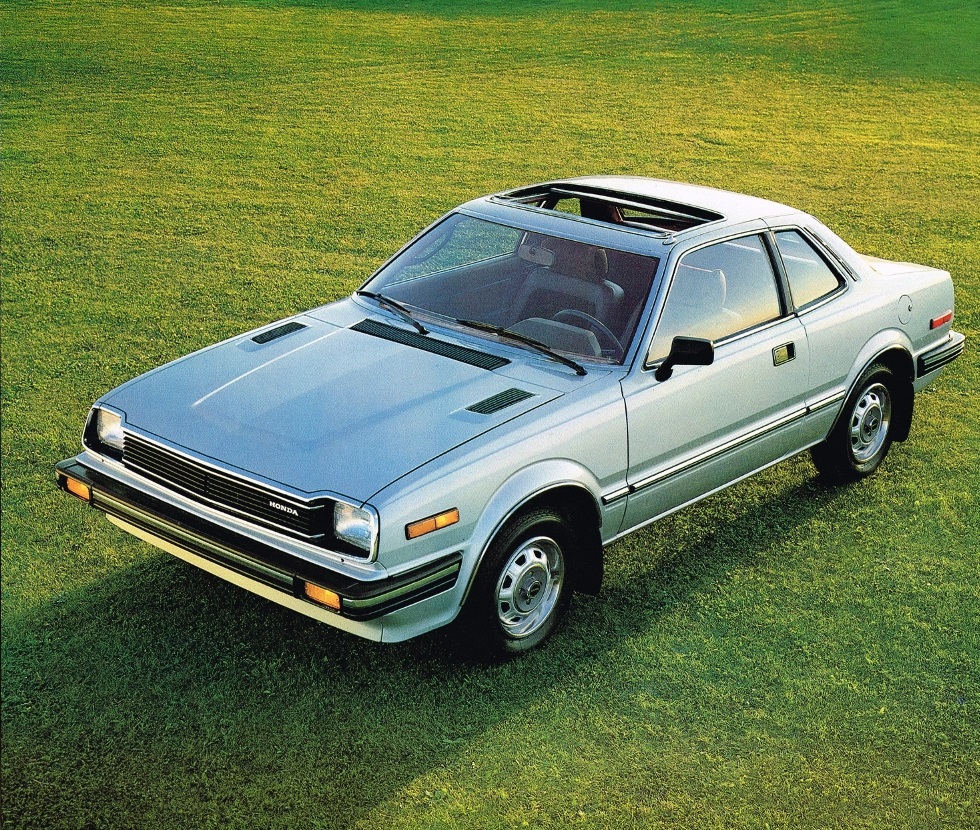
1978-1982: Pioneering the "High-Tech Sports Car" Path
In the late 1970s, Japanese cars were rising quickly. Toyota had the Celica, Nissan had the Silvia, and Honda urgently needed a sporty model to show off its technology.
Thus, the Prelude was born. Positioned as Honda's first "personal sports coupe," it answered the call with refinement rather than brute force. While its 1.6L and 1.8L engines were not powerful, it challenged convention with a rare electric sunroof, a front-wheel-drive layout, and an unexpectedly upscale cabin, decisively breaking the stereotype that sports cars were inherently rough and spartan.
It demonstrated to everyone that Honda could not only make family cars but also produce sporty cars that were both technologically advanced and comfortable.
1982-1987: Prelude's Handling Was Upgraded
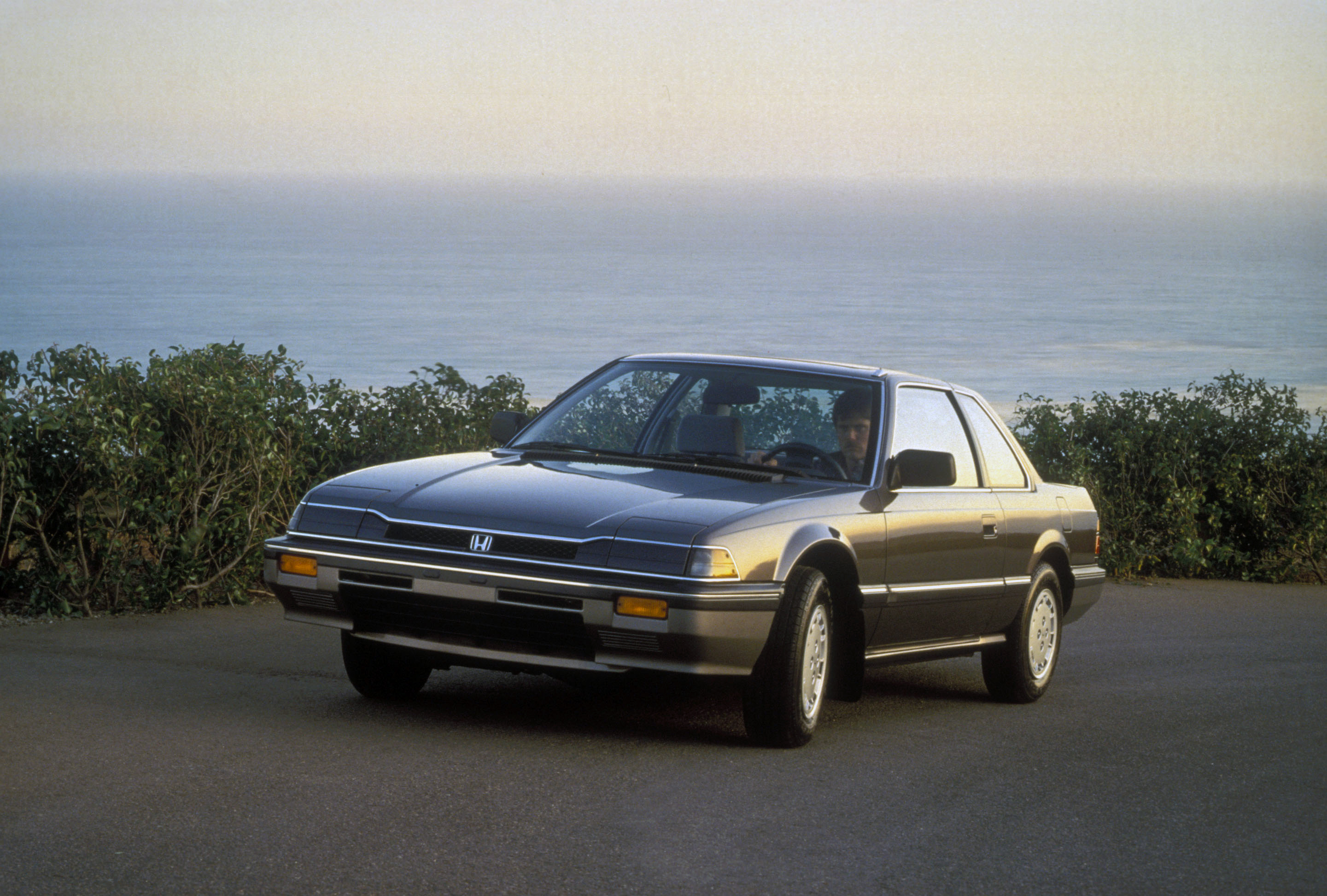
The second-generation Prelude began to move towards the direction of "purely sporty." The body was lower, the wheelbase was longer, and the track was wider, and the suspension was stiffer, significantly improving the handling.
The A20 series engine also offered both SOHC and DOHC versions, bringing more power to the table.
This generation sold particularly well in North America, and the Prelude transitioned from a "innovative concept car for the road" to a "truly controllable car," starting to directly compete with vehicles like the Toyota Celica and Mazda RX-7.
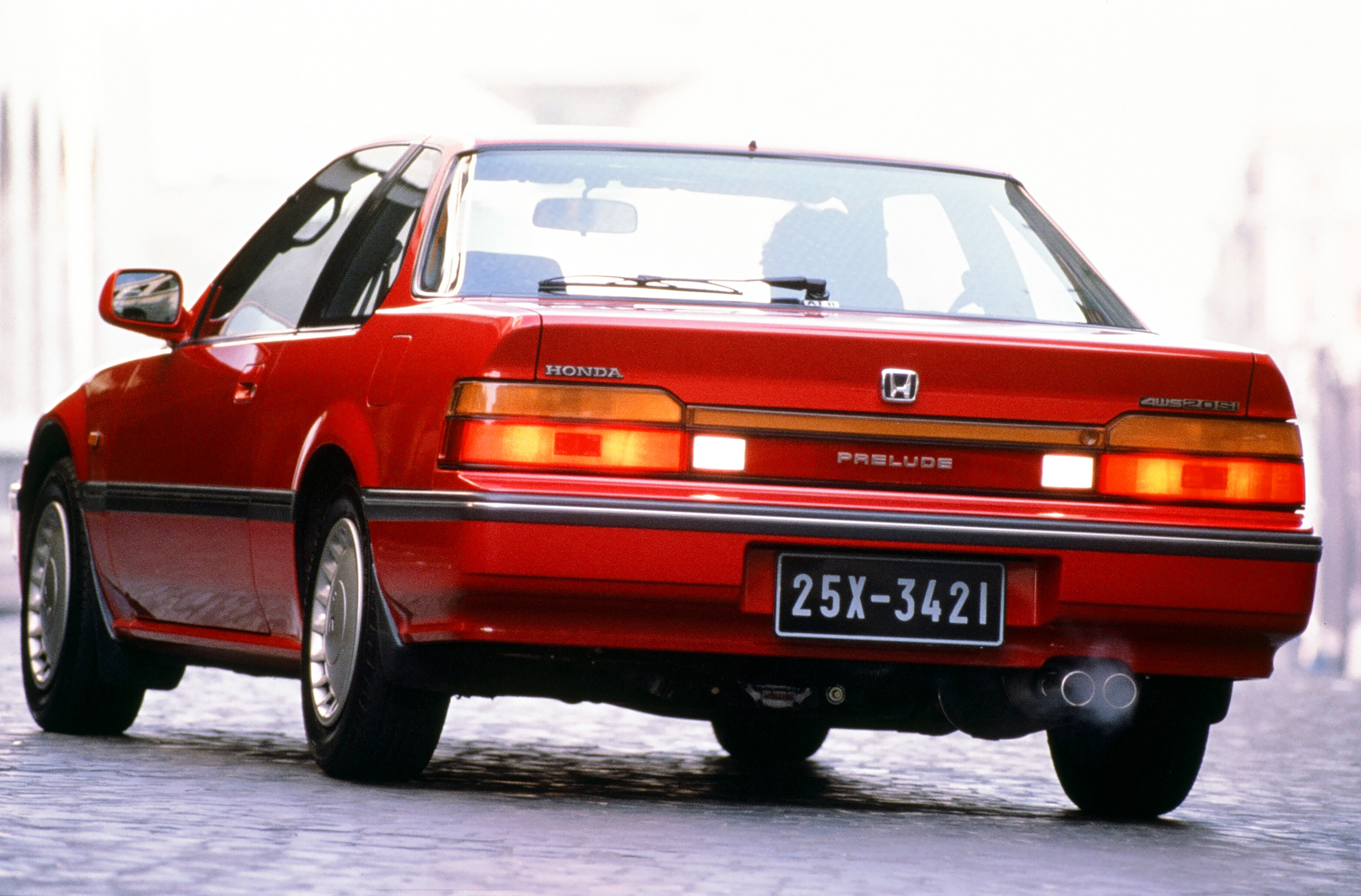
1987-1991: Four-Wheel Steering (4WS) Stuns the Market
The third-generation Prelude is widely regarded as the pinnacle of Honda's technological prowess. Its revolutionary 4WS four-wheel steering system transformed the driving experience. At low speeds, the rear wheels turn opposite to the fronts, granting the car exceptional agility and a remarkably tight turning radius. At high speeds, all wheels turn in the same direction, ensuring superior stability.
At the time, the slogan said, "Turns like it understands your heart," which was quite fitting. With this system, the third-generation Prelude not only sold well but also established Honda as the "master of chassis tuning" in people's minds, becoming a classic memory for many car enthusiasts.
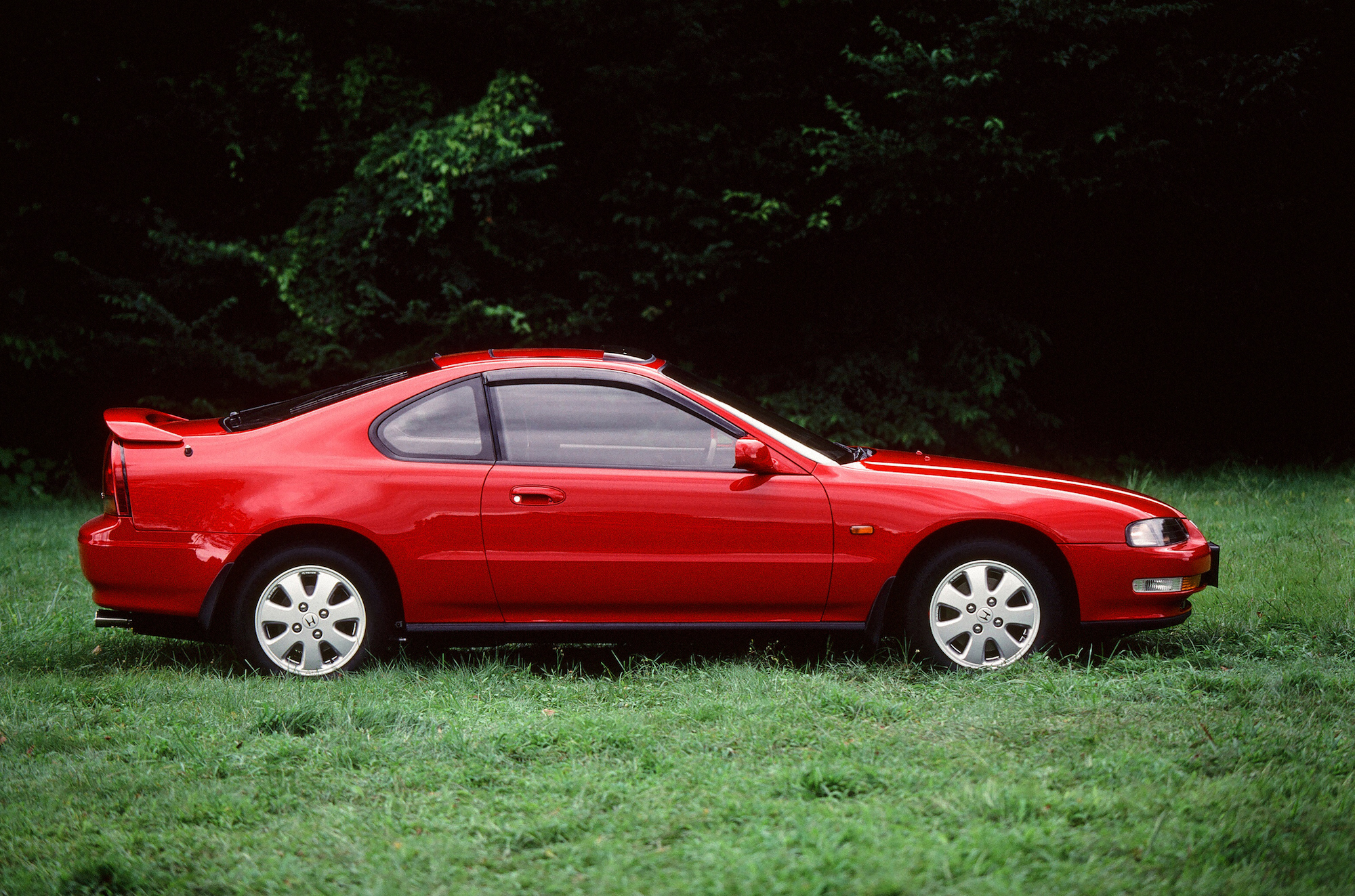
1991-2001: The Golden Era of the Prelude Slowly Comes to an End
The fourth-generation Prelude continued to enhance its performance, with the high-revving H22A VTEC engine produced 190-200 horsepower and a redline of over 7,000 RPM, making it a favorite among naturally aspirated engine enthusiasts.
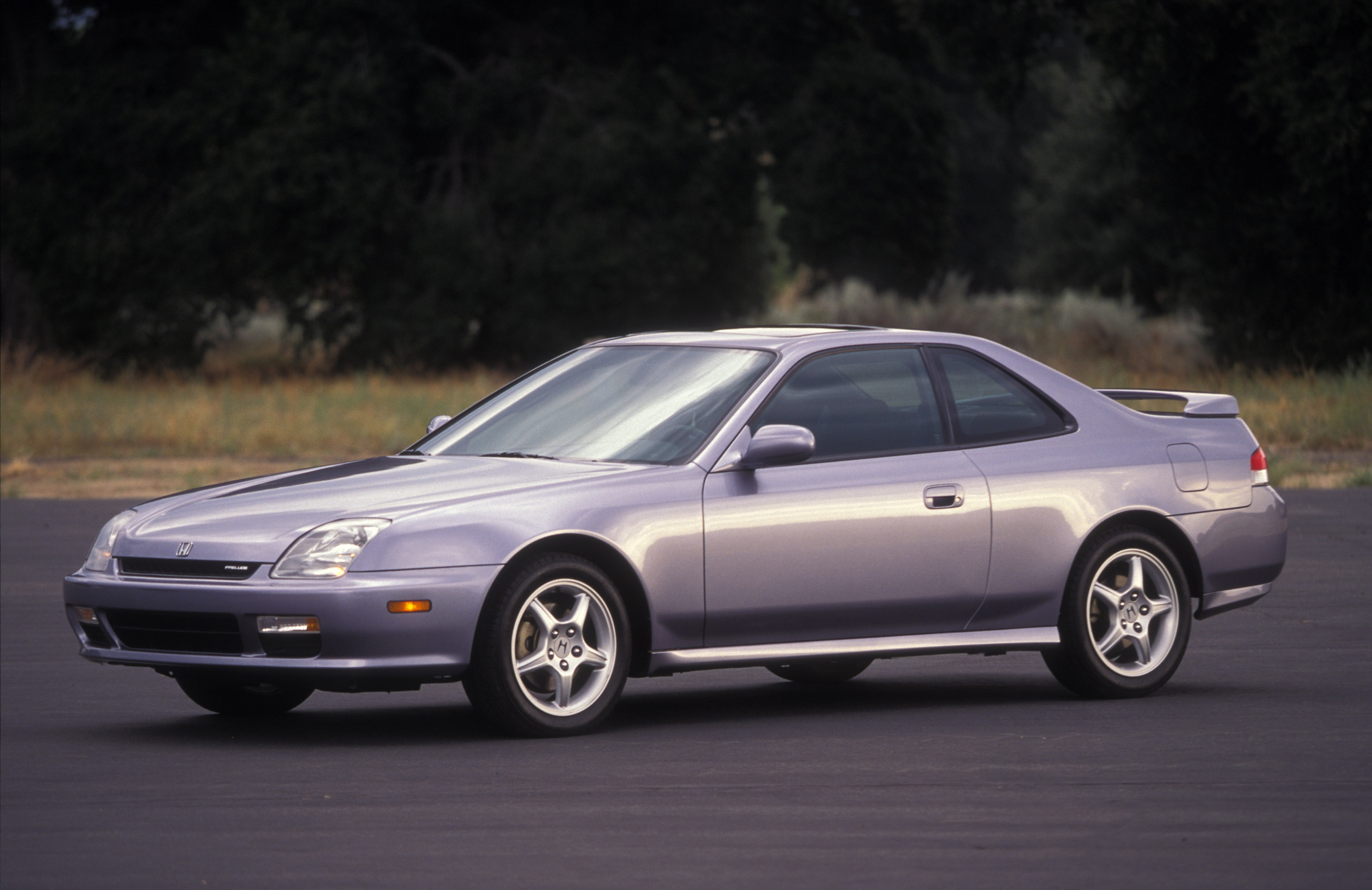
Although the fifth-generation Prelude arrived with its most sophisticated chassis yet, crowned by the ingenious SH Super Handling Edition, it faced a market undergoing a seismic shift.
The tide of consumer preference in North America had turned decisively towards SUVs, leaving the two-door coupe segment in a steady decline.
Compounding this challenge, Honda's own stable now offered more accessible performance in the Civic and Integra, while the halo effect of the newly launched S2000 ultimately stole the Prelude's spotlight, sealing its fate.
In 2001, the last fifth-generation Prelude rolled off the production line, and this legendary series was officially discontinued.
Who exactly is the new Prelude targeting?
The discontinuation of the Prelude was actually due to the shrinking market for two-door coupes at the time.
During that era, Japan's economy was on the rise, and young people had money in their hands and wanted to buy something that showcased their personality.
The two-door coupe, with its low profile and strong performance, aligned perfectly with their aspirations. Moreover, car technology wasn't as complex as it is now, so these cars became showcases for new technology from automakers—such as the Prelude's electric sunroof and its later four-wheel steering system.
The private car market was just getting started, and most car buyers were young people. They prioritized an exciting driving experience over practical considerations. With high demand and limited options, two-door coupes naturally became popular.
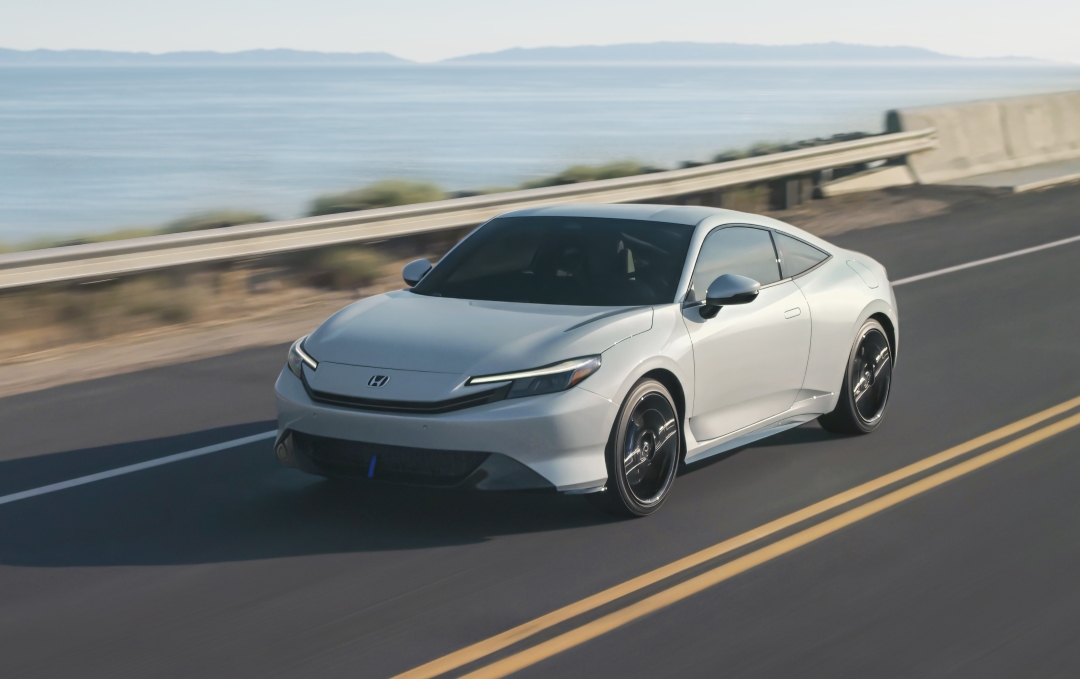
In the current market, the new Prelude, priced at $42,000, can hardly be considered a "cost-effective" sports car. Its front-wheel-drive layout and hybrid system may not meet the expectations of those who seek pure driving sensations, and it no longer stands out as the old Prelude once did.
Therefore, while it may not compete on pure performance or value in the current market, the new Prelude appears to primarily target those who lived through the golden age of Japanese sports cars and now have some savings. They are more willing to pay for nostalgia.
If any infringement occurs, please contact us for deletion
Trending News

The Lexus ES 200: Laughed Out of Existence
With the official debut of the eighth-generation Lexus ES in the global market, we quickly realized that the once entry-level model ES 200 has completely disappeared. Now only the ES 350h, ES 350e, and ES 500e remain, and for this reason, the Lexus ES 200 was launched with a two-tone body in the Chinese market as a commemorative edition.

Toyota recalls over 3 million vehicles worldwide, including Camry, Land Cruiser, and Lexus
According to the latest news, Toyota has officially launched a large-scale global recall involving approximately 3.3 million vehicles due to a defect in the reverse assist system software, which may cause the screen to freeze at critical moments.

Before buying a Mitsubishi Xpander, you must know these 5 common issues
Although the overall mechanical quality of Mitsubishi Xpander is widely recognized as economical and durable, according to extensive feedback from owners, Xpander may encounter the following 5 problems.

BYD Sealion 7 Common Issues: Must-Read Before Buying
BYD Sealion 7 is a highly mature product, with most of its exposed issues being "minor flaws" in software adaptation and craftsmanship details. With iterations of OTA updates and the accumulation of experience in electronic fault diagnostics within the after-sales service network, these problems are expected to improve in the future.

Which behaviors will kill your hybrid battery? Leaving it unable to start overnight
Although manufacturers claim that the design lifespan of hybrid batteries usually matches the lifespan of the vehicle, approximately 8 to 10 years or 200,000 kilometers, in actual use, many car owners experience premature battery degradation or even failure. So, what daily behaviors could kill your hybrid battery?










Popular Cars
Model Year
Car Compare
Car Photo