
Honda Super-One EV debuted in Singapore, which is a bit unusual
 JohnJan 20, 2026, 11:08 AM
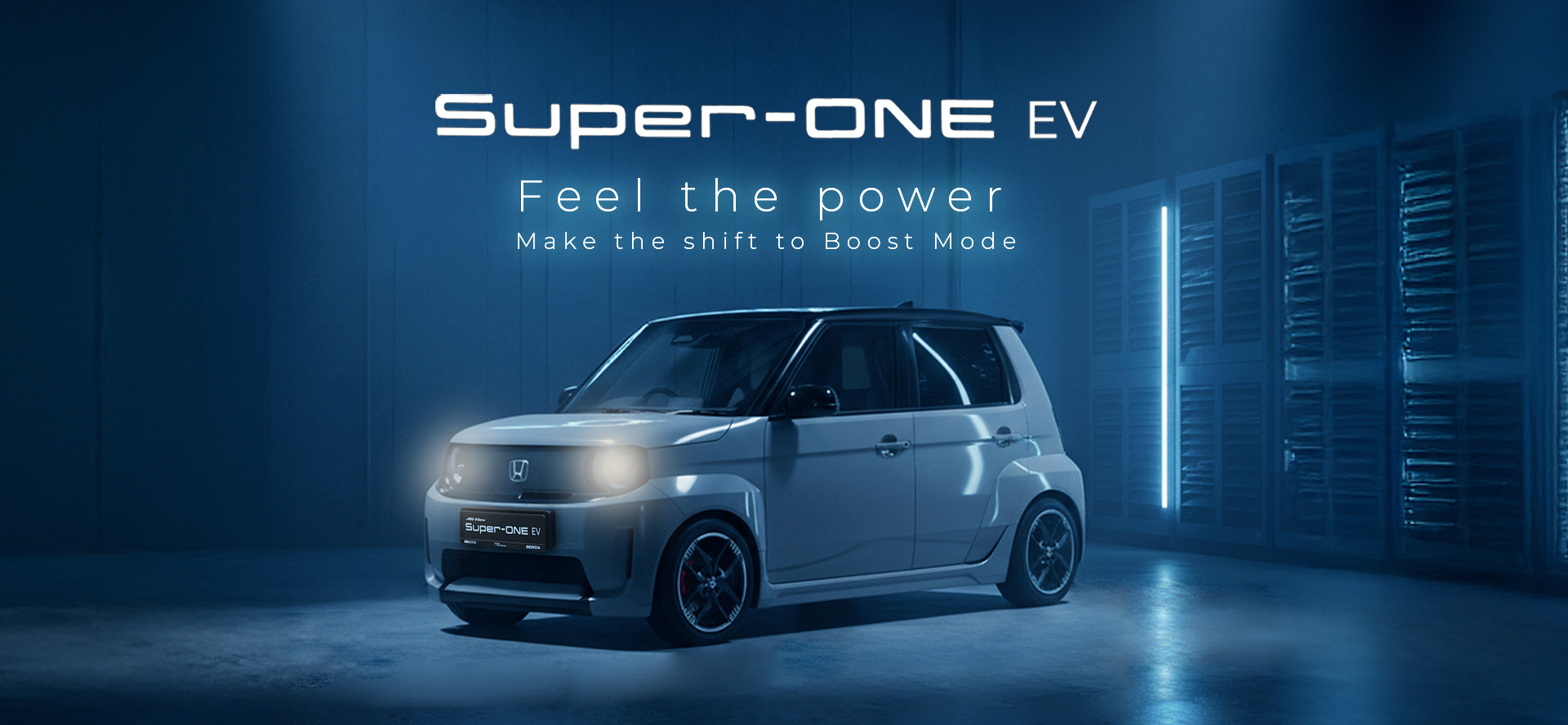
【PCauto】When I learnt that the Honda Super-One EV debuted in Singapore instead of Honda's traditional home market of Japan, my first thought was that this is an experiment by Honda.
Typically, a global premiere for a new car would be expected in Japan, Europe, or at least in core markets such as North America. By choosing to unveil it in a market that holds little significance in terms of car sales, Honda has already succeeded in sparking curiosity.
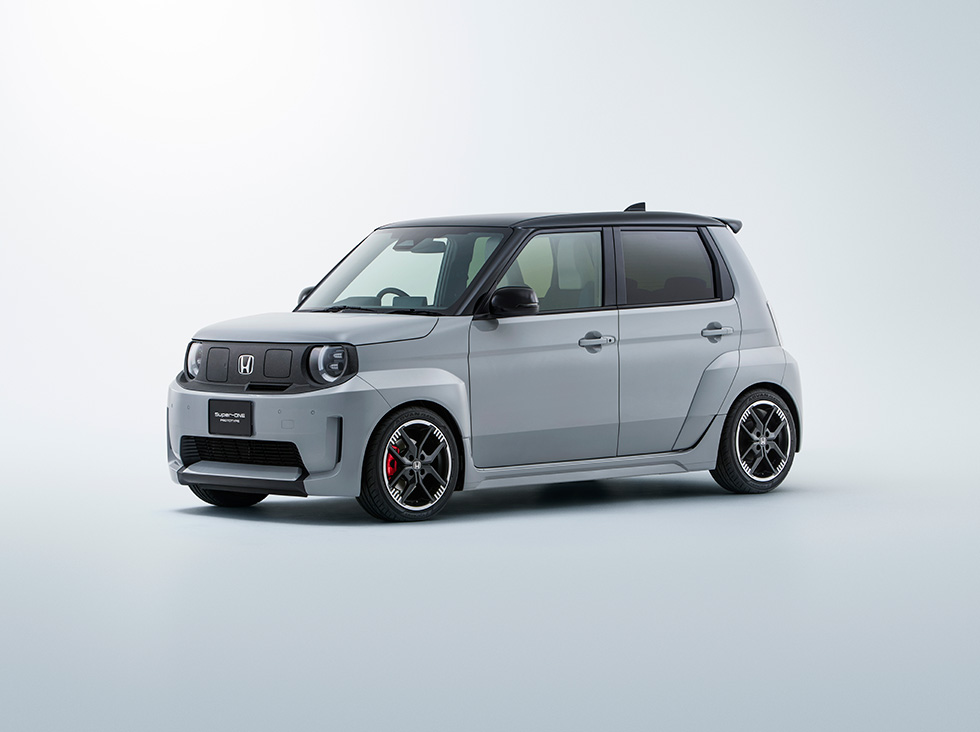
The background of the Super-One is quite simple: it was developed from the Super-One Prototype concept car and draws design inspiration from Honda's classic N-One mini car series. It follows the modern compact car formula, infused with a touch of retro style.
For many people, the significance of small electric vehicles lies in providing convenience and serving as daily transport. But Honda is clearly trying to infuse more "interaction between people and the car" into this compact vehicle.
Its driving experience system offers features like Boost mode, simulated 7-speed shifting, and a virtual engine sound personally tuned by Kohei Akamine. Honda uses software to mimic the emotional feedback of a high-performance petrol-powered car within an electric vehicle.
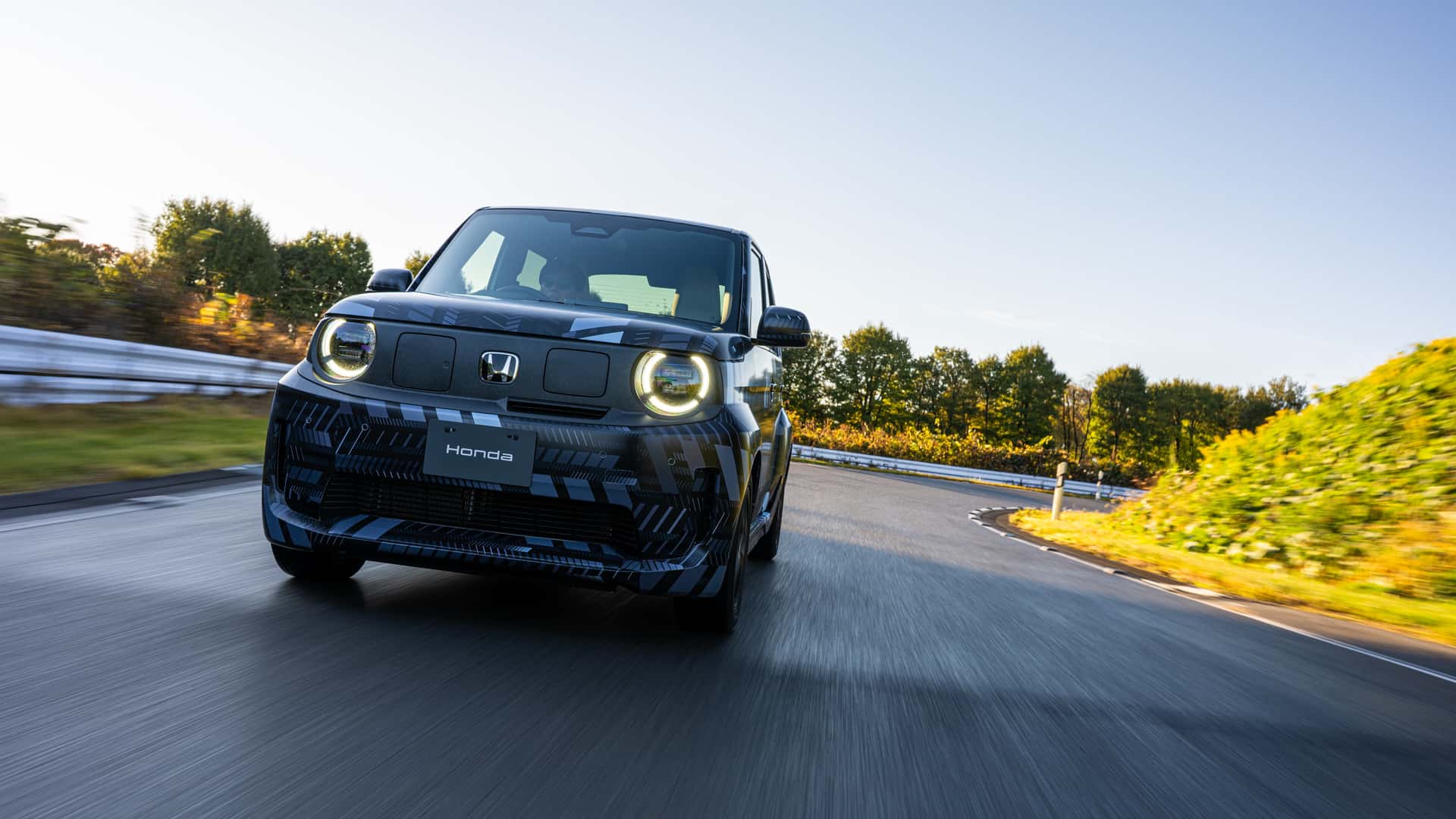
Of course, the Hyundai Ioniq 5 N does something similar, but it boasts 650 horsepower.
Within the EV landscape, a common criticism persists: the driving experience of EVs often feels lacking in communication between car and driver.
Whether it is acceleration sensation, shift feedback, or sound, electric cars leave many drivers lacking the emotional resonance once brought by internal combustion engines.
The Super-One does not merely enhance performance parameters, but instead crafts sensory experiences reminiscent of traditional mechanical vehicles on a front-wheel-drive single-motor platform with 95 horsepower through artificial simulation.
This thing may seem trivial at first glance, but it actually raises a sharp question: Is the driving pleasure of electric vehicles about hardware innovation or experience design?
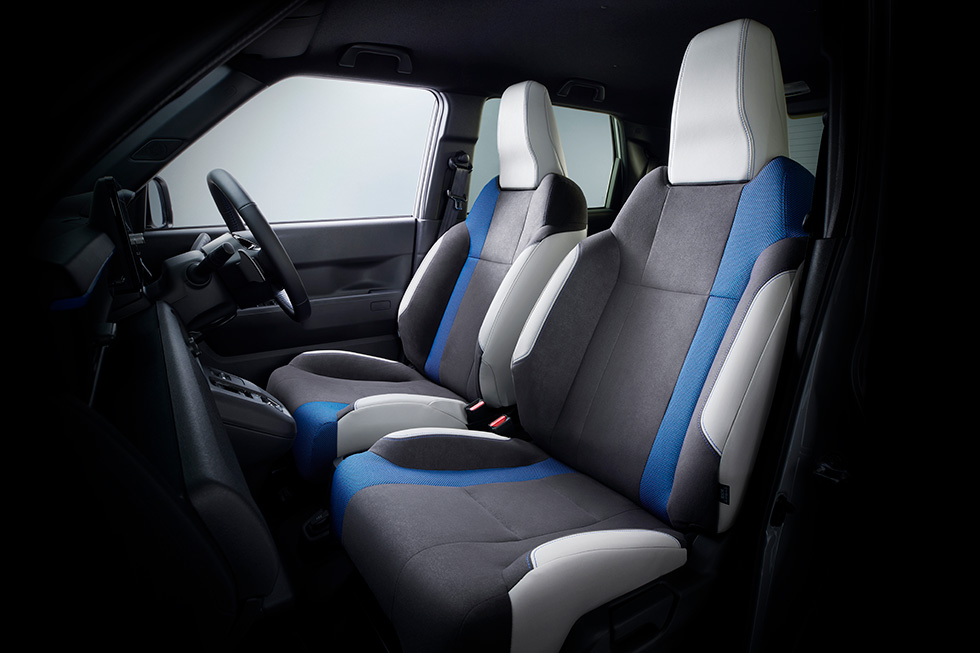
Viewed in a broader context, Honda’s approach appears both radical and somewhat hesitant.
It is radical because it dares to stake its core selling point on emotional experience, rather than on a bigger battery, faster acceleration, or longer range.
It is hesitant because this system essentially sidesteps the intrinsic physical nature of electric vehicles, their direct and linear motor output. In other words, this is not technological progress, but a type of "technological makeup."
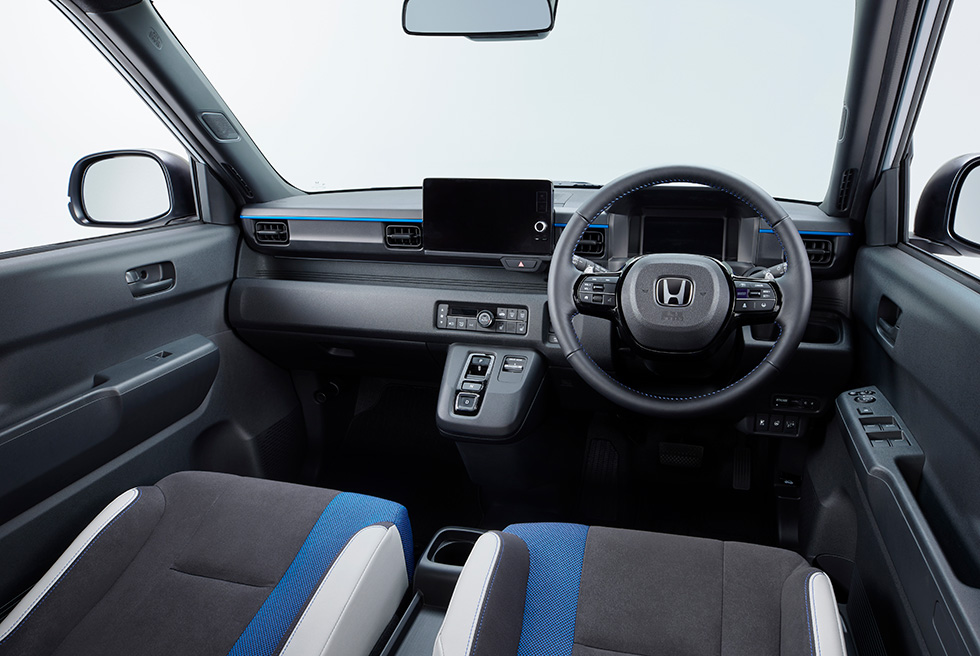
The body size of the Super-One is also worth mentioning.
While visually bearing some resemblance to the Japanese K-Car version, the global model has been significantly enlarged, with a wider body, and features such as Blister Fenders, sporty 15-inch wheels, and a rear spoiler, creating a visual style that is more aggressive than typical small electric cars.
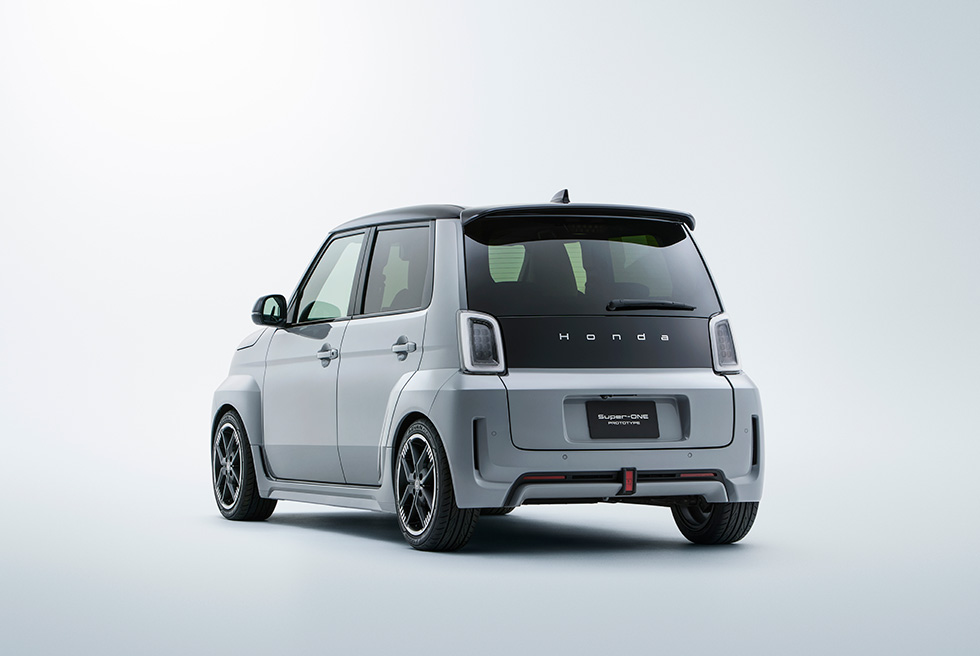
Moreover, the Super-One's kerb weight is only about 1,092 kg, which is considered very light for an electric vehicle. This provides more agile handling.
Although these numbers may not look impressive, they represent a very well-thought-out balance for an urban-oriented small car.
At the Singapore Motor Show 2026, this car attracted a lot of attention due to its compact design and simulated driving feel, but the price was shocking enough.
The price, including the COE, is approximately SGD 178,999, which is roughly MYR 564,000.
This price may seem staggering. If Super-One is introduced to other markets, its pricing might be closer to the expectations of ordinary consumers.
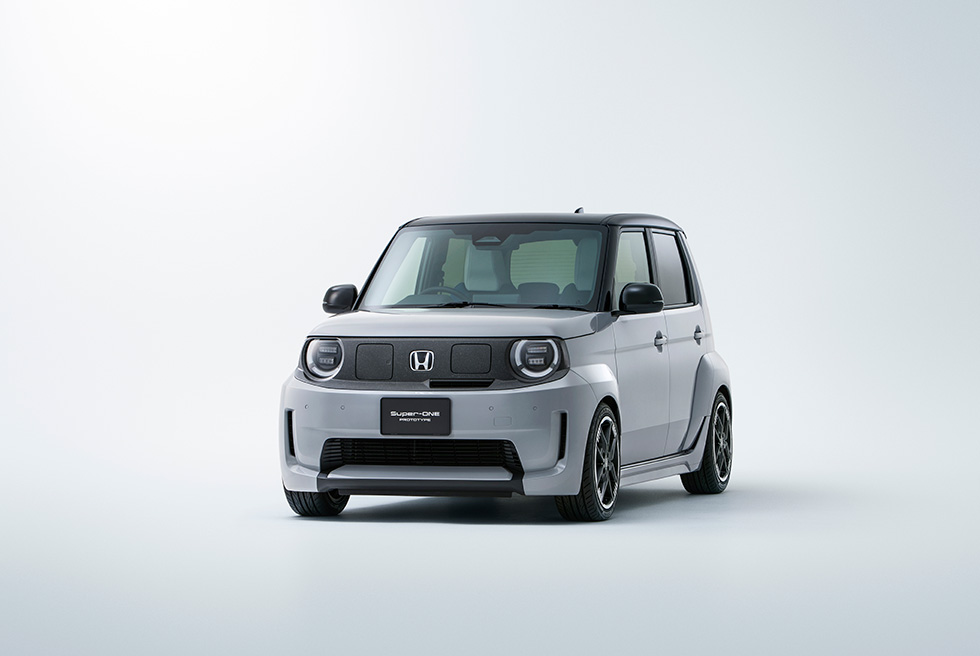
Honda's market plan indicates that the Super-One will enter Japan in the second half of 2026 and may later be launched in the UK, Europe, and Australia, possibly under the name Super-N in these regions.
It isn’t designed for ultra-long range, but rather targets users who seek individuality, appreciate the aesthetics of electric vehicles, yet still miss the feel of the internal combustion engine era.
If any infringement occurs, please contact us for deletion










Popular Cars
Model Year
Car Compare
Car Photo