
Mazda2 and CX-3 will be discontinued in 2026, Mazda small cars are disappearing
 AshleyJan 21, 2026, 05:57 PM
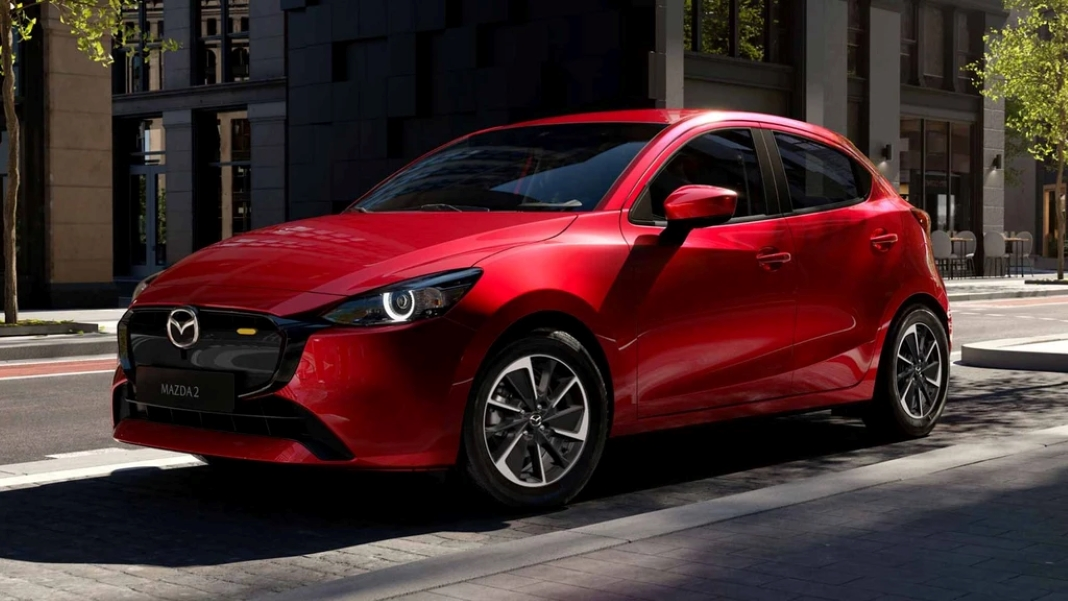
【PCauto】While rivals like Toyota and Honda accelerate their electrification push with models such as the Yaris Cross and ZR-V, Mazda is taking a different path: it plans to cease production of two classic entry-level models – the CX-3 and the Mazda2.
Internal documents obtained by outlets such as Creative Trend and Creative311 indicate that the CX-3 will be discontinued in Japan by March 2026, followed by the Mazda2 ceasing production in June 2026. Dealers have already begun limiting new orders, which will stop once quotas are met.
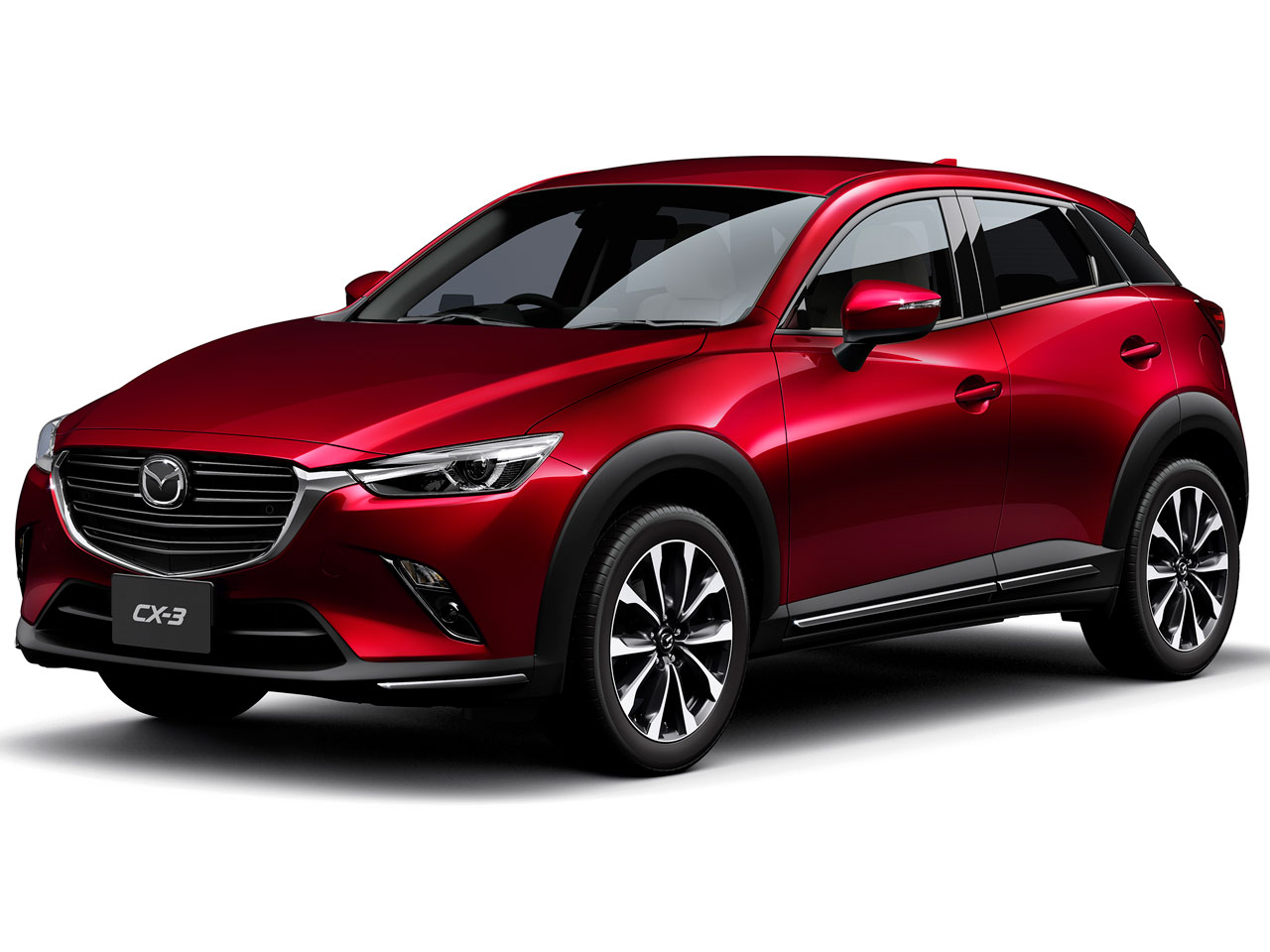
On the surface, this indicates Mazda is reallocating corporate resources toward larger vehicle platforms and new technologies. Mazda's official reasoning is that both the CX-3 and Mazda2 have exceptionally long product cycles, having been introduced back in 2014; additionally, the cost of meeting emission regulations is increasing, and resources need to be concentrated on the Large Architecture platform as well as the next generation of hybrid and electrification technology.
On their own, these reasons hold water. However, at the same time, Toyota is expanding its share in the small hybrid segment with the Yaris Cross, Honda is steadily upgrading electrification in its entry-level lineup, and BYD is capturing the small car market with models like the Dolphin.
As the global small car market initiates an electrification wave, Mazda is voluntarily retreating from this sales segment, especially in its core markets in Japan and Southeast Asia. In these regions, small cars are not only key sales drivers but also a proving ground for electrification.
Mazda's retreat is tantamount to ceding the entry-level market to rivals, while the premium large car segment it is betting on has long been dominated by established giants like Mercedes-Benz, BMW, and Audi. The promise of higher profitability remains, for now, merely a plan.
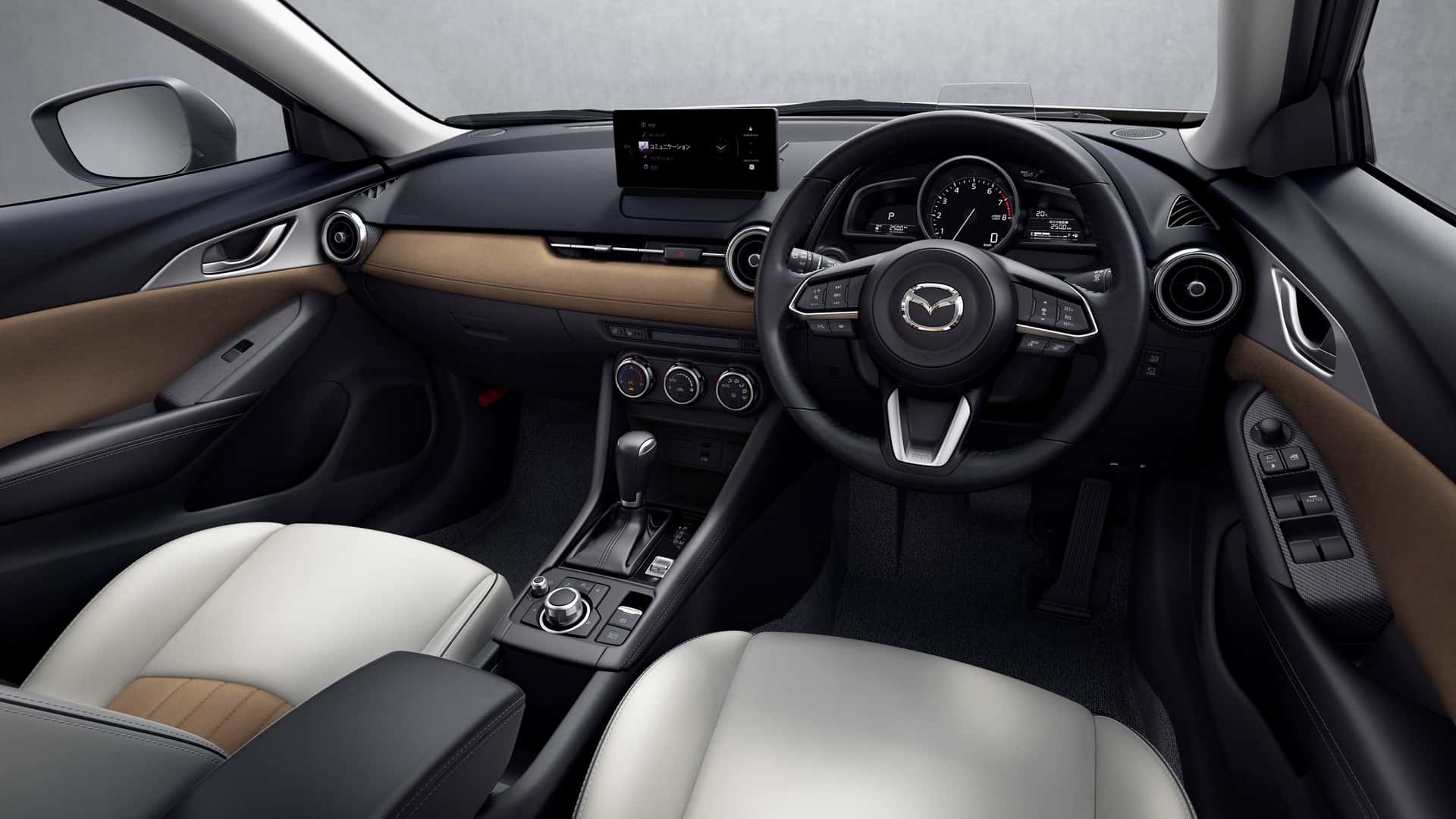
As for the successors of the CX-3 and Mazda2, the CX-20 is planned to launch at the end of 2026, based on the Vision X-Compact concept car. However, the positioning of the CX-20 remains unclear. Despite being 255mm shorter than the Mazda2, it aims to blur the lines between hatchbacks and SUVs – a positioning that remains somewhat uncertain.
This latecomer will rely primarily on the Skyactiv-Z engine and hybrid system. Skyactiv-Z is claimed to adopt ultra-lean burn technology to meet Euro 7 and U.S. Tier 4 emission standards.
However, this highlights Mazda's persistent adherence to its own technological path. By 2026, the small car market will be dominated by pure electric and mature hybrid vehicles, with battery costs dropping rapidly. The hybrid systems from Toyota and Honda have already proven highly efficient and reliable.
Mazda's complex internal combustion engine approach could render the CX-20 yet another product that struggles to find buyers amidst the wave of widespread pure electric platform adoption.
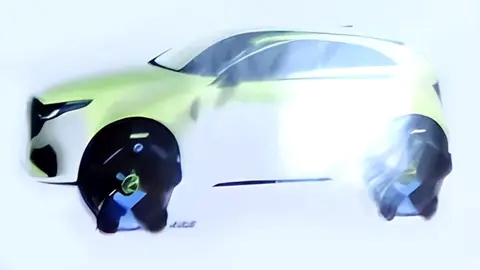
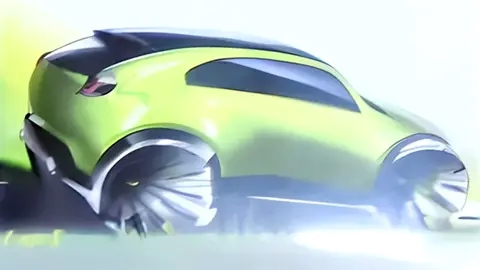 Resources are being funnelled toward larger vehicles, leading to constrained budgets for small car development. This represents not an upgrade, but a revelation of strategic lag. For us consumers, the entry-level models of Mazda in the future may no longer be a budget-friendly and mechanically distinct choice.
In the European market, the Mazda2 Hybrid – essentially a rebadged Toyota Yaris – has served as a stopgap, a move that risks diluting Mazda's brand identity.
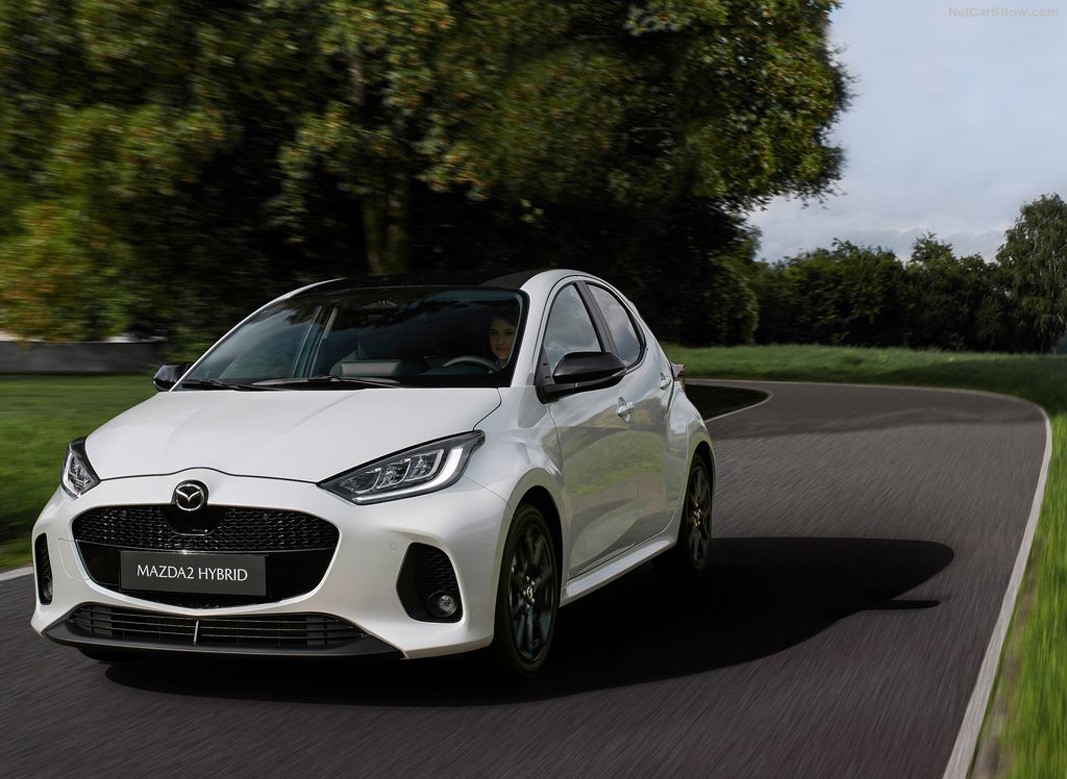
The discontinuation of the CX-3 and Mazda2 is due to Mazda's decision to bet its limited resources on higher-profit, larger-sized product lines.
However, the cost of this is the gradual erosion of the user base and emotional connection accumulated during the small car era. Whether the future CX-20 can fill this gap remains to be seen, but one thing seems clear: the era of an accessible Mazda is drawing to a close.
If any infringement occurs, please contact us for deletion










Popular Cars
Model Year
Car Compare
Car Photo