
How to judge the quality of a car by the door closing sound?
 JohnNov 26, 2025, 11:48 AM

【PCauto】When buying a car, the salesperson will often ask you to "try closing the door." Don't dismiss this action as mundane; that distinctive "thud" conveys a wealth of information.
It directly reflects the car's materials and workmanship. What’s inside the car door? Steel, side-impact beams, acoustic insulation, and sealing strips. The quality of these components is, in many ways, revealed in that single sound.
Why are luxury brands so concerned about the door-closing sound? Because it forms a customer's initial tactile and acoustic impression of the vehicle:
· Mercedes-Benz doors have a sound that’s "low and soft";
· BMW has a relatively "crisp and solid" door-closing sound;
· Audi's sound is characterized as "clean" with a strong low frequency.
These sounds don’t happen by chance; they are specifically engineered.
However, a good sound is not exclusive to luxury cars. Cars like Toyota Camry, Honda CR-V, and Mazda CX-5 also have pretty solid door-closing sounds.

What should the door-closing sound of a good car be like?
Want to know if the door-closing sound of a car is "premium" enough? It’s actually straightforward; pay attention to these three points:
· Is it deep?
· Is it clean?
· Is it steady?
A good door-closing sound is typically a low-frequency "thump" that isn't harsh and suggests a solid internal construction. If the sound feels light and carries a metallic tone, the car door might be rather thin.
Why does closing a luxury car door instantly feel expensive?
Luxury brands orchestrate a symphony in a single gesture. A Mercedes-Benz door closes with a soft, low-frequency sigh, like a cushion of air being compressed. A BMW delivers its trademark ‘thud’—crisper and more metallic, exuding solidity.
An Audi offers clinical precision, a clean, singular sound devoid of any auditory clutter. Behind this curated experience lies a foundation of exacting craftsmanship, where every element from steel thickness to seal placement is fine-tuned to compose the perfect closing note.
However, good door sounds aren’t exclusive to luxury cars
Models like the Toyota Camry, Corolla Cross, Honda CR-V, and Mazda CX-5 also have door-closing sounds that feel solid.
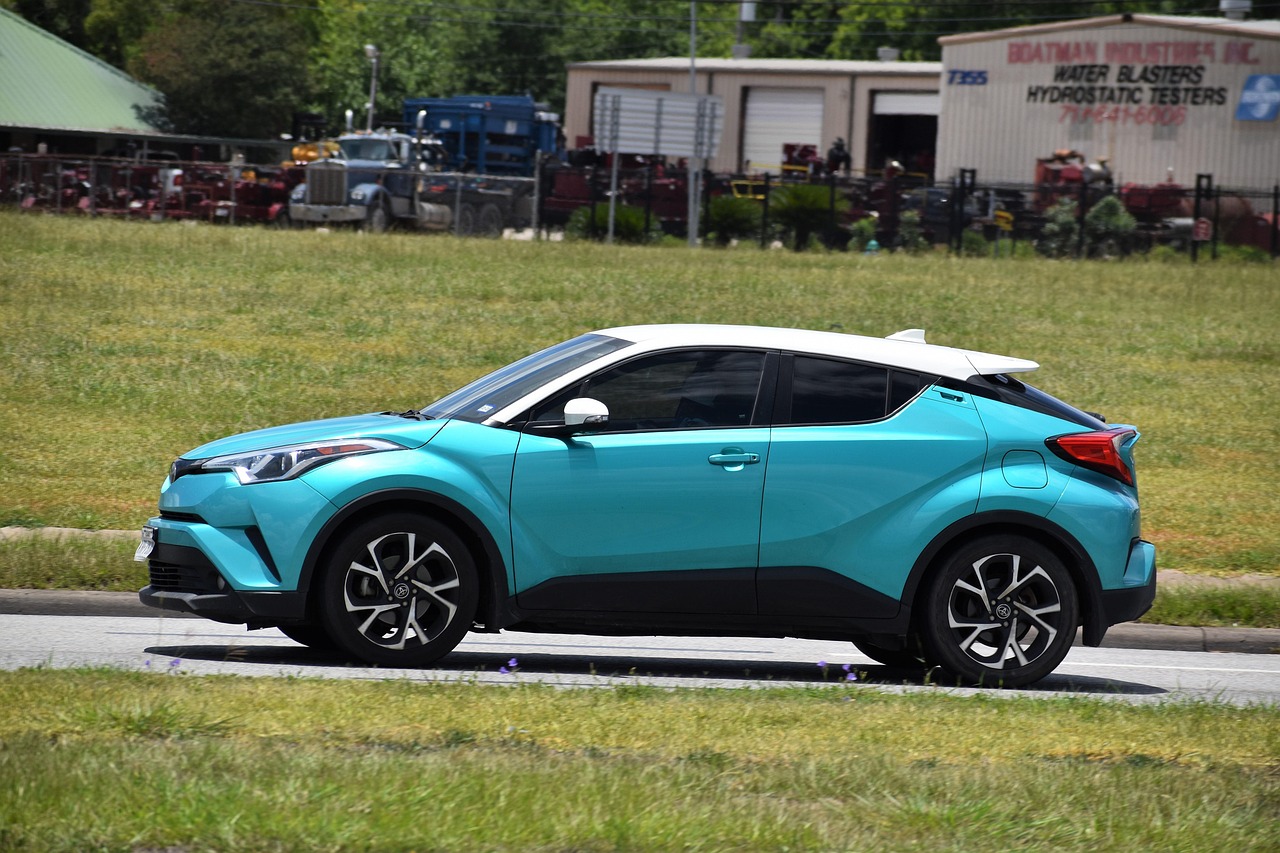
Although they are not as meticulously refined as luxury cars, they at least don’t make people feel that the doors are flimsy or overly rigid. This "just right" sound is mainly achieved through reasonable door structure and a suitable amount of soundproof materials.
What kinds of door-closing sounds indicate a car’s quality might be average?
Although the door-closing sound is a small detail, it often reveals the basic structure and material quality of a car.
If you hear a light, sharp sound or unnecessary echoes when closing the door in a showroom, you should be cautious, as this usually indicates that the door or body structure lacks sufficient thickness and solidity.
The door-closing sounds of some entry-level economy cars
The doors of some entry-level economy cars often produce a sharp "clink" or "ping" — a high-frequency, metallic sound upon closing. Cars like the Mitsubishi Mirage and Suzuki Celerio often have this issue.
To save costs, these cars use thinner steel panels for the doors, and there are fewer sealing strips and soundproof materials. As a result, the sound feels light and hollow, lacking that solid, low-frequency resonance.
Even after the door is shut, brief vibrations or a final "clunk" are often heard, clear indicators of insufficient door rigidity.
Some mid-range brand models may also have similar issues at times
For example, some older Toyota Vios or Honda City models, while generally reliable in design, may not have as sturdy and solid door-closing sounds as newer mid-range models. Sometimes, there might be a slight hollow sound or mild vibration.
This acoustic signature suggests that, while the car may be generally reliable, its door structure and sound insulation lack the refinement characteristic of luxury standards.
Pay attention to whether the door closing sound is clean
When judging the quality of a car, not only should you listen for a deep sound, but also pay attention to the cleanliness and finality of the sound.
A clean, single-note thud is the hallmark of quality. Any deviation—be it a persistent buzz, an erratic rattle, or an uneven sound from one corner—strongly suggests improper sealing, loose fittings, or components that are not securely mounted within the door cavity.
Such details rarely occur in luxury cars, because engineers specifically optimize the weight of the door, lock damping, and seal layout to ensure the sound is short, solid, and clean.
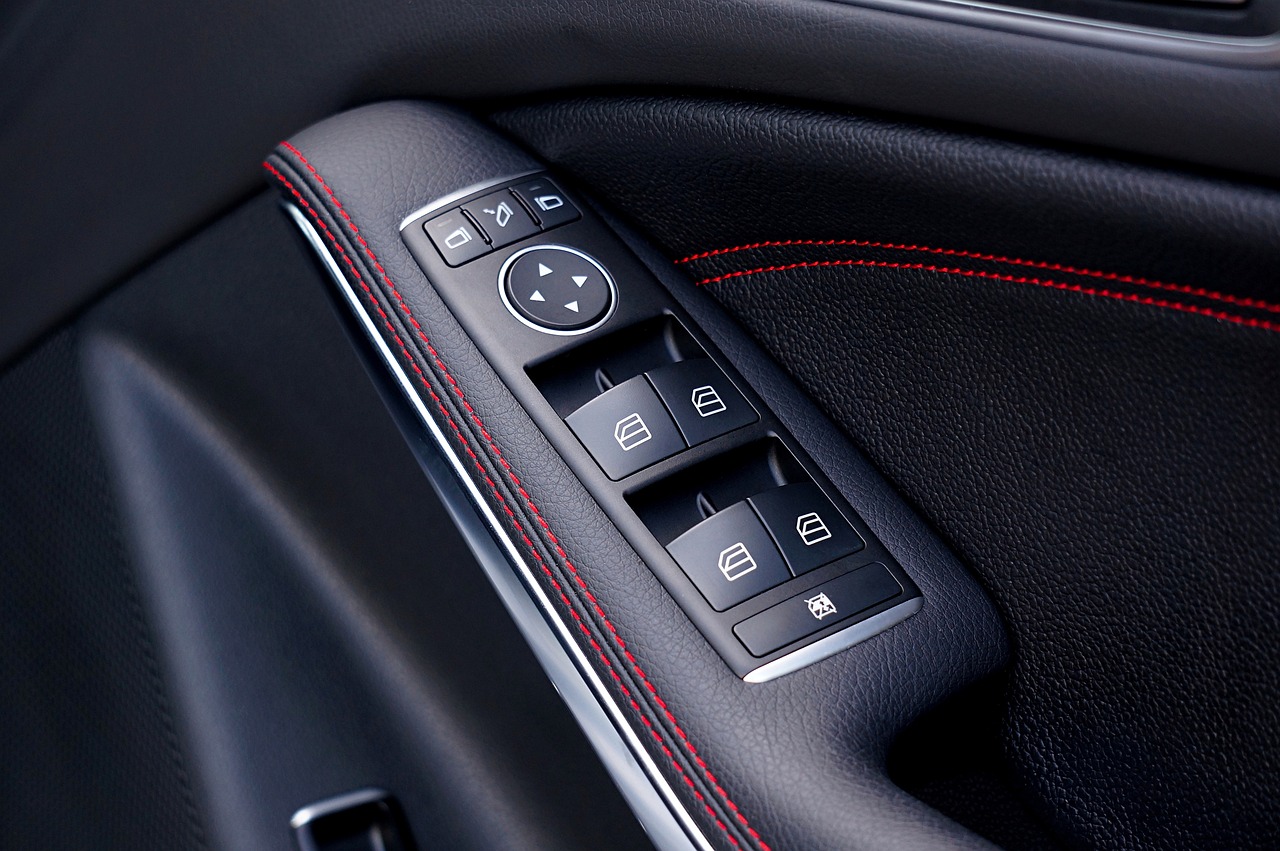
In the showroom, how to judge a car's quality by the sound of closing its door?
At the car dealership, you don't need complex instruments or professional automotive knowledge to begin your assessment. Using just your ears and hands, you can quickly gauge a car's fundamental build quality through the sound of its closing door. The method is straightforward and very intuitive.
Methods to judge the door closing sound
First, ensure all windows are fully closed, as open windows allow air circulation that can distort the sound, particularly by masking its low-frequency depth. Then, close the door with normal force. Don't slam the door, as the door is designed with damping, and a gentle push should allow it to close securely. At the moment of closure, focus on the sound's stability, its low-frequency depth, and its cleanliness—ensuring it is crisp and free from metallic echoes or trailing vibrations.
When testing in the showroom, it is also a good idea to try closing different doors: the front doors, rear doors, and doors on both sides.
Some car doors may exhibit slight acoustic variations due to differing thickness, structure, or sealing materials. By comparing multiple times, you can more accurately perceive the overall quality of the car.
Compare the door closing sounds of different brands
If you have the opportunity to compare the sound differences of various models, it will be even easier to make a judgment. For example, try closing the door of a Toyota Corolla Cross or Honda CR-V, and you will feel that the sound is fairly solid.
Then close the door of a Mercedes-Benz C-Class or BMW 3 Series, and you will immediately notice a significant thickness and stability in the sound.
The door-closing sound in entry-level economy cars is light, high-pitched, and sometimes even hollow; these differences are readily distinguishable through careful listening.

The Design Secrets Behind Door-Closing Sounds
The sound of the door closing allows us to intuitively sense the quality of a car, and this is no accident. For luxury brands, the door-closing sound is a carefully designed "first impression project."
Why Do Luxury Cars Have a More Premium Door-Closing Sound Compared to Regular Cars?
Luxury brands like Mercedes-Benz, BMW, and Audi use thicker and sturdier steel which contributes to the premium auditory and tactile experience. They also add internal reinforcement beams, making the doors feel heavier and more solid when closed.
Mid-range cars typically employ decent steel, though with reduced thickness and rigidity compared to their luxury counterparts. Entry-level models, however, represent a further step down: they utilize thinner materials and simplified structures to minimize cost, resulting in the characteristically light and hollow sounds that lack a solid feel.
Another factor is the sealing strips and soundproofing materials. Luxury cars often equip their doors with multiple layers of sealing strips and sound-insulating padding. When the door closes, the air is gently compressed, creating a short, low, and clean sound.
Mid-range and entry-level cars have fewer sealing layers and simpler insulating materials, making them more prone to higher-pitched metallic sounds or echoes, resulting in a light and hollow impression.
Another key factor is the design of the door locks and hinges. The locks and hinges on luxury car doors are precisely engineered with appropriate damping, ensuring the door seals firmly and consistently.
In some regular cars, the hinges may have lighter damping, causing the door to bounce or shake slightly when closed. The resulting sound is less clean and decisive.
Ultimately, the auditory experience is carefully crafted. For luxury brands, the door-closing sound is more than a byproduct of construction; it is an intended sensory cue. Through specific acoustic tuning, they ensure the sound delivers a satisfying, low-frequency "thud" that feels both substantial and serene, thereby communicating quality and exclusivity before the journey even begins.
This is why the sound of doors with the same thickness can vary noticeably across different car brands. Entry-level cars often skip this step, as it is not required for their cost and market positioning.
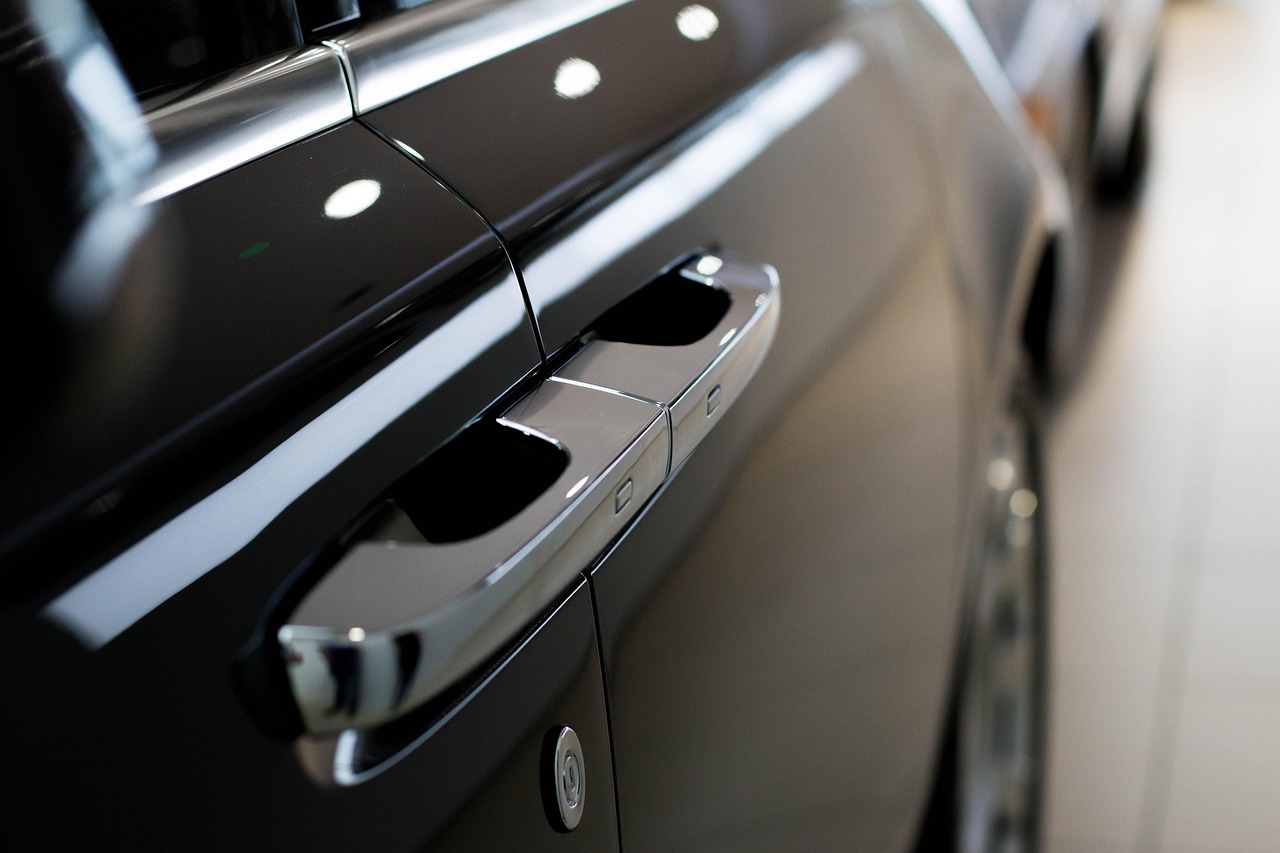
The sound of closing the door is not just a symbol of luxury
For ordinary car buyers, it is also a very practical evaluation standard.
You don't need to be an expert in powertrains, chassis design, or electronic systems. Simply using your ears and hands, you can assess the solidity of the doors, the structural integrity of the body, and the effectiveness of the sealing.
Even mid-range models, such as the Toyota Camry or Honda CR-V, allow you to sense reliable materials and craftsmanship through the sound of closing the door.
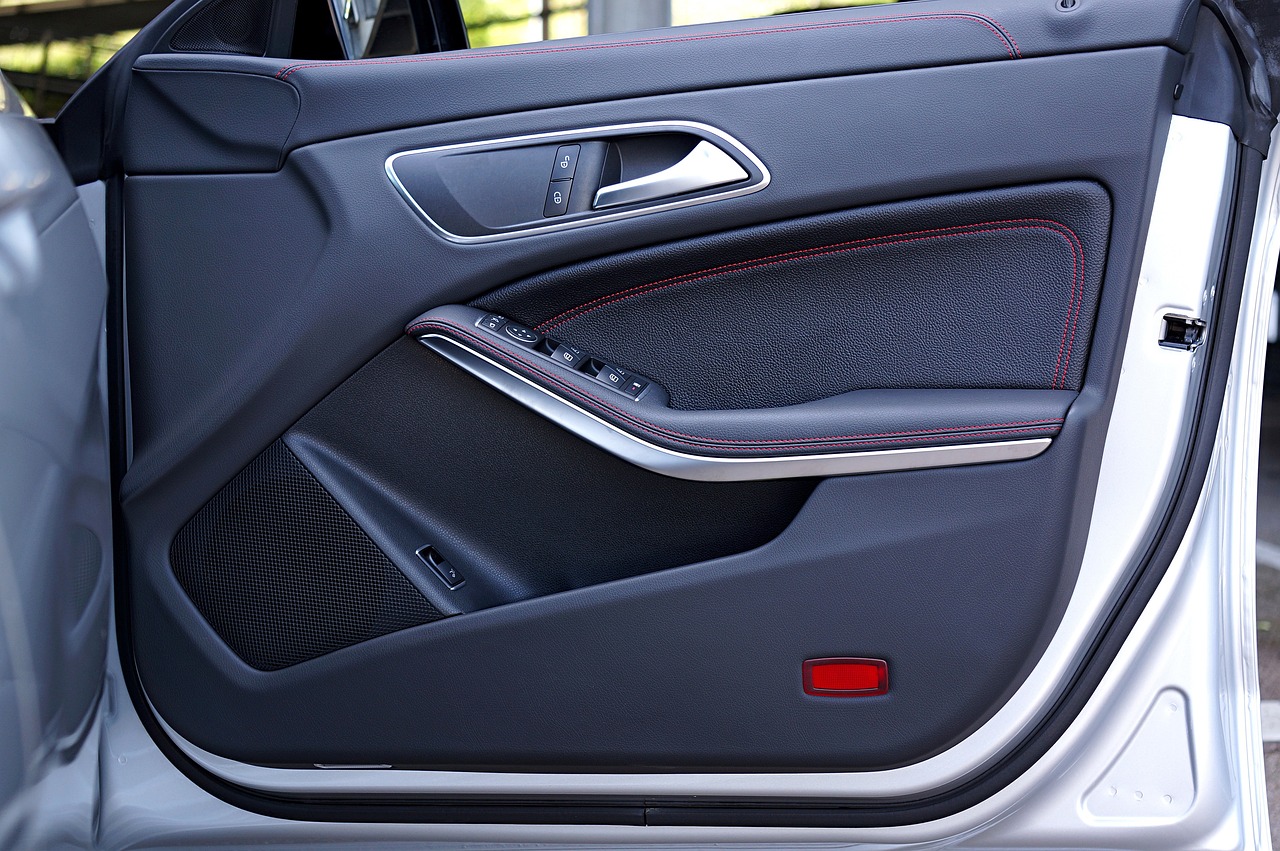
The sound of closing the door is a simple and intuitive quality indicator
It not only reveals the meticulous attention to detail in luxury brands but also assists in quickly identifying well-built vehicles with robust structures and reliable materials. Whether you're a new buyer or an experienced car owner, as long as you carefully listen to that "thud" in the showroom, you can gain a more intuitive sense of a car's quality and grade than merely looking at price or configuration.
If any infringement occurs, please contact us for deletion
Trending News

The all-new Lexus ES announces pre-sale on March 20: Say goodbye to pure gasoline engines and launch a pure electric version
Lexus's bestseller sedan, the ES, ushers in a major overhaul, officially confirmed to start pre-sales on March 20. The new car has not only undergone significant size extensions based on the GA-K platform but has also made a complete transformation in its powertrain logic — abandoning purely fuel-powered engines in favor of the ES 300h hybrid and the brand-new ES 350e/500e fully electric versions, officially joining the luxury electric sedan market competition.

The Lexus ES 200: Laughed Out of Existence
With the official debut of the eighth-generation Lexus ES in the global market, we quickly realized that the once entry-level model ES 200 has completely disappeared. Now only the ES 350h, ES 350e, and ES 500e remain, and for this reason, the Lexus ES 200 was launched with a two-tone body in the Chinese market as a commemorative edition.

Toyota recalls over 3 million vehicles worldwide, including Camry, Land Cruiser, and Lexus
According to the latest news, Toyota has officially launched a large-scale global recall involving approximately 3.3 million vehicles due to a defect in the reverse assist system software, which may cause the screen to freeze at critical moments.

Before buying the Chery Omoda 5, you must know some issues
Chery Omoda 5, as a key model for the Chinese brand Chery to enter Malaysia's B-Segment SUV market, has attracted considerable attention since its launch with its impressive features, enticing warranty policies, and market promotions. However, despite the hype, various issues reported by real owners are gradually emerging.

Toyota Land Cruiser FJ confirmed to launch in Thailand on March 21, expected to start from RM137k
For those obsessed with the rugged DNA of the Land Cruiser but deterred by the high price tags of the 300 Series or 250 Series, this compact off-road vehicle built on the IMV 0 platform is undoubtedly the most anticipated surprise of the year.










Popular Cars
Model Year
Car Compare
Car Photo