
Is a 94% decline in Nissan's profit margin terrifying? Here's something even more terrifying, Nissan will become stronger because of this.
 JohnDec 24, 2024, 03:14 PM
The automotive industry has seen the dominance of players like Toyota, and in the future, we may witness the rise of another company that could rival Toyota in scale.
Nissan is currently facing a serious crisis. According to Nissan’s latest financial report, the company's profit margin has dropped significantly, with net profits plummeting by 94% in the first half of the year, totaling only 19.2 billion yen. At present, Nissan's market capitalization stands at $9.33 billion, just 3.4% of Toyota's market value.

In addition, there is news that Nissan's cash reserves are only left for 12-14 months. Meanwhile, Renault is selling some of its shares in Nissan, if no new investors appear, Nissan will go bankrupt in about a year.
The prosperity of Nissan, first shattered in China
The saying that Nissan was on the verge of bankruptcy would not have been believed 7 years ago. In 2017, Nissan's global sales reached 5.77 million units, which is half of Toyota's global sales volume.
Until 2023, Nissan's overall global performance was still fairly good. That year, Nissan's cumulative global sales reached 3.44 million units, and the profit margin could still be maintained at 4.5%. Global sales saw a slight increase compared to 2022, and the company stated that this was due to growth in Europe, the United States, and Japan. However, sales in China were the only region to experience a decline.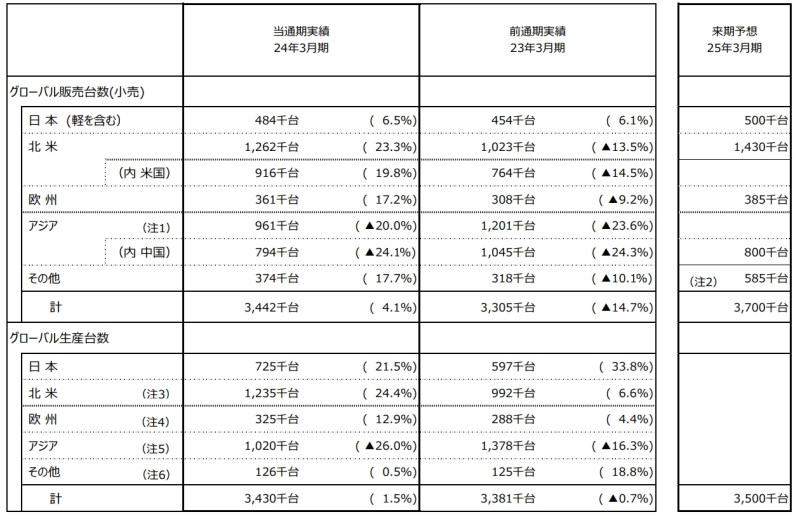
However, Nissan's problems were first exposed in the Chinese market. Once, Nissan's peak sales in China reached 1.5 million vehicles (in 2017), at that time Toyota's sales in China were 1.29 million vehicles. With the trend of electrification in the Chinese automobile market becoming more and more obvious, Nissan's sales have decreased year by year. By 2023, Nissan only sold 790,000 vehicles in China.
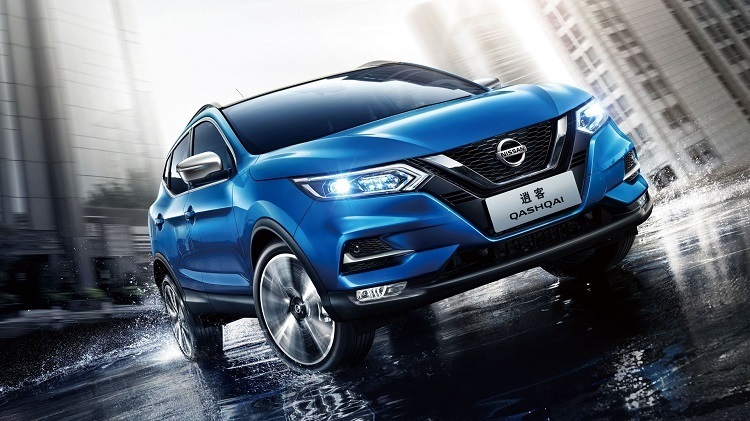
From 2017 to 2023 in China, Nissan's two best-selling SUVs QASHQAI and X-TRAIL both fell. From selling tens of thousands of units each month, they now sell less than 3,000 units a month, leaving only the Sylphy sedan to maintain Nissan's survival in China with a monthly sale of 25,000 vehicles on average.
But the situation with Sylphy is also not optimistic. The QIN Plus, led by BYD, with more fuel-efficient, cheaper, and better power advantages, has made people lose their appetite to buy Sylphy. In order to maintain Sylphy's sales, Nissan's dealers are forced to cut prices, almost by 40%.

To save its Chinese business, Nissan embraced the trend of electrified cars more actively than Toyota and Honda. Nissan launched the Ariya as its flagship vehicle, but many consumers thought the Ariya's local price of 272,800 yuan was too high. Even after Nissan cut the Ariya's price by 50%, it still couldn't save the Ariya.

The failure of Ariya led Nissan to turn back to the gasoline car market. The following year, Nissan launched the Pathfinder in China. In response to the issue of Ariya's high pricing, Nissan proposed a very attractive price for Pathfinder. It sold at a minimum price of $37,000 in the United States, but only $29,000 in China, and its power system has also been improved.
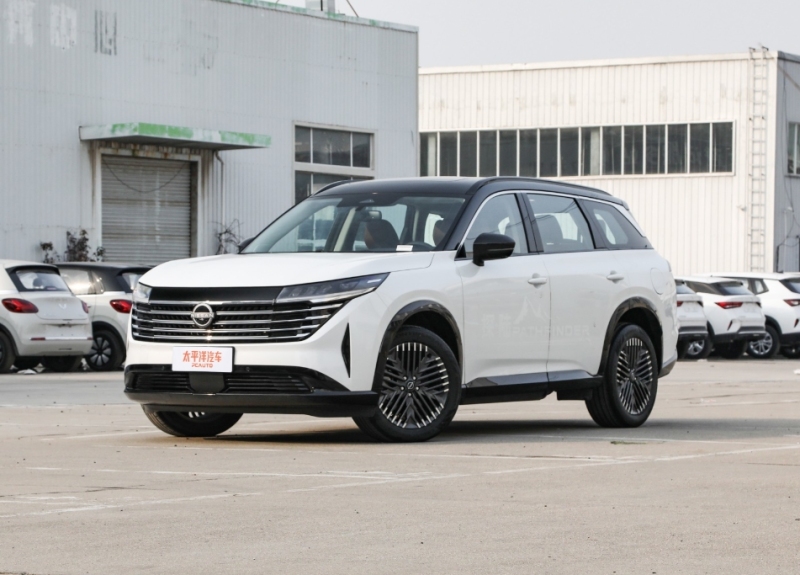
The Pathfinder launched in China uses Nissan's most advanced engine, the KR20, the same 2.0T engine as the INFINITI QX60, which adopts the VC-TURBO variable compression ratio technology. It has a maximum power of 185kW (252Ps) and a peak torque of 376N·m, which is superior to the Pathfinder's outdated 3.5L power system in the United States.
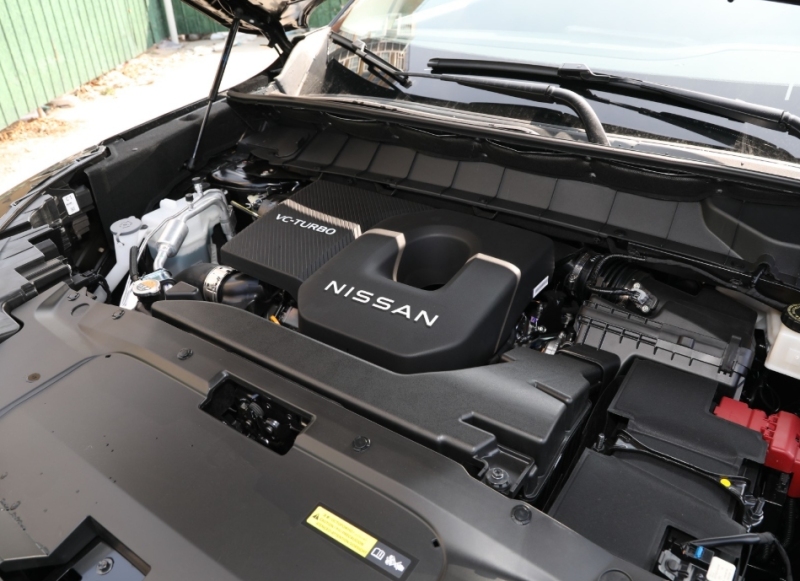
However, Pathfinder still failed to bring hope to Nissan. A monthly sales volume of over a thousand units was not enough to improve Nissan's predicament.
Nissan's sales in the United States have also been poor. As a result, Nissan has reduced production capacity at its U.S. factories by 30% and has also carried out layoffs. Currently, 6% of Nissan's U.S. employees have accepted the early retirement plan, meaning approximately 1,000 U.S. employees will leave Nissan by the end of this year.

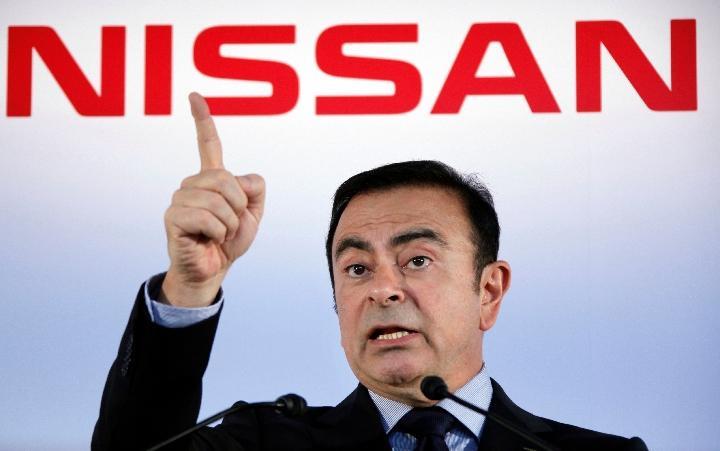
The predicament of 1999 reappears in Nissan, former Nissan CEO Carlos Ghosn in Lebanon said that today's Nissan has wasted all efforts of the past 20 years.
It's a crisis, but also an opportunity
However, some people in Nissan think that Carlos Ghosn just postponed the crisis of Nissan that occurred in 1999 to 2024.
After entering Nissan, Carlos Ghosn cut down most of the R&D projects, only retaining some more conventional R&D, making the slogan of "Technology of Nissan" meaningless.
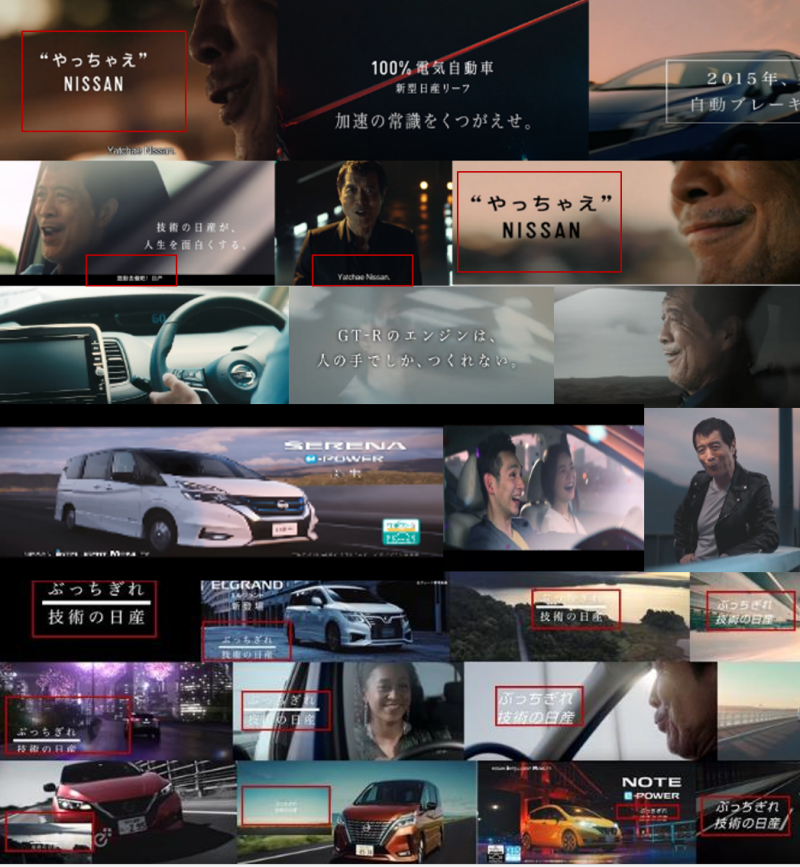
The lack of research and development has led to a gradual loss of Nissan's technological advantage. As mentioned earlier, Nissan's sales in the Chinese market have been declining, and the reason for this is the lack of technological innovation in its products. For example, the engines in models like the Sylphy and QASHQAI have not been updated for decades. During this period, Honda's L15B series engine was introduced, and Toyota's TNGA engines have already incorporated dual injection systems. Initially, Nissan could rely on price cuts to maintain sales, but over time, due to the outdated technology in its products, even with price reductions, fewer people are willing to buy.

Nissan has early research on car electrification technology and intelligent driving technology, but the commercialization process is extremely slow.
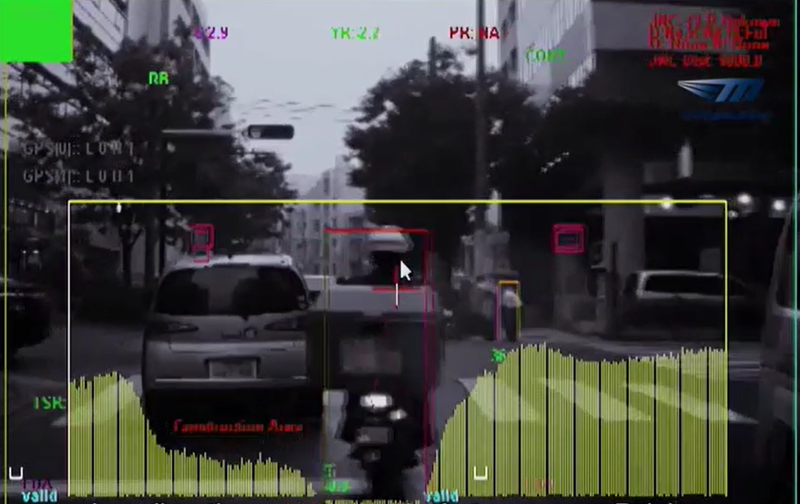
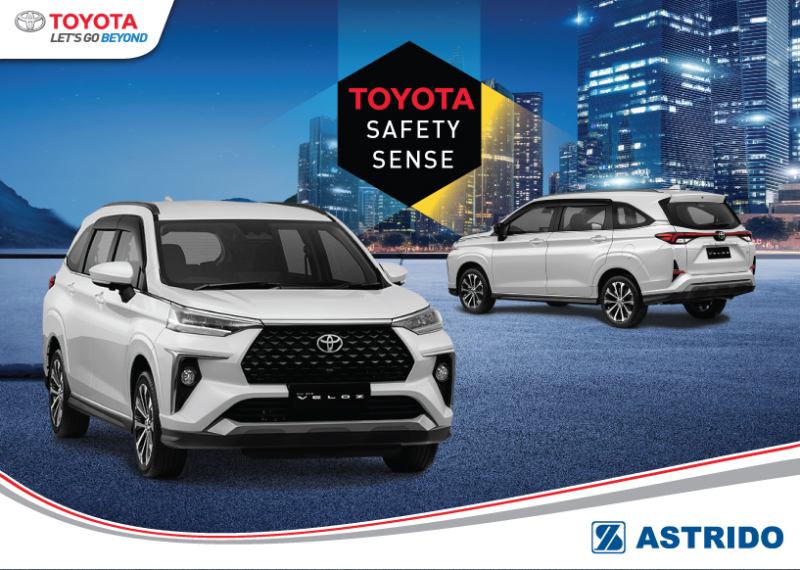
In the field of intelligent driving, Nissan introduced ProPILOT before 2015, while Toyota started to promote TSS (Toyota Safety Sense) with the first model of TNGA from 2016, and now TSS has become almost a standard configuration for Toyota cars. In contrast, ProPILOT from Nissan, while widely known, is seldom seen.
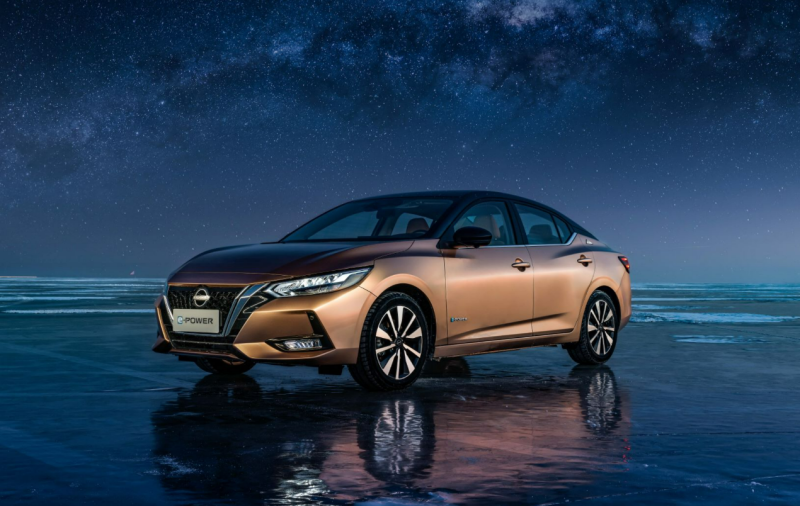
The same goes for e-Power, where Nissan's progress is very slow, with e-Power models accounting for a much lower proportion of sales than Toyota and Honda's.
However, this does not mean that Nissan does not have commercial value. After rumors of an alliance with Honda, Nissan's stock price rose 23.7% to its daily limit, and even Mitsubishi Motors' share price rose by 19%. In addition, Foxconn from China is also trying to reach out to Nissan.
Therefore, a 90% drop in Nissan's profit margin is not terrifying from a business perspective. Last year, the total profits of all Chinese automakers did not even match that of Toyota. They are still doing well. Furthermore, Nissan still had a profit of 120 million U.S. dollars in the first quarter. Compared with Northvolt, which has spent 90 billion U.S. dollars, as well as Rivian and Lucid, Nissan's situation is not desperate.
Will Honda and Nissan become another "Toyota"
The merger of Honda and Nissan is not only the wish of the Japanese government, but also the intention of The Master Bank of Japan, who holds shares in both Nissan (8%) and Honda (14%).

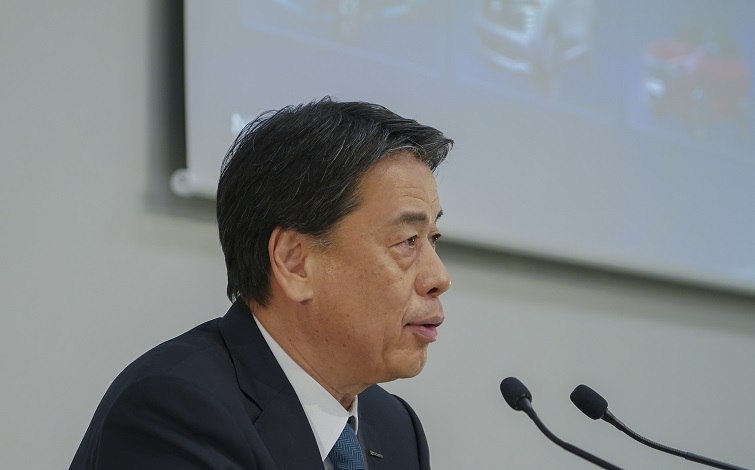
The so-called merger of Nissan and Honda, with annual sales of 8 million vehicles, and the world's third largest automaker, are all word games. What investors hope for is that Nissan and Honda can complement each other in technology and achieve the effects of economies of scale in the field of electric vehicles.
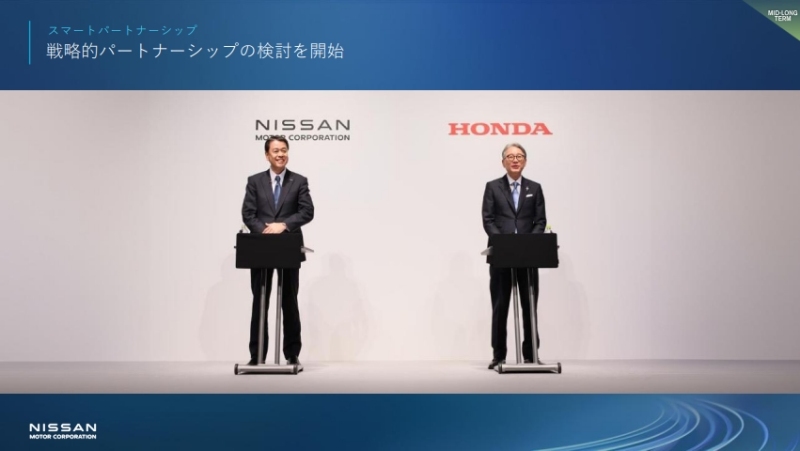
At the press conference announcing the merger of Nissan and Honda, it was clear that the aim was to standardize the platform of both companies' vehicles and establish an intelligent and electric vehicle talent base.
In fact, Nissan and Honda had already begun discussing the merger as early as March of this year. In the roadmap document published on Honda's official website, it was also proposed to cooperate with Nissan and Mitsubishi in the field of electric vehicles.
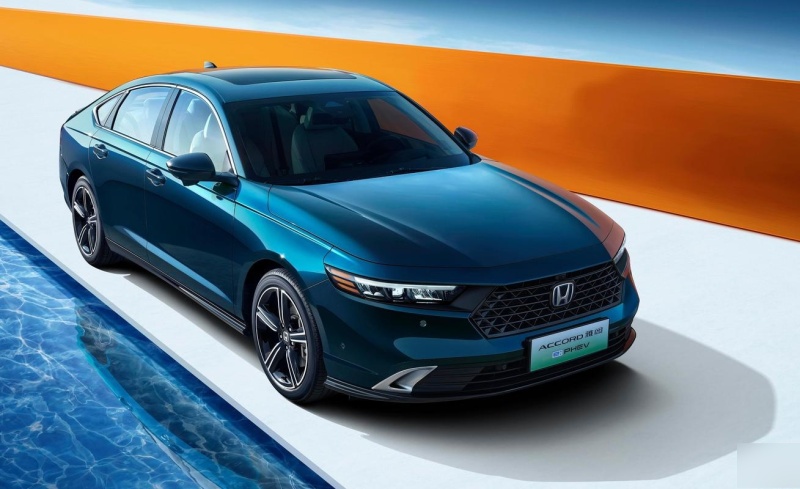
From a technical perspective, both Nissane-Power and Hondai-mmd are suitable for PHEV models. The range-extending hybrid power similar to e-Power has already seen widespread success in China, and Hondai-mmd has also spawned a PHEV version of Accord.
In terms of BEV, there are many possibilities between the two parties. Nissan will continue to develop in the direction of e-Power, launching a more efficient 5-in-1 motor in the future.

Honda is working hard to integrate the battery into the car chassis, to minimize the size of the battery (with a bit of the "MM" concept in mind), to be compatible with different car designs.

PHEV models are Toyota's weakest area. If Nissan and Honda as a group put in a little more effort in the PHEV and BEV field, they can achieve the same scale as Toyota with a global sales increase of 2 million vehicles.
Conclusion
The outcome of Renault and Nissan is inevitable, as Japanese companies prefer to work with Japanese companies. Although Carlos Ghosn thinks Nissan is better suited to be acquired by Hon Hai Precision, Hon Hai Precision has indeed discussed acquisition matters with Nissan.
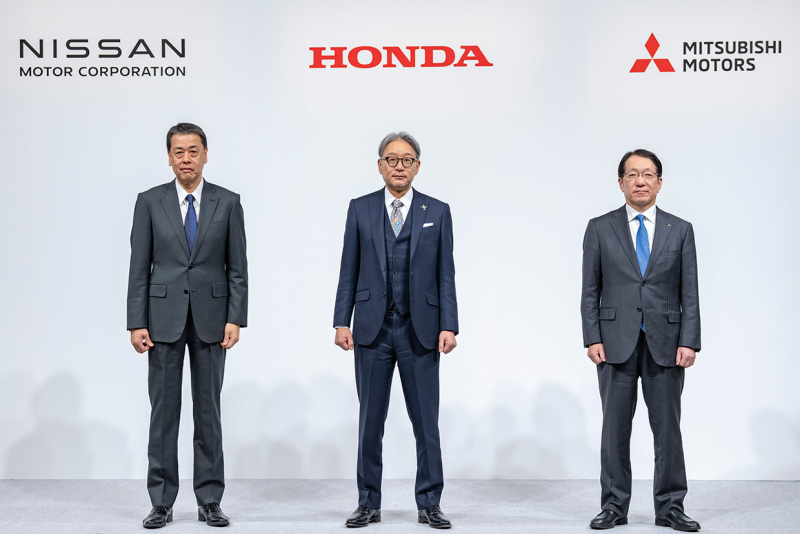
Honda is different from Renault and Foxconn Precision, it is a pure Japanese company, and its merger with Nissan is very reasonable. The results of the merger are expected to be visible in two years, and if some successful products can be born, it's not a good thing for other auto companies, especially for Chinese auto companies who are used to fighting independently.
If any infringement occurs, please contact us for deletion



Popular Cars
Model Year
Car Compare
Car Photo