
First Look: The Next-Generation Lexus ES Unveiled at the 2025 Guangzhou Auto Show, Showcasing More Details This Time
 MichaelNov 26, 2025, 06:07 PM
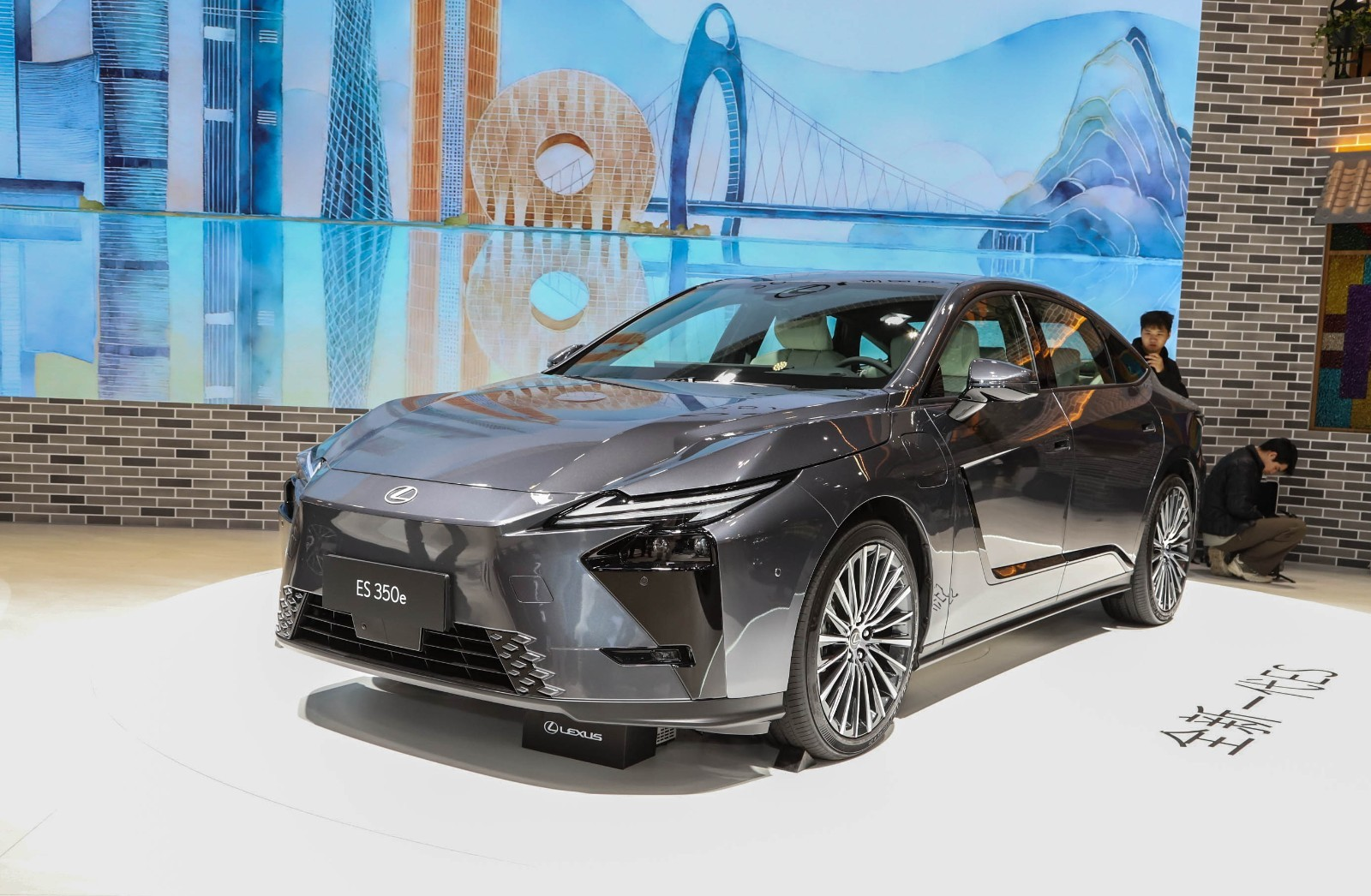
【PCauto】The all-new Lexus ES made its debut at the Guangzhou Auto Show. This mid-size luxury sedan holds a significant position in the global market.
The new-generation ES retains the brand's classic elegance while introducing more modern and sporty elements, positioning it for the future transition to hybrid and electric powertrains.
As an important model in the Lexus lineup, the new-generation ES has undergone upgrades in multiple aspects:
· The exterior is lower, wider, and more streamlined, combining a modern sporty feel with the brand's iconic design elements;
· In terms of powertrain, the model will be available with both hybrid (HEV) and fully electric (BEV) versions;
· It is built on the all-new TNGA GA-K platform, which helps balance driving comfort, quietness, and performance.
Exterior of the New Generation Lexus ES
The new-generation Lexus ES continues the brand's elegant design DNA while incorporating more modern and sporty elements. It presents a visual impression of being lower and wider, with more harmonious proportions.
The overall front fascia retains the spindle-shaped grille contour, with distinct designs featured across different powertrain versions. The hybrid version retains the active grille shutter, while the pure electric version is equipped with a closed parametric scale decorative panel, reducing the drag coefficient to 0.26Cd.


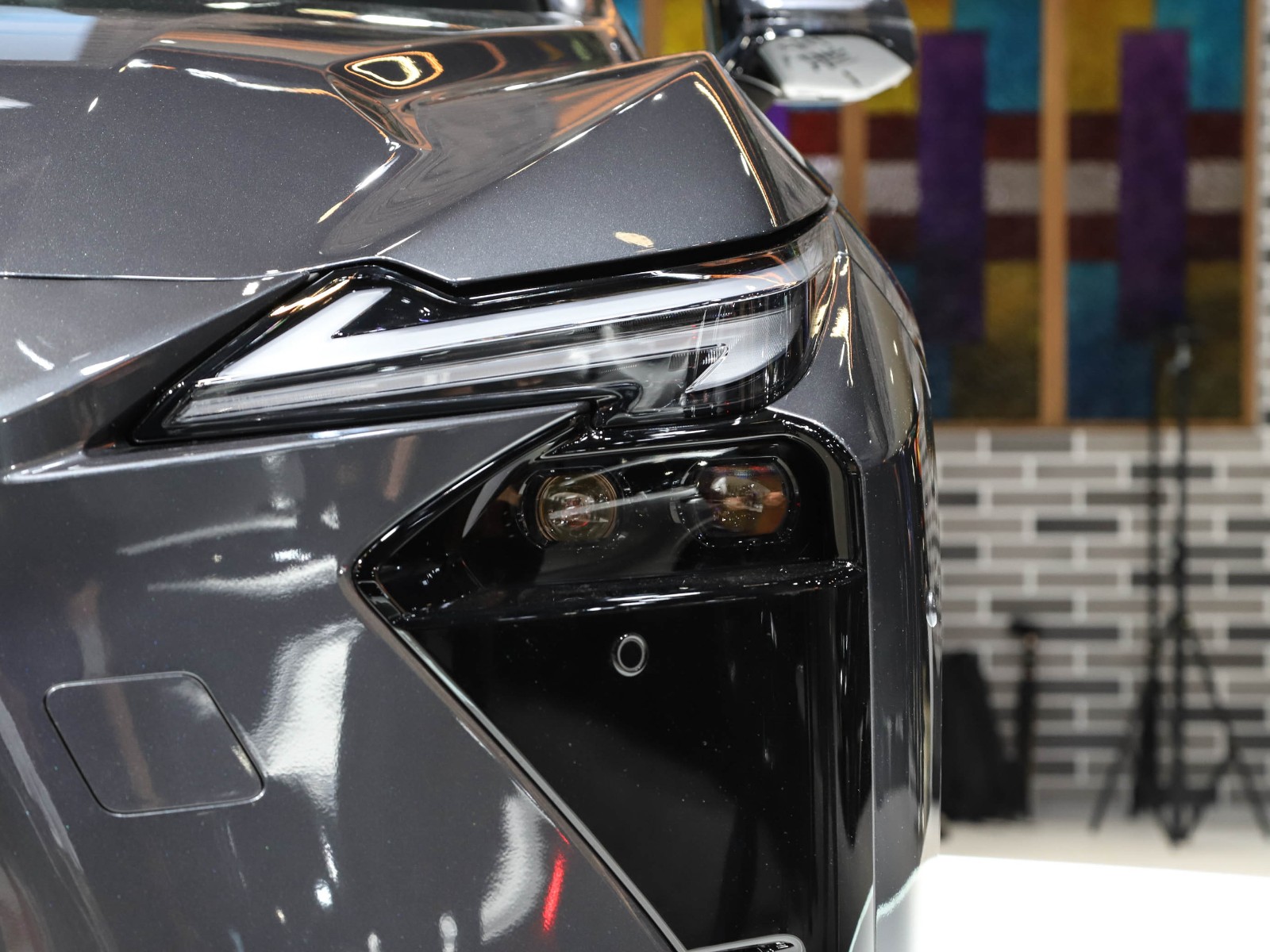
The lighting cluster features a split-type star trail matrix design. The upper L-shaped daytime running lights create a sharp contrast with the grille below, lending the front fascia greater refinement and visual depth.
The enlarged air ducts on both sides contribute to a visually lower center of gravity while also enhancing aerodynamic performance.
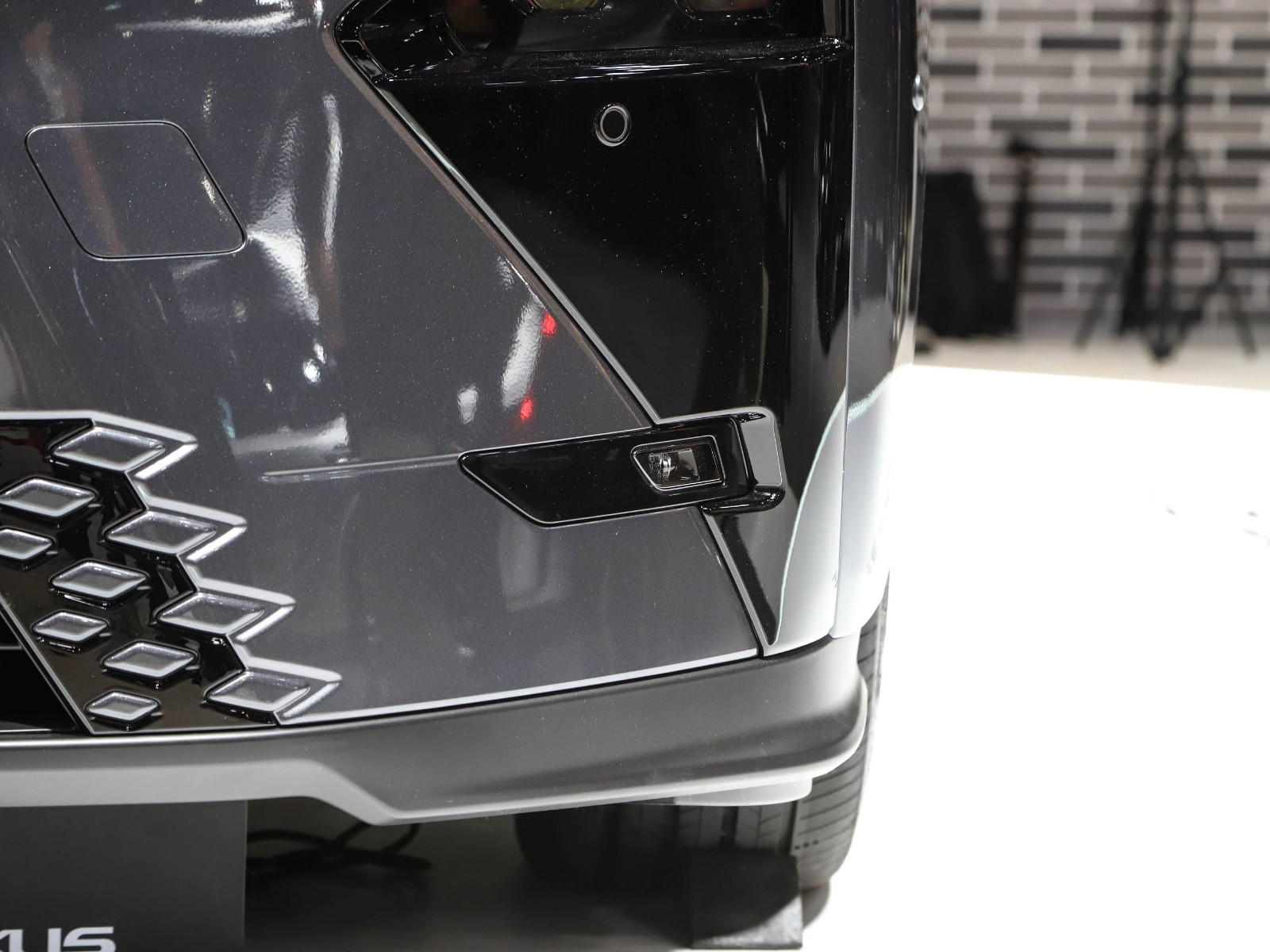
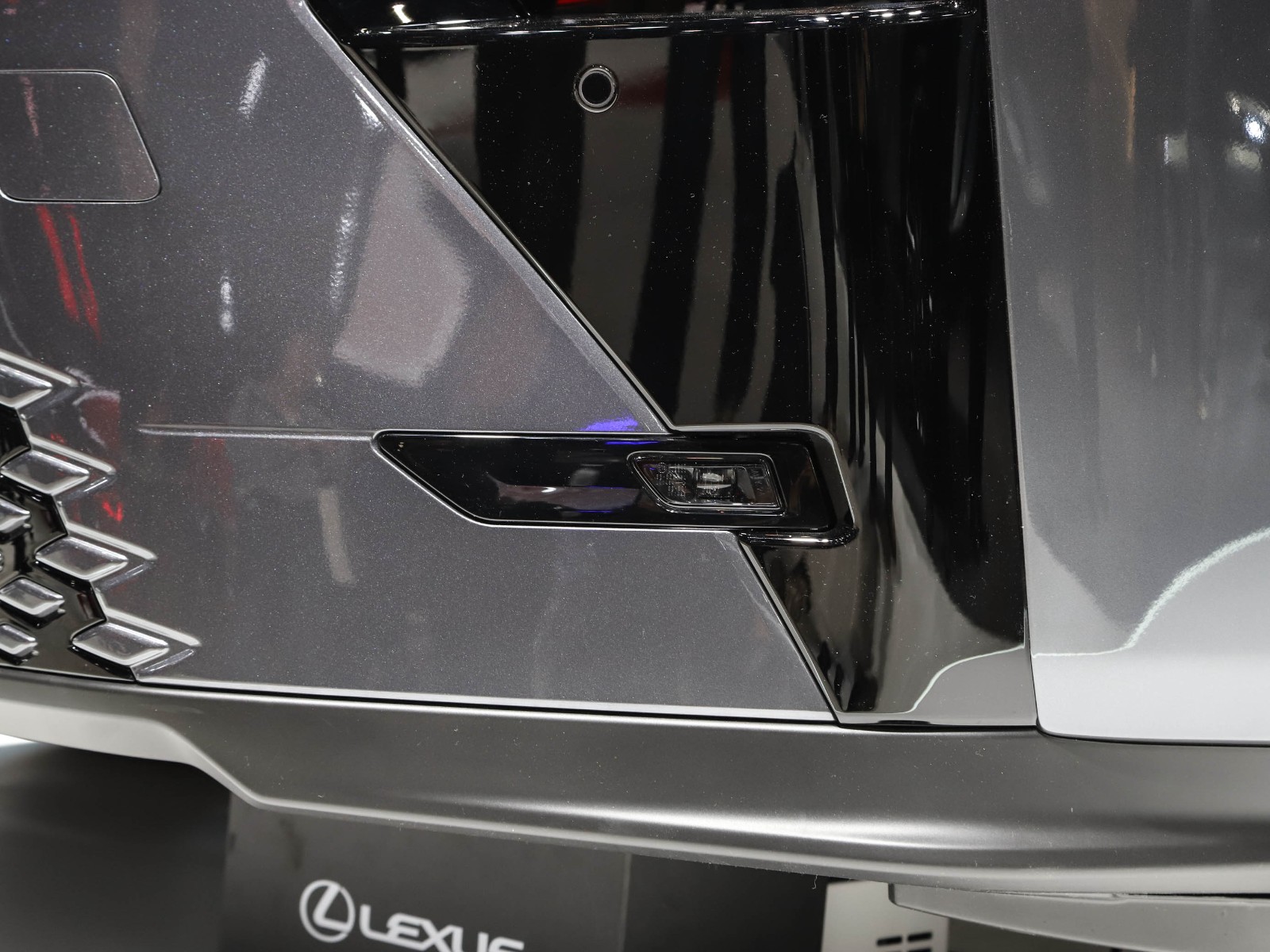
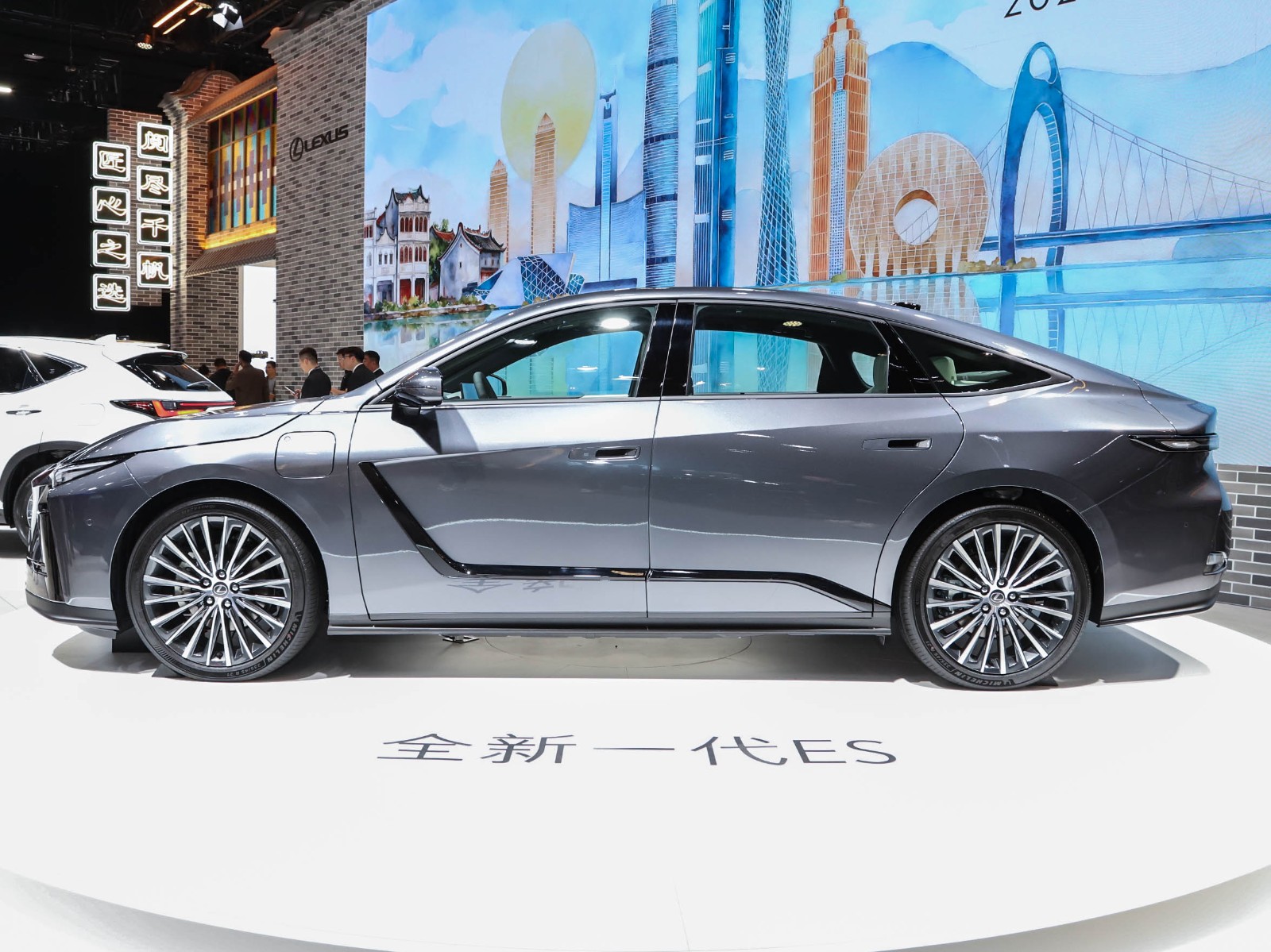
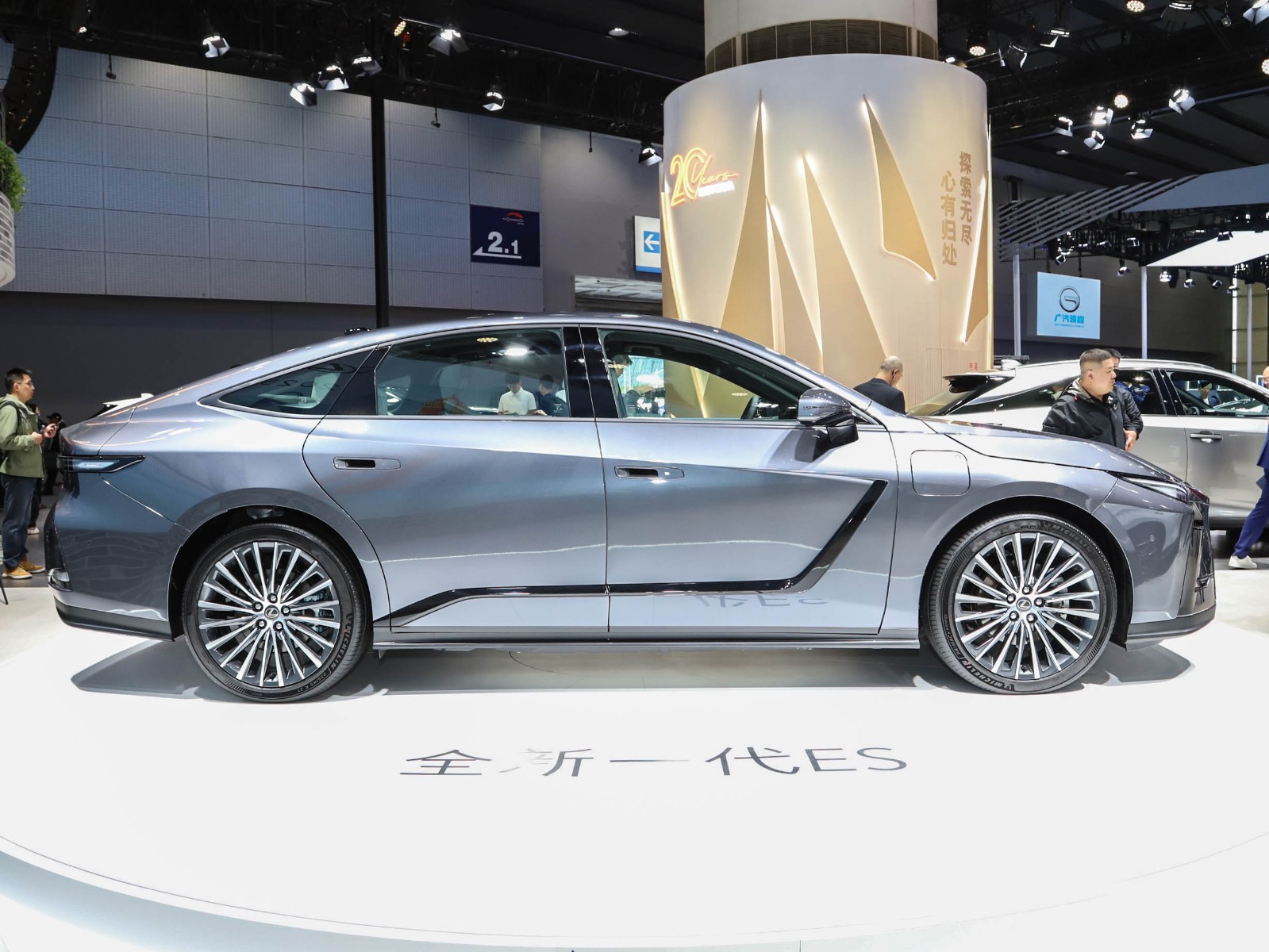
The side profile further emphasizes the sporty feel and dynamic proportions, featuring a short front overhang and long rear overhang layout. This, combined with hidden door handles and 21-inch low-drag wheels, gives the car a more streamlined stance.
The body dimensions have increased compared to the previous generation, with length extended by 165mm and wheelbase increased by 80mm, resulting in a more spacious interior cabin. The 28° inclination of the D-pillar design balances the coupe aesthetics with ample headroom for rear passengers.
The waistline and the roofline extending towards the rear create a smooth visual flow, imparting a dynamic stance to the car even when stationary.


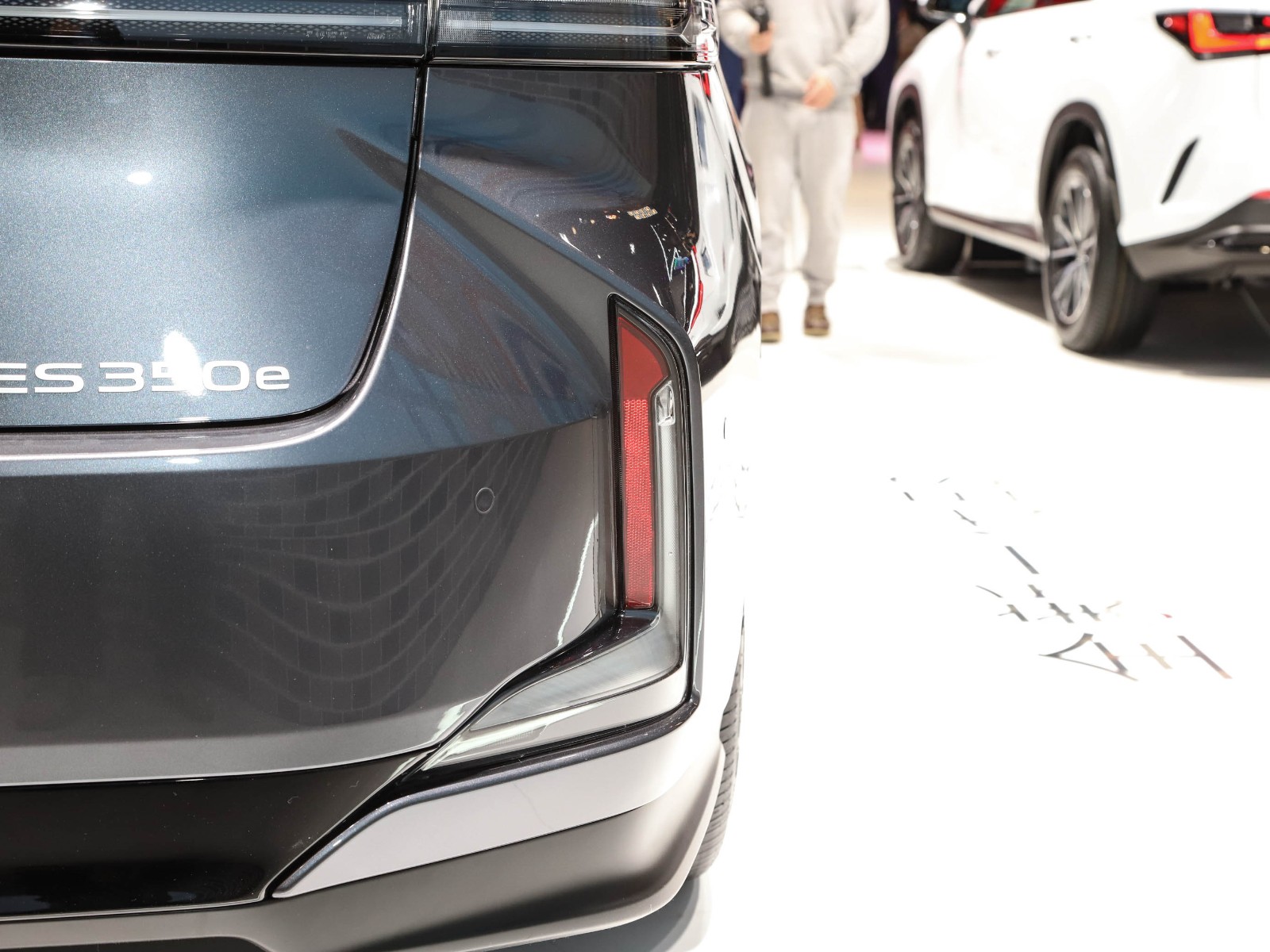
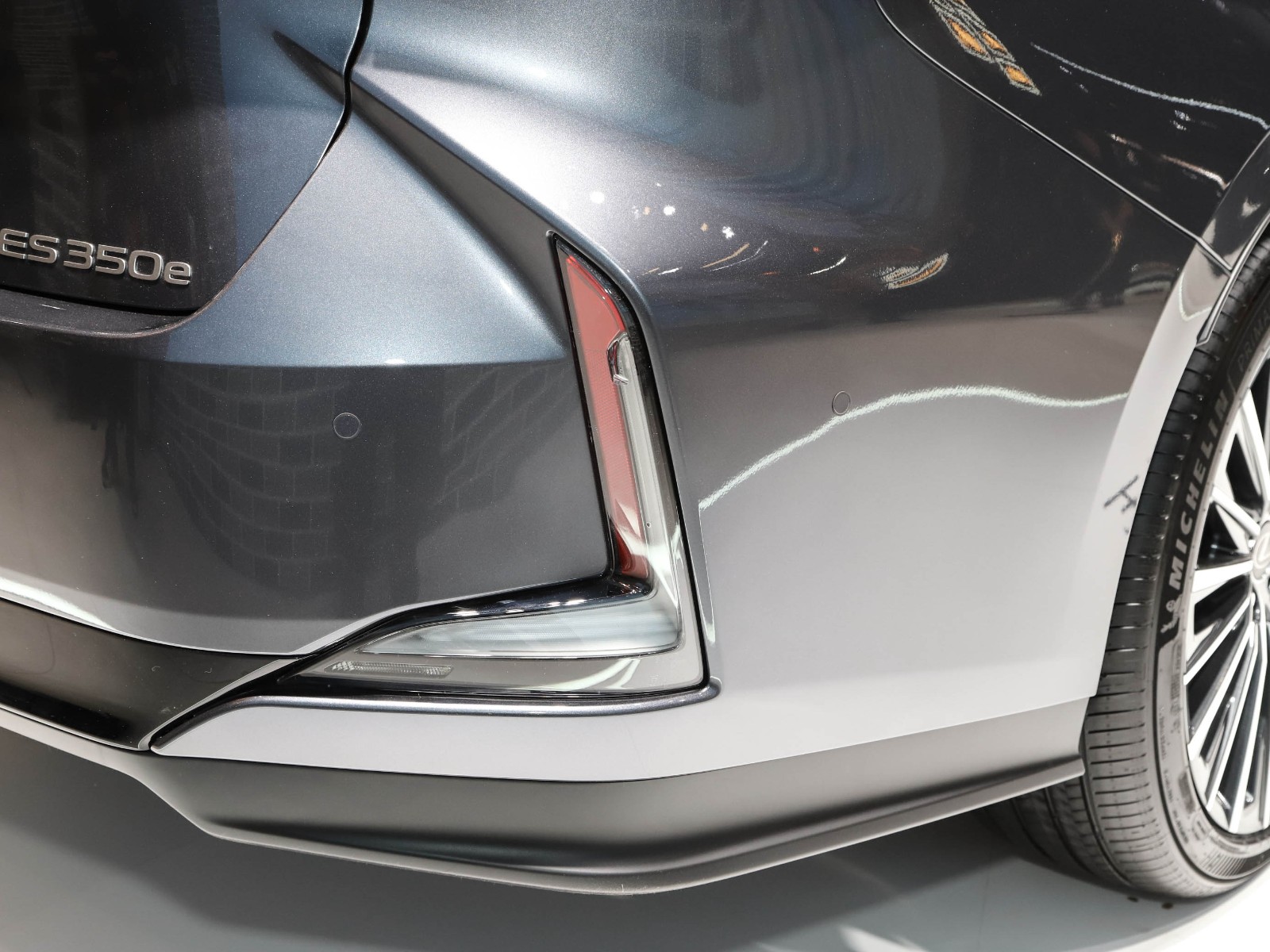
The rear design boosts recognizability with a full-width OLED taillight incorporating dynamic light curtain effects, ensuring high visibility at night.
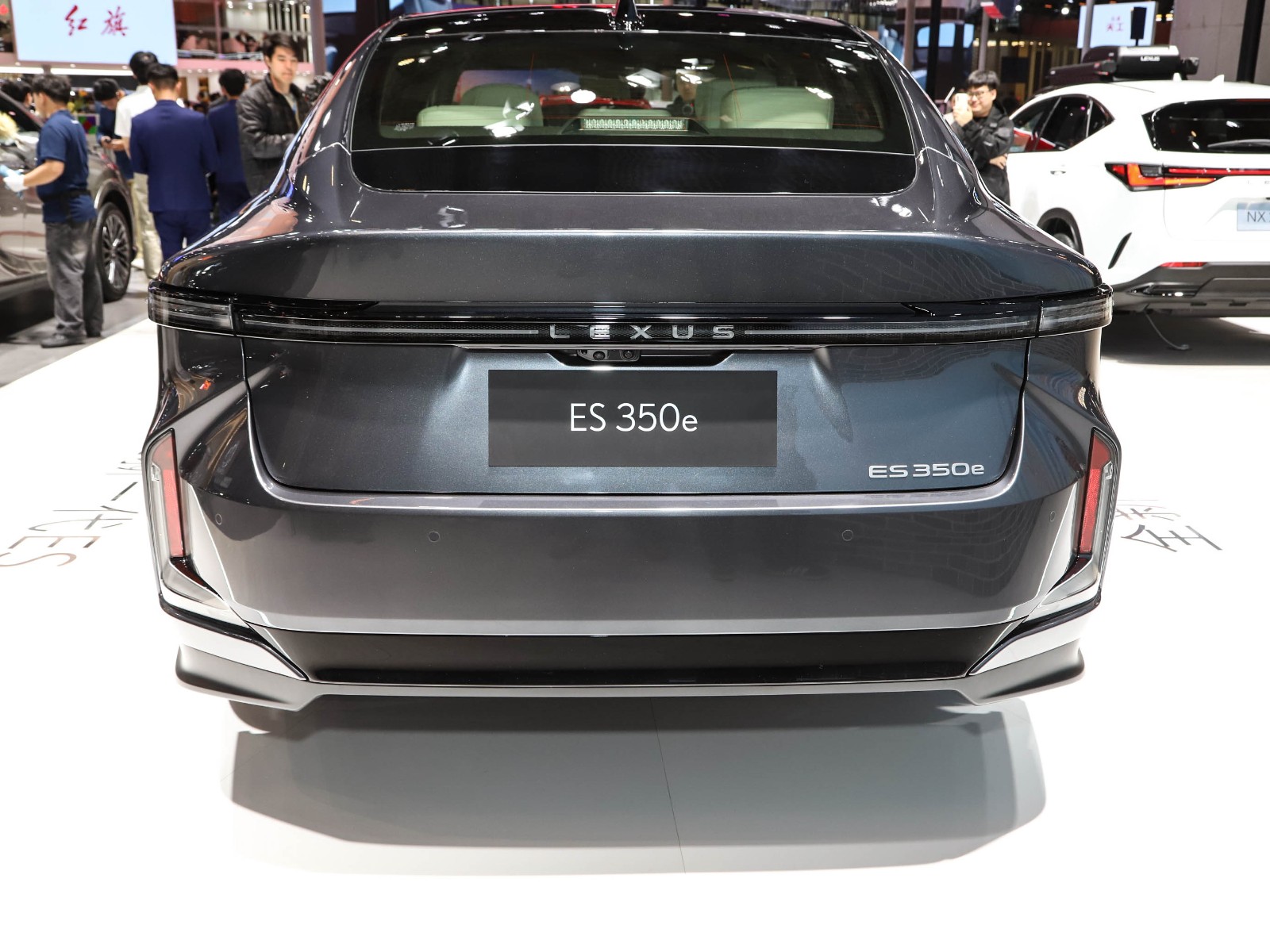

The rear bumper features L-shaped chrome trim and a three-dimensional diffuser design, resulting in a stable yet visually engaging appearance. The pure electric version omits the exhaust layout due to its energy characteristics, thereby creating a clear distinction from the hybrid version and reinforcing the sense of technology and futurism.
New Generation Lexus ES Interior
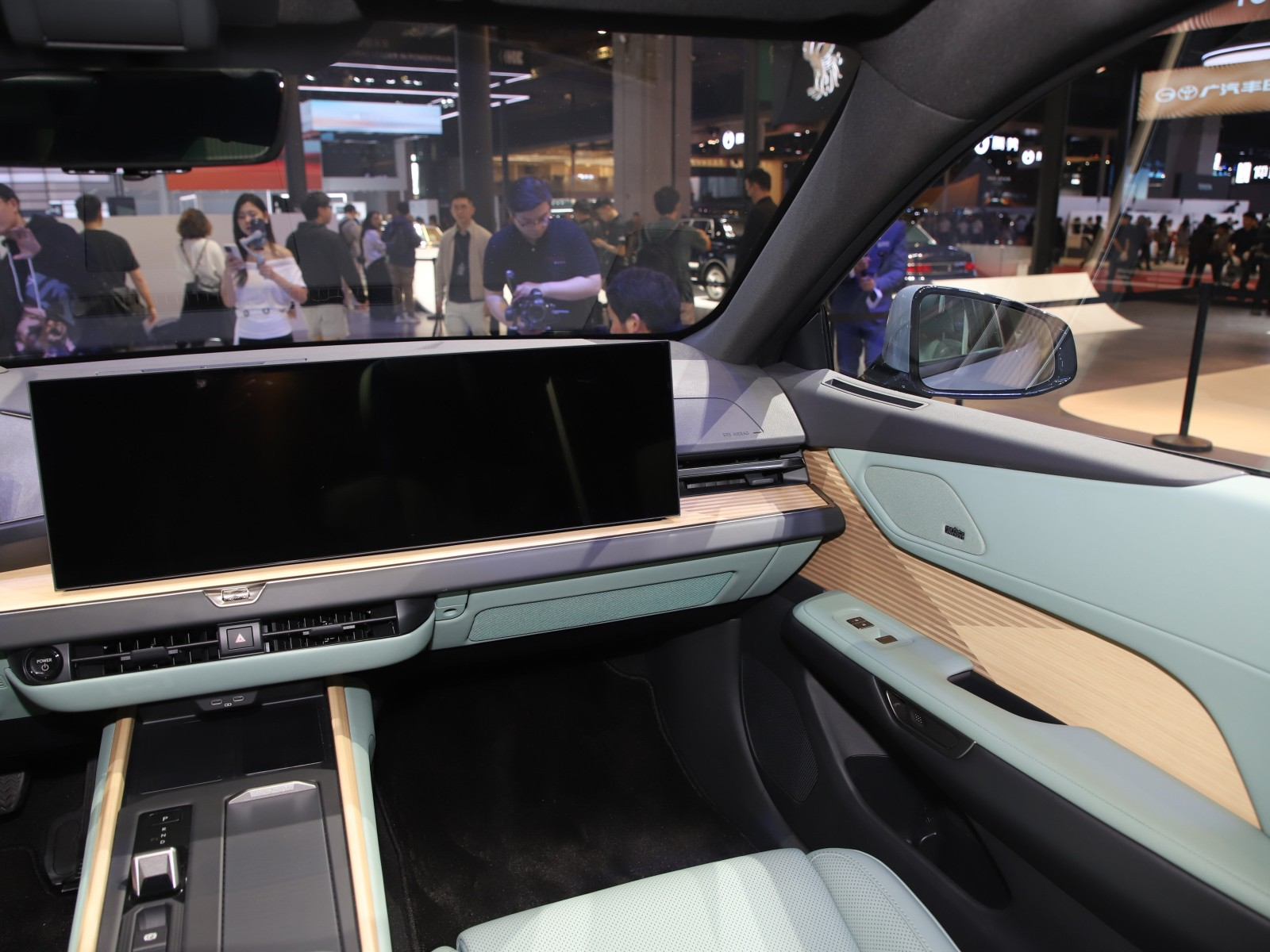
The new-generation Lexus ES interior is built upon the Tazuna driver-centric concept, blending simplicity, luxury, and technology seamlessly.

The high-end model is equipped with a floating dual 12.3-inch screen, while the center console incorporates a Bamboo Layering texture panel. This panel interacts with the ambient lighting through light transmission technology, creating dynamic textures and showcasing unique light and shadow effects.

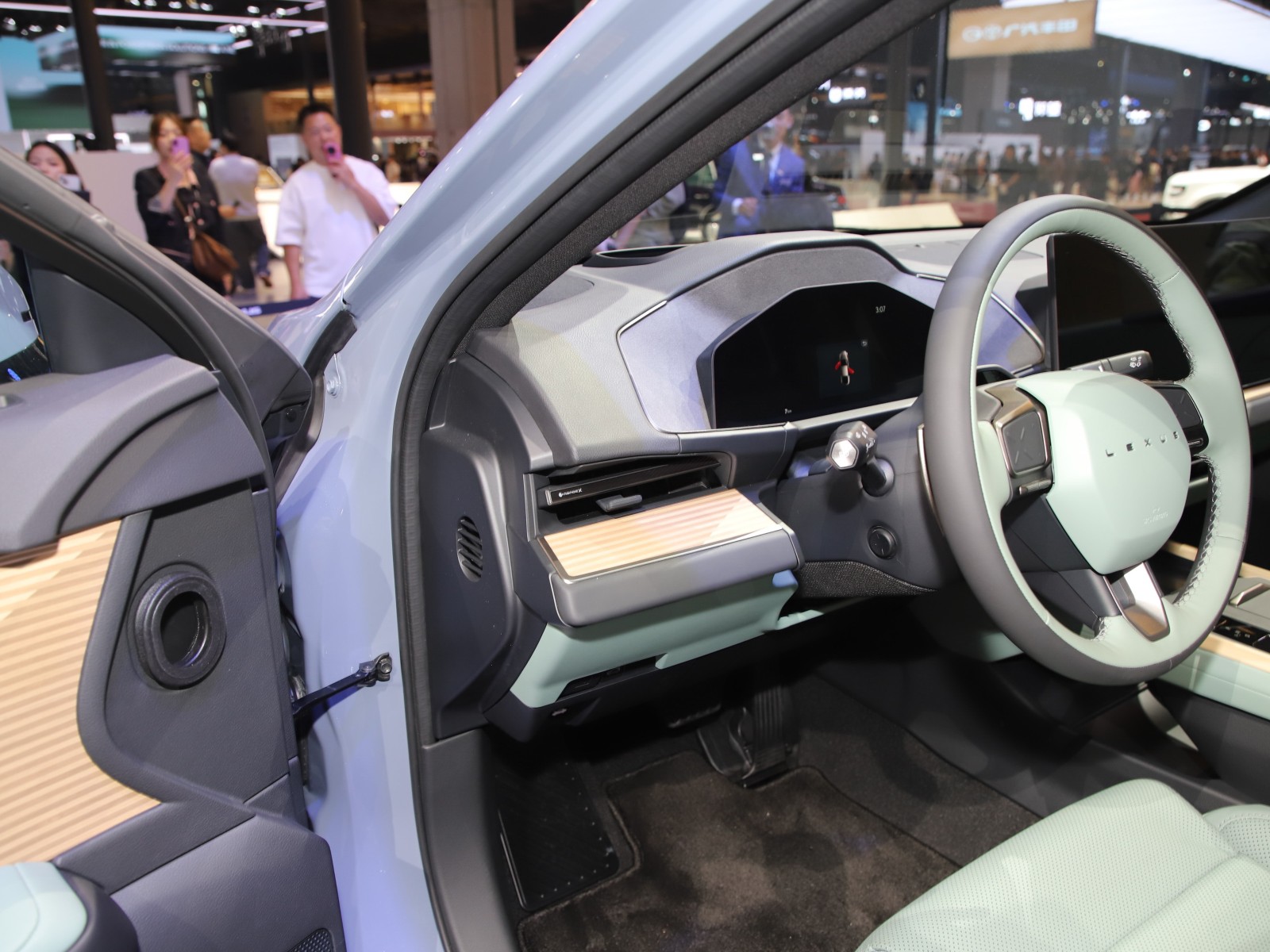

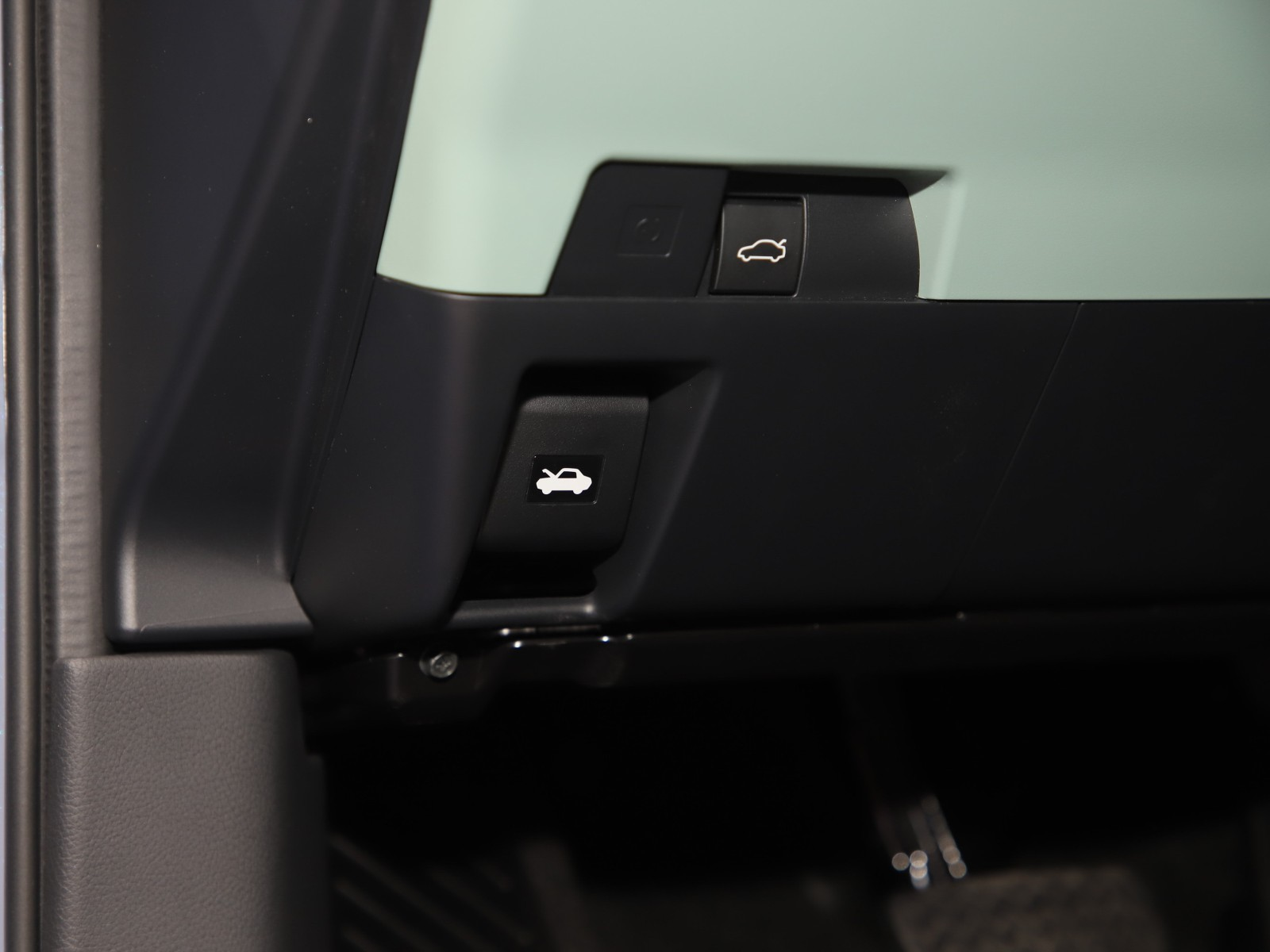
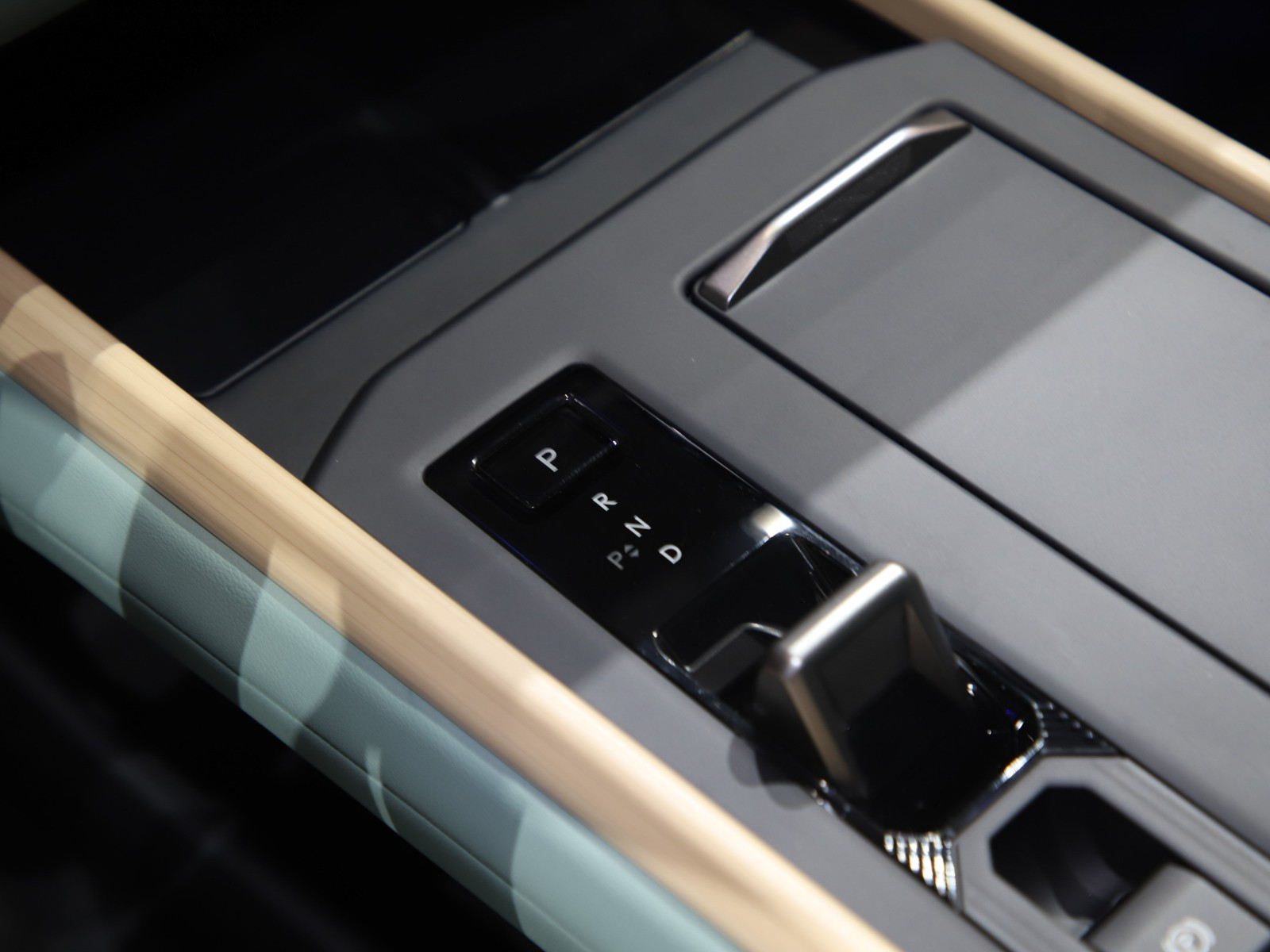
The Hidden Tech invisible buttons remain completely concealed when the vehicle is off and illuminate upon startup. When combined with the electronic gear shifter and touch-sensitive knobs, they offer simple and intuitive operation while achieving a balance between technology and aesthetic design.

Cabin Comfort Further Upgraded
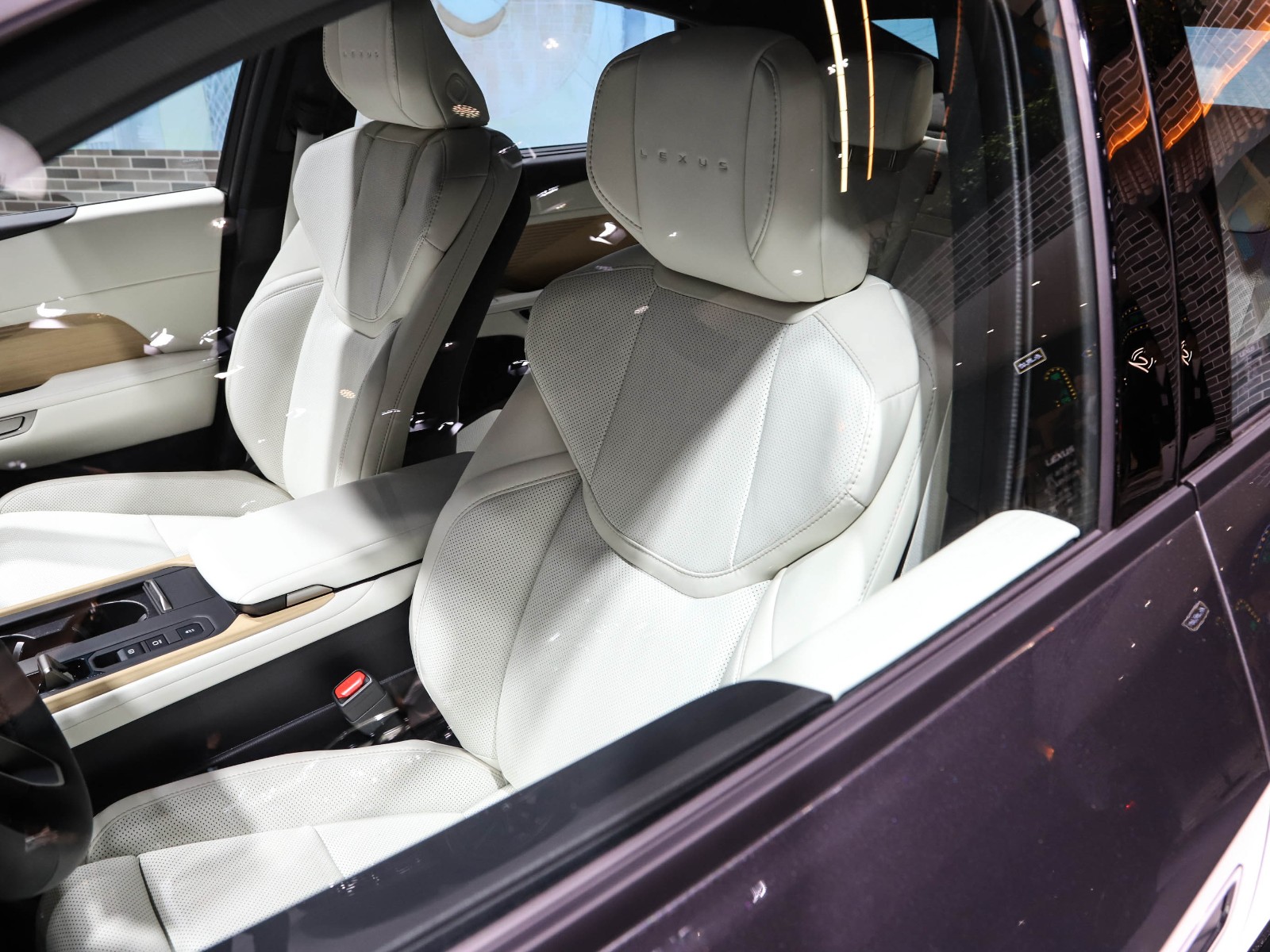
The seats are crafted from semi-aniline leather and feature exquisite three-dimensional quilting, which lends a high-end appearance.
Both the rear and front passenger seats are equipped with electric leg rests, while all seats feature a massage function, thereby reducing fatigue on long journeys.

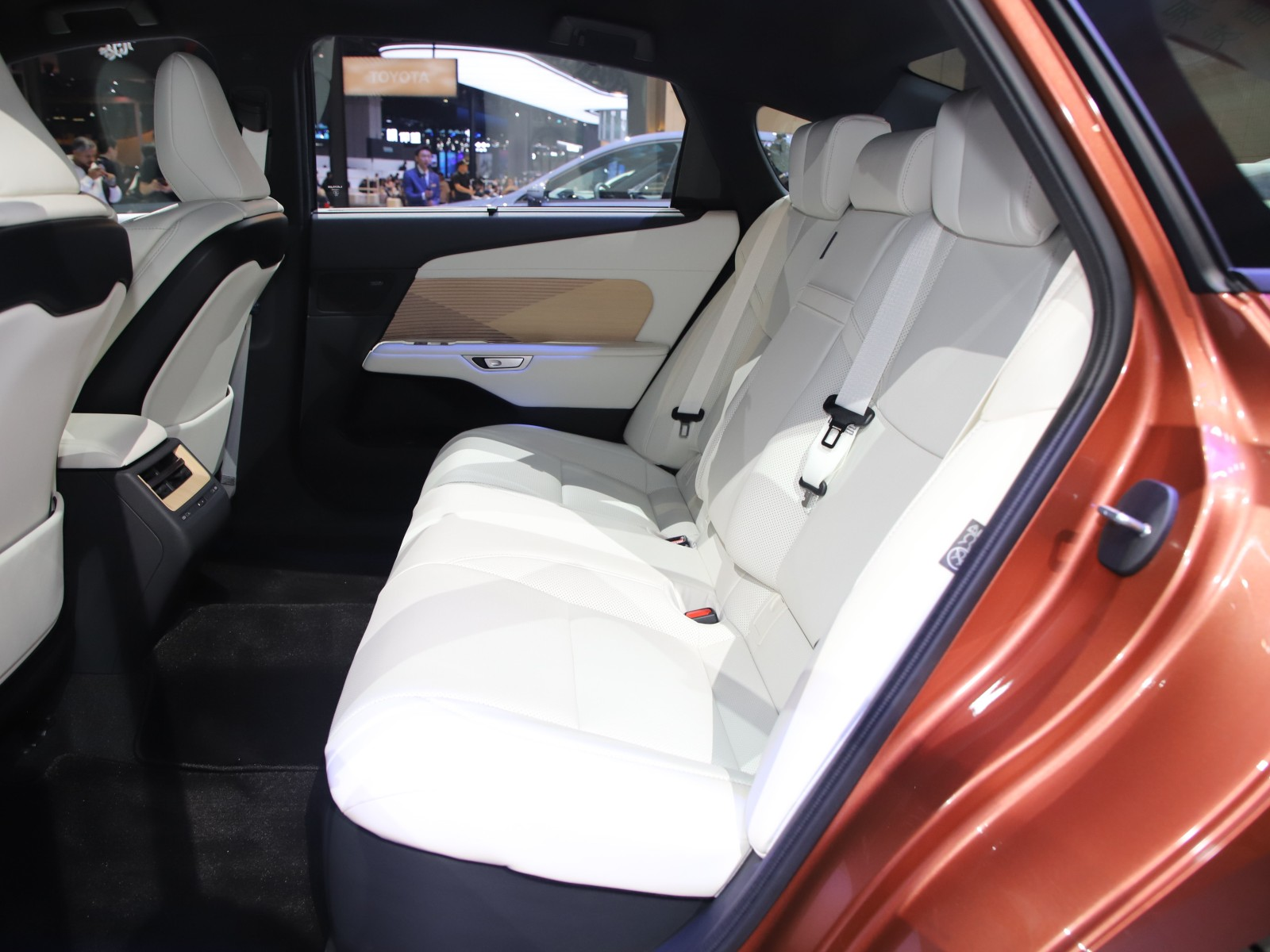
The air conditioning system comprises three independent zones and is equipped with a PM0.1-grade filter. Together with double-layer soundproof glass and active noise cancellation, these features ensure a remarkably quiet interior.
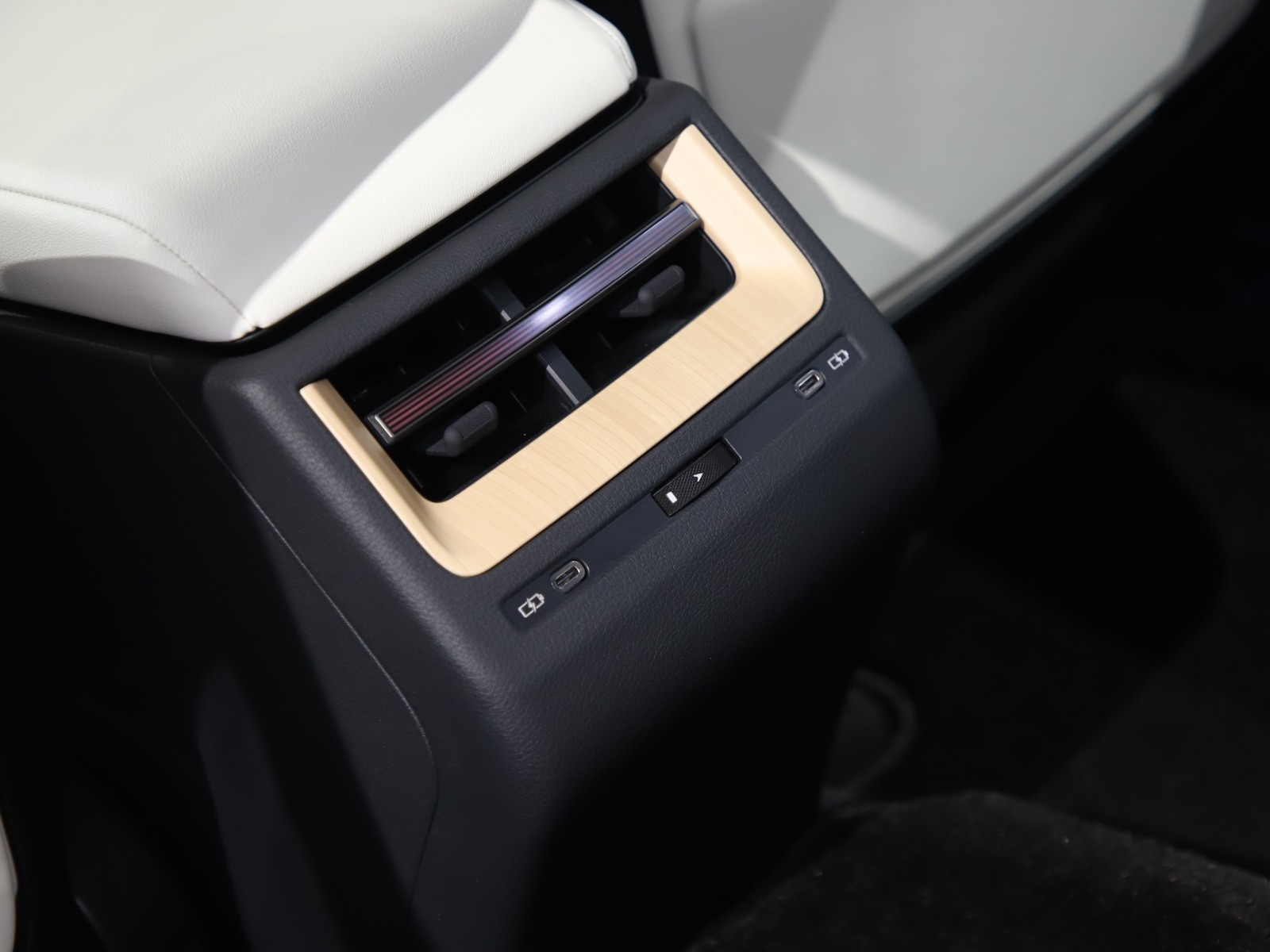
ES will offer different powertrain versions, including a pure electric version
Hybrid powertrains available as HEV and PHEV
The hybrid version, expected to be named ES300h, retains the current 2.5L naturally aspirated engine and electric motor hybrid system, delivering a combined output of 160 kW and being paired with an E-CVT transmission.
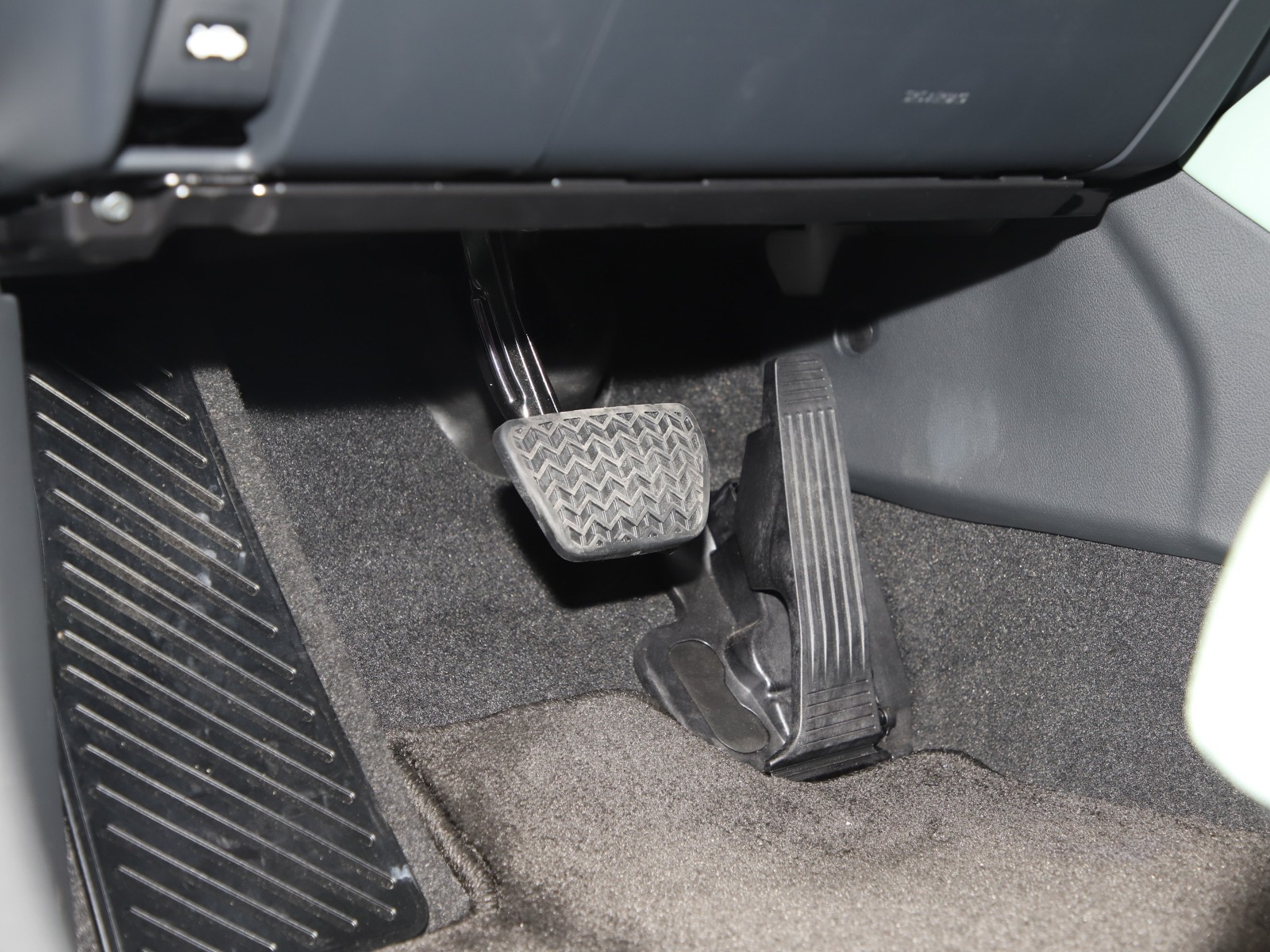
The ES350h features an upgraded 2.5L THS-IV system, boasting a combined power output increased to 247 hp, WLTC combined fuel consumption of only 4.8L/100km, a full-tank and full-electric comprehensive range exceeding 1200km, and a pure electric range of 60km in urban conditions.
These powertrain systems have necessitated optimizations to the vehicle's front grille (including its opening/closing mechanism), air intake layout, body proportions, and other design aspects, all while maintaining a balance between fuel efficiency and driving performance.

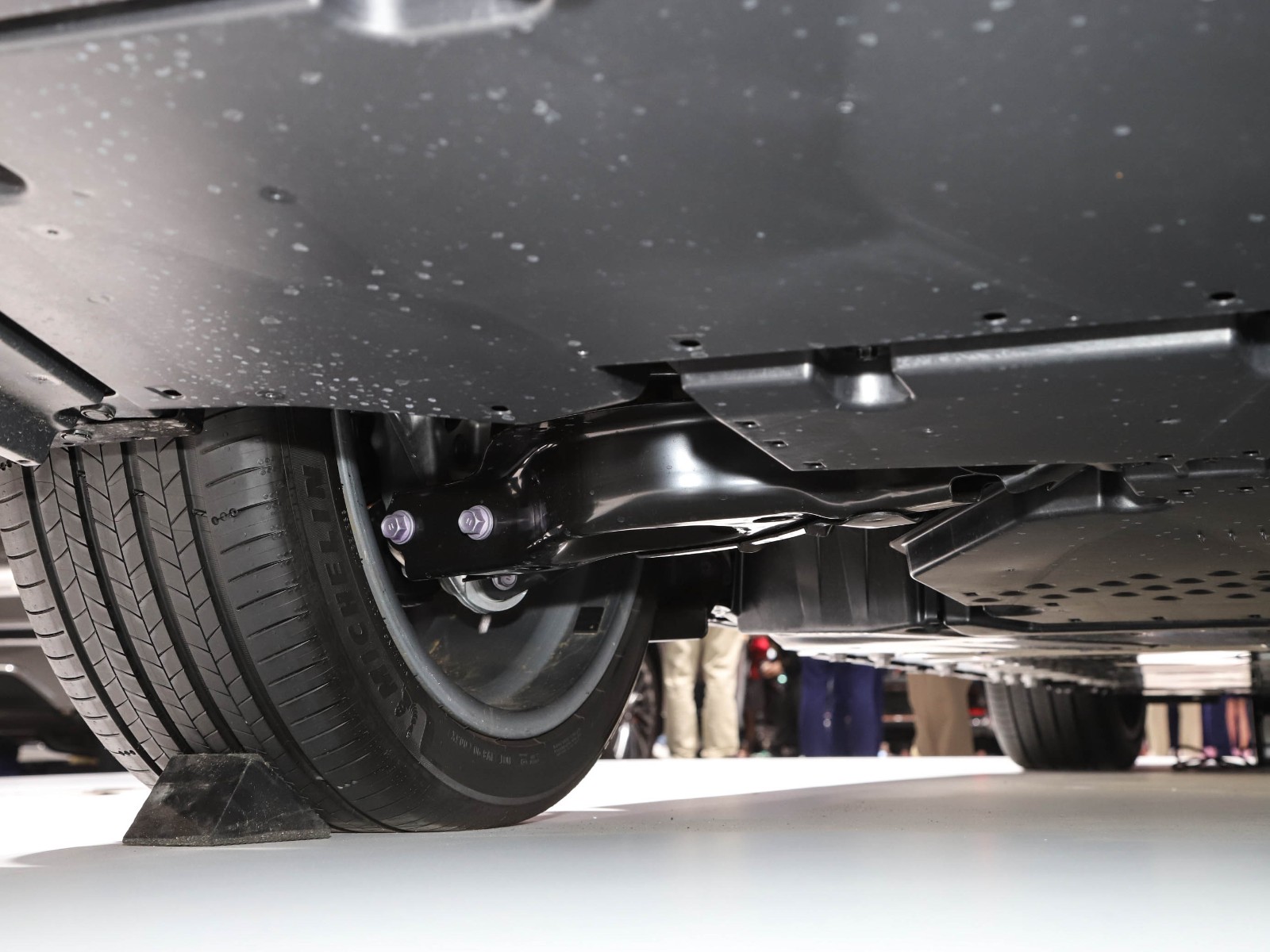
The pure electric versions include the ES350e and ES500e
The ES500e is built on an 800V high-voltage platform and equipped with dual motors and the DIRECT4 intelligent all-wheel-drive system. It produces a maximum power output of 343 hp, accelerates from 0-100km/h in just 5.9 seconds, is fitted with a 100kWh battery pack, and offers a CLTC range of 610km.
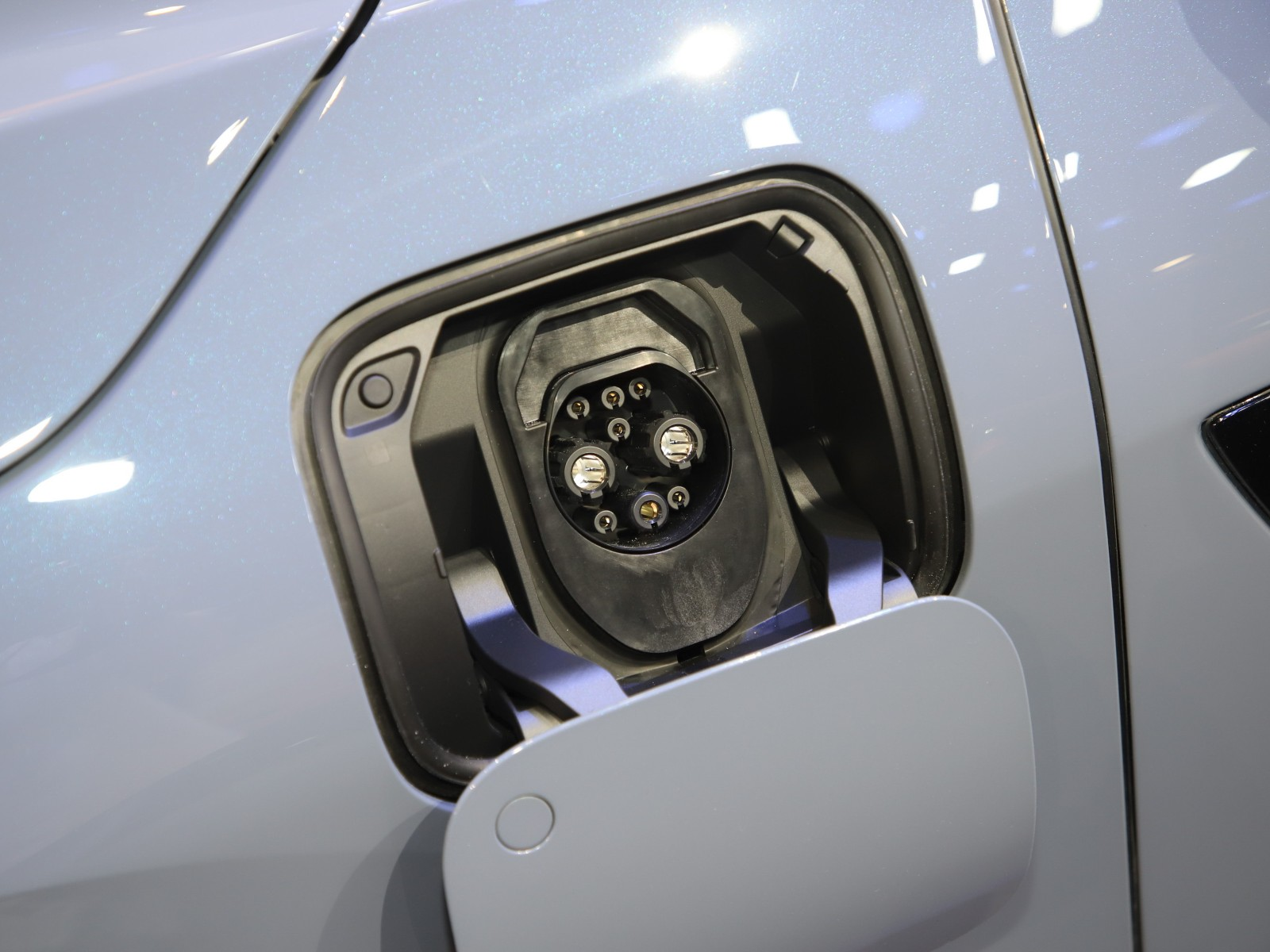

As a long-range version, the ES350e achieves a CLTC range of 685km. Both pure electric models support 350kW ultra-fast charging, allowing a 10%-80% charge in just 18 minutes.
The pure electric version features a closed scaly grille and a rear design without exhaust outlets. These elements not only reduce air resistance, thereby improving range, but also create a clear visual distinction from the hybrid version.
The design of mid-size luxury sedans represented by the ES is becoming more youthful
The luxury mid-size car market is currently trending towards youthfulness and sportiness. Competitors like the BMW 5 Series and Audi A6 are upgrading in areas such as body proportions and headlight designs. With this generation, the Lexus ES strategically incorporates a lower body, through-type taillights, and a distinctive front end to maintain its competitive edge.

The exterior changes of this ES are not merely aesthetic; they reflect Lexus' overall strategy and response to market demands. The low-profile body proportions, sporty lines, and highly technical headlights not only complement the new energy systems but also meet modern consumers' expectations for luxury car aesthetics.
If any infringement occurs, please contact us for deletion
Trending News

2026 New Proton S70 Upgrades from Three-cylinder to Four-cylinder, Significantly More Powerful!
Proton's 2026 S70 to be launched before Lunar New Year, with a key upgrade to a 1.5-liter four-cylinder turbocharged engine replacing the three-cylinder model, improving power smoothness, maintaining spaciousness, with the infotainment system and driver assistance possibly adapted to local road conditions, offering practical improvements tailored to the needs of Malaysian and Thai family users, aiding car purchase decisions.

In 2026, Should I Buy a Proton X50 or a Perodua Traz? Can the RM 6,000 Rebate Offset the Traz's Space Advantage?
Recently, one of the most frequently asked questions in the Malaysian market is: So, should you go for the Proton X50, which offers stronger performance and a greater sense of technology, or the Perodua Traz, which provides more space and is more budget-friendly? Especially considering the X50 has discounts of up to around RM 6,000, how significant is the price difference left to weigh? This article provides an objective analysis from the perspective of daily usage.

Toyota Estima to return in 2026?
Since it was discontinued in 2019, news about the return of the Toyota Estima to the market has never stopped. Although Toyota has not yet released any official announcements regarding mass-production vehicles, the related information does not come from scattered rumors but originates from continuous revelations by Japanese automotive media.

Donut Lab Announces Mass-Produced All-Solid-State Battery, Claims 5-Minute Full Charge
All-Solid-State Battery, which has long remained in the laboratory and concept stages, is now approaching a true commercialization milestone. Donut Lab announced that its All-Solid-State Battery is ready for mass production and will be first equipped on the Verge TS Pro electric motorcycle.

Mazda2 and CX-3 will be discontinued in 2026, Mazda small cars are disappearing
CX-3 and Mazda2 have been discontinued, and the user base and emotional connection they built are being gradually let go. Whether the CX-20 can fill this gap in the future remains to be seen, but one thing is certain: the era of the affordable Mazda is coming to an end.










Popular Cars
Model Year
Car Compare
Car Photo