
Proton opens its first electric vehicle assembly plant for producing e.MAS 5 and e.MAS 7
 JohnSep 05, 2025, 11:19 AM
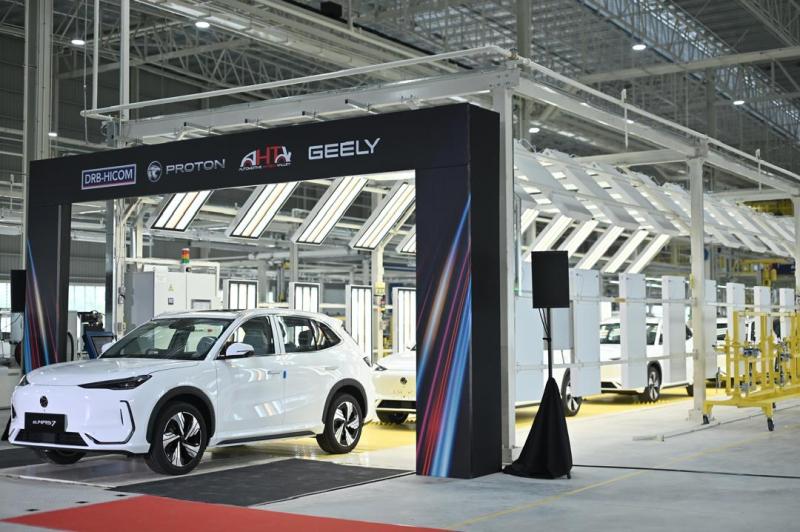
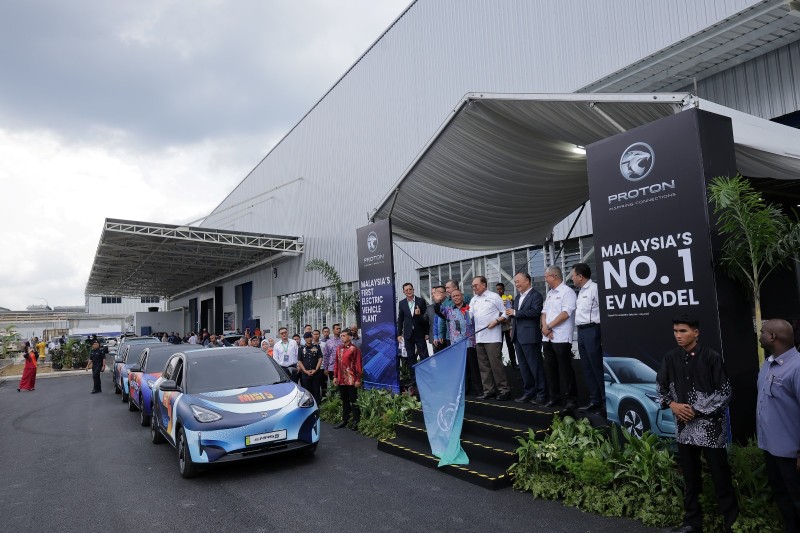
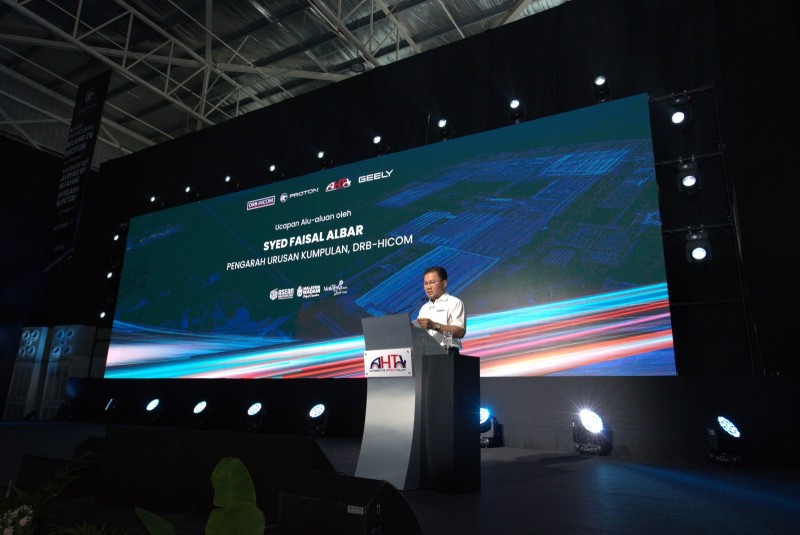
[PCauto] Proton officially announced the launch of its first electric vehicle assembly plant, located in the Automotive High-Tech Valley (AHTV) in the western region of Perak state. The plant was jointly invested and constructed by Proton and DRB-Hicom Group, with a total investment of 82,000,000 MYR.
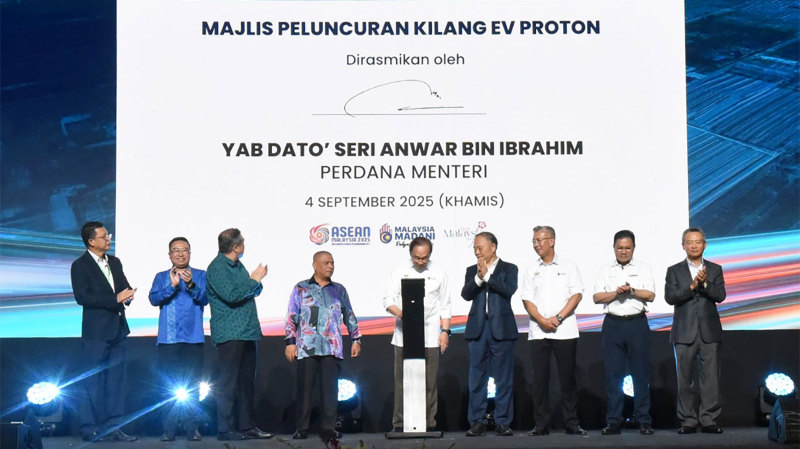
The plant initially has an annual production capacity of 20,000 vehicles, which can be expanded to 45,000 vehicles in the future. It aims to support the Malaysian government's goal of achieving 15% of new car sales coming from electric vehicles by 2030. This initiative is an important part of the National Automotive Policy (NAP).
The plant utilizes production lines with over 80% automation, and its battery supplier is CATL, ensuring production efficiency and product quality.
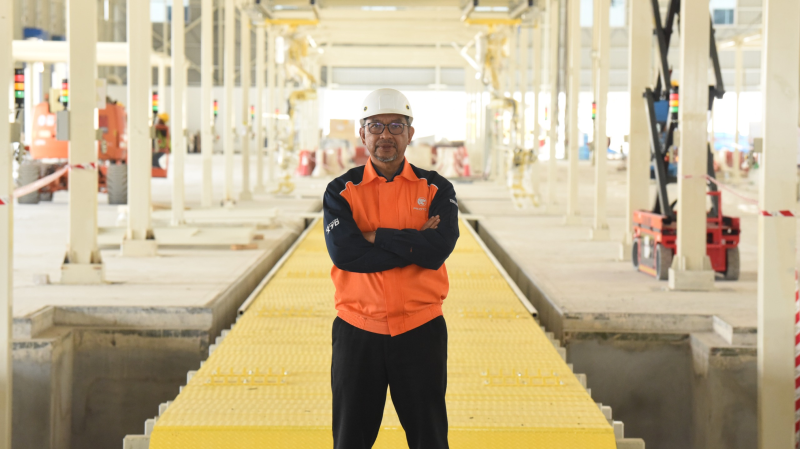
The New Factory Will Be Used to Produce e.MAS 5 and e.MAS 7, along with More Electric Vehicles in the Future
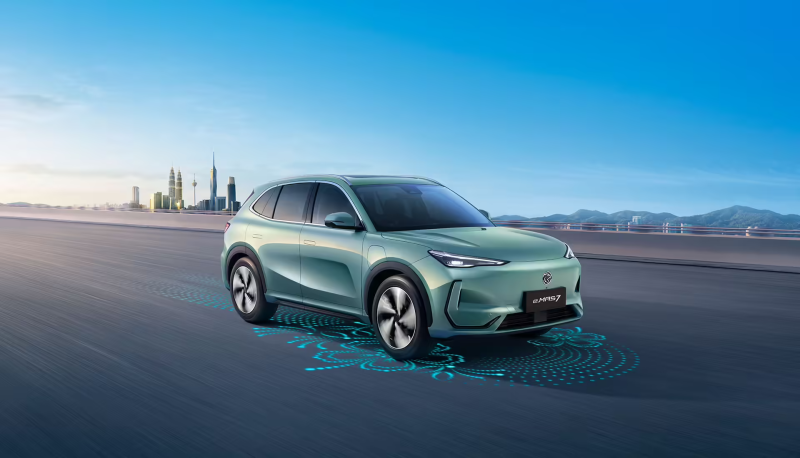
The first model to roll off the production line at the plant is the Proton e.MAS 7. It is built on Geely's SEA platform and has undergone localization adaptations, including a right-hand drive design and optimizations for the high-temperature and rainy climate of Southeast Asia.
Since its launch in December 2024, the e.MAS 7 has been the best-selling electric vehicle in Malaysia for seven consecutive months. As of July 2025, a total of 4,959 units have been delivered, capturing 23.4% of Malaysia's automotive market share.
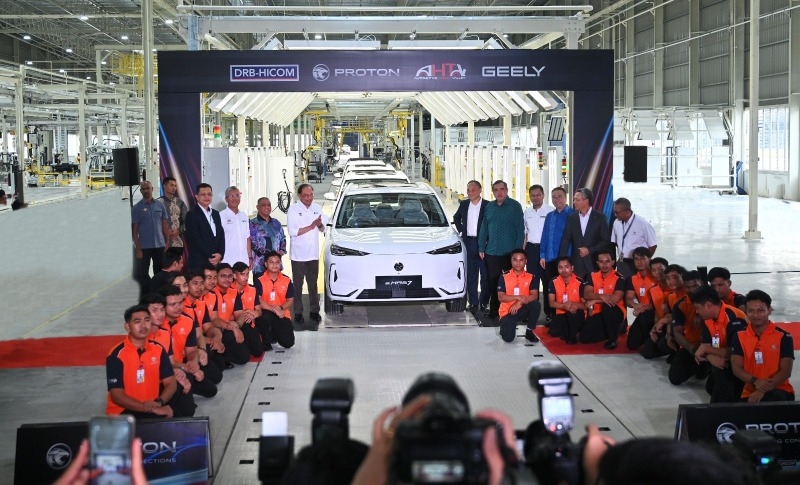
The Prime version of this model is priced at 109,800 MYR, and the Premium version is priced at 123,800 MYR, with a range of 410 kilometers and 470 kilometers respectively, positioning it in the mid-range market.
The upcoming Proton e.MAS 5 model is planned to be launched as an entry-level product to cover a broader consumer base.
The Advancement of this Project has Benefited from the Deep Collaboration between Proton and Geely
Geely, through technology licensing and joint development, has provided Proton with core electric vehicle technologies, such as the 12-in-1 intelligent power system and CTB battery-integrated vehicle body design.
Proton's localized team, consisting of 230 engineers, has conducted various adaptation tests for the Malaysian and Southeast Asian markets.

The collaboration has not only enhanced Proton's technological capabilities but also promoted the upgrade of Malaysia's local industrial chain, helping Tanjung Malim transform into a high ground for ASEAN new energy and new technology research and manufacturing.
Geely's total investment in Malaysia has exceeded 10 billion USD, covering factory construction, technology research and development, and charging network deployment.
The Government Plans to Achieve a 30% Market Share for Electric Vehicles by 2030
The Malaysian government supports the development of electric vehicles through tax exemptions and subsidies, aiming to make electric and hybrid vehicles account for 30% of new car sales by 2030.
According to data from the Malaysian Investment Development Authority (MIDA), electric vehicle sales in the first quarter of 2023 increased by 87% year-on-year, indicating significant growth potential.
The commissioning of the Proton plant is regarded as an important milestone in the national automotive policy and is expected to promote the formation of a regional electric vehicle manufacturing hub. In addition, the plant's products have been exported to markets like Nepal and Singapore, supporting Malaysia’s export-driven economy.
Despite Optimistic Prospects, Proton also Faces Various Challenges
The new plant's initial annual production capacity is 20,000 vehicles, while Malaysia's electric vehicle sales in the first half of 2025 are only expected to reach 30,600 units, requiring reliance on exports and Southeast Asia market expansion to absorb capacity.
Proton plans to stimulate demand by launching affordable models such as the e.MAS 5, but charging infrastructure remains a major bottleneck. As of September 2025, the number of public charging stations in Malaysia is approximately 4,000, far below the government’s target of 10,000. Proton is collaborating with the national energy company, TNB, to build a fast-charging network; however, the complex processes involved in land approval and power access may delay progress.
Overall, the commissioning of Proton’s first electric vehicle plant is a significant milestone in the transformation of Malaysia’s automotive industry. The success of the plant will depend on the synergy of technology, market, and policy, as well as Proton’s ability to address challenges. With the global automotive industry transitioning to electrification, Malaysia is poised to enhance its international competitiveness through such projects.
If any infringement occurs, please contact us for deletion










Popular Cars
Model Year
Car Compare
Car Photo