
Regarding the new generation MR2, Toyota still needs five years to complete the development.
 RobertJan 22, 2026, 05:51 PM
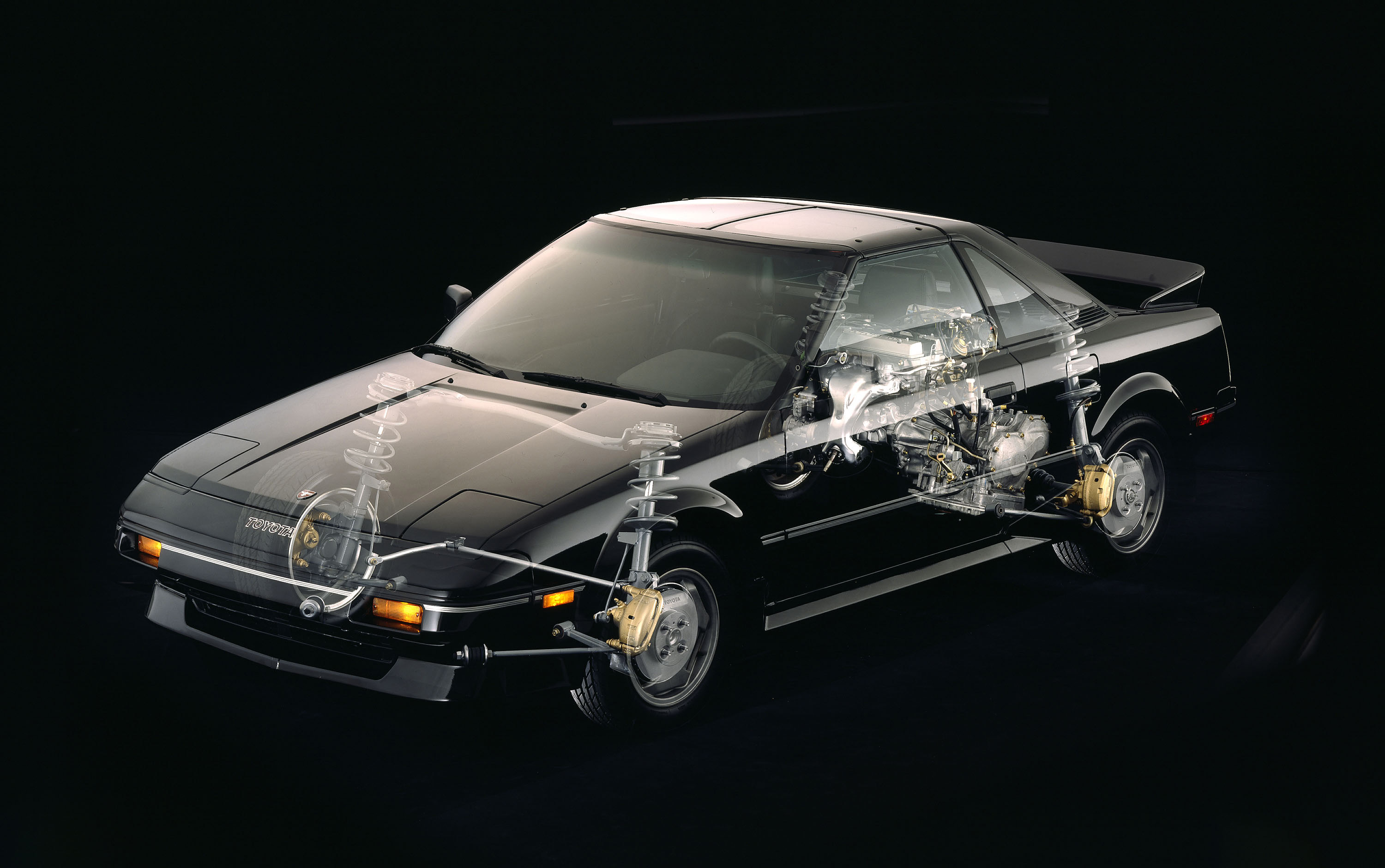
【PCauto】If you think Toyota's latest teaser is merely a playful nod to enthusiasts, think again. At the 2026 Tokyo Auto Salon, Toyota used a modified mid-engine light pickup truck (GR Hijet) to tease car fans worldwide. This is a calculated PR move. Toyota is simultaneously gauging public anticipation and showcasing technological boundaries.
The ultimate aim is to pave the way for a reborn mid-engine MR2, envisioned as the definitive showcase of Toyota's combustion-engine prowess.
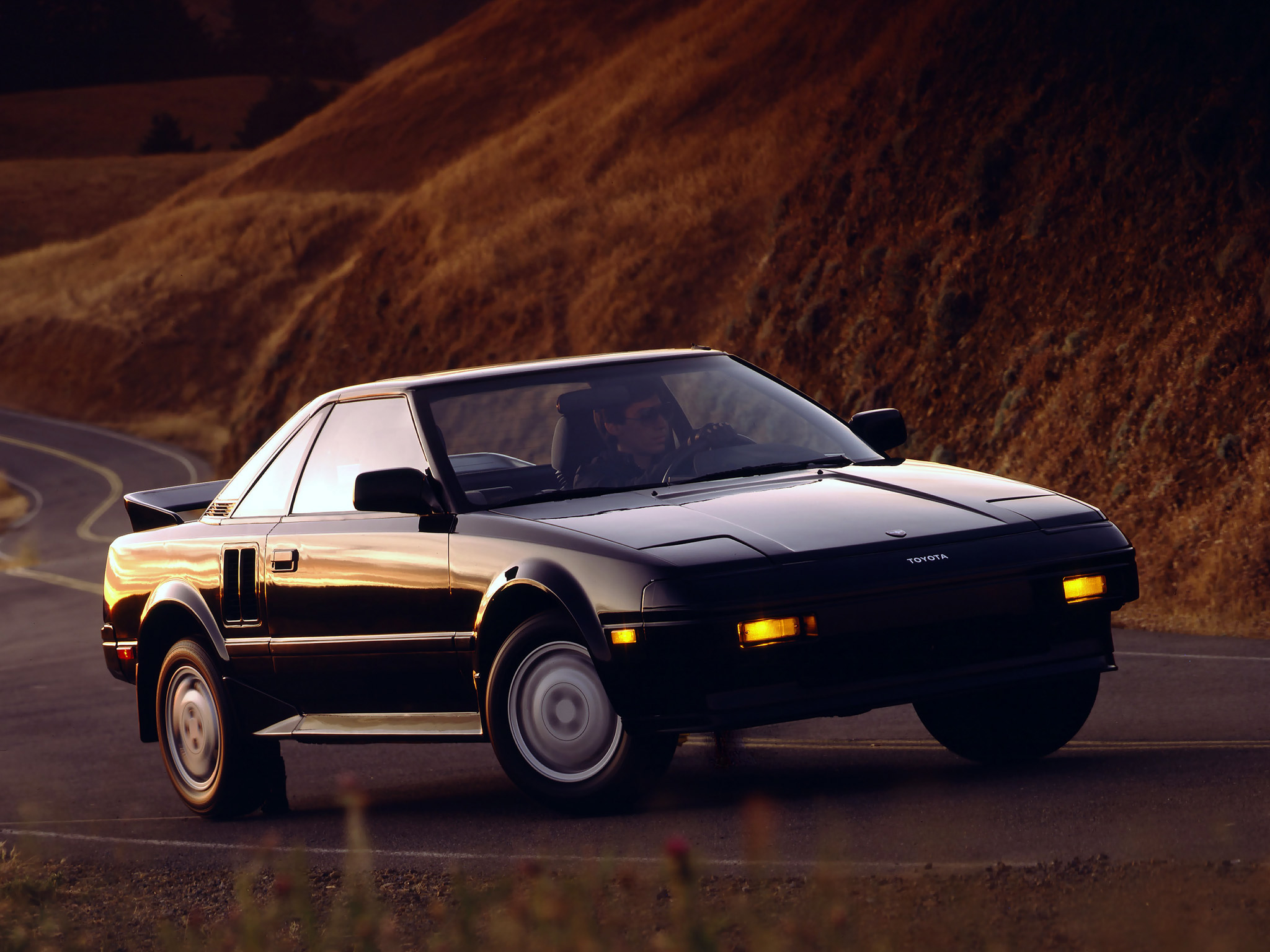
Consider the current Supra and GR86—both benefit from shared lineage. The Supra relies on BMW underpinnings, while the GR86 is a joint development with Subaru.
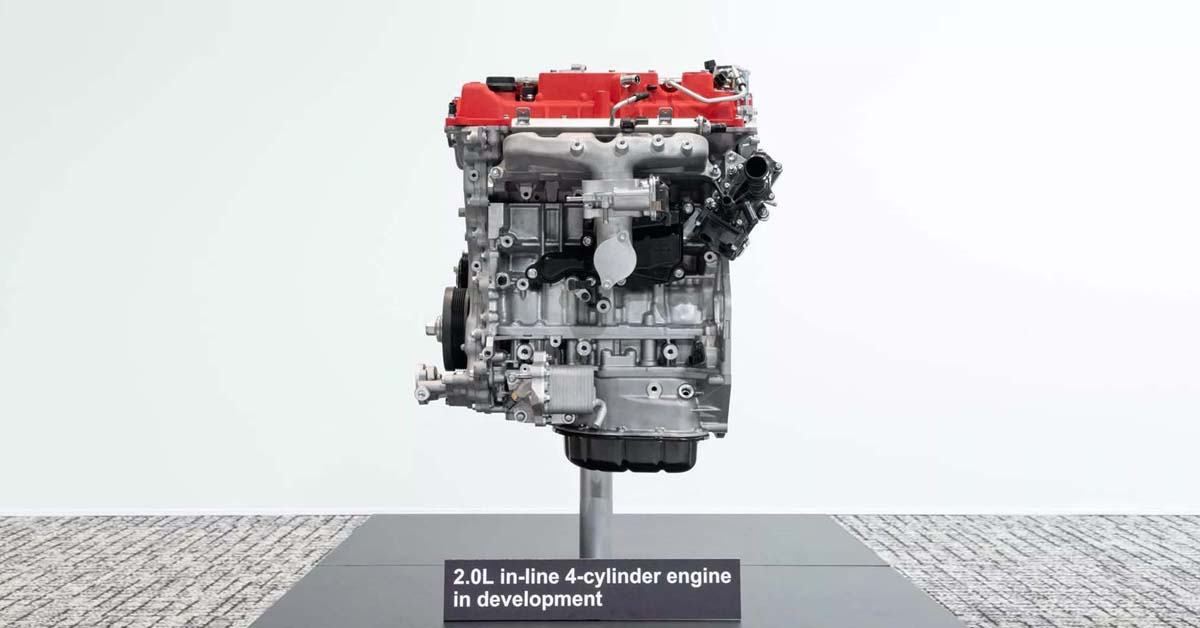
The new MR2's heart, however, will be distinctly Toyota: the in-house developed G20E 2.0-litre turbocharged four-cylinder. Target output is around 400 horsepower, with tuners eyeing up to 600 hp.
This positions the new MR2 as Toyota's first wholly in-house mid-engine sports car in two decades.
Its low centre-of-gravity layout and the full-time GR-Four all-wheel-drive system serve a dual purpose: a homage to JDM heritage and a showcase of Toyota's definitive internal combustion performance technology.
Beyond the surface-level "nostalgia play," however, lies a pragmatic multi-model strategy. Toyota is concurrently advancing several fronts: the Celica's resurrection, the next iteration of the GR86, and the FT-Se electric concept car.
Thus, the MR2's role extends beyond a single model; it is the core development platform for Toyota's entire combustion performance “module.”
The cited five-year development timeline is largely dedicated to ensuring the new 2.0T engine and GR-Four system are fully optimized and adaptable across multiple future models.
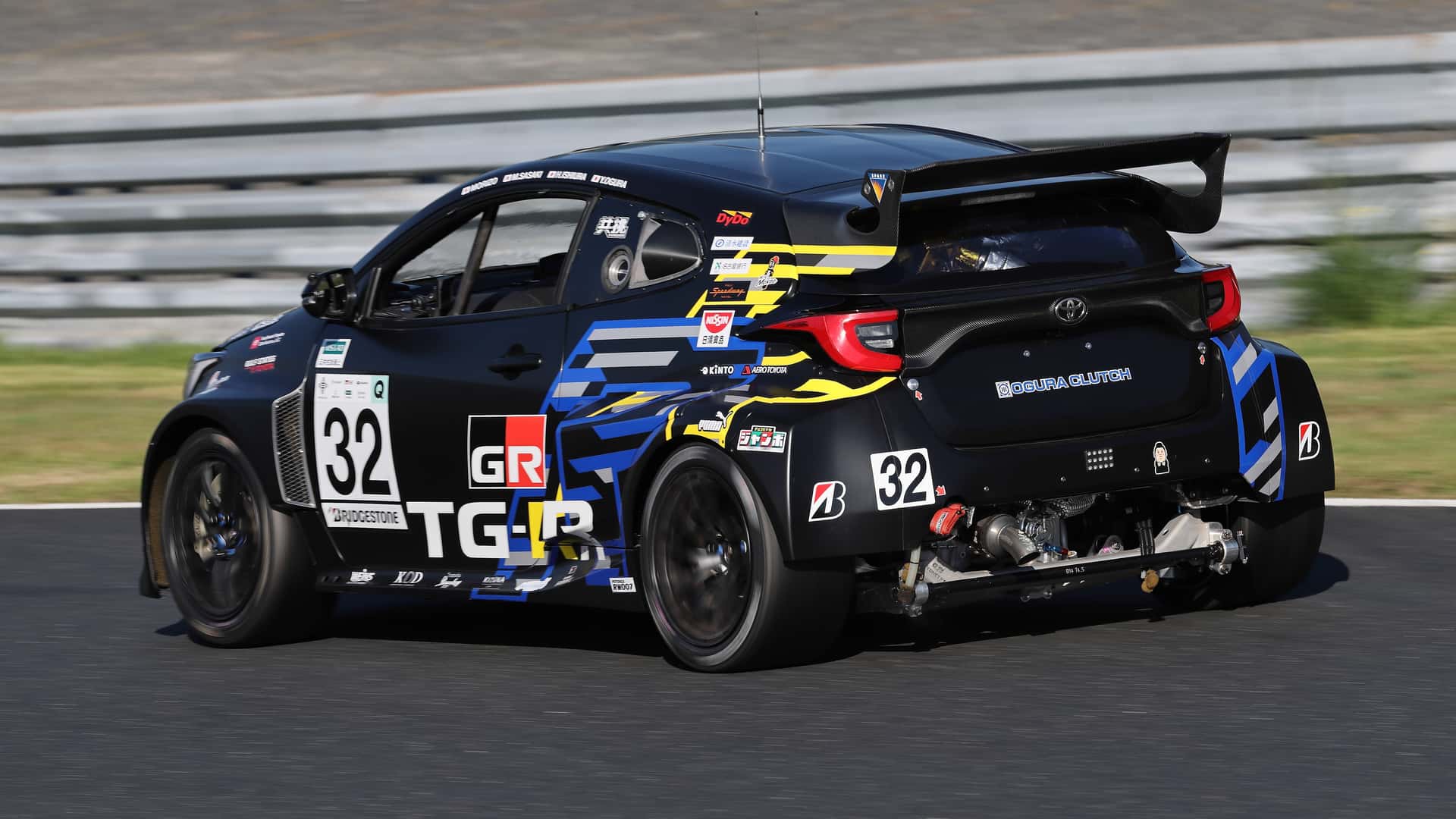
With 400 horsepower in a mid-engine package, the new MR2 will shed its historically accessible price tag, likely positioning it closer to rivals like the Porsche 718.
Power will come from the compact, flat G20E engine—an ideal fit for the mid-ship layout. Its 500 Nm of torque, harnessed by the full-time GR-Four system, is anticipated to transform the classic MR2's agility into a more planted and controllable driving experience.
Toyota has confirmed that the initial focus is on the pure-combustion version, with an electrified variant also under development. The appearance of the FT-Se concept car suggests Toyota is exploring a dual-track future for performance cars, with traditional fuel and electric versions running in parallel, but with differences in platform and driving experience.
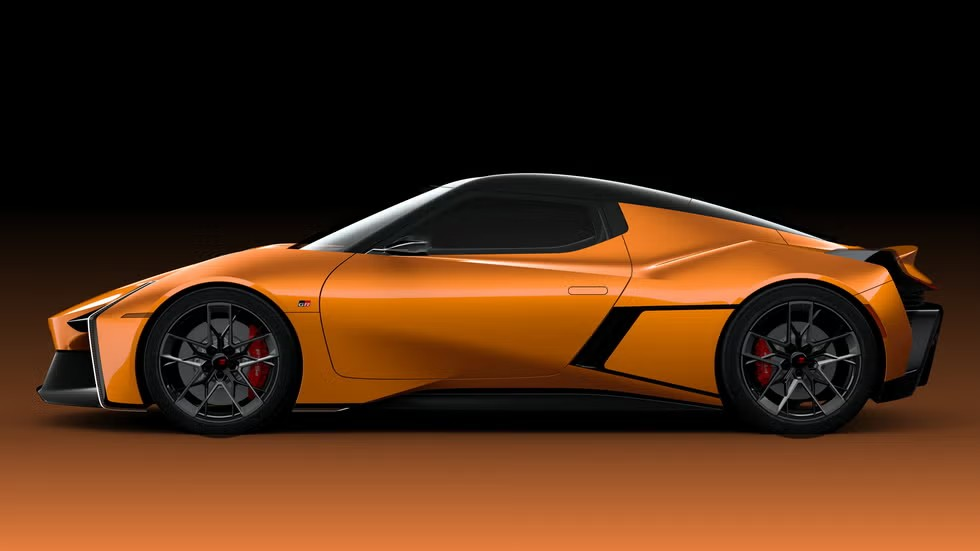
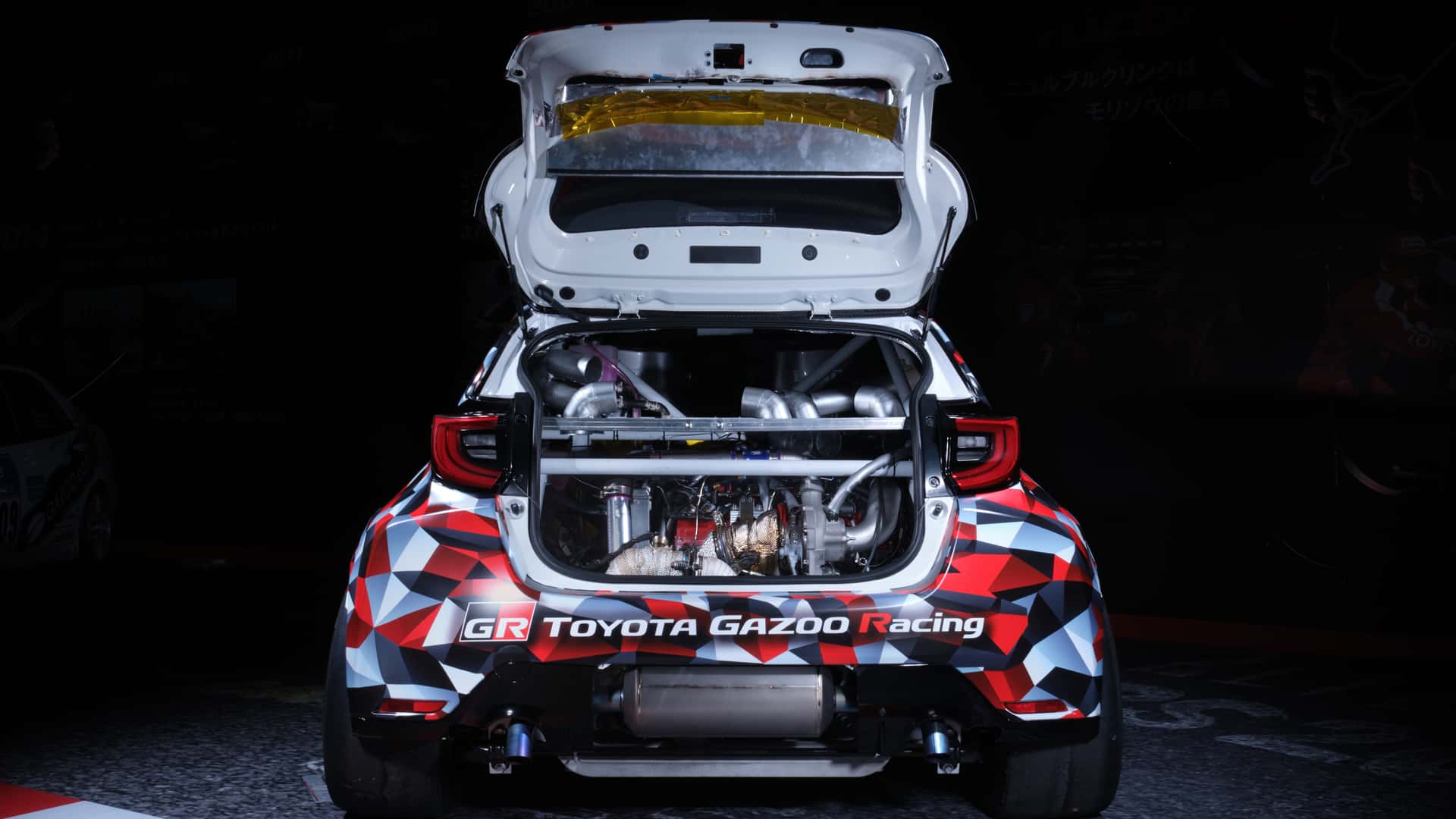
Toyota's strategic misdirection continues. The Tokyo Auto Salon's GR Hijet is not a preview of the production car but a functional mid-engine test mule, probing thermal management limits.
This serves both engineering and marketing purposes, sustaining buzz and managing expectations until the final product is unveiled.
The GR MR2, therefore, is positioned as Toyota's swansong for the pure combustion engine era. It is conceived not as a bridge to the future, but as a definitive full stop to a chapter that may not close until 2028 or even 2029.
If any infringement occurs, please contact us for deletion
Trending News

BYD to unveil new technologies on March 5, 2026 – pure EV range to exceed 1,000 km
This isn’t about a new model debut. Instead, BYD is preparing to showcase a suite of near-production core technologies – including a pure EV boasting a CLTC range of over 1,000 km, an upgraded Megawatt Flash Charging 2.0 system, and the next-generation DM 6.0 Super Hybrid platform.

2026 New Proton S70 Upgrades from Three-cylinder to Four-cylinder, Significantly More Powerful!
Proton's 2026 S70 to be launched before Lunar New Year, with a key upgrade to a 1.5-liter four-cylinder turbocharged engine replacing the three-cylinder model, improving power smoothness, maintaining spaciousness, with the infotainment system and driver assistance possibly adapted to local road conditions, offering practical improvements tailored to the needs of Malaysian and Thai family users, aiding car purchase decisions.

In 2026, Should I Buy a Proton X50 or a Perodua Traz? Can the RM 6,000 Rebate Offset the Traz's Space Advantage?
Recently, one of the most frequently asked questions in the Malaysian market is: So, should you go for the Proton X50, which offers stronger performance and a greater sense of technology, or the Perodua Traz, which provides more space and is more budget-friendly? Especially considering the X50 has discounts of up to around RM 6,000, how significant is the price difference left to weigh? This article provides an objective analysis from the perspective of daily usage.

Toyota Estima to return in 2026?
Since it was discontinued in 2019, news about the return of the Toyota Estima to the market has never stopped. Although Toyota has not yet released any official announcements regarding mass-production vehicles, the related information does not come from scattered rumors but originates from continuous revelations by Japanese automotive media.

Donut Lab Announces Mass-Produced All-Solid-State Battery, Claims 5-Minute Full Charge
All-Solid-State Battery, which has long remained in the laboratory and concept stages, is now approaching a true commercialization milestone. Donut Lab announced that its All-Solid-State Battery is ready for mass production and will be first equipped on the Verge TS Pro electric motorcycle.





Popular Cars
Model Year
Car Compare
Car Photo