
The EU will impose tariffs on Chinese electric vehicles as originally planned, effective on July 5!
 AshleyJul 05, 2024, 02:50 PM
On July 4 local time, the European Commission announced that after a nine-month anti-subsidy investigation into China's Battery Electric Vehicles (BEV), it has decided to impose temporary anti-subsidy duties on imports of electric vehicles from China.
The temporary duties will take effect on July 5, 2024, and last for up to four months. The temporary duties apply to certain Chinese manufacturers, respectively: BYD 17.4%, GEELY 19.9%, SAIC 37.6%. Other cooperative but unsampled Chinese manufacturers will be levied with an weighted average tariff of 20.8%, and non-cooperative electric vehicle manufacturers will be levied with a tariff rate of 37.6%. Compared to the data disclosed by the European Union on June 12, the determined tariff rate has been slightly reduced.
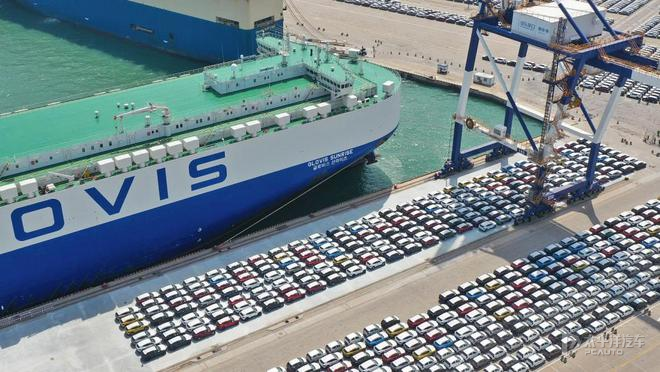
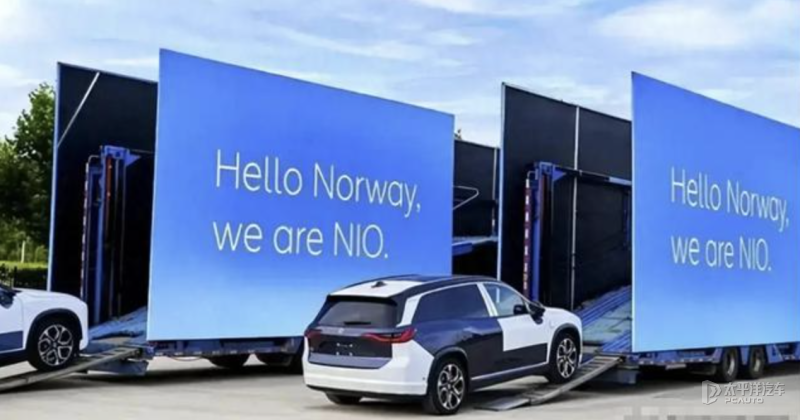
As early as June 12, when the European Union announced its plans to impose temporary tariffs on Chinese electric vehicles, there have been divergent opinions. Chinese automakers including SAIC and GEELY, as well as German automakers such as BMW, BENZ and Volkswagen, have all voiced opposition.
Internationally, the European Union Chamber of Commerce in China said on July 4th that the EU should actively promote future synergy in areas such as technological innovation, infrastructure and mutual recognition of standards in the automotive sector between China and Europe, and play a role in policy support and guidance. And the EU Chamber of Commerce in China called on the EU to return to the practice of promoting free trade and multilateralism, rather than resorting to protectionism and imposing high tariffs.
The German Association of the Automotive Industry (VDA) has also repeatedly stated its position. On July 3 local time, the German Association of the Automotive Industry stated on its official website that the tariffs planned by the EU would make the successful promotion of electric mobility and the achievement of the Paris climate goals even more difficult. In addition, these tariffs would also harm the interests of European consumers and European businesses.
If any infringement occurs, please contact us for deletion










Popular Cars
Model Year
Car Compare
Car Photo