
Toyota launched the light commercial vehicle Pixis Van in Japan, mainly for urban delivery.
 WilliamFeb 03, 2026, 03:32 PM
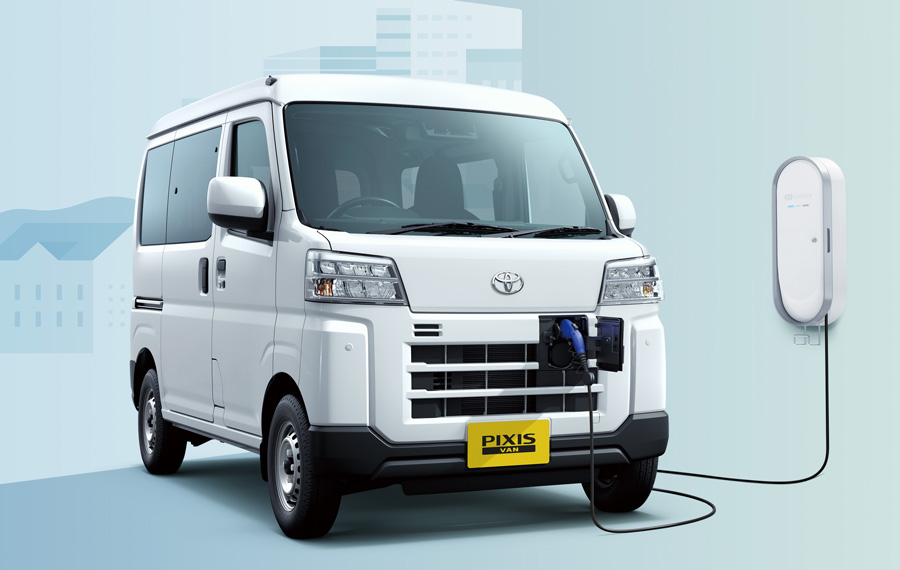
【PCauto】In early February 2026, Toyota officially launched the Pixis Van BEV in the Japanese market, with sales commencing immediately. This lightly-built electric commercial vehicle is precisely positioned to address urban 'last-mile' delivery needs.
The Pixis Van BEV is not a solo Toyota project but a joint development by Toyota, Daihatsu, and Suzuki. It is based on the electrified version of the Daihatsu Hijet Cargo and is manufactured at Daihatsu's Oita plant in Kyushu.

Powered by a 36.6 kWh lithium-ion battery, it delivers a WLTC-rated range of 257 km.
While this figure may not seem extensive, it is practical for urban delivery use. Given that light commercial vehicles typically operate within confined urban zones, the 257 km range is sufficient for a full day’s use without midday charging.
It uses a rear-mounted motor driving the rear wheels, with a maximum power of 47 kW and a peak torque of 126 N·m. While performance is modest, power delivery is smooth in city driving, and stability is maintained even under full load. Officially positioned as "suitable for stop-and-go delivery environments".
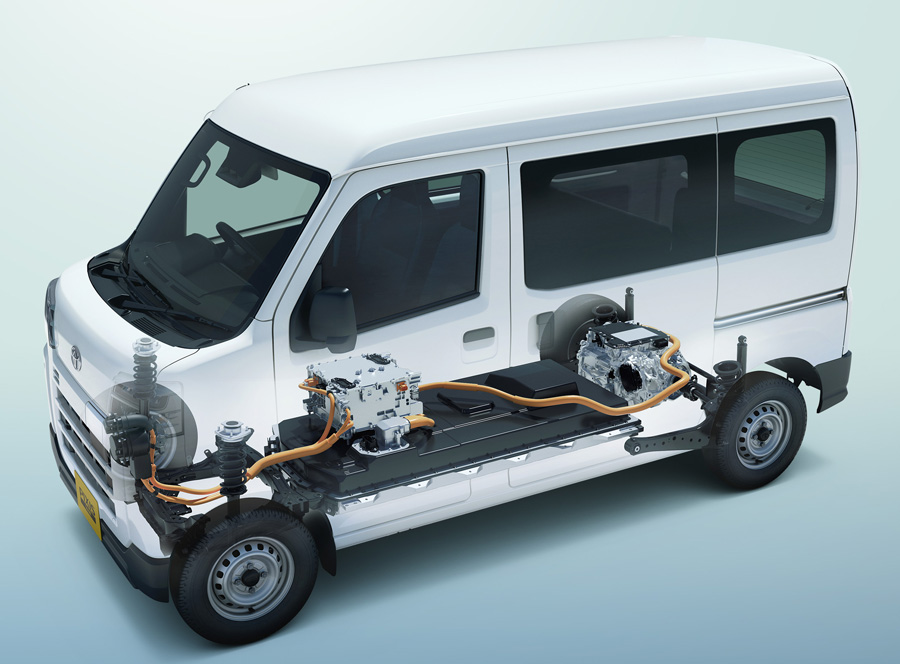
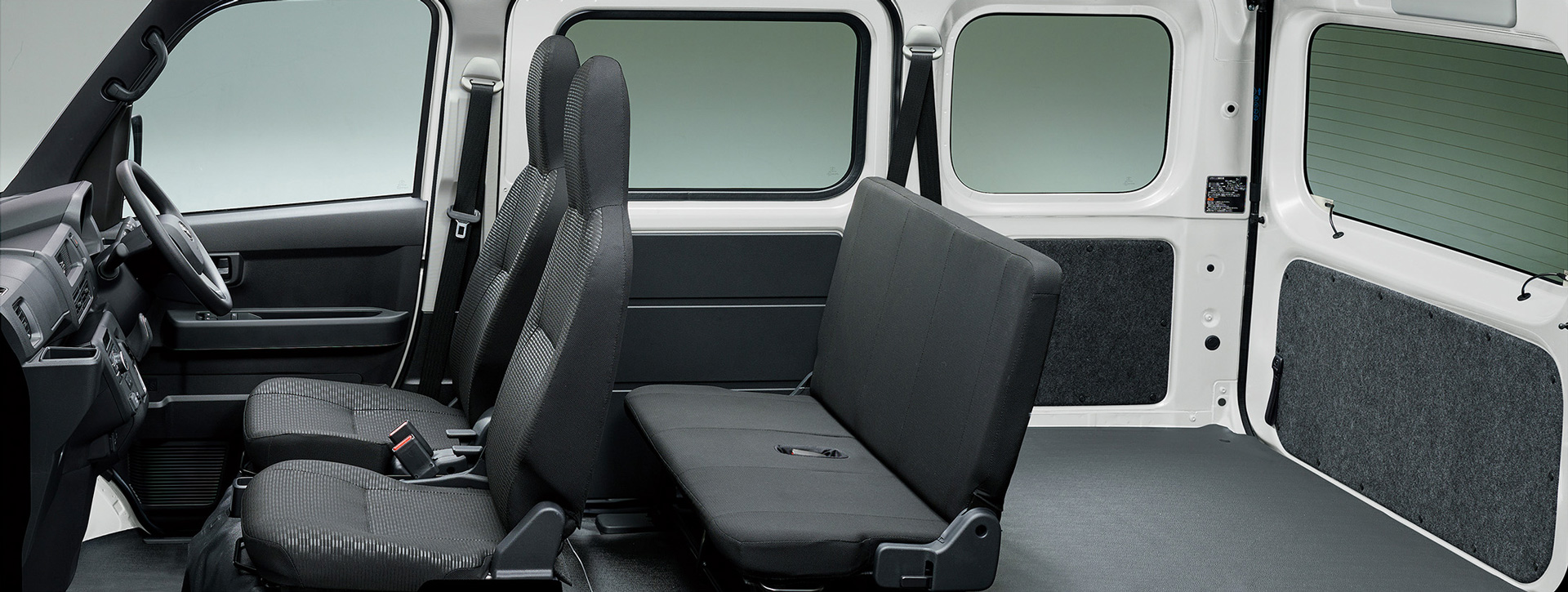
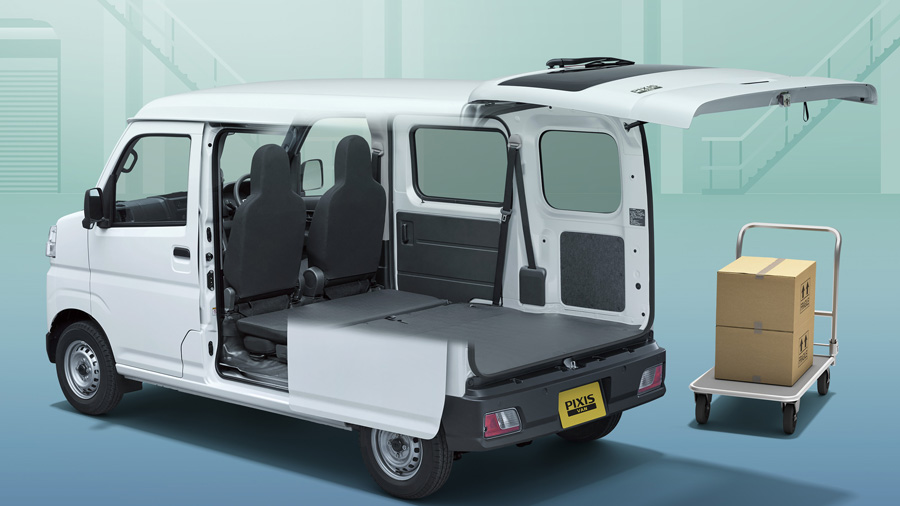
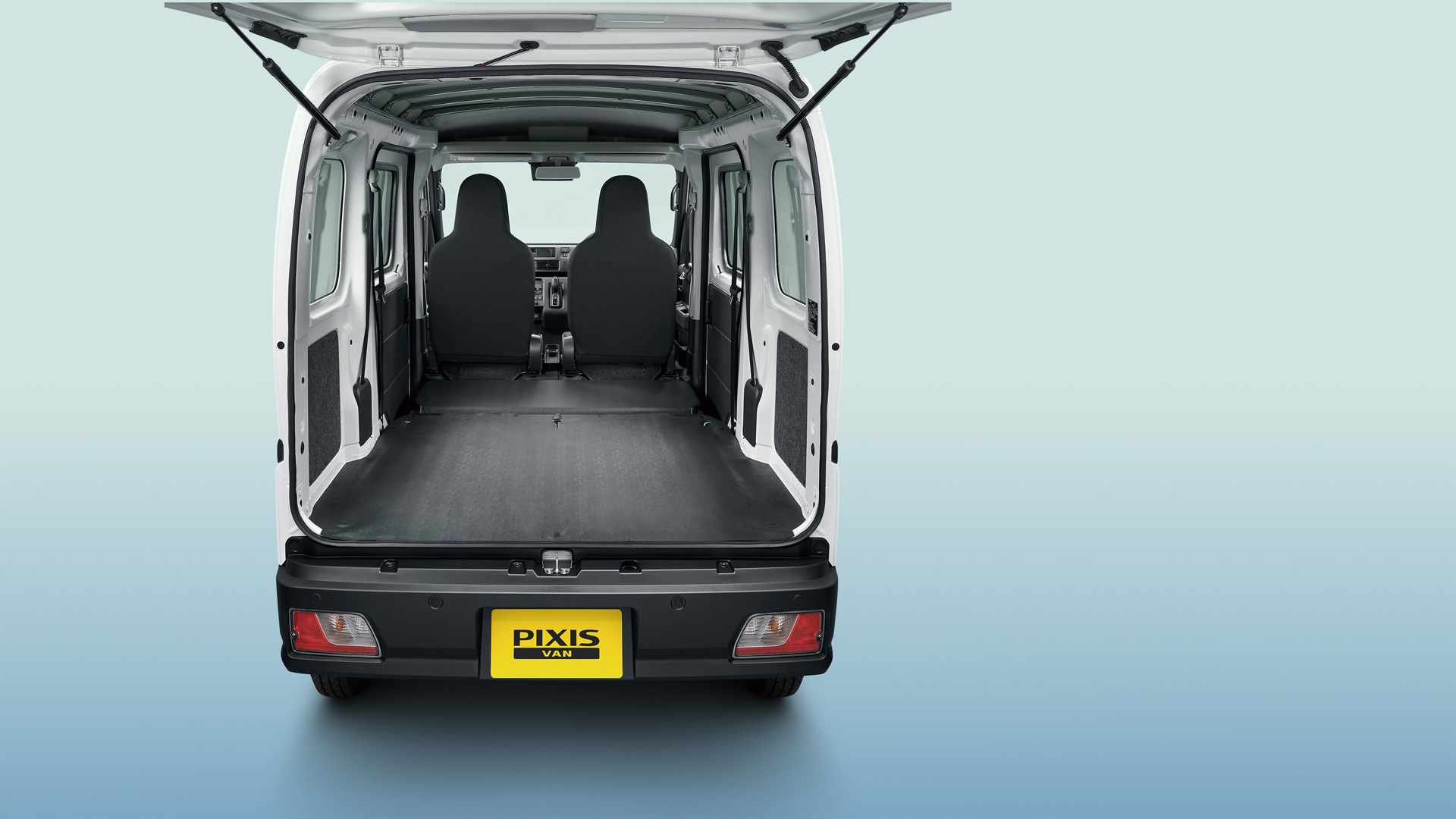
Pixis Van BEV does not sacrifice space due to battery layout. The internal dimensions of the cargo compartment are
Length 1,920 mm
Width 1,270 mm
Height 1,250 mm
Maximum load 350 kg. To handle the additional battery weight, the vehicle features a reinforced trailing-arm rigid axle rear suspension, ensuring stability when fully laden.
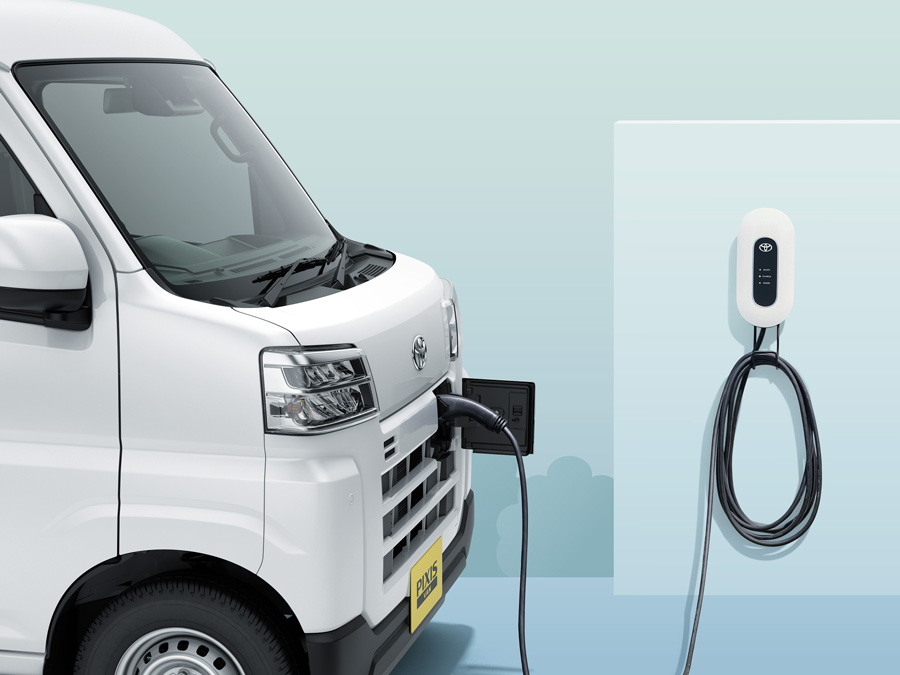
Charging and power usage functionality is another highlight of the Pixis Van BEV. The vehicle supports a maximum 50 kW DC fast charging, taking approximately 50 minutes to charge from low battery warning level to 80%. With a 6 kW AC slow charging, full charging takes about 6 hours.
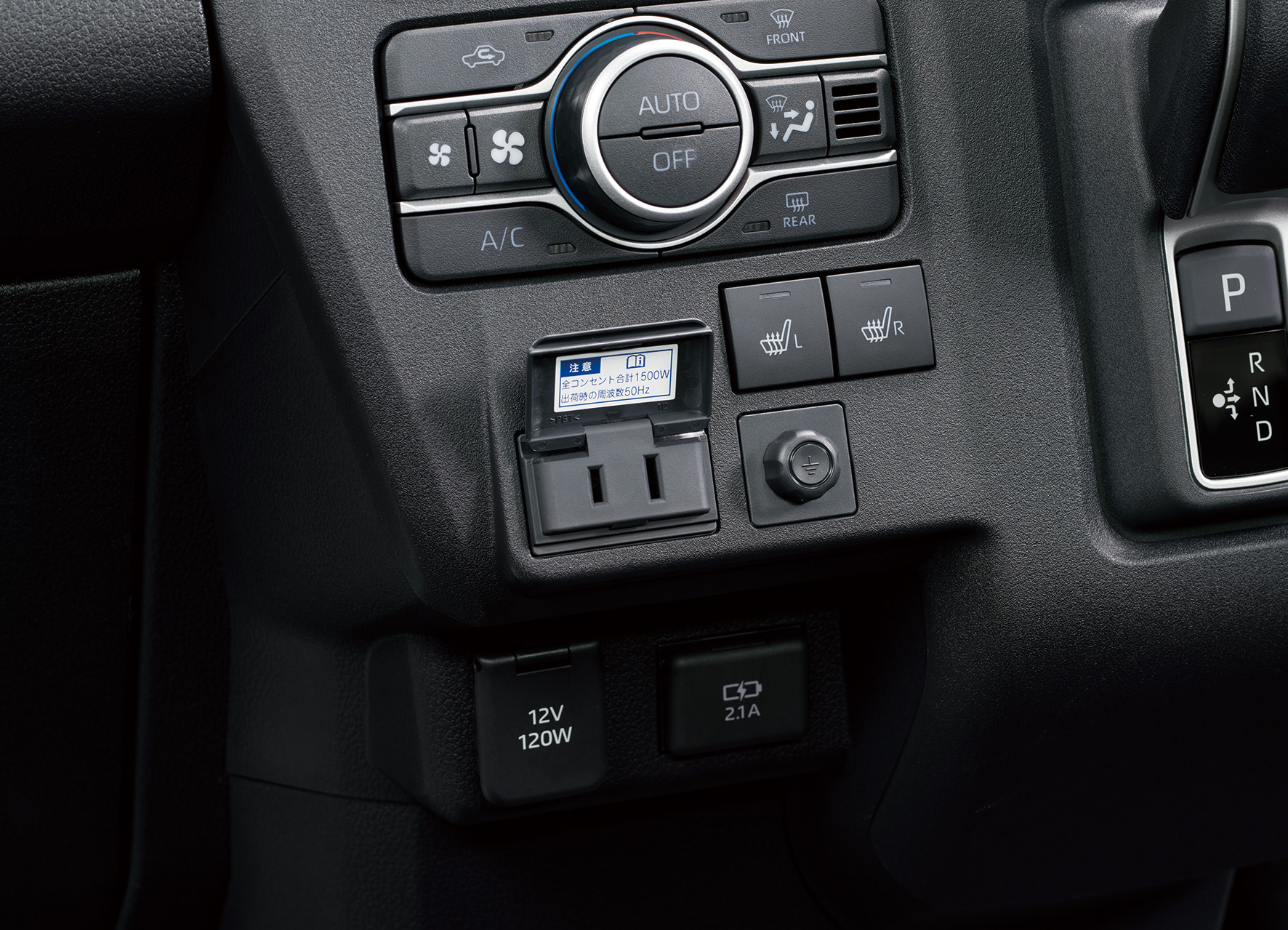
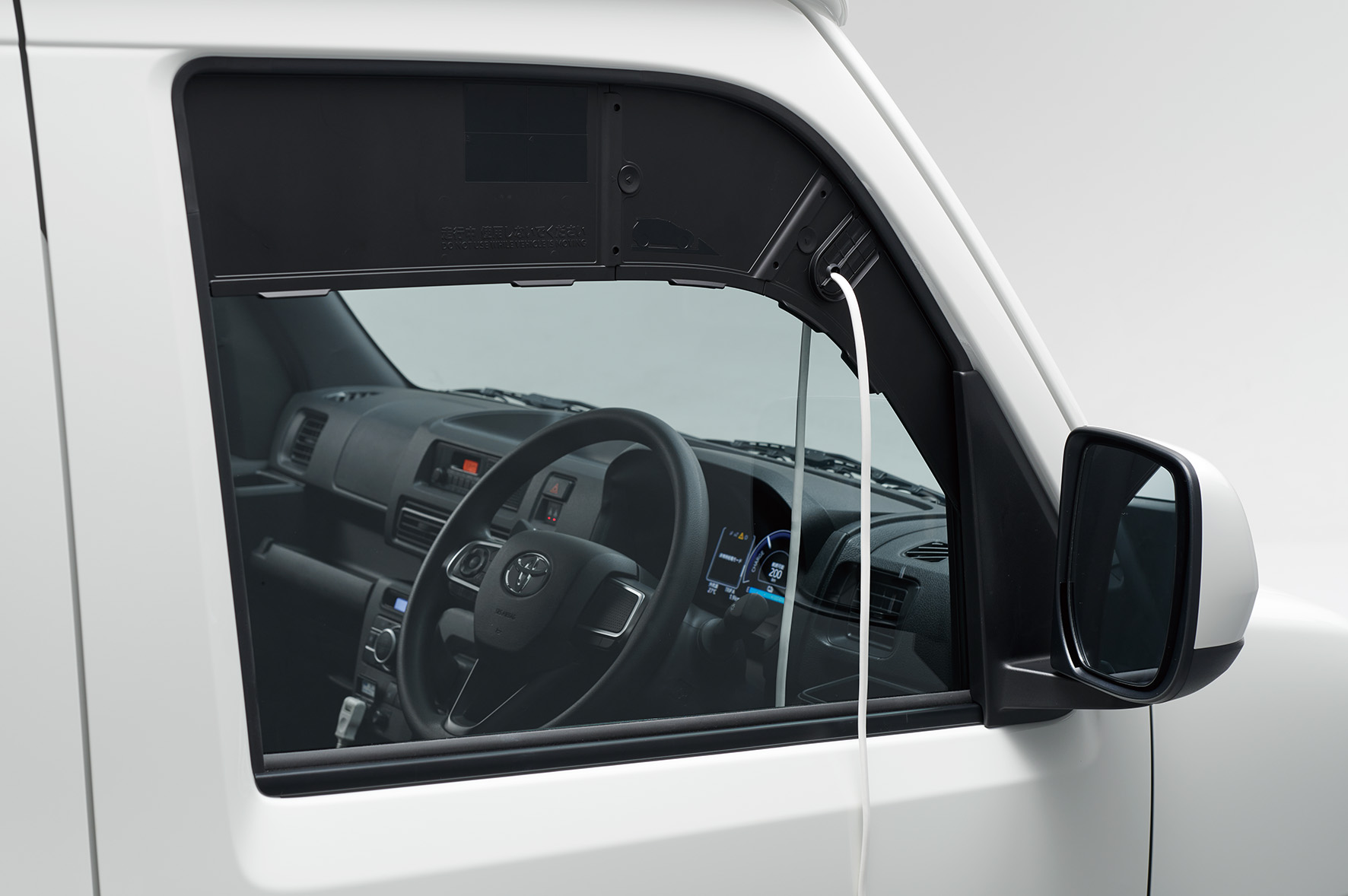
A standard 1,500W AC 100V external power outlet is included, along with V2H (Vehicle-to-Home) bidirectional charging support—enabling use as a mobile power source or emergency home backup, a rare feature in this vehicle class.
Currently, the Japanese market offers only one trim level, Deluxe (2WD, 4 seats), with a tax-inclusive price of 3,146,000 yen, or roughly RM80,000.
Toyota also offers commercial-focused option packs: the Efficiency Package (power sliding doors, keyless entry) and the Visibility Assist Package (streaming rearview mirror, reversing camera).
In Japan's commercial vehicle market, light vehicles account for up to 60%. Against this backdrop, the significance of the Pixis Van BEV lies not in sales volume but in its demonstration effect. With a modest monthly sales target of just 50 units, Toyota views the model less as a high-volume product and more as a pilot for its broader electrification strategy.
If any infringement occurs, please contact us for deletion
Trending News

The Lexus ES 200: Laughed Out of Existence
With the official debut of the eighth-generation Lexus ES in the global market, we quickly realized that the once entry-level model ES 200 has completely disappeared. Now only the ES 350h, ES 350e, and ES 500e remain, and for this reason, the Lexus ES 200 was launched with a two-tone body in the Chinese market as a commemorative edition.

Toyota recalls over 3 million vehicles worldwide, including Camry, Land Cruiser, and Lexus
According to the latest news, Toyota has officially launched a large-scale global recall involving approximately 3.3 million vehicles due to a defect in the reverse assist system software, which may cause the screen to freeze at critical moments.

Before buying a Mitsubishi Xpander, you must know these 5 common issues
Although the overall mechanical quality of Mitsubishi Xpander is widely recognized as economical and durable, according to extensive feedback from owners, Xpander may encounter the following 5 problems.

BYD Sealion 7 Common Issues: Must-Read Before Buying
BYD Sealion 7 is a highly mature product, with most of its exposed issues being "minor flaws" in software adaptation and craftsmanship details. With iterations of OTA updates and the accumulation of experience in electronic fault diagnostics within the after-sales service network, these problems are expected to improve in the future.

12th Generation All-New Honda Civic Spotted Test Driving: Features a Flatter Design
As a benchmark in the compact RV market, the current Honda Civic (FE) is nearing the end of its lifecycle after being launched for several years. With the arrival of 2026, news about the next-generation Civic is finally no longer confined to rumors. Recently, multiple sets of heavily camouflaged prototype spy photos have been captured on tracks and public roads, indicating that the Civic is about to undergo a revolutionary redesign.










Popular Cars
Model Year
Car Compare
Car Photo