
Toyota launches Urban Cruiser Ebella in India, offering battery leasing services locally
 JohnJan 22, 2026, 11:53 AM
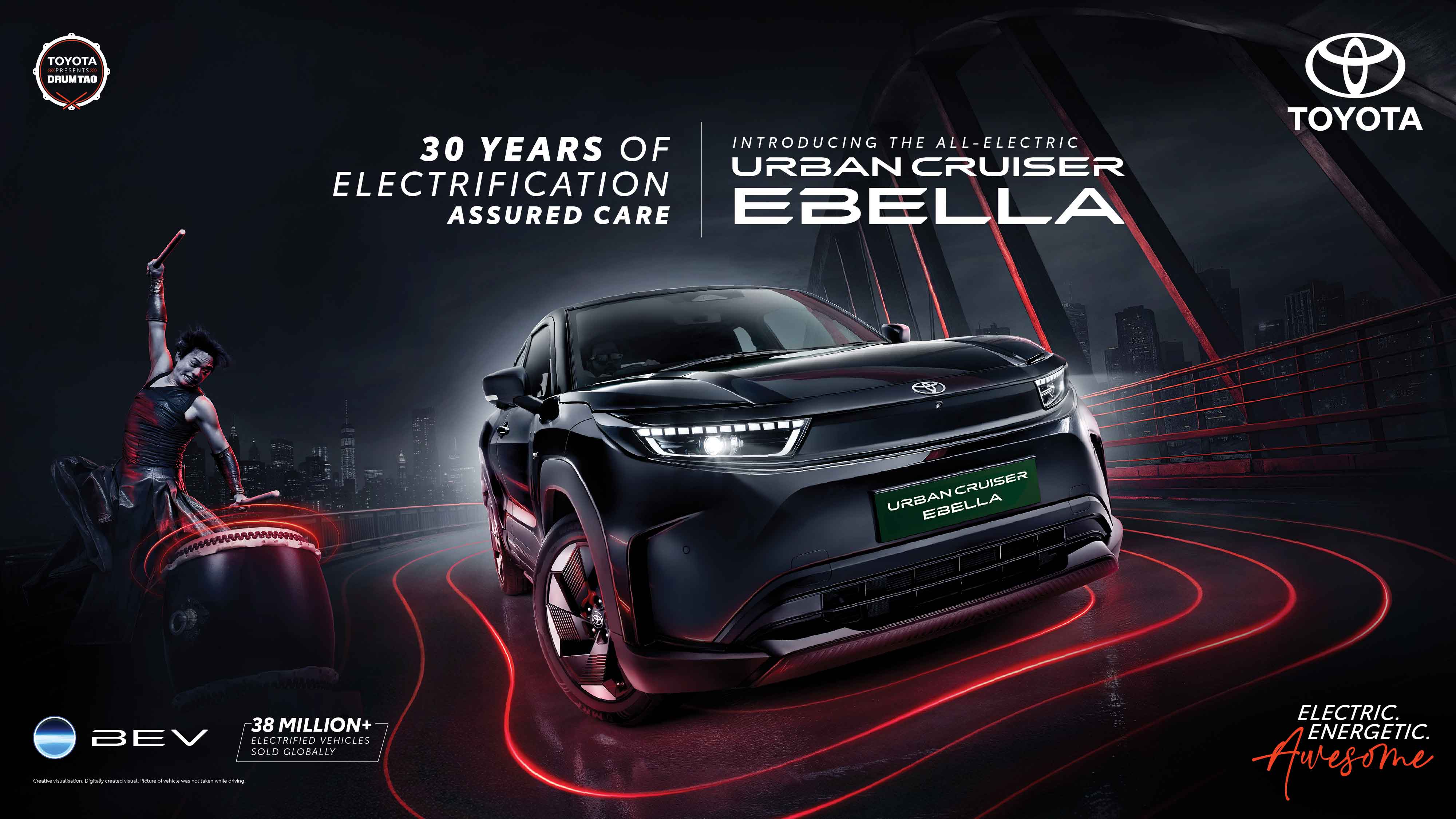
【PCauto】Toyota has launched the all-electric Urban Cruiser Ebella SUV in India, marking its official entry into the country's mainstream battery-electric vehicle (BEV) segment.
Urban Cruiser Ebella is a model jointly developed by Toyota and Suzuki (Suzuki), essentially a rebadged version of Suzuki's first global electric SUV, the Maruti Suzuki e-Vitara. Production takes place at Suzuki's plant in Gujarat, India, with future exports planned for Europe and other markets.
The "Ebella" suffix is exclusive to the Indian market, serving to distinguish this EV from the existing, locally sold Urban Cruiser models.
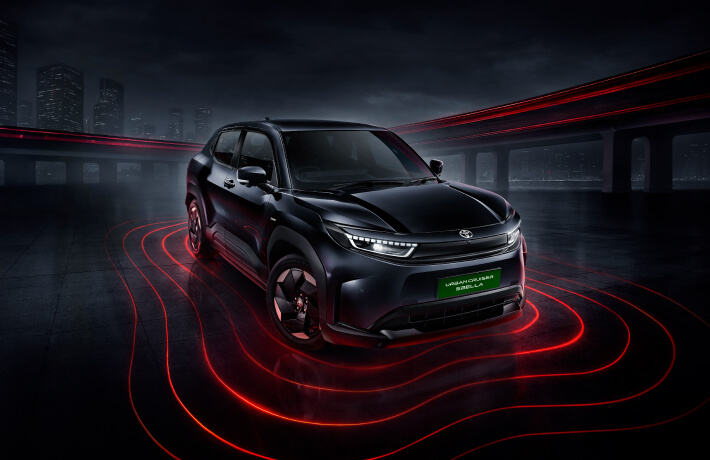
Urban Cruiser Ebella is currently in the reservation phase, with an official price expected to range from 1.9 million to 2.5 million Indian Rupees (approximately RM 84,000 – RM 111,000). Key competitors include the Hyundai Creta EV, Tata Curvv EV, and its platform sibling, the Suzuki e-Vitara.
The Indian version of the Urban Cruiser Ebella primarily features front-wheel drive (FWD), with a body length of 4,285mm and a wheelbase of 2,700mm. Positioned as a mid-size electric SUV, it balances urban agility with family-friendly utility.
To cater to Indian market preferences, Toyota is offering unique commercial plans including a "Battery-as-a-Service" subscription, an 8-year battery warranty, and a 3-year guaranteed buyback at 60% residual value.
The Urban Cruiser Ebella adopts Toyota's latest "Hammerhead" front-end design, featuring slim LED daytime running lights that impart a more robust look compared to the Suzuki e-Vitara.
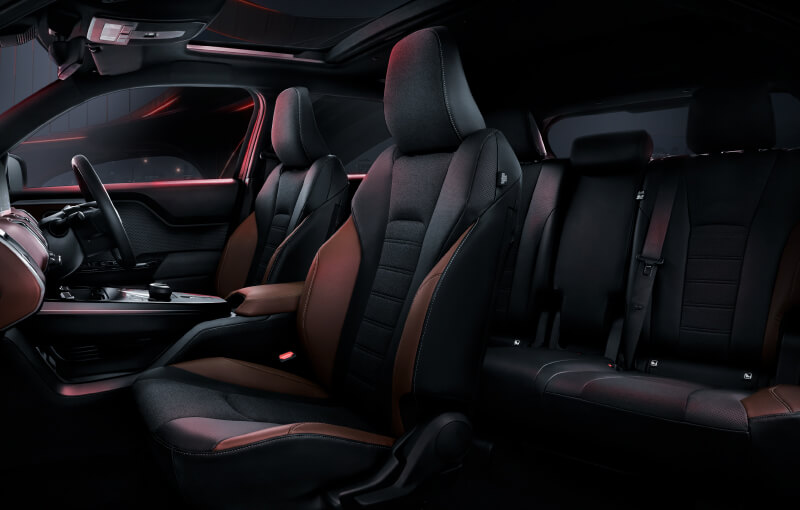
Inside, it features a 10.25-inch digital instrument cluster and a 10.1-inch central touchscreen with wireless Apple CarPlay and Android Auto, presenting a blend of technological and premium aesthetics. The rear seats support a 40:20:40 split-folding configuration and reclining angle adjustment, enhancing cargo and passenger space flexibility.
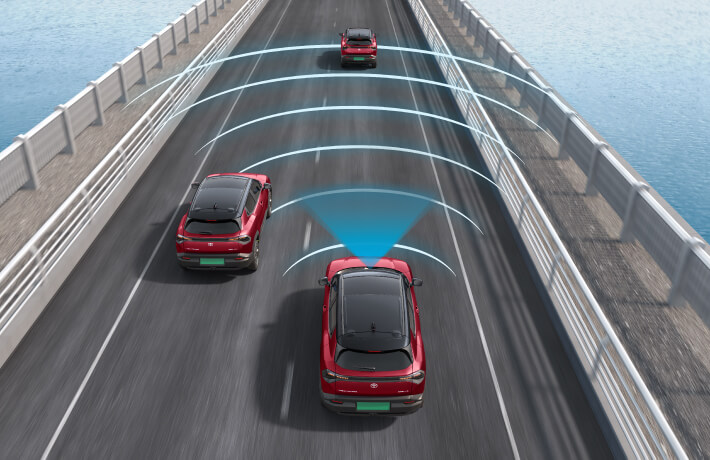
Comfort and safety features are comprehensive. Standard across all variants are 7 airbags, adaptive cruise control, lane-keeping assist, blind-spot monitoring, a Level 2 ADAS suite, 360-degree panoramic imaging, ventilated front seats, a JBL audio system, and a panoramic sunroof.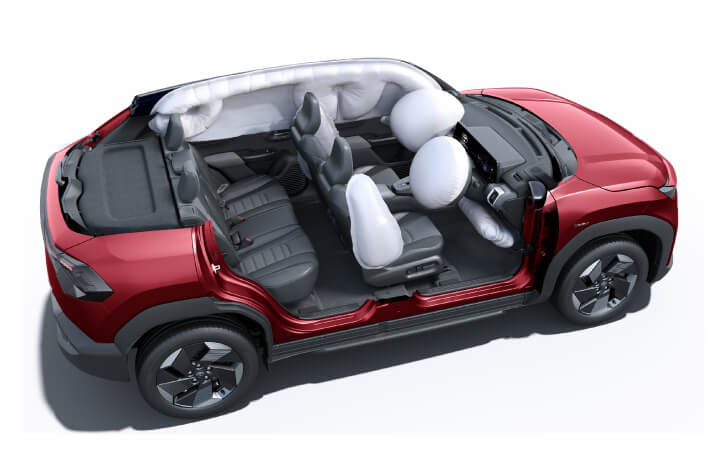

The Urban Cruiser Ebella offers two lithium iron phosphate (LFP) battery options: a 49 kWh entry-level pack and a 61 kWh long-range pack. A 10–80% charge takes a claimed 45 minutes.
The 61 kWh version offers a claimed range of up to 543 km under the Indian ARAI test cycle, which is roughly equivalent to 440 km on the stricter WLTP cycle.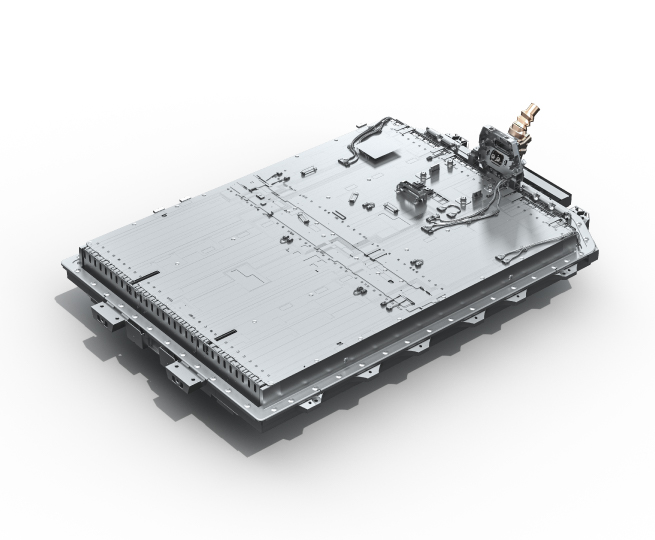
Power output differs by battery: the 49 kWh variant produces approximately 144 hp, while the 61 kWh variant delivers up to 174 hp. Both share a peak torque output of 189 Nm.
Performance prioritizes practicality over extremes, with a 0–100 km/h time of around 8 seconds. The focus remains on cost-effective utility, reflected in its space, range, and features.
A sister model, marketed in Europe as the Toyota Urban Cruiser EV, debuted there in late 2025. A key differentiation is its all-wheel-drive (AWD) dual-motor system, contrasting with the Indian-spec model's primarily front-wheel-drive (FWD), single-motor setup.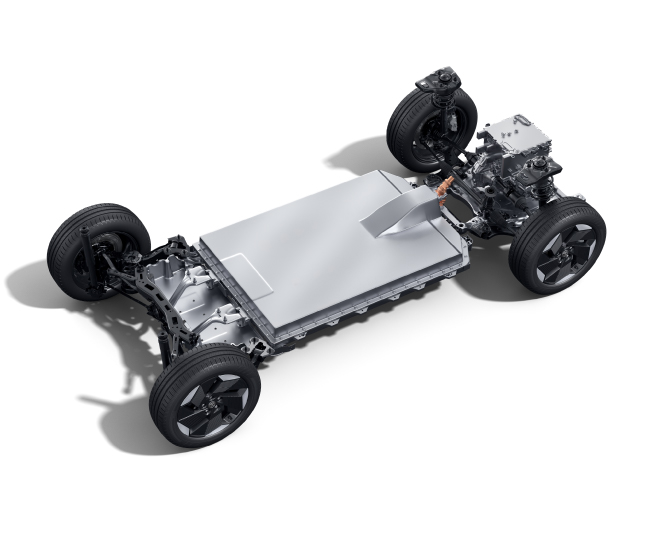
Manufactured at Suzuki's Indian plant for global distribution, both versions are set for planned expansion to Japan, Southeast Asia (Thailand, Indonesia), South Africa, and Australia—where the related Suzuki e-Vitara is confirmed for a Q2 2026 launch.
If any infringement occurs, please contact us for deletion
Trending News

The all-new Lexus ES announces pre-sale on March 20: Say goodbye to pure gasoline engines and launch a pure electric version
Lexus's bestseller sedan, the ES, ushers in a major overhaul, officially confirmed to start pre-sales on March 20. The new car has not only undergone significant size extensions based on the GA-K platform but has also made a complete transformation in its powertrain logic — abandoning purely fuel-powered engines in favor of the ES 300h hybrid and the brand-new ES 350e/500e fully electric versions, officially joining the luxury electric sedan market competition.

The Lexus ES 200: Laughed Out of Existence
With the official debut of the eighth-generation Lexus ES in the global market, we quickly realized that the once entry-level model ES 200 has completely disappeared. Now only the ES 350h, ES 350e, and ES 500e remain, and for this reason, the Lexus ES 200 was launched with a two-tone body in the Chinese market as a commemorative edition.

Toyota recalls over 3 million vehicles worldwide, including Camry, Land Cruiser, and Lexus
According to the latest news, Toyota has officially launched a large-scale global recall involving approximately 3.3 million vehicles due to a defect in the reverse assist system software, which may cause the screen to freeze at critical moments.

Before buying the Chery Omoda 5, you must know some issues
Chery Omoda 5, as a key model for the Chinese brand Chery to enter Malaysia's B-Segment SUV market, has attracted considerable attention since its launch with its impressive features, enticing warranty policies, and market promotions. However, despite the hype, various issues reported by real owners are gradually emerging.

Toyota Land Cruiser FJ confirmed to launch in Thailand on March 21, expected to start from RM137k
For those obsessed with the rugged DNA of the Land Cruiser but deterred by the high price tags of the 300 Series or 250 Series, this compact off-road vehicle built on the IMV 0 platform is undoubtedly the most anticipated surprise of the year.










Popular Cars
Model Year
Car Compare
Car Photo