
Q
Is the Mazda MX-30 being discontinued?
 MysticMoonAug 18, 2025, 01:58 PM
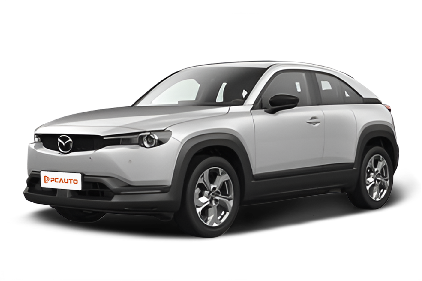
The all-electric version of the Mazda MX-30 is about to be discontinued, and production is expected to end in 2025. However, its range-extender version with a rotary engine, the e-SkyActiv R-EV, will be retained for the time being. As Mazda's first mass-produced electric vehicle, the MX-30 has been on the market for a relatively short time, only 5 years. It failed to gain a foothold in the market because of its high price and short driving range, making it difficult to attract consumers. It is equipped with the same suicide doors as the classic sports car RX-8 and only has a 35.5 kWh battery pack, with a maximum driving range of only 256 km (WLTP), which is less competitive compared with today's electric vehicles with a range of over 400 km. In the MX-30 e-SkyActiv R-EV range-extender version, an 830 cc small naturally aspirated single-rotor engine acts as a generator to charge the battery pack. The pure-electric driving range is 85 km, and the combined driving range can reach 644 km.
Special Disclaimer: This content is published by users and does not represent the views or position of PCauto.
Related Q&A
Q
What is the real life range of the MX-30?
The range of different versions of the MX-30 varies. The initial version of its all-electric model is equipped with a 35.5 kWh lithium-ion battery. It can achieve a range of up to 200 kilometers under the WLTP standard, about 161 kilometers under the EPA standard, and the combined range is only 209 km. Such a range is generally sufficient for daily city commuting. For example, there's no need for frequent charging during short-distance trips like going to work or shopping. However, it's a bit lacking for long-distance travel, and charging points need to be planned in advance.
The range-extended version of the MX-30 launched in 2023 is equipped with Mazda's iconic rotary range extender system, and the range is increased to about 400 kilometers, greatly enhancing its practicality. Even when traveling long distances, it can reduce range anxiety. For instance, it can handle cross-city trips like from Kuala Lumpur to Penang relatively easily.
 HappyZebraAug 18, 2025
Q
What type of charger does the Mazda MX-30 use?
As a pure-electric SUV, the Mazda MX-30 in the Malaysian market uses a Type 2 (IEC 62196-2) AC charging port. This is a common standard charging port in Europe and Southeast Asia, which is compatible with most local public charging piles and home wall-mounted chargers. The maximum charging power is 6.6kW, and it takes about 5-6 hours to fully charge the vehicle using a home power supply.
In addition, the MX-30 also supports DC fast charging with the CCS2 standard, with a maximum power of up to 50kW. It can charge the battery from 20% to 80% in 40 minutes, which is suitable for quick energy replenishment during long-distance trips. For Malaysian users, the compatibility of Type 2 and CCS2 means they can conveniently charge their vehicles at mainstream charging networks such as Shell Recharge and ChargeEV.
It should be noted that the charging speed may be affected by local power grid conditions or the power of charging equipment. It is recommended that car owners plan their charging time in advance. The charging standards for electric vehicles vary by region. For example, Japan uses CHAdeMO, while China prefers GB/T. Therefore, it is necessary to pay attention to compatibility when traveling across countries. The charging infrastructure in Malaysia is gradually improving, and it will support more models for efficient energy replenishment in the future.
 HappyGiraffeAug 18, 2025
Q
What is the battery capacity of the Mazda MX-30?
As Mazda's first all-electric vehicle, the MX-30 comes with a battery capacity of 35.5 kWh. Under the WLTP test standard, it has a range of about 200 kilometers. This model is equipped with a lithium-ion battery pack and supports 50 kW fast charging, which can charge the battery to 80% in about 36 minutes. It's well-suited for urban commuting or short trips in Malaysia.
Although its battery capacity is relatively smaller compared to some of its electric vehicle peers in the same class, Mazda has optimized the actual range performance through lightweight body design and precise energy consumption management. Malaysian consumers should be aware that the tropical climate may affect battery efficiency. It's recommended to conduct regular maintenance to keep the battery in good condition.
If you're planning longer trips, you can check out the increasingly comprehensive charging network in Malaysia, including the distribution of charging piles at major shopping malls and highway rest stops. The MX-30's battery technology features a water-cooled temperature control system, which helps maintain battery stability in high-temperature environments. Additionally, Mazda offers an 8-year or 160,000-kilometer battery warranty policy, providing long-term assurance for car owners.
 HappyMuleAug 18, 2025
Q
How to charge a Mazda MX-30 at home?
To charge the Mazda MX-30 at home, you first need to make sure you have a suitable charging device. The MX-30 supports the standard Type 2 charging interface, and you can use a household power socket or install a wall-mounted charging box.
If you use an ordinary household socket (240V), the charging speed is relatively slow. It takes about 12-15 hours to fully charge the vehicle. It is recommended to install a dedicated wall-mounted charging box (such as a 7.4kW or 11kW one), which can reduce the charging time to 4-6 hours.
In Malaysia, when purchasing a charging device, you can choose local brands like EV Connection or ChargeSini. They offer charging solutions that meet international standards. At the same time, it is advisable to apply to TNB for a dedicated electric vehicle electricity meter to get a more stable power supply.
In addition, pay attention to environmental safety when charging. Avoid operating in a damp or high-temperature environment, and regularly check if the charging cable and interface are worn. If you plan to use an electric vehicle for a long time, you can also learn about the electric vehicle subsidies and tax-exemption policies provided by the Malaysian government. These measures can further reduce the cost of using the vehicle.
As a compact electric SUV, the Mazda MX-30 has a driving range suitable for urban commuting. The convenience of home charging makes it a good choice for environmentally friendly travel.
 HappyDonkeyAug 18, 2025
Q
Is the Mazda MX-30 hybrid or electric?
The Mazda MX-30 is currently available in two versions in the Malaysian market: the all-electric (EV) and the mild hybrid (MHEV), depending on the model year and configuration. The all-electric MX-30 is equipped with the e-Skyactiv powertrain and uses a 35.5 kWh lithium battery pack, offering a range of about 200 kilometers (WLTP standard), which is suitable for urban commuting. On the other hand, the mild hybrid version combines a 2.0L gasoline engine with a 24V motor assist system, enhancing fuel economy through brake energy regeneration. It's more suitable for long-distance driving or areas with limited charging facilities. Malaysian consumers should note that the electric version relies on charging infrastructure, and it's advisable to evaluate their daily usage scenarios before purchasing. Although Mazda's rotary engine range-extender technology is not applied to the current MX-30, it shows the brand's diverse exploration of new energy routes. Local users can refer to the data from the Malaysian Automotive Association (MAA) or authorized dealers to get the latest policies on charging network coverage and government subsidies for electric vehicles.
 HappySheepAug 18, 2025
Q
Why does the Mazda MX-30 have a small battery?
The Mazda MX-30 uses a relatively small-capacity battery (around 35.5 kWh), mainly based on the brand's unique development concept and considerations of actual usage scenarios. Mazda believes that this model is more suitable for urban commuting or short trips. Therefore, while the battery capacity is designed to meet daily needs, it can also optimize the vehicle's weight and energy consumption efficiency. This design concept is in line with Mazda's consistent emphasis on "driving pleasure" and "environmental balance." The lighter battery pack allows the vehicle to maintain flexible handling. Meanwhile, a smaller battery also means shorter charging times and lower costs, which is very practical for Malaysian users, as most daily commutes are short and the local charging infrastructure is still being gradually improved.
In addition, Mazda also offers a range-extended version of the MX-30 with a rotary engine, further addressing the issue of range anxiety. This combination of technologies demonstrates Mazda's unique approach in the electrification transformation, which retains the brand's characteristics while considering practicality. For Malaysian consumers, the small-battery design of the MX-30 may even become an advantage, especially in congested urban traffic and with limited charging conditions, as it can both lower the threshold for purchasing a car and meet daily travel needs.
 HappyPigAug 18, 2025
Q
Where to charge Mazda MX-30?
Regarding the charging locations for the Mazda MX-30, you can head to a fast DC charging station. Here, the vehicle can be charged from 10% to 80% in 40 minutes. However, if the power output of the charging point exceeds 37kW, the charging situation won't change. Additionally, a universal charging station is also an option. But you need to prepare a Mazda public charging cable so that you can charge at those universal charging stations that require you to bring your own charging cable. If you want to learn more about the charging options, cables, and other accessories for the Mazda MX-30, you can visit the relevant Mazda MX-30 platform or consult the friendly sales team. It's important to follow the equipment's required sequence and time regulations when charging to avoid charging failures caused by charging too early or too late.
 HappyTurkeyAug 18, 2025
Q
What is the battery life of the MX-30?
The battery range varies among different versions of the MX-30. Initially, the all-electric version was equipped with a 35.5 kWh lithium-ion battery, offering a range of approximately 161 kilometers under the EPA standard and 256 kilometers under the WLTP conditions. In 2023, the range-extender version of the MX-30 was launched. With the rotary range-extender system, its range was increased to 400 kilometers. Mazda chose a relatively small-capacity battery. On one hand, it was for cost considerations. On the other hand, from the perspective of the vehicle's entire life cycle "carbon dioxide emissions", Mazda believes that large-capacity batteries generate more carbon dioxide emissions during production, scrapping, and recycling. If your daily driving is mainly for city commuting, the range of the MX-30 can basically meet your needs. If you often drive long distances, the range-extender model would be a more suitable choice.
 HappyChickenAug 18, 2025
Q
What is the life expectancy of a Mazda MX-30?
As an electric SUV that emphasizes environmental protection concepts, the expected lifespan of the Mazda MX-30 mainly depends on the service life of the battery pack and daily maintenance. Generally speaking, the lifespan of an electric vehicle battery pack ranges from 8 to 15 years, specifically depending on charging habits and environmental factors. The lithium-ion battery technology adopted by Mazda is relatively mature and can maintain relatively stable performance under normal use. In the hot and humid climate of Malaysia, it is recommended that car owners avoid frequent fast charging and long-term full-charge storage to extend the battery life. At the same time, it is also very important to regularly conduct battery health checks at an authorized service center.
In addition to the battery system, the overall manufacturing quality of the MX-30 continues Mazda's consistent high - precision standards. The anti-rust treatment of the vehicle body and the durability of parts have all undergone strict tests and can adapt to local road conditions. As long as regular maintenance is carried out according to the maintenance manual, including routine items such as replacing brake fluid and coolant, the overall service life of the vehicle can reach more than 10 years.
For Malaysian consumers considering purchasing an electric vehicle, they also need to pay attention to the coverage of local charging infrastructure. Although the MX-30's cruising range is suitable for urban commuting, long-distance travel may require planning charging stations in advance. Mazda's dealer network in Malaysia can also provide professional technical support and spare parts supply for car owners, further ensuring the service life of the vehicle.
 HappyDuckAug 18, 2025
Q
How many Mazda MX-30 have been sold?
As of 2023, the global sales data of the Mazda MX-30 has not been fully disclosed. However, according to data from some regions, this car has been relatively active in the European and Japanese markets, while its sales in Malaysia are relatively low. The main reason is that it is Mazda's first all-electric vehicle, and the local market's acceptance of electric vehicles is still gradually increasing. The MX-30 has attracted a lot of attention with its unique design concept and eco-friendly positioning. In particular, its suicide door design and interior made of sustainable materials demonstrate Mazda's efforts in innovation and environmental protection. For Malaysian consumers, the introduction of the MX-30 also reflects the potential of the electric vehicle market. Although the current charging infrastructure and price factors may affect its popularization speed, with the government's promotion of green travel policies, the future development of electric vehicles in Malaysia is worth looking forward to. If you're interested in the MX-30, you can follow the latest news on the official website of Mazda Malaysia or local dealerships to get more detailed vehicle information and test drive opportunities.
 HappyGoatAug 18, 2025
Popular Cars
Model Year
Car Compare
Car Photo
Related Models
 Cars
CarsLatest Q&A
Q
Is AMT similar to automatic?
There are significant differences between AMT transmissions and automatic transmissions (AT) in terms of core structure and driving experience. AMT is essentially an electronically automated version of a manual transmission, simulating manual clutch operation and gear shifting through a computerized control system while retaining the gear set structure of manual transmissions. As a result, it offers higher transmission efficiency, with fuel consumption approximately 8%-12% lower than AT, making it particularly suitable for highway or long-distance driving. However, it may exhibit jerking similar to manual transmissions during low-speed gear shifts, especially noticeable in congested traffic conditions.
AT transmissions rely on torque converters for power transfer, delivering smooth and seamless gear shifts that appeal to comfort-oriented users. However, their complex structure (incorporating planetary gear sets, hydraulic systems, etc.) results in higher maintenance costs. A single service may cost between 800 to 1,500 ringgit, whereas AMT only requires gear oil replacement at approximately 400 ringgit.
From a market perspective, AMT is predominantly used in budget vehicles or commercial models priced below 80,000 ringgit, while AT is typically featured in mid-to-high-end vehicles. Consumers should select based on actual needs: AMT suits those prioritizing fuel efficiency and low maintenance costs, while AT better serves those valuing comfort. Notably, recent advancements in AMT electronic control technology have significantly mitigated jerking issues, though test drives should still emphasize low-speed performance evaluation.
 AriaMar 26, 2026
Q
Which is better, DCT or AT?
DCT (Dual-Clutch Transmission) and AT (Automatic Transmission) each have their own advantages and disadvantages, and the choice should be based on personal driving needs. AT transmissions transfer power through a torque converter, offering excellent shift smoothness, making them suitable for urban commuting or novice drivers. However, they tend to have higher fuel consumption, and vehicles equipped with them are usually more expensive. DCT transmissions utilize a dual-clutch structure, featuring fast shift speeds and high power transmission efficiency, which provides a more direct driving experience—particularly suitable for users seeking a sporty feel. However, they may exhibit jerking at low speeds and have relatively high maintenance costs. If durability and comfort are priorities, AT is the more reliable choice; if power responsiveness and driving pleasure are preferred, wet DCT (such as Volkswagen DSG) performs better, though dry DCT models should be avoided in prolonged stop-and-go traffic conditions. Additionally, CVT transmissions excel in smoothness and fuel efficiency, making them ideal for daily commuting, but they lack driving excitement. It is recommended to test-drive before purchasing, as tuning varies significantly across brands, and real-world experience is more important than theoretical specifications.
FlutteringMar 26, 2026Q
Is Amt good or bad?
AMT gearboxes have a significant cost advantage in the local market, typically being around 5,000 Ringgit cheaper than models equipped with conventional automatic transmissions. Their fuel efficiency is comparable to manual transmissions, resulting in long-term fuel savings. Featuring a straightforward design, they achieve transmission efficiency exceeding 90% with relatively low maintenance costs, making them ideal for practicality-oriented consumers. However, their shifting logic contains inherent limitations: gear changes between 1st and 2nd cause 0.3-0.5 second power interruptions, while unintended upshifts on inclines may reduce engine speed by 15%-20%, compromising driving smoothness. For urban commuters or budget-conscious buyers, AMT offers excellent value, though those prioritizing premium driving dynamics should consider alternative transmission types. Some domestic models like the Perodua Axia employ enhanced AMT systems, where optimized shift programming has reduced gearshift shock by approximately 30%.
 RainbowsMar 26, 2026
Q
Which gives better mileage, CVT or AMT?
From the perspective of fuel economy, CVT transmissions generally perform better under urban driving conditions. Their continuously variable design allows the engine to consistently operate within the optimal speed range, significantly reducing fuel consumption during frequent starts and stops. Test data shows that their fuel consumption in urban driving conditions is 10% to 15% lower than that of comparable models. AMT transmissions, on the other hand, inherit the high transmission efficiency of manual transmissions, delivering fuel efficiency close to manual transmissions during high-speed cruising. This makes them particularly suitable for long-distance driving in large-displacement vehicles. However, due to power interruption during gear shifts, their overall fuel consumption may be 5% to 8% higher than CVTs.
The difference in fuel-saving characteristics between the two transmissions stems from their technical principles: CVTs achieve continuous variability through steel belts and pulleys, eliminating the fixed gear ratio limitations of traditional transmissions; AMTs simulate manual gear changes via electronic control systems while maintaining the mechanical efficiency of gear transmission. Notably, actual fuel consumption is also influenced by driving habits. Smooth acceleration and anticipatory deceleration can maximize the transmissions' fuel-saving potential. If the vehicle budget permits and urban commuting is the primary use, CVTs offer a more economical choice. For frequent highway driving with an emphasis on cost-effectiveness, AMTs are equally worth considering.
 RubyBlazeMar 26, 2026
Q
Which is cheaper, AMT or CVT?
In terms of gearbox cost, AMT is usually more economical than CVT. Essentially, AMT is a manual transmission equipped with an electronic control unit, featuring a simple structure and low maintenance costs. The unit price ranges from approximately 5,000 to 8,000 ringgit, making it suitable for budget-conscious consumers or those who prioritize long-term operating costs. CVT incurs higher manufacturing costs due to its precision steel belt transmission system and continuous variable transmission technology, with a unit price of about 7,000 to 10,000 ringgit. However, it delivers a smoother driving experience and superior fuel efficiency. The primary differences between the two lie in technical complexity: AMT retains the gear-shifting mechanism, resulting in noticeable shift shock; CVT achieves linear power output through stepless speed variation but requires periodic belt inspection and incurs higher maintenance expenses. For those prioritizing initial cost and basic transportation needs, AMT offers better value; if comfort and long-term fuel economy are priorities, CVT represents a more worthwhile investment. Note that actual prices may vary based on vehicle model, brand, and local supply chain factors.
 ShadowProwlMar 26, 2026
Related News

Which years of Mazda CX-9 should not be purchased? What problems might occur?
Kevin WongMar 24, 2026

Spend 100,000 more to buy Mazda CX-80, or buy CX-8?
Kevin WongMar 12, 2026

The next-generation Mazda CX-5 details emerge: Brand new Skyactiv-Z engine, Independently developed hybrid system
MichaelMar 12, 2026

Mazda 3 Hatchback vs. Honda City Hatchback, which one should I choose?
JohnMar 9, 2026

2026 Mazda 3 Liftback Latest Pricing: On-the-Road Cost, Monthly Instalments and 1.5L vs 2.0L Differences
AshleyFeb 27, 2026
View More
Pros
Cons