
10 MPVs Everyone Wants, But Haven't Been Launched in Malaysia
 LienDec 19, 2025, 05:31 PM
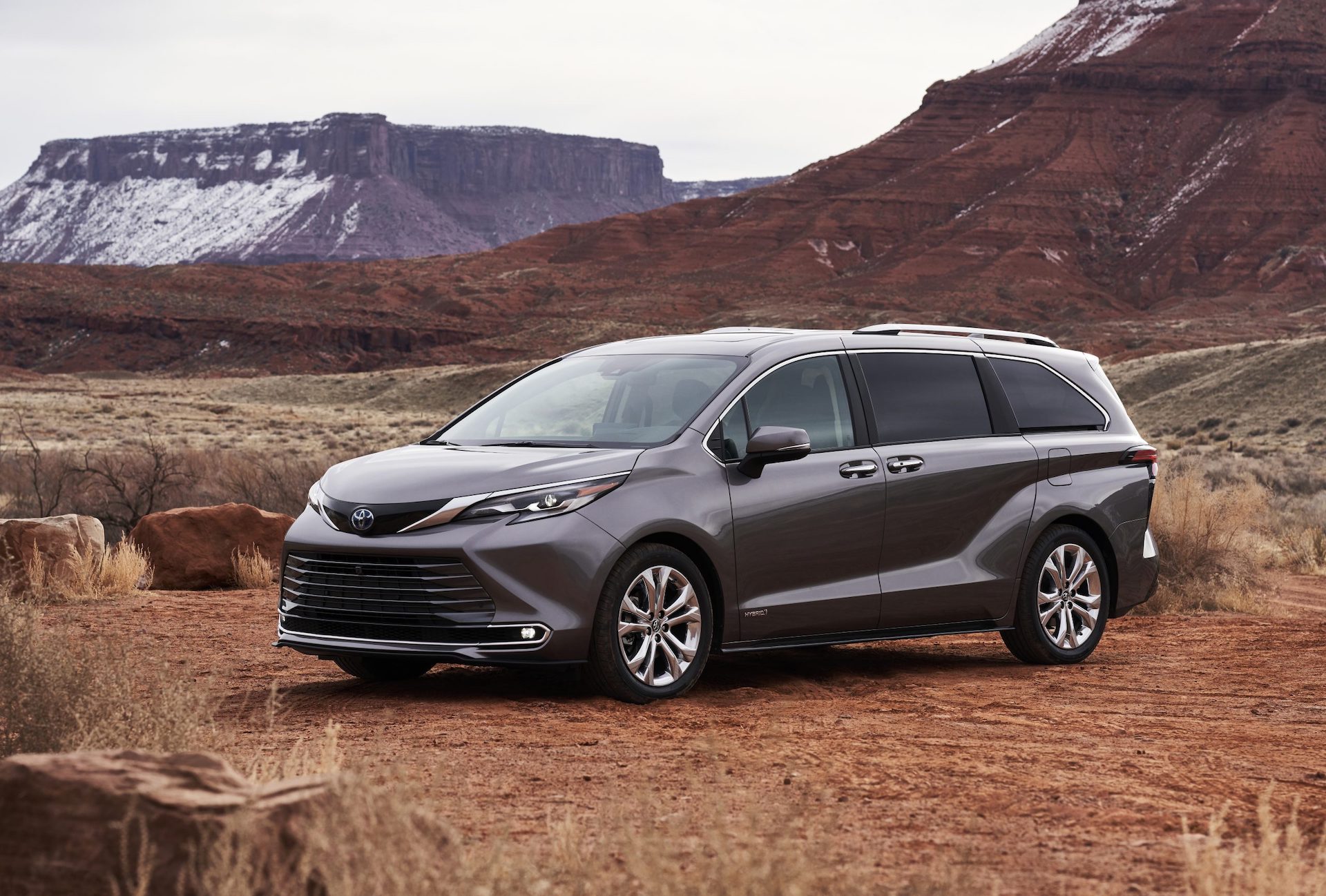
【PCauto】When it comes to MPVs, a few familiar names quickly come to mind: Alphard, Innova, Serena, Carnival. They may not be perfect, but at least they’re available to buy.
A broader look at the global market reveals a more competitive landscape. There, many spacious and comfortable MPVs exist, such as the Toyota Sienna—highly anticipated yet largely inaccessible.
Besides the Sienna, there are also some vehicles that aren’t exactly niche. Instead, they feature mature product strength, stable sales in their respective markets, and have even entered the hybrid or high-tech era.
1、Toyota Sienna: The top choice for North American family MPVs
As a medium-to-large family MPV specifically designed by Toyota for the North American market, the Toyota Sienna has been one of the primary choices for families in the U.S. and Canada since its debut in 1997.
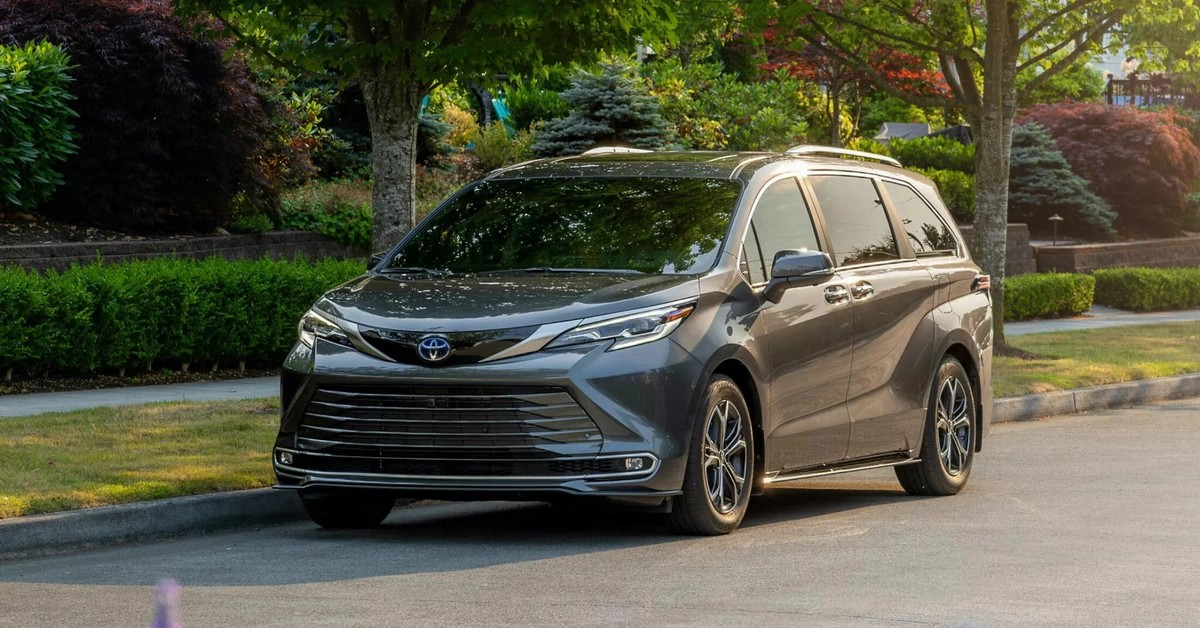
Focused on long-distance comfort, a spacious third row, and family-friendly usability, the Sienna has cemented this identity in its latest generation by transitioning to a full hybrid lineup. This move underscores its dual commitment to practicality and efficiency.
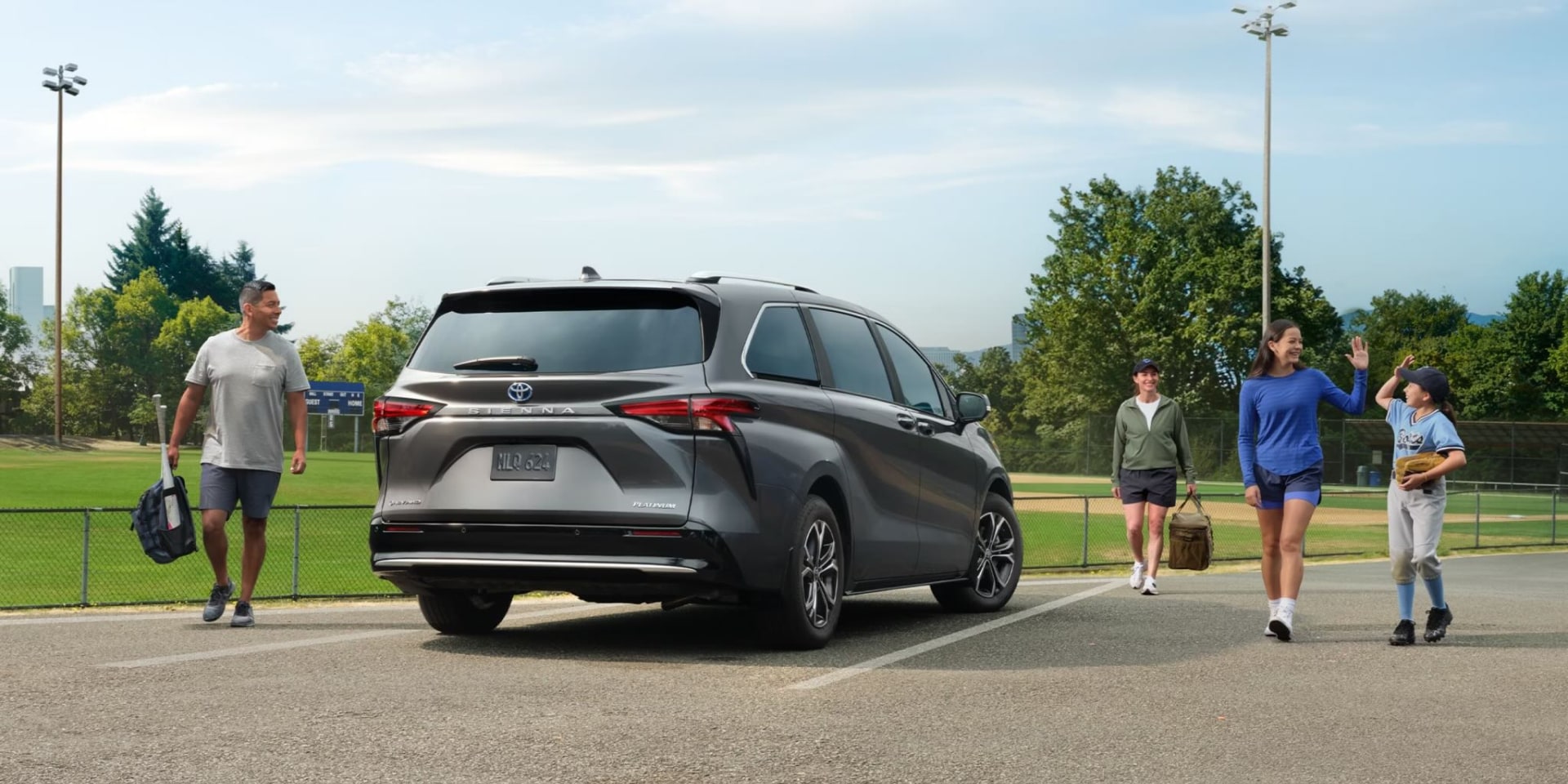
The current generation of Sienna is equipped with a 2.5L hybrid system across the entire range, delivering a combined output of approximately 245 hp. Paired with the well-established Toyota Safety Sense active safety system, it strikes an excellent balance between fuel efficiency, reliability, and family-friendliness. This is also why it has long been considered a reliable family MPV in the North American market.
However, such a mature and stable product has never been officially launched as a new car in Malaysia. The reason extends beyond market demand; the Sienna was developed from the outset as a left-hand-drive (LHD) model. Malaysia is a right-hand-drive (RHD) market, and unlike some global models, the Sienna was not simultaneously developed with a right-hand drive version.
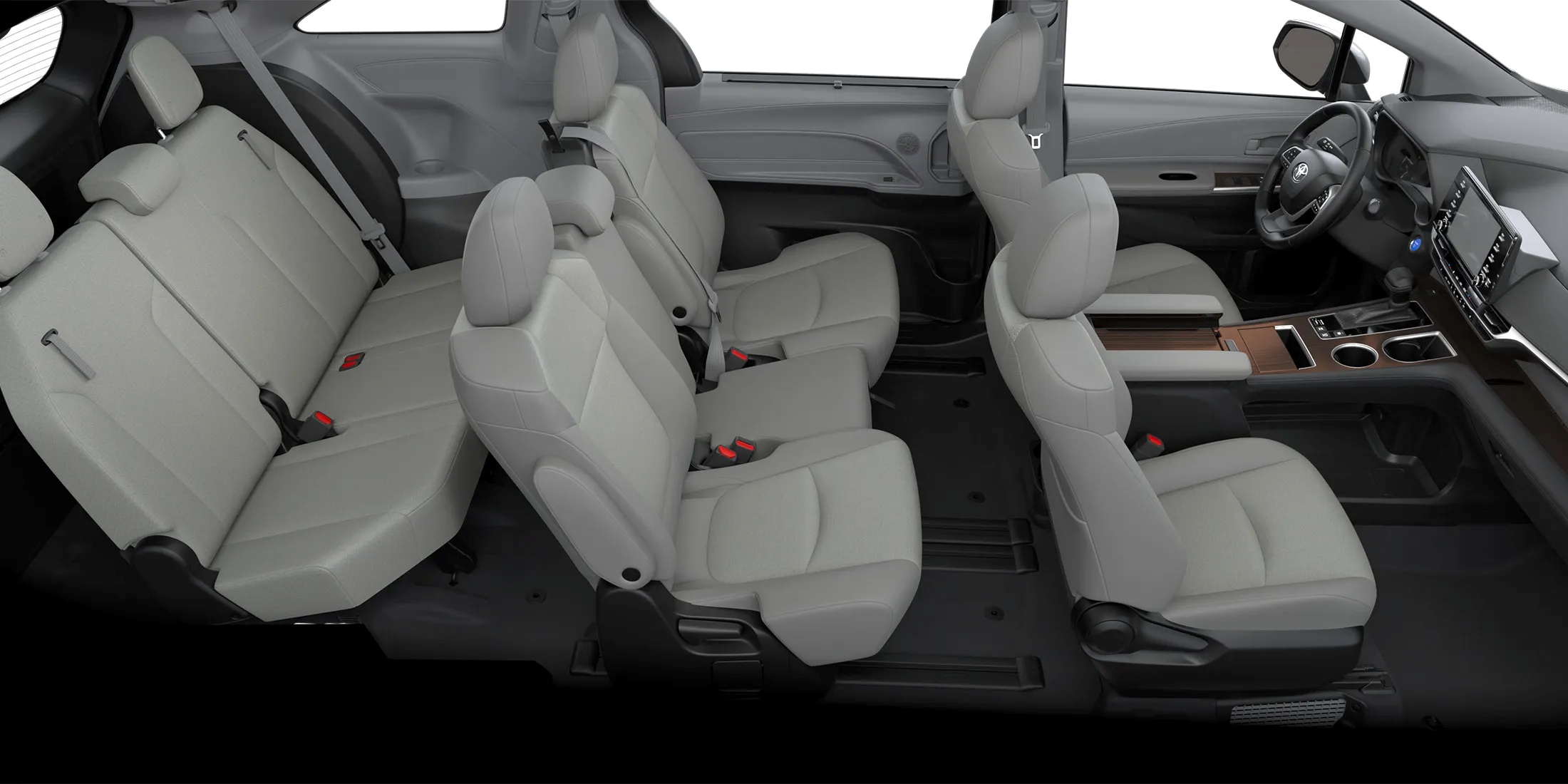
For Toyota, redesigning the steering wheel layout, securing regulatory certifications, and adapting production lines would entail substantial additional costs. Yet, considering the relatively small size of Malaysia's MPV market and the dominance of established models like the Innova, Serena, and Carnival, these factors combined make the commercial case for developing a right-hand-drive Sienna untenable.
2. Honda Stepwgn: One of Japan's Favorite Family MPVs
If the Toyota Sienna is the standard answer for family MPVs in North America, then in Japan, the Honda Stepwgn is the standard answer for family MPVs.
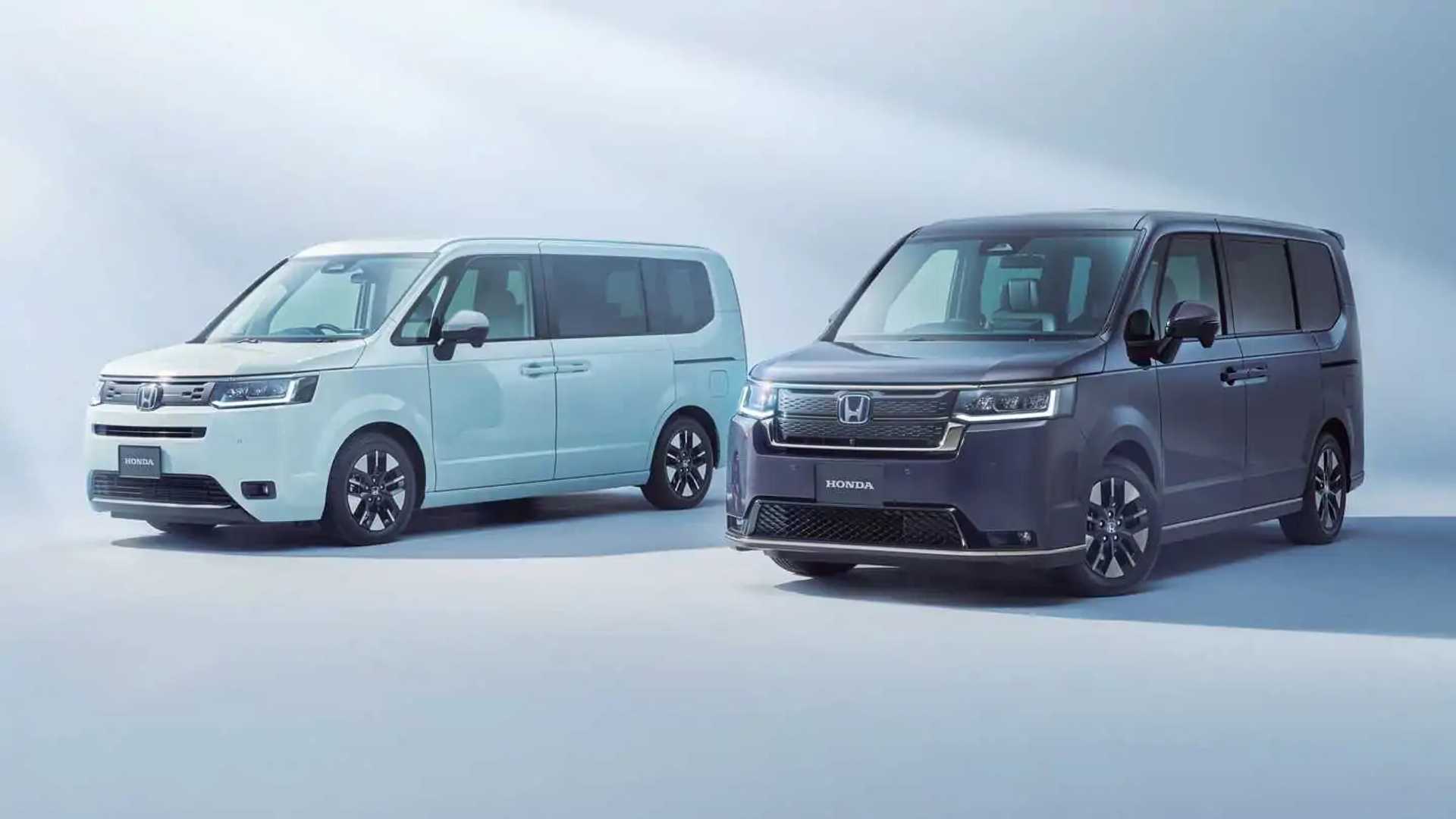
Since its launch in 1996, the Stepwgn has been known for its high space utilization, comfortable seating, and low usage threshold. It’s the kind of model that may not boast impressive specifications on paper but excels in thoughtful, everyday usability.
The latest generation of the Stepwgn continues this approach:
· Square body lines prioritize interior space maximization over mere aesthetics.
· A low-floor design facilitates easier entry and exit, especially for elderly passengers and children.
· Sliding doors and a flexible seat layout enhance practicality and accessibility.
The design is entirely developed around real family scenarios. Coupled with the comprehensive inclusion of the Honda Sensing active safety system, it has maintained high family recognition in the Japanese market for a long time.
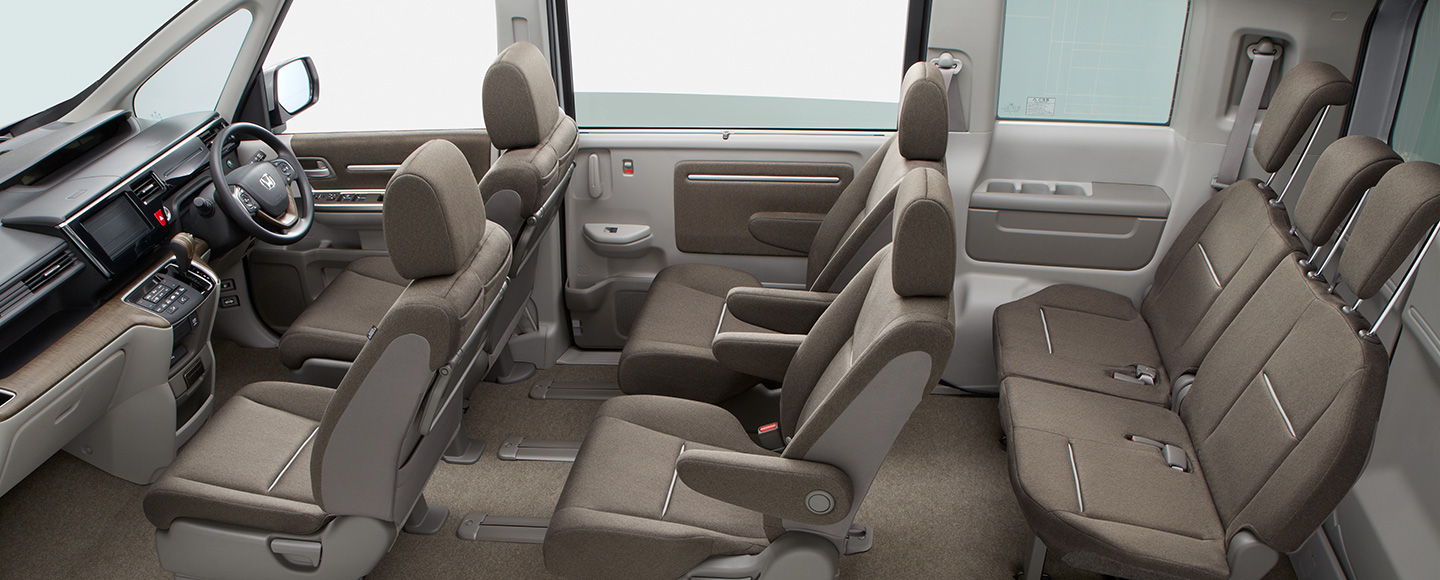
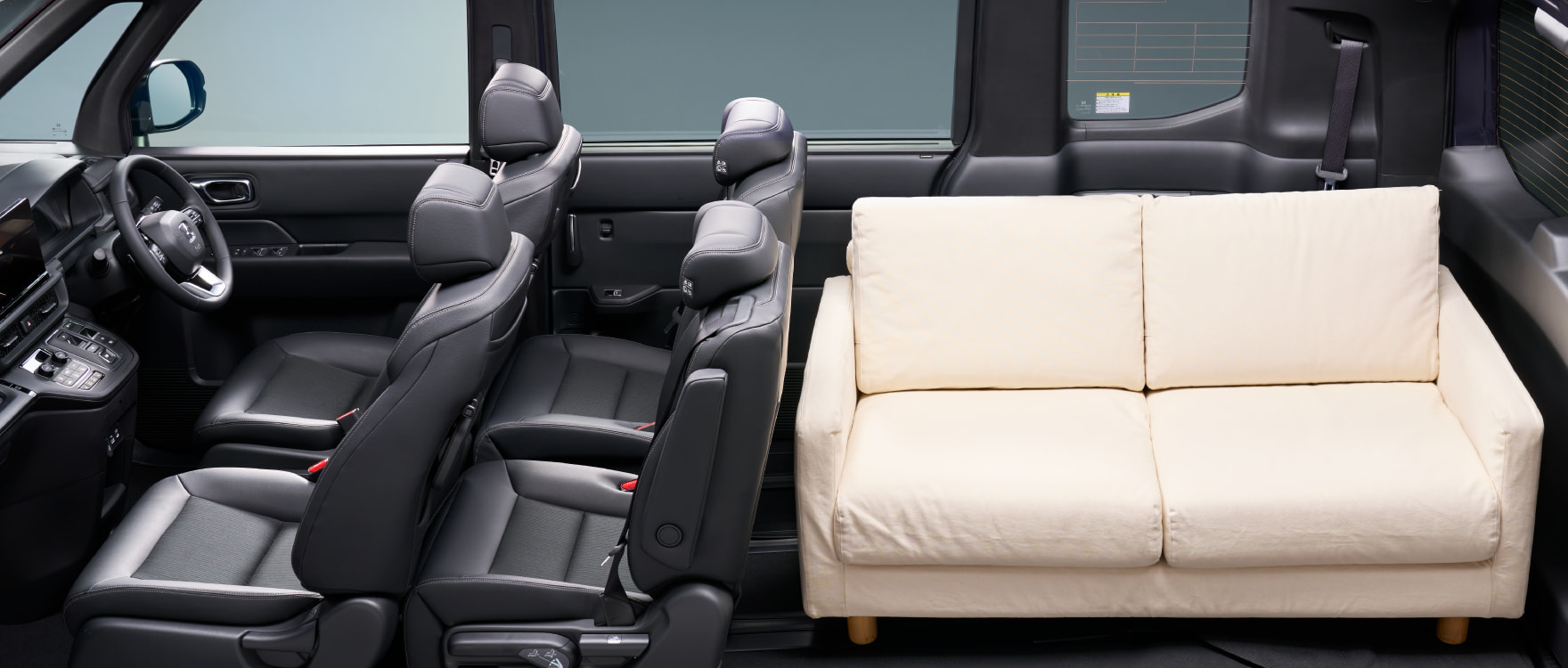
Likewise, the Stepwgn is actually very suitable for Malaysia: its size falls between the Serena and large luxury MPVs. It doesn't strictly follow the extreme business route nor emphasize the luxury premium image like the Alphard but is clearly designed to cater to the daily needs of large families.
The challenge, however, is that Malaysia has limited demand for purely family-oriented MPVs. In the local market, consumers willing to choose MPVs either pursue a clear business and luxury image or tend to shift directly to SUVs. For cars like the Stepwgn that focus on family practicality, are rationally positioned, and do not emphasize status symbols, market presence has always been limited.
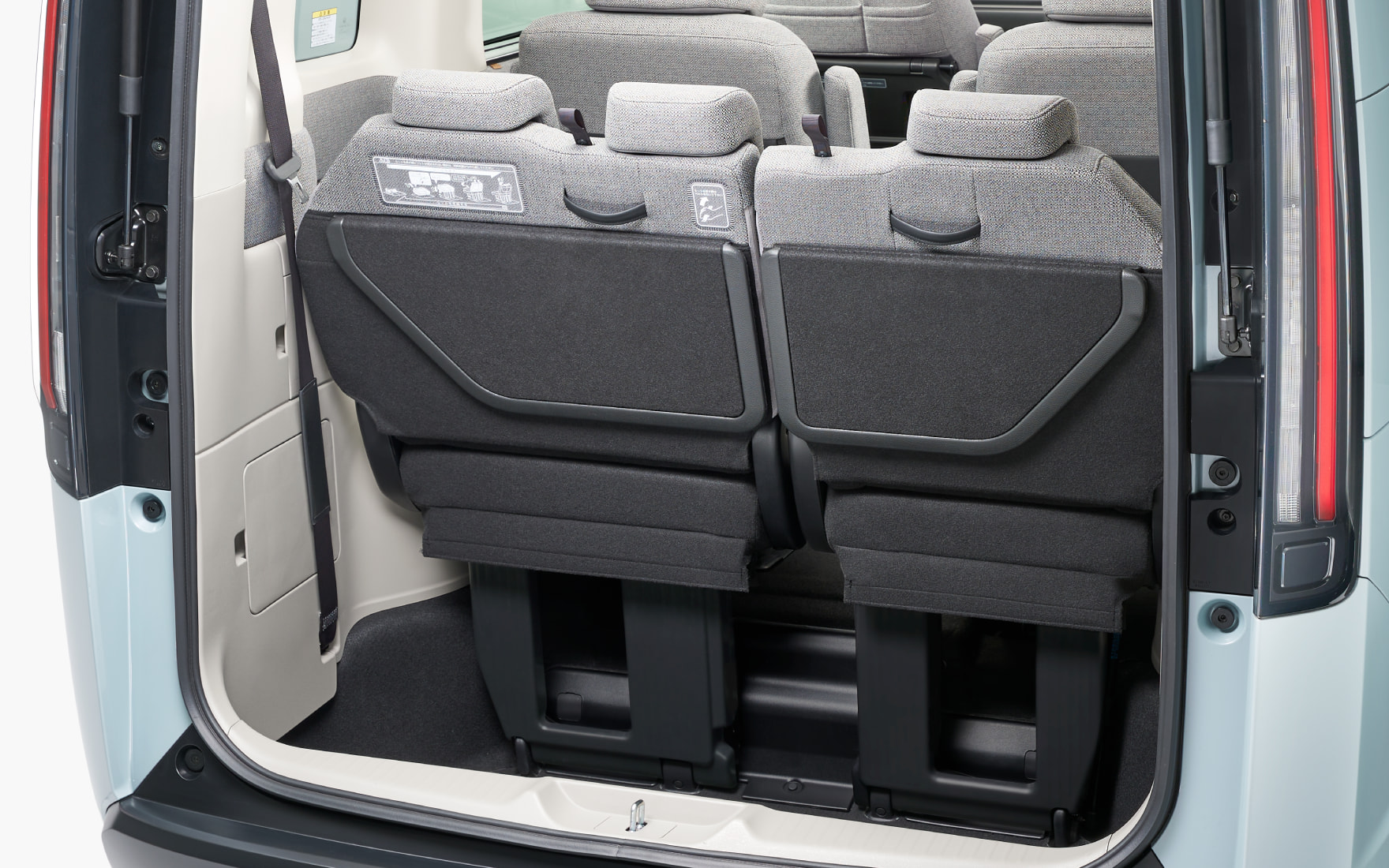
For Honda, launching the Stepwgn would mean not only establishing a new line in a niche MPV segment but also absorbing import costs, pricing pressures, and sales uncertainty.
In contrast, doubling down on the HR-V and CR-V—models that align with mainstream demand and ensure higher turnover—presents a far safer and more realistic commercial path.
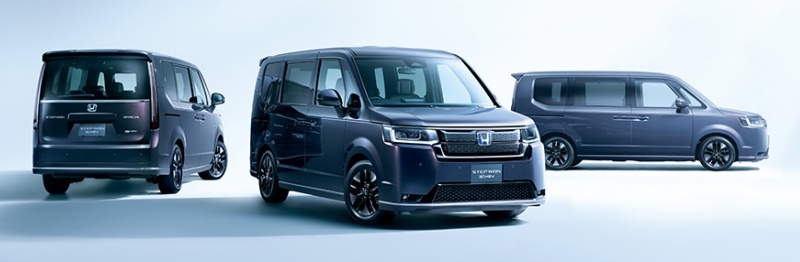
The absence of the Stepwgn is not because it isn't good enough, but because it happens to fall into a niche that the market is less receptive to.
It represents the rational car-use philosophy of Japanese families, but this value has always been truly appreciated by only a small group of consumers in Malaysia.
For this reason, most Stepwgns seen in Malaysia today are imported through parallel channels.
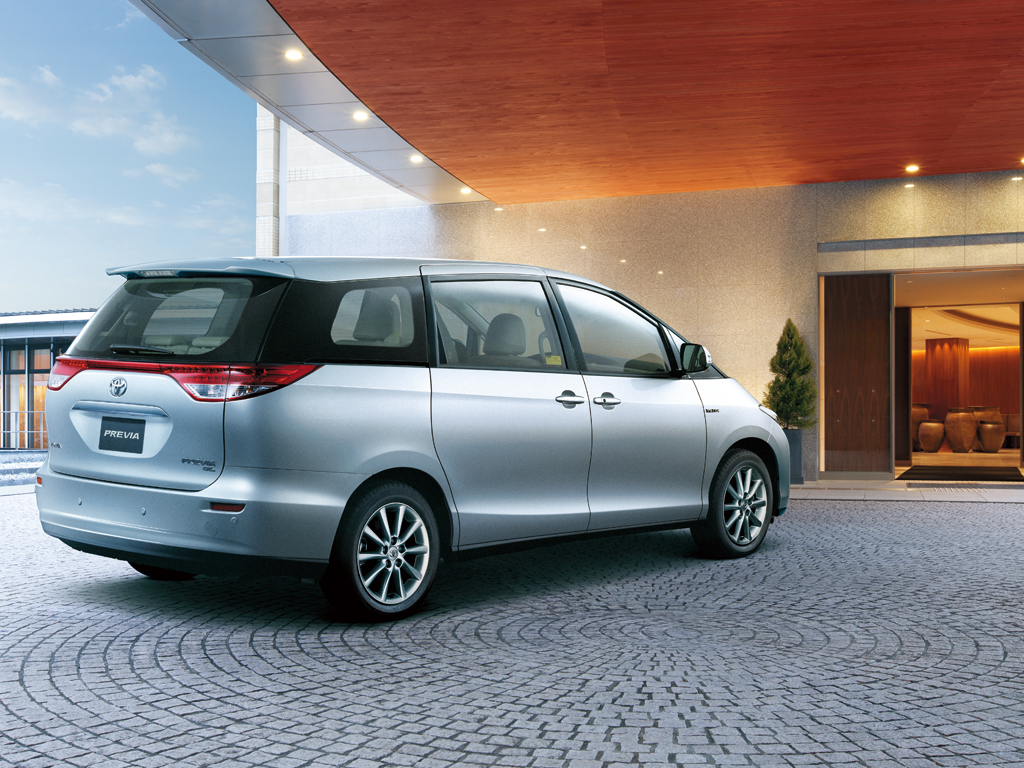
3. Toyota Previa / Estima: An MPV Ahead of Its Time
In the minds of many older car enthusiasts, the Toyota Previa (known as Estima in the Japanese market) is not just an ordinary MPV, but a vehicle with a technological aura and forward-thinking design for its time. Its mid-engine layout, low center of gravity, and rare emphasis on comfort at the time made it one of the most iconic models in Toyota's MPV lineup during the 1990s and early 2000s.
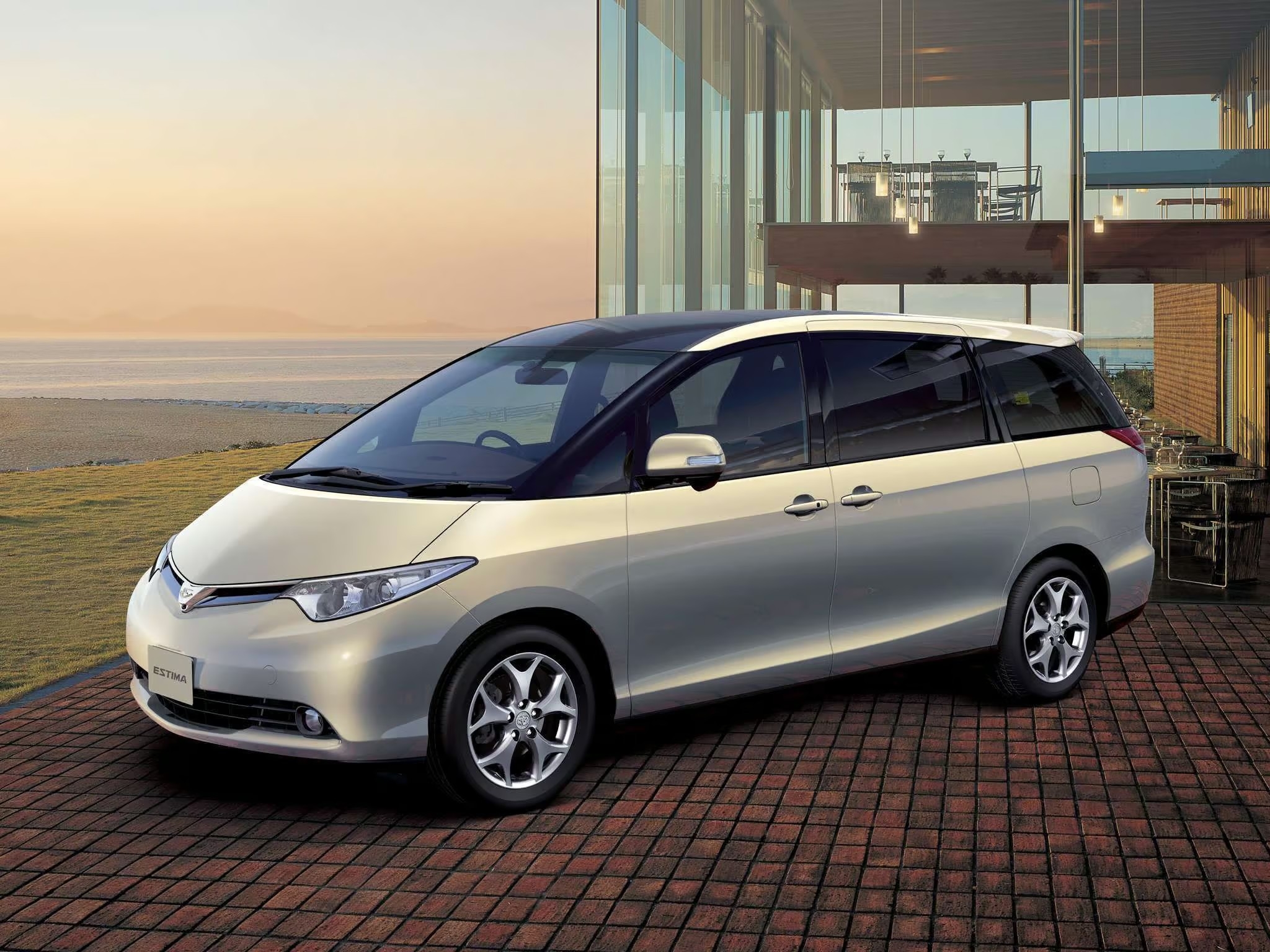
In Japan and select overseas markets, the Previa long occupied a niche above entry-level family MPVs yet below luxury business-oriented models, making it the ideal choice for many families looking to upgrade their vehicles.
The Previa does not emphasize extravagance like the Alphard, nor does it follow the utility vehicle route. Instead, it focuses on ride quality, driving stability, and long-term durability. This positioning allowed it to enjoy a highly stable user base during its peak period.
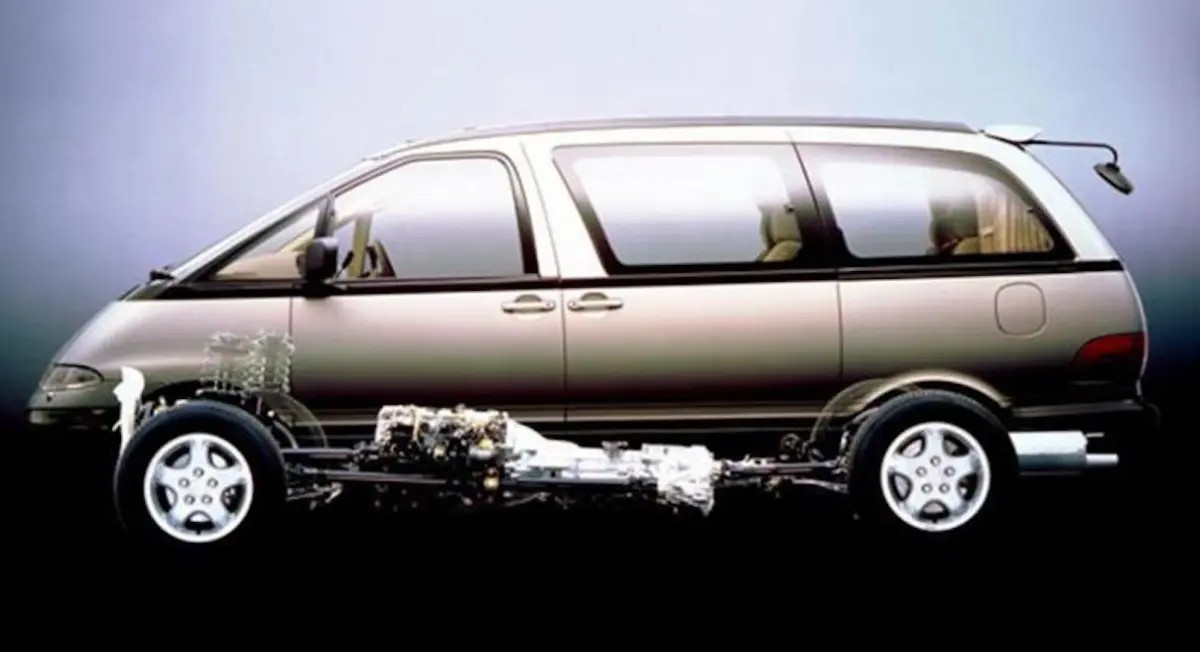
Ironically, this forward-thinking design ultimately hampered the Previa's evolution. Its complex structure and high manufacturing costs became liabilities in an era of tightening emissions regulations and intense cost pressure, eroding its early advantages.
With the rise of SUVs and more profitable MPVs, Toyota began to readjust its product focus, eventually ending the global production line of the Previa around 2019.
With the rise of SUVs and more profitable MPVs, Toyota began to readjust its product focus, eventually ending the global production line of the Previa around 2019.
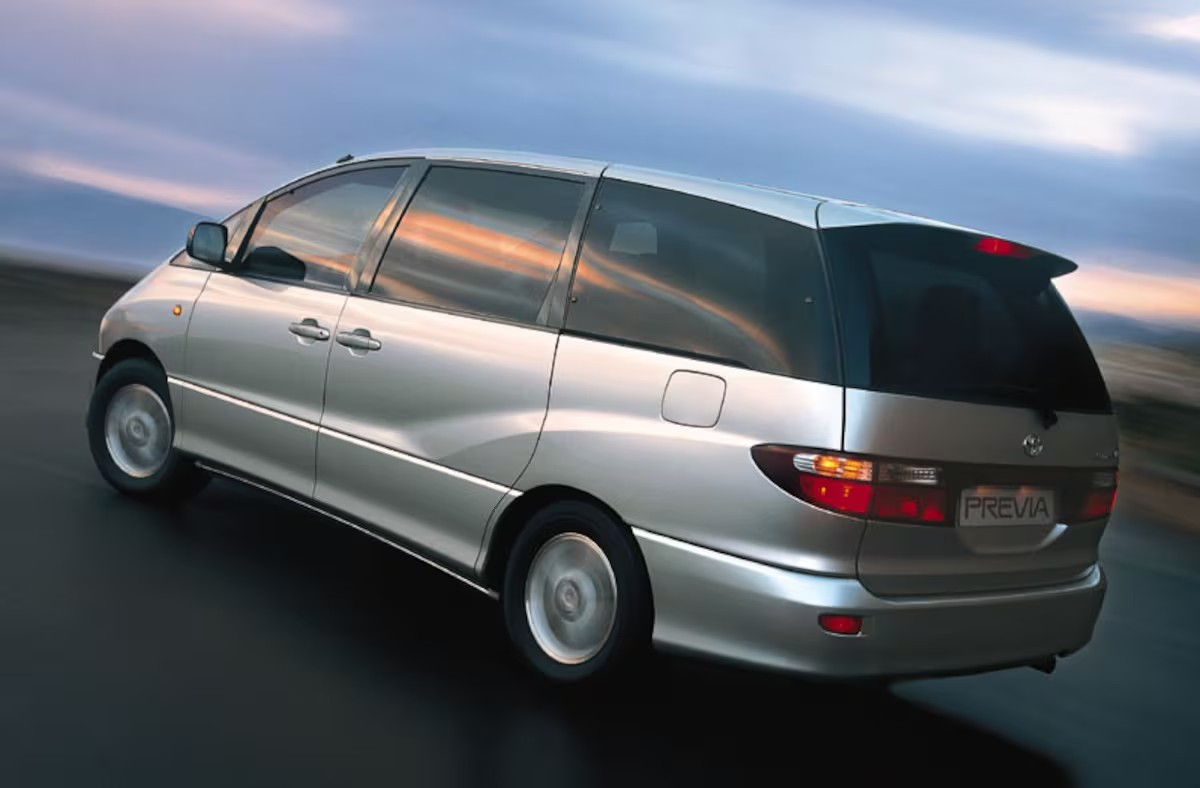
In the Malaysian market, the Previa never gained an official foothold. It occupied an awkward middle ground: neither a globally strategic model prioritized by Toyota for local promotion, nor a cost-competitive fit for the utility vehicle (UMV) market of its time.
In contrast, the Innova was easier to produce locally, and the Alphard/Vellfire could take on the role of a premium model, leaving the Previa stuck in the middle with limited room for survival.
Thus, the Previa—once hailed as a technological flagship among MPVs—fades into Malaysian automotive history not through official sales ledgers, but through a small, niche presence in the parallel import and used car markets.
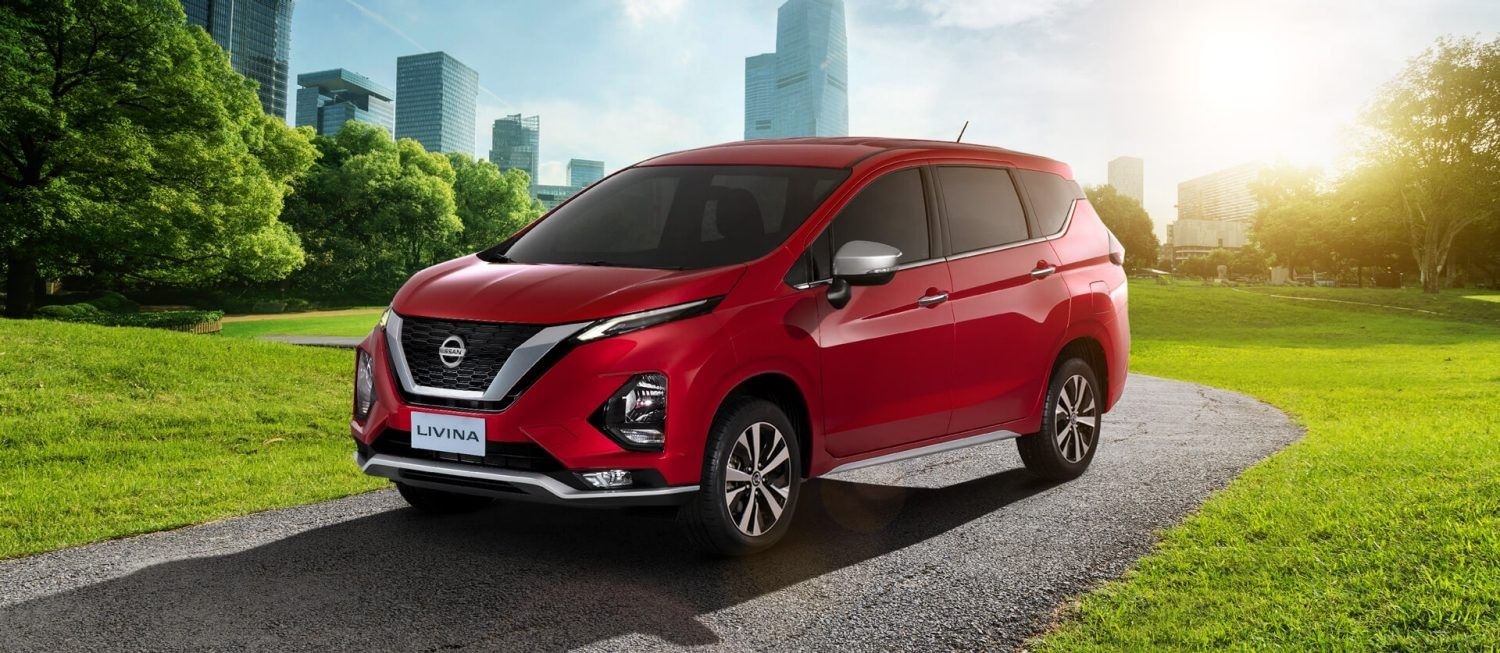
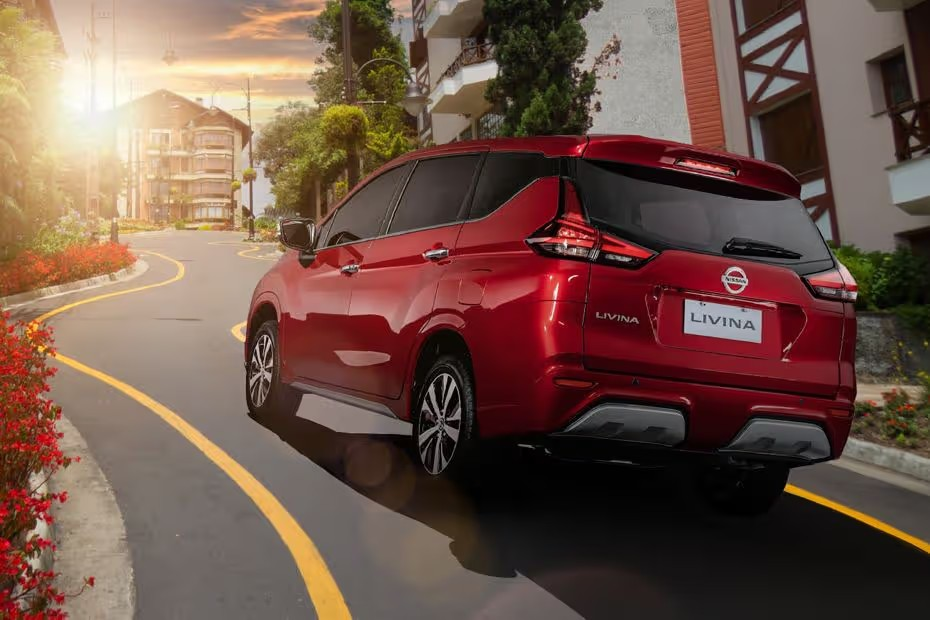
4. Nissan Livina: A compact MPV designed specifically for the Southeast Asian market
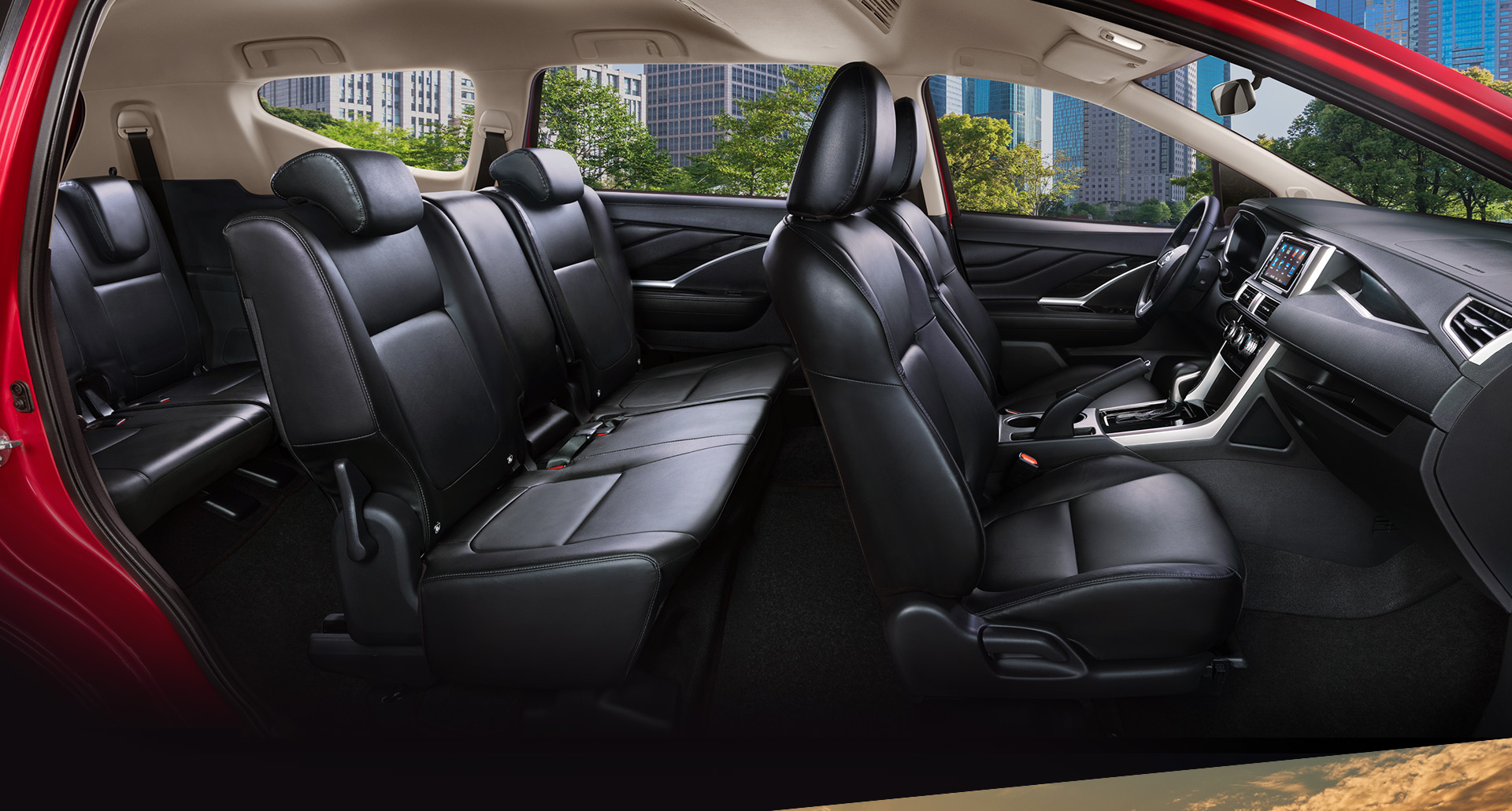
The Nissan Livina is a compact MPV with a very clear positioning. Its three-row seating layout, relatively lightweight body size, and space planning tailored for daily family use have successfully attracted consumers who “want seven seats but don't want to drive a large MPV.” Sharing a platform with the Mitsubishi Xpander, it also has a solid foundation in chassis durability and adaptability to Southeast Asian road conditions.
However, were the Livina to enter the Malaysian market, its position would immediately become awkward. Perodua has already dominated the family seven-seater market with the Alza. For most consumers, the Alza offers local assembly, low maintenance costs, stable resale value, and a comprehensive after-sales network.
Even if the Livina holds slight advantages in driving experience or brand image, it would struggle to convince family users to pay a premium. Moreover, once Livina tries to position its price higher, consumers either choose a larger traditional MPV or directly turn to SUVs that are more visually appealing and have higher market acceptance. Livina’s compact MPV positioning instead becomes a disadvantage.
For Nissan, introducing the Livina would mean reinvesting resources in a segment with thin margins, intense competition, and little brand advantage.
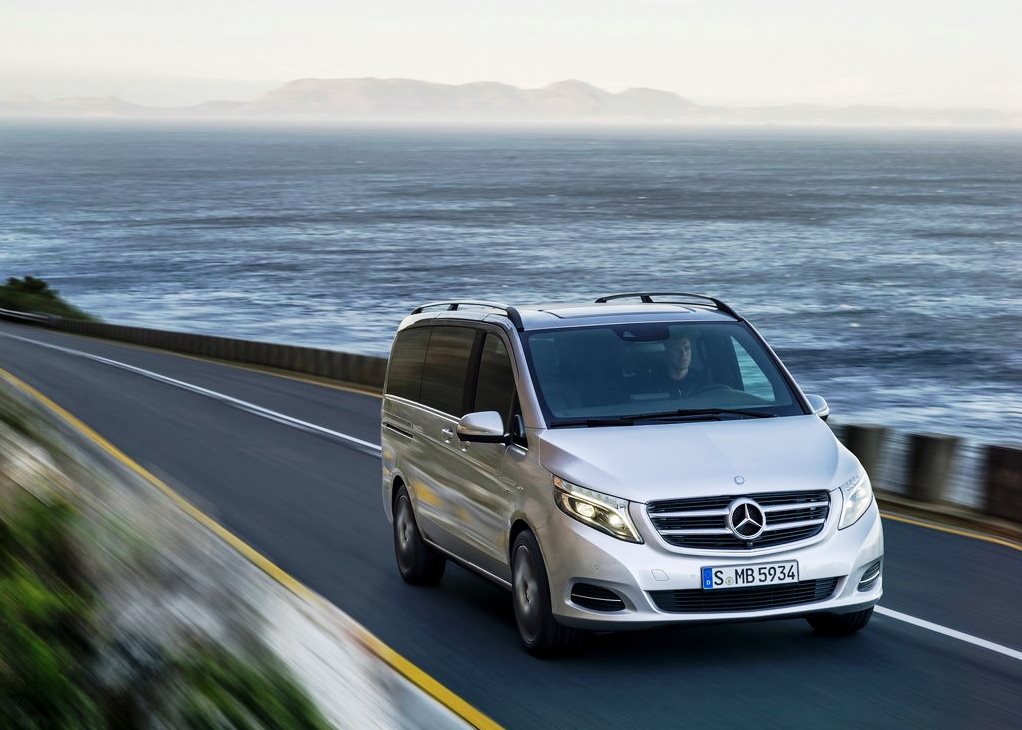
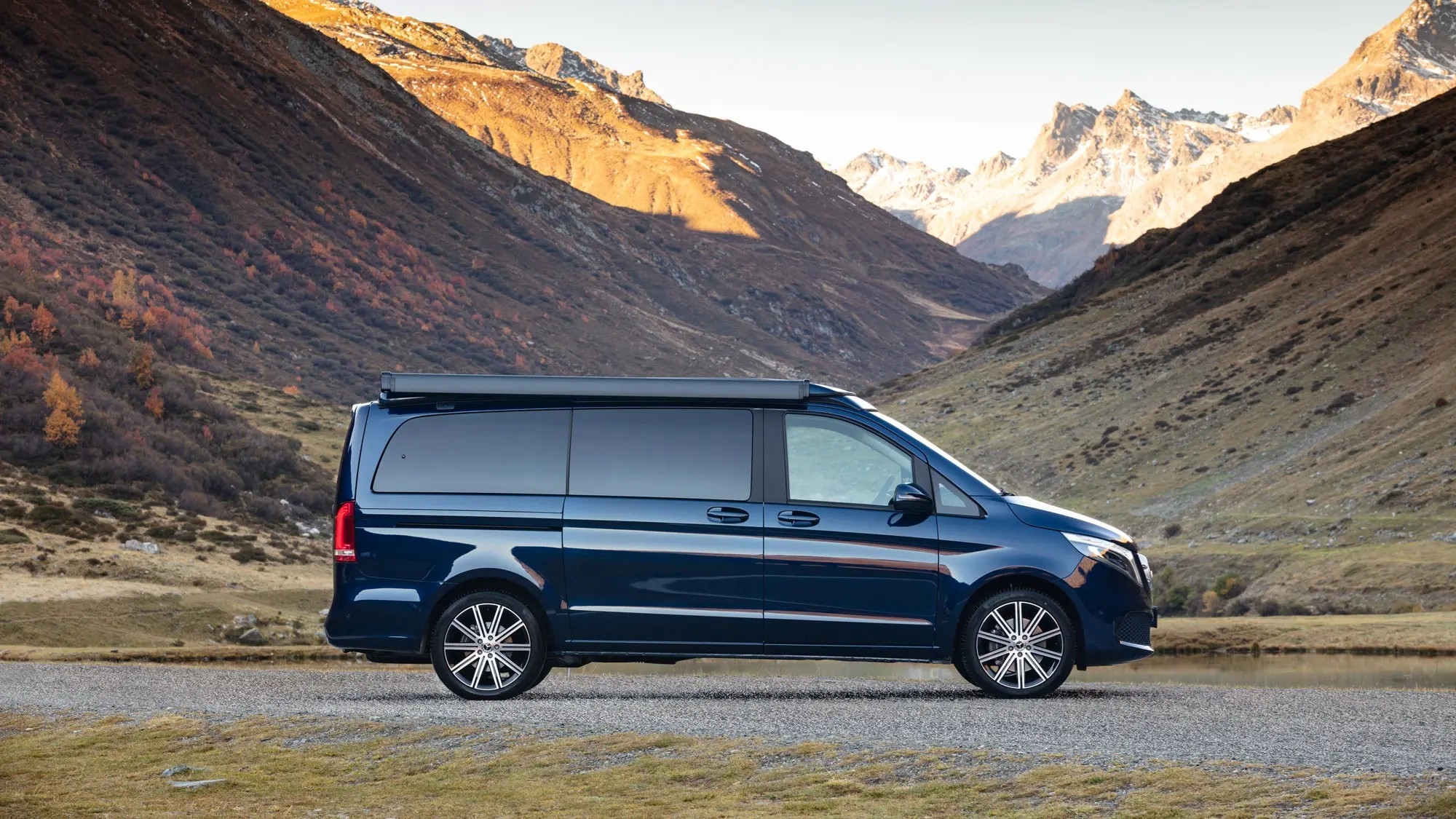
5、Mercedes-Benz V-Class: Everyone knows it’s great, but no one wants to buy it
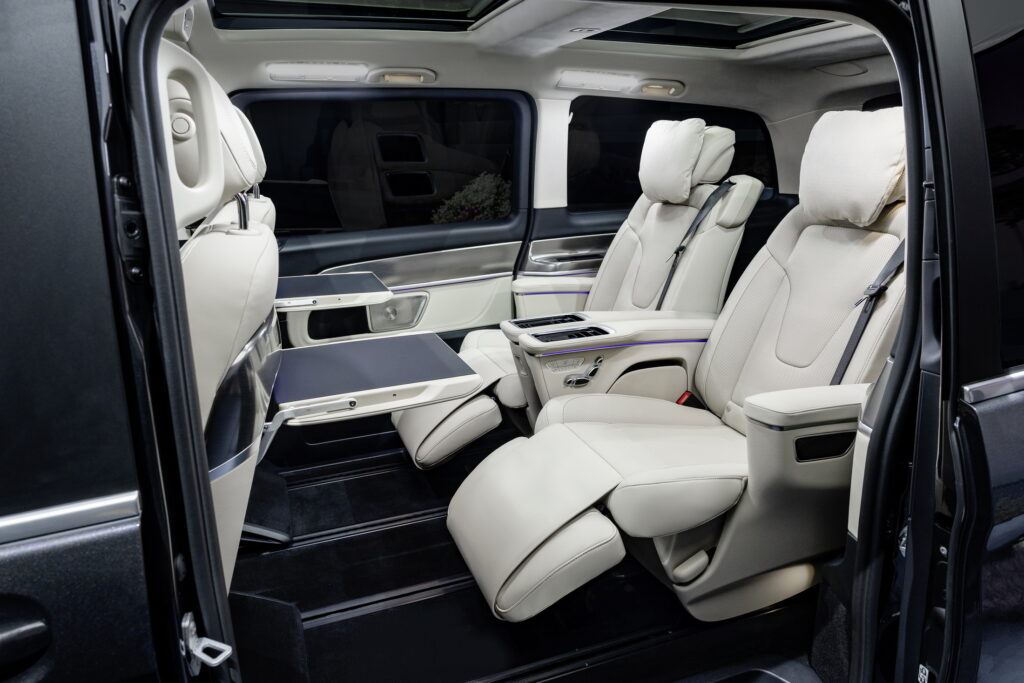
The Mercedes-Benz V-Class is almost synonymous with luxury MPVs. Whether in Europe, Hong Kong, or some Southeast Asian countries, it is widely used for high-end family travel, business transfers, and hotel transportation markets.
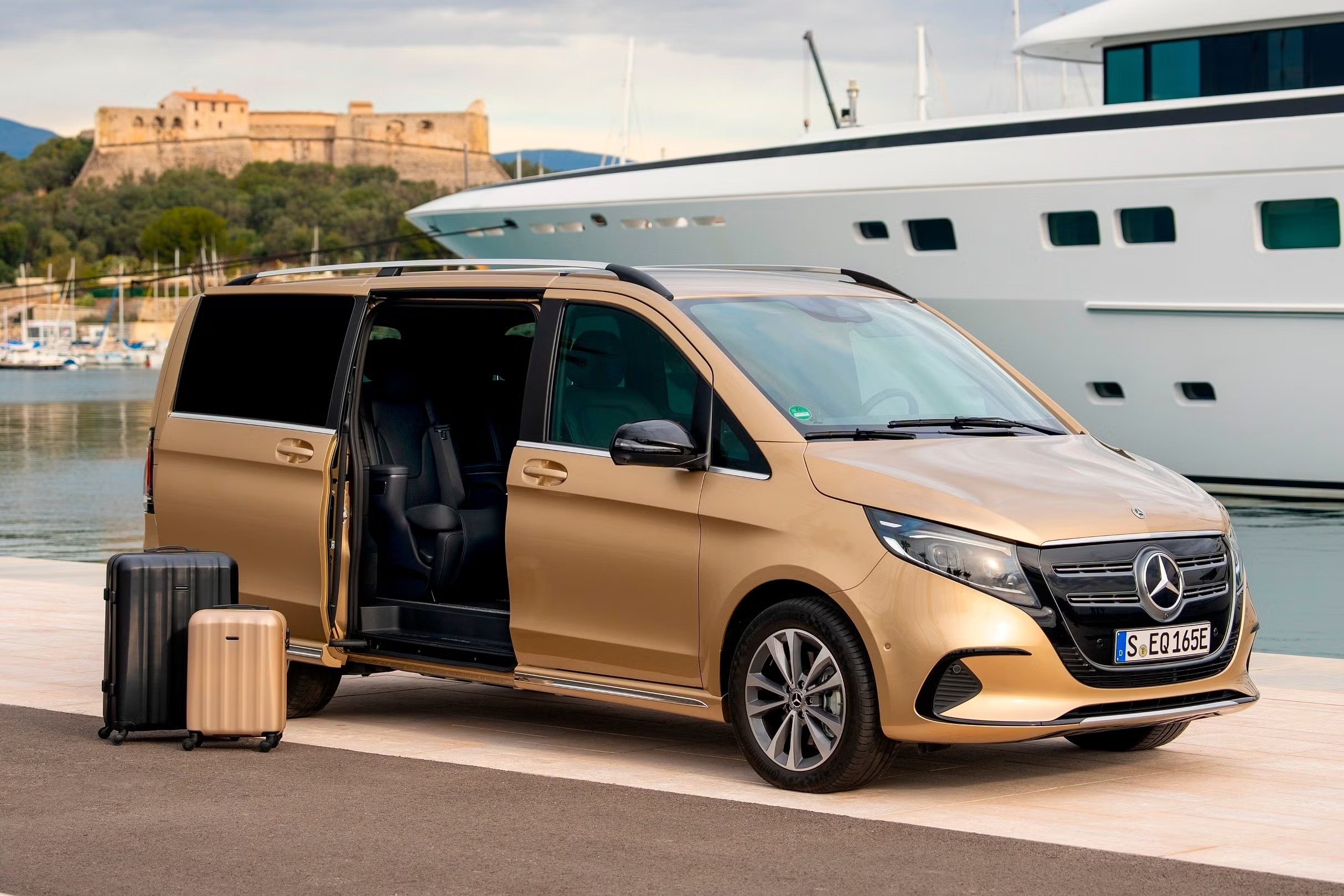
Spacious cabin, upright seating position, high-spec interior, and a driving experience distinct from Japanese MPVs give it a very distinct personality in its class.
In Malaysia, however, the V-Class occupies a rather delicate position. Strictly speaking, it is not entirely absent—V-Class or Vito Tourer can occasionally be seen in the market, but almost exclusively as parallel imports or for specific commercial purposes, rather than being a product officially promoted by Mercedes-Benz Malaysia as a family MPV.
The reason lies in its market positioning. When the V-Class is brought in through official channels, its price is constrained by import costs and tax structures, placing it above mainstream family MPVs and sometimes even into the RM400,000-plus range.
In this price range, buyers either opt for Japanese MPVs like the Alphard/Vellfire, which have already established a business image, or simply turn to Mercedes-Benz's own SUVs or luxury sedans.
What’s more critical is that the V-Class’s product characteristics tend to lean towards being a commercial vehicle rather than a family car. Its upright body proportions, pronounced van-like silhouette, and structure derived from a commercial vehicle platform make it unparalleled in space and practicality, but it struggles to become an identity symbol or an extension of a luxurious lifestyle like the Alphard.
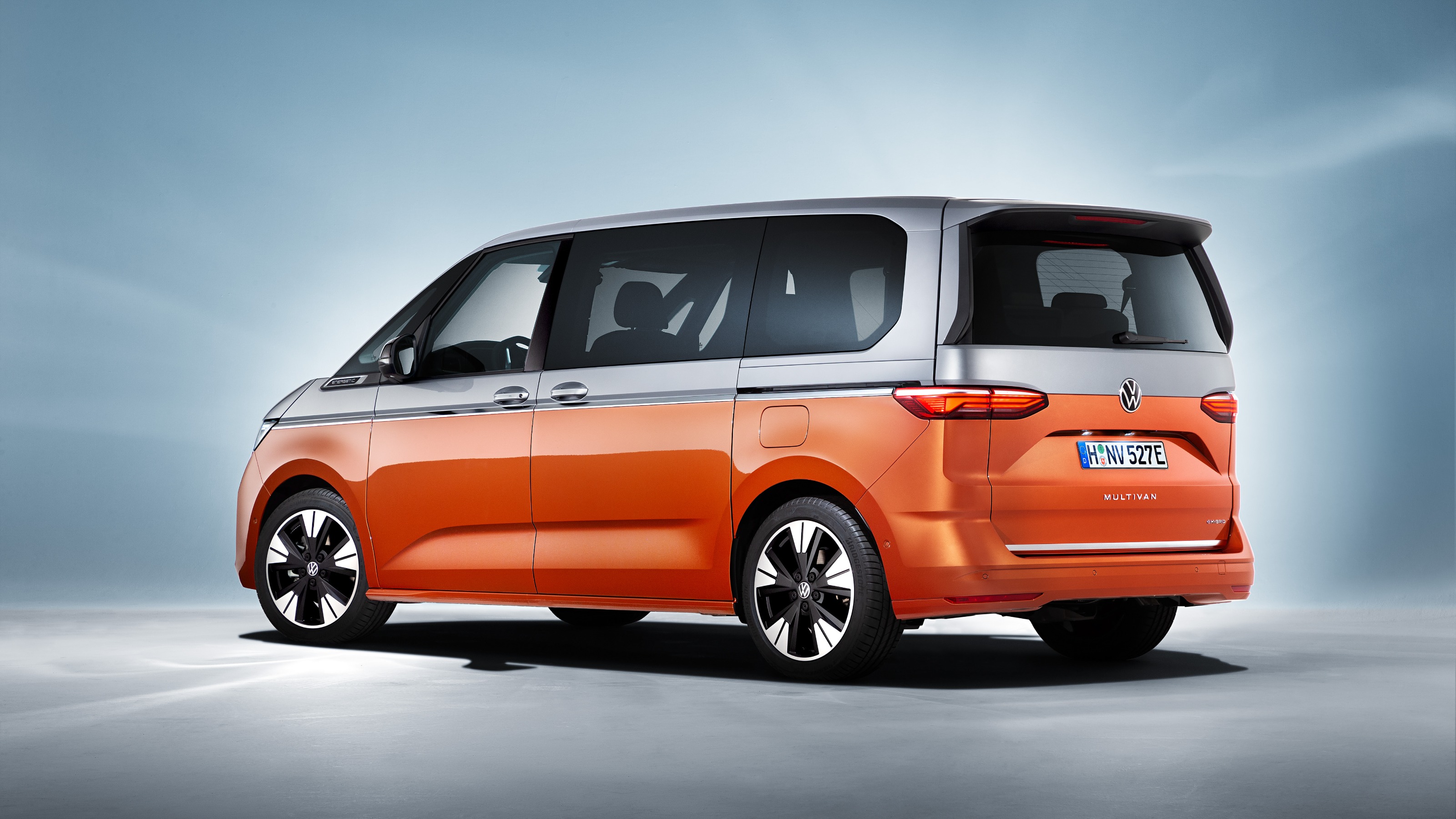
6. Volkswagen Multivan: The Representative of European MPVs
In the European market, the Volkswagen Multivan has for a long time played an extremely important role. It is not a traditional luxury MPV, nor is it merely a simple commercial vehicle, but rather an all-around MPV that bridges the gap between family, business, and multi-purpose use.
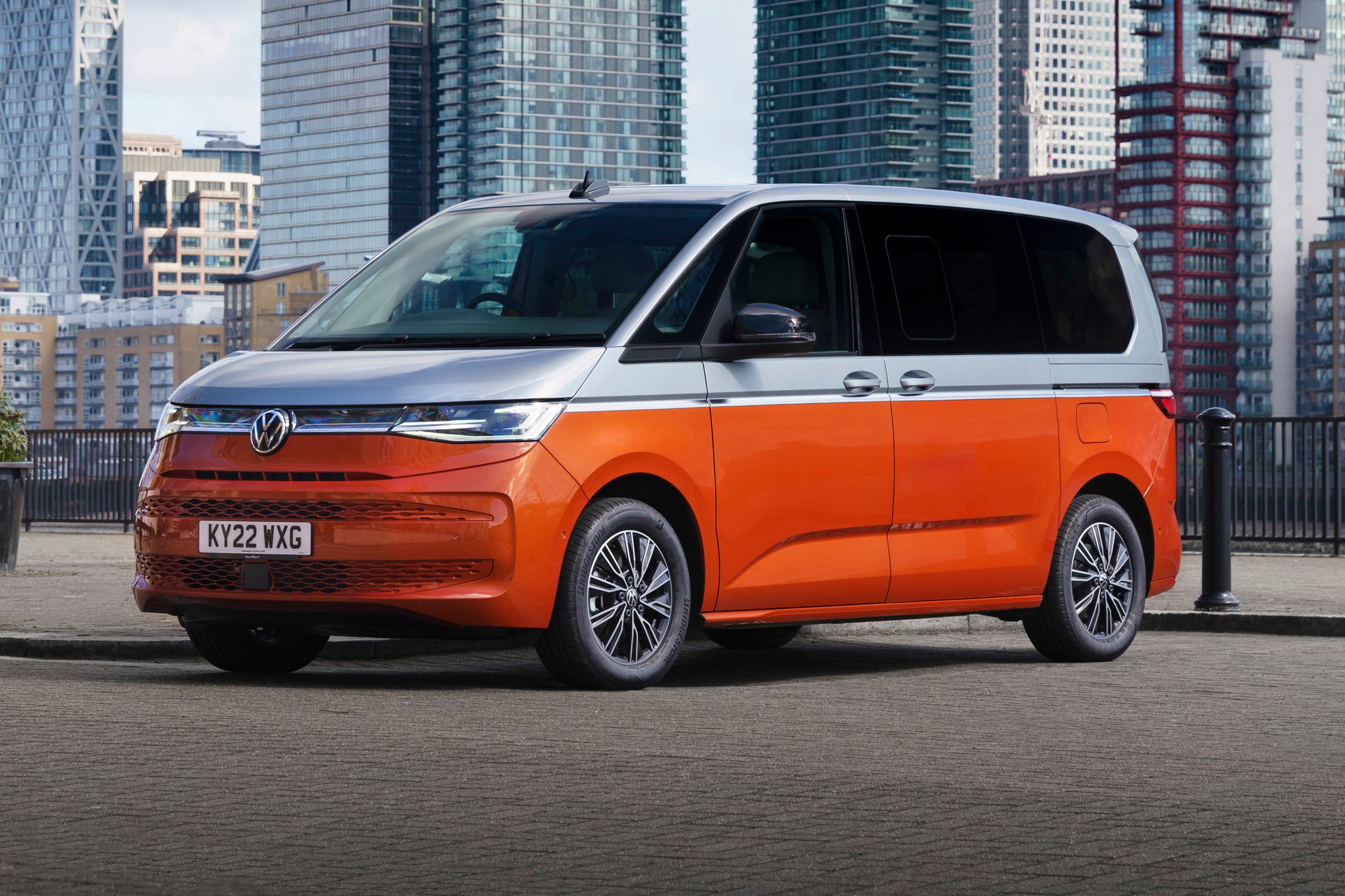
The Multivan emphasizes modular seating, highly flexible space, and a driving experience close to that of a passenger car, which are key reasons why these models have long been popular in Europe.
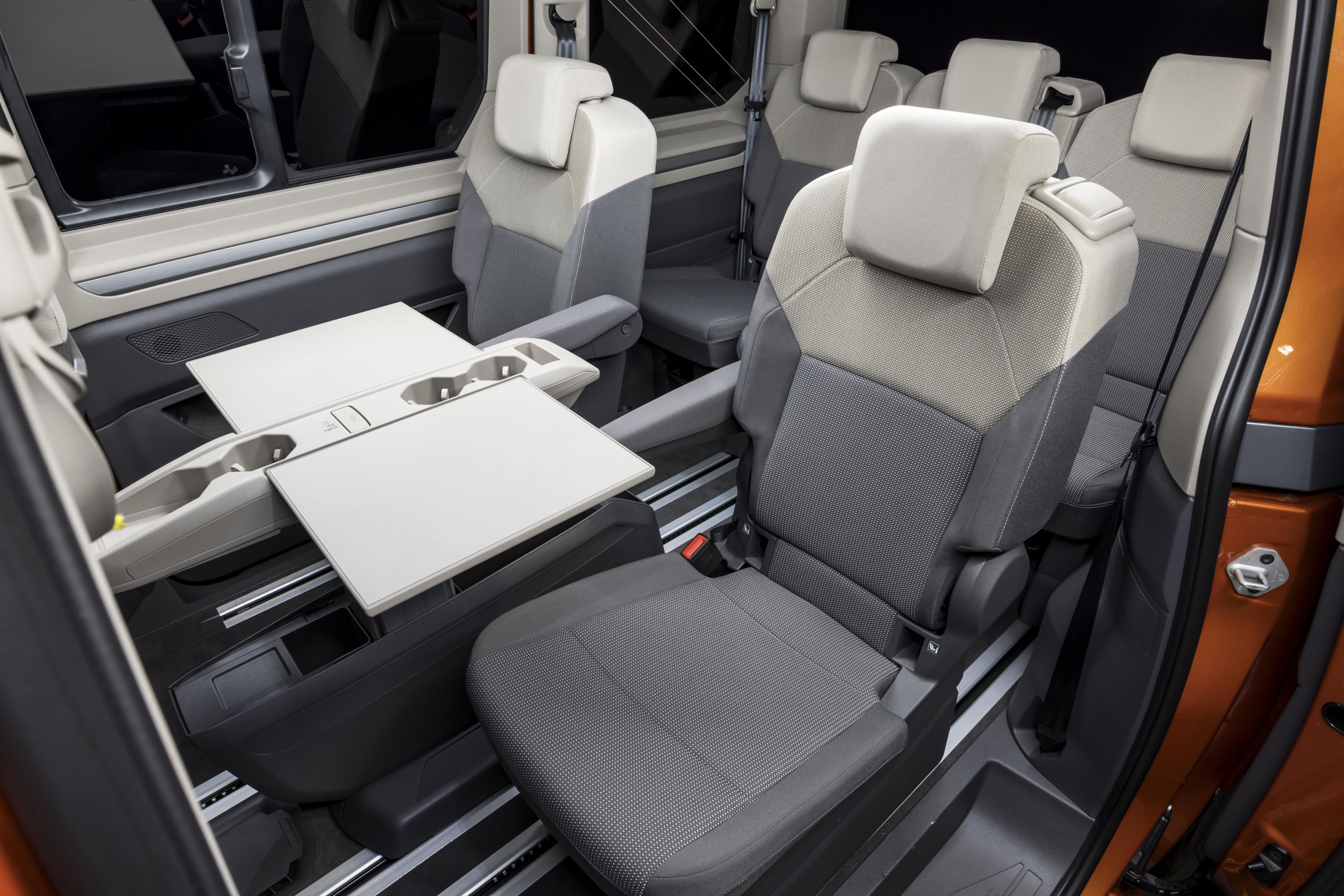
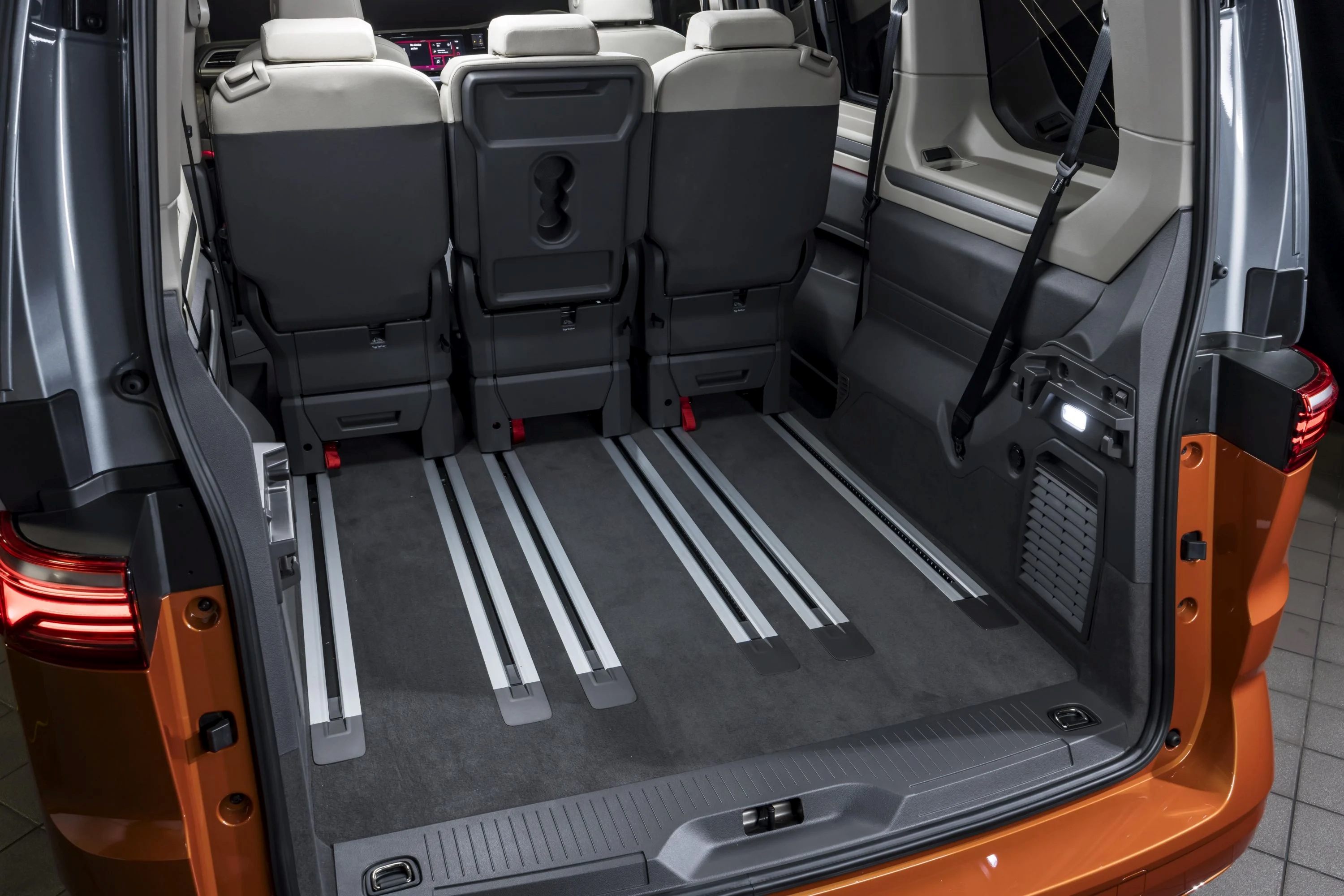
The Multivan is, in fact, not inferior to any mainstream MPV. Its spacious cabin and the system of seats that can slide forward and backward or even be removed make it versatile for carrying passengers, cargo, or even light camping scenarios. For users who value functionality, it is the type of MPV that becomes more and more convenient the longer you use it.
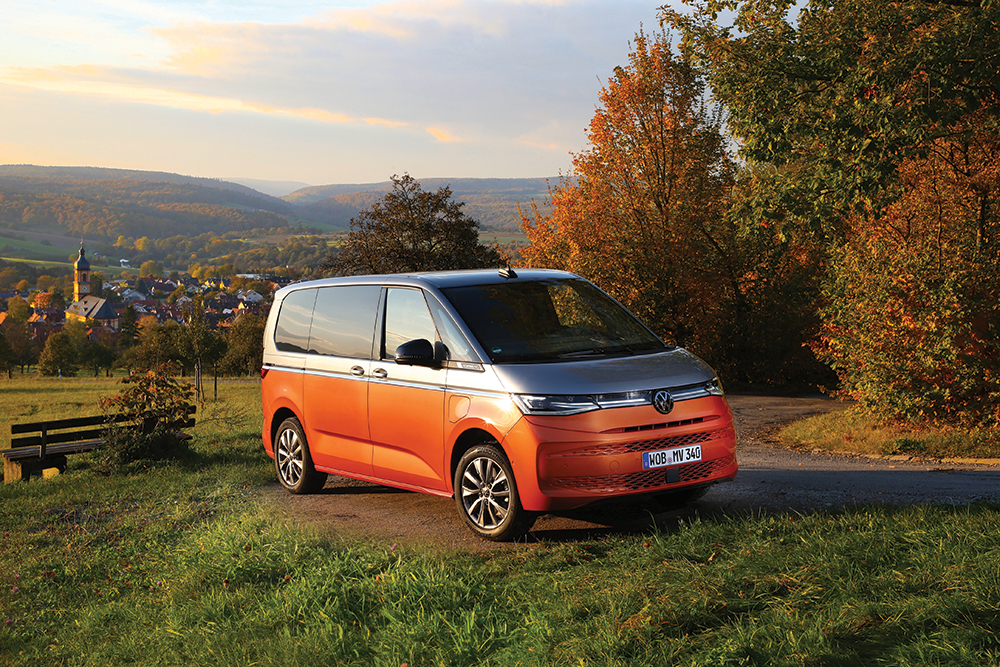
The issue, however, is that this highly rational product philosophy does not resonate in Malaysia.
The Multivan lacks the sense of luxury that local consumers expect. Its design prioritizes functionality, with a practical interior layout and an exterior that features a distinctive boxy silhouette, making it hard for the brand to compete with Japanese luxury MPVs like the Alphard or Vellfire in terms of brand value.
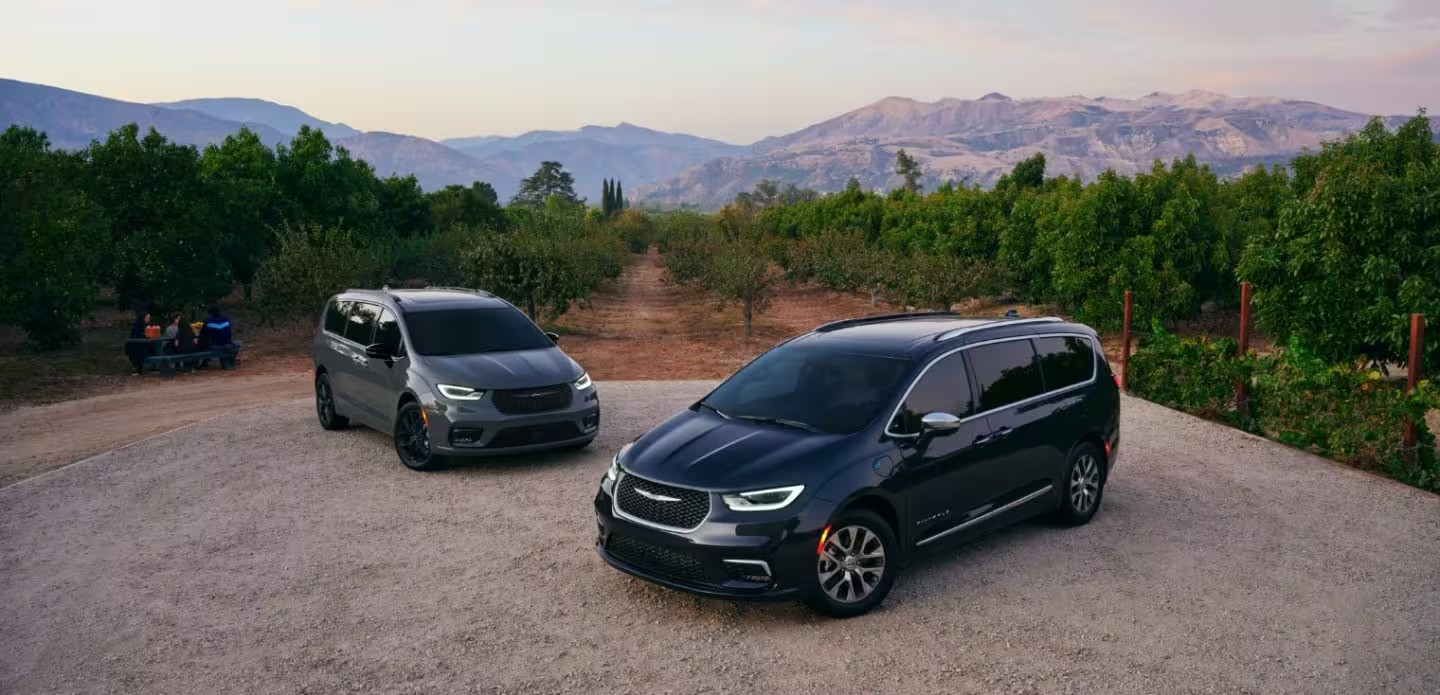
7. Chrysler Pacifica: The Perfect Form of an American Family MPV
In the North American market, the Chrysler Pacifica is considered by many to be the perfect embodiment of a modern family MPV. It not only has a spacious cabin truly suited for three-row seating but also continuously evolves in comfort, technological features, and safety systems. In particular, the plug-in hybrid (PHEV) version has long held a unique position among its peers.
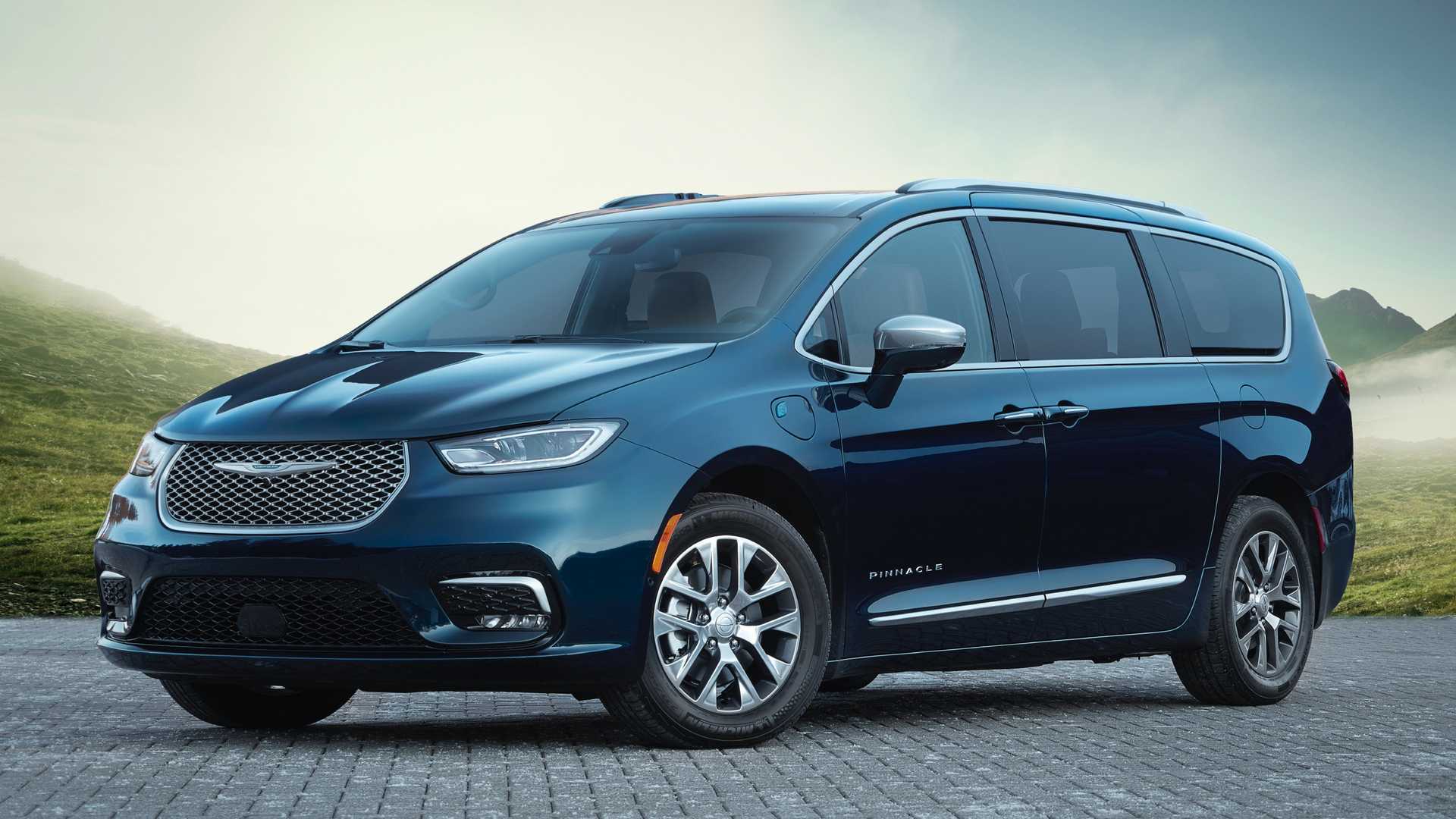
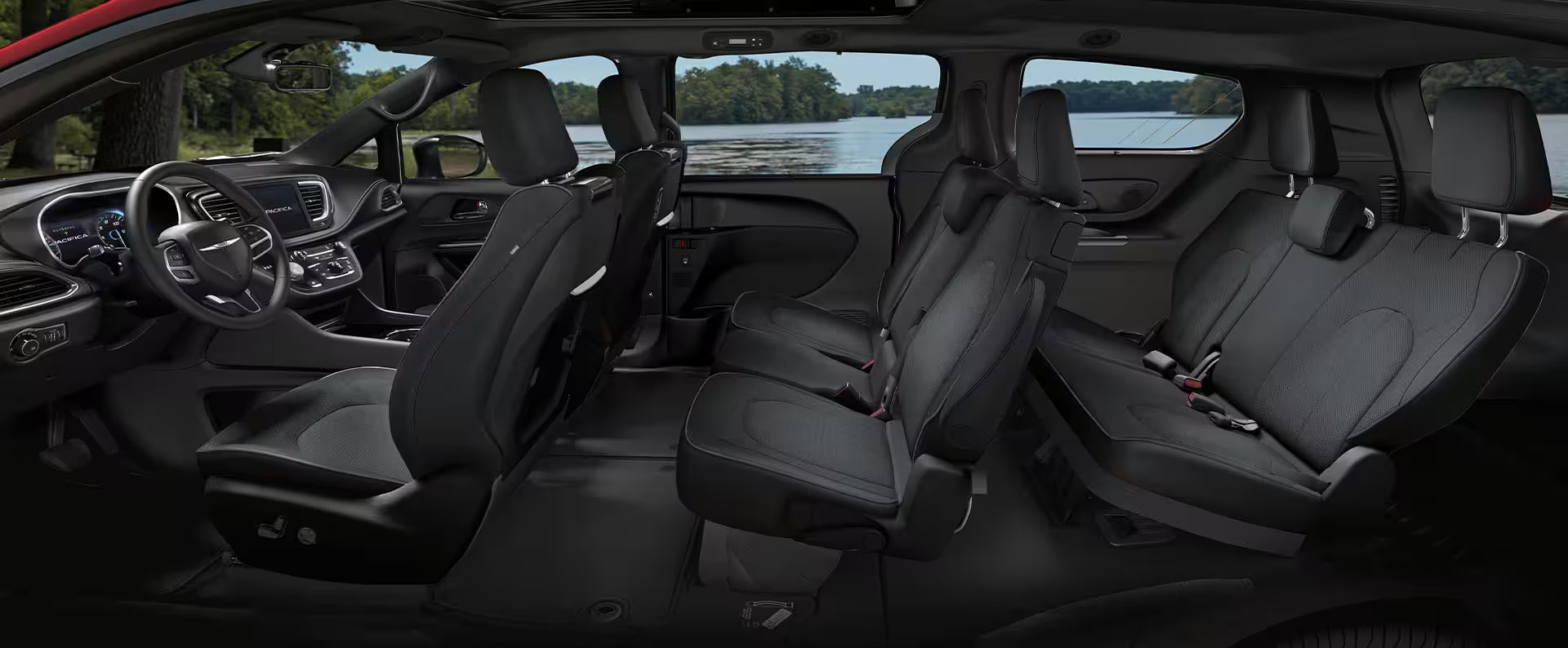
Pacifica is purely born for families. The second-row independent seats, strong third-row practicality, and cabin details designed for children and long trips make it a daily mainstay for many families in the United States.
However, precisely because of this thorough family orientation, the Pacifica is almost impossible to be established in Malaysia.
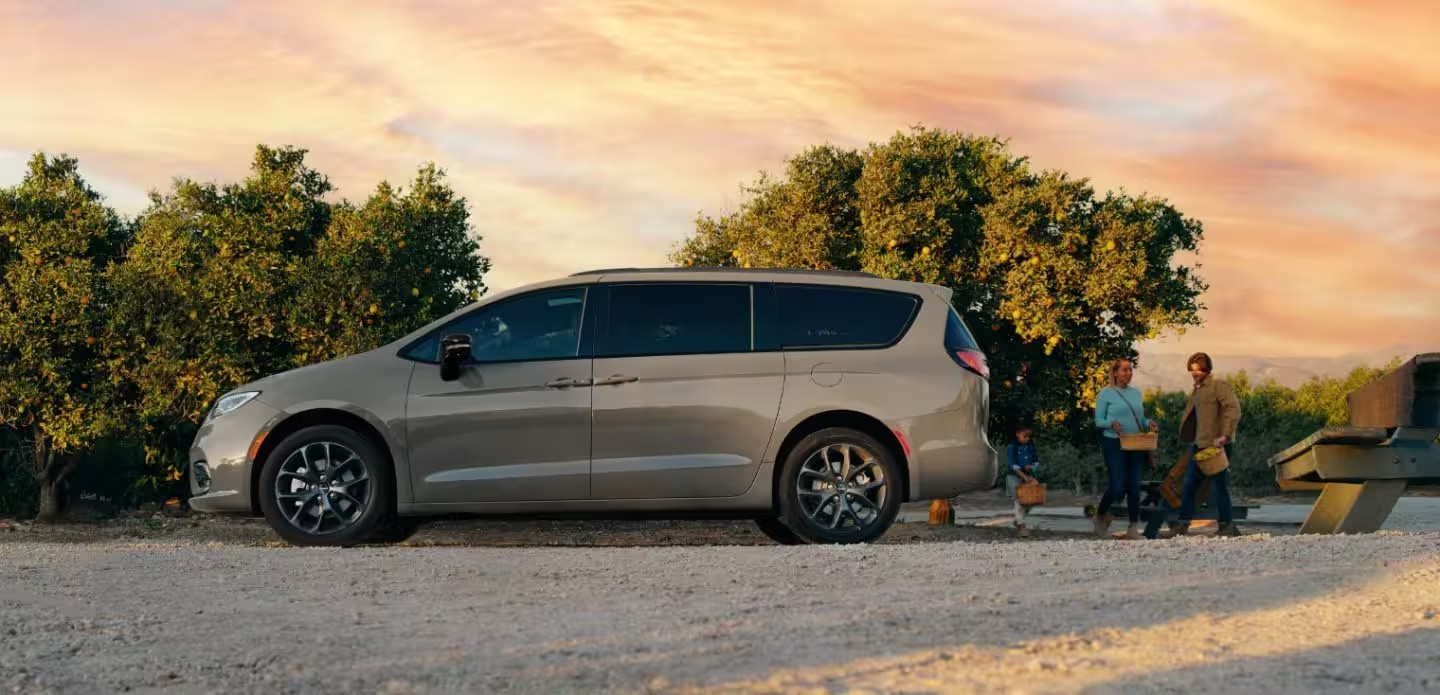
Chrysler does not have a stable and active official passenger car dealer network in Malaysia. The lack of after-sales support and brand awareness makes it difficult for any high-priced family MPV to earn the trust of consumers.
For most local buyers, choosing an American MPV at this price point without a long-term brand foundation is inherently a high-risk decision.
Moreover, the Pacifica represents a kind of American family car culture that does not emphasize pomp or status—where the car is just a tool, prioritizing space, comfort, and functionality.
In Malaysia, high-priced MPVs are often endowed with significant image value and social attributes. By comparison, the Pacifica’s design and demeanor are perceived as too understated, making it hard to meet local consumers' imaginations of what a “high-end MPV” should look like.
Additionally, the policy support, charging infrastructure, and tax environment for plug-in hybrid systems in Malaysia are not mature. Even the PHEV version of the Pacifica, which is its most competitive model, struggles to achieve advantages in terms of cost and convenience.
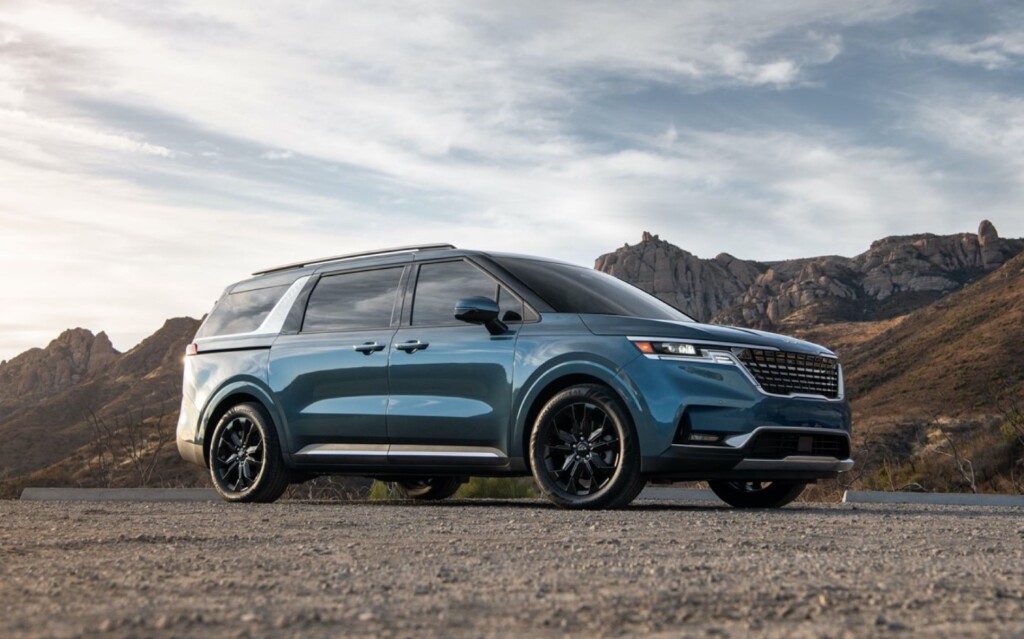
8. Kia Sedona: The MPV Replaced by the Carnival
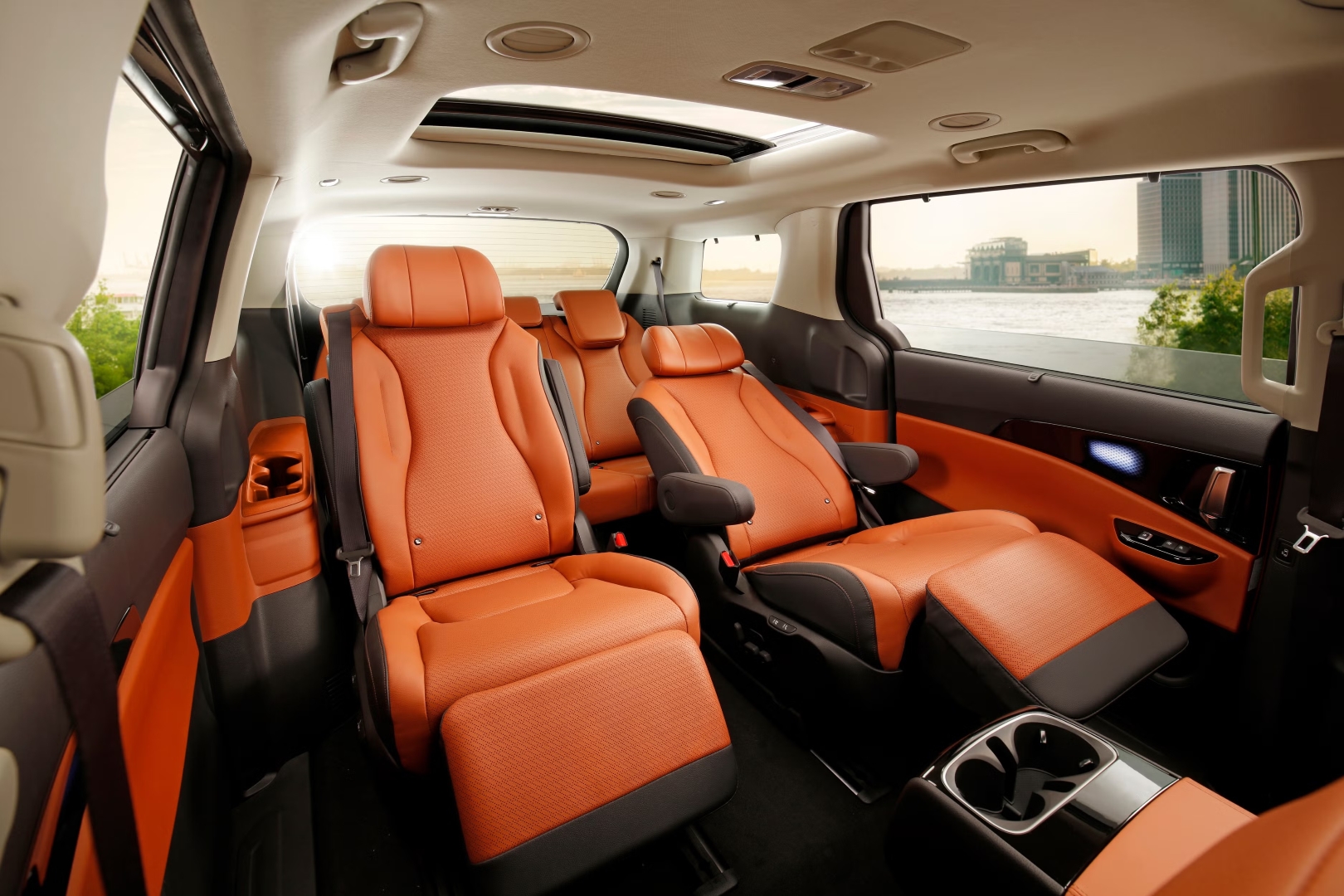
The Kia Sedona (regarded as the predecessor to the Carnival in some markets) was once a popular large MPV for families. It features spacious three-row seating, flexible seat layouts, and a suspension system that emphasizes comfort, offering an excellent experience for long trips.
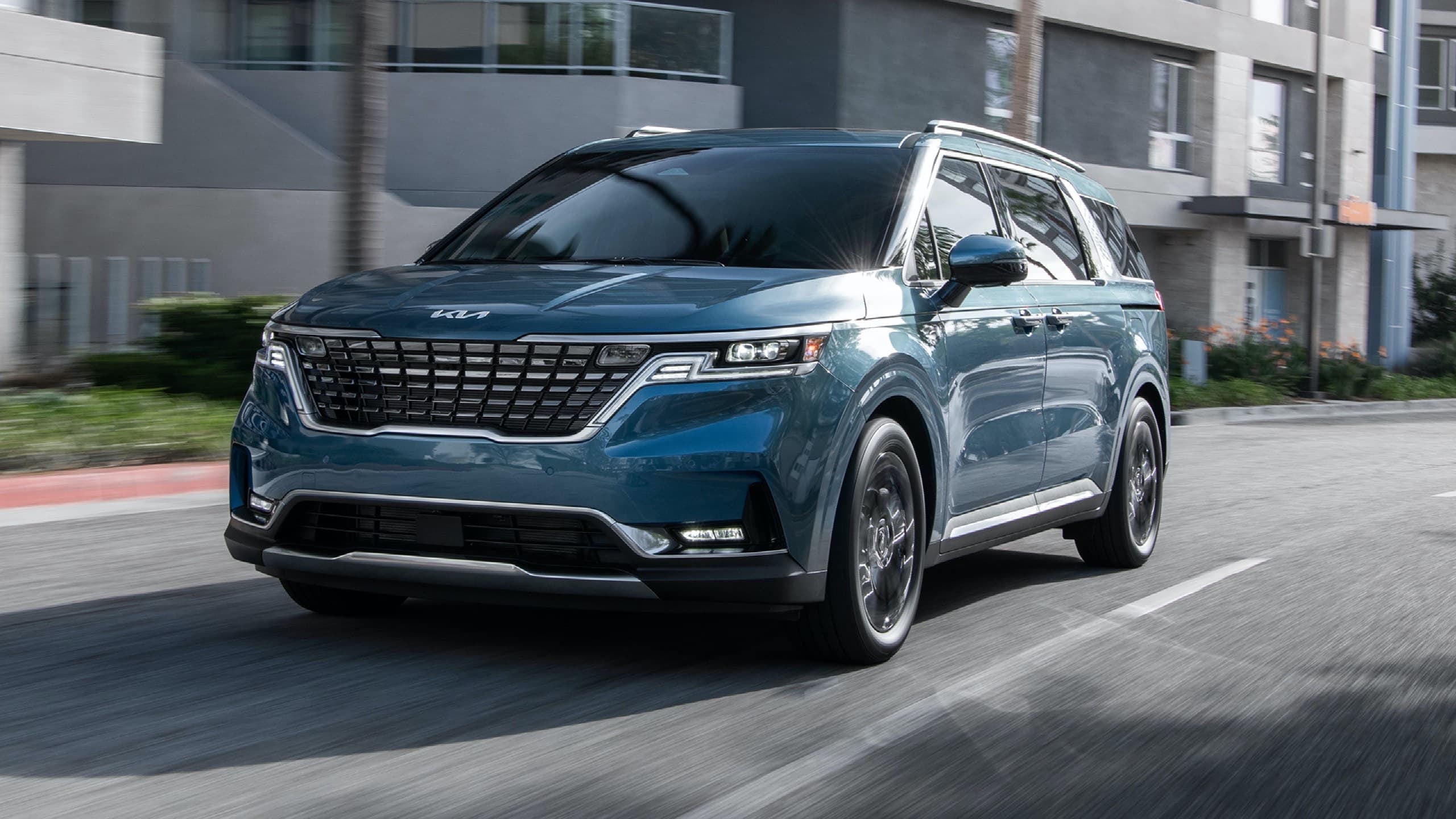
Although Kia has shifted its focus to the Carnival, the Sedona itself retains certain advantages over the Carnival in specific areas.
The entry-level version of the Sedona is usually priced lower than the Carnival, offering similar space and practicality, making it more appealing for families on a tighter budget.
The Sedona's suspension leans towards comfort-oriented tuning, especially when fully loaded with passengers, providing softer damping performance, which is more suitable for long-distance driving and daily family use.
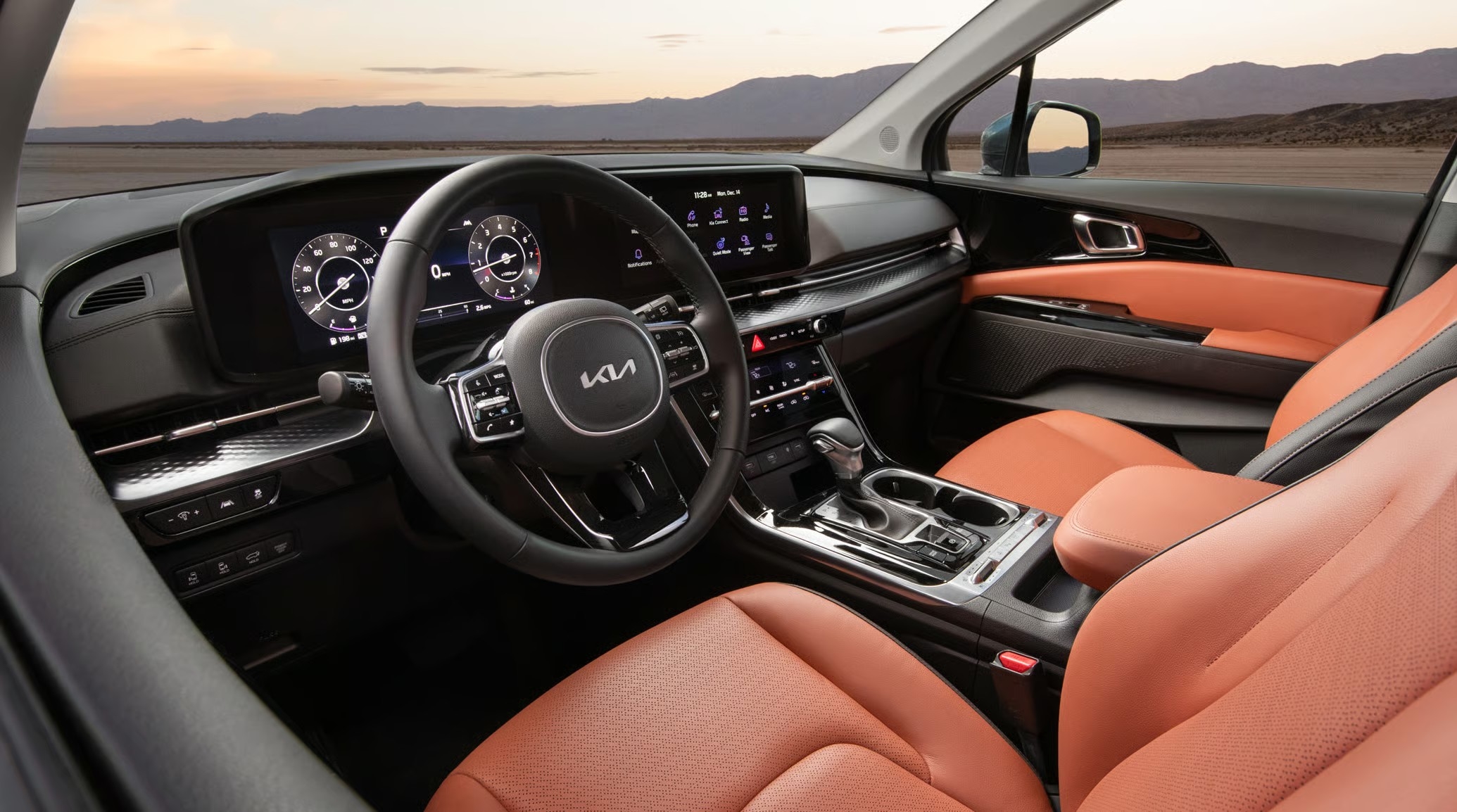
While the Carnival pursues luxury and high-end features, the Sedona offers some advantages in terms of seat disassembly and sliding flexibility, making it more convenient for families that need to frequently adjust seat layouts.
As an earlier model, the maintenance part prices for Sedona are relatively stable, and the repair costs are slightly lower than the newer generation Carnival. The long-term holding cost might be more manageable.
However, Kia's strategic preference still leans toward the Carnival: it has a more modern appearance, richer configurations, and aligns better with the brand's image in the high-end MPV market. Therefore, Sedona was never officially introduced as a new car in the local market, and most of the vehicles seen today are still from second-hand or parallel import channels.
9. Ford Tourneo: Absolutely Practical MPV
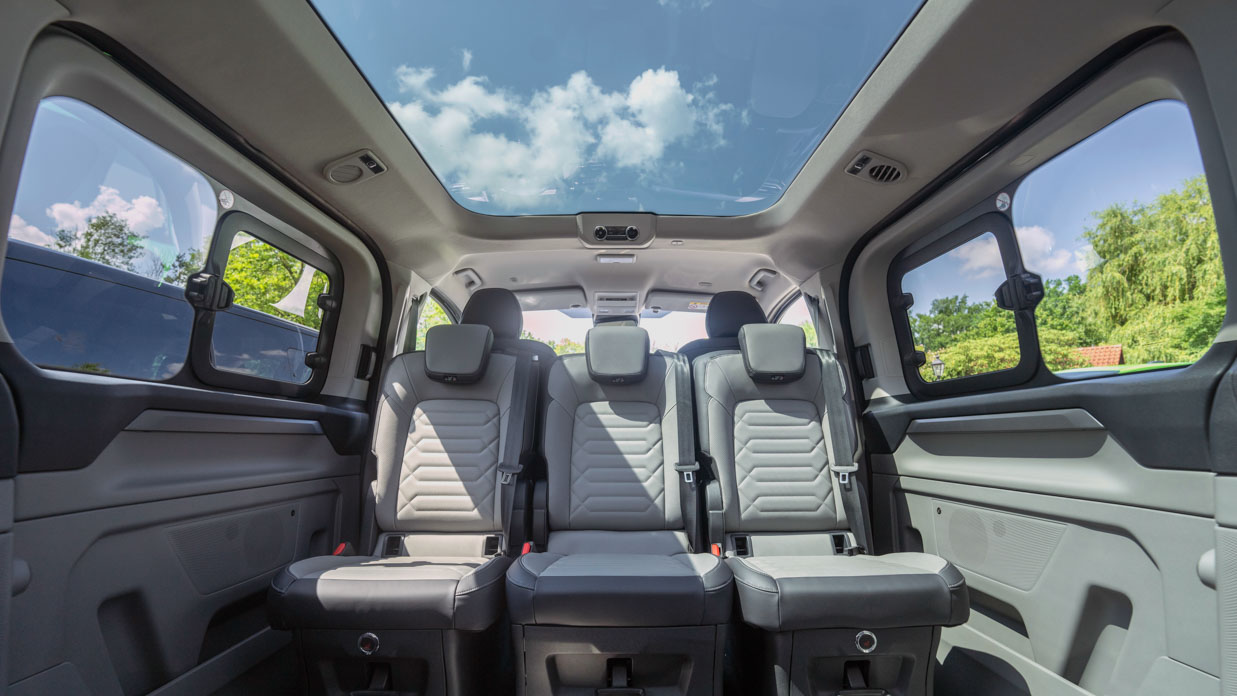
The Ford Tourneo series is a quintessential multifunctional MPV. It is built on the Transit light commercial vehicle platform, combining spacious interior space, flexible seating layout, and high load capacity. It is well-suited for family trips and is also commonly used by businesses for passenger transport or group shuttles.
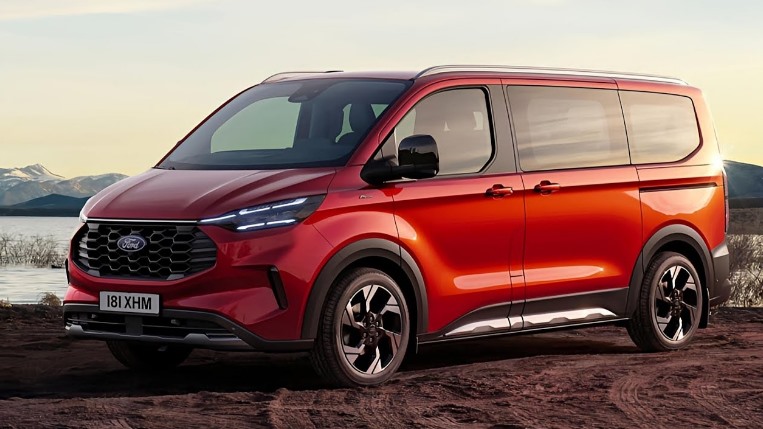 The Tourneo Custom has been specially tuned for driving comfort. Although derived from a commercial chassis, it remains smooth for long-distance rides and is equipped with multiple active safety systems and infotainment technologies, making it perform well in both family and business use.
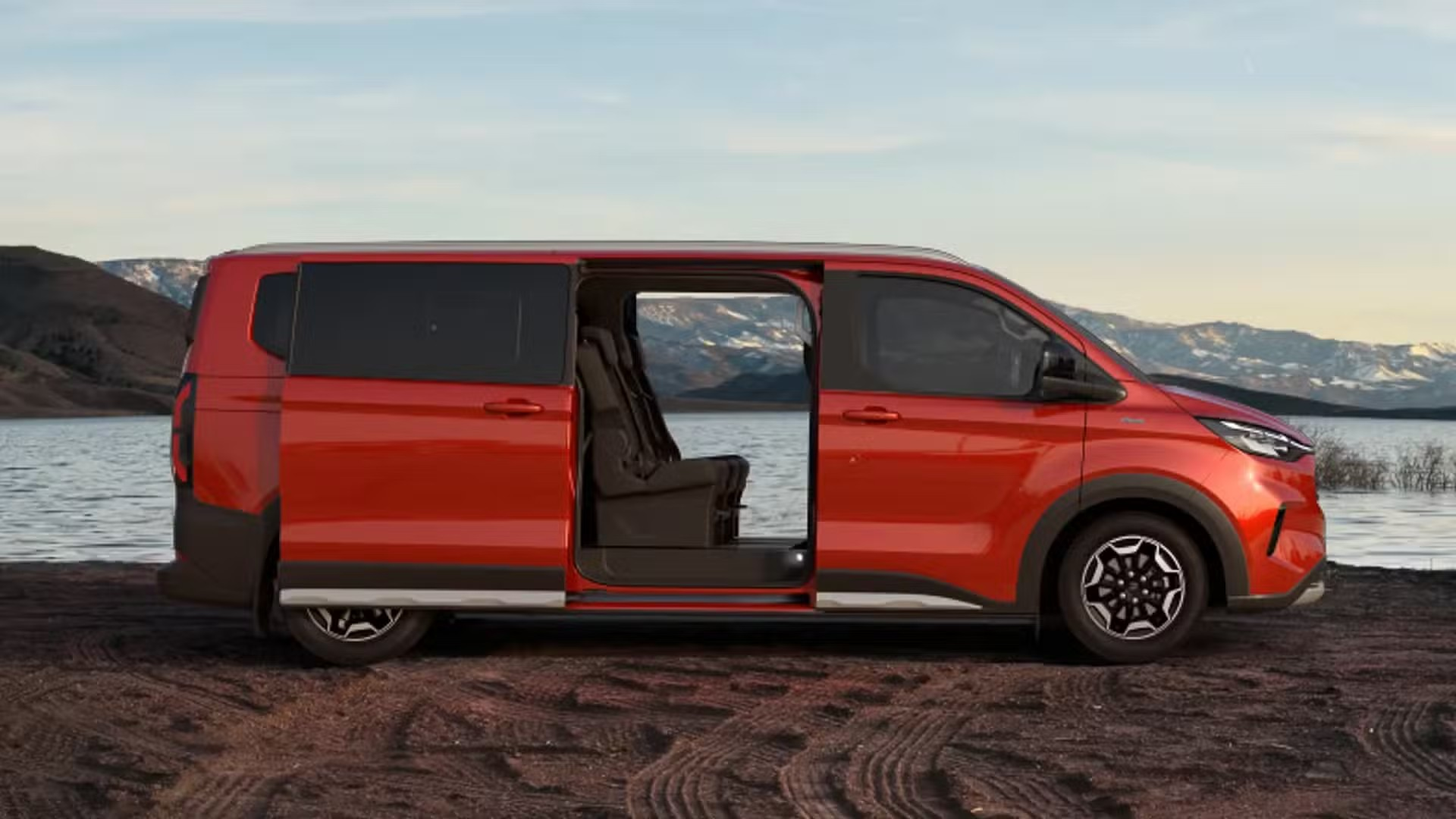
However, these advantages are almost unable to translate into sales in the Malaysian market. People’s expectations for MPVs are more focused on family comfort, luxury, and brand symbolism, whereas the commercial appearance and European functionalist style of the Tourneo differ significantly from the perception of luxury MPVs in the Malaysian market.
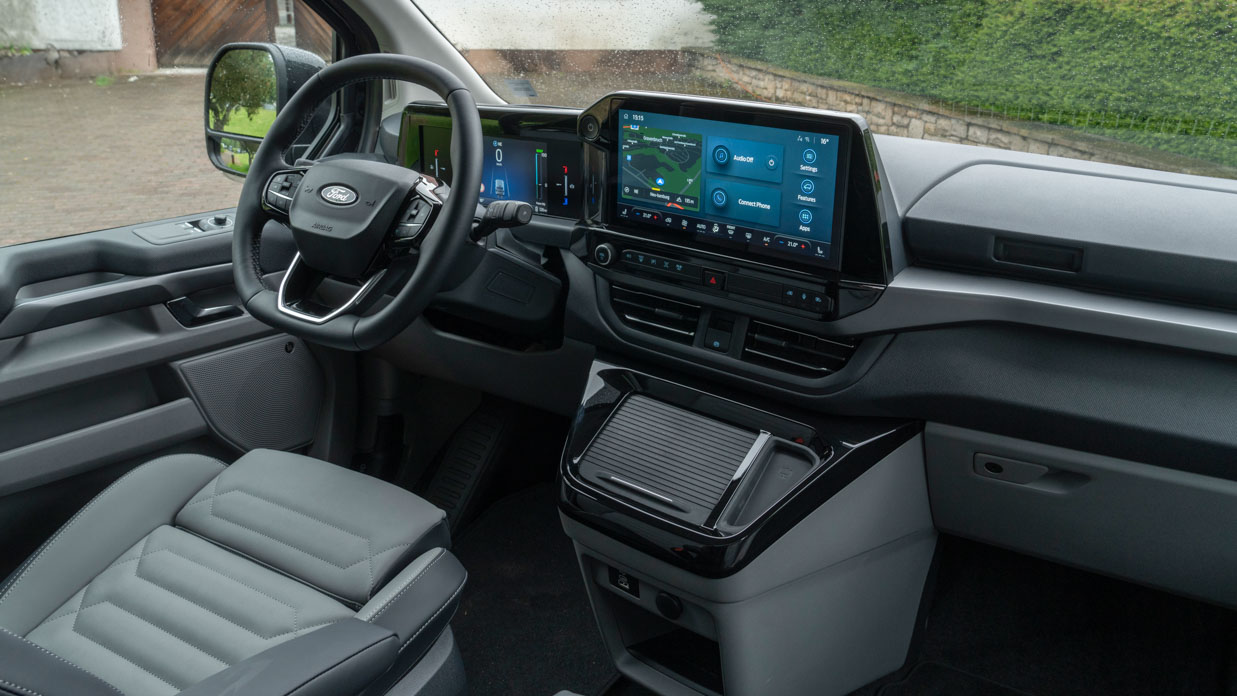
In addition, Ford has recently shifted its strategic focus to SUVs and light commercial vehicles. As a result, the Ford Tourneo is almost exclusively found in the parallel imported market in Malaysia, becoming a choice only for the savvy car enthusiasts or corporate users.
It remains a function-oriented, practical, and globally recognized MPV that has consistently struggled to gain a foothold locally.
10、Mazda Biante: A Practical MPV Lacking Luxury
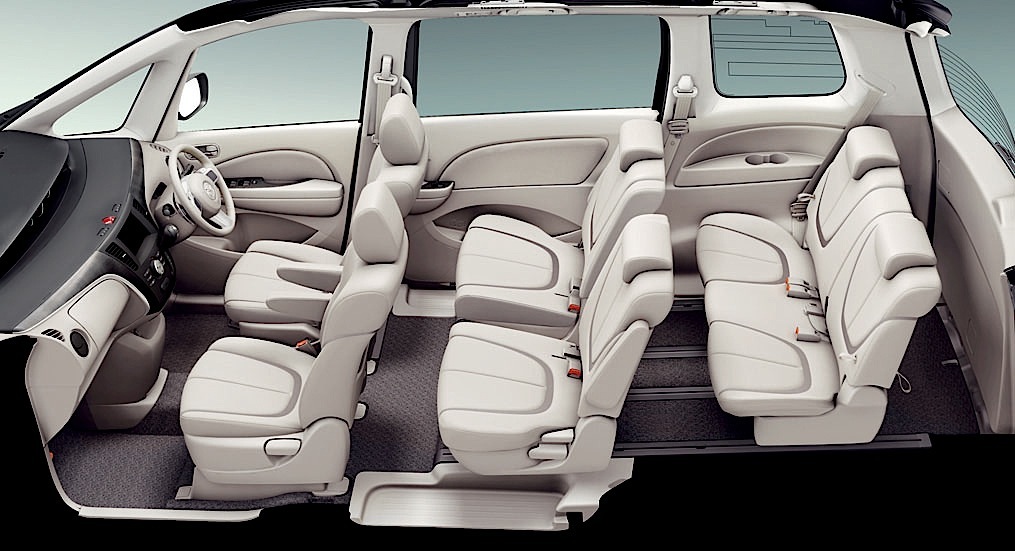
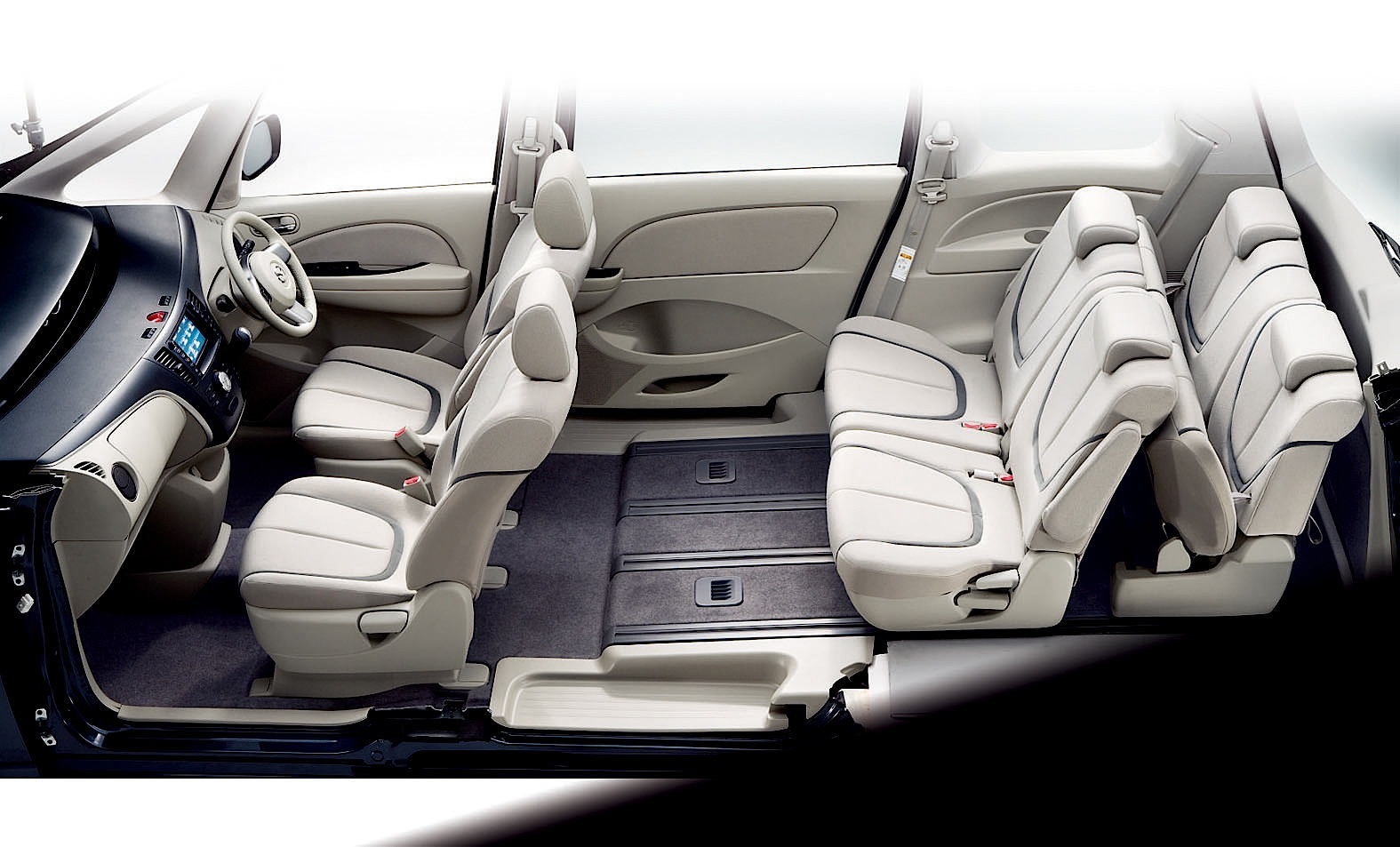
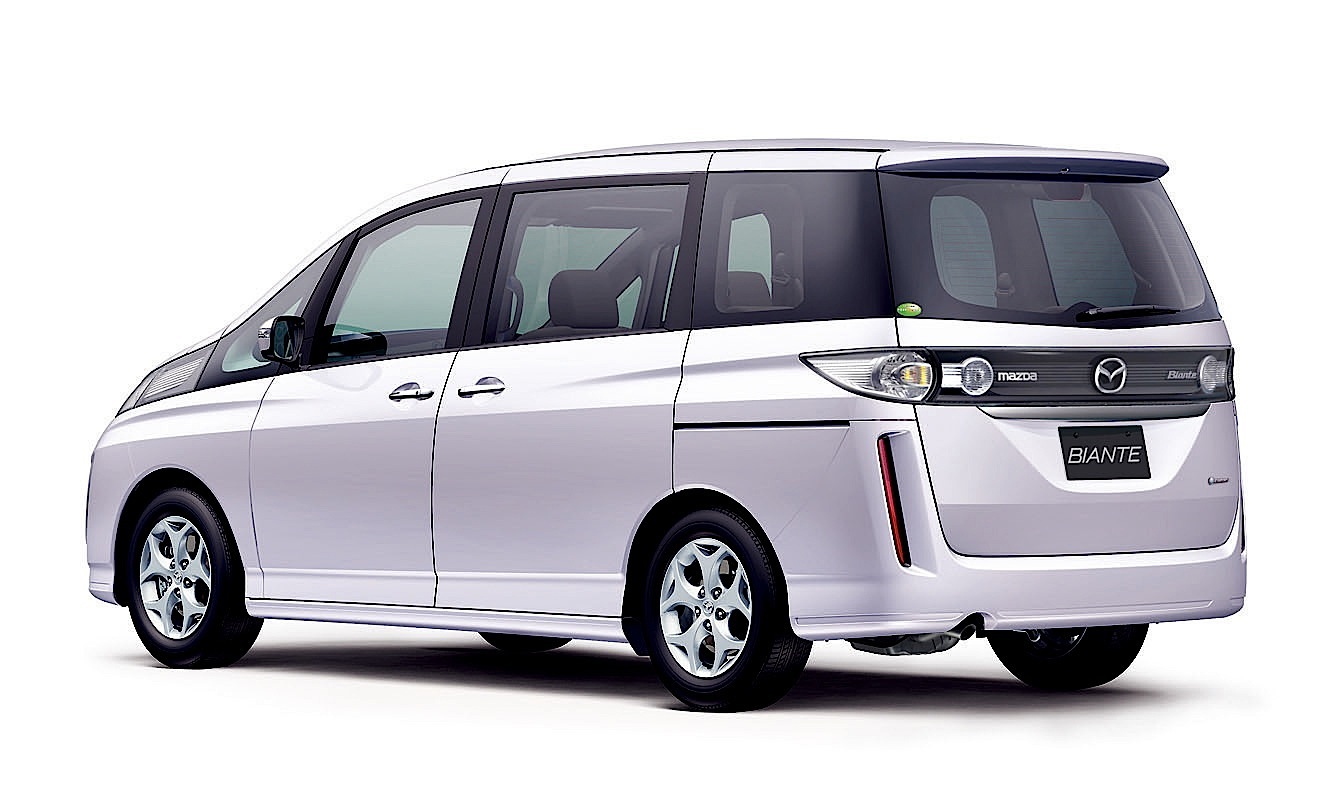
The Mazda Biante is a mid-size MPV that emphasizes family practicality, known for its unique low-floor design, flexible seat configurations, and spacious interior. Notably, the second and third-row seats can be flexibly slid or removed, making the interior layout easily adaptable for large families or bulky luggage needs.
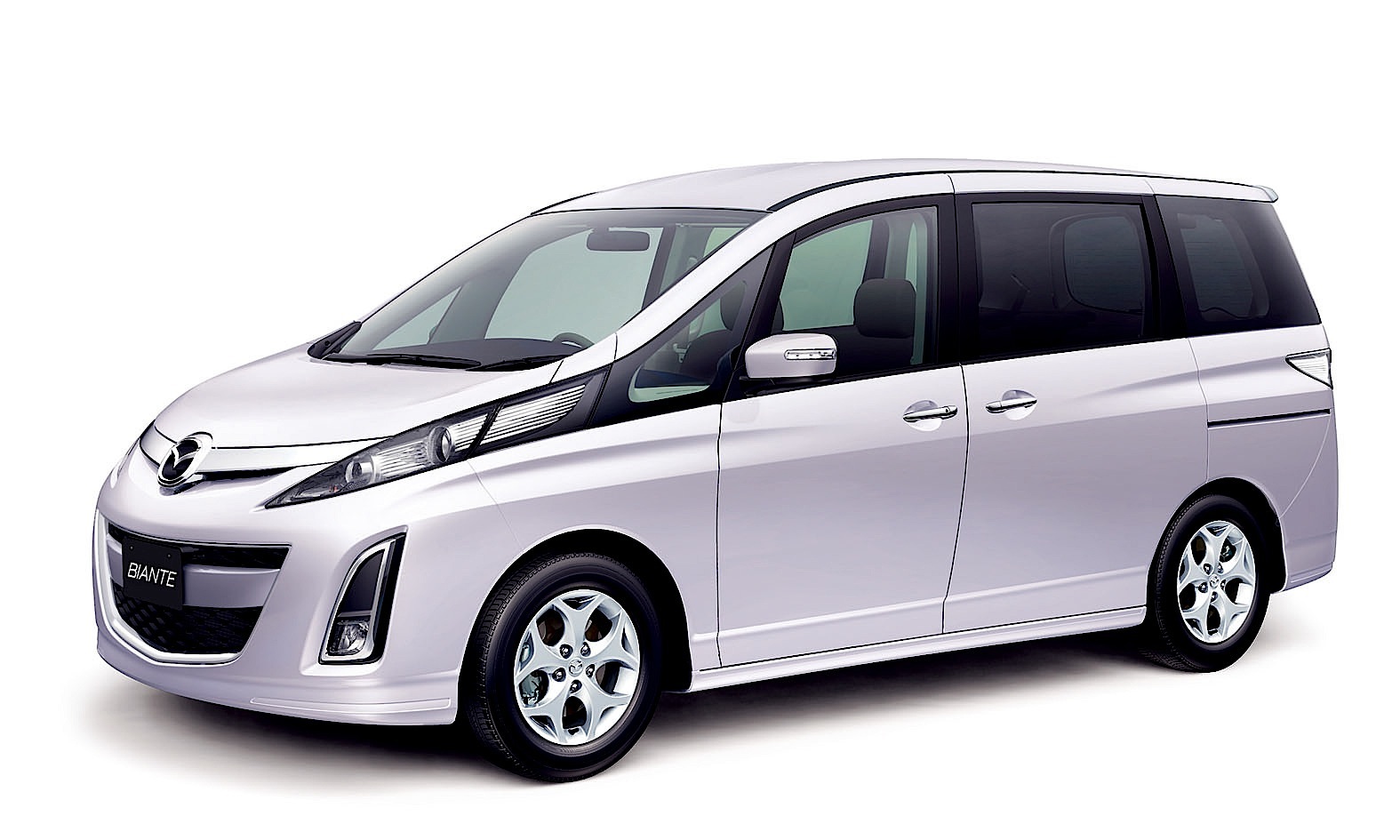
Paradoxically, these very design features have become obstacles to the Biante’s official entry into the Malaysian market. The height of Biante's body design is relatively low, and the headroom in the third row is limited. In seven-seater MPVs, we usually expect adequate headroom in both the second and third rows.
Biante's chassis tuning emphasizes comfort and light handling, but under Malaysia's common bumpy road conditions and high-speed long-distance driving scenarios, its suspension support and high-speed stability may fall short of competitors in the same segment. From a product perspective, this further weakens its market appeal as an official model.
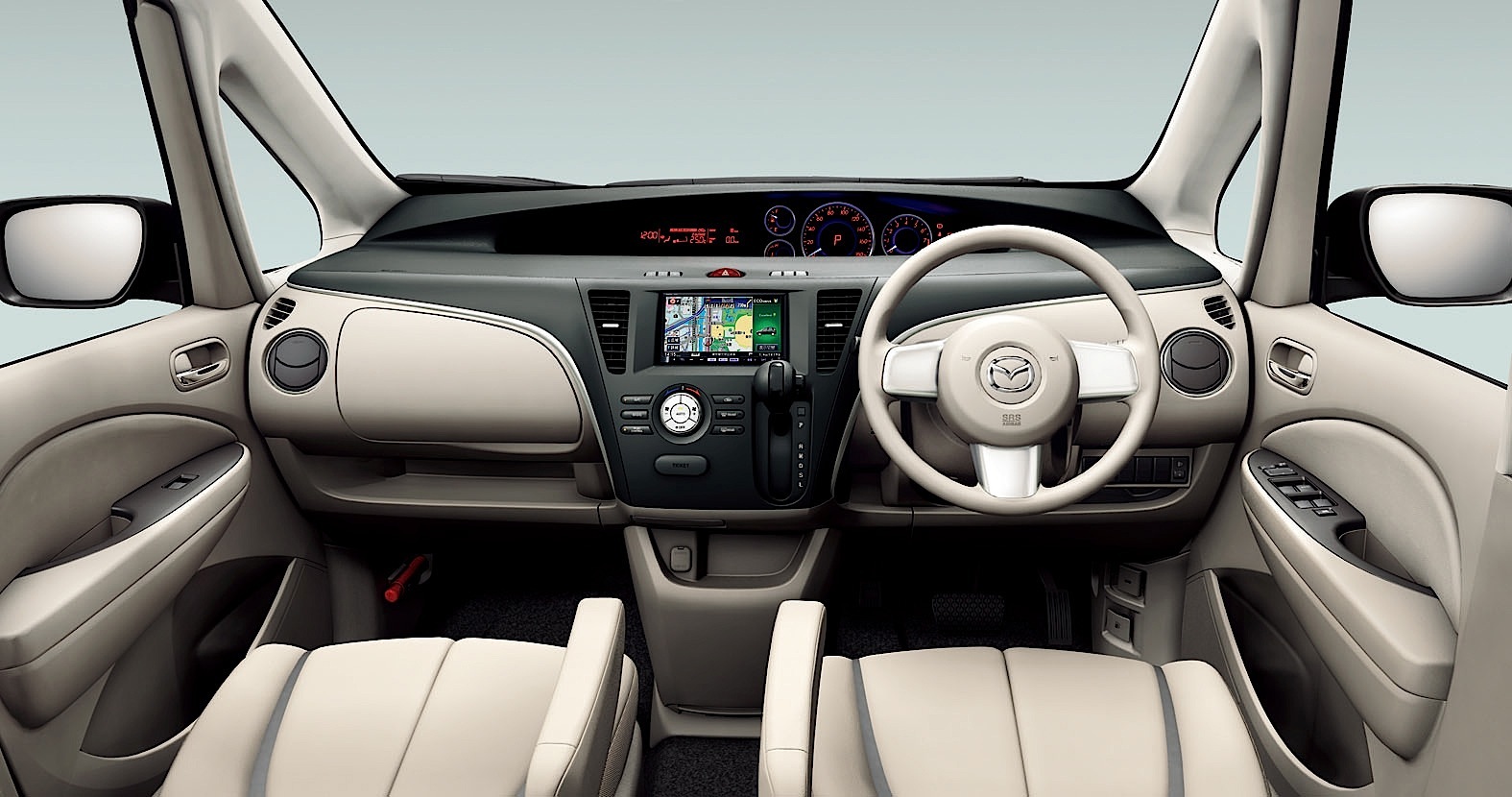
For this reason, although Biante offers unique advantages in family practicality, it fails to meet the comprehensive expectations of mainstream families in Malaysia for spaciousness, ride comfort, and visual appeal. Therefore, it has not been officially introduced into the market.
If any infringement occurs, please contact us for deletion










Popular Cars
Model Year
Car Compare
Car Photo