
90% of drivers say that automotive cybersecurity has become a key factor in car purchases
 Kevin WongOct 04, 2025, 10:59 AM
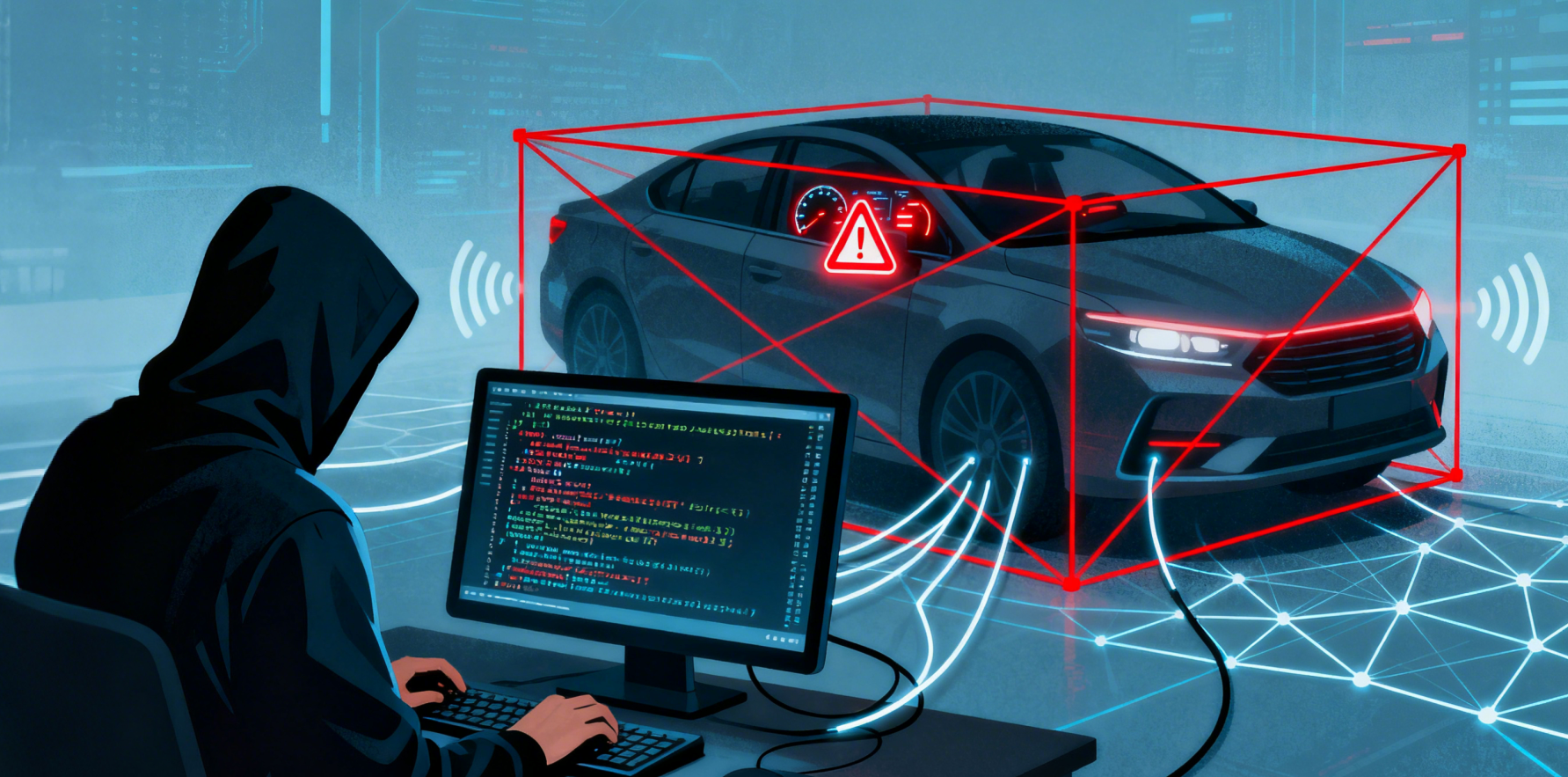
[PCauto] According to the latest "2025 Connected Car Cyber Safety & Security Index" report released by RunSafe Security, cybersecurity has become a major consideration in consumers' car purchasing decisions.
The study shows that nearly 90% of drivers explicitly state that the level of cybersecurity protection in a vehicle will directly influence their purchase choice.
This survey, which covers 2,000 drivers in the United States, the United Kingdom, and Germany, points out that 76% of respondents are worried that cyberattacks could lead to traffic accidents or physical danger, and 79% prioritize physical safety over personal information protection.
Automobiles are undergoing a transformation from mechanical products to moving computers
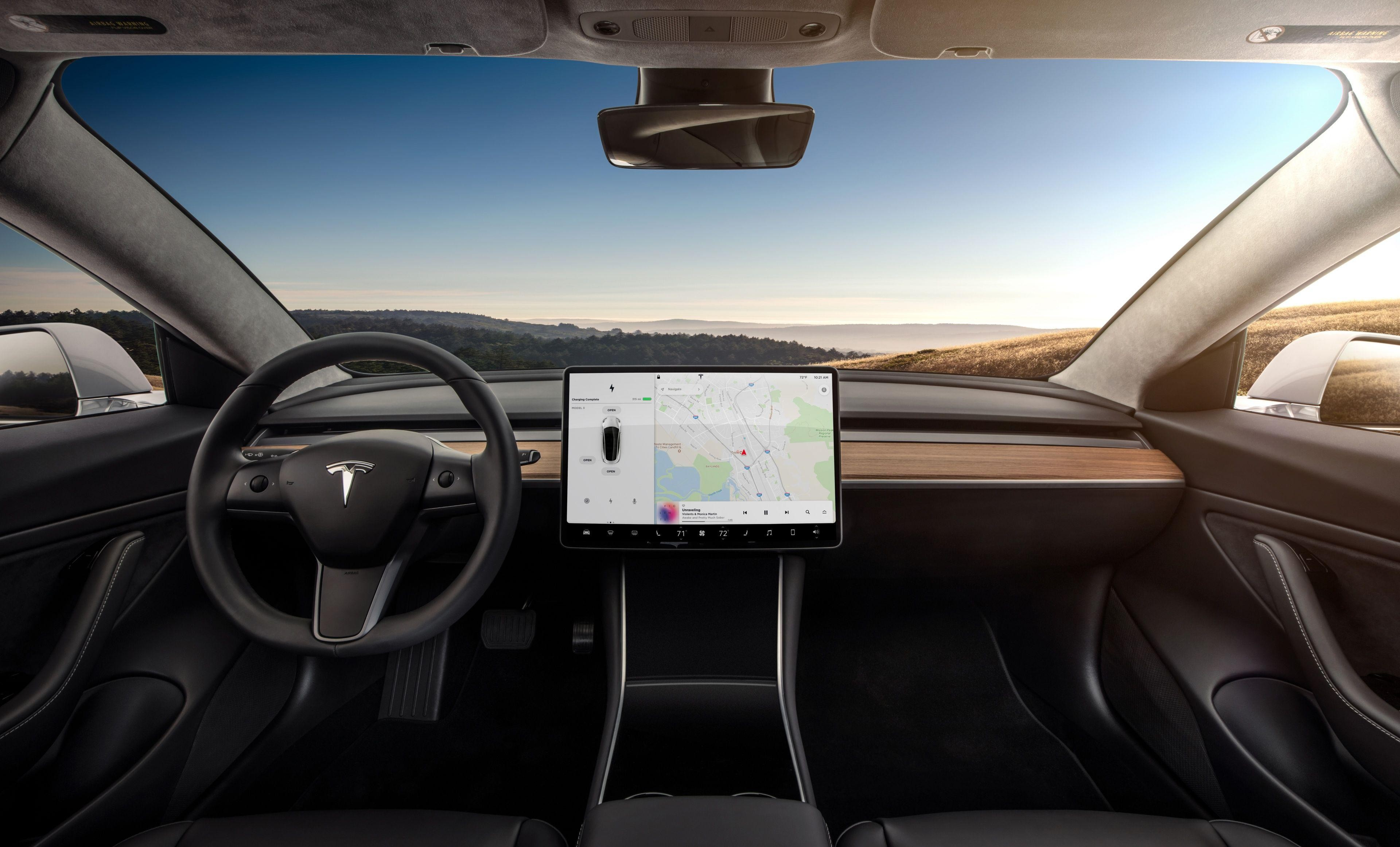
The safety risks of automobiles are hidden precisely in their core digital functions. GPS navigation, Bluetooth connectivity, keyless entry, and advanced driver assistance systems (ADAS) – each of these features that make driving more convenient could become an entry point for hackers.
The Jeep Cherokee hacking incident in 2015 is a typical case, where researchers remotely attacked and successfully disabled the throttle and brake systems of a moving vehicle, ultimately forcing Fiat Chrysler to recall 1.4 million vehicles of the same model.
The "Perfekt Blue" Bluetooth vulnerability exposes millions of vehicles equipped with Bluetooth functionality to risks, allowing thieves to remotely unlock car doors through signal amplification without the need to physically access the keys.
Additionally, malicious software can infect the vehicle's Electronic Control Unit (ECU), causing system crashes. Hackers can inject malicious code to disrupt the Over-the-Air (OTA) update process and even steal sensitive data like GPS tracks and call logs via vehicle networks.
Global regulations set strict boundaries for automotive cybersecurity
In response to the escalating threats, global regulators have taken a critical step. The World Forum for Harmonization of Vehicle Regulations (UN WP.29) issued UN Regulation No.155, mandating automakers to establish and maintain Cybersecurity Management Systems (CSMS), failing which new vehicles cannot access the European market.
The ISO/SAE 21434 standard, on the other hand, outlines a risk management framework for automotive cybersecurity from a full lifecycle perspective, covering every phase from vehicle design and production to disposal.
In China, a preliminary legal framework centered around the "Cybersecurity Law," "Data Security Law," and "Personal Information Protection Law" has taken shape. Last year's release of the "Intelligent Connected Vehicle Access and Road Traffic Pilot Notice" further made cybersecurity a core assessment criterion for vehicle access. Cars must pass cybersecurity reviews before they can enter the Chinese market.
Automakers are addressing automotive cybersecurity issues at their roots
Automakers' response strategies begin at the vehicle development stage.
The first step involves secure software development by adopting secure coding standards, conducting code reviews, and performing penetration testing to proactively identify potential vulnerabilities. Runtime protection mechanisms are introduced to prevent unauthorized software from executing in vehicle systems. Secure boot technology ensures that only digitally signed and trusted firmware can be loaded and executed.
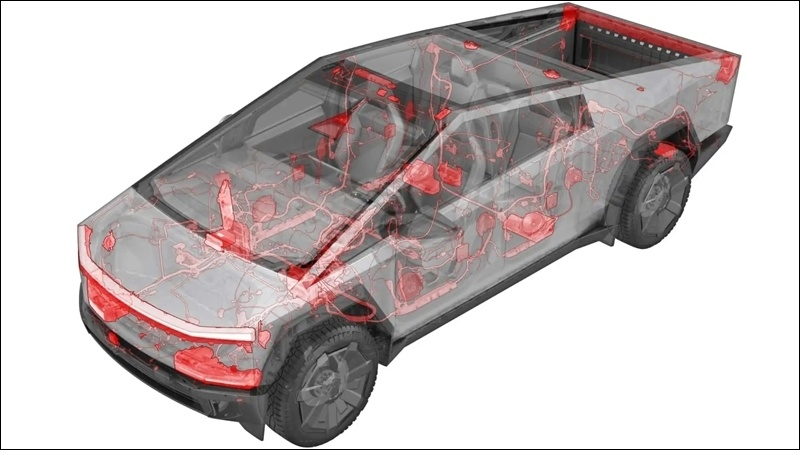
To address safety risks on the CAN bus, which originally served as the neural network connecting various electronic components in vehicles and lacked built-in security mechanisms, manufacturers now add an encryption layer to the communication link. Message authentication is employed to verify the source of commands, and intrusion detection systems (IDS) are deployed to monitor abnormal traffic in real-time and block it promptly.
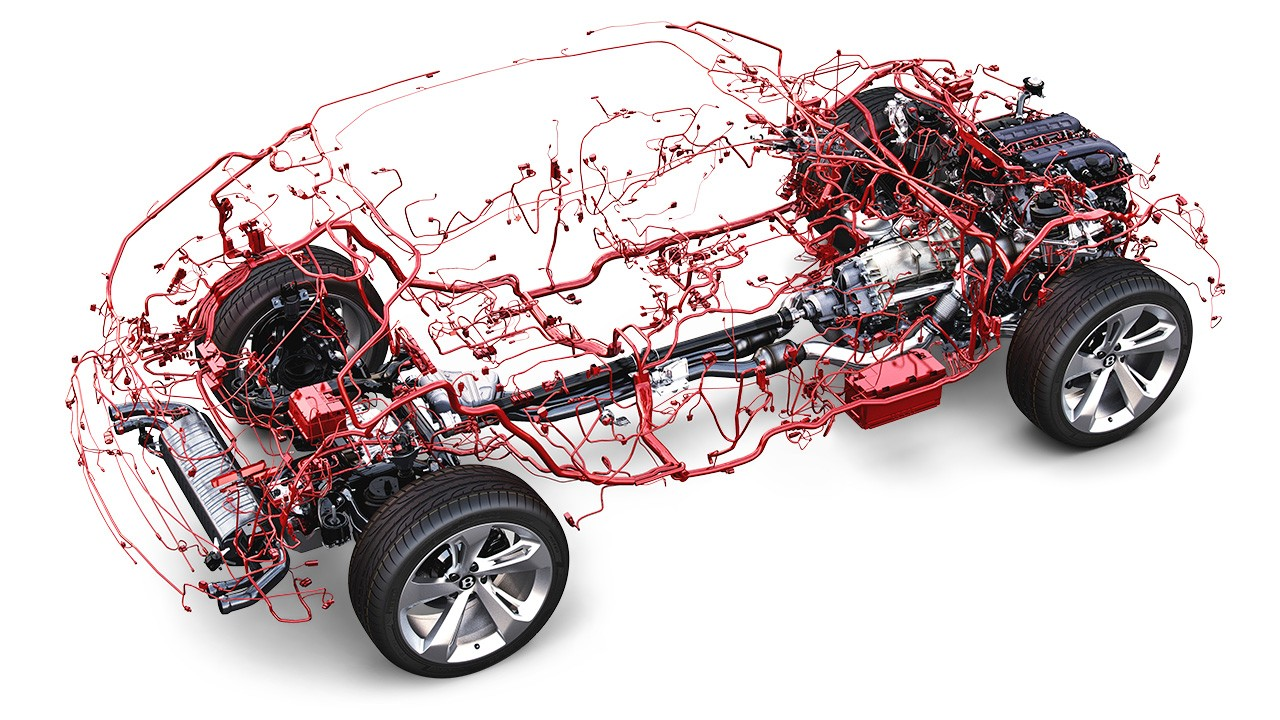
The upgrades to the keyless entry system are more noticeable:
· Ultra-Wideband (UWB) technology can accurately measure the physical distance between the key and the vehicle, preventing "relay attacks";
· Biometric features like fingerprint or facial recognition leave no opportunity for thieves who steal physical keys;
· Rolling encryption ensures each wireless signal for unlocking is unique, making it impossible for hackers to replicate or crack.
Protection for OTA updates has also been strengthened through multiple layers of security: end-to-end encryption prevents data tampering during transmission; digital signature verification ensures update package authenticity; and multi-factor authentication (MFA) blocks unauthorized system access.
The cutting-edge feature is AI-driven threat monitoring, where machine learning algorithms analyze vehicle network traffic in real-time, automatically identifying and blocking suspicious activities. They also learn new attack patterns from each incident to continuously optimize defense strategies.
Cybersecurity Has Become the Most Critical Safety Issue in the Automotive Industry
The RunSafe Security report ultimately points out that cybersecurity has become an irreversible priority in the automotive industry.
The fact that 87% of consumers' car purchase decisions are influenced by safety factors and 35% are willing to pay a premium already reflects the demands of the market consumers.
With the United Nations World Forum for Harmonization of Vehicle Regulations about to discuss the R155 upgrade plan, global automotive cybersecurity standards will become more stringent.
If any infringement occurs, please contact us for deletion
Trending News

The all-new Lexus ES announces pre-sale on March 20: Say goodbye to pure gasoline engines and launch a pure electric version
Lexus's bestseller sedan, the ES, ushers in a major overhaul, officially confirmed to start pre-sales on March 20. The new car has not only undergone significant size extensions based on the GA-K platform but has also made a complete transformation in its powertrain logic — abandoning purely fuel-powered engines in favor of the ES 300h hybrid and the brand-new ES 350e/500e fully electric versions, officially joining the luxury electric sedan market competition.

The Lexus ES 200: Laughed Out of Existence
With the official debut of the eighth-generation Lexus ES in the global market, we quickly realized that the once entry-level model ES 200 has completely disappeared. Now only the ES 350h, ES 350e, and ES 500e remain, and for this reason, the Lexus ES 200 was launched with a two-tone body in the Chinese market as a commemorative edition.

Toyota recalls over 3 million vehicles worldwide, including Camry, Land Cruiser, and Lexus
According to the latest news, Toyota has officially launched a large-scale global recall involving approximately 3.3 million vehicles due to a defect in the reverse assist system software, which may cause the screen to freeze at critical moments.

Before buying the Chery Omoda 5, you must know some issues
Chery Omoda 5, as a key model for the Chinese brand Chery to enter Malaysia's B-Segment SUV market, has attracted considerable attention since its launch with its impressive features, enticing warranty policies, and market promotions. However, despite the hype, various issues reported by real owners are gradually emerging.

Toyota Land Cruiser FJ confirmed to launch in Thailand on March 21, expected to start from RM137k
For those obsessed with the rugged DNA of the Land Cruiser but deterred by the high price tags of the 300 Series or 250 Series, this compact off-road vehicle built on the IMV 0 platform is undoubtedly the most anticipated surprise of the year.










Popular Cars
Model Year
Car Compare
Car Photo