
It's like moving the TV to the front of the car, what's the use of that?
 AshleyJan 16, 2026, 11:46 AM
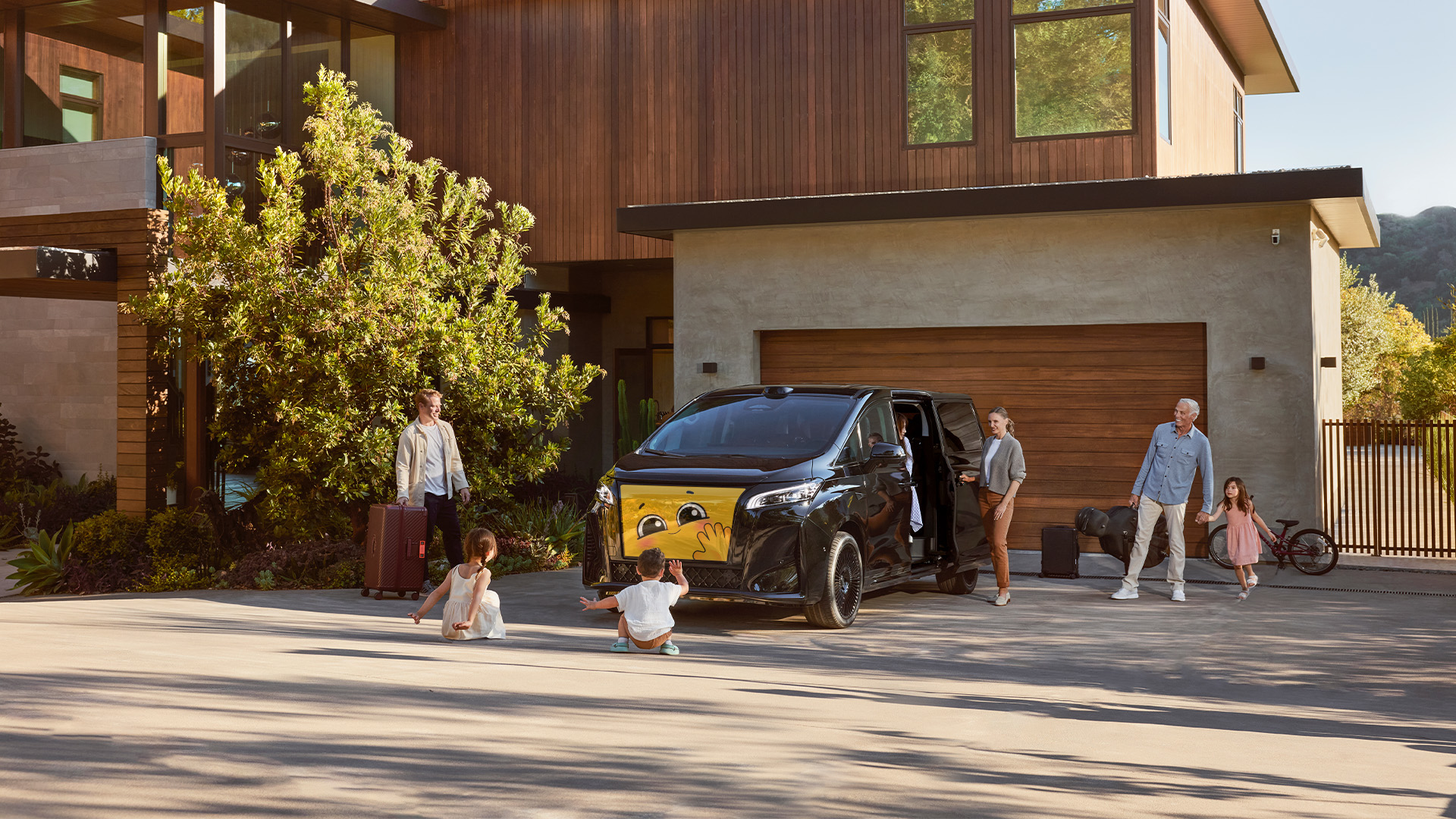
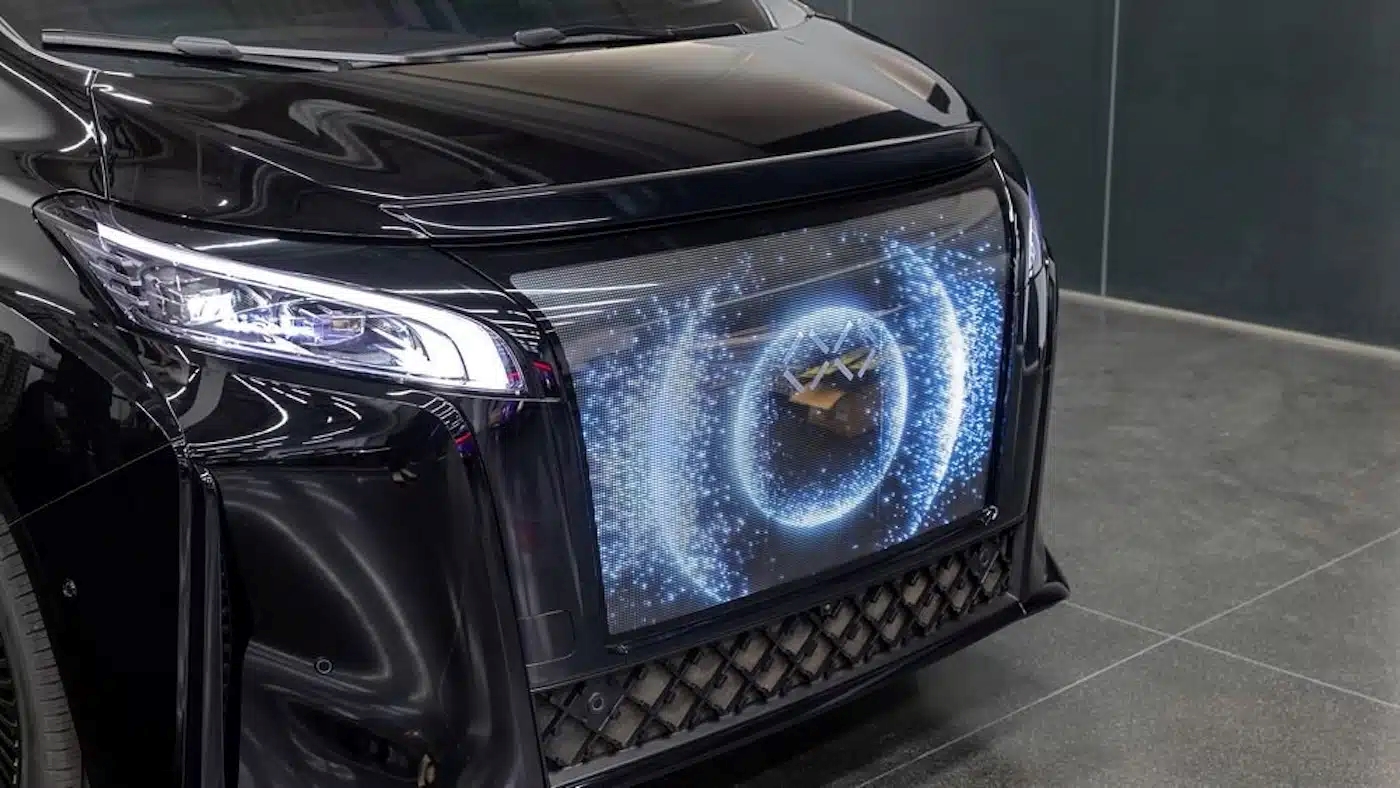
【PCauto】 The unveiling of Faraday Future's (FF) Super EAI F.A.C.E. system raises a fundamental question: is this expansive LED panel dominating the car's front fascia truly practical?
According to FF, the Super EAI F.A.C.E. is more than a mere display; it's an interactive interface supporting voice, gesture, and touch input, designed to facilitate communication with users outside the vehicle. It can even express emotions through Avatar expressions, bridging the gap between humans and machines.
Content displayed can also be customised via a mobile app, ranging from artwork and logos to video streams. The goal is to completely replace the traditional, monotonous front grille, aiming for "a unique face for every car."
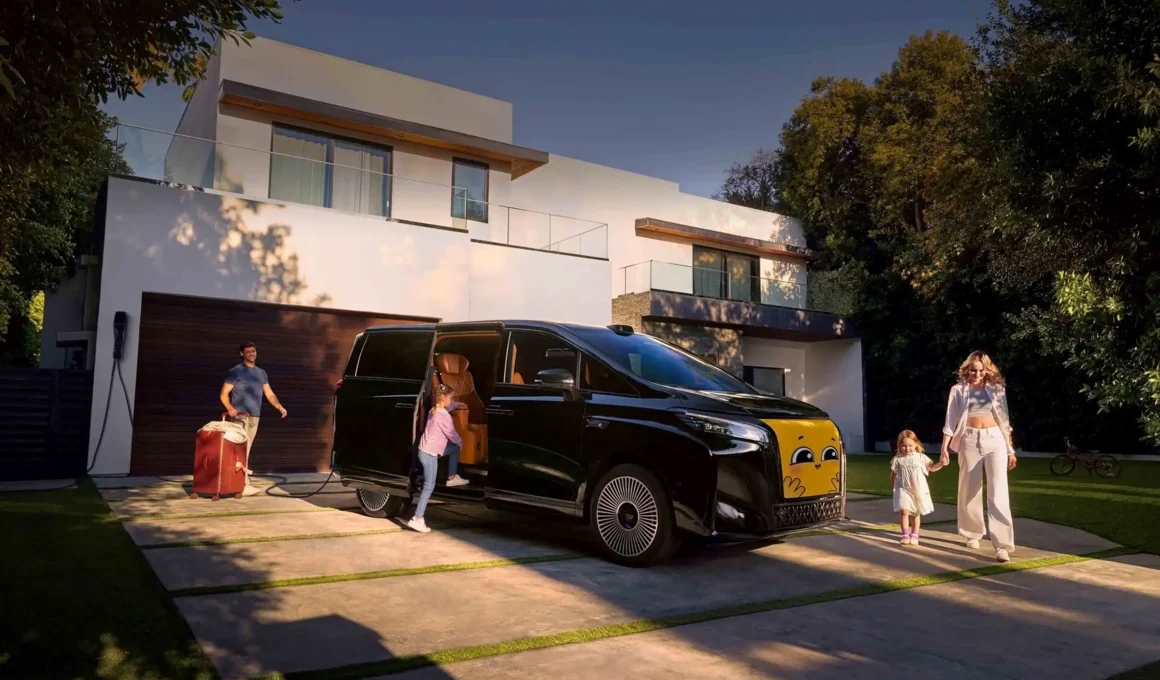
While it certainly sounds innovative, the issue lies in the fact that novelty and practical value are often not synonymous.
In practice, when approaching their vehicle, most users are concerned with three straightforward matters: verifying ownership, gaining seamless access, and ensuring immediate drive-away readiness.
This fundamental process typically requires neither interaction, conversation, nor an emotionally expressive display on the front fascia.
In contrast, standing in front of a car and conversing with an LED screen while waiting for the system to recognise and respond feels more like a forced interaction ritual imposed by technology.
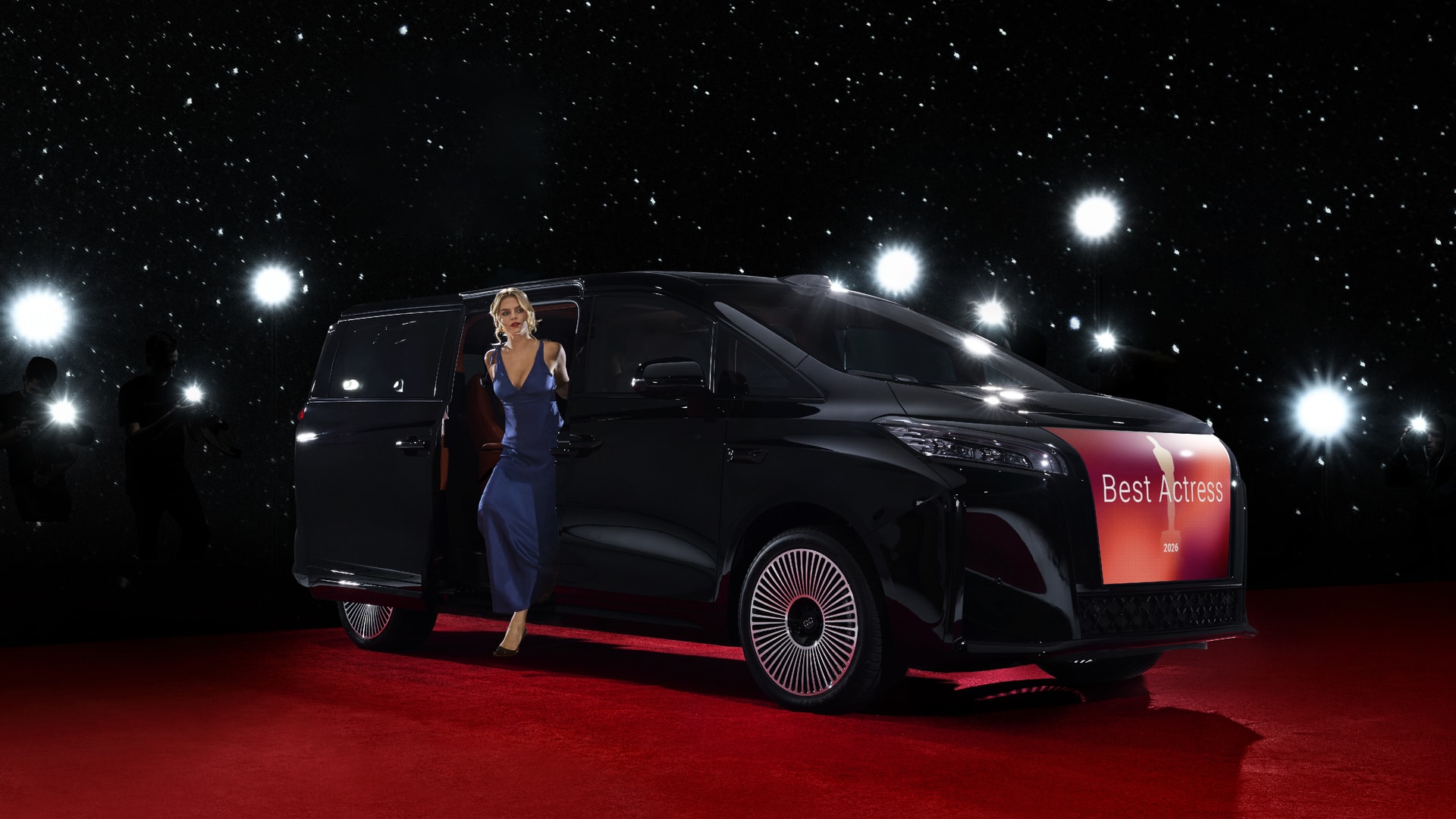
FF emphasises that the Super EAI F.A.C.E. enables users to communicate with the vehicle prior to entry, confirm its status, request access, and obtain guidance.
The reality is that these functionalities have long been reliably and efficiently addressed through conventional means: physical keys, dedicated mobile applications, or intuitive light signals.
Relocating these functions to the front of the car and repackaging them with a more complex AI system does not necessarily translate to a better experience; in many cases, it merely makes the proposition more costly.
More intriguing is FF's attempt to imbue the car with personality through avatars, character recognition, and large language models.
The system is designed to differentiate between the owner, family members, visitors, and strangers, delivering tailored responses. It can even initiate greetings proactively as someone approaches.
From a technical standpoint, this is certainly complex. However, from a user's perspective, the experience of being 'observed' and responded to by the car may feel friendly to some, while others might find it somewhat redundant.
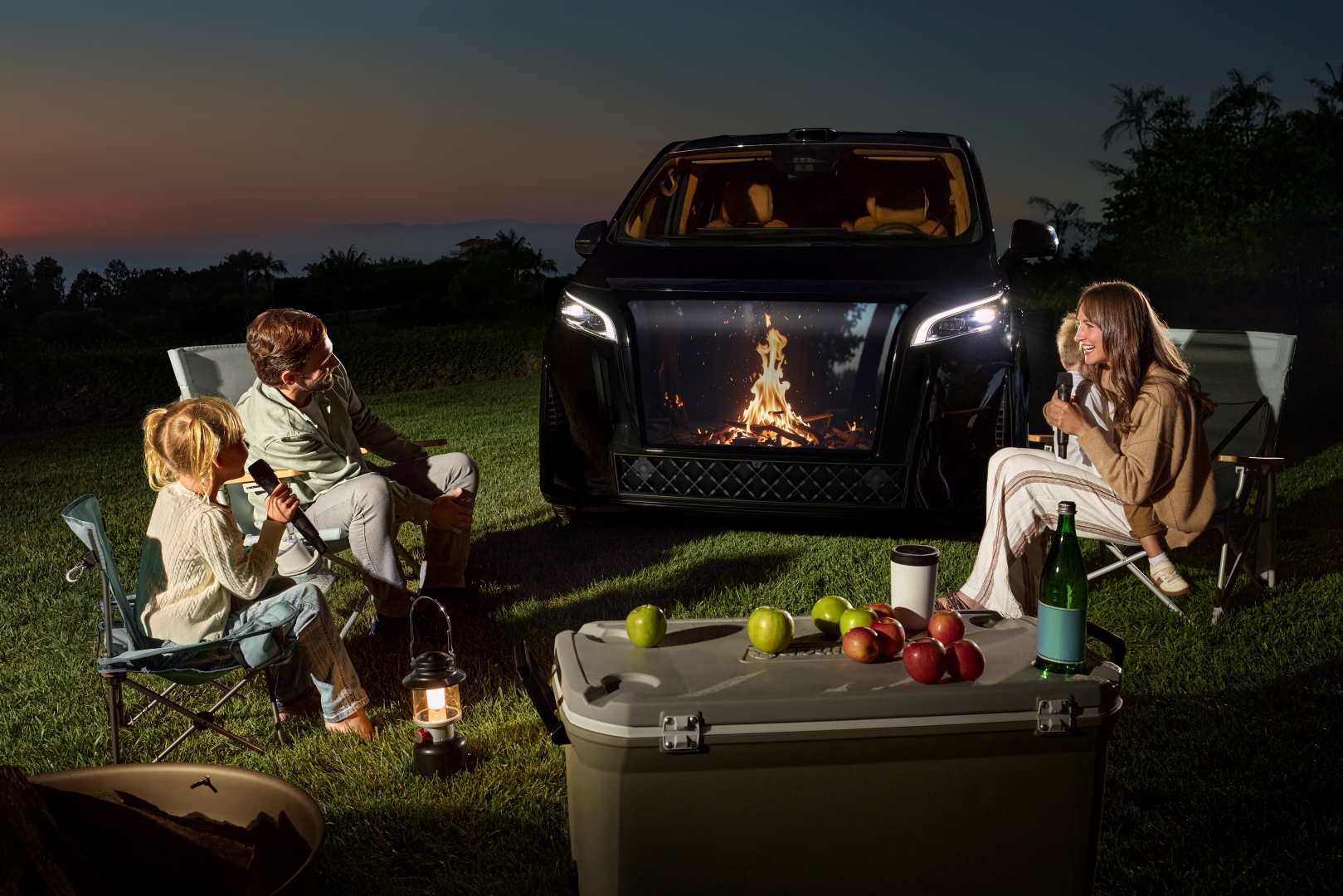
This sense of dissonance becomes even more pronounced when such features are integrated into a mass-market MPV like the FX Super One.
What MPV users prioritise has always been space, comfort, reliability, and running costs. Whether deployed for family transport or business use, the core need is for a vehicle that simplifies rather than complicates. A device that frequently ‘expresses’ itself in car parks or ‘showcases’ its personality to passersby runs counter to this principle.
A more pragmatic concern is that such a high-specification, high-computation, and high-display-cost system inevitably comes at a premium.
Even if offered as an optional extra, the associated costs will inevitably be borne by the consumer through a higher price tag, or necessitate compromises elsewhere in the vehicle's specification.
For an automaker that still repeatedly emphasises mass production, delivery, and profitability, betting significant resources on a large front-facing screen seems more like a concept-driven approach rather than a demand-driven one.
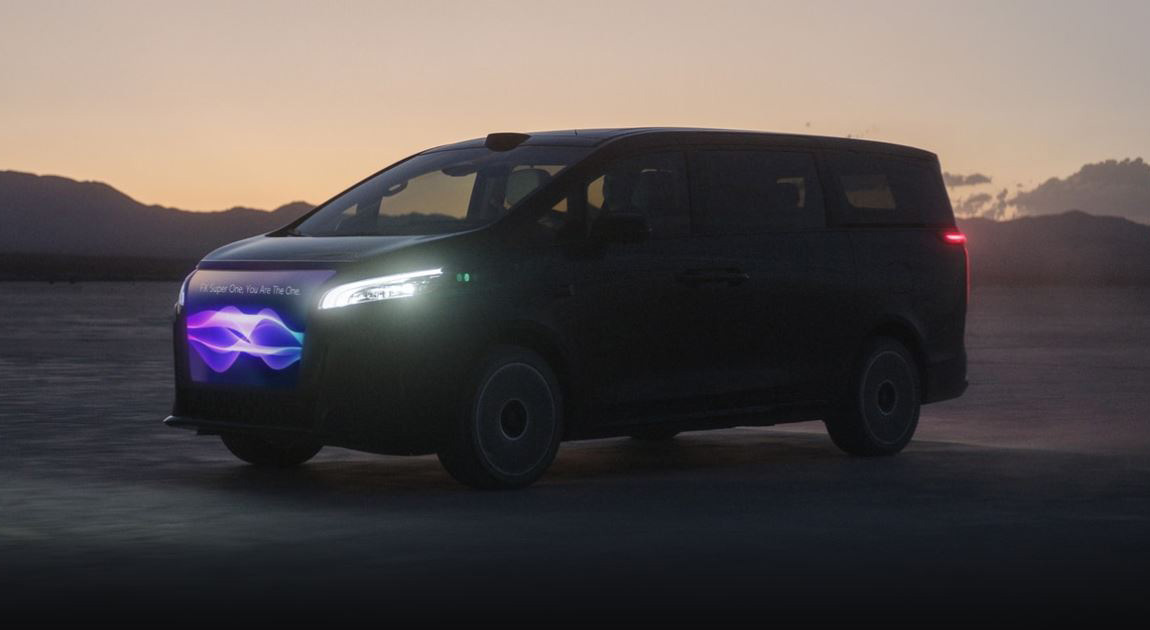
Ultimately, the Super EAI F.A.C.E. is not without merit. It undeniably showcases a novel avenue for external vehicle interaction and possesses undeniable visual impact.
However, at this stage, it resembles more of a storytelling tool, a conversation piece, and a symbol to proclaim "we are still innovating," rather than a functional module that genuinely addresses driving-related issues.
Thus, one might ask: is this not, in essence, affixing a television set to the front of an automobile? What genuine, user-centric problem does it solve?
If any infringement occurs, please contact us for deletion
Trending News

Before buying the Chery Omoda 5, you must know some issues
Chery Omoda 5, as a key model for the Chinese brand Chery to enter Malaysia's B-Segment SUV market, has attracted considerable attention since its launch with its impressive features, enticing warranty policies, and market promotions. However, despite the hype, various issues reported by real owners are gradually emerging.

Toyota Land Cruiser FJ confirmed to launch in Thailand on March 21, expected to start from RM137k
For those obsessed with the rugged DNA of the Land Cruiser but deterred by the high price tags of the 300 Series or 250 Series, this compact off-road vehicle built on the IMV 0 platform is undoubtedly the most anticipated surprise of the year.

BYD to unveil new technologies on March 5, 2026 – pure EV range to exceed 1,000 km
This isn’t about a new model debut. Instead, BYD is preparing to showcase a suite of near-production core technologies – including a pure EV boasting a CLTC range of over 1,000 km, an upgraded Megawatt Flash Charging 2.0 system, and the next-generation DM 6.0 Super Hybrid platform.

In 2026, Should I Buy a Proton X50 or a Perodua Traz? Can the RM 6,000 Rebate Offset the Traz's Space Advantage?
Recently, one of the most frequently asked questions in the Malaysian market is: So, should you go for the Proton X50, which offers stronger performance and a greater sense of technology, or the Perodua Traz, which provides more space and is more budget-friendly? Especially considering the X50 has discounts of up to around RM 6,000, how significant is the price difference left to weigh? This article provides an objective analysis from the perspective of daily usage.

2026 New Proton S70 Upgrades from Three-cylinder to Four-cylinder, Significantly More Powerful!
Proton's 2026 S70 to be launched before Lunar New Year, with a key upgrade to a 1.5-liter four-cylinder turbocharged engine replacing the three-cylinder model, improving power smoothness, maintaining spaciousness, with the infotainment system and driver assistance possibly adapted to local road conditions, offering practical improvements tailored to the needs of Malaysian and Thai family users, aiding car purchase decisions.










Popular Cars
Model Year
Car Compare
Car Photo