
Long Hood is paired with Slender Headlights! Donkervoort P24 RS is Designed for Driving Enthusiasts to Deliver Pure Driving pleasure
 JamesJan 28, 2026, 04:26 PM
[PCauto] A few days ago, the Netherlands' niche sports car Donkervoort P24 RS, which was just launched, feels like a force moving against the current.
This family-run factory, which began in 1978, has consistently adhered to lightweight design and mechanical essence. This latest flagship model pushes this philosophy even further.
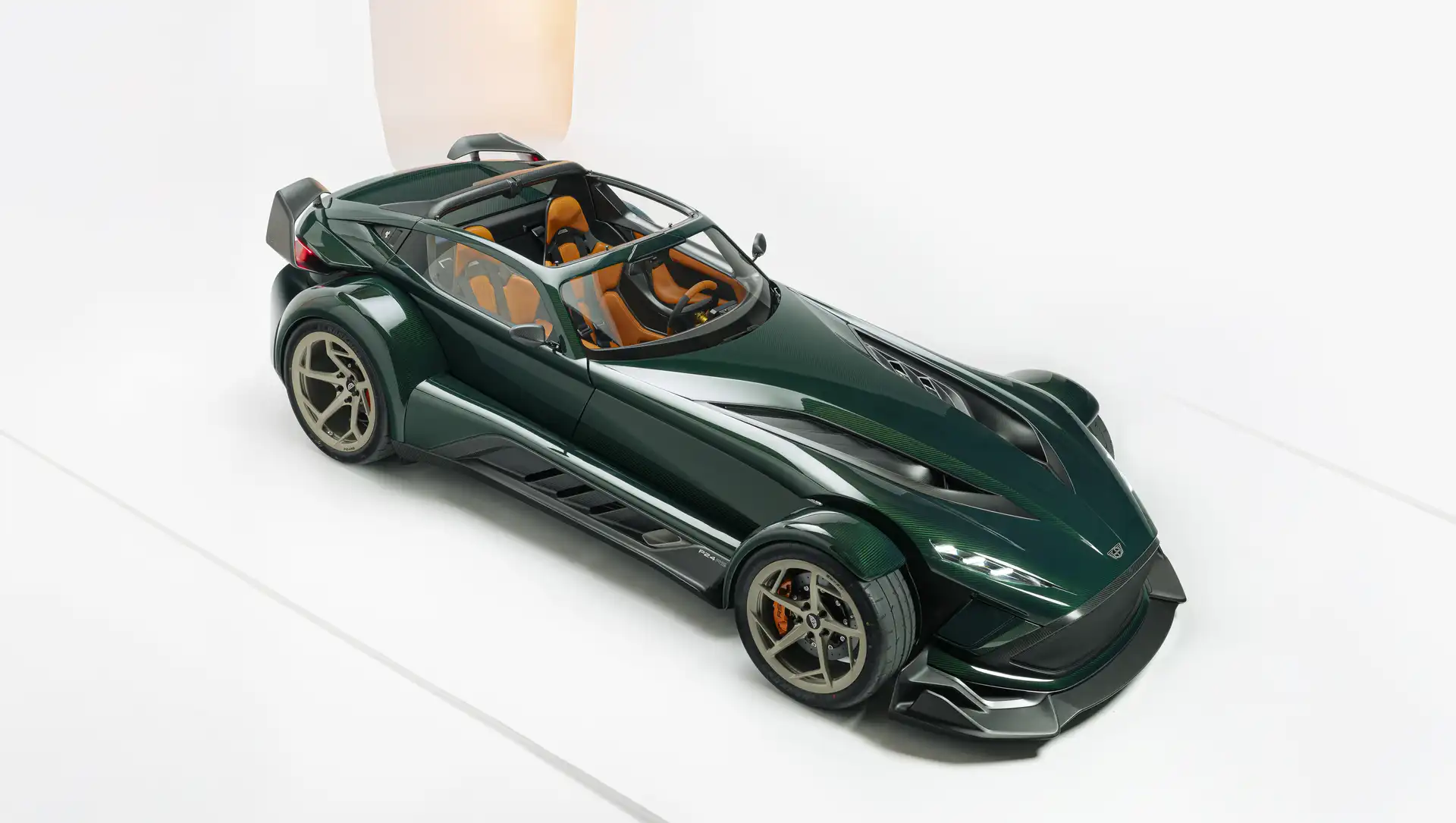
Donkervoort does not pursue piling up specifications or catering to luxury trends, but instead creates an irreplaceable mechanical companion for those dedicated to the essence of driving itself.
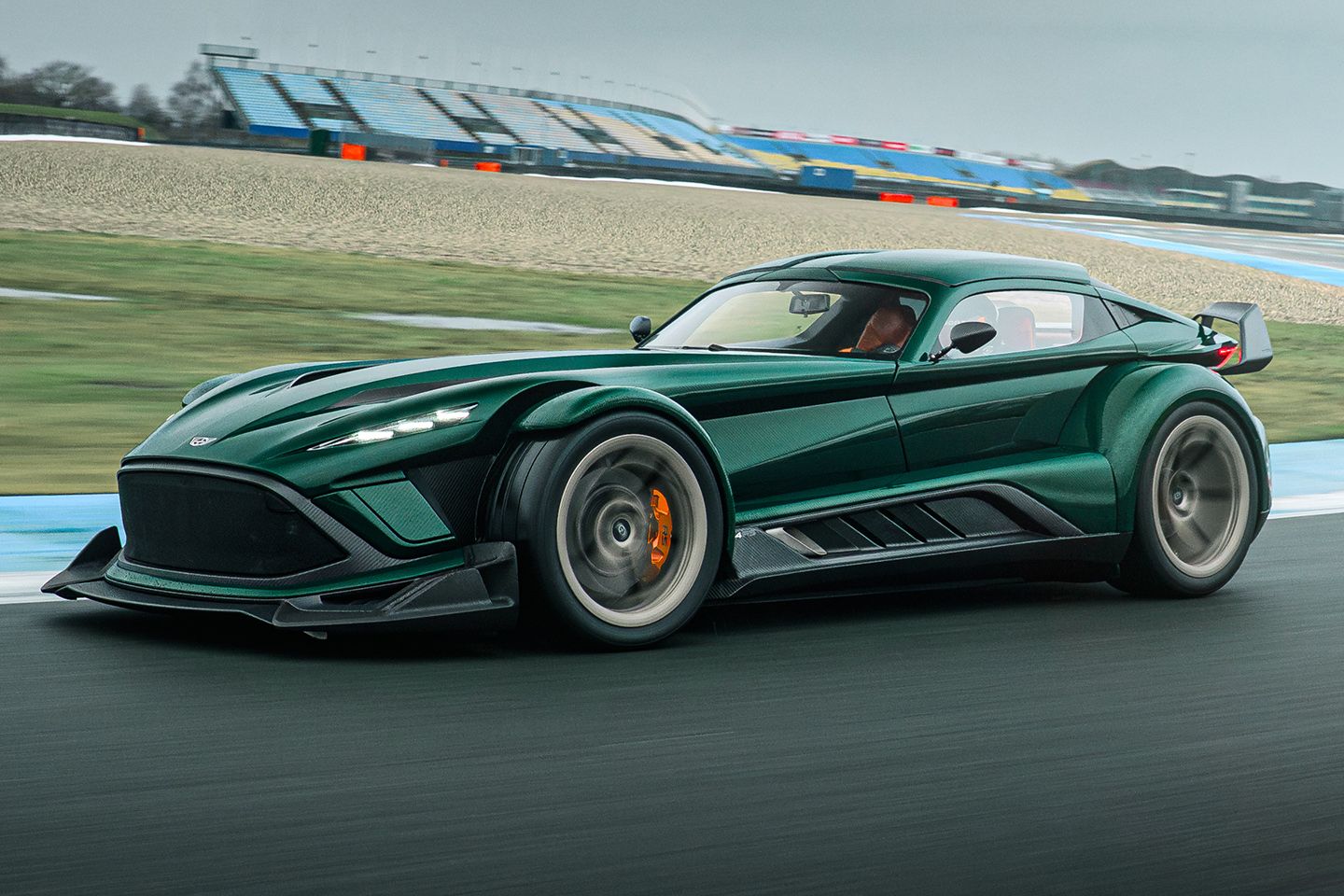
P24 RS is a sports car with a lightweight exterior design
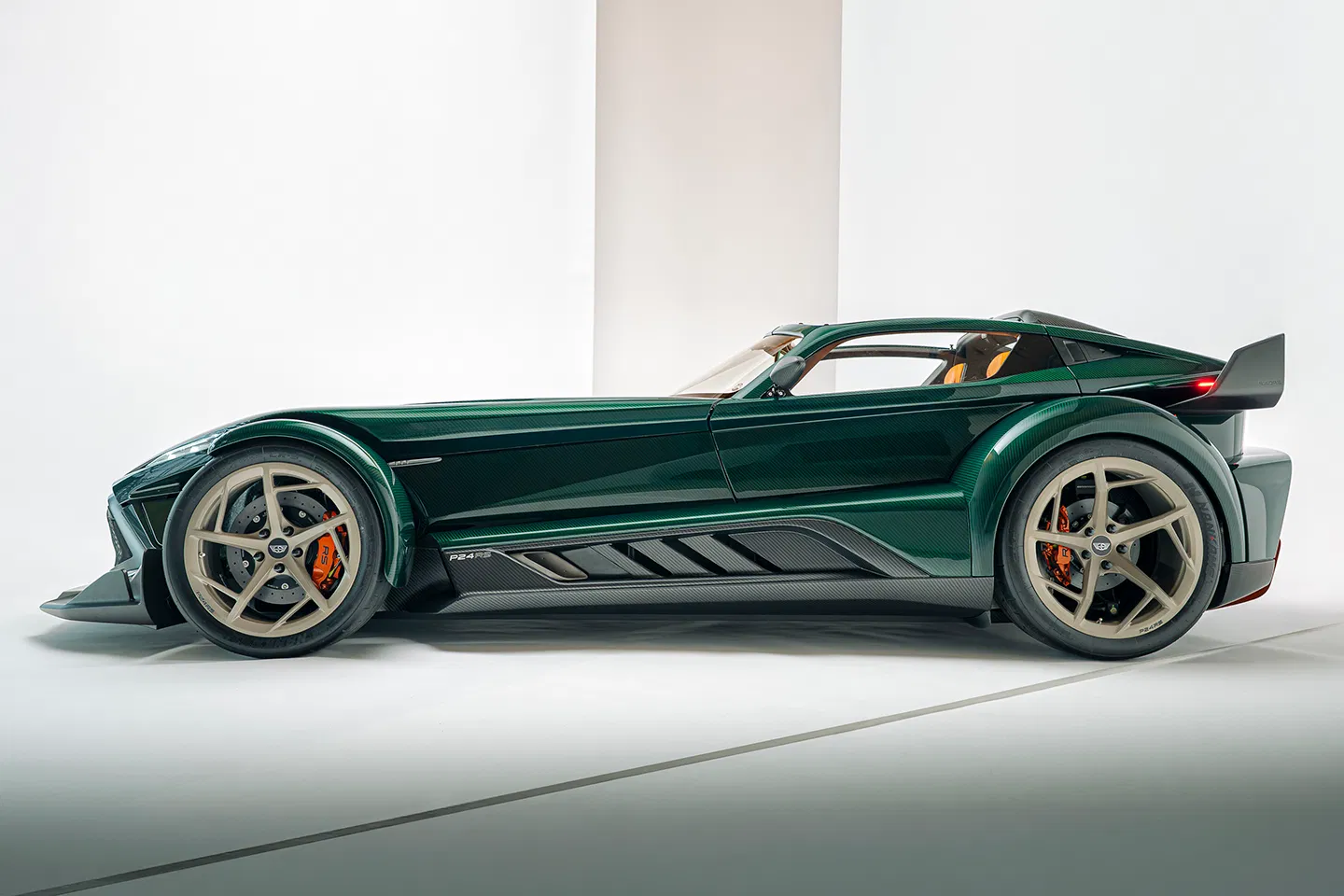
The P24 RS is fundamentally a sports car with a core focus on lightweight exterior design. Its appearance lacks any redundant decorations, with every line and structure serving the dual purpose of achieving lightweight goals and meeting aerodynamic requirements.
Judging from the body proportions, the ultra-long front hood contrasts sharply with the compact, rear-positioned cockpit. This is not an attempt to create a retro gimmick but rather the result of a longitudinally mounted front-mid engine layout, rational front suspension arrangement, and optimized center of gravity.
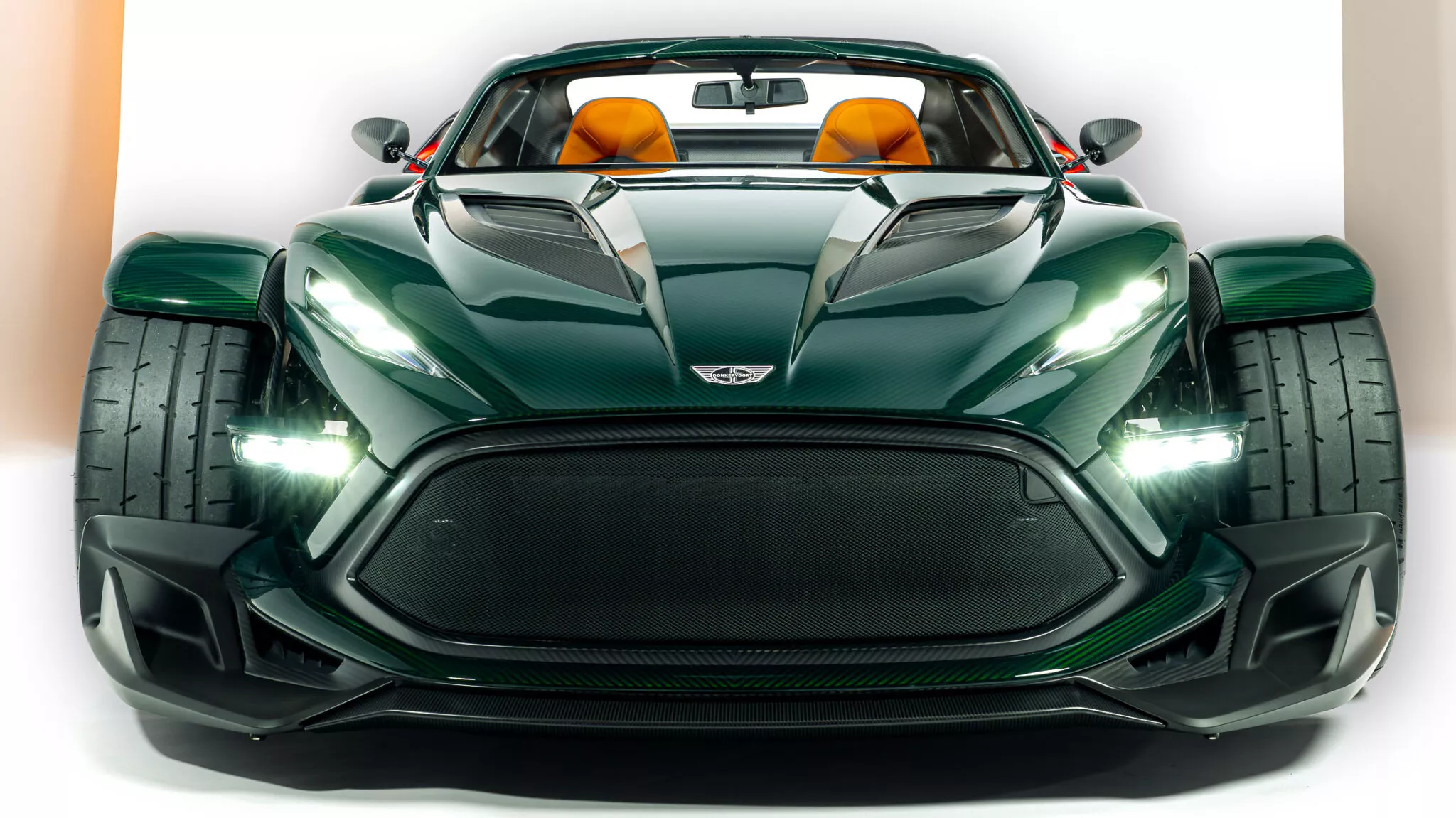
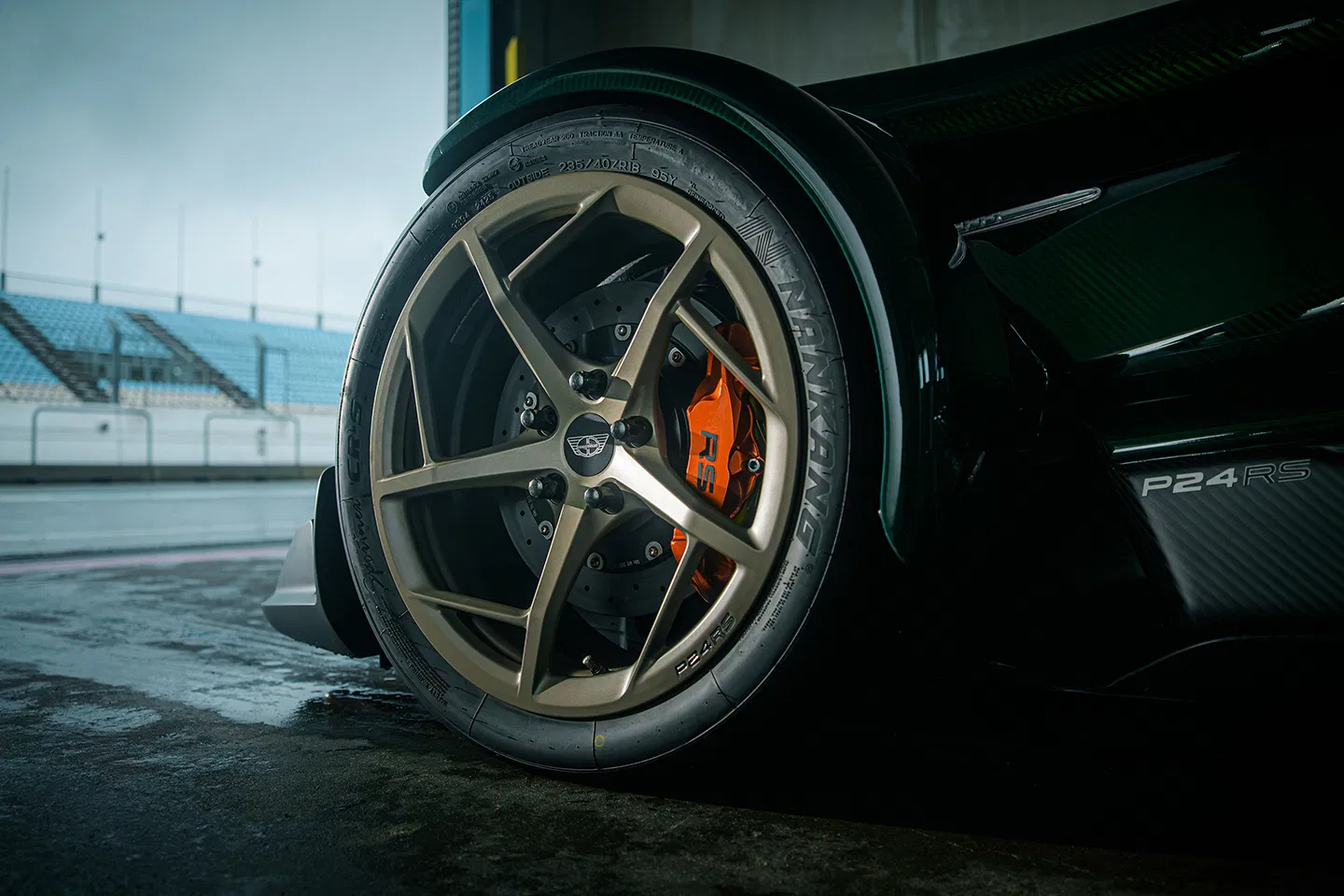
The exposed front wheels and independent fenders that go with it are the highlights of the lightweight design. They not only reduce the body coverage area but also reserve ample space for suspension travel and steering angles. At the same time, the fenders effectively control mud splashes and airflow direction.
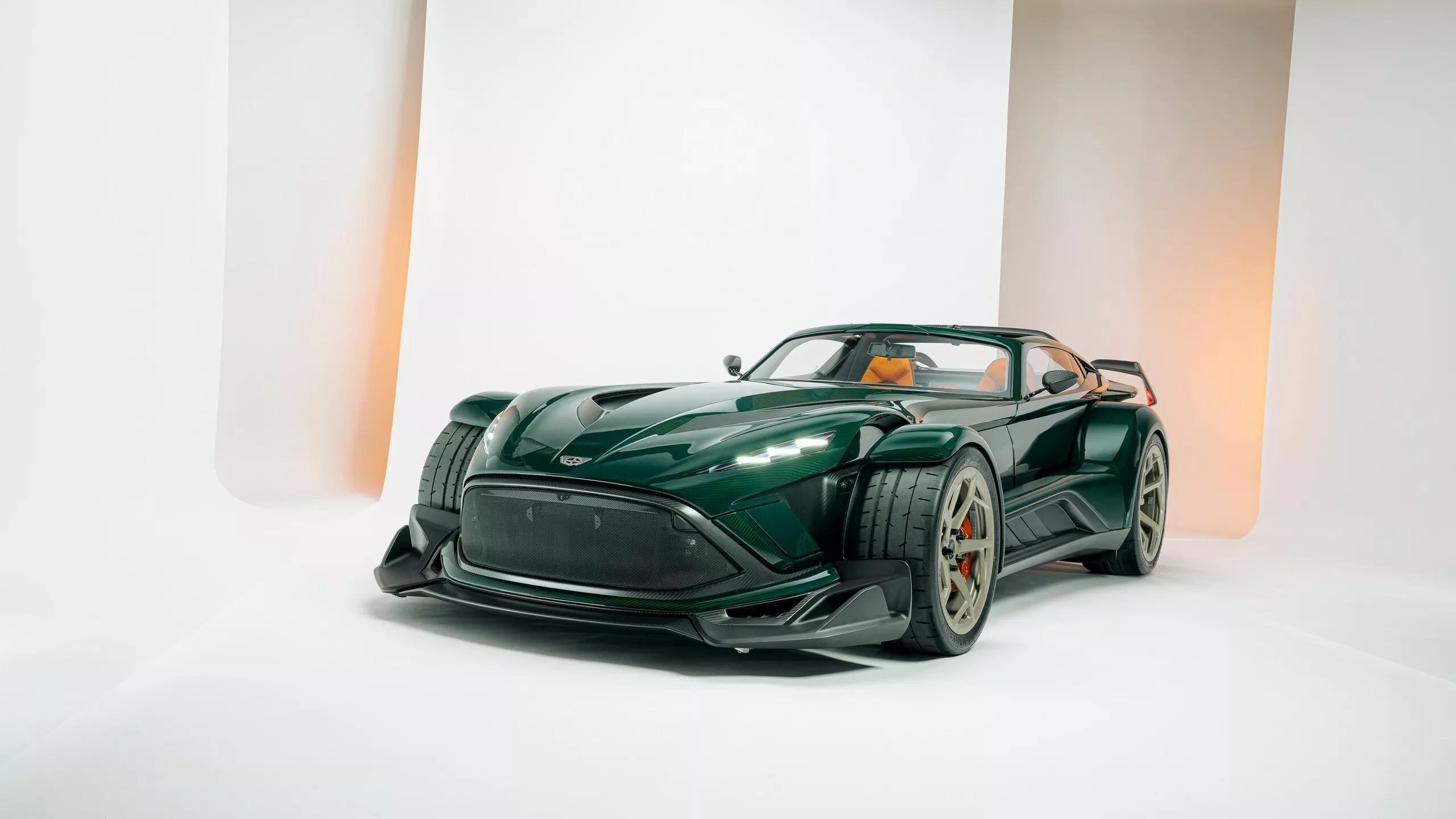
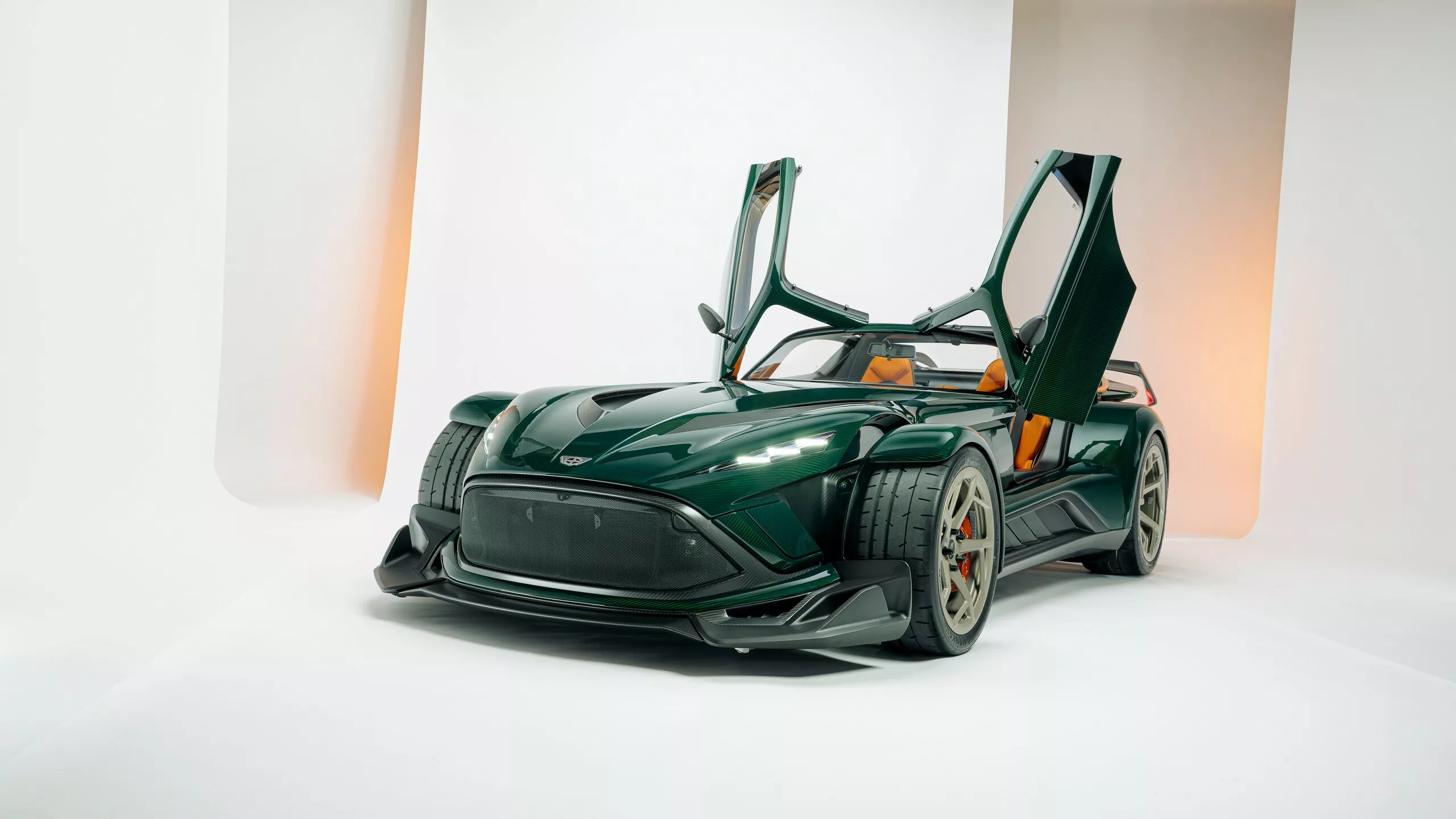
As for the lighting design, the unique pop-up LED light units are also derived from actual engineering requirements. Due to the spatial constraints of the front hood structure and exposed wheel arches, traditional light units cannot be installed. This pop-out design from the sides of the nose cone not only minimizes disruption to high-speed airflow but also meets the requirements for illumination height and range.
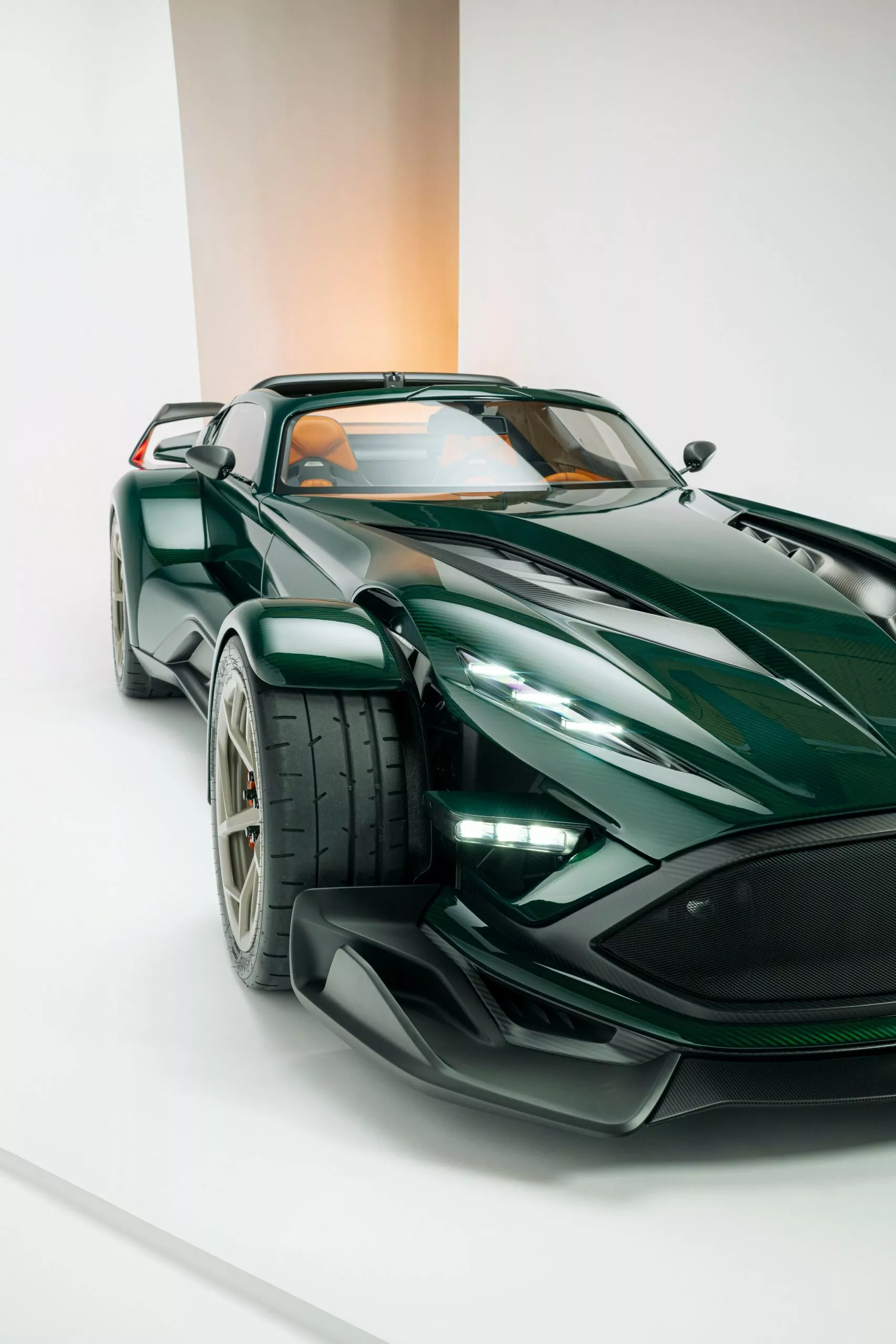
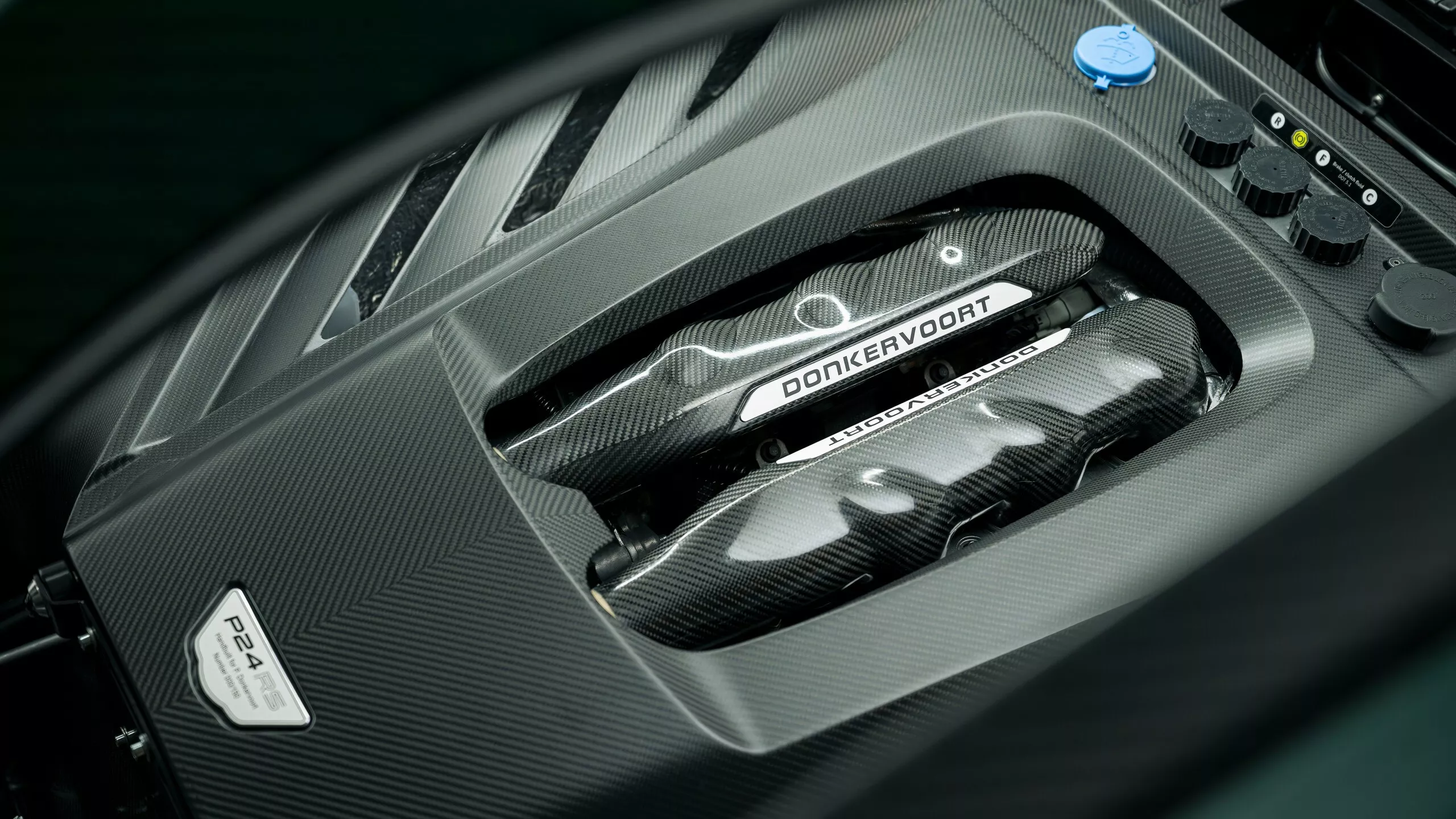
Additionally, the body material deserves a mention. A large amount of carbon fiber material is used, and even the exhaust pipe is made with 3D-printed metal components, achieving further weight reduction compared to traditional parts.
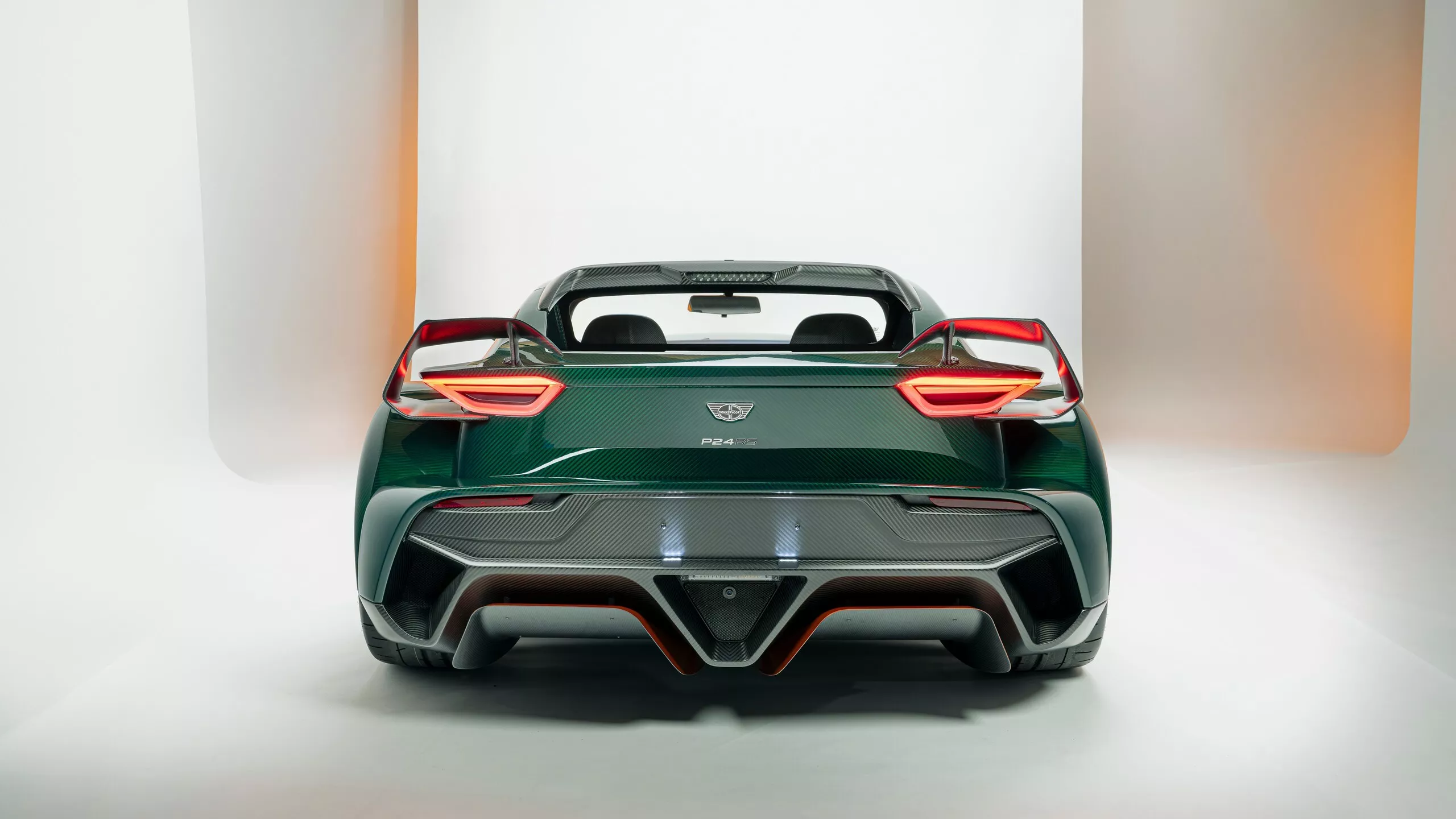
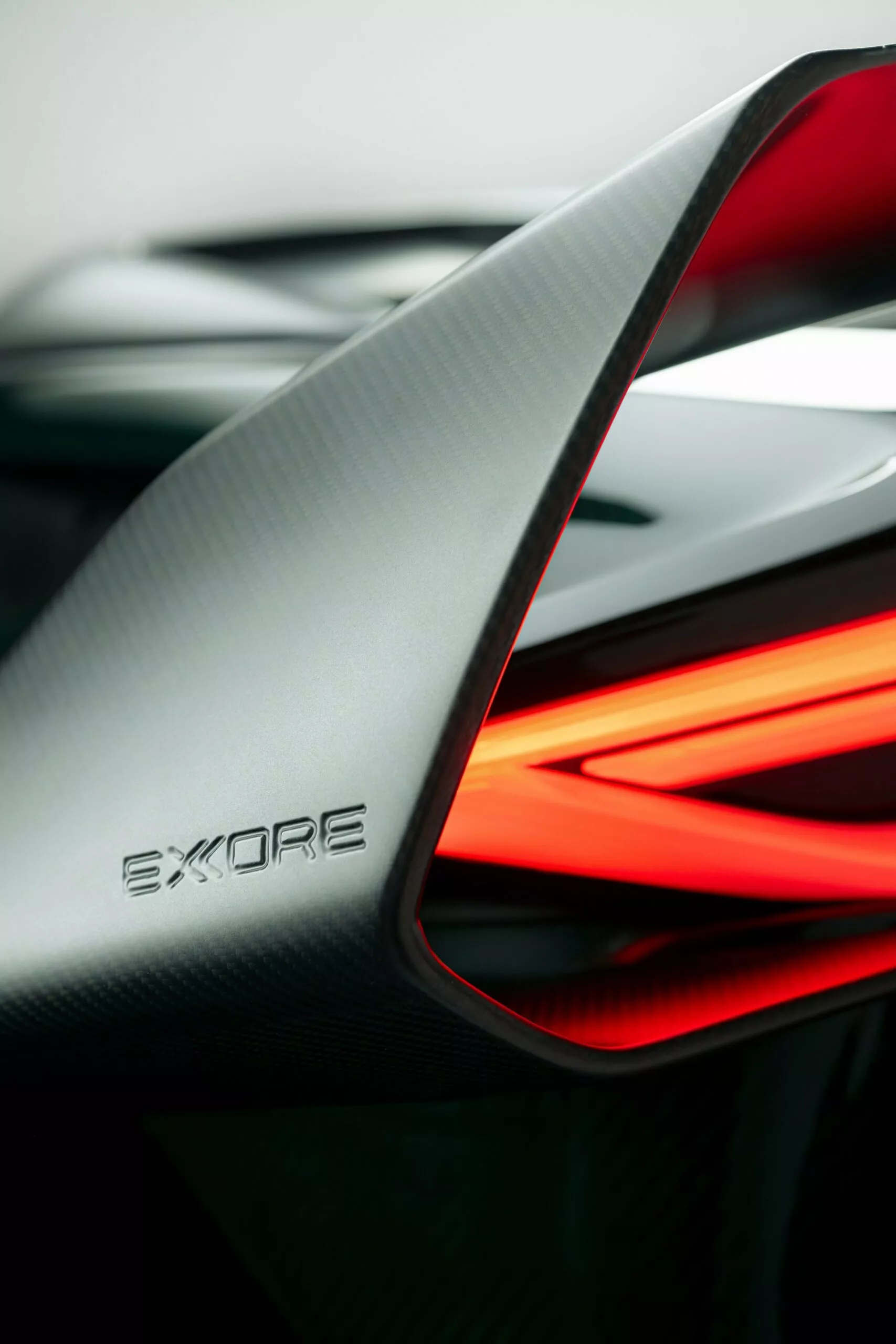
The integrated design of the rear wheel fender and body, exhaust and heat dissipation vents integrated into the side, along with the independently fixed rear spoiler and dual-layer diffuser at the rear, all work to stably generate downforce without the need for complex variable mechanisms.
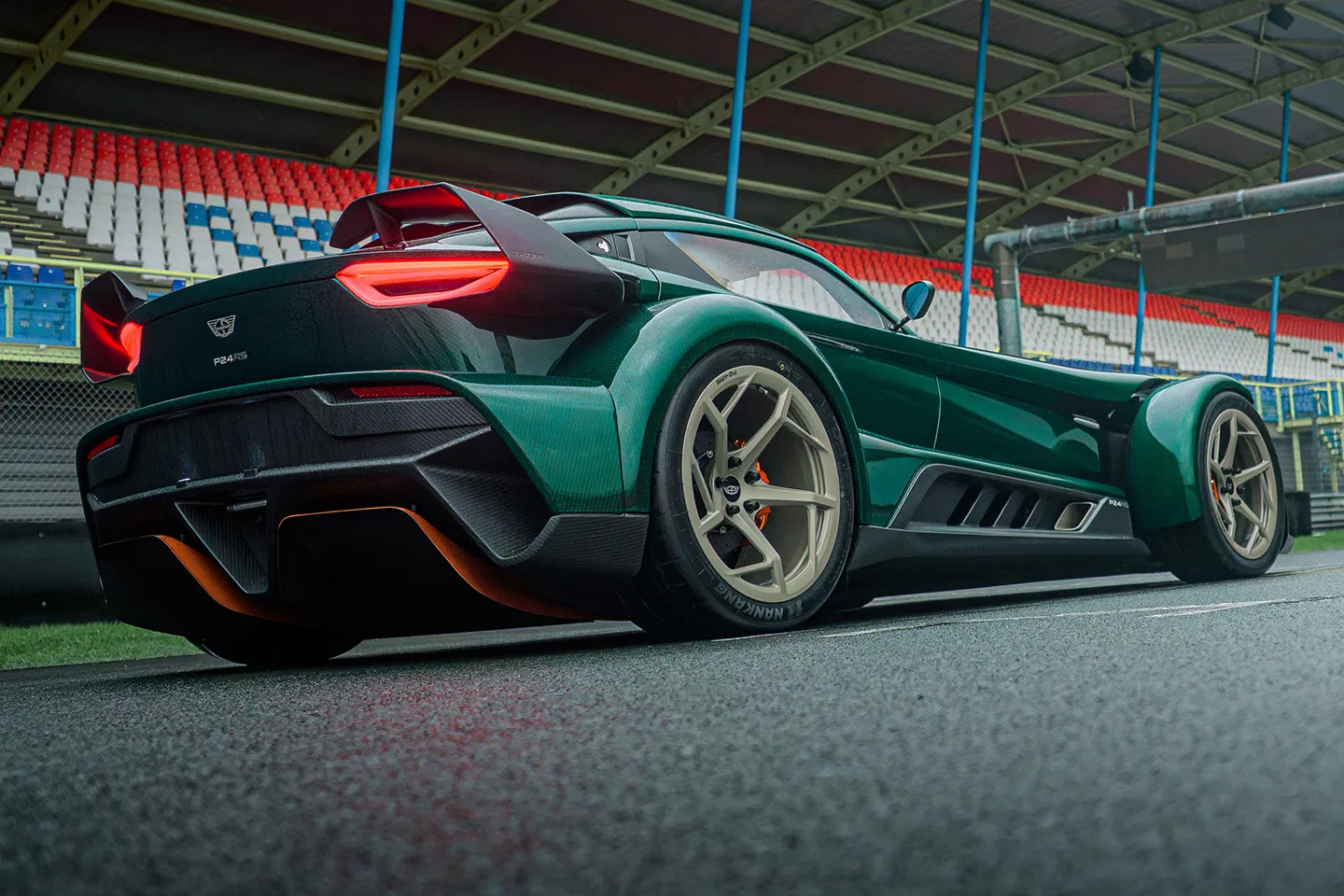
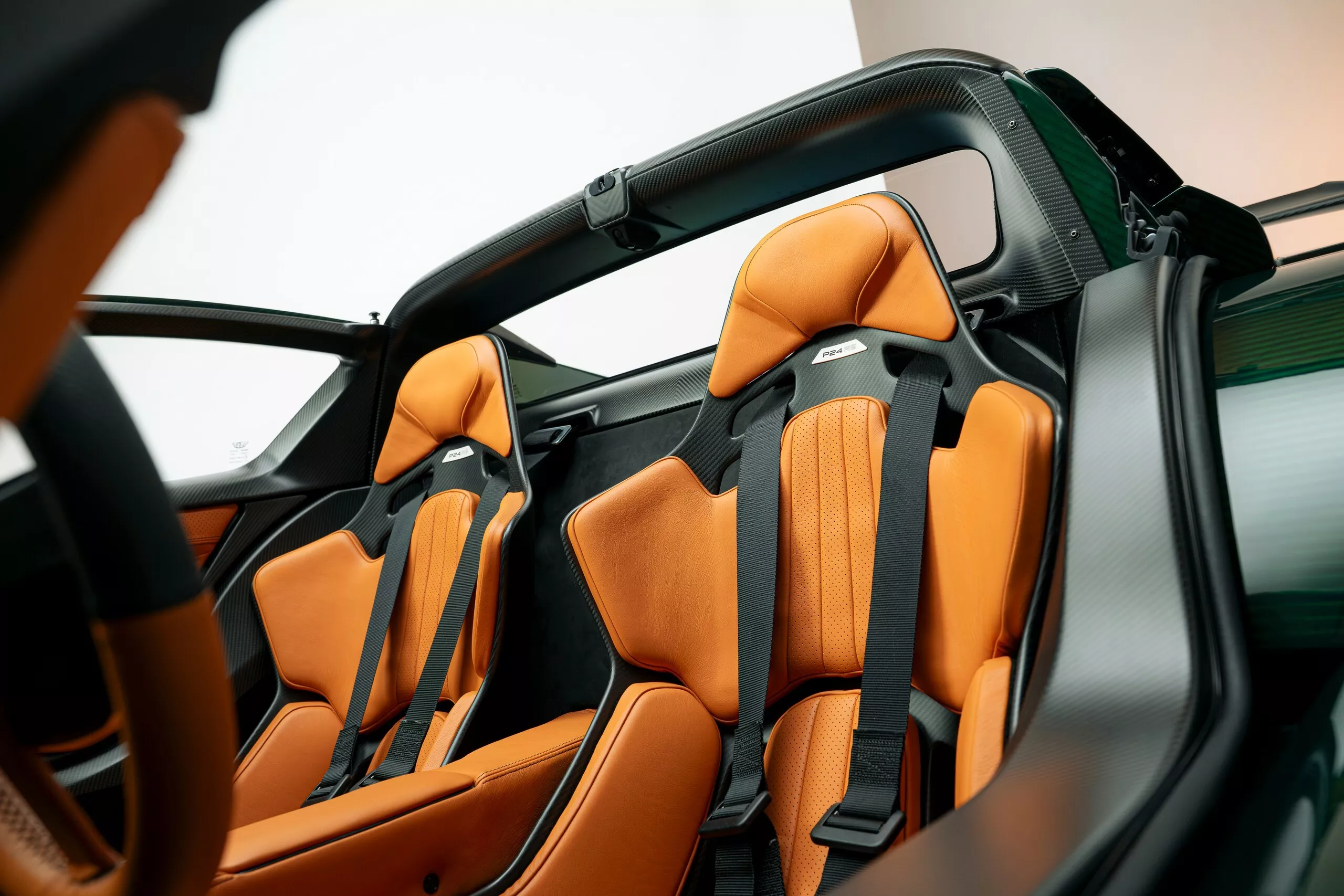
And then, the design of the roof takes both driving experience and safety into account. The Targa-style removable carbon fiber roof combined with an integrated roll cage retains the fun of open-top driving while ensuring body torsional rigidity and roll-over safety.
What’s even rarer is that the extreme lightweight orientation has not entirely sacrificed practical space. The 249-liter trunk capacity makes it stand out among niche sports cars in its class.
P24 RS is a sports car that stays true to the mechanical essence of fuel-powered vehicles
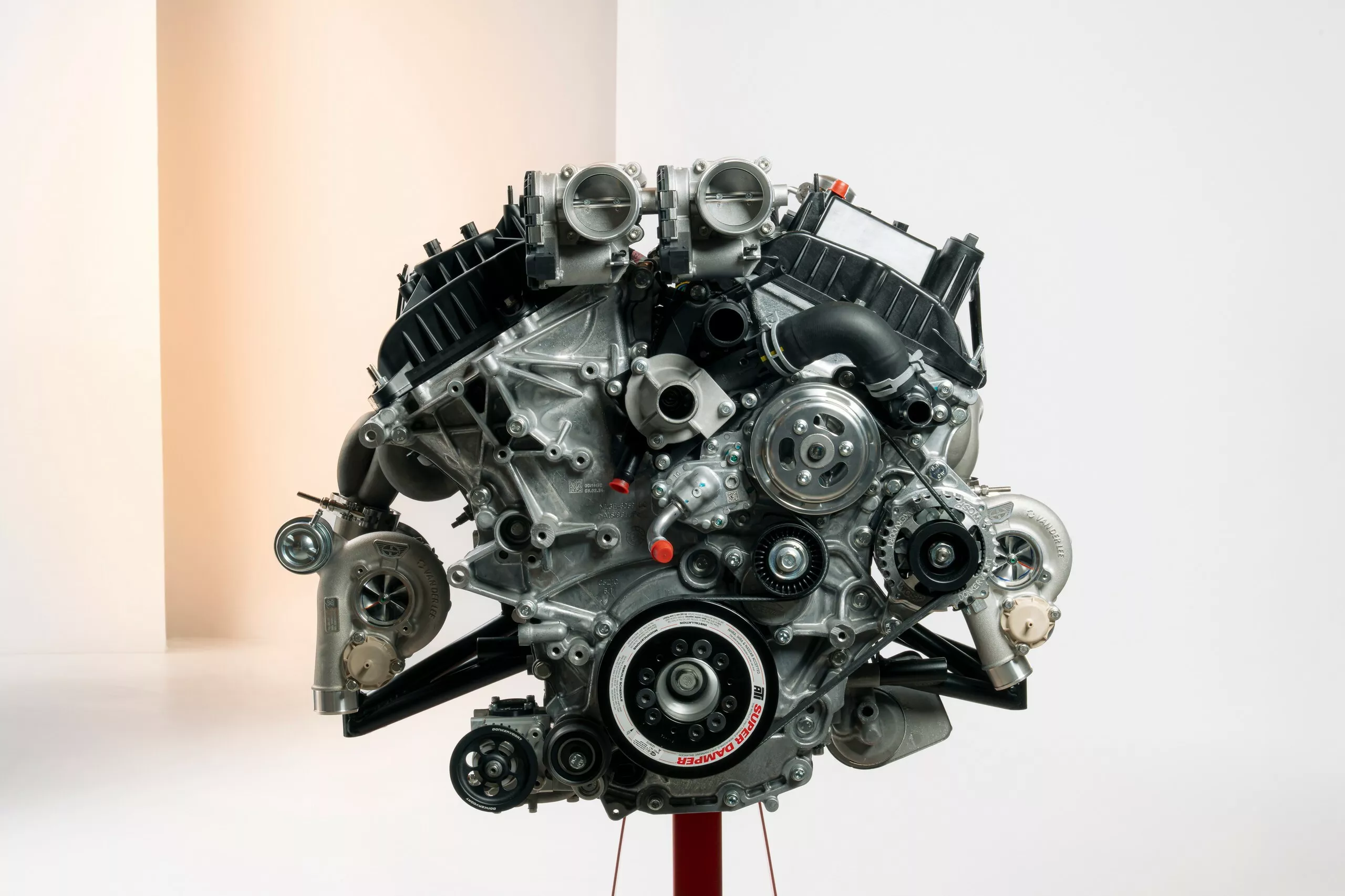
The P24 RS has a total weight of just 771 kilograms, lighter than a compact family car, yet it is equipped with a deeply customized 3.5-liter twin-turbo V6 engine derived from the Ford GT. This combination of lightweight design and a powerful core is key to Donkervoort's exceptional performance.
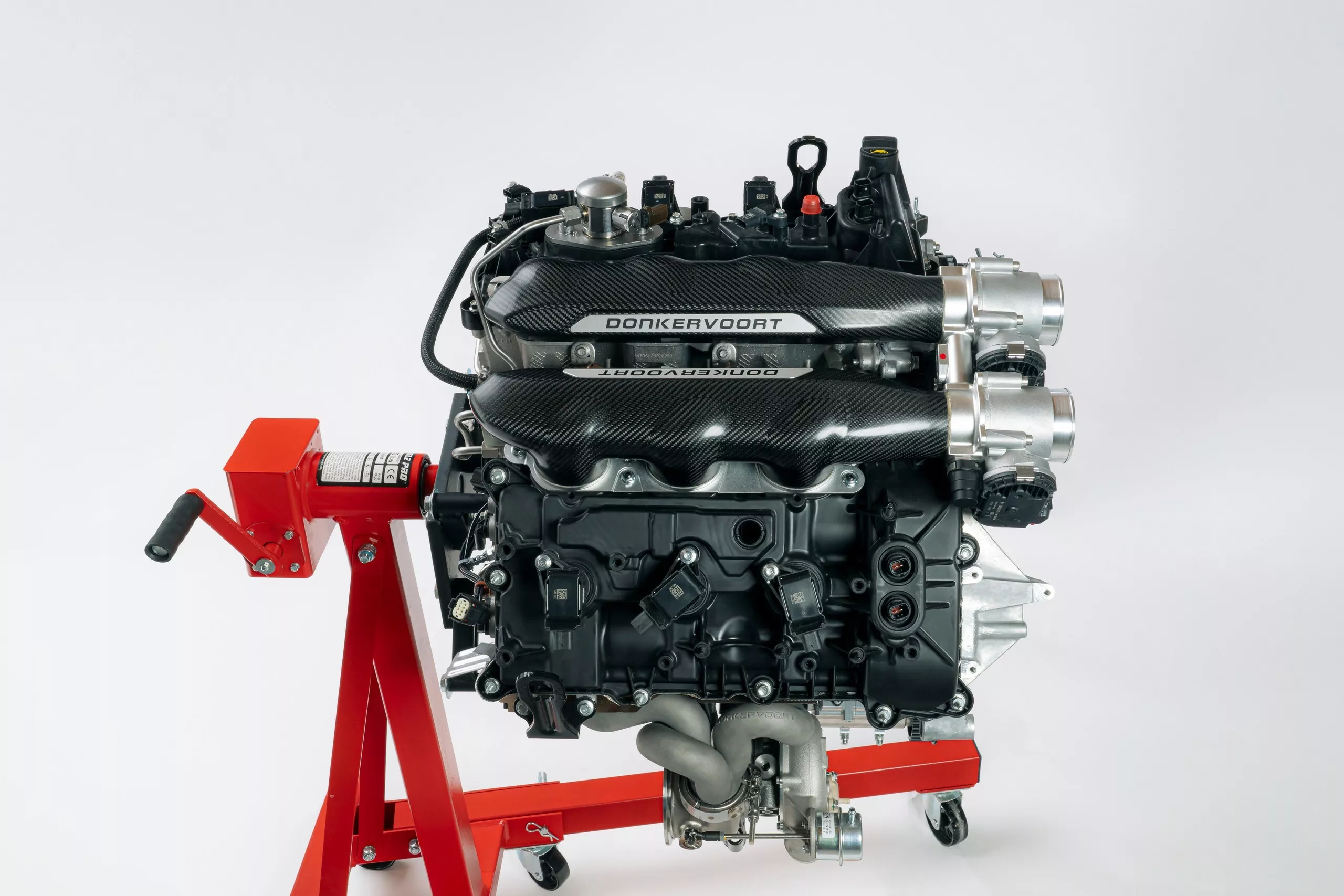
To unleash greater power, Donkervoort specifically replaced it with a dedicated turbocharger, greatly suppressing turbo lag and enabling the engine to deliver effective torque output at mid-to-low RPM ranges.
It achieves a maximum power of 600 horsepower and a peak torque of 800 Nm, with a power-to-weight ratio as high as 770 horsepower per ton. This figure far surpasses the majority of multi-million-dollar supercars.
Therefore, it is not difficult to see that this powerful performance is transmitted to the rear wheels through a five-speed manual transmission. The gear shifting logic of the transmission focuses on ensuring torque bearing and driving reliability rather than blindly pursuing a higher number of gears.
And official data shows that the vehicle accelerates from 0-100 km/h in just 2.5 seconds and from 0-200 km/h in only 7.3 seconds, with a top speed exceeding 300 km/h. This impressive performance relies entirely on mechanical structure optimization and precise weight control rather than the instantaneous output characteristics of electric drive vehicles.
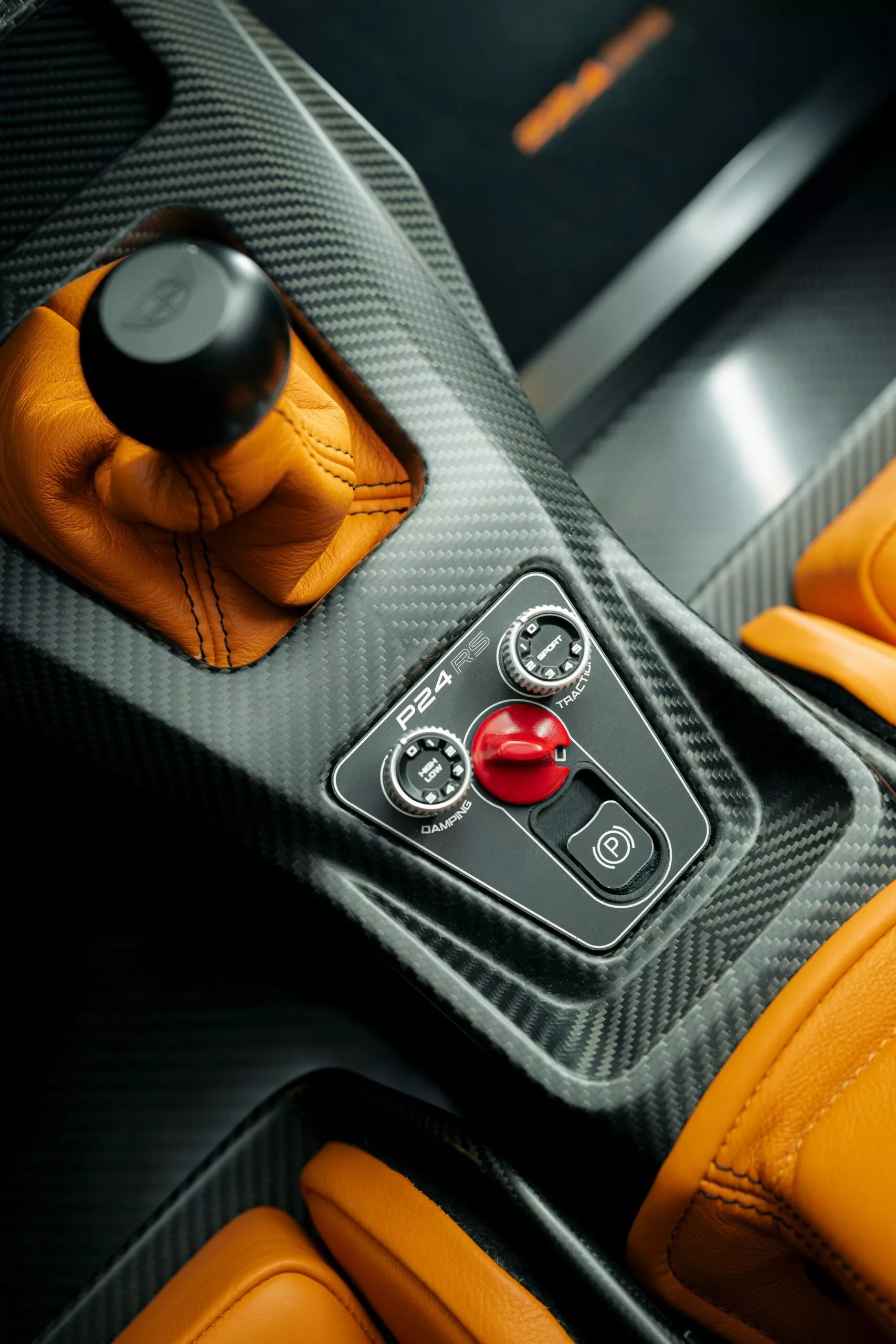
At the same time, the vehicle is equipped with 400, 500, and 600 horsepower three-level power modes, paired with a multi-level adjustable traction control system, allowing users with different driving experiences to flexibly adjust the vehicle's state according to actual road conditions.
P24 RS Retains Only Practical Mechanical Buttons
Entering the cabin, the interior design logic of the P24 RS aligns highly with its exterior and performance, with a focus entirely on driving and the abandonment of all non-essential features.
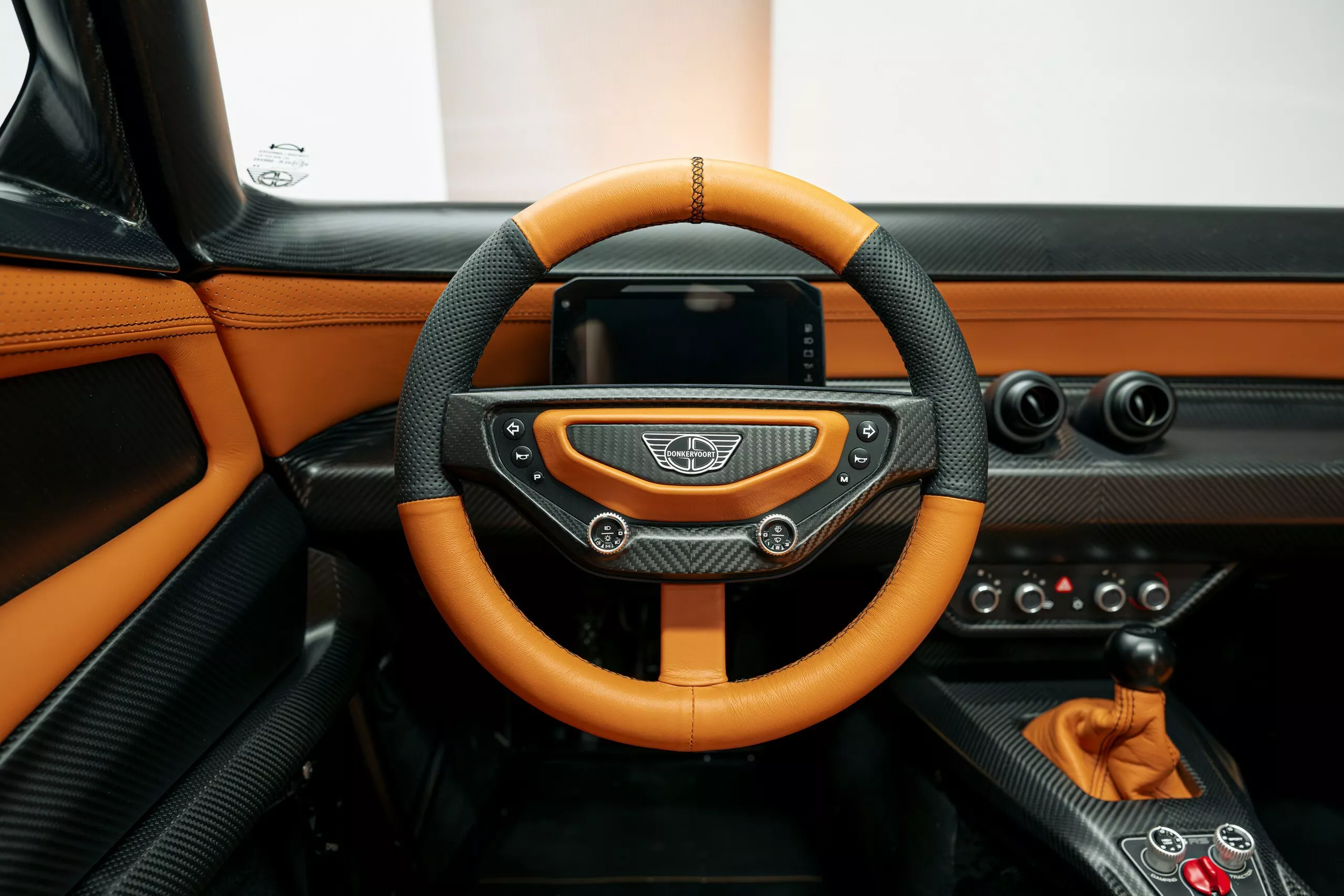
The extensive exposed carbon fiber panels not only form part of the structure but also reduce the weight of covering components. The three-spoke retro steering wheel integrates light and wiper control knobs to avoid distractions during high-speed driving. The fully digital instrument panel has a moderate size, displaying only key driving information such as RPM, speed, and gear position, making it clear and intuitive.
The center control area retains only the mechanical gear lever, electronic handbrake, and driving mode knob. Additionally, to reduce vehicle weight, the P24 RS removes the audio and entertainment system, leaving only the basic air conditioning to meet environmental needs.
The built-in GPS lap timer accurately serves track driving and data recording. Ultra-thin bucket-style sport seats paired with a four-point safety harness optimize support positions and angles to minimize body movement, ensuring stability of the seated posture under high lateral acceleration, and better suit prolonged high-intensity driving.
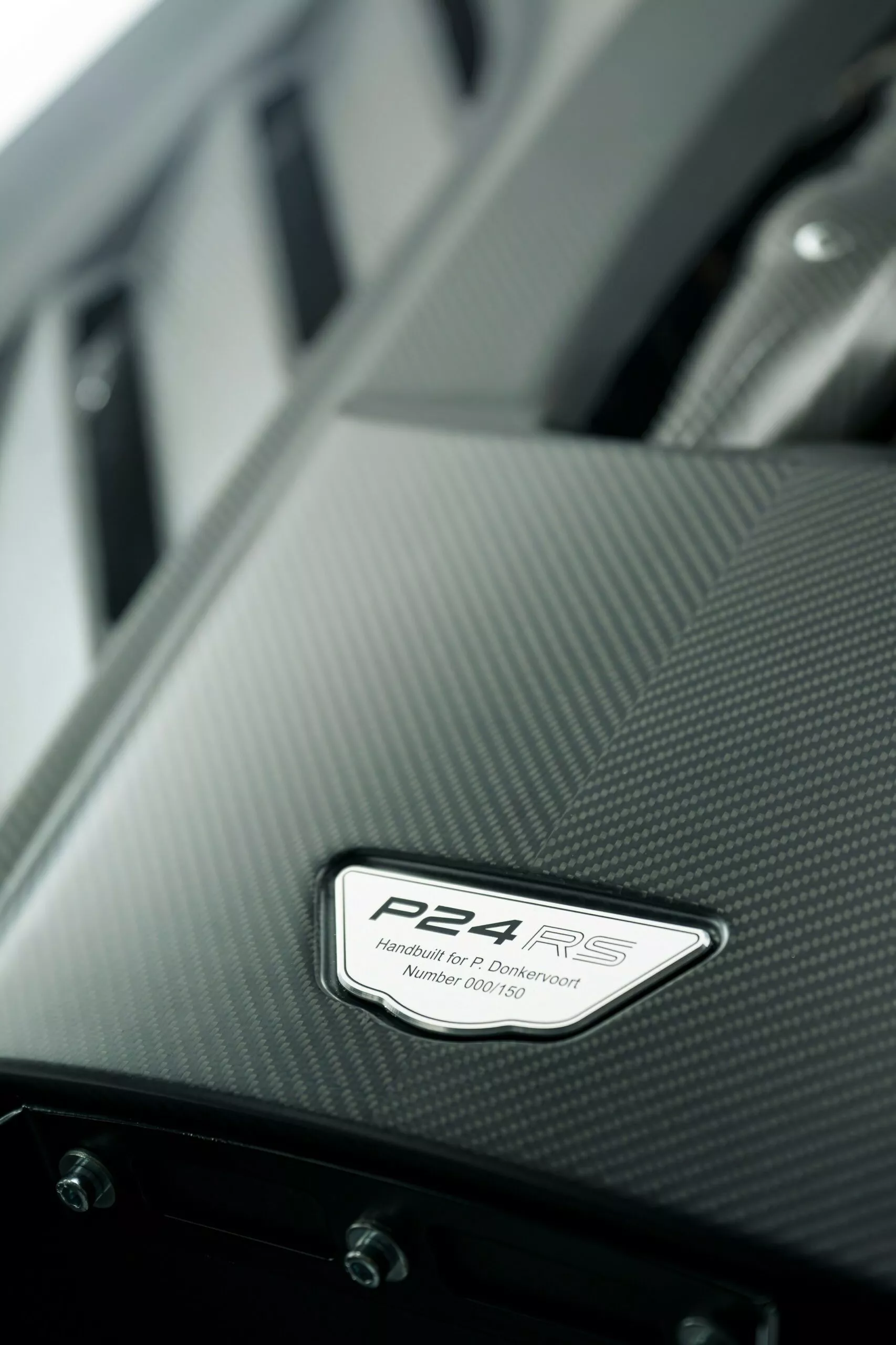
As the most aggressive model in Donkervoort's nearly 50 years of car-making history, the P24 RS is limited to 150 units worldwide and is priced overseas from €298,500 (approximately RM 1,401,923, THB 11,106,244).
With such positioning, it is destined not to be a daily driver for the public, but rather a mechanical tool exclusively for track enthusiasts.
Of course, the extreme pursuit also brings limitations. The manual transmission demands high driving skills, frequent gear changes in congested urban areas can cause fatigue, and the minimalist configuration coupled with almost negligible soundproofing results in a less-than-ideal long-distance driving experience.
Additionally, as Donkervoort is a niche family-run factory with low production output, the chances of officially introducing it are minimal. Even if purchased through import in the future, owners will likely face issues such as limited service centers, long supply cycles for parts, and high maintenance costs.
However, for users who value the sound of internal combustion engines, the feedback of the clutch pedal, and precise steering, the P24 RS gives a clear answer.
In an era where electric vehicles are becoming increasingly homogenized, it adheres to the mechanical essence of fuel-powered cars, interpreting pure driving with extreme lightweight design.
This uncompromising attitude is precisely what makes the Donkervoort P24 RS uniquely charming.
If any infringement occurs, please contact us for deletion
Trending News

The all-new Lexus ES announces pre-sale on March 20: Say goodbye to pure gasoline engines and launch a pure electric version
Lexus's bestseller sedan, the ES, ushers in a major overhaul, officially confirmed to start pre-sales on March 20. The new car has not only undergone significant size extensions based on the GA-K platform but has also made a complete transformation in its powertrain logic — abandoning purely fuel-powered engines in favor of the ES 300h hybrid and the brand-new ES 350e/500e fully electric versions, officially joining the luxury electric sedan market competition.

The Lexus ES 200: Laughed Out of Existence
With the official debut of the eighth-generation Lexus ES in the global market, we quickly realized that the once entry-level model ES 200 has completely disappeared. Now only the ES 350h, ES 350e, and ES 500e remain, and for this reason, the Lexus ES 200 was launched with a two-tone body in the Chinese market as a commemorative edition.

Toyota recalls over 3 million vehicles worldwide, including Camry, Land Cruiser, and Lexus
According to the latest news, Toyota has officially launched a large-scale global recall involving approximately 3.3 million vehicles due to a defect in the reverse assist system software, which may cause the screen to freeze at critical moments.

Toyota Land Cruiser FJ confirmed to launch in Thailand on March 21, expected to start from RM137k
For those obsessed with the rugged DNA of the Land Cruiser but deterred by the high price tags of the 300 Series or 250 Series, this compact off-road vehicle built on the IMV 0 platform is undoubtedly the most anticipated surprise of the year.

Before buying a Mitsubishi Xpander, you must know these 5 common issues
Although the overall mechanical quality of Mitsubishi Xpander is widely recognized as economical and durable, according to extensive feedback from owners, Xpander may encounter the following 5 problems.










Popular Cars
Model Year
Car Compare
Car Photo