
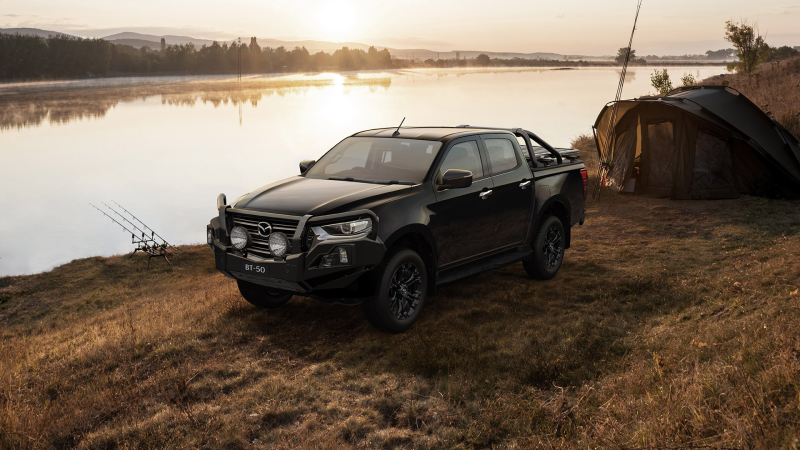
Mazda Australia stated that there are currently no plans to launch an electric version of the BT-50.
 LienAug 28, 2025, 05:44 PM
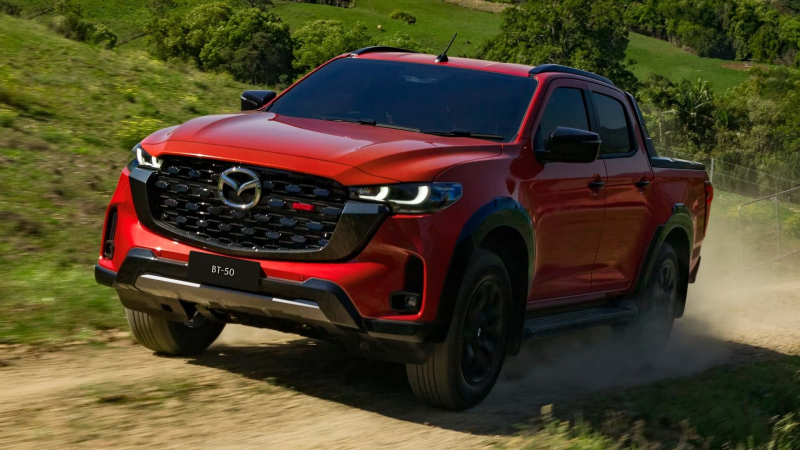
[PCauto] Mazda Australia Managing Director Vinesh Bhindi recently stated that the company will not be launching an electric truck (EV truck) in the near future, such as an electric version of the BT-50, and emphasized that diesel power will remain dominant in the market for the foreseeable future.
This position contrasts sharply with the global trend of electrification in the automotive industry, especially considering that Isuzu has planned to mass-produce the D-Max EV electric pickup by 2025.
Bhindi pointed out that plug-in hybrid (PHEV) and battery electric vehicle (BEV) technologies are not the only solutions, as diesel power remains irreplaceable due to Australia's unique geographic and market demands.
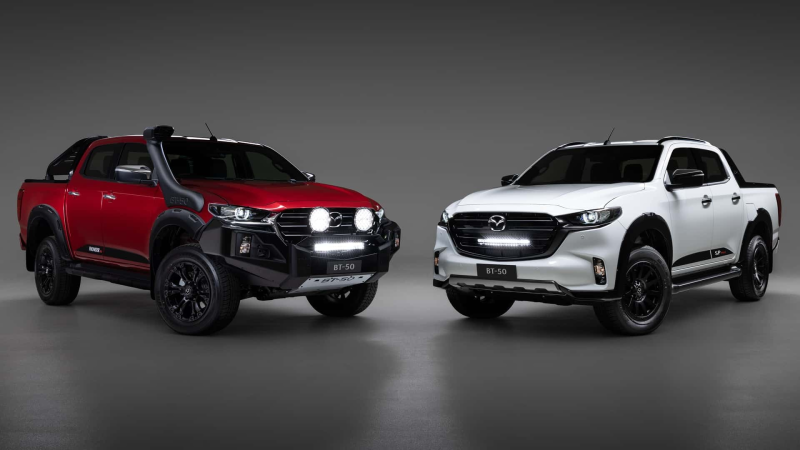
The Australian Pickup Truck Market is Dominated by Diesel Models, Supporting Mazda's Decision
According to data from the Federal Chamber of Automotive Industries (FCAI) in Australia, diesel vehicles held a very high market share in 2023 pickup truck sales, accounting for about 90% of the market.
Consumer demand for high torque, long range, and reliability makes diesel power more advantageous in commercial and remote area applications.
Bhindi specifically mentioned that Australia's vast and sparsely populated characteristics result in insufficient charging infrastructure coverage, especially in inland and rural areas, which limits the practicality and adoption speed of electric trucks.
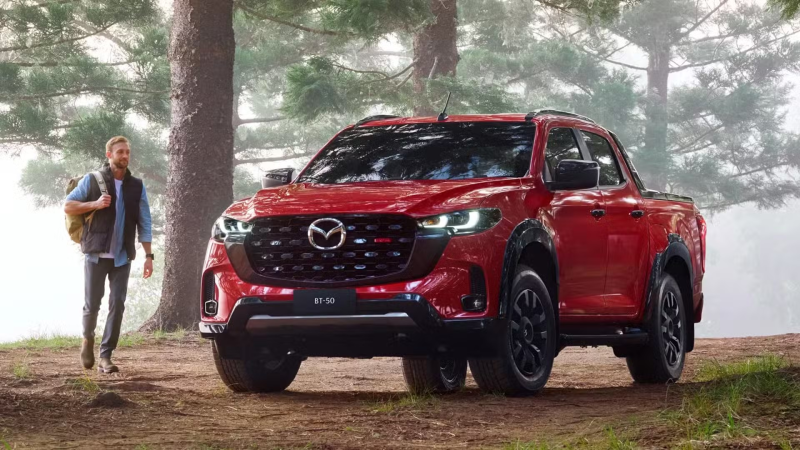
Mazda Believes that Current Battery Technology Does not yet Meet the Needs of Heavy Loads and Long-distance Transportation for Pickups
From a technical perspective, Mazda believes that current battery technology does not fully meet the needs of heavy loads and long-distance transportation for commercial pickups.
The high torque characteristics of diesel engines at low RPM make them more suitable for towing and carrying heavy loads, while the battery weight and range anxiety of electric models may become shortcomings in similar scenarios.
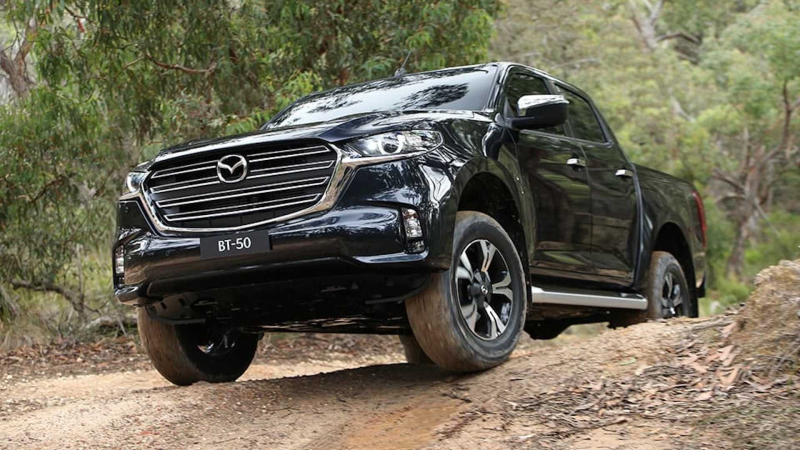
The Mazda BT-50, being a mid-sized pickup, is currently powered by 2.2L and 3.0L turbo diesel engines, delivering 161 horsepower and 187 horsepower respectively, with torque values of 400Nm and 450Nm.
In addition, the maintenance network for diesel vehicles is more mature in Australia, and users' familiarity with traditional powertrains has reduced the urgency of transitioning to electrification.
Moreover, although the Australian government is promoting strategies for electric vehicle development, including policies like NVES (New Vehicle Efficiency Standards), Mazda's diesel technology remains competitive in terms of CO2 emissions, which provides a buffer for the Mazda BT-50.
Bhindi stated that Mazda might explore mild-hybrid technology as a transitional solution, similar to the hybrid diesel version recently launched by the Toyota Hilux, which reduces emissions without compromising the advantages of diesel.
Mazda's Stance Reflects the Generally Conservative Approach of Japanese Automakers in the Transition to Electrification
Not just Mazda, but Toyota and Honda also prioritize the development of hybrid technology over full electrification, emphasizing technological maturity and real-world user needs.
Other brands like the Ford Ranger, BYD Shark, and GWM Cannon Alpha have introduced plug-in hybrid pickups, but market feedback remains to be observed.
In fact, Mazda's Parent Company is Actively Promoting Vehicle Electrification
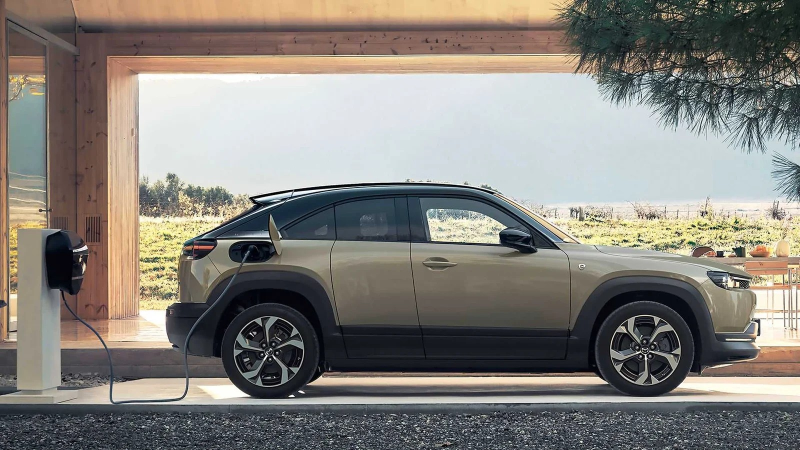
Mazda's global electrification strategy differs significantly from its local strategy in Australia. The parent company plans to achieve 25-40% of global sales as electric vehicles by 2030 and has launched products like the MX-30 EV in markets such as Europe and the US.
However, the Australian market is considered a special case, and Mazda has chosen to take a more cautious localized approach.
This forms a contrast with Isuzu's aggressive electrification—its D-Max EV concept car was unveiled in 2023 and is planned for mass production by 2025. However, its high starting price (expected to be far higher than the diesel version) may limit market acceptance.
Bhindi emphasized that Mazda will let market demand guide decisions rather than blindly follow industry trends.
If any infringement occurs, please contact us for deletion






Popular Cars
Model Year
Car Compare
Car Photo