
More spacious than the Honda CR-V, SAIC H5 equipped with Huawei ADS advanced intelligent driving
 LienJan 15, 2026, 03:36 PM
SAIC H5 equipped with Huawei ADS 4 Intelligent Driving System
The lateral wheelbase of SAIC H5 is 2804mm, with ample rear row space
SAIC H5 is an extended-range mid-size SUV
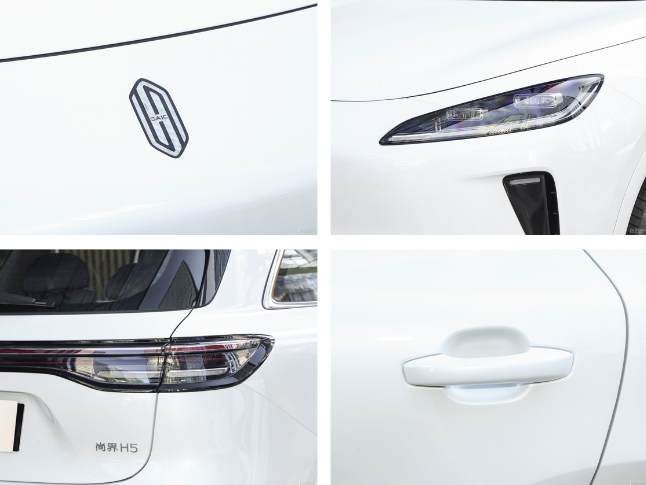
【PCauto】As the first car of the fifth sub-brand of HarmonyOS, SAIC H5 is a mid-size SUV co-developed by Huawei and SAIC. Interestingly, the English logo of SAIC is consistent with SAIC.
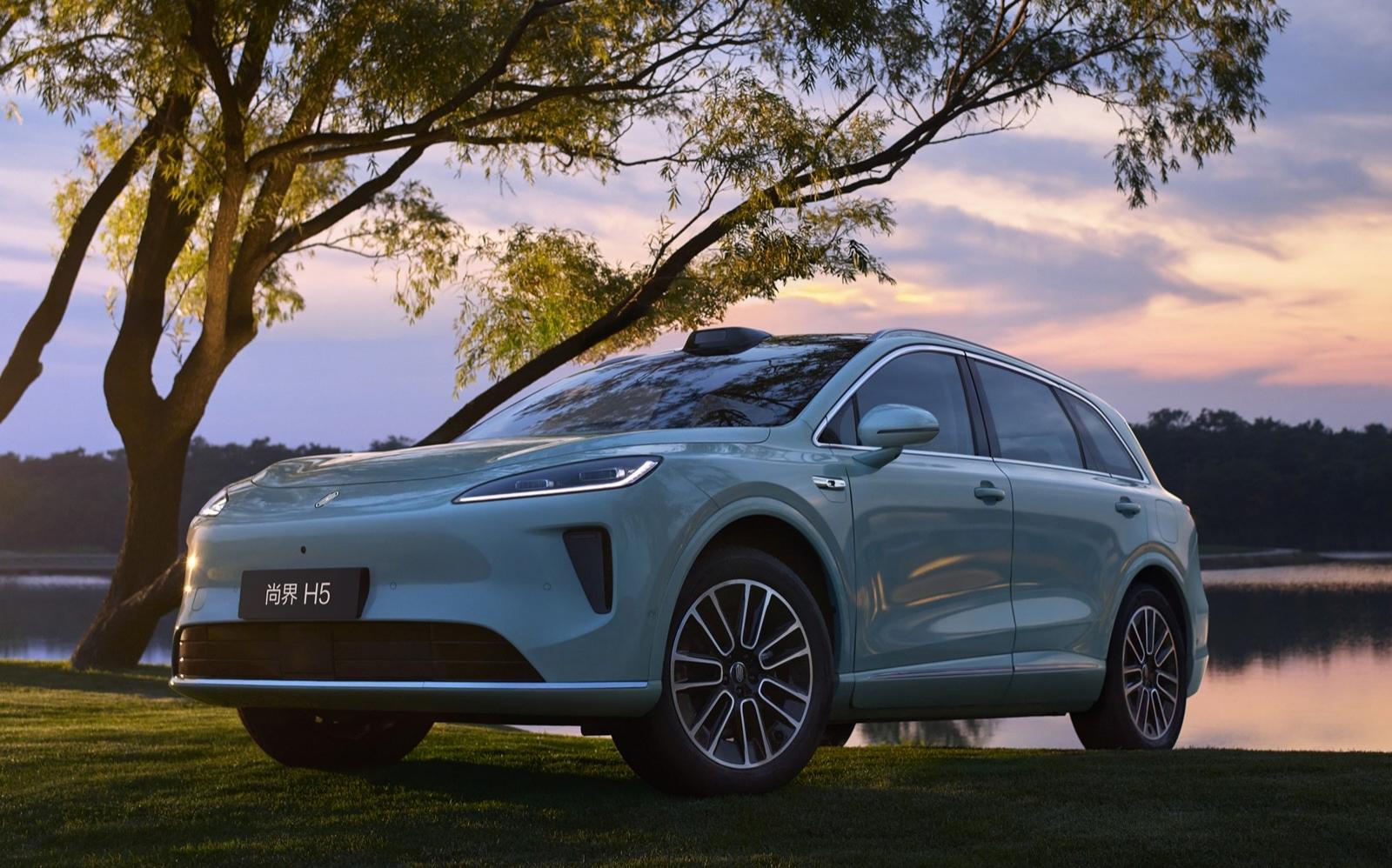
Compared to the other four series of Harmony Intelligent Mobility Alliance(HIMA), the unique feature of SAIC H5 lies in the ability to enjoy the Huawei ADS 4 Intelligent Driving System and complete HarmonyOS cockpit experience as standard across all models for a lower price.
Additionally, it fills the gap in the mainstream household vehicles within the Harmony ecosystem, balancing well in terms of intelligence, space, and range compared to other models of the same series.
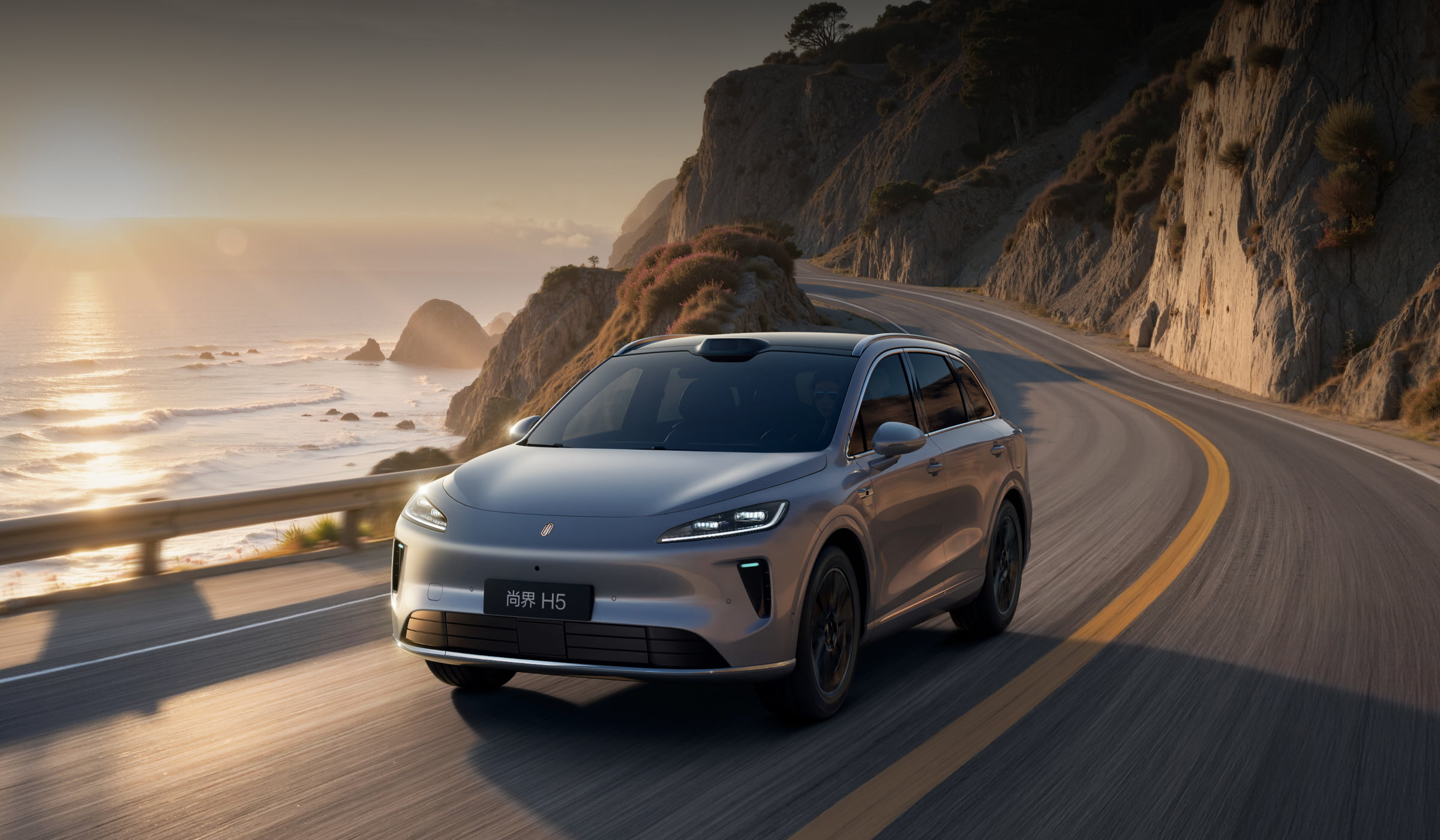
What’s even more commendable is that, as a new energy vehicle, it doesn't blindly pursue full intelligence but thoughtfully retains many driving habits familiar to fuel vehicle users.
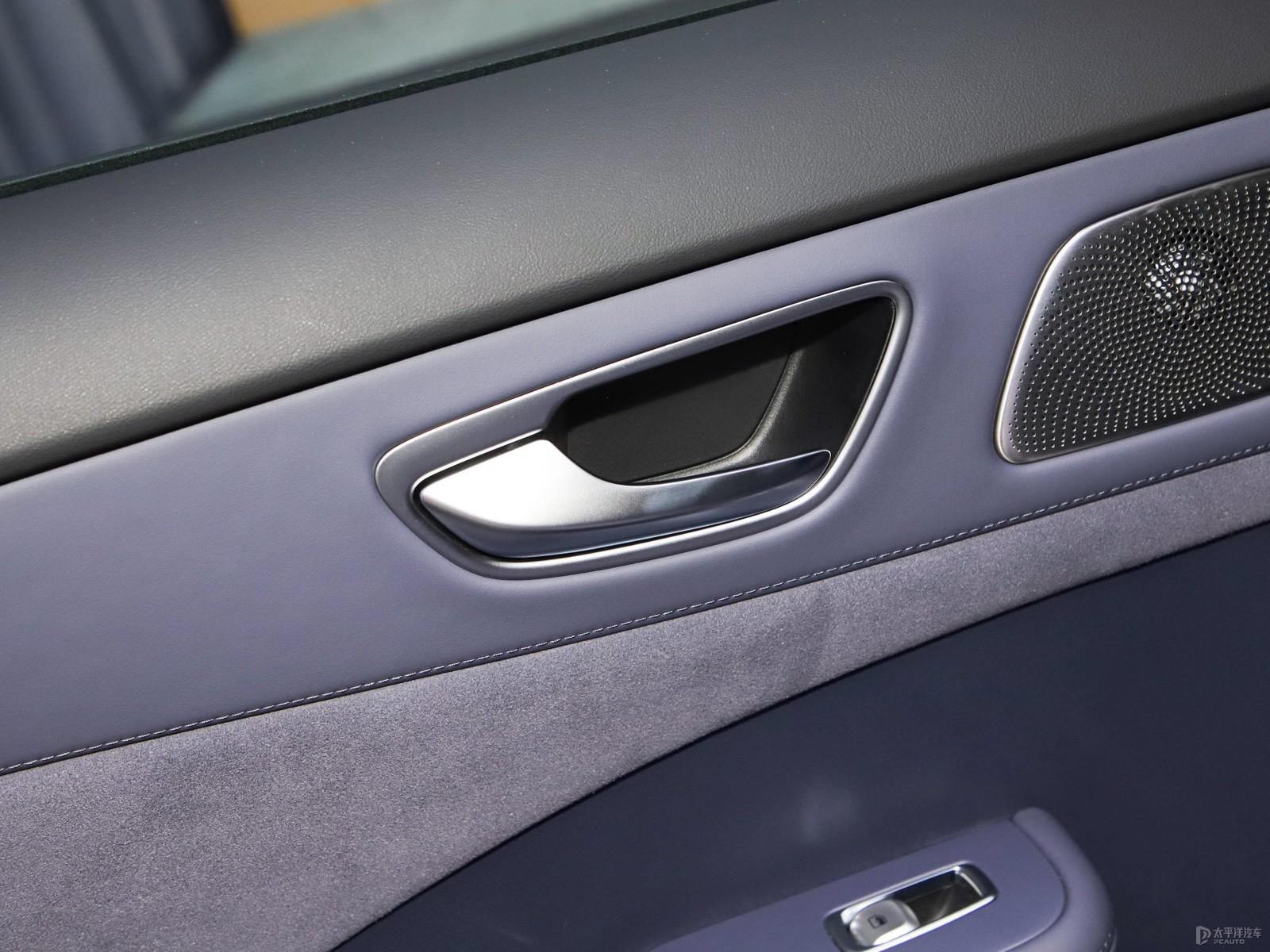
- Amid the industry's trend of hidden or semi-hidden door handles, the SAIC H5 insists on using mechanical door handles. The damping sense and force application logic when opening the door are more in line with the traditional driving experience;
- It even adopts a column-mounted gear lever design for shifting, with an operational logic similar to traditional gear levers, making it intuitive to use and more convenient for shifting during long drives.
Next, let's closely look into this vehicle that balances advanced intelligence with practical features.
First, we must praise the Huawei ADS 4 intelligent driving system, which is absolutely a strong suit of the SAIC H5 and its most noteworthy core feature. After an actual test drive, the greatest impression is how it integrates intelligent driving into every detail of daily usage, making it extremely user-friendly.
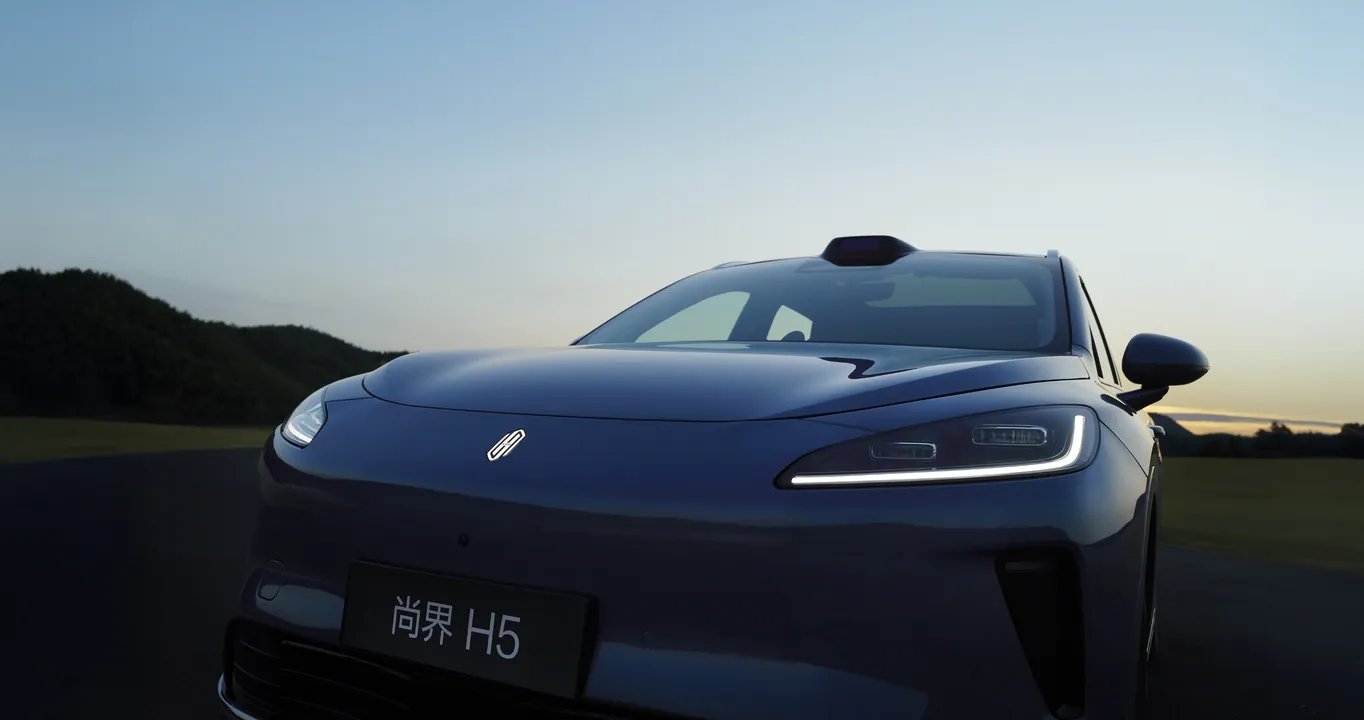
And then speaking of traffic congestion during the morning rush hour in urban areas, the traffic flow is so heavy that cars are almost bumper-to-bumper.
However, every time I turn on the Adaptive Cruise Control (ACC), it makes driving very convenient. The distance between my car and the vehicle in front is maintained at around one meter. Even if the car in front frequently taps the brakes, my car can decelerate linearly and follow smoothly without any jerky speed changes.
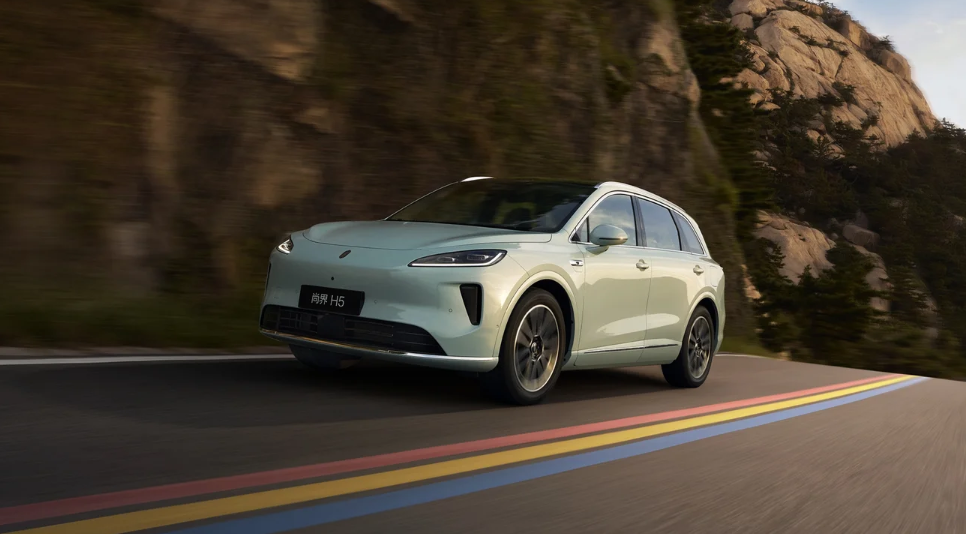
What impressed me the most was during a traffic jam when a taxi suddenly cut in from the right lane. Before I could react, the system had already quickly detected it, gently tapped the brakes, and slightly adjusted the direction to smoothly yield to the other vehicle. The entire process was so smooth it felt like it was being handled by an experienced driver, without any sense of abruptness.
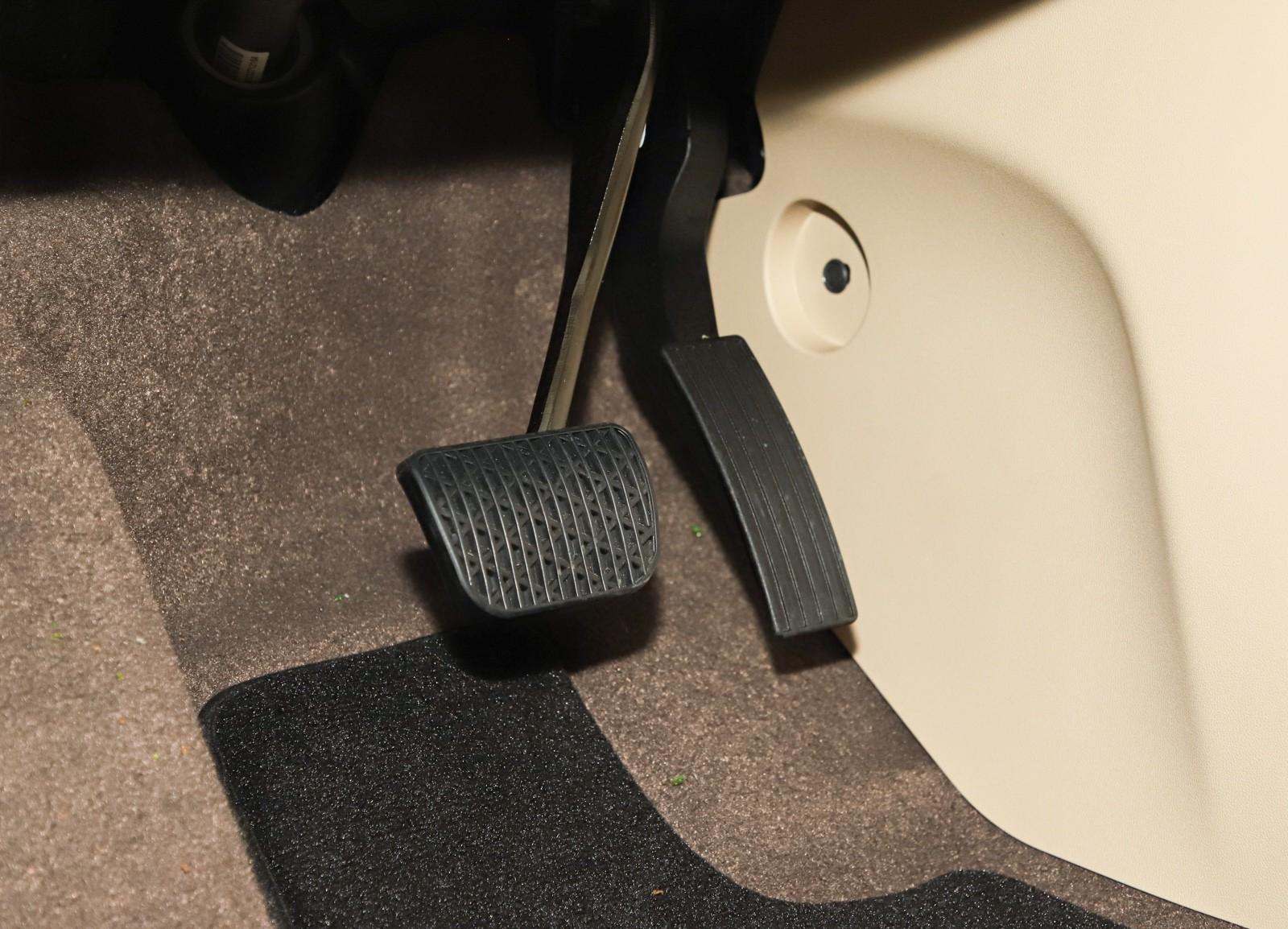
Speaking of which, what used to be a half-hour traffic jam was much more bearable as I didn’t have to frequently step on the pedals throughout the journey. My ankle felt much more relaxed when getting off the car, significantly reducing driving fatigue during traffic congestion.
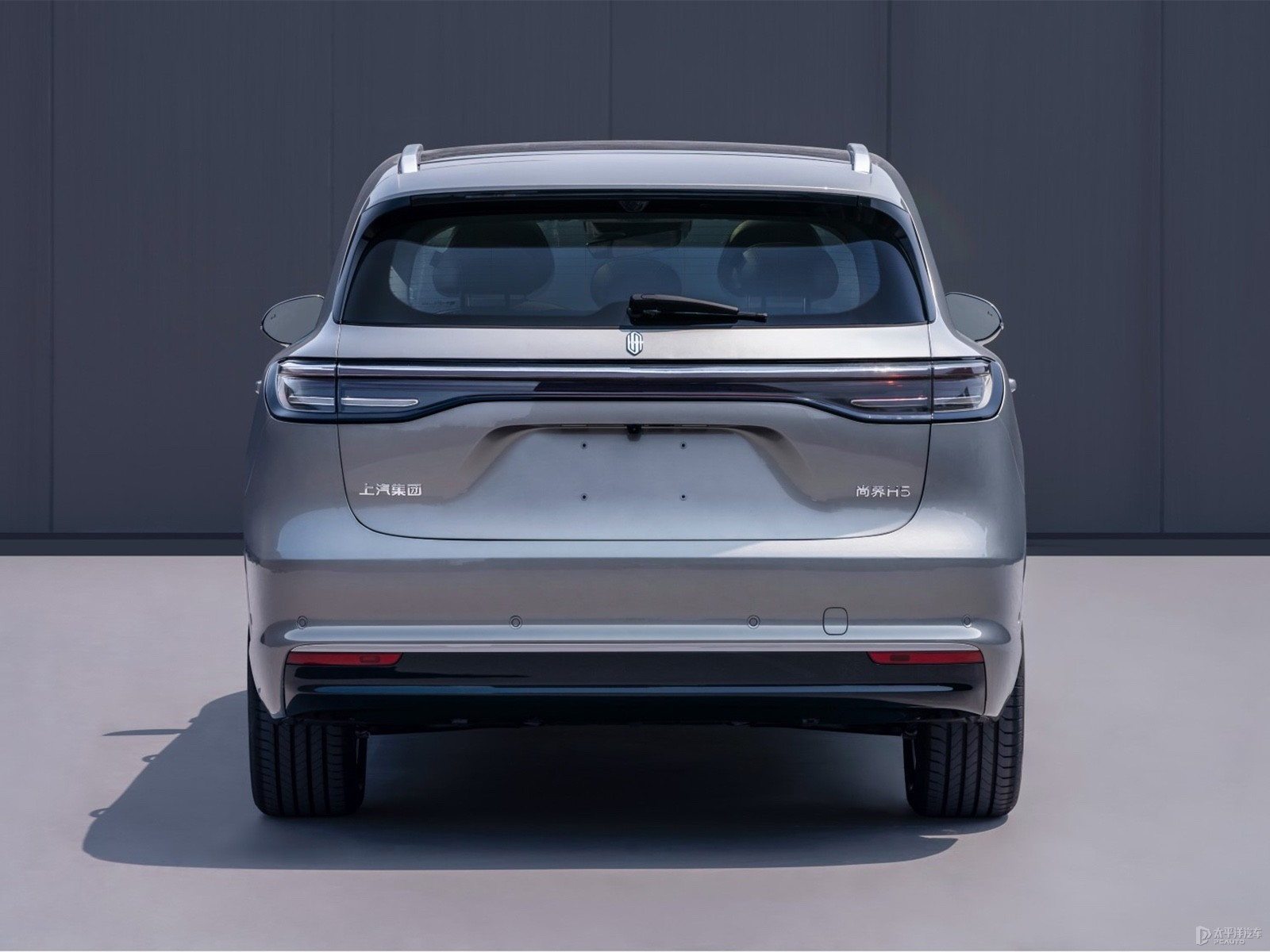
Additionally, running on highways is where it really shines. Every time I go on a road trip with two or three friends, I like to activate the intelligent driving assistance after starting the car. The vehicle will enter the ramp and get onto the highway autonomously, and the entire trip can be confidently entrusted to the car itself.
As the driver, I only need to keep an eye on the surroundings. When using the intelligent driving system, automatic lane changing and overtaking are smooth and natural. Even when passing through tunnels or complex interchanges, it accurately identifies the route without requiring frequent manual adjustments, making long-distance driving significantly easier.
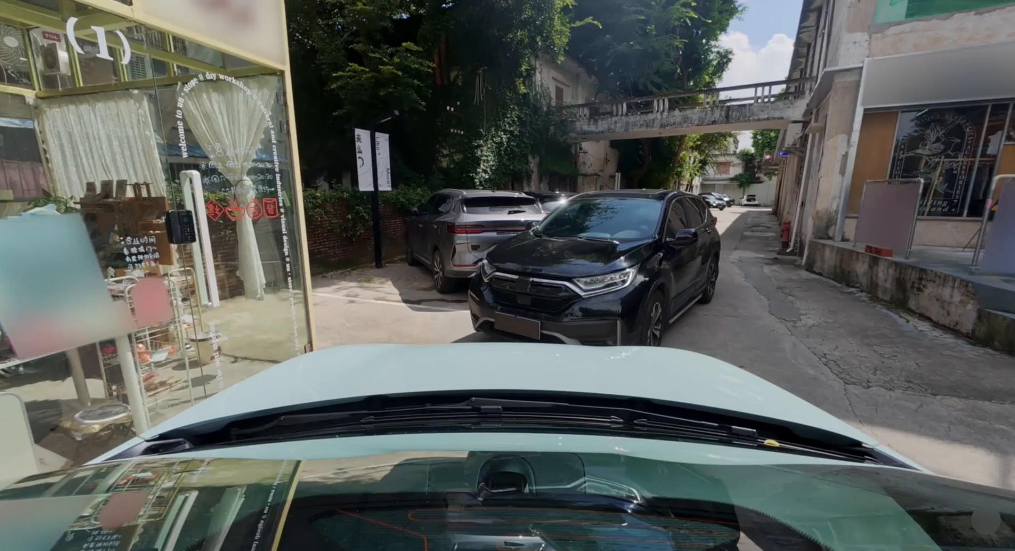
What’s even more surprising is the automatic parking feature. Sometimes when I go to the mall and encounter a narrow parking space, I used to have to maneuver back and forth several times or even fail to park.
Now, I just call Huawei's voice assistant "Hey Celia, help me park," and the car can automatically identify an empty parking space and park steadily. What’s even more considerate is that I can get out of the car directly, and the vehicle will find a parking spot on its own, effectively solving the parking problem.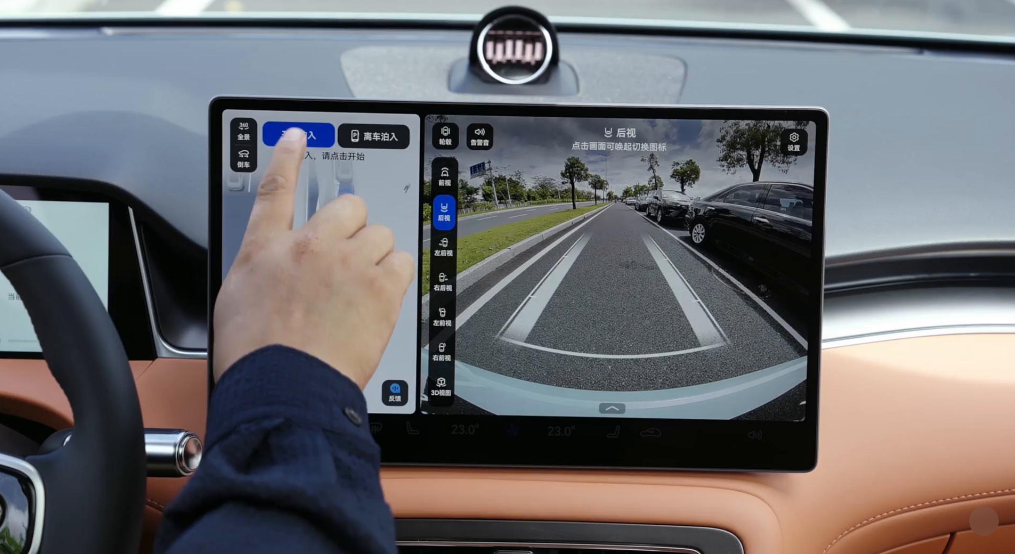
The intelligent driving experience is truly impressive, and the HarmonyOS cockpit inside the car does not disappoint either. After actual use, the biggest feeling is that it fits daily usage habits exceptionally well — everything just feels intuitive and convenient.
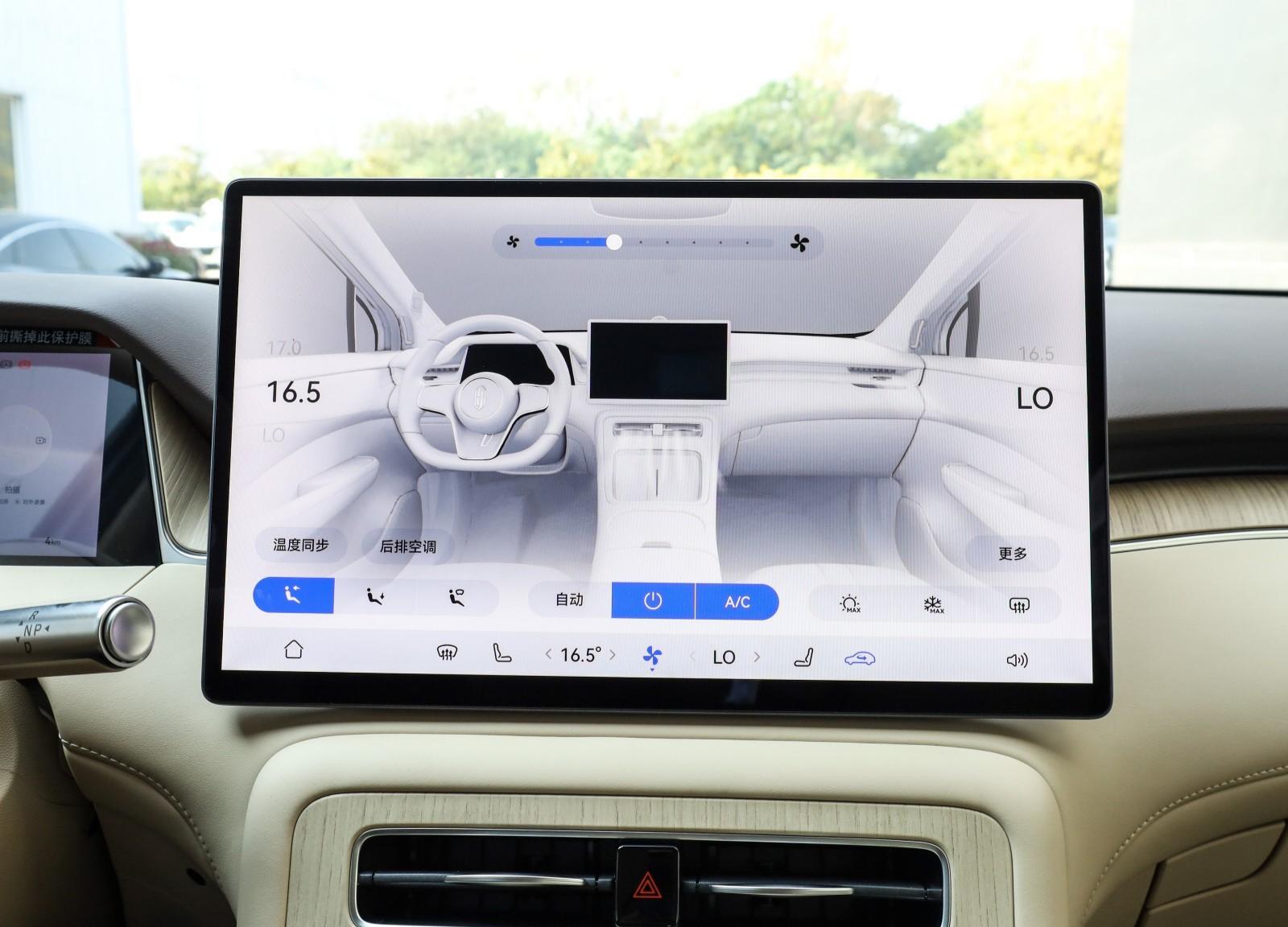
The 15.6-inch central control screen operates smoothly without any lag, and the operational logic is highly consistent with Huawei smartphones, requiring no extra learning or adaptation.
And Huawei's voice assistant "Celia" is powerful. while driving, you only need to give verbal commands, such as "Hey Celia, turn on the air conditioner to level two," and the air vents will respond immediately.
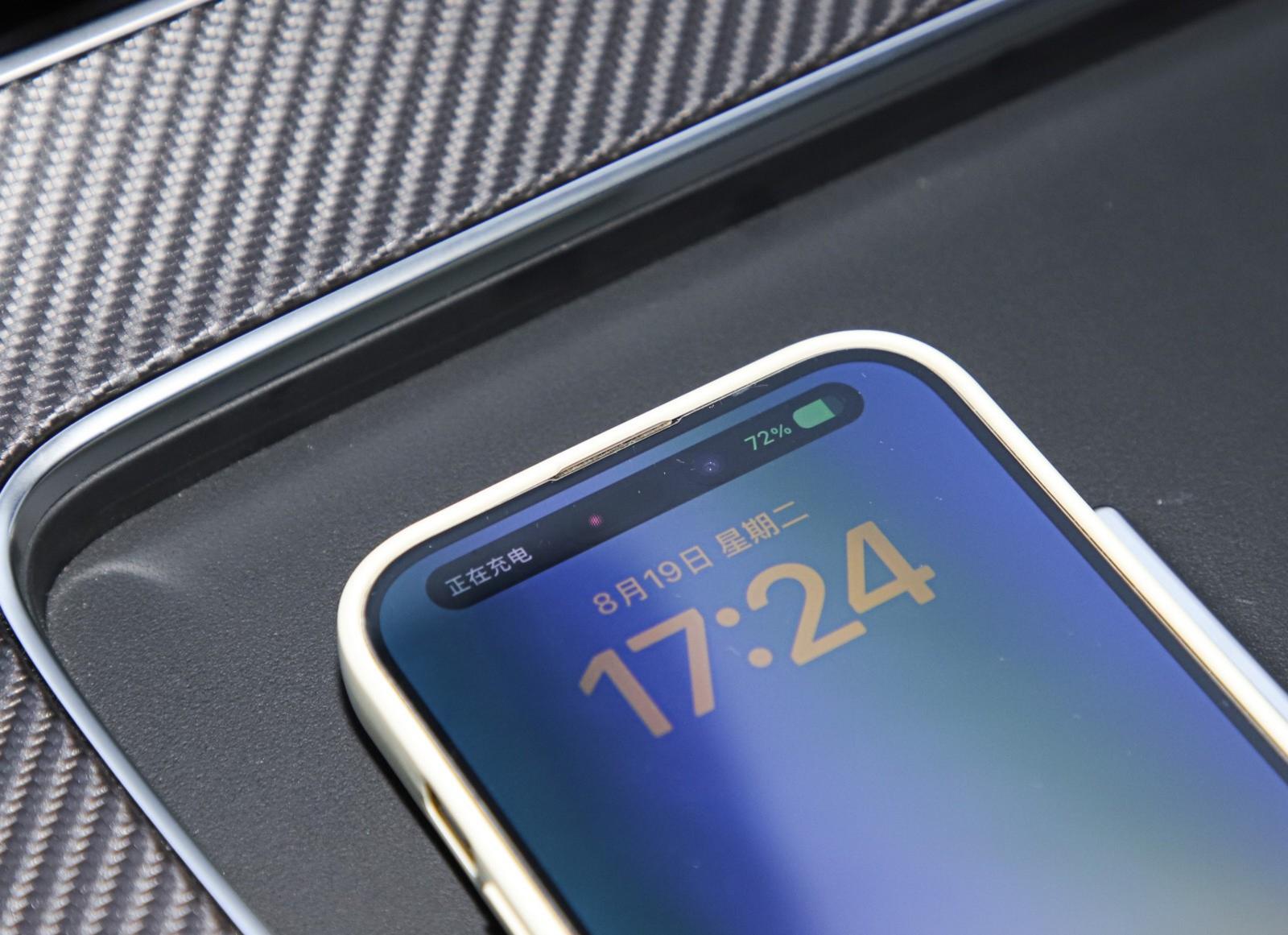
What’s even more noteworthy is that, if you use a Huawei smartphone, the car's system can integrate seamlessly with your phone.
For instance, if you haven’t finished listening to a song on your phone before heading out in the morning, the central control screen will automatically resume playback, ensuring no interruptions.
Additionally, the remote vehicle control function allows you to turn on the air conditioner via the mobile app before getting in the car during winter or summer, so you can enjoy a comfortable temperature as soon as you enter, it's extremely practical.
In addition to intelligence and power, interior space is a key concern for family cars. We compared the SAIC H5 with the Honda CR-V, which is known for its space design, and the comparison is highly insightful.
The Honda CR-V has a wheelbase of 2660 mm, whereas the SAIC H5 achieves 2840 mm, offering a significant 180 mm advantage in wheelbase. This ensures that the interior longitudinal space surpasses the Honda CR-V in terms of seating comfort and storage flexibility.
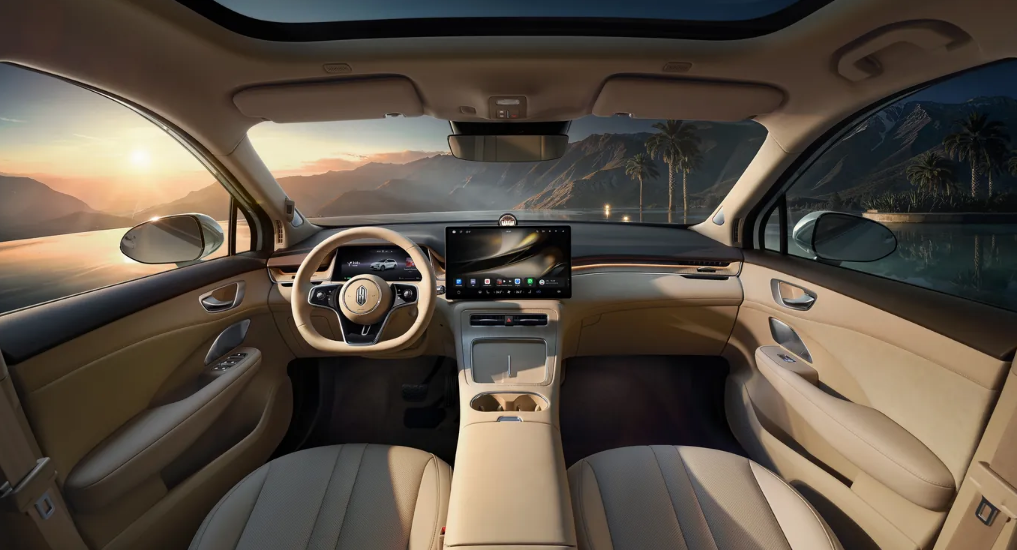
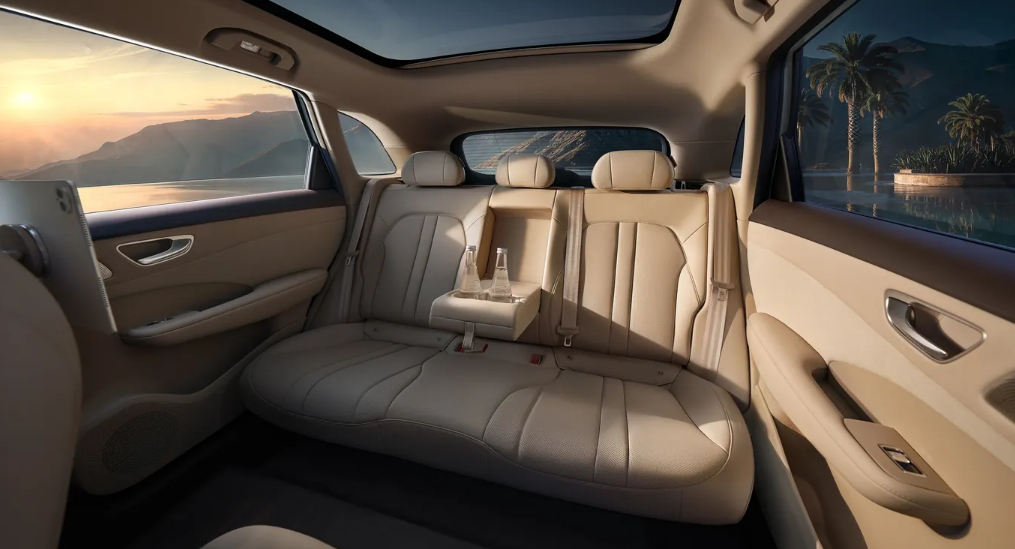
The interior space design of the SAIC H5 is entirely built around household scenarios. A passenger with a height of 175 cm sitting in the rear row can easily leave more than two fists of legroom, and even crossing legs is not cramped at all.
More thoughtfully, the rear floor is flat, so the middle passenger doesn't need to hunch or bend their legs. During long trips, both feet can rest naturally, and the car won't feel crowded even when fully occupied by the family.
And the seat adjustment angle is also highly flexible, with the rear seat backrest supporting multiple reclining angles. Whether you want to recline slightly or sit upright, you can find a comfortable position. This is more practical than the fixed-angle rear backrest of the CR-V.
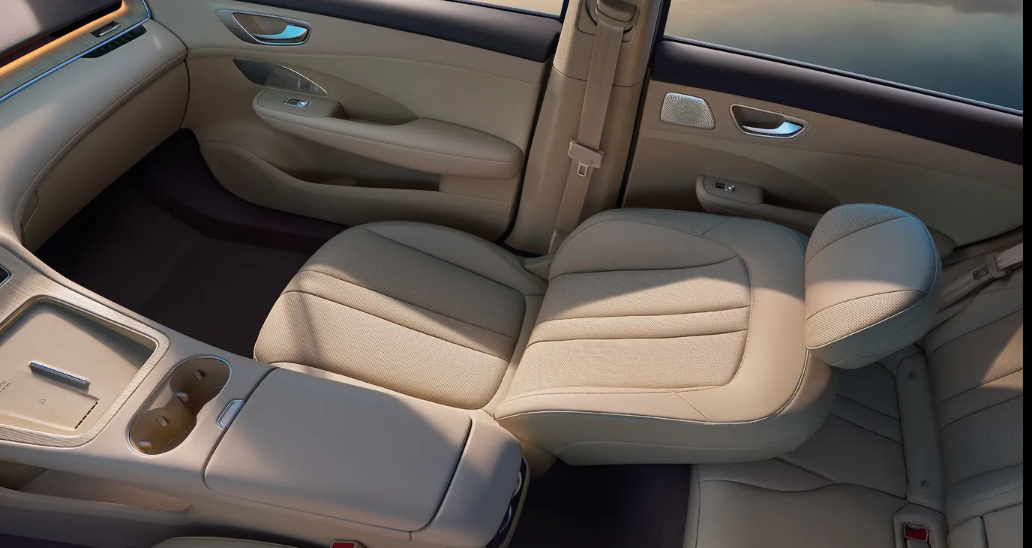
What's more, the interior storage design also takes details into account. A through-type storage slot is left under the front center console, which is deep enough to hold large-sized phones, wallets, and car chargers, and can be retrieved without bending down.
The storage compartments in the door panels feature a layered design, with the upper layer for water bottles and the lower layer for folding umbrellas or tissues. Compared to the single storage compartment in the CR-V door panel, the utilization rate is significantly higher.
Moreover, the front center armrest box not only has a considerable capacity but also features layered dividers inside, allowing small items like charging cables and documents to be stored separately.

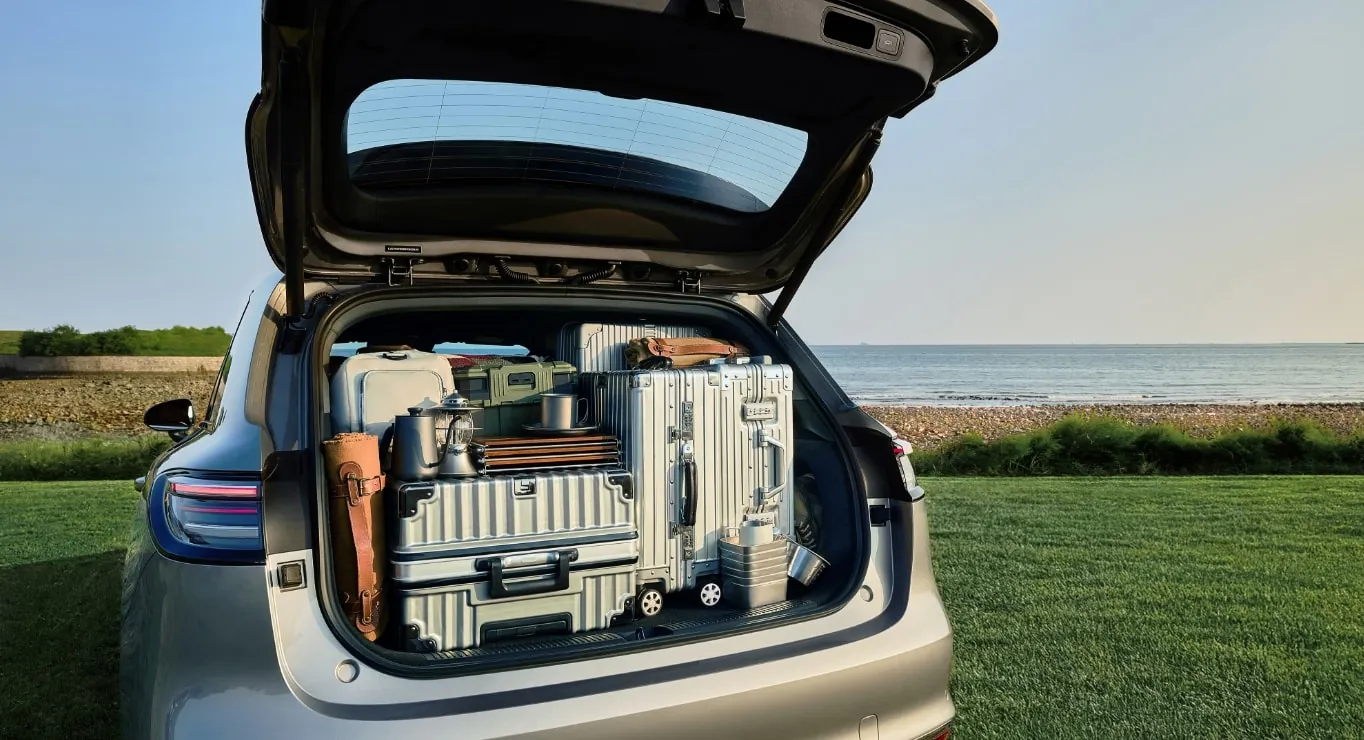
Take a look at the practicality of the trunk, which is simply a standout feature. The standard capacity reaches 601 liters, larger than the regular trunk of the CR-V. It can easily fit three 28-inch suitcases and two large backpacks for daily use.
The rear seats support a split-folding design, and when folded flat, they create a nearly entirely flat extended space, extending to about 1.8 meters in length. Large items such as foldable wardrobes, strollers, camping tents, and folding tables and chairs can all be easily accommodated, so you no longer need to worry about not having enough space.
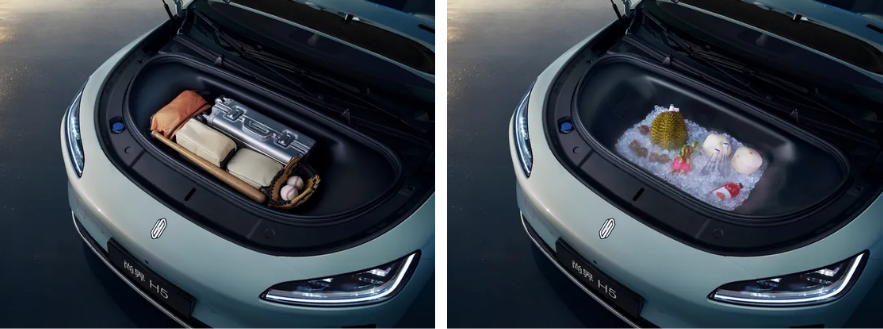
What’s more worth mentioning is the exclusive 124-liter front trunk of the pure electric version. It features an independent sealed design specifically for storing charging cables, vehicle tools, or car wash towels and other small items.
This eliminates the need to pile them together with large items in the trunk, making storage more organized and preventing charging equipment from dirtying other luggage. This kind of dual storage compartment design, with both front and rear spaces, is not available in Honda's models of the same class.
It truly enhances the storage flexibility in daily household scenarios, making full use of every space.
Of course, the SAIC H5 is not without its flaws, and some minor shortcomings were noticed during actual use.
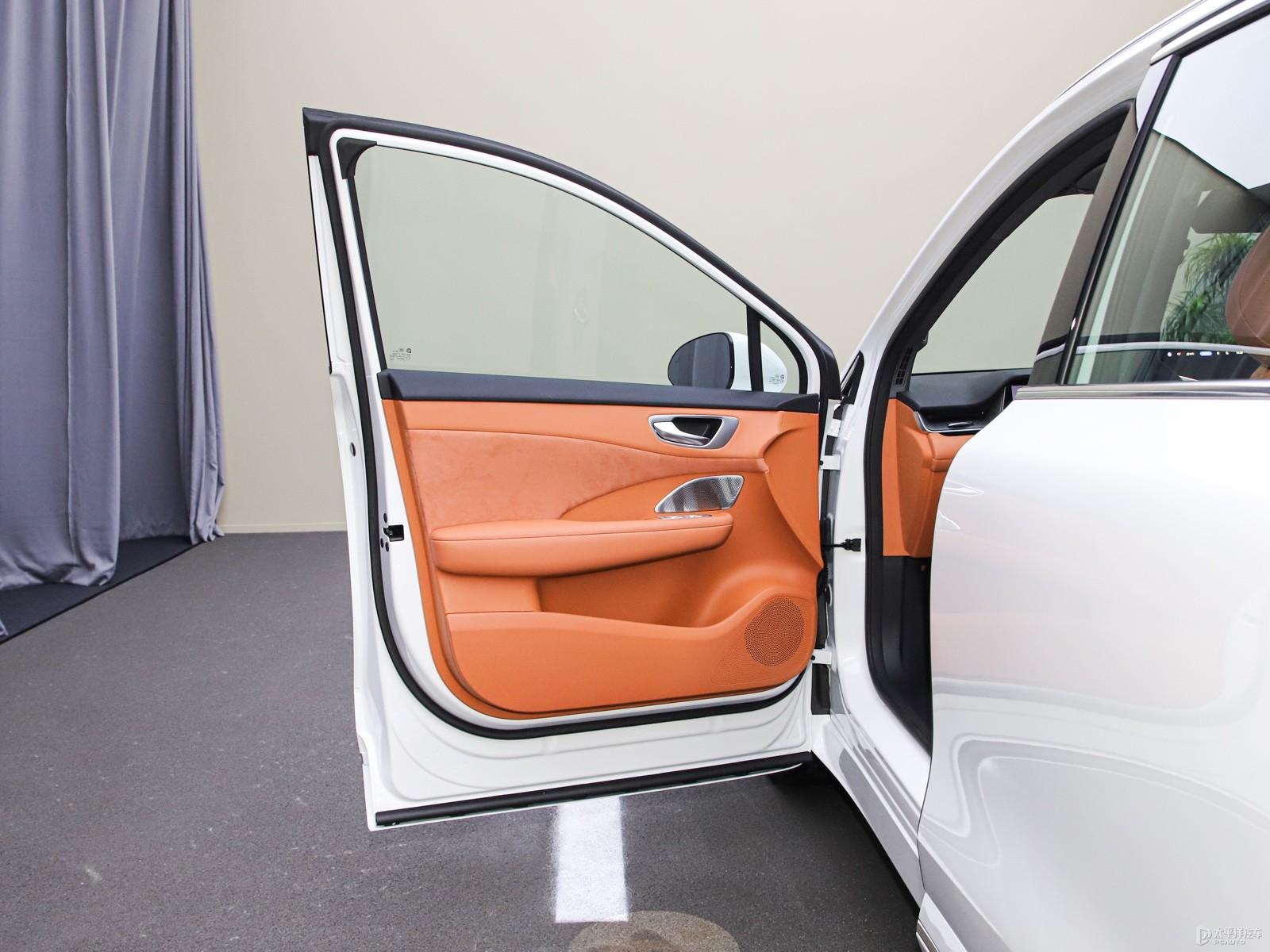
- The interior uses quite a bit of hard plastic material, and the combination of hard plastic and suede on the door panels appears somewhat abrupt;
- The interior door handles appear to be made of metal but are actually plastic, which compromises the tactile experience;
- The seat leather is relatively hard, making long-distance travel uncomfortable.
In terms of comfort configuration, it is somewhat toned down compared to the AITO model. Heated steering wheel is only available in the top-spec model, and the rear seats lack ventilation, heating, and massage features. Even a physical key needs to be purchased separately.
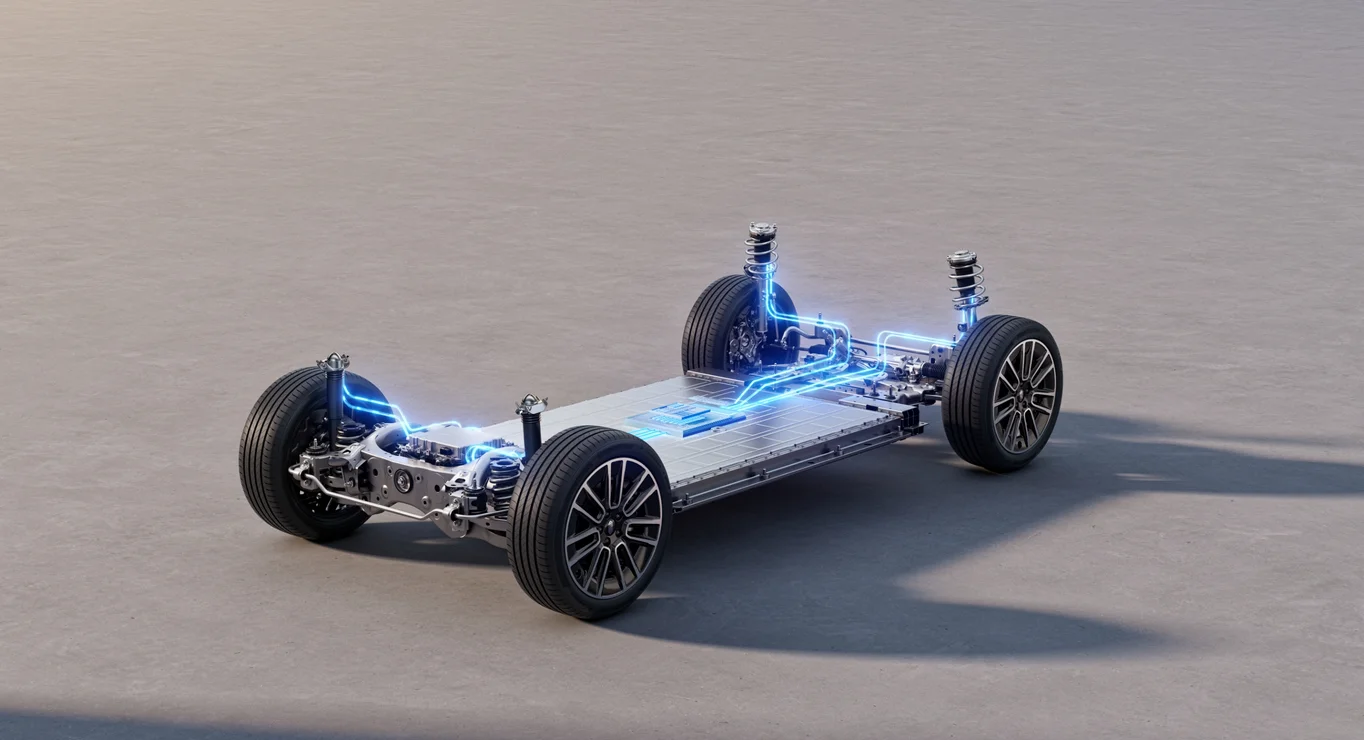
The chassis tuning also has its shortcomings. The front suspension adopts a MacPherson setup, which results in noticeable body shake when going over speed bumps or rough roads. The bumpiness is directly transmitted to the cabin, and during hard braking, nose-diving is quite pronounced.
In fact, when choosing a family car, the core is never about adding extra configurations but about making every trip fit life itself. SAIC H5 precisely meets this demand with the philosophy of "affordable high-level intelligence and accommodating the warmth of life." It incorporates the ease of Huawei ADS 4 intelligent driving and the convenience of the HarmonyOS cockpit into the space of a 2840mm wheelbase.
So, SAIC H5 is not just a means of transportation but more like a travel companion that understands your needs.
If any infringement occurs, please contact us for deletion
Trending News

The all-new Lexus ES announces pre-sale on March 20: Say goodbye to pure gasoline engines and launch a pure electric version
Lexus's bestseller sedan, the ES, ushers in a major overhaul, officially confirmed to start pre-sales on March 20. The new car has not only undergone significant size extensions based on the GA-K platform but has also made a complete transformation in its powertrain logic — abandoning purely fuel-powered engines in favor of the ES 300h hybrid and the brand-new ES 350e/500e fully electric versions, officially joining the luxury electric sedan market competition.

The Lexus ES 200: Laughed Out of Existence
With the official debut of the eighth-generation Lexus ES in the global market, we quickly realized that the once entry-level model ES 200 has completely disappeared. Now only the ES 350h, ES 350e, and ES 500e remain, and for this reason, the Lexus ES 200 was launched with a two-tone body in the Chinese market as a commemorative edition.

Toyota recalls over 3 million vehicles worldwide, including Camry, Land Cruiser, and Lexus
According to the latest news, Toyota has officially launched a large-scale global recall involving approximately 3.3 million vehicles due to a defect in the reverse assist system software, which may cause the screen to freeze at critical moments.

Toyota Land Cruiser FJ confirmed to launch in Thailand on March 21, expected to start from RM137k
For those obsessed with the rugged DNA of the Land Cruiser but deterred by the high price tags of the 300 Series or 250 Series, this compact off-road vehicle built on the IMV 0 platform is undoubtedly the most anticipated surprise of the year.

Before buying a Mitsubishi Xpander, you must know these 5 common issues
Although the overall mechanical quality of Mitsubishi Xpander is widely recognized as economical and durable, according to extensive feedback from owners, Xpander may encounter the following 5 problems.










Popular Cars
Model Year
Car Compare
Car Photo