
Rumor: Xiaomi is in talks with Stellantis about acquiring a small stake in Maserati
 LienMar 20, 2026, 10:47 AM
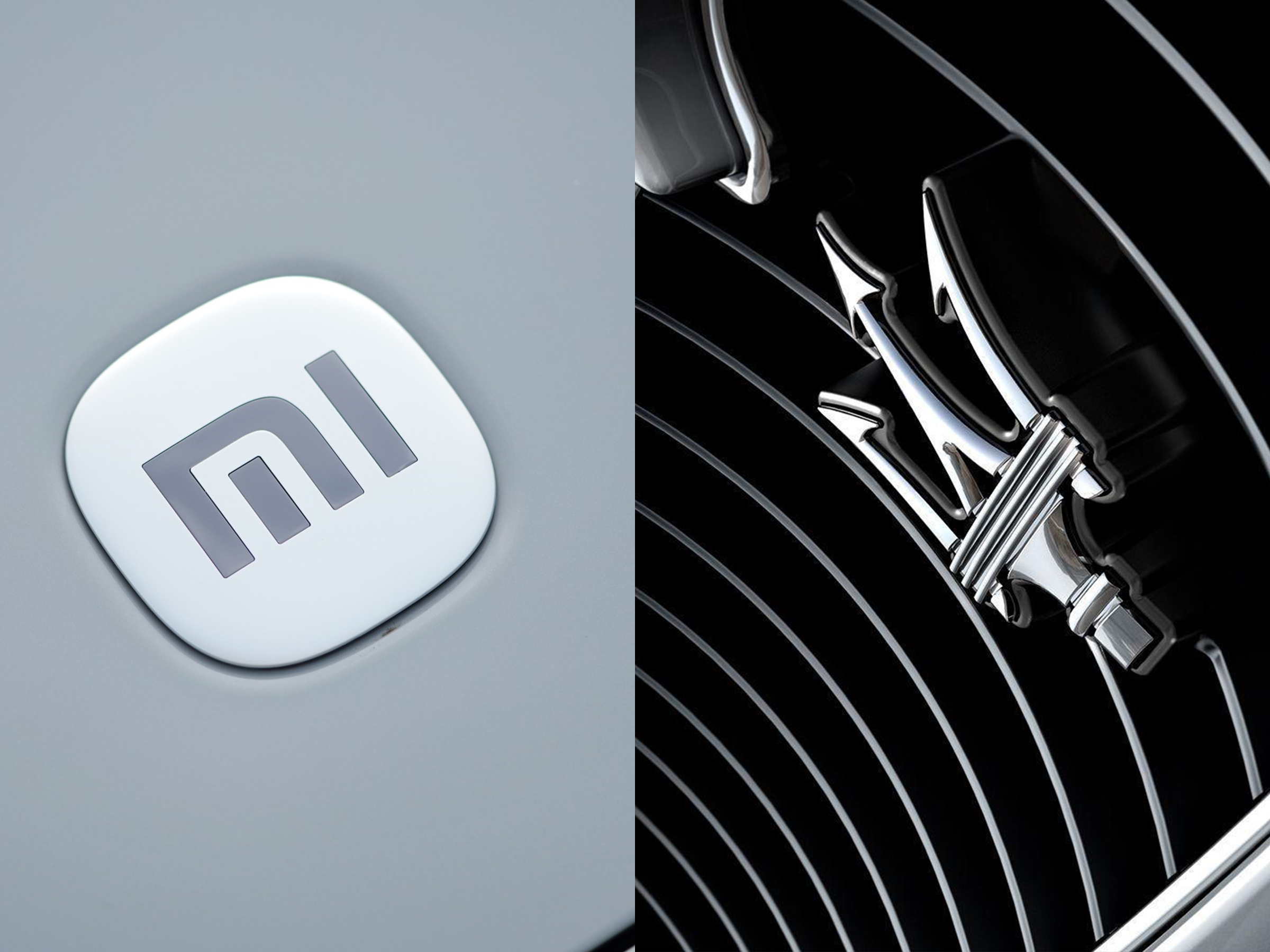
[PCauto] In March 2026, Bloomberg reported that the global automotive giant Stellantis was in early talks with emerging Chinese car brands Xiaomi and XPeng to explore the possibility of Chinese automakers investing in its European business.
The discussions between Xiaomi and Stellantis also involved the potential acquisition of a small stake in high-end brands such as Maserati, drawing significant public attention.
A technology company that started with smartphones is preparing to take on a European luxury brand with over a century of history.
Stellantis executives have reached out to Xiaomi and XPeng
In addition to Bloomberg, Reuters also reported that Stellantis executives had met with representatives from Xiaomi and XPeng, with discussions focusing on a comprehensive restructuring of its European business, specifically including:
· Investment by Chinese automakers in Stellantis's European business
· Utilization of its existing production capacity in Europe
· As well as acquiring partial equity in brands such as Maserati
This marks another olive branch extended by Stellantis to a Chinese automaker, following its partnership with Leapmotor.
In response to these rumors, Stellantis officially commented that this is part of its routine business activities and denied rumors about selling Maserati.
XPeng and Xiaomi have yet to respond to these rumors.
Why Maserati?
The rumors of selling or allowing equity investments in Maserati are not without foundation.
As a luxury sports car brand under Stellantis, Maserati has long been weighed down by challenges in sales, profitability, and strategy, making it difficult to sustain its future development by its own.
Maserati's Sales Decline
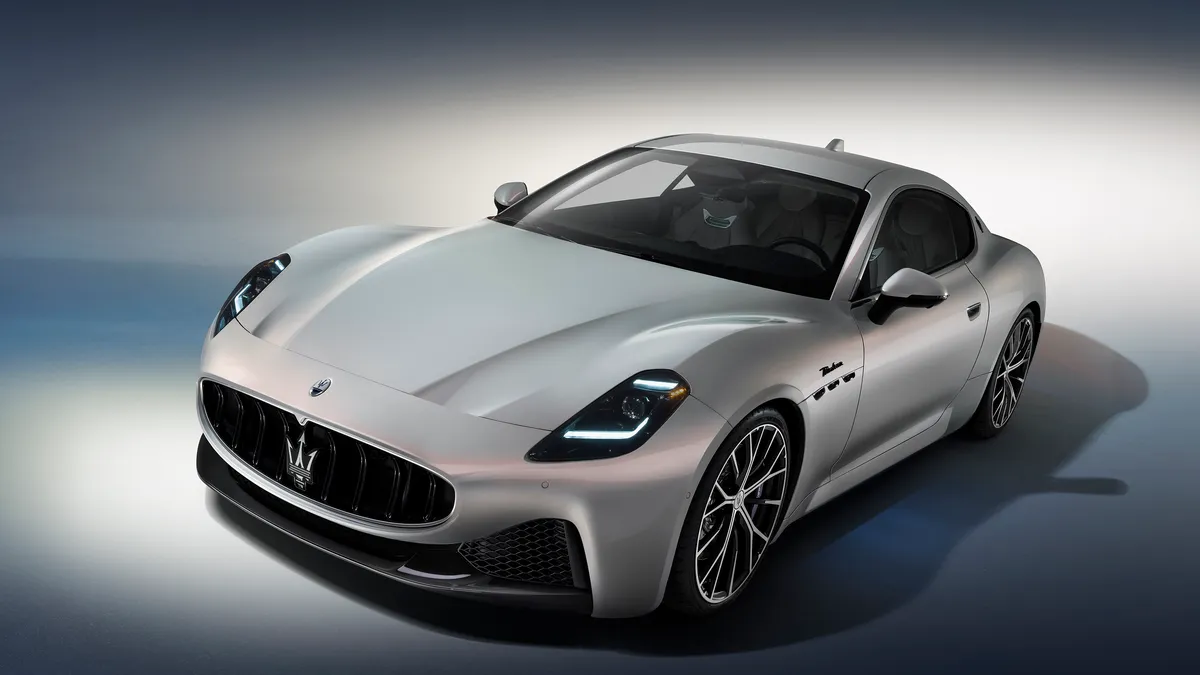
Data shows that Maserati's sales plummeted from 26,600 units in 2023 to 11,300 units in 2024. This nearly halved sales volume directly led to an operating loss of approximately 260 million euros.
This decline isn't just a short-term market fluctuation. It's a sustained downturn rooted in Maserati's product planning and market positioning, and it has become a significant financial drag on Stellantis' European operations.
The Challenges of Maserati's Electrification Transition
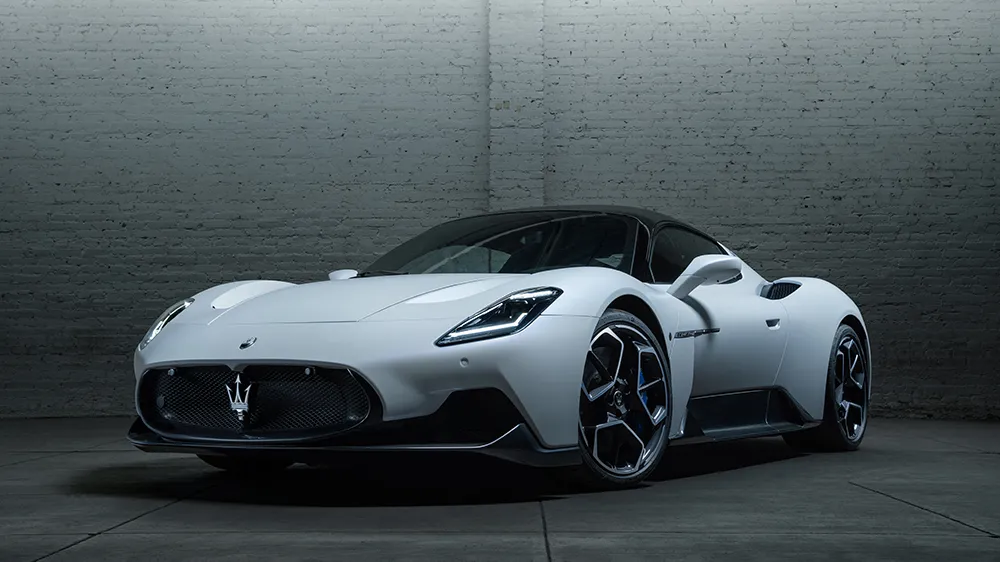
In March 2025, Stellantis announced that Maserati had discontinued development of the MC20 Folgore electric supercar, citing insufficient market demand for the model as the key reason. This decision also exposed Maserati's awkward position in its electrification transition.
Its core customer base still has a strong preference for fuel-powered performance cars, while product plans targeting the electric vehicle market have been slow to materialize. Ultimately, this has led to the brand gradually lagging behind in the wave of electrification.
Stellantis Long Viewed Maserati as Expendable
About a year ago, there were reports that Stellantis was evaluating various options for Maserati, including a potential sale, with consulting firms like McKinsey involved in the assessment process.
Although Stellantis has repeatedly denied any intention to divest Maserati, the dissonance between its public statements and internal assessments suggests that the brand is not regarded as a core strategic asset. This has also laid the groundwork for the rumors regarding a capital collaboration between Maserati and Xiaomi.
Stellantis is Facing Significant Pressure in its European Operations
The investment negotiations between Xiaomi and Stellantis are, in fact, Stellantis's effort to seek external solutions to address systemic pressures on its European operations.
In recent years, this automotive giant, formed by the merger of Fiat Chrysler and Peugeot Citroen, has faced multiple challenges in the European market, with its profitability model gradually failing.
Stellantis urgently needs external capital injection
Impacted by investments in electrification transformation and the shrinking fuel vehicle market, its European business continues to underperform, becoming a burden for the group. Introducing investment from Chinese car companies has become an important option for alleviating financial pressure and revitalizing the European business.
Stellantis also faces immense financial adjustment pressure
In February 2026, the company announced recording approximately 22.2 billion euros in related costs. To address this pressure, it has been forced to scale back its ambitions for electrification development. However, this decision runs counter to the development trends of the European electric vehicle market, further exacerbating its business difficulties.
The EU's inconsistent electric vehicle policies make decision-making difficult for Stellantis
At the beginning of this year, Stellantis' European representative publicly stated that the EU's inconsistency in electric vehicle regulatory policies has had a negative impact on the company's investment decisions.
A softening of Europe's once-stringent CO₂ targets now allows combustion engine models to remain on the market for longer. This policy change has forced Stellantis to adjust its prior electrification plans and has made its expectations for the European market increasingly uncertain.
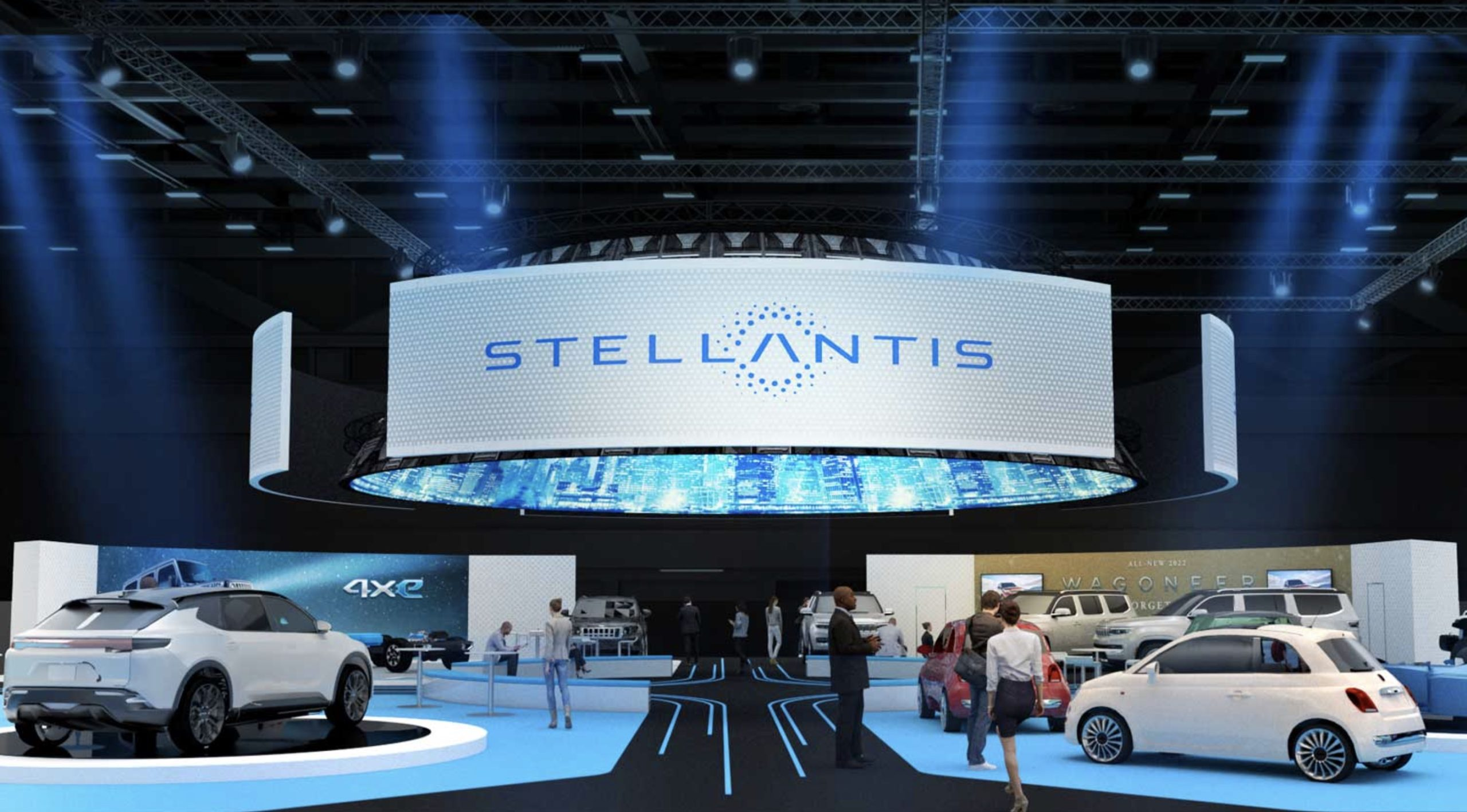
It is worth noting that the negotiations with Xiaomi and XPeng this time are not Stellantis’s first attempt at introducing Chinese partners, but rather a continuation of its strategy towards Chinese car companies.
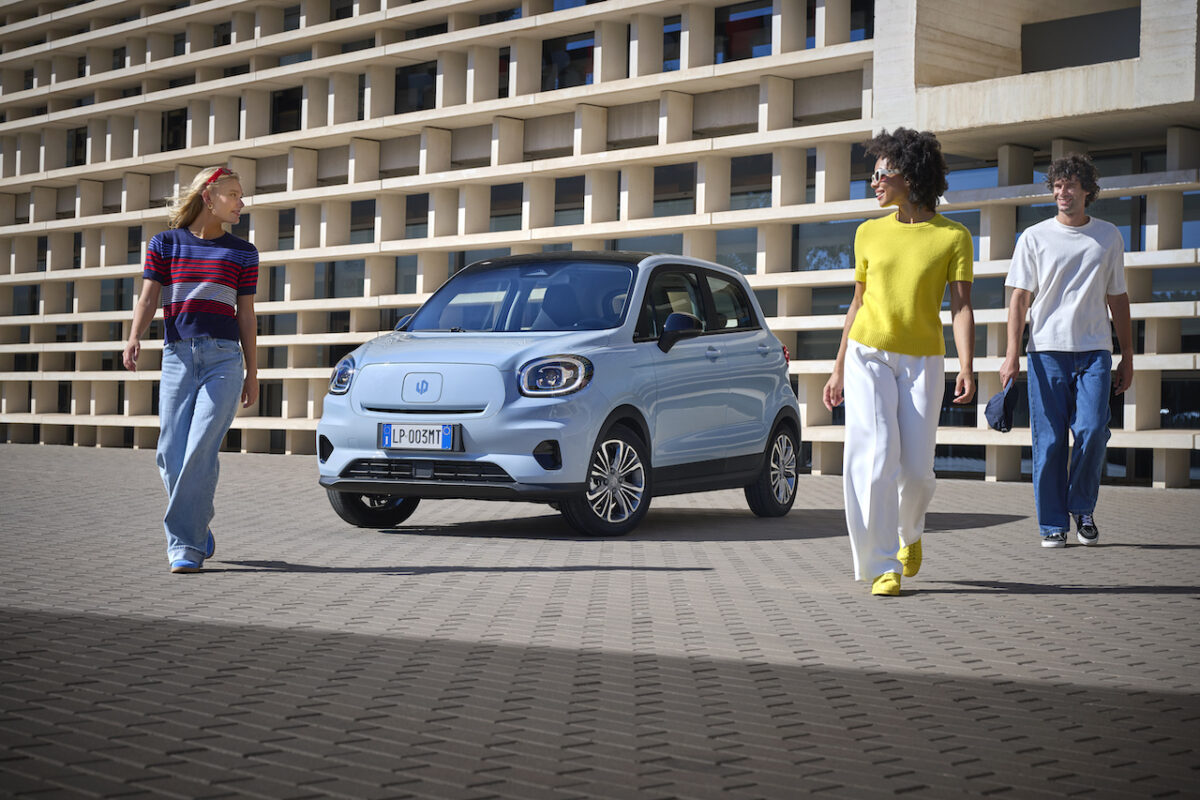
Previously, Stellantis had established a joint venture with Leapmotor, wherein the two parties agreed to produce Leapmotor models at Stellantis's factory in Spain. Leveraging Stellantis's production capacity in Europe, Leapmotor successfully achieved its goal of entering the European market.
This successful cooperation case also made Stellantis realize the value of collaborating with Chinese car companies, as it not only brings financial support but also introduces Chinese automakers’ technological advantages in the fields of electric vehicles and intelligent systems.
Xiaomi Aims to Expand into the European Market
On the other side of the rumored deal, Xiaomi's potential minority stake in Maserati isn't just about picking up cheap assets. It's a strategic move aimed at gaining entry into the European market and elevating its brand prestige.
Xiaomi Has Become a Player in the Electric Vehicle Sector
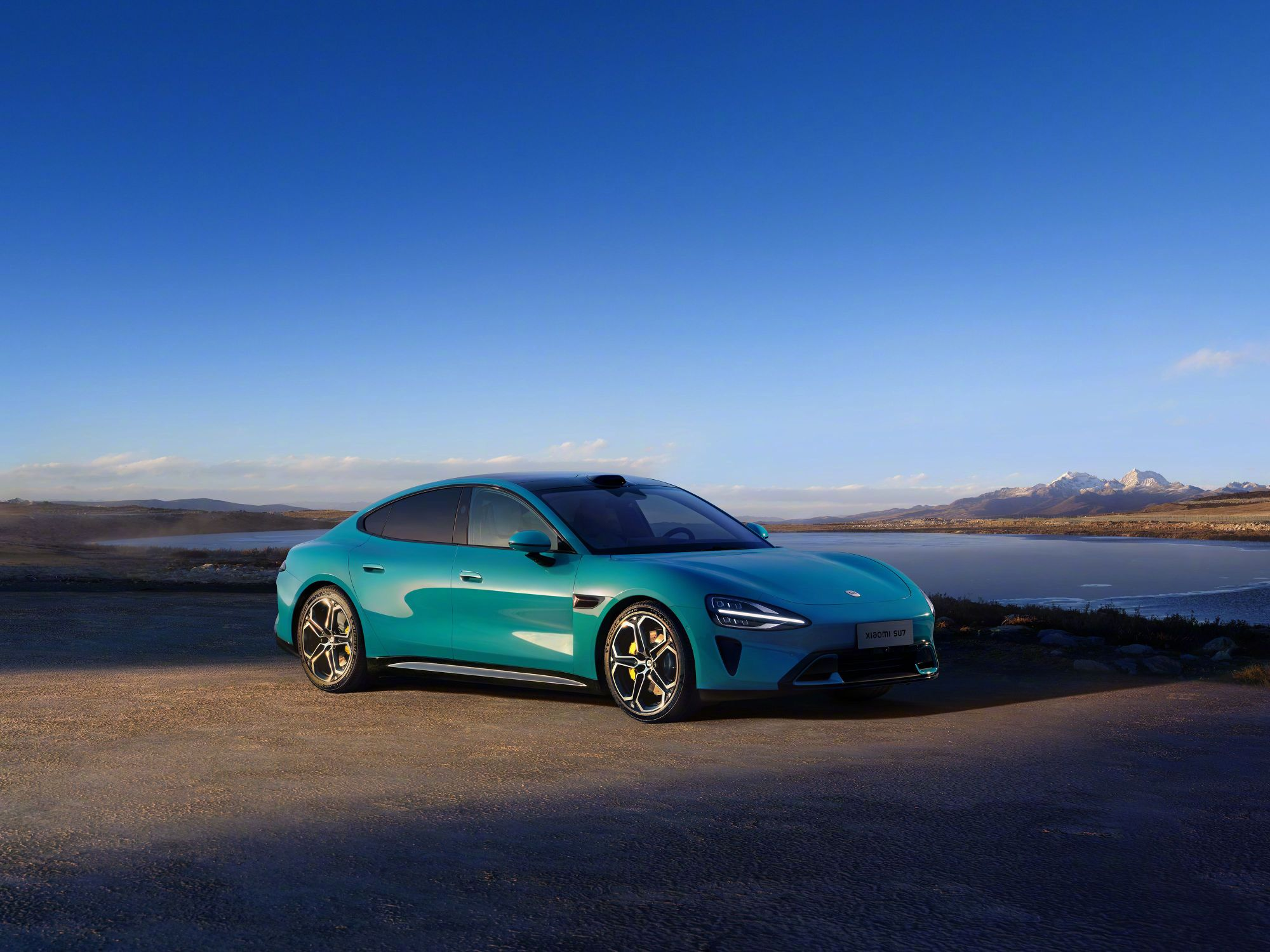
Since Xiaomi launched its first electric vehicle, the SU7, in 2024, it quickly became a market hit, securing over 100,000 orders shortly after its release.
By February 2026, Xiaomi's monthly electric vehicle deliveries exceeded 20,000 units. Although this number represented a slight decline from January, it was sufficient to demonstrate that Xiaomi had achieved stable production capacity and market acceptance.
Xiaomi Needs a Larger Market to Dilute Manufacturing Costs
Despite robust sales performance, Xiaomi's automotive division remains unprofitable. To dilute its cost base, the company must rapidly scale production and establish a presence in international markets.
Like most electric vehicle companies, Xiaomi faces challenges such as high research and development costs and an underdeveloped supply chain during the initial stages of car manufacturing. Each vehicle still incurs a certain level of loss, and the only way to change this situation is to expand sales volume and enter broader global markets.
As an important market for luxury cars and electric vehicles globally, Europe is a key target for Xiaomi's automotive globalization. By leveraging Maserati's brand influence and channel presence in the European market, Xiaomi can enter the European market with lower costs and greater speed, achieving localized deployment.
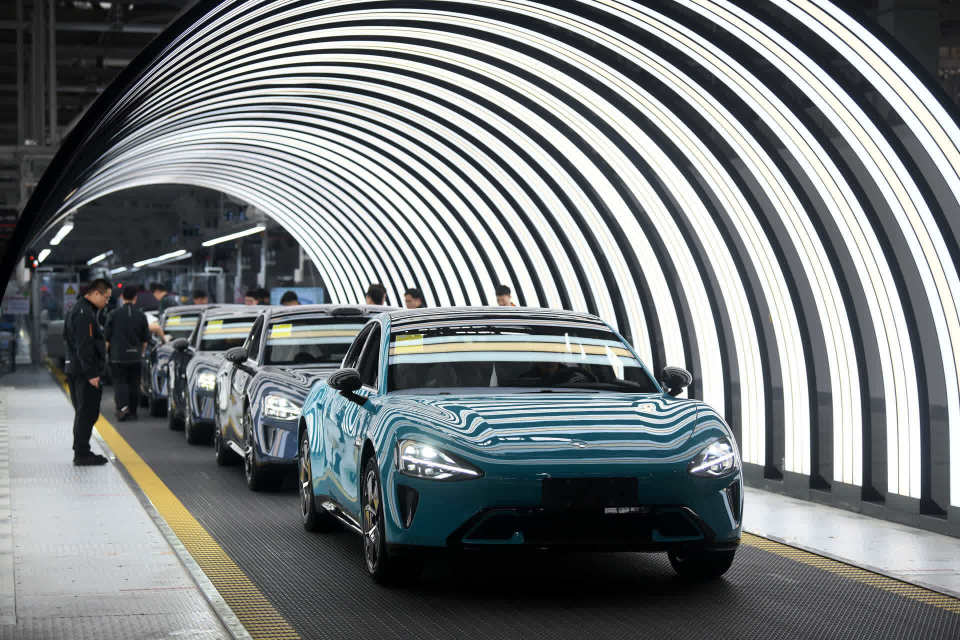
Although this collaboration is still in the rumor stage and it is uncertain whether it will materialize, one thing is clear: with the continuous development of China's electric vehicle industry, collaborations between Chinese car companies and global traditional automotive giants will become more frequent. Moreover, such partnerships will no longer be limited to simple capital exchanges but will move towards integration in technology, production capacity, and channels.
If any infringement occurs, please contact us for deletion








Popular Cars
Model Year
Car Compare
Car Photo