
Toyota Harrier's generation update has been postponed to 2027 and will be built on the Crown Sport platform.
 RobertDec 17, 2025, 11:50 AM
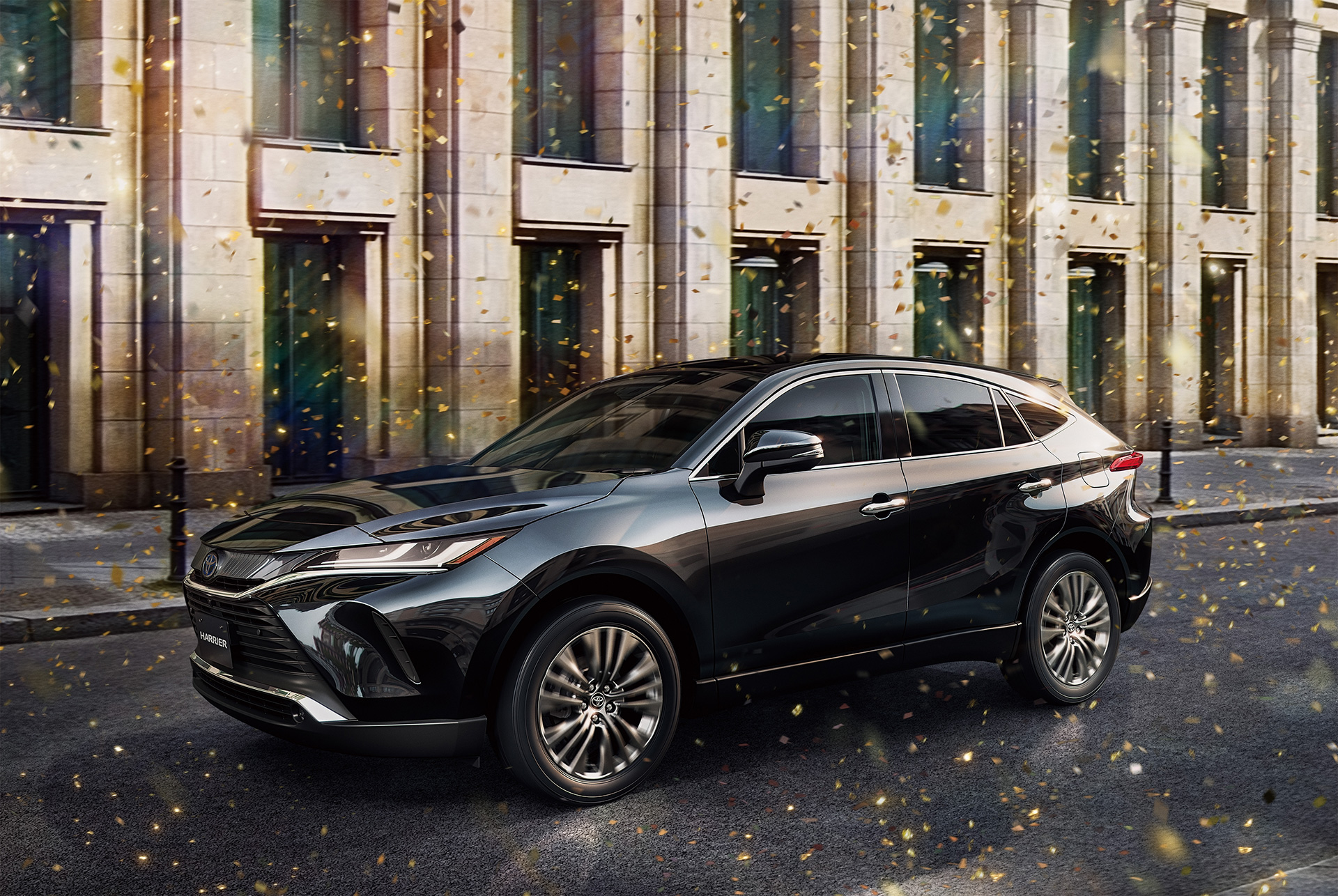
[PCauto] As Toyota's representative SUV that combines family-friendly attributes with a sense of luxury, the Harrier has established a foothold in the market since its launch in June 2020, thanks to its consistent design and balanced product strength.
However, recent news indicates that plans for a major overhaul of the model's fifth generation are undergoing significant adjustments. The model replacement, originally scheduled for 2026, may be postponed to 2027 or even later, with its product positioning also shifting from a "mid-level luxury SUV" to a more individualistic coupe SUV.
The life cycle of the current-generation Harrier was originally expected to be five and a half years, aligning with Toyota's previous product iteration rhythm, but this delay in replacement is not coincidental.
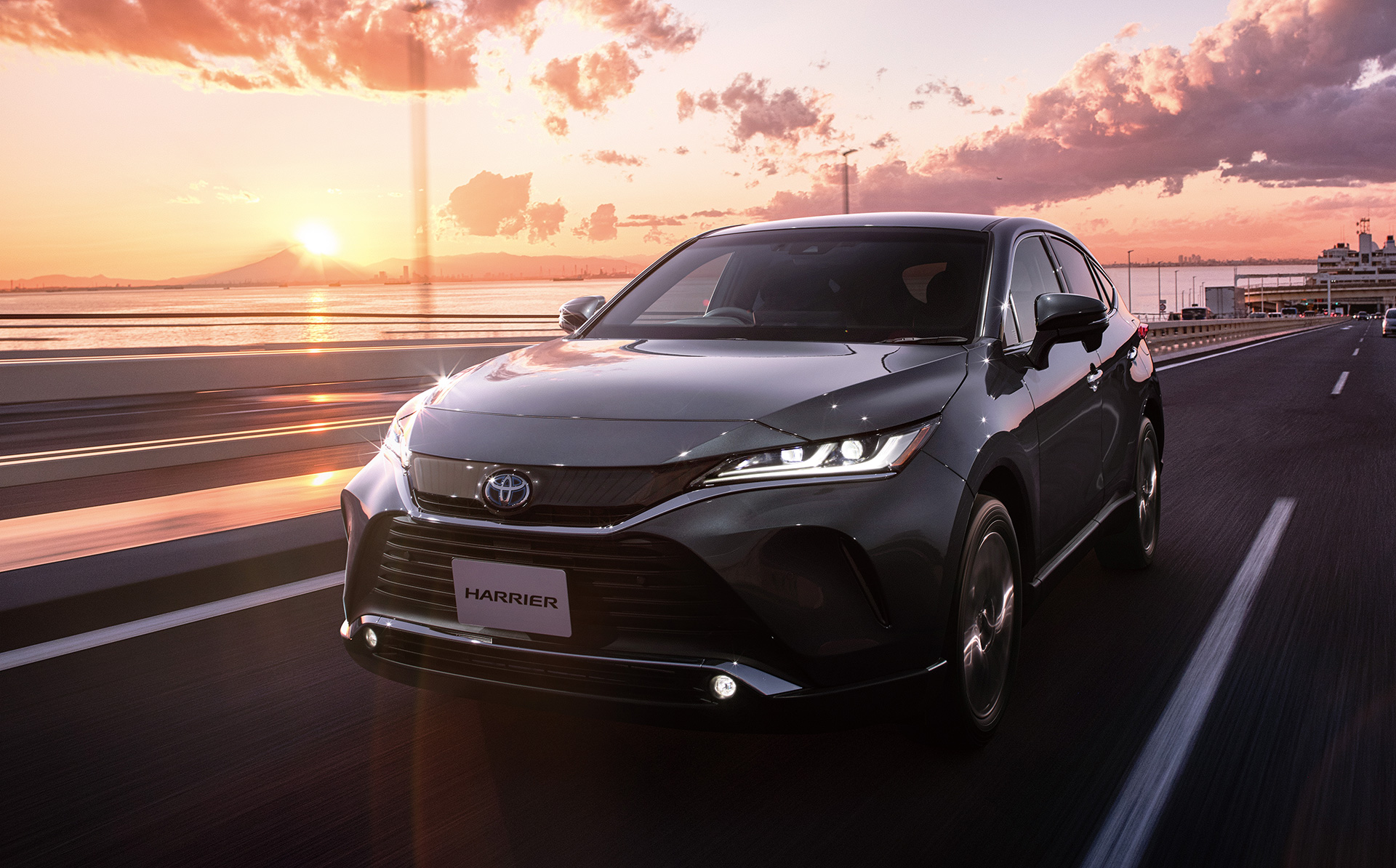
It is understood that this is directly related to Toyota's recent strategy adjustments: to maintain the high value of popular models during their life cycles, the brand is considering extending the average facelift cycle from 7 years to 9 years.
Meanwhile, supply chain fluctuations and uncertainties in the model certification process have also contributed to the delay. For consumers, longer product cycles might raise concerns about whether "models are sold for too long"; for dealers, they will need to maintain competitiveness at the terminal level through minor facelifts, configuration updates, or price adjustments. Toyota itself may optimize cost control to ensure profit margins in the later stages of the model’s life cycle.
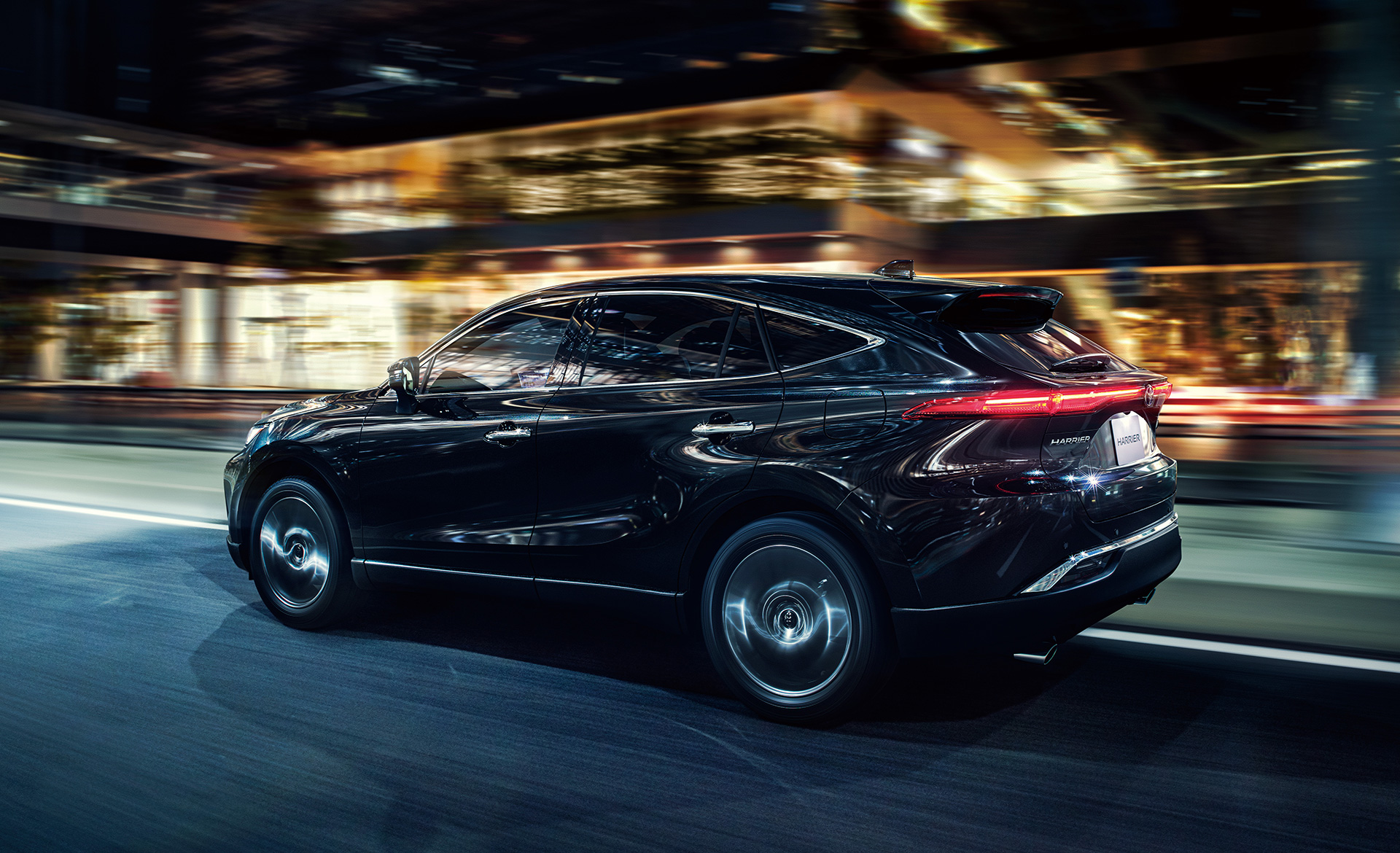
Although the launch of the next-generation Harrier has been delayed, its product highlights have already attracted market attention.
The most notable changes lie in its dual transformation regarding design and positioning. The new model will be built on the same platform as the Crown Sport, with the wheelbase extended from the current 2,690mm to 2,770mm. The vehicle length will be approximately 4,750mm, but the height will be further reduced, making it lower to the ground than the current Lexus ES and positioning it as one of Toyota's lowest-profile SUVs.
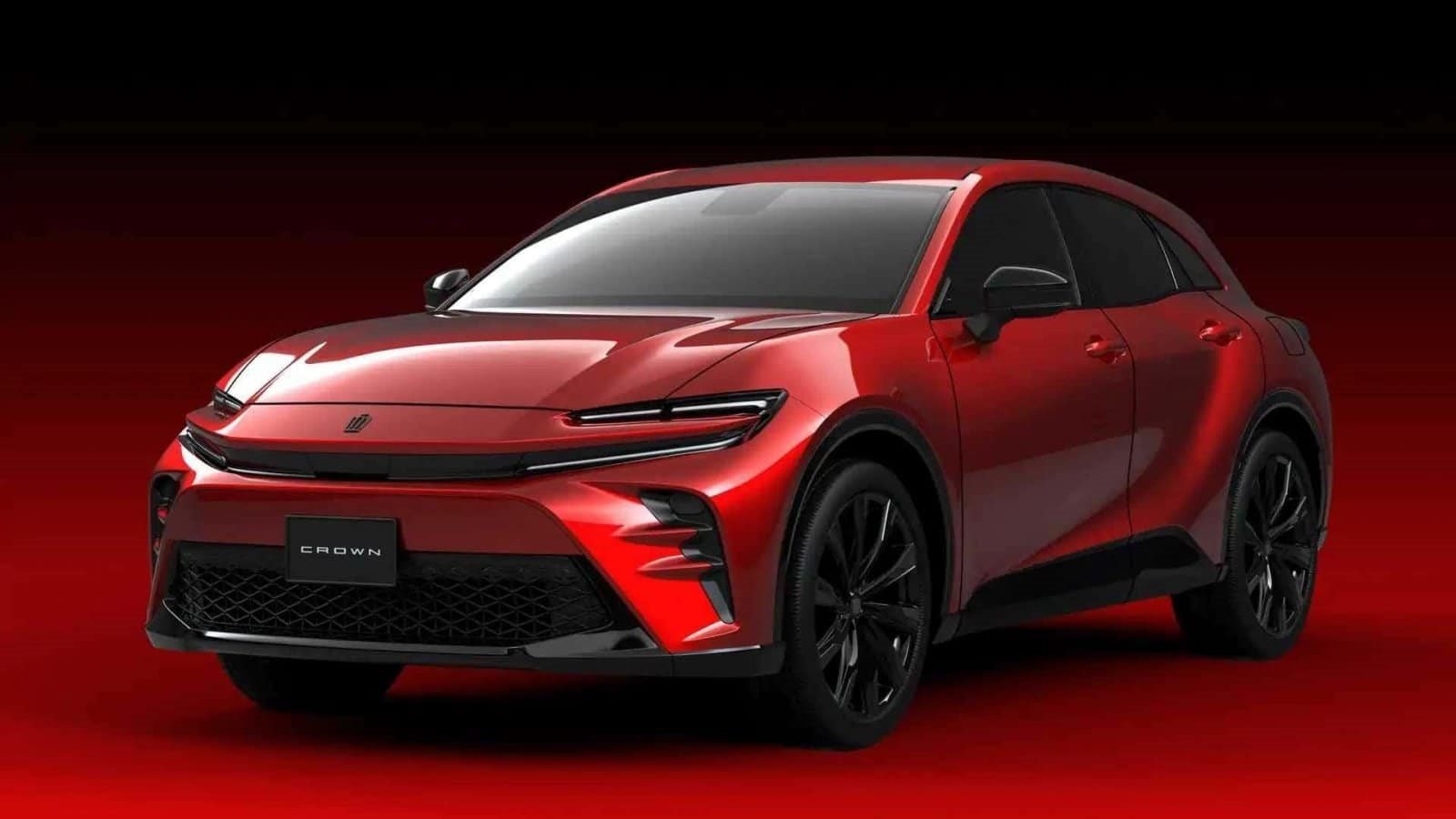
This "low-slung" design, combined with a more dynamic and compact overall silhouette, will completely shed the current model's conservative style, moving in a more European-inspired, stylish, high-end crossover coupe SUV direction. Previously, the Harrier was commonly viewed as the "luxury version of the RAV4," but the next-generation model will break out of this positioning framework, aiming to attract design-conscious consumers with stronger visual appeal rather than serving as the safe choice.
Japanese media widely predict that the price of the next-generation Harrier will rise further, reflecting its upgraded positioning and technical innovations. This aligns with Toyota's recent strategy to continuously enhance its brand image-from the revival of the Crown series to the launch of the bZ pure electric lineup—as the brand steadily penetrates higher-end markets.
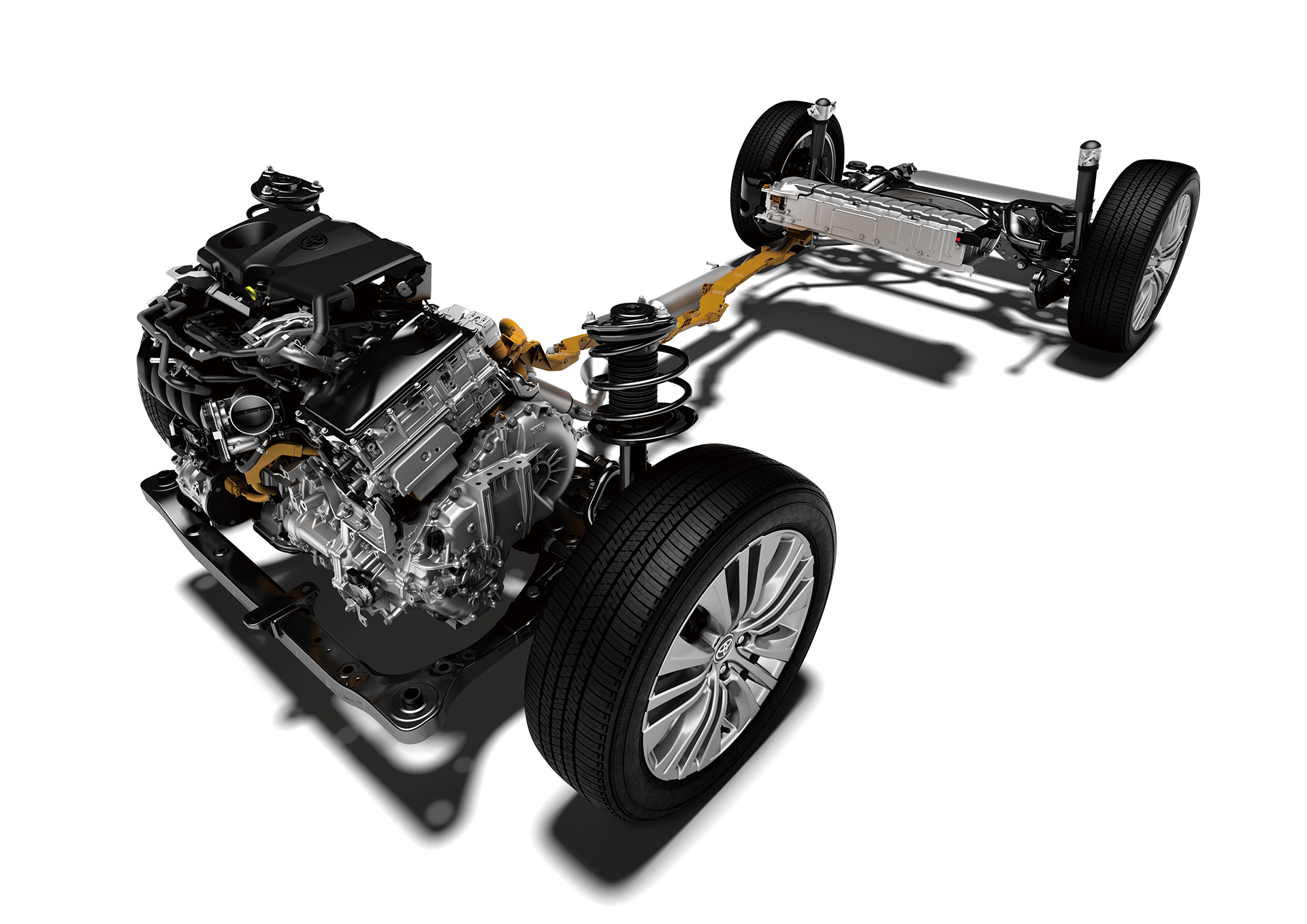
However, the delay in the new model's launch and its repositioning also pose challenges. If the current Harrier remains on sale for an extended period, balancing consumer interest with dealer inventory pressure will be an issue Toyota needs to address.
Whether the next-generation model gains market acceptance will depend on whether its coupe SUV design successfully appeals to its target audience. After all, in Southeast Asian markets, family SUVs still occupy the mainstream, and overly distinctive styling might alienate some practicality-oriented users.
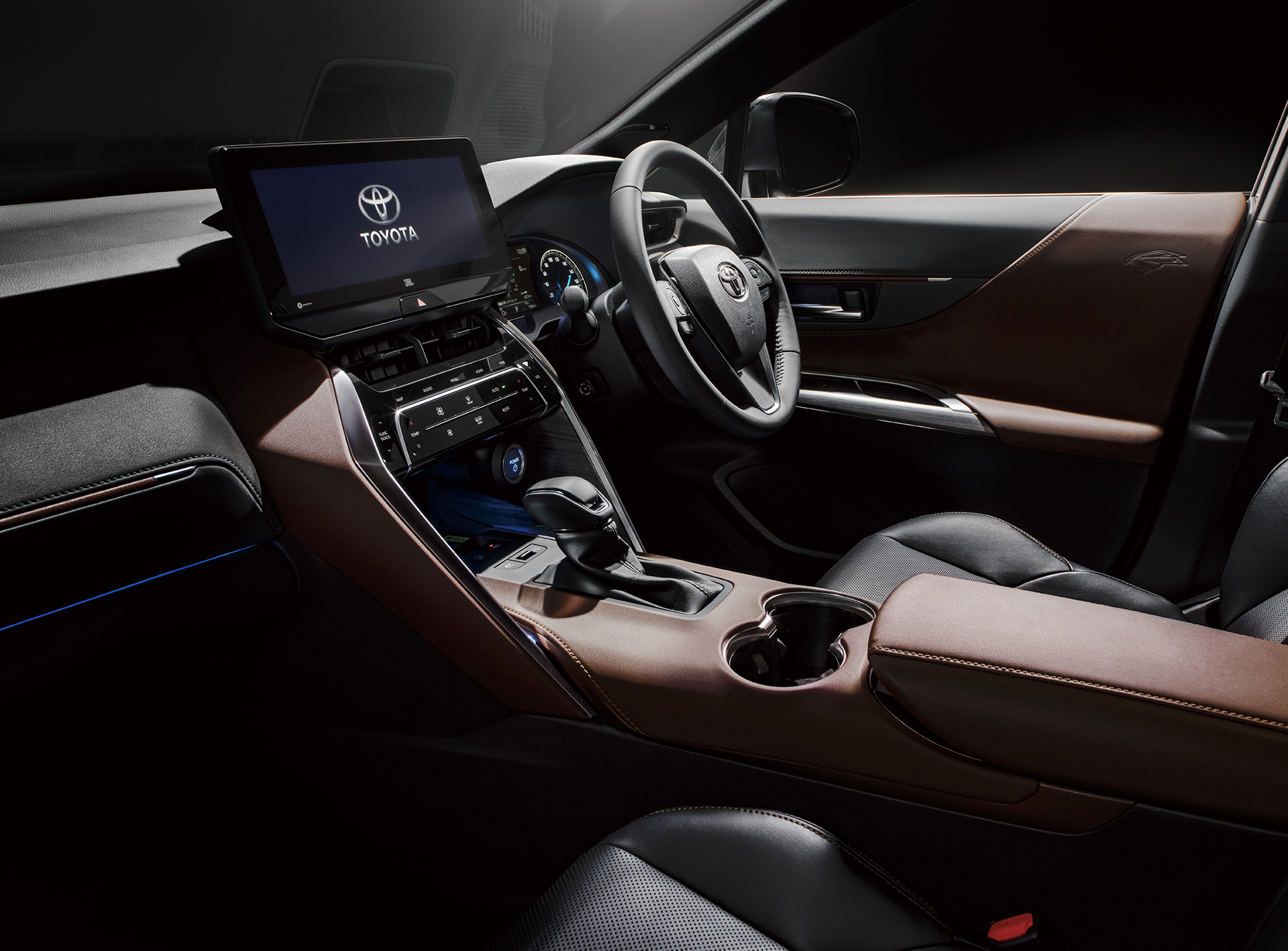
Toyota's bold transformation of the Harrier may represent an important step in the brand's quest for differentiation within a saturated market: attracting high-end consumers willing to pay for personalized experiences through design breakthroughs and strategic repositioning, thereby paving a new path in the highly competitive SUV segment.
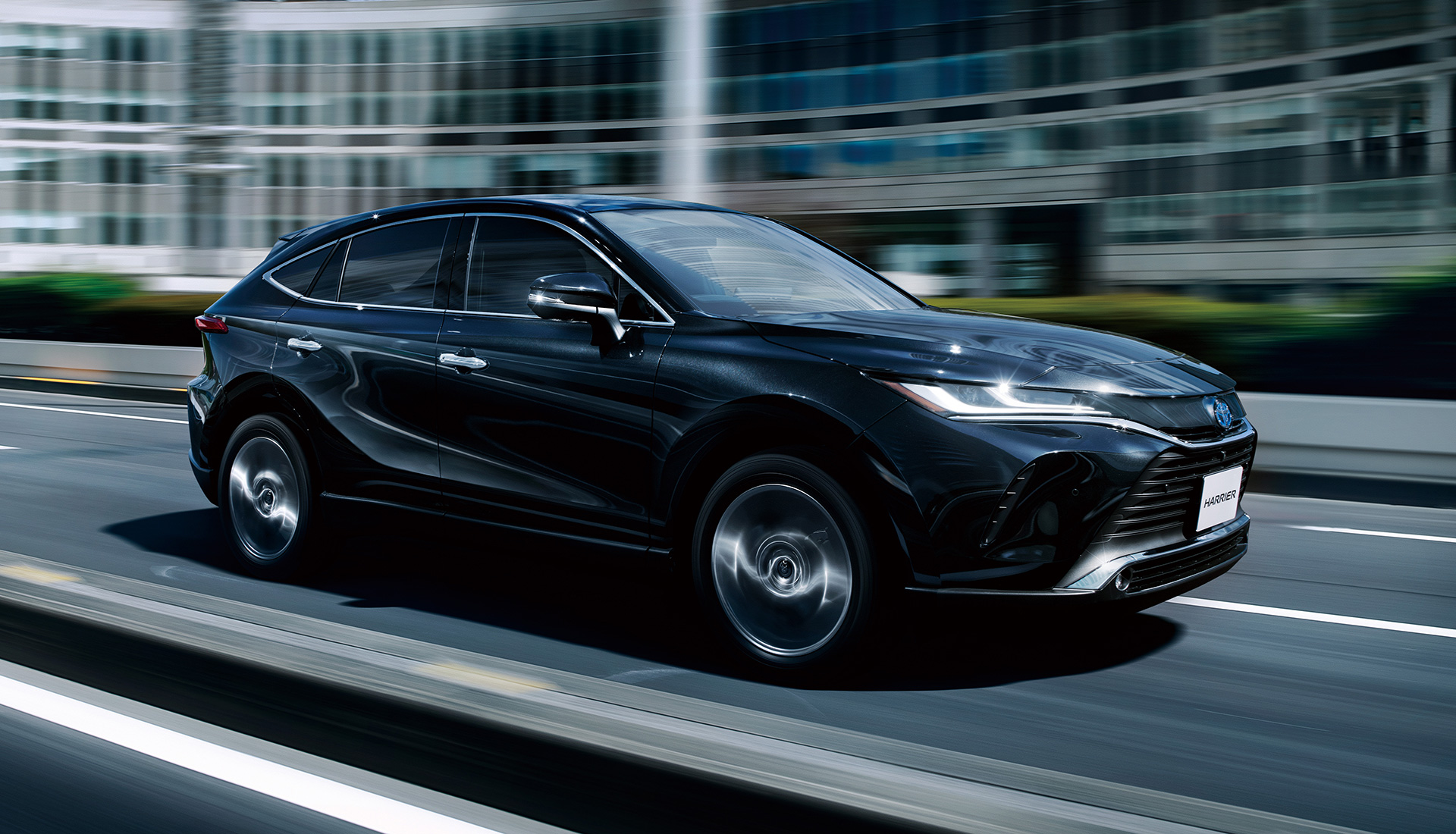
From a stable family car to a dynamic sports coupe, the Harrier's transformation reflects both Toyota's evolving thinking in product lifecycle management and the global automotive market's shift from "function-oriented" to "experience-oriented." Regardless of whether the model update is delayed or not, every adjustment to this vehicle will serve as an important lens for observing Toyota's brand strategy and market trends.
If any infringement occurs, please contact us for deletion









Popular Cars
Model Year
Car Compare
Car Photo