
Toyota RAV4 Hybrid encountered battery overheating issues during police training in Australia
 LienOct 10, 2025, 02:12 PM

[PCauto] The Queensland Police Service (QPS) in Australia has recently introduced 400 Toyota RAV4 Hybrid vehicles as part of its police vehicle upgrade program, aiming to promote fleet decarbonization.
However, these police cars, which are modified based on popular civilian models, have revealed issues with hybrid battery overheating during high-intensity driving training.
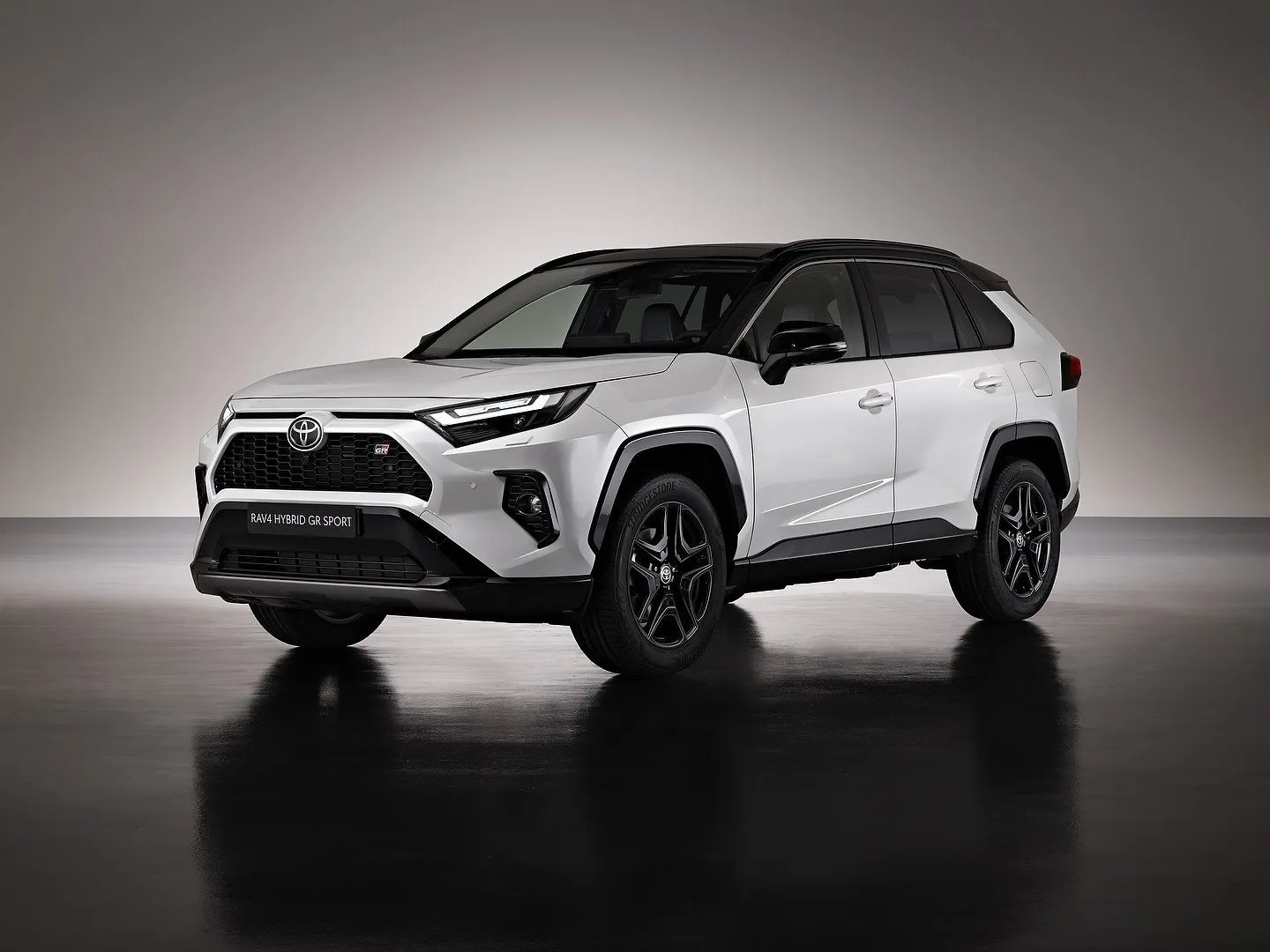
Toyota RAV4 Hybrid enters limp mode when the battery overheats
According to a leaked internal report, after QPS announced the procurement plan in January 2025 and conducted extreme condition testing during driving training courses, it was found that the hybrid battery of the RAV4 Hybrid exhibited abnormal temperature increases during the combination of frequent rapid acceleration and heavy braking operations.
When the system detects an overheating risk, warning lights are triggered, and it forcibly enters "limp mode." At this point, vehicle performance output is restricted, the maximum speed drops sharply, and the traction control system is automatically disabled, leading to a significant decline in handling precision.
The report explicitly states that when warning lights are activated, officers should immediately stop emergency tasks and pull over to allow the system to cool down. This performance interruption could severely impact officers' law enforcement in critical situations such as pursuing suspects.
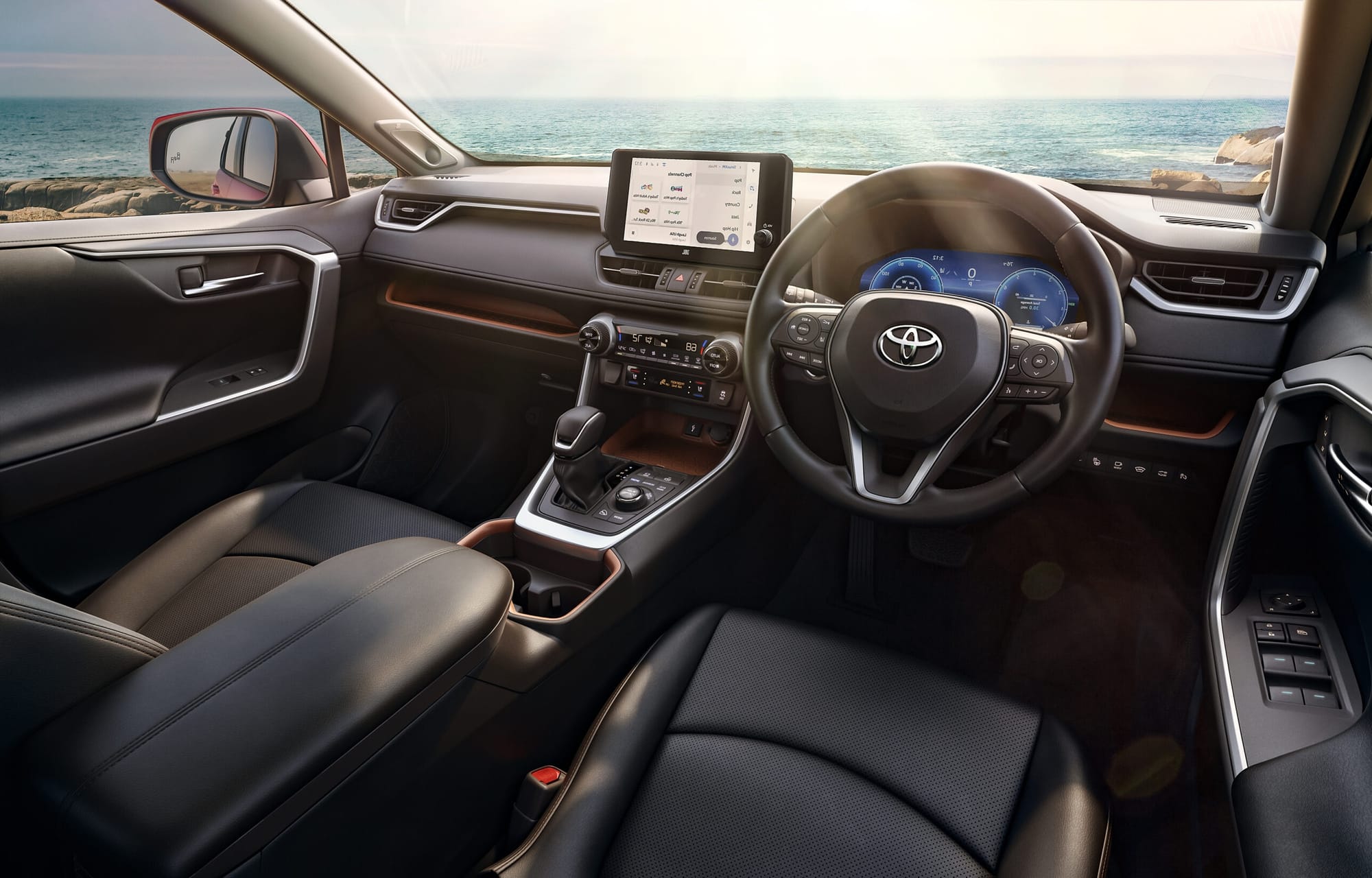
Toyota RAV4 Hybrid Struggles to Withstand Police High-Intensity Training
From a technical perspective, the Toyota RAV4 Hybrid's Toyota Hybrid System (THS) is primarily optimized for civilian scenarios in its design.
This system coordinates the engine and motor operations through a planetary gear mechanism, achieving efficient energy distribution. Under normal driving conditions, the battery acts as an energy buffer unit, with a relatively gentle charge and discharge process.
However, extreme conditions in police tasks, such as prolonged high-speed pursuits and frequent rapid starts and stops, lead to sustained high-current discharge and intense energy recovery loads on the battery. This mode of operation causes a rapid increase in the battery's internal resistance heat. The vehicle’s air-cooled system is unable to dissipate the accumulated heat in time, ultimately triggering the battery management system's protection mechanism.
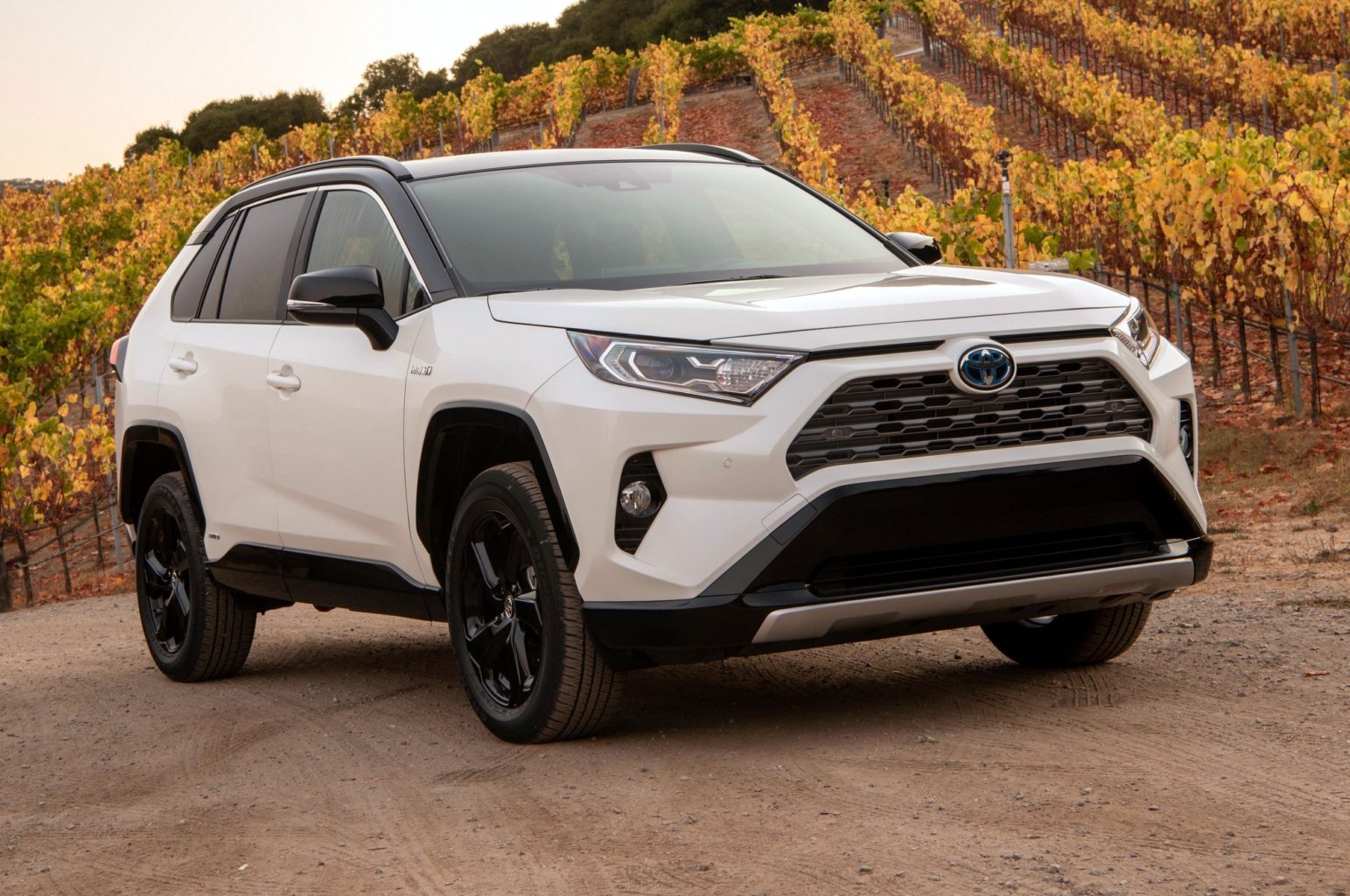
Toyota States Current Battery Overheat Protection is Reasonable
Toyota responded that the overheat protection is a preset safety strategy designed to prevent thermal runaway of the battery and ensure long-term reliability. In extreme scenarios such as police driver training, the vehicle intervening to protect the hybrid system is in line with normal design logic.
QPS pointed out that around 200 modified RAV4 Hybrids have already been deployed across the state, all of which have undergone rigorous internal and external evaluation processes to ensure regular duty capabilities. However, official data shows that no similar overheating issues have occurred during actual police operations.
However, Queensland Police Union President Shane Prior has expressed strong doubts about the deployment plan. In an interview with 7 News, he stated that any potential risks should be thoroughly addressed before hitting the roads, as officer safety is non-negotiable.
Prior emphasized that vehicles should complete all extreme condition testing prior to deployment, as existing issues may expose frontline officers to unnecessary risks.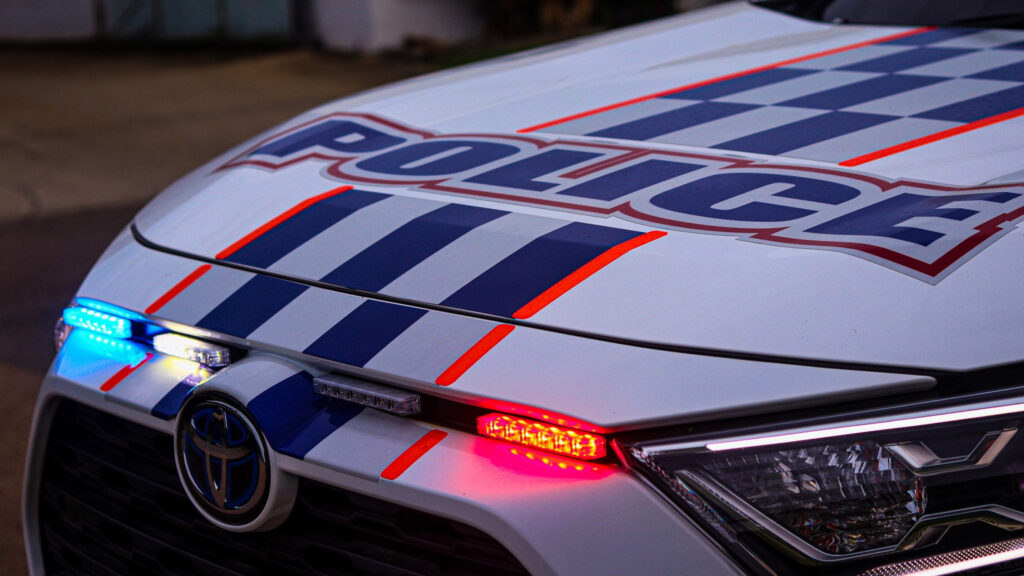 As one of the best-selling models globally, the Toyota RAV4's reliability in the civilian market has been widely validated.
However, the challenges faced in its application for the Australian police indicate that even the most mature hybrid technology still requires targeted optimization for specific use scenarios.
If any infringement occurs, please contact us for deletion
Trending News

The all-new Lexus ES announces pre-sale on March 20: Say goodbye to pure gasoline engines and launch a pure electric version
Lexus's bestseller sedan, the ES, ushers in a major overhaul, officially confirmed to start pre-sales on March 20. The new car has not only undergone significant size extensions based on the GA-K platform but has also made a complete transformation in its powertrain logic — abandoning purely fuel-powered engines in favor of the ES 300h hybrid and the brand-new ES 350e/500e fully electric versions, officially joining the luxury electric sedan market competition.

The Lexus ES 200: Laughed Out of Existence
With the official debut of the eighth-generation Lexus ES in the global market, we quickly realized that the once entry-level model ES 200 has completely disappeared. Now only the ES 350h, ES 350e, and ES 500e remain, and for this reason, the Lexus ES 200 was launched with a two-tone body in the Chinese market as a commemorative edition.

Toyota recalls over 3 million vehicles worldwide, including Camry, Land Cruiser, and Lexus
According to the latest news, Toyota has officially launched a large-scale global recall involving approximately 3.3 million vehicles due to a defect in the reverse assist system software, which may cause the screen to freeze at critical moments.

Before buying a Mitsubishi Xpander, you must know these 5 common issues
Although the overall mechanical quality of Mitsubishi Xpander is widely recognized as economical and durable, according to extensive feedback from owners, Xpander may encounter the following 5 problems.

BYD Sealion 7 Common Issues: Must-Read Before Buying
BYD Sealion 7 is a highly mature product, with most of its exposed issues being "minor flaws" in software adaptation and craftsmanship details. With iterations of OTA updates and the accumulation of experience in electronic fault diagnostics within the after-sales service network, these problems are expected to improve in the future.










Popular Cars
Model Year
Car Compare
Car Photo