
Why hasn't Perodua launched the Traz equipped with e-Smart Hybrid?
 JohnDec 18, 2025, 11:49 AM
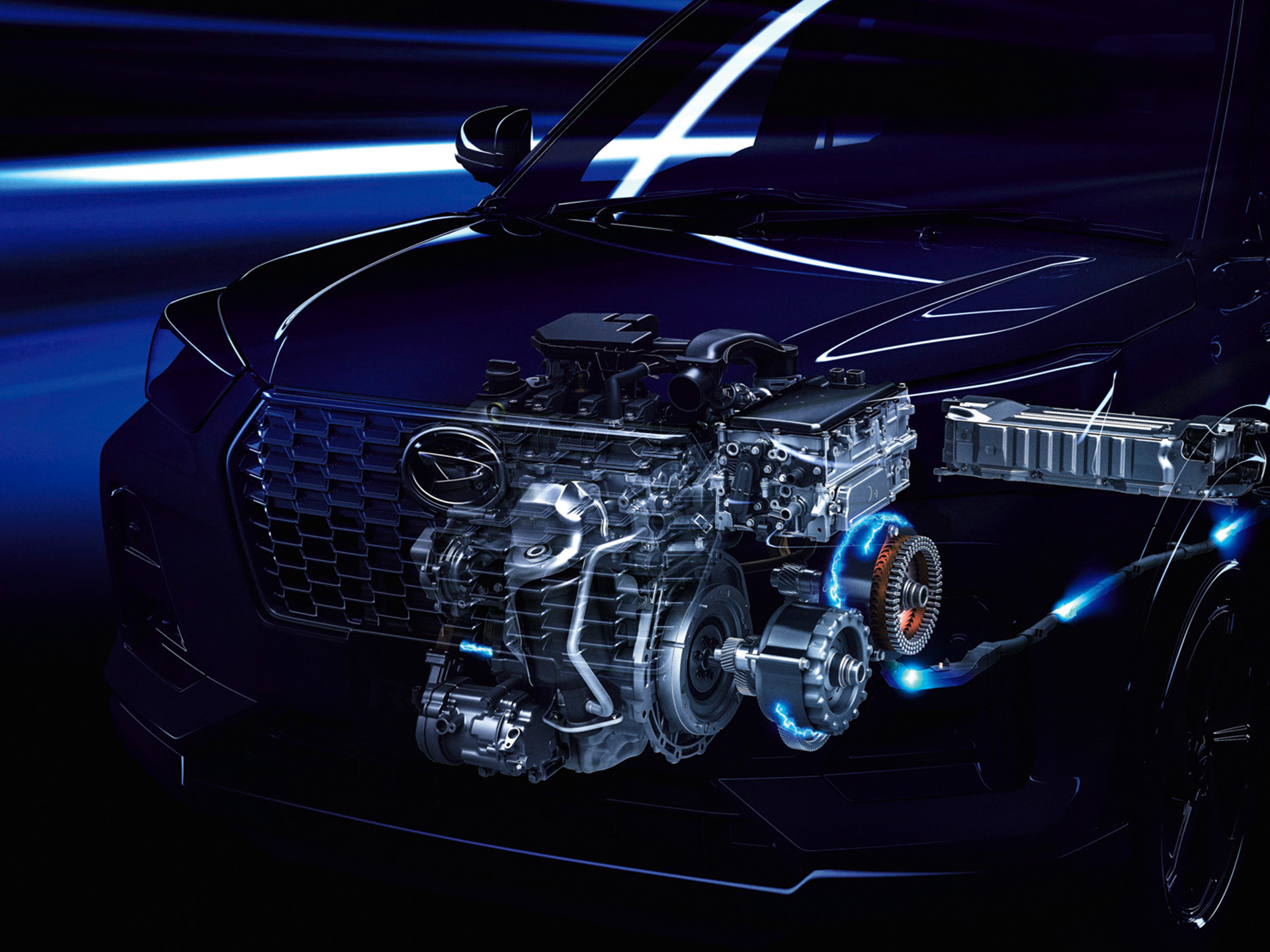
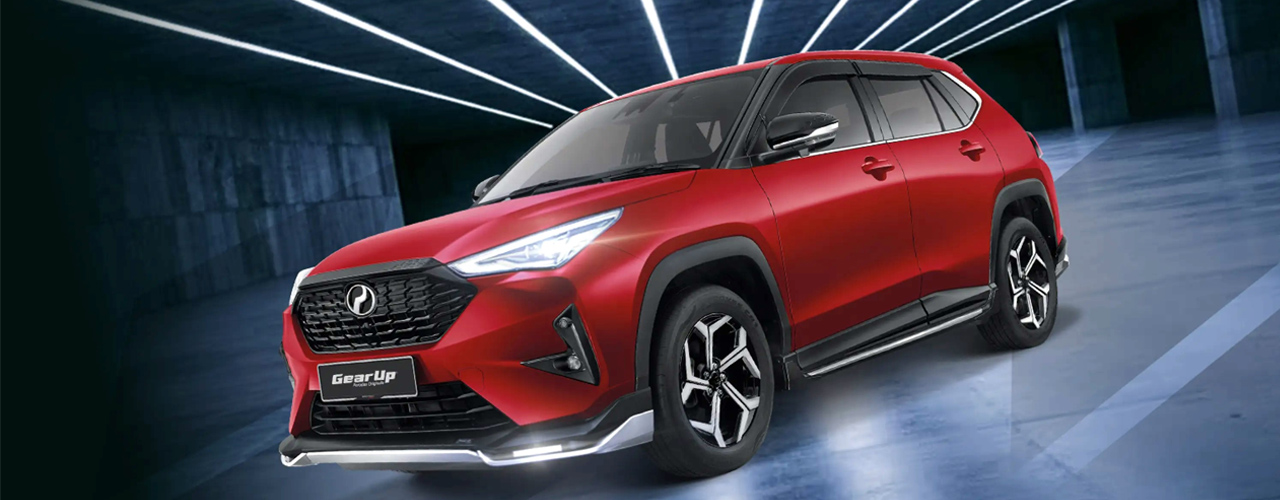
【PCauto】Perodua has launched the all-new B-Segment SUV, the Traz, which was previously unveiled. Positioned above the Ativa, the Traz is priced starting from approximately RM 76,100 and is powered by a conventional 1.5L naturally aspirated gasoline engine paired with a D-CVT automatic transmission.
Although the Traz is an SUV that the market has long awaited, unlike its platform-sharing sibling, the Toyota Yaris Cross, it does not offer a hybrid variant, relying solely on a gasoline powertrain.
Previously, Perodua had trialed the e-Smart Hybrid system (as seen in the experimental Ativa Hybrid). So why is it absent from the Traz?
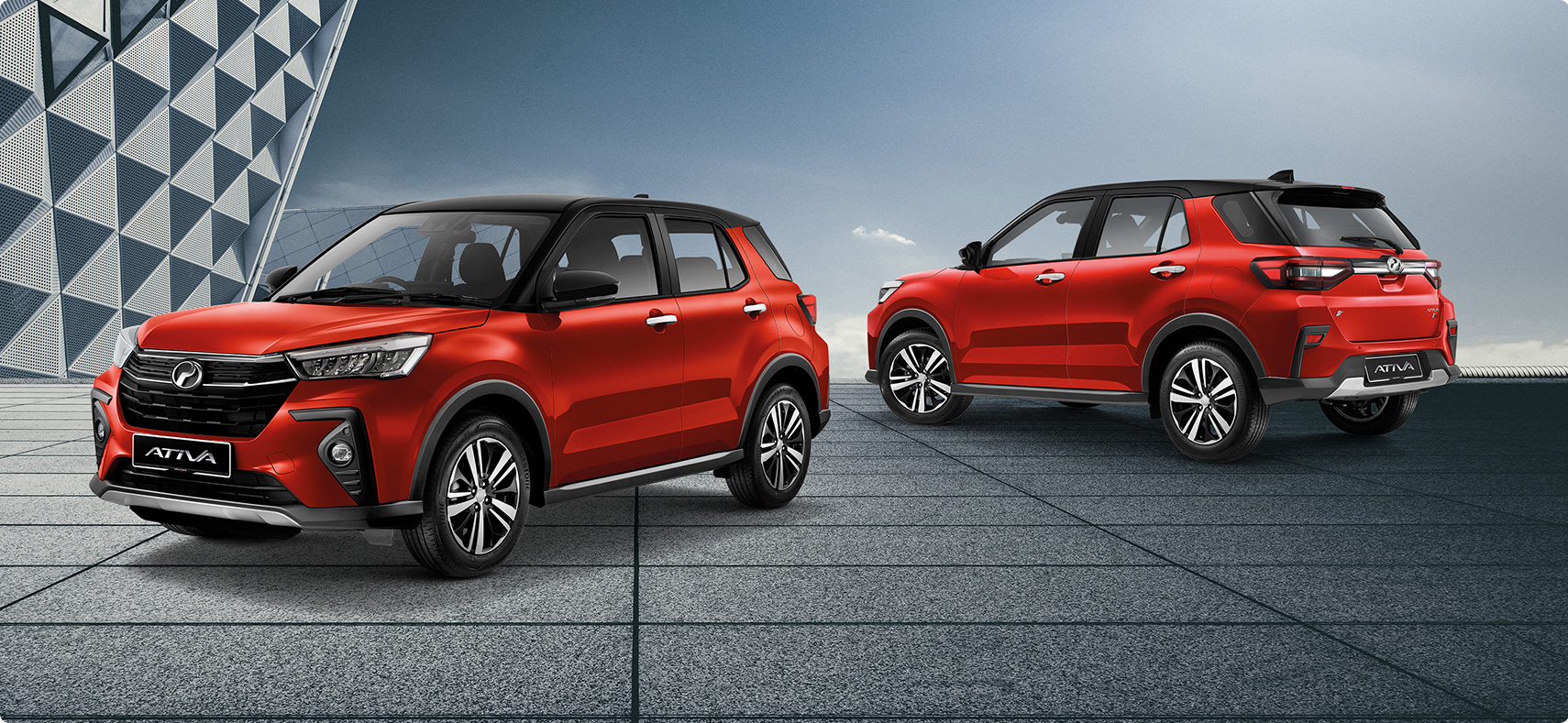
Perodua Previously Launched the Ativa e-Smart Hybrid
Back in 2022, Perodua launched a limited trial plan for 300 units of the Ativa/Rocky e-Smart Hybrid. Participants received the vehicles through a five-year leasing model, requiring an initial fee plus a monthly rental (approximately RM 500). Mileage and maintenance were covered under the plan's terms, with the aim of collecting long-term real-world data on reliability, fuel consumption, and after-sales service.
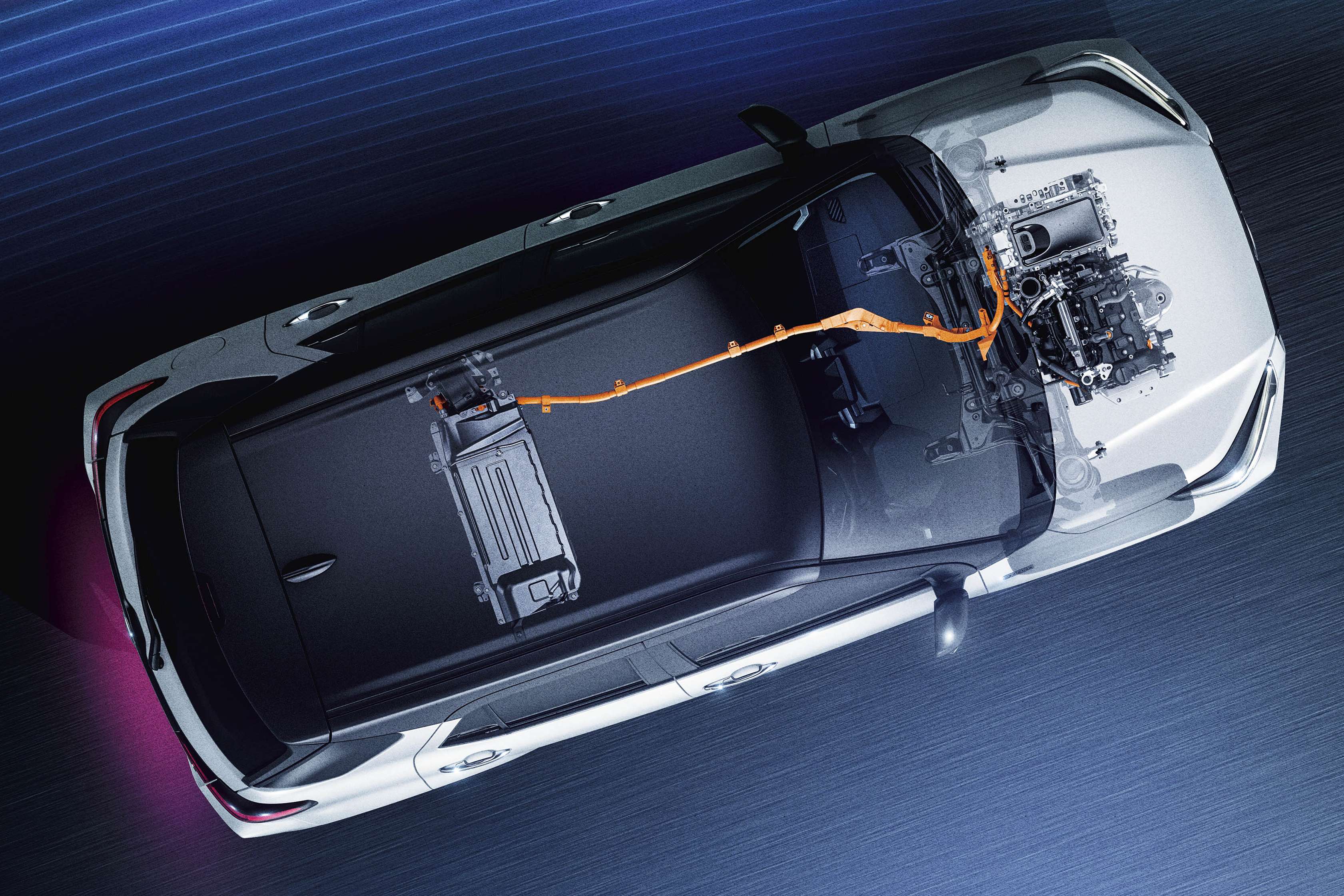
This was not merely a market promotion. Through this program, Perodua aimed to evaluate user acceptance of hybrids, maintenance requirements, and real-world fuel economy benefits under local tropical and urban conditions. It was viewed as an experimental deployment intended to gather crucial data, rather than a precursor to immediate mass production.
What Is the e-Smart Hybrid System?
The e-Smart Hybrid is not a conventional parallel hybrid system where the engine and motor jointly drive the wheels. Instead, it is a series-type hybrid architecture focused on electric drive.
Driving Experience: Closer to an EV
In the e-Smart Hybrid system, the wheels are exclusively driven directly by the motor. The role of the 1.2L three-cylinder gasoline engine (1.2L WA-VE) is not to drive the wheels via a transmission but to act as a generator, starting only when needed to charge the battery or power the motor directly. As a result, the driving experience is closer to that of an electric vehicle, featuring instant acceleration from a standstill, quiet low-speed operation, and the absence of traditional gear shifts.
The design rationale is clear: to reduce mechanical complexity (eliminating the need for a multi-speed transmission) and to enhance overall fuel efficiency in stop-and-go urban driving by allowing the engine to operate primarily within its most efficient range as a generator.
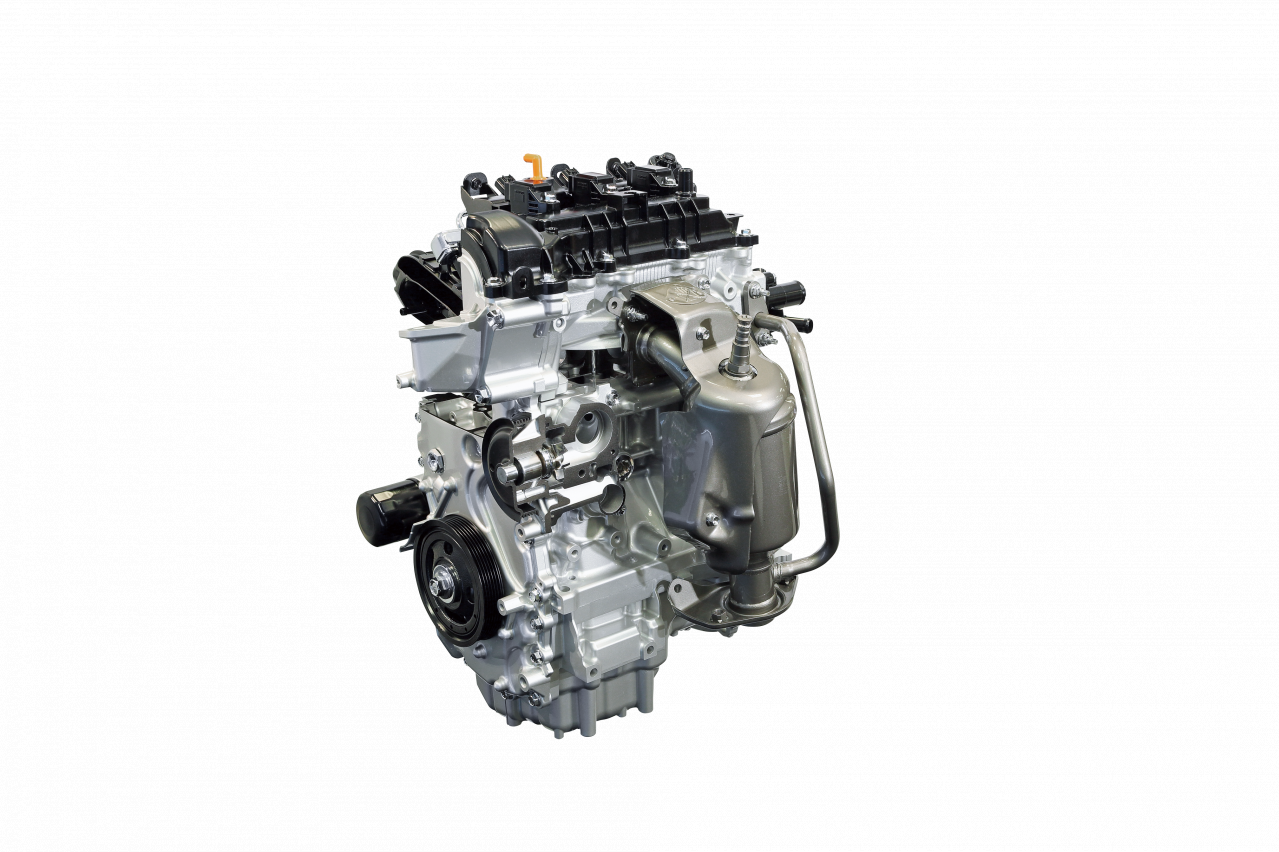
Consequently, the e-Smart Hybrid holds distinct advantages for small cars.
• A relatively simple structure with fewer mechanical parts, which theoretically improves reliability and keeps maintenance costs manageable;
• No need for a high-capacity battery, keeping system costs lower than full parallel hybrids;
• Greater potential for fuel efficiency in low-speed, high-frequency urban stop-and-go conditions.
Limitations of the e-Smart Hybrid System
Because the vehicle is solely motor-driven, its performance ceiling is determined by the motor's power and the battery's output capability.
In larger, heavier vehicles, or during situations that demand high power—such as high-speed cruising or sustained hill climbing—the gasoline engine must run more frequently to generate electricity. This erodes the fuel efficiency benefits and increases the likelihood of the system operating under high load. This explains why the e-Smart Hybrid is better suited to A-segment or compact B-segment cars and is not universally applicable to all SUVs.
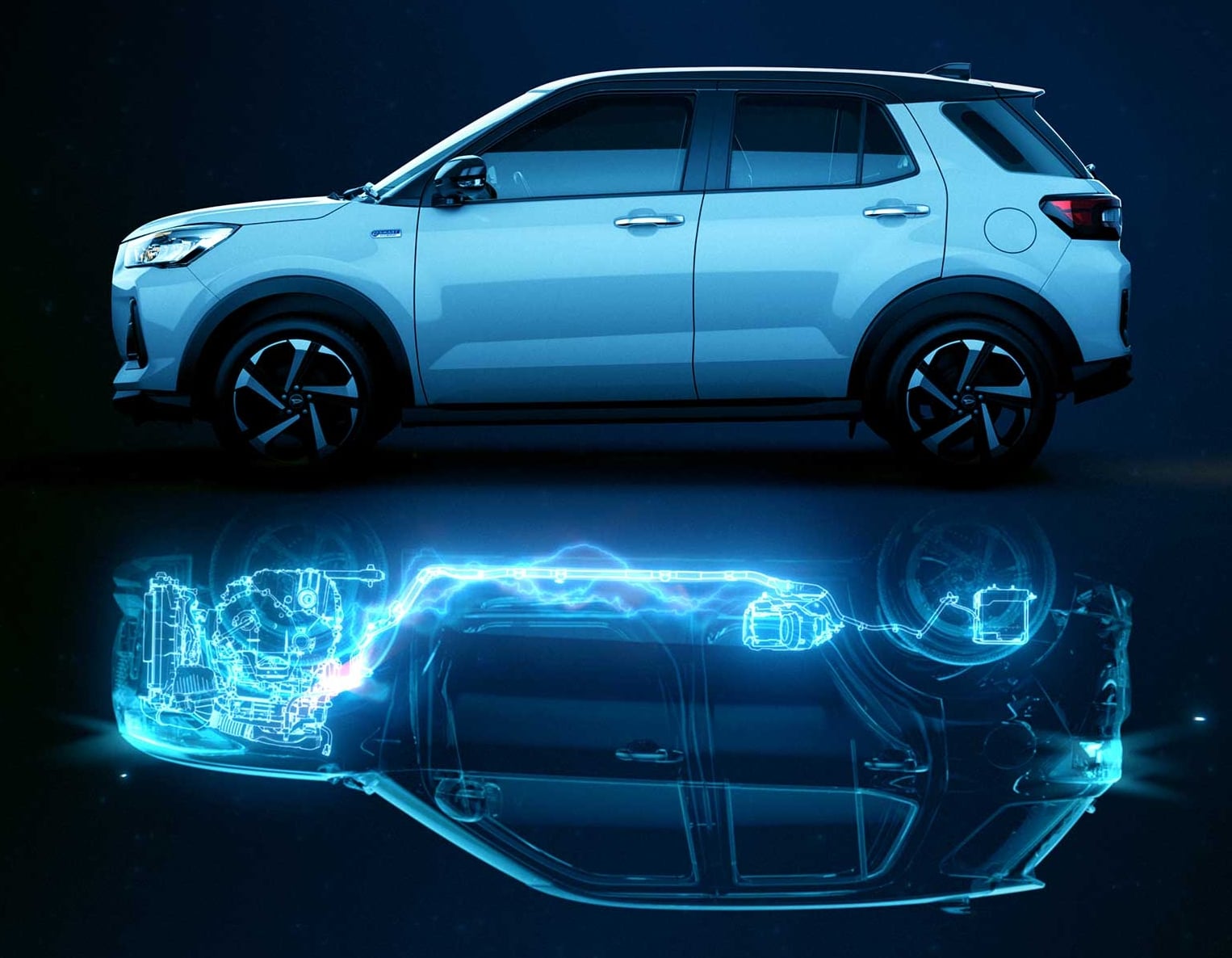
Real-world applications bear out these limitations. For instance, compact SUVs like the Daihatsu Rocky and Toyota Raize have successfully implemented the e-Smart Hybrid in some markets, capitalizing on its strengths for urban commuting, fuel efficiency, and smooth performance.
However, precisely because of these limitations, the system cannot be easily scaled up for larger, more upmarket models where consumers expect more comprehensive, all-around performance.
Why the Traz Launched Without the e-Smart Hybrid
The lack of a hybrid option in the Traz is not simply a rejection of the technology but stems from product timing, technical constraints, and commercial realities.
Hybrid Was Not Feasible by the Time Traz Reached Production
Typically, a new car takes 3–5 years from concept to launch.
Elements like chassis structure, engine bay layout, cooling systems, wiring, and cost targets are usually locked in during the early and mid-stages of development. Once a vehicle enters the engineering validation and production preparation phases, integrating an entire hybrid system would necessitate redesigning layouts, retesting, and recertification—processes that would disrupt launch timelines and significantly increase costs.
Although hybrid technology was considered during the Traz's early planning, it did not make it to production.
Perodua Could Not Source a Production-Ready System
In recent years, Daihatsu/Toyota has implemented systematic reforms in Southeast Asia regarding safety and compliance, affecting development processes, certification, and technology licensing.
These adjustments affect not only individual models but also the speed at which regional partners (including Perodua) can access new powertrain systems.
Hybrid systems are highly integrated and require strict homologation. Delays in upstream processes therefore pose significant challenges for local manufacturers, even those eager to adopt the technology.
Cost Considerations: e-Smart Hybrid Would Raise the Traz's Price
Perodua's success is built on serving a highly price-sensitive mass market. Adding a hybrid system inevitably increases manufacturing costs, warranty risks, and after-sales complexity.
If the resulting fuel economy benefits are insufficient to justify this price premium, consumers are unlikely to purchase.
Thus, the mature and cost-effective 1.5L gasoline engine proves a more suitable choice for the Traz.
Perodua's Strategic Shift Toward Electric Vehicles
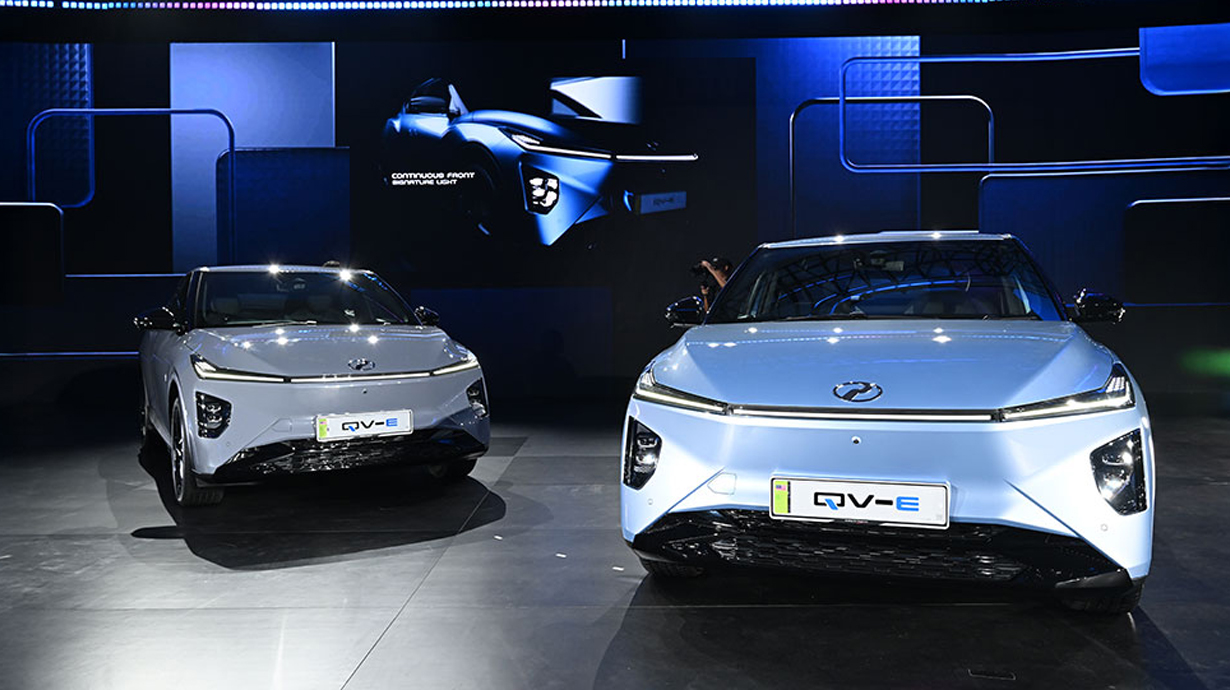
Although Perodua had previously indicated plans to launch hybrids (with many expecting the Traz to be the first), the company has increasingly focused its R&D and strategic resources on pure electric vehicles (such as the concept QV-E) in recent years.
Given finite resources, it is increasingly challenging for Perodua to pursue gasoline, hybrid, and electric vehicle development in parallel on a large scale.
Perodua has previously stated that future A/B-segment models could include hybrids, potentially the next-generation Myvi and Ativa. By that time, long-term test data from the Ativa e-Smart Hybrid trial should be conclusive. If the key metrics---particularly cost, reliability, and user acceptance---align favorably, the commercial case for mass-producing hybrids would be solid.
If any infringement occurs, please contact us for deletion
Trending News

The Lexus ES 200: Laughed Out of Existence
With the official debut of the eighth-generation Lexus ES in the global market, we quickly realized that the once entry-level model ES 200 has completely disappeared. Now only the ES 350h, ES 350e, and ES 500e remain, and for this reason, the Lexus ES 200 was launched with a two-tone body in the Chinese market as a commemorative edition.

Toyota recalls over 3 million vehicles worldwide, including Camry, Land Cruiser, and Lexus
According to the latest news, Toyota has officially launched a large-scale global recall involving approximately 3.3 million vehicles due to a defect in the reverse assist system software, which may cause the screen to freeze at critical moments.

Before buying a Mitsubishi Xpander, you must know these 5 common issues
Although the overall mechanical quality of Mitsubishi Xpander is widely recognized as economical and durable, according to extensive feedback from owners, Xpander may encounter the following 5 problems.

BYD Sealion 7 Common Issues: Must-Read Before Buying
BYD Sealion 7 is a highly mature product, with most of its exposed issues being "minor flaws" in software adaptation and craftsmanship details. With iterations of OTA updates and the accumulation of experience in electronic fault diagnostics within the after-sales service network, these problems are expected to improve in the future.

Which behaviors will kill your hybrid battery? Leaving it unable to start overnight
Although manufacturers claim that the design lifespan of hybrid batteries usually matches the lifespan of the vehicle, approximately 8 to 10 years or 200,000 kilometers, in actual use, many car owners experience premature battery degradation or even failure. So, what daily behaviors could kill your hybrid battery?










Popular Cars
Model Year
Car Compare
Car Photo