
Nissan plans to open the Rogue hybrid platform to competitors like Ford to ease financial pressure
 Kevin WongOct 11, 2025, 04:23 PM
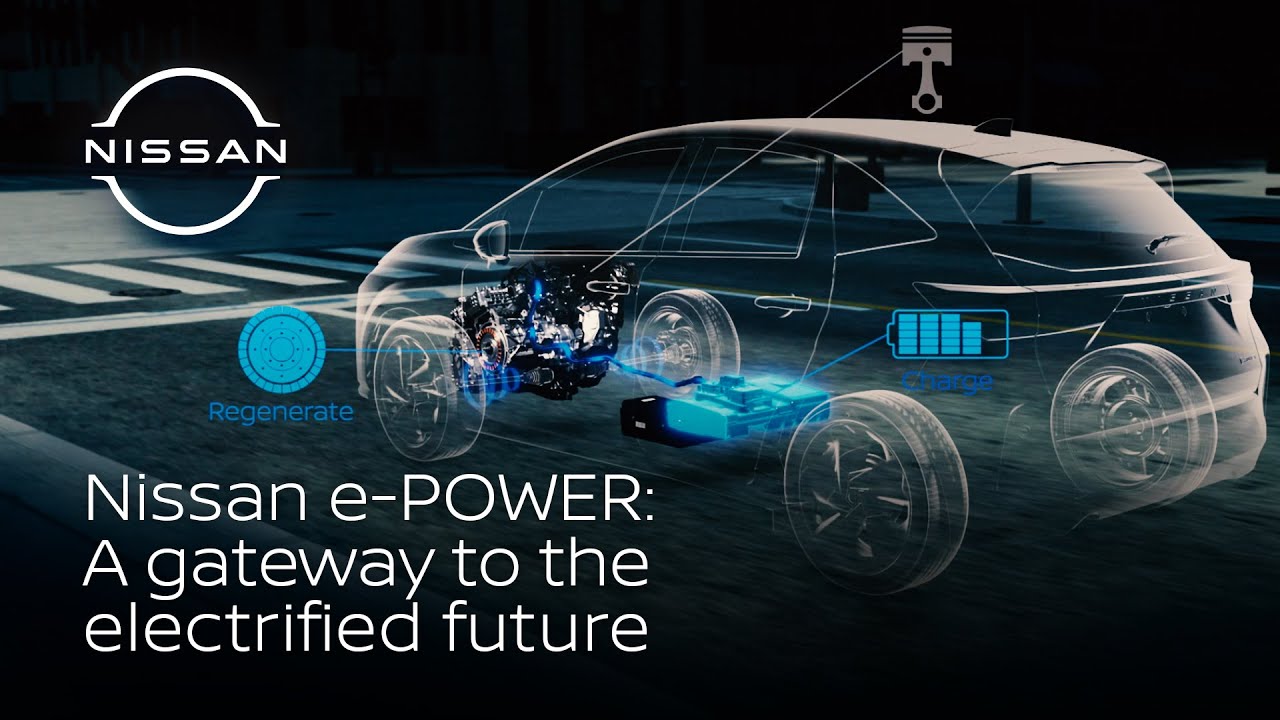 [PCauto] In the face of escalating cash-flow pressures amidst a rapidly evolving automotive industry, Nissan has been compelled to accelerate its search for new pathways in its electrification transition.In a key move to alleviate financial strain, the company is now opening up the hybrid technology platform of its popular Rogue SUV to former competitors.
It is reported that Nissan is currently in deep discussions with Ford and Stellantis Group, planning to utilize Rogue’s third-generation e-Power hybrid system to produce hybrid models for these brands. This means that in the future, consumers may see hybrid SUVs based on the Rogue platform but bearing Ford or Stellantis badges on the road.
The third-generation e-Power hybrid system offers certain market potential
As the sales anchor for Nissan in the U.S. market, the Rogue compact SUV will be equipped with the third-generation e-Power hybrid system, slated to debut in North America at the end of 2026.
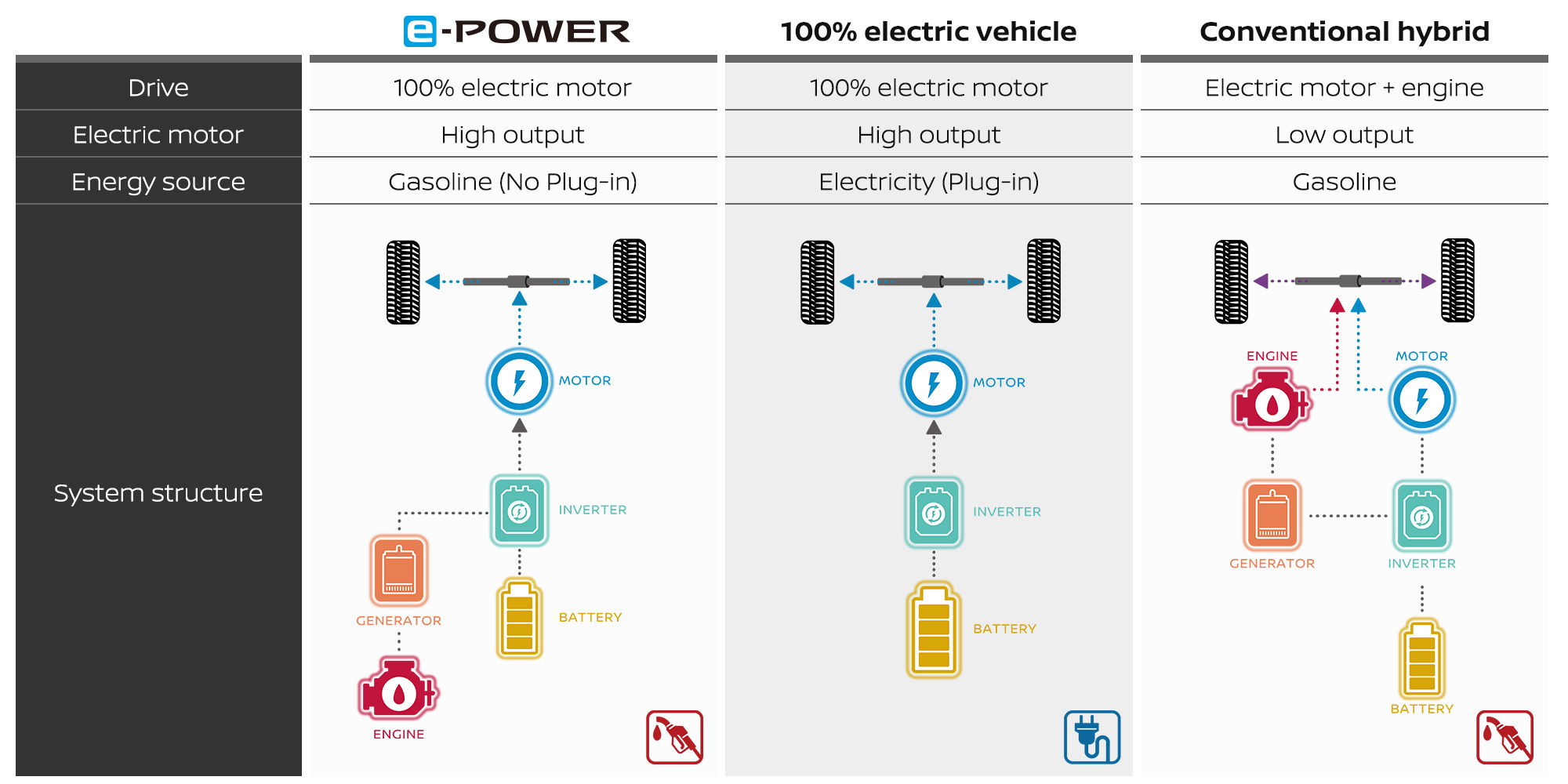
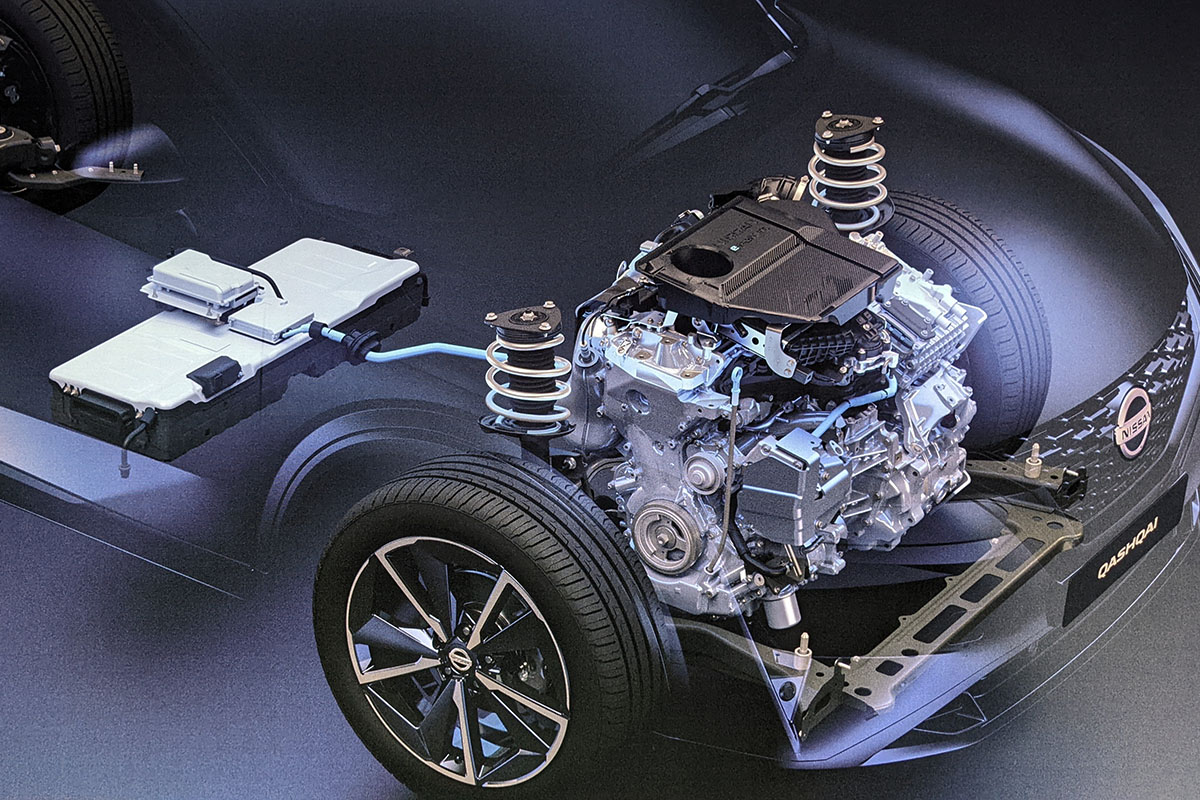
The system operates on a series-hybrid principle where the engine generates power and the motor drives the vehicle. It incorporates a five-in-one modular design, combining a motor, reducer, inverter, generator, and speed increaser into a single unit. Compared to its predecessor, the new system achieves a 15% improvement in fuel economy at highway speeds and reduces interior noise by 5.6 decibels. These enhancements, combined with a specially optimized high-efficiency engine, contribute to an overall fuel economy that is 9% superior to the previous generation.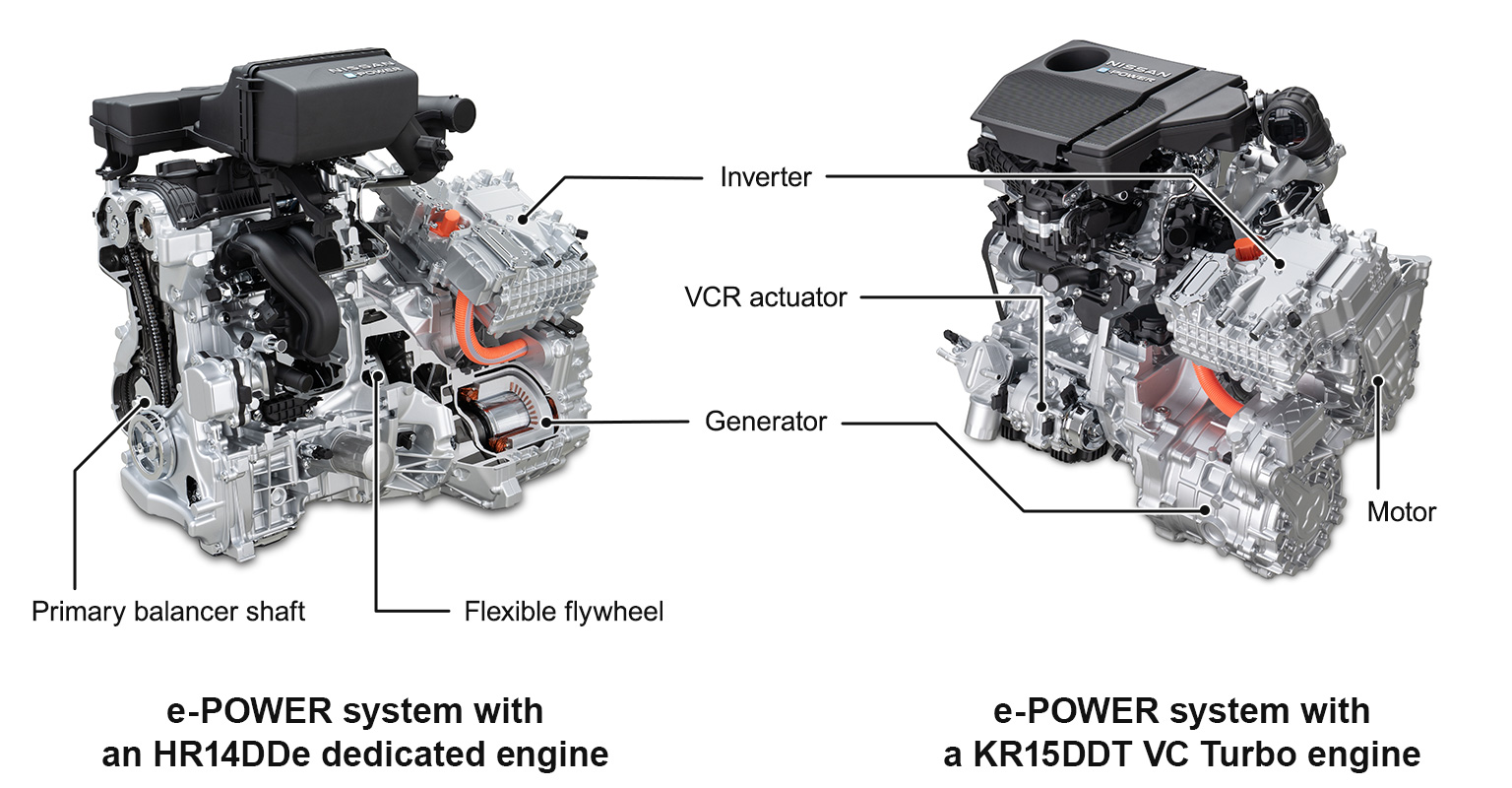
This design, which requires no external charging, not only satisfies users' pursuit of the electric driving experience but also avoids range anxiety. It has already been launched in the European market, where it has been well-received.
For Nissan, this cooperation is driven by pressing financial necessities
Despite a modest 3% decline in global sales and even 2.8% growth in North America, the company must increase utilization of its idle production capacity. Its Smyrna plant in Tennessee, for instance, is currently operating at only 51%.
Furthermore, the failure of merger talks with Honda has left Nissan needing to compensate for its delayed electrification progress through technology licensing. Since the Leaf EV, the automaker has fallen behind competitors like Ford and Stellantis in hybrid and electric vehicle innovation.
Nissan's technology outsourcing is not limited to Ford, but also includes other competitors
In addition to Ford and Stellantis, Nissan's potential cooperation partners include Mitsubishi Motors and technology manufacturer Foxconn.
Mitsubishi plans to integrate the e-Power system into its Outlander model based on the Rogue platform to fill its gap in the hybrid SUV segment.
For Ford, while the F-150 Hybrid leads sales in the full-size hybrid pickup segment and the Maverick Hybrid dominates the mid-size category, there remains a significant market opportunity in hybrid compact SUVs, which Nissan's technology could help address.
As for Stellantis, its Jeep 4xe and Cherokee 4xe models perform well in the plug-in hybrid segment, but it lacks a hybrid solution comparable to the e-Power system. Nissan's platform effectively addresses this gap for both automakers.
Nissan's transformation, from pioneering the EV market with the Leaf to now licensing its hybrid technology to former competitors, underscores its commitment to iterative learning and strategic adaptation in a rapidly changing industry landscape.
However, through collaborations with Ford, Stellantis, and others, Nissan is expected to leverage external support to regain a foothold in the hybrid market while alleviating financial pressure.
For customers, the future may bring a wider range of Rogue-based hybrids. Whether wearing a Nissan emblem or a competitor's, these vehicles will deliver the signature e-Power experience. This, perhaps, represents Nissan's most pragmatic strategy for navigating the evolving electric landscape.
If any infringement occurs, please contact us for deletion






Popular Cars
Model Year
Car Compare
Car Photo